
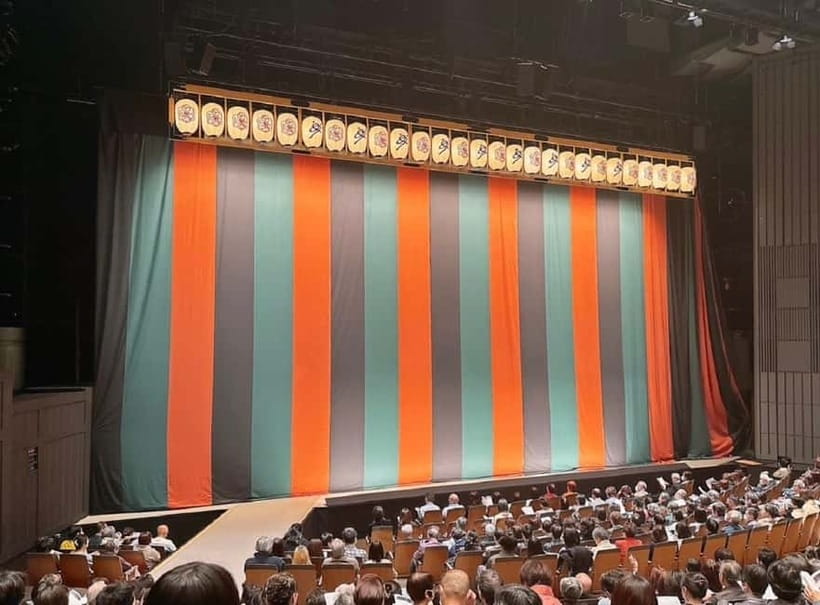
REVIEW · TAIKO DRUMMING AND TRADITIONAL PERFORMING ARTS
Tokyo: KABUKI, BUNRAKU, etc. presented by National Theatre
Kabuki and puppets, no boom mic. This National Theatre Japan program is a rare chance to see Kabuki, Bunraku, and Hogaku performed with real theatre discipline, plus English help that actually keeps pace with what you see. The main catch is time, the show can run up to 3 hours, so it takes a chunk out of a short Tokyo itinerary.
I also love the fact that it is not a theme-park version of Japanese culture. These are classical arts built over hundreds of years, and you feel that in the sound, timing, and focus of the performers. One more practical note, the venue is in Yokohama, not the National Theatre in Hanzomon.
In This Review
- Key things I found most compelling
- Yokohama venue, not National Theatre Hanzomon
- What you are actually buying: Kabuki, Bunraku, Hogaku, all in one program
- Kabuki: dramatic theatre told through music, dance, and movement
- Bunraku: adult puppet theatre where voice, shamisen, and puppets lock together
- Hogaku: the snow melody slot and why shamisen pauses matter
- The English aids are the difference between watching and understanding
- Theatre timing and the real value of a $37 ticket
- Etiquette inside the hall: keep it quiet, respect the rules
- Who this is for, and who should reconsider
- Should you book this National Theatre Japan show in Yokohama?
- FAQ
- Where is the performance venue for this ticket?
- Is this performance at the National Theatre in Hanzomon?
- How long is the performance?
- What is included with the ticket?
- Is the guide available in languages other than English?
- Does the English audio guide translate every line of dialogue?
- Can I take photos or record video inside the theatre?
- What is the cancellation policy?
- Is the venue wheelchair accessible?
Key things I found most compelling
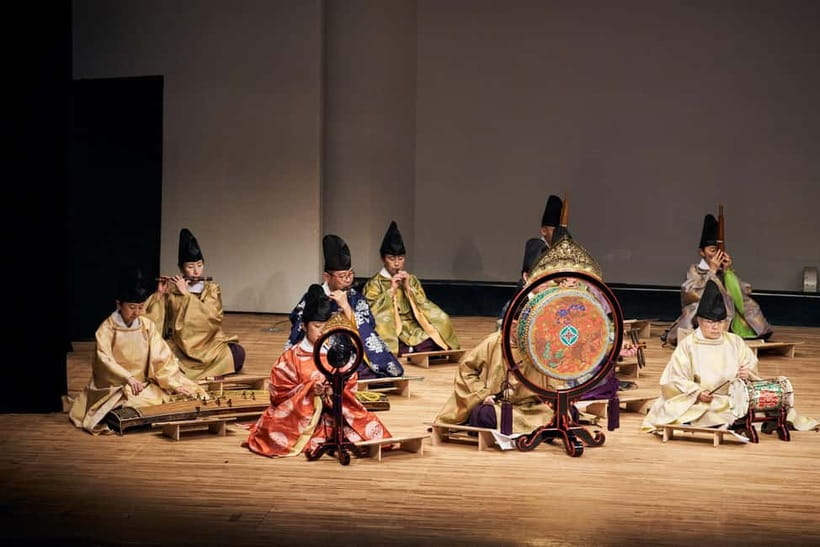
- A genuine National Theatre Japan program, presented with top-level performers.
- Kabuki and Bunraku include English audio guides, not just a flimsy handout.
- Hogaku comes with a free English explanation sheet, timed to the music.
- No loud speakers blaring over the performance, so the acoustics and voices matter.
- Content varies by date, so check the option title before you book.
Loud rooms and quiet stages around Tokyo
- Mt Fuji & Hakone Cruise, Drum Show Bullet Train 1 Day from Tokyo
★ 4.0 · 7,413 reviews - Mt Fuji & Hakone Cruise, Drum Show Bus 1 Day from Tokyo
★ 4.0 · 1,287 reviews - Tokyo: Samurai Sword & Archery Class from Samurai Descendant
★ 5.0 · 603 reviews - Mt Fuji & Hakone Cruise, Drum Show Bus 1 Day from Tokyo Sta. Area
★ 5.0 · 295 reviews
Yokohama venue, not National Theatre Hanzomon
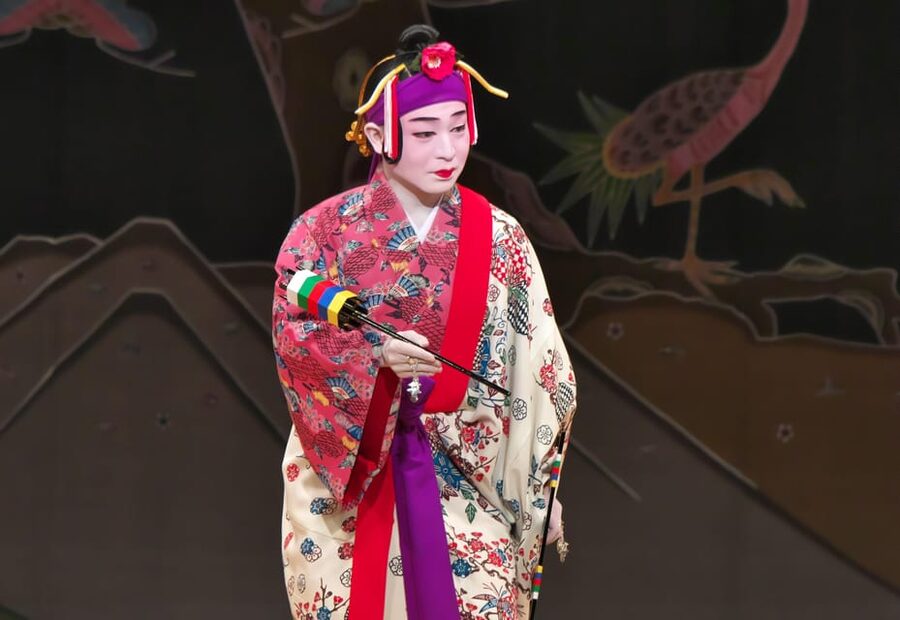
First thing to get right: this is not at the National Theatre in Hanzomon. The performance venue changes by date, and for this ticket you will be in Yokohama, at KAAT Kanagawa Arts Theatre.
KAAT is in the Minatomirai area, so you are not stuck in some remote back alley. The nearest stations are Nihon-odōri Station (MM05), about a 5 minute walk from Exit 3 or 4, or Motomachi-Chukagai Station (MM06), about an 8 minute walk from Exit 1. If you are coming from Shibuya, plan roughly 45 minutes by train.
You also swap your ticket once you arrive. You exchange the GetYourGuide voucher for the theatre-issued ticket at the entrance on the day of the performance, and staff will ask for the name on the reservation. This is normal theatre practice in Japan, but it is still the kind of detail that prevents stress if you show up ready.
What you are actually buying: Kabuki, Bunraku, Hogaku, all in one program
This experience is sold as a single activity, but the program you see depends on your specific date and option. The art forms included can be Kabuki, Bunraku, and Hogaku, traditional Japanese performing arts with histories stretching back for centuries.
Here is the practical way to think about it: you are not just watching one show. You are watching different forms that use different tools to tell stories. Kabuki leans on music and dance with dramatic storytelling. Bunraku brings in puppetry with live shamisen and a powerful narrator. Hogaku is a music-focused slot that spotlights specific melodies and how they color scenes, especially snow-themed ones.
That variety is a big part of the value. Even if you only know a little Japanese theatre, you get to compare what each form values: motion, rhythm, voice, and the way sound carries emotion. The downside is also simple. If you want only one specific art form, the date matters, and the schedule and content will not be identical every time.
Kabuki: dramatic theatre told through music, dance, and movement
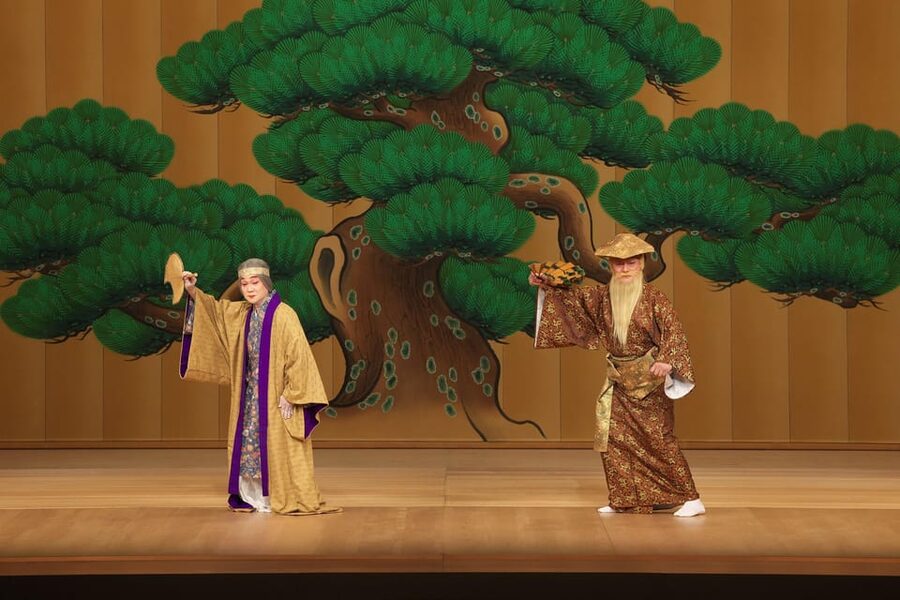
Kabuki is Japan’s famous dramatic theatre style, built on a blend of music, dance, and storytelling. The big idea is that Kabuki does not just tell a story with dialogue. It tells the story through controlled movement, stage composition, and musical cues.
You will likely recognize a few things even without background. Dramatic scenes, stylized acting, and that heightened theatrical language that feels both formal and emotional. Kabuki’s long evolution is part of why it still feels alive. Over its long history spanning hundreds of years, it has incorporated trends from successive eras, so it is not locked into a museum display.
For non-Japanese speakers, the English audio guide is the key that makes Kabuki workable. But use it like a map, not like subtitles. The audio guide gives an overview of the main points rather than a line-by-line translation. That matters because you want to keep your attention on the performers’ voices, acting, and timing, not on reading too much and missing the physical drama.
- Mt Fuji and Hakone 1-Day Bus Tour Return by Bullet Train★ 5.0 · 26,383 reviews
- 1-Day Tokyo Bus Tour★ 5.0 · 14,250 reviews
- Tokyo: teamLab Planets TOKYO Digital Art Museum Entry Ticket★ 4.6 · 9,779 reviews
- Mt Fuji & Hakone Cruise, Drum Show Bullet Train 1 Day from Tokyo★ 4.0 · 7,413 reviews
- Tokyo: Shinjuku Food Tour (13 Dishes at 4 Local Eateries)★ 5.0 · 6,603 reviews
Bunraku: adult puppet theatre where voice, shamisen, and puppets lock together
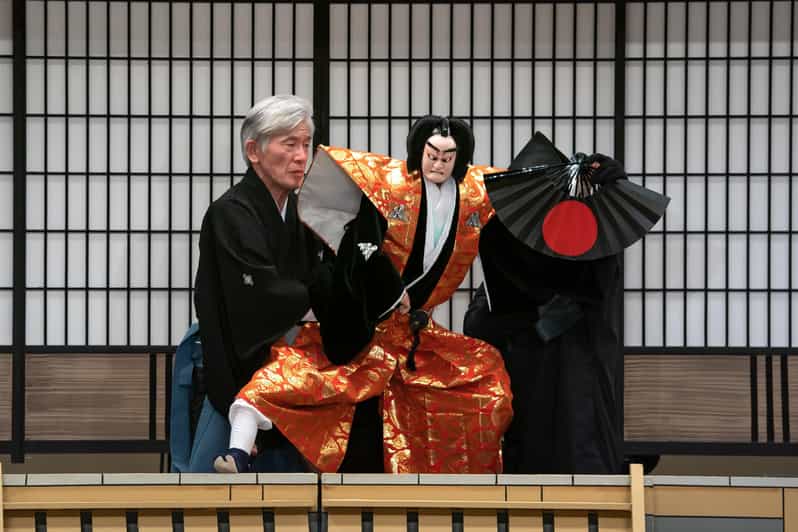
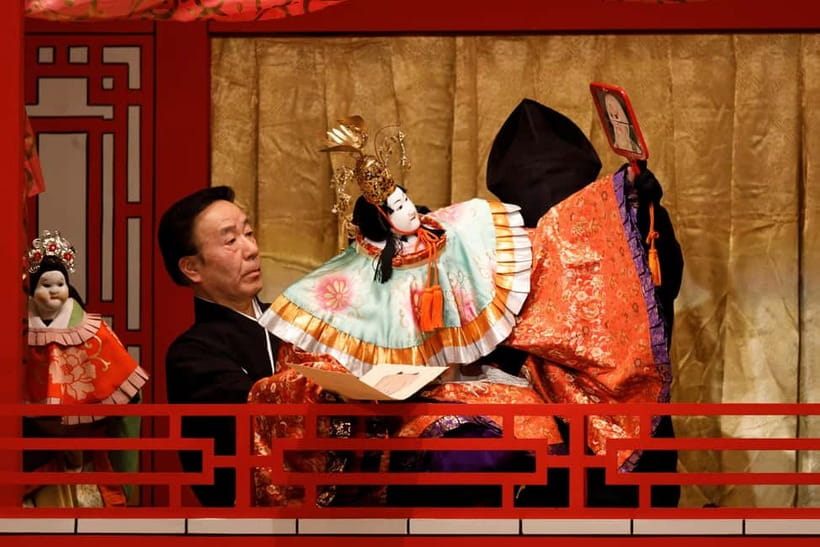
Bunraku is one of Japan’s representative adult theatre arts, and it is on UNESCO’s Representative List of the Intangible Cultural Heritage of Humanity. If you want a single sentence definition, it is this: Bunraku is a close collaboration between a narrator, shamisen music, and puppetry.
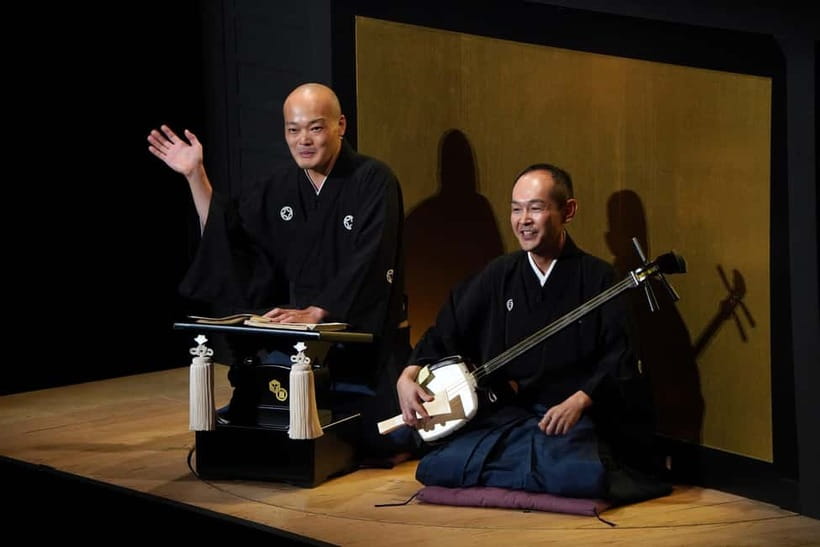
What makes it special is the synchronization. The narrator recites the story, and the narration is not quiet. It has force. The shamisen supports the emotional shape of the scenes with that sharp, expressive sound. Then the puppets move in ways that look delicate but feel controlled, like the motion is designed down to the beat.
In an experience like this, the audio guide is especially helpful for Bunraku because the story and emotion carry through voice and rhythm, not just visual cues. Still, do not expect a perfect substitute for understanding Japanese. The audio track is English-only and designed for overview, so you will still need to watch the puppets and the musicians as your anchor.
One review vibe I liked: people described it as emotional and memorable, even bringing out tears. That tracks with how Bunraku works when it clicks for you. If the pacing feels strange at first, stick with it. Bunraku builds its impact through repeated forms of attention: voice intensity, musical progression, and puppet movement, all arriving at the right moment.
Hogaku: the snow melody slot and why shamisen pauses matter
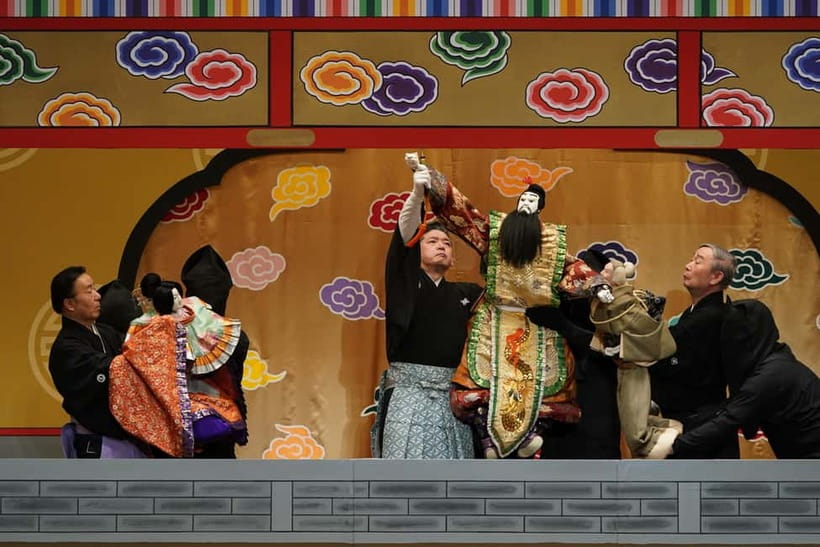
Hogaku is traditional Japanese music, and in this program it spotlights melodies linked to snow. The detail I appreciated is the specific reference to Yuki no Aikata, a long shamisen interlude connected to the Jiuta song titled Yuki.
That matters because with instrumental music, it is easy to think you are just listening. But Hogaku often works like storytelling without dialogue. The melody shows up across pieces that accompany scenes of falling snow, and the music is supposed to carry that imagery in timing, phrasing, and emotional weight.
For this portion, you do not get an audio guide. Instead, there is a free English explanation sheet. That is a smart choice. With music, a written guide can help you catch what to listen for without turning the session into a lecture. If you like to understand the structure of what you hear, this part is likely to feel thoughtful rather than passive.
If you are mostly there for story-driven theatre, Hogaku can feel quieter. If you enjoy music and want a different angle on Japanese classical arts, it is a great palate cleanser between more action-heavy segments.
The English aids are the difference between watching and understanding
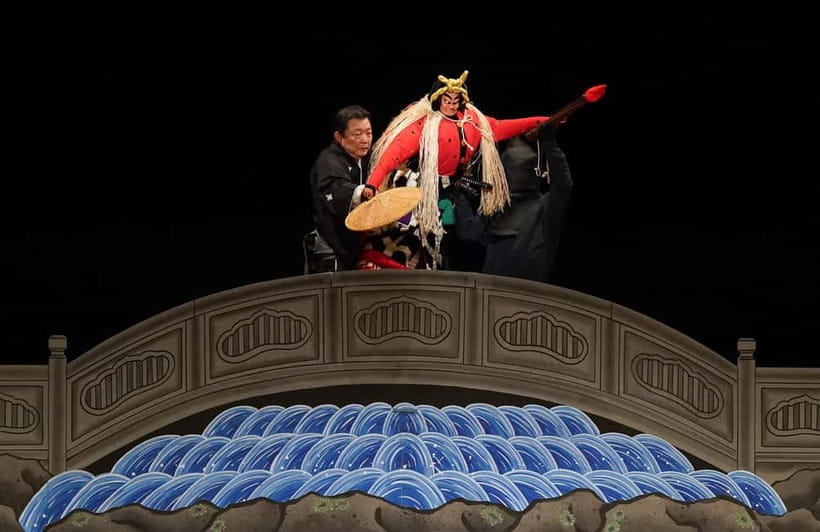
This show is designed for people who do not read Japanese, and the support is built into the format.
For Kabuki and Bunraku, you get an English audio guide. It is English only. Also, it is not a literal translation of dialogue. It summarizes the main points, so you get context without turning the stage into a reading experience.
For Hogaku, you get a free English explanation sheet.
Here is a practical thing to plan for. A review noted that it takes a few minutes for your brain to adjust to hearing translation in one ear while also listening to the actors and musicians. That is exactly what you should expect. Give yourself a little grace in the first moments. Once you stop fighting the two channels and start using the guide like a compass, the performance usually becomes much easier to follow.
And one small smart tip from reviews: arriving a few minutes early helps. There are preliminary explanations before the show begins, and catching those makes the first segment less confusing.
Theatre timing and the real value of a $37 ticket
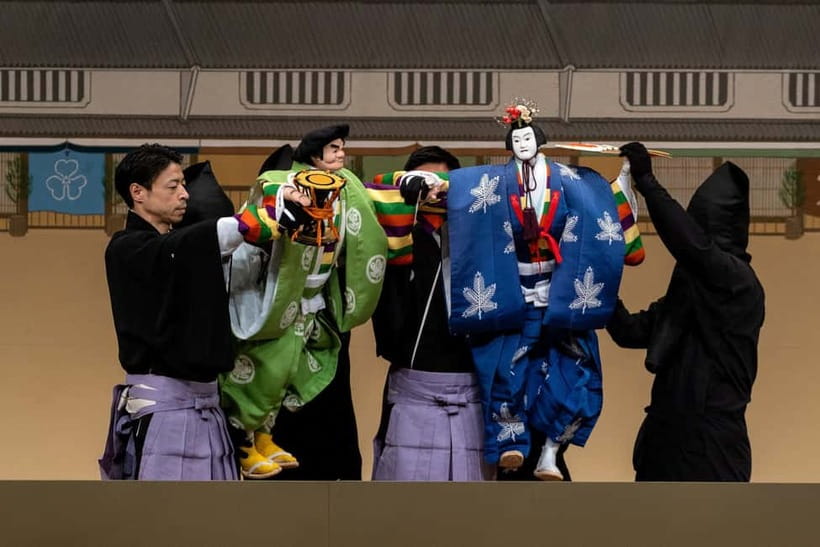
The price is listed at $37 per person, and the duration ranges from 75 minutes to 3 hours depending on the schedule.
Is $37 good value? For Japan, yes, if you judge it by what you get: tickets to top-notch classical performers, plus English support that is built into the experience. Many cultural activities cost more and still leave you with guesswork. Here, the guide format reduces the guesswork.
Still, you need to be honest about time. With a possible 3 hour block, this is not a quick snack between sights. One review even pointed out that if you are in Tokyo for under about a week, that long theatre time can feel like too much compared with other sightseeing. If you are on a short trip, pick the right day for it, preferably when you can sleep in a bit or take a lighter morning.
Also, your seats are assigned by the theatre. The location of your seat is left to the venue plan. That is normal, but it means you should not assume you will get a perfect angle from ticket selection alone.
Etiquette inside the hall: keep it quiet, respect the rules
You are going to a performance where sound quality and concentration matter. So the rules are strict, and you should treat them like part of the show.
Not allowed:
- Smoking
- Pets (assistance dogs allowed)
- Alcohol and drugs
- Video recording
- Photography inside
- Making noise
- Audio recording
One review also noted that drinks are not allowed in the theatre. Since that is not unusual for Japanese venues, I would plan on finishing water before you enter and keeping food and drink off your mind during the show.
If you want this experience to feel smooth, aim to be seated and ready before the performance starts. In theatre settings, late arrivals can be disruptive, and you do not want your night to start with apologies.
Who this is for, and who should reconsider
This experience is ideal if you want authentic classical performing arts rather than a simplified cultural show. If you are curious about Japan’s theatre traditions, and you like the idea of seeing how voice, music, and movement work together, this is a strong pick.
It is also great for non-Japanese speakers because the English audio guide and explanation sheet do the heavy lifting. The emphasis on overview rather than word-for-word translation is a plus for most people, especially if you want to watch the performers instead of reading constantly.
Where it might not land as well:
- If you only have limited time and your itinerary is tight.
- If you strongly prefer modern pacing and constant story turns.
- If you do not like slower, more ritualized theatre rhythms.
Finally, content varies by date. If you specifically want Kabuki or specifically want Bunraku, check the option title carefully before you commit.
Should you book this National Theatre Japan show in Yokohama?
If you are the type of traveler who likes real culture, not just cultural snapshots, I think you should book it. For the money, the combination of serious performers and practical English support is hard to beat.
Do it when you can give the full time block your attention. Go in with patience for first-segment adjustment, especially if you will use the English audio guide alongside the live narration and shamisen. And make sure you are comfortable with theatre rules like no photos and no recording.
If you are on a very short Tokyo trip and every hour matters, consider swapping it into a day when you have fewer must-see sights. But if you want one experience that feels distinctly Japanese and not easily replaceable, this is exactly that kind of evening.
FAQ
Where is the performance venue for this ticket?
The venue is KAAT Kanagawa Arts Theatre in Yokohama.
Is this performance at the National Theatre in Hanzomon?
No. The venue is not the National Theatre (Hanzomon). It varies depending on the date.
How long is the performance?
The duration is listed as 75 minutes to 3 hours, depending on availability and the starting time.
What is included with the ticket?
You get theatre tickets, plus an English audio guide for the Kabuki and Bunraku performance. For Hogaku, you receive a free English explanation sheet.
Is the guide available in languages other than English?
No. The audio guide is English only.
Does the English audio guide translate every line of dialogue?
No. The audio guide provides an overview of the main points, not a literal translation of the dialogue.
Can I take photos or record video inside the theatre?
No. Video recording and photography inside are not allowed.
What is the cancellation policy?
Free cancellation is available up to 24 hours in advance for a full refund.
Is the venue wheelchair accessible?
Yes. The activity is listed as wheelchair accessible. If you are coming in a wheelchair, you should contact the provider as soon as possible so wheelchair-accessible seating can be arranged.
Stages, Loud and Quiet


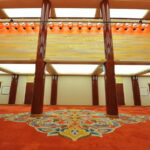
Newest Tokyo write-ups from the Loving Japan desk

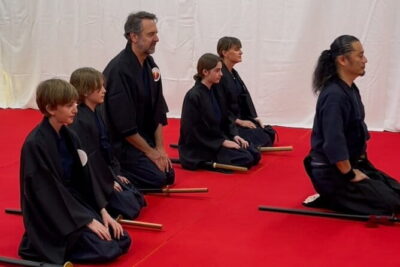
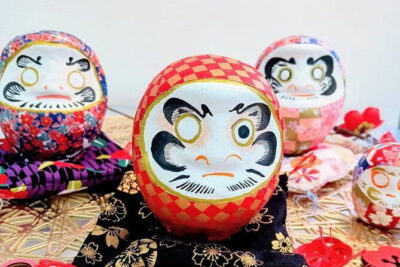

Taiko Drumming and Traditional Performing Arts, side by side.
 ★ 4.0Mt Fuji & Hakone Cruise, Drum Show Bullet Train 1 Day from TokyoFrom $1497,413 reviews
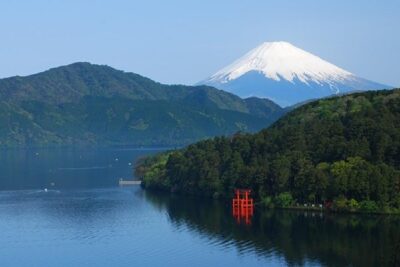 ★ 4.0Mt Fuji & Hakone Cruise, Drum Show Bus 1 Day from TokyoFrom $1221,287 reviews
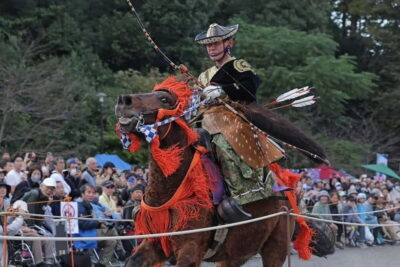 ★ 5.0Samurai Sword & Archery Class from Samurai DescendantFrom $193603 reviews
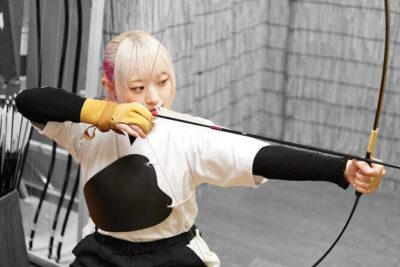 ★ 5.0Japanesel Archery Experience HIROSHIMA CASTLE SHARAKUFrom $43387 reviews
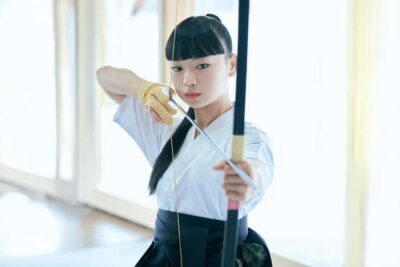 ★ 4.8Traditional Japanese Archery ExperienceFrom $41351 reviews
 ★ 5.0Mt Fuji & Hakone Cruise, Drum Show Bus 1 Day from Tokyo Sta. AreaFrom $123295 reviews
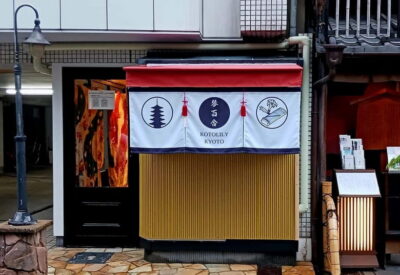 ★ 4.8Nishiki Market Tea Ceremony with Koto PerformanceFrom $56294 reviews
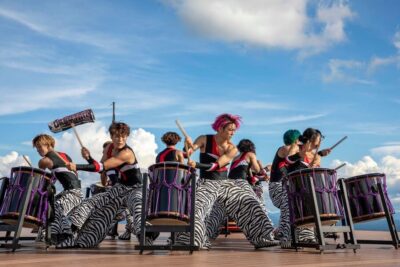 ★ 4.8Open-air theater “Tao- no-Oka” Drum TAO Live performanceFrom $30191 reviews
Filed on these lists too