
REVIEW · SAMURAI, NINJA AND SWORD EXPERIENCES
Tokyo: Samurai Sword & Archery Class from Samurai Descendant
This class turns movies into footwork. You get hands-on work with a practice sword and real horseback archery skills, not a staged performance. I really like how Yoshioki Sumida teaches in a way that keeps you safe while still pushing your form, and I love that the session mixes two tough arts in one go. The main drawback to plan for is the price, at $193, plus the fact this is a true physical workout.
What makes it special is the rhythm of the training. You start with an Iai lesson focused on correct sword handling, then move into gekken timing and sparring with a practice sword. The cutting part also includes slashing multiple targets while moving, which is way harder than it looks.
Logistics are straightforward. You meet at Toyama-ryu Bizen-kai near JR Machida Station, and the dojo is on the third floor, reached by stairs at the back. It is a shared class with a maximum of 15 people, so it still feels like training, not a crowd event.
In This Review
- Key highlights worth your attention
- Getting to Toyama-ryu Bizen-kai in Machida (and what to expect on arrival)
- The $193 price tag, and why it can still feel worth it
- The 3-hour flow: lecture, Iai, gekken, cutting, and longbow archery
- Iai basics: learning safe sword handling with a mock sword
- Gekken sparring: timing, defense, and learning by feedback
- Cutting practice that includes slashing targets while moving
- Horseback archery longbow try-out: real equipment, real focus
- Samurai weapon history that actually matches the training
- What to wear, what to bring, and how to avoid common mistakes
- Who should book, and who should skip for safety
- Best-fit traveler: what kind of trip this class adds value to
- Final thought: should you book this samurai sword and archery class?
Key highlights worth your attention
- A master of both swordsmanship and horseback archery teaching in one small-session format
- Iai practice with a mock sword, focused on form and safe technique
- Gekken sparring and target slashing, including slashes while moving
- Real horseback archery longbow shooting, with instruction on how to use it
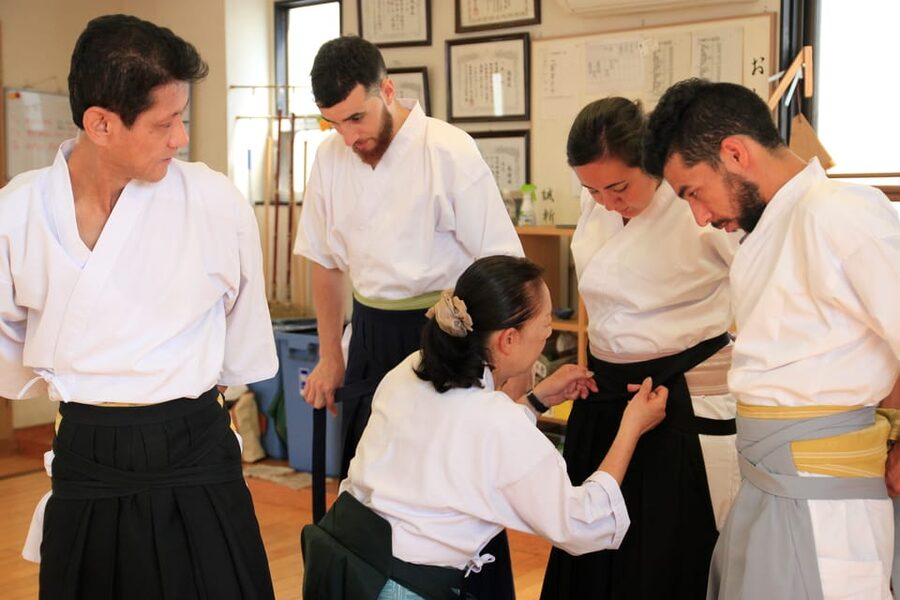
- Toyama-ryu focus, including a live demonstration of Toyama-ryu 7th grade
- Authentic dojo training wear provided, with a short lecture at arrival
Blade work and stagecraft, other sessions
- Tokyo: Samurai Ninja Museum Guided tour and Experience
★ 4.6 · 1,010 reviews - Tokyo: Samurai Sword & Archery Class from Samurai Descendant
★ 5.0 · 603 reviews - Best Samurai Experience in Tokyo
★ 5.0 · 458 reviews - Ninja Experience (Family Friendly) at Samurai Ninja Museum TOKYO
★ 5.0 · 441 reviews
Getting to Toyama-ryu Bizen-kai in Machida (and what to expect on arrival)
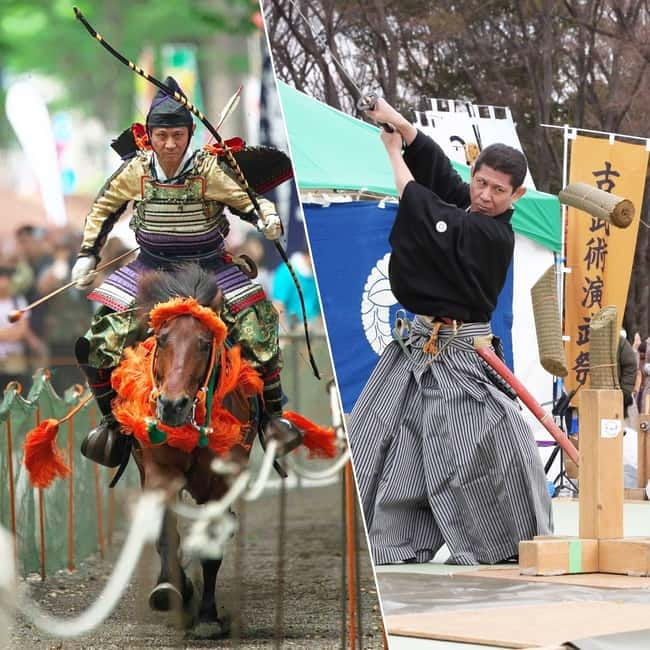
This experience is based at Toyama-ryu Bizen-kai, a dojo you can reach in about a 10-minute walk from JR Machida Station. The dojo sits on the third floor, so go past the sword shop area and the vending machines, then use the stairs at the back to get up.
When you arrive, you should expect a short lecture first. Then you will change into provided training wear. That order matters, because you move from history into technique without the usual “tour talk, then stand around” feeling.
It is also capped at 15 participants, which is one reason the instruction tends to feel hands-on. English support is available through the instructor, and based on class experience, you can usually follow along even if your Japanese is basic.
The $193 price tag, and why it can still feel worth it
$193 per person is not cheap for Tokyo. The value comes from what you actually do during the 3-hour session.
First, you receive real training content across multiple disciplines: Iai sword basics, gekken sparring, cutting practice, and bow and arrow shooting. This is not a single highlight. You are learning a sequence of skills that build on each other.
Second, you get instructor feedback during practice, not just a one-time explanation. People often mention that the corrections are clear and safety-focused, and that your form gets adjusted patiently. When you can fix errors early, you improve faster and you enjoy the class more.
Third, your kit is included. You get the practice uniform and a practice sword, so you are not paying extra to “rent” the gear. If you are worried about what you can actually contribute as a beginner, the class is set up for real instruction with a structure that takes you step by step.
So yes, it is expensive. But if your goal is a genuine skill session, the price starts to make sense.
The 3-hour flow: lecture, Iai, gekken, cutting, and longbow archery

The session is designed to feel like training in a dojo, not a show on a schedule.
You typically begin by meeting at the dojo, then receiving the short lecture and changing into training wear. From there, the core progression goes like this:
- Iai lesson: handling and swinging a mock sword, focusing on correct form
- Gekken lesson: timing for attack and defense, then practice sparring with a sword
- Cutting practice: including slashing multiple targets while moving
- Bow and arrow try-out: shooting with a real horseback archery style bow
Along the way, you may also do smaller technique checks, like examining the blade line. There is also a live demonstration connected to Toyama-ryu (including a Toyama-ryu 7th grade presentation).
If you are the type who gets impatient waiting for “the fun part,” this schedule helps. The session stays active, and the history is tied directly to why these movements and weapons mattered.
Loud rooms and quiet stages around Tokyo
- Mt Fuji & Hakone Cruise, Drum Show Bullet Train 1 Day from Tokyo★ 4.0 · 7,413 reviews
- Mt Fuji & Hakone Cruise, Drum Show Bus 1 Day from Tokyo★ 4.0 · 1,287 reviews
- Mt Fuji & Hakone Cruise, Drum Show Bus 1 Day from Tokyo Sta. Area★ 5.0 · 295 reviews
- Tokyo: KABUKI Show at Kabukiza Theatre Admission Ticket★ 4.8 · 152 reviews
- Tokyo: KABUKI, BUNRAKU, etc. presented by National Theatre★ 4.6 · 135 reviews
Iai basics: learning safe sword handling with a mock sword
The Iai portion is where you learn the most important lesson: how to move the sword correctly, without rushing.
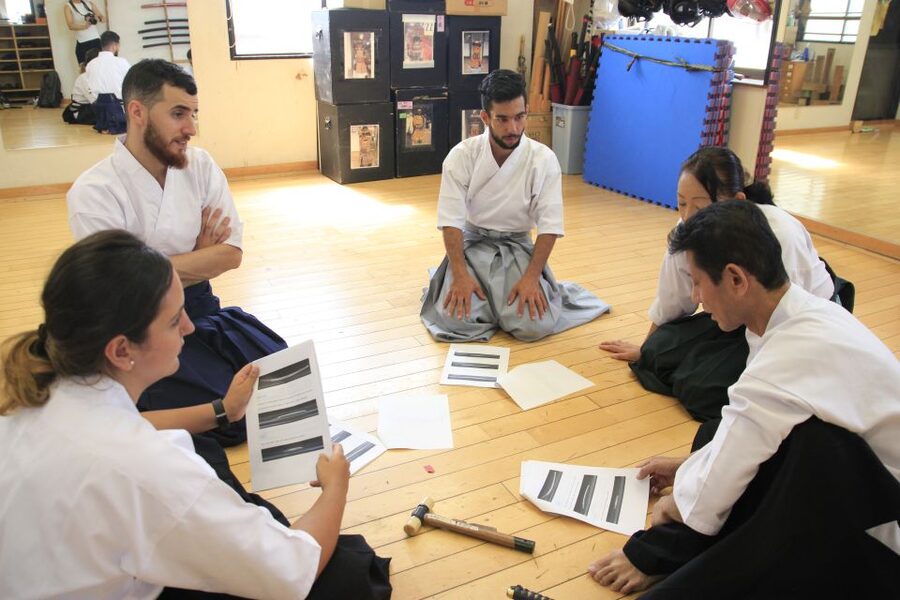
In the Iai lesson, you practice handling and swinging a mock sword while learning the correct technique. The emphasis is usually on your starting position, your grip, your movement path, and the timing of your cut. Even if you have seen sword videos online, the class approach tends to push you toward a more controlled, purposeful motion.
A small detail that helps a lot: the class also includes a blade line check activity. If you have ever wondered why some cuts look “clean” while others look like a swing, blade line is part of that answer. Seeing it explained and then having you check it is one of those moments that makes you feel smarter right away.
This part can also be mentally intense, because it is about precision, not speed. The good news is that you are learning the foundations before you add sparring.
Gekken sparring: timing, defense, and learning by feedback
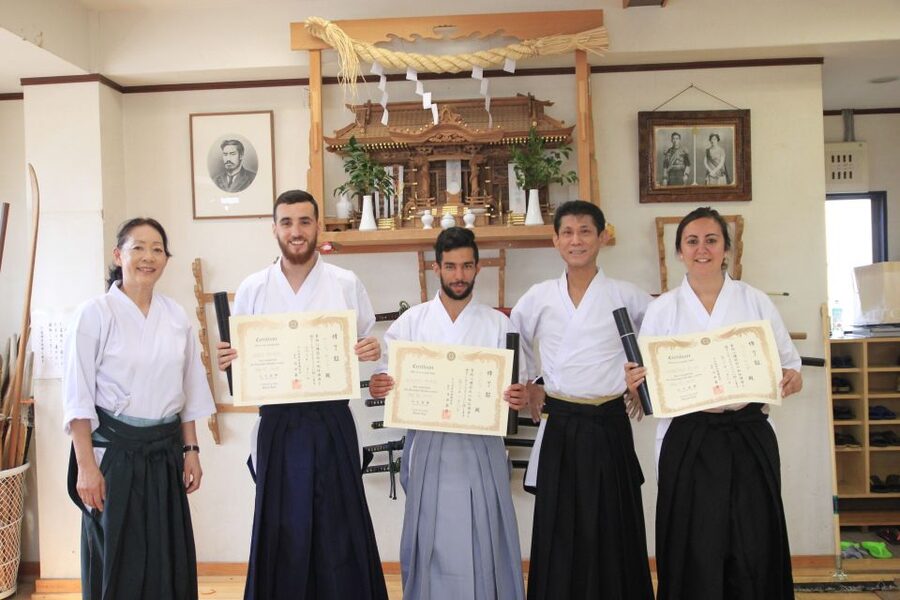
After Iai, you move into gekken, which is where the class becomes more dynamic.
The gekken lesson focuses on timing for attack and defense. Then you spar with a practice sword. This is one of the best parts of the experience because you learn how the art works with an opponent, not just on targets.
Safety is built into the pace. Instructors tend to correct stance, grip, and movement so you do not just “go through the motions.” People also mention that the teaching style is firm about safety and form, but kind about correction. That balance is crucial. If the correction is harsh, beginners shut down. If it is too gentle, you never improve.
This sparring component also answers a real travel question: can you experience Japanese martial culture without being a kendo expert? Here, you get structured practice even if you are starting from zero.
Cutting practice that includes slashing targets while moving
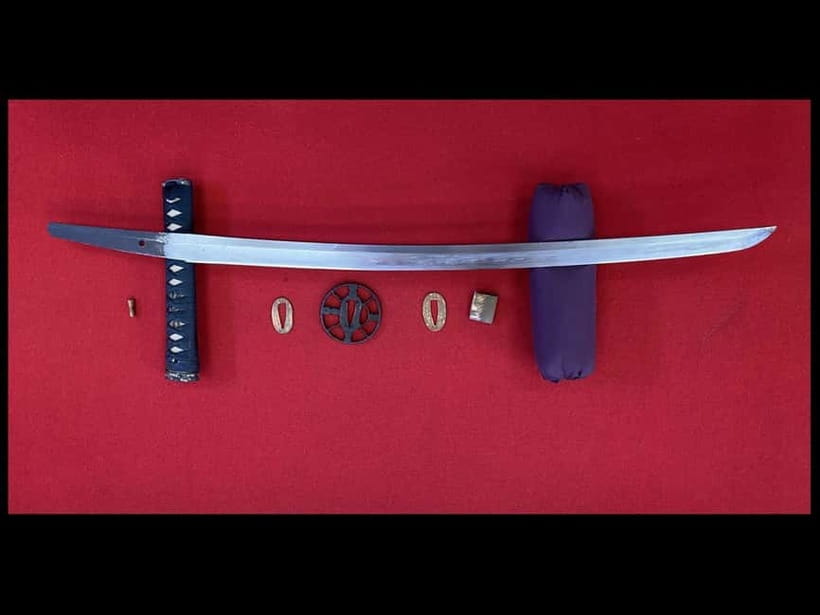
The cutting highlight is slashing multiple targets while moving. That is hard, and the class makes sure you understand why.
A stationary cut is one thing. Moving while you cut is where timing, footwork, and balance all collide. Your body has to stay coordinated while your sword arm executes a clean motion. That is why people often describe this part as more demanding than they expected.
What you gain from it is not just the satisfaction of “I cut something.” It is the understanding that samurai sword technique was a system. The weapon, stance, and movement path all function together.
If you come in thinking this is only about the sword, you will be surprised by how much the class teaches about control and positioning. That is the kind of skill you can feel in your body immediately.
Horseback archery longbow try-out: real equipment, real focus
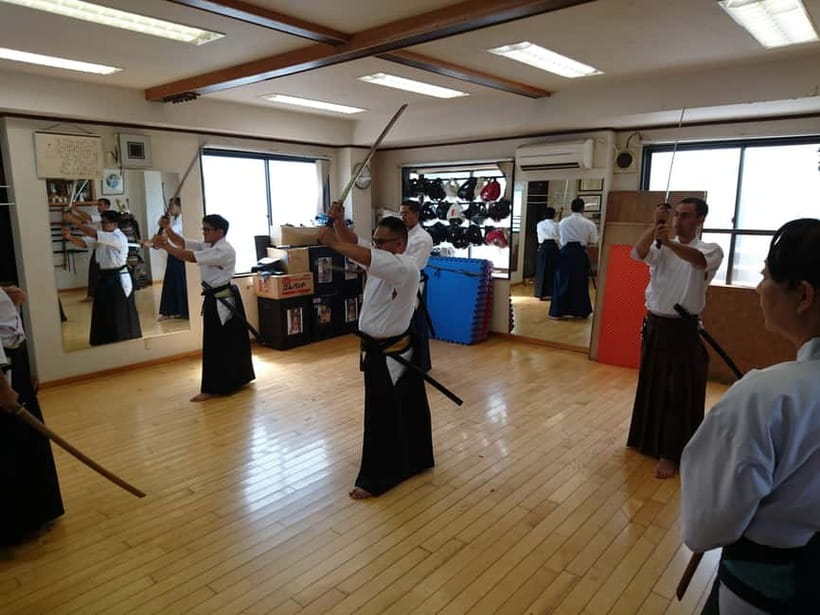
Then comes the other half of the training. You try shooting arrows with a real horseback archery bow.
Even if you never rode horses, you can still learn the technique principles: posture, draw control, and aiming basics. You also learn why this weapon shaped samurai warfare so deeply.
The class is described as a place where you can get practical horseback archery training from true masters, and the equipment choice matters. The fact that you use a horseback archery style bow changes the experience. You are not shooting a modern recreational bow and calling it “historical.” You feel the difference in handling and the care required for consistent shots.
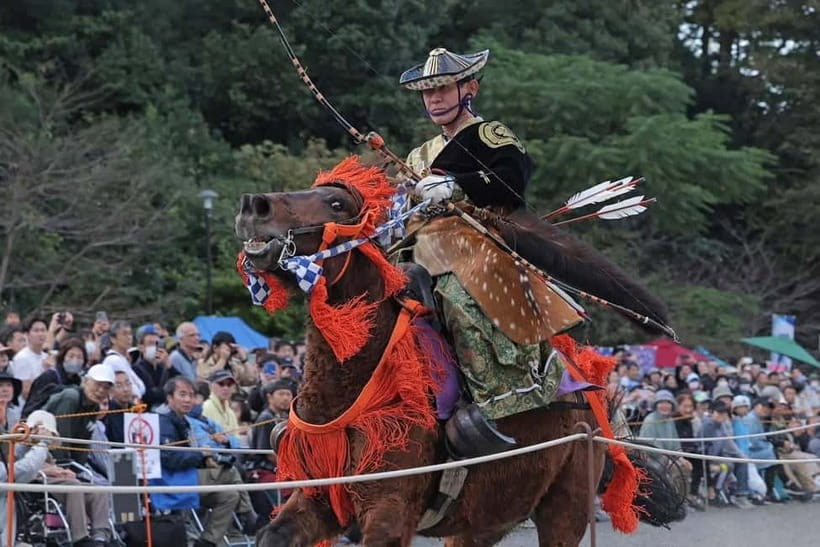
You might also see traditional horseback archery costume used in demonstrations. That visual context helps you connect the bow to culture, not just to mechanics.
Samurai weapon history that actually matches the training
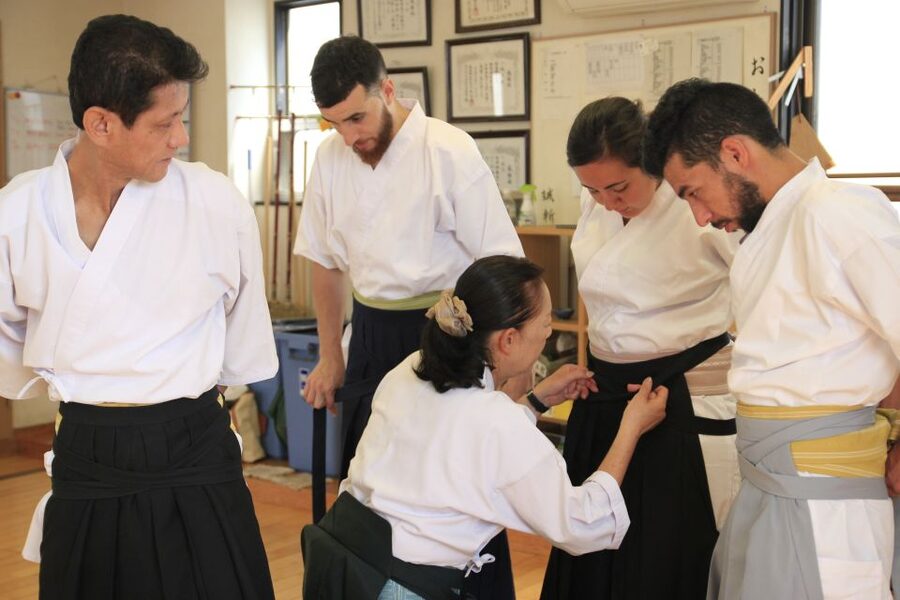
The lecture portion is not just trivia. It is part of the training logic.
You learn the timeline of what changed and why: about 1000 years ago, the main weapon of the samurai was the bow. Around 450 years ago, matchlock guns became more powerful. Then after the civil war ended, roughly 400 years ago, the sword became the main weapon.
That historical arc helps you understand the class choices. You are not randomly doing a sword class and then adding archery at the end. You are experiencing two weapon systems that dominated different eras.
There is also mention that you can even hold an antique matchlock gun in your hands. If that happens during your session, it is a striking moment because it makes the history physical. Instead of reading about technology change, you get to feel the weight and shape.
And if you are a nerd for Japanese martial traditions, the live demonstration connected to Toyama-ryu 7th grade is a great capstone. It reinforces that this training sits inside a lineage, not just a hobby.
What to wear, what to bring, and how to avoid common mistakes
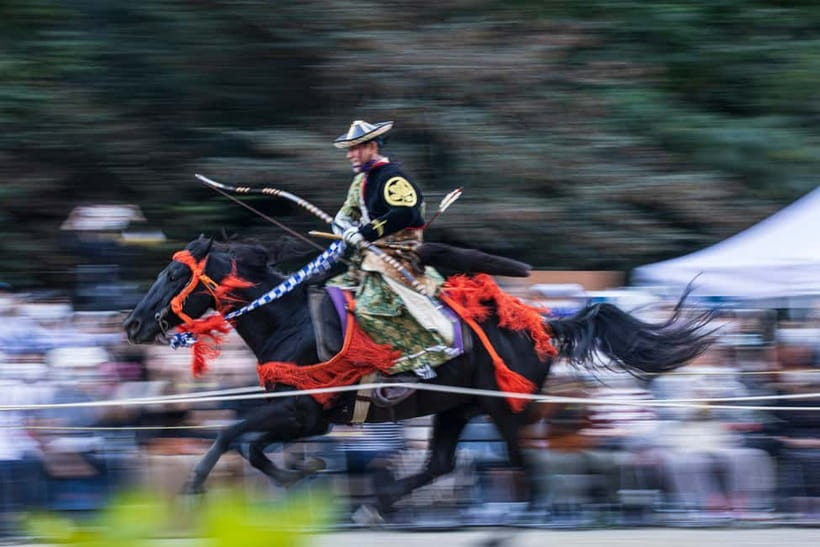
Training wear is provided, so you do not need to show up in martial arts clothing. But you do need to tell the organizer your height and weight so the uniform fits.
What to bring:
- A camera
- Drinks
Alcohol and drugs are not allowed.
A practical note from real experience: the class setup may be right-handed, which can matter for left-handed participants. If you are left-handed, you might find the first few attempts with archery take extra adjustment. It does not mean you should skip the class, it just means you should go in expecting a little adaptation.
Also, plan for physical effort. People frequently mention feeling sore the next day. This is a dojo session with real practice, not a gentle cultural talk.
Who should book, and who should skip for safety
This is not a casual try-it-once class. It is real training.
It is not suitable for:
- Pregnant women
- People with back problems
- People with mobility impairments
- Wheelchair users
- People with heart problems
- Children under 18 years
- People with epilepsy
- Visually impaired people
Children under 18 may participate only with parental permission and supervision, and they must have the muscle strength to swing the sword. If you are booking for a teen, double-check whether they can meet that requirement comfortably.
If you have any medical conditions that affect balance, mobility, or exertion, treat that as a serious signal to choose a different activity.
Best-fit traveler: what kind of trip this class adds value to
This is for people who want hands-on Japanese culture, not just photos. You will enjoy it most if you like:
- Martial arts or historical weapon training
- Learning through correction, repetition, and practice
- A structured session where you work instead of watching
It is also a good match for Tokyo travelers who want a break from temples and shopping. This gives you a different kind of local depth: skill tradition, taught in a real dojo setting.
Commute time matters. People mention that the dojo can be a longer trip from central Tokyo. If your schedule is packed, you will want to protect this class as an anchor activity.
Final thought: should you book this samurai sword and archery class?
I think this class is an easy yes if you want practical training in Japanese martial culture, especially if you care about doing the work yourself. The biggest selling points are the combination of Iai + gekken sword practice and the real horseback archery longbow try-out, all taught with a small group limit.
I would hesitate if you are sensitive to physical strain, have a medical condition that affects movement, or you are expecting a relaxed “cultural experience” with lots of free time to observe. This is training. You will learn by doing, and you should be ready for that.
If you want one Tokyo activity that feels like you stepped into a living skill tradition, this is a strong candidate. If your budget is tight or you only want light activities, consider saving your money for another day and another kind of Tokyo experience.
Stages, Loud and Quiet



Blade Work and Stagecraft


Newest Tokyo write-ups from the Loving Japan desk


Samurai, Ninja and Sword Experiences, side by side.
 ★ 4.5Samurai Restaurant Show Ticket with 2 DrinksFrom $551,307 reviews
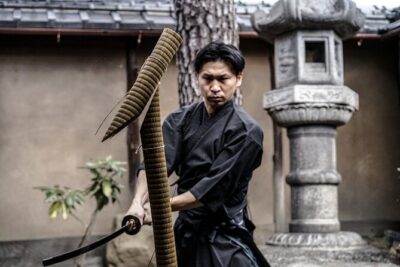 ★ 5.0Kyoto Samurai ExperienceFrom $1191,294 reviews
 ★ 4.6Samurai Ninja Museum Guided tour and ExperienceFrom $271,010 reviews
 ★ 4.9Kendo and Samurai Experience with Uniform and GearFrom $103815 reviews
 ★ 4.9Samurai Sword Class by Experts in Traditional ArtsFrom $64657 reviews
 ★ 4.5Skip the lines Basic Ticket at SAMURAI NINJA MUSEUM KYOTOFrom $28632 reviews
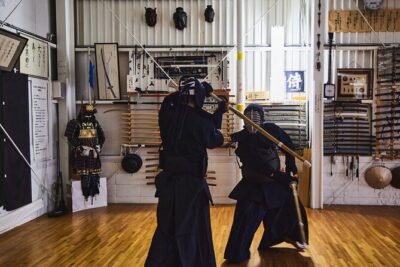 ★ 5.0Samurai Training Experience KENDO in OsakaFrom $131515 reviews
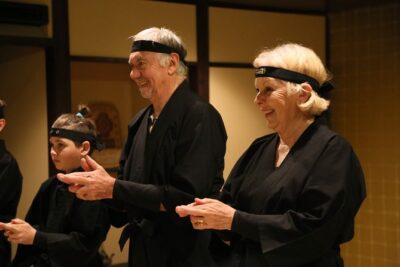 ★ 5.0Ninja 1-hour Hands-on Lesson by Japanese master in Kyoto -EntryFrom $80489 reviews