
REVIEW · NISHIKI MARKET AND KYOTO FOOD WALKS
Kyoto: Nishiki Market Tea Ceremony with Koto Performance
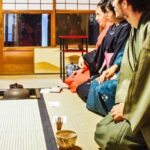
Matcha plus koto feels like Kyoto therapy. At KOTOLILY KYOTO in central Kyoto, you make your own matcha and hear live Japanese harp music timed around the tea ritual.
I love the hands-on matcha coaching, including how to get a creamy cup that is less bitter, and I love the intimate feel of hearing the koto live while you slow down. The host is often described as warm and personable, with music breaks before and after the ceremony.
One possible drawback: you may want to budget for optional on-site add-ons like kimono photos and extra koto experience, and the room is traditional, including shoes off.
In This Review
- Key highlights to look for
- Where Nishiki Market meets a calmer Kyoto moment
- Meeting point reality check (so you don’t waste 10 minutes)
- What happens during the 1 hour tea ceremony
- Making matcha: the steps, the feel, and the taste goal
- The etiquette lesson you can actually use
- Where the koto fits in, and why it changes the mood
- Kimono try-on and the optional photo video upsell
- Optional koto-playing experience: add it if you want hands-on music
- Small-group setup: what the room feels like
- Price and value: what $56 really includes
- Weather and timing: how to plan this into your Kyoto day
- Who should book, and who should skip
- Should you book this Kyoto tea ceremony with koto?
- FAQ
- How long is the Kyoto tea ceremony and koto performance?
- What is included in the $56 per person price?
- Where is the meeting point?
- Can I wear a kimono for photos?
- Is flash photography allowed?
- Is this activity suitable for children or wheelchair users?
Key highlights to look for
- Small group size (up to 8): you get real guidance, not a “watch and wait” show.
- Creamier, less bitter matcha focus: instruction targets texture and taste, not just process.
- Live koto at multiple moments: music comes before and after, and often between tea steps too.
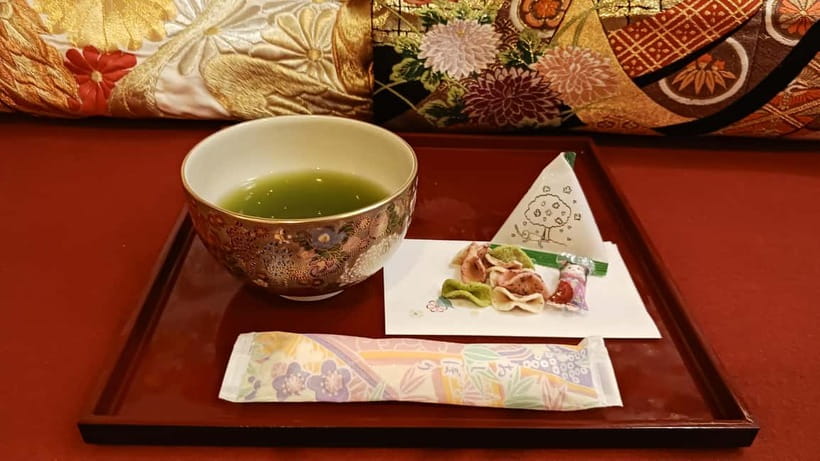
- Tea sweets included: you’ll get something sweet to pair with your matcha.
- Optional kimono and photo/video: you can dress up for pictures for an extra fee on-site.
- Optional koto-playing experience: you can add a hands-on music moment after the main ceremony.
Sit down somewhere quieter. Other tea rooms we booked
- Kyoto: Tea Ceremony in a Traditional Tea House in Kiyomizu
★ 4.9 · 3,519 reviews - Kyoto: Tea Ceremony Ju-An at Jotokuji Temple
★ 4.9 · 3,207 reviews - Kyoto: 45-Minute Tea Ceremony Lesson Experience
★ 4.3 · 2,378 reviews - Kyoto: Table-Style Tea Ceremony at a Kyo-Machiya
★ 4.9 · 1,211 reviews
Where Nishiki Market meets a calmer Kyoto moment
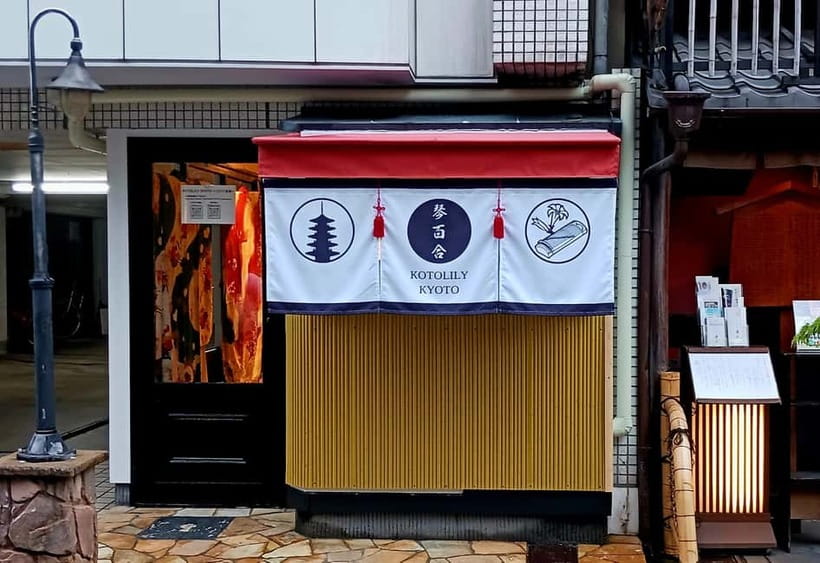
Central Kyoto is loud in the best way, with shops and side streets constantly calling your name. This experience gives you a reset inside a small shop called KOTOLILY KYOTO, right next to KINMATA Restaurant and opposite the street from Hotel GOCO stay.
The location also matters practically. It is close to shopping areas, so you can connect this to your day without complicated transit. And when weather turns, being in a central area with indoor access helps your schedule stay intact.
Meeting point reality check (so you don’t waste 10 minutes)
Go inside the shop. The meeting point is the name KOTOLILY KYOTO, next to KINMATA Restaurant, and across the street from Hotel GOCO stay. Do not wait at the hotel.
Once you arrive, plan for a relaxed start. This is a small-group activity in a traditional space, so moving slowly and following staff cues matters. A camera is recommended, and flash photography is not allowed.
What happens during the 1 hour tea ceremony
This is a focused 1 hour experience, built around doing tea steps yourself. You’ll learn how to make matcha green tea with careful instruction, including the goal of a creamy, less bitter taste.
A big part of the value is that you are not just watching someone else perform. You handle the process: preparing matcha and tasting it as part of the ritual. Then you pair it with tea sweets, which makes the tea session feel complete rather than rushed.
If you have never done tea ceremony, you’ll still be fine. The instruction is offered in English and Japanese. Multiple reviews also mention that you get short, clear explanations along the way, including the meaning behind etiquette and the steps.
Eat your way along the arcade a different way
- Nishiki Market Brunch Walking Tour (7 Tastings + Brunch)★ 5.0 · 1,355 reviews
- Kimono Tea Ceremony at Kyoto Maikoya, NISHIKI★ 5.0 · 911 reviews
- Kyoto Nishiki Market Food and Culture Walking Tour★ 5.0 · 412 reviews
- Kyoto: Nishiki Market Tea Ceremony with Koto Performance★ 4.8 · 294 reviews
- Kyoto: Local Food Tasting Tour at the Nishiki Market★ 4.7 · 135 reviews
Making matcha: the steps, the feel, and the taste goal
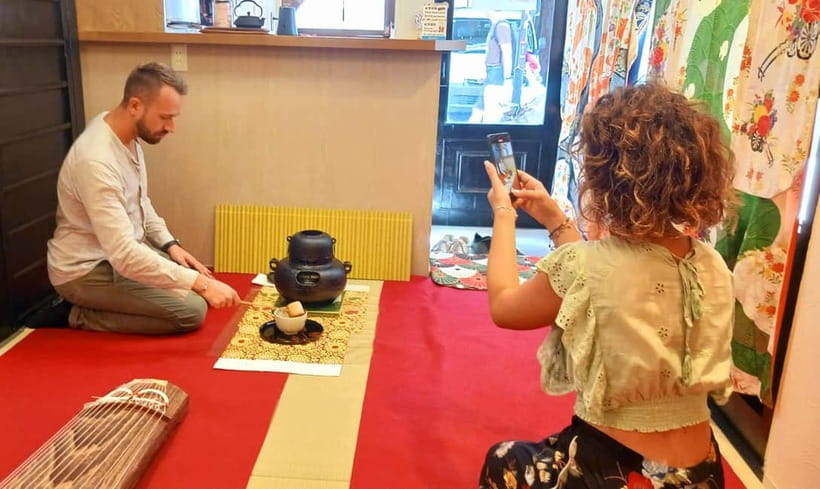
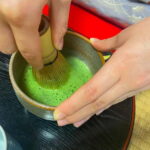
Matcha can go two ways. It can be smooth and comforting, or it can taste sharp and overly bitter. The host’s teaching approach targets that second problem early by guiding how to create a better texture.
You’ll work through the process from mixing to getting the right consistency, guided so your cup tastes better. This is one of the most praised parts of the experience, with many people specifically noting that the matcha becomes enjoyable, even for those who usually do not love matcha.
Here is what to do if you are the type who worries about doing it wrong. Follow the staff lead. Don’t overthink it. Your goal is not perfection, it’s understanding what each step changes about the tea in your bowl.
The etiquette lesson you can actually use
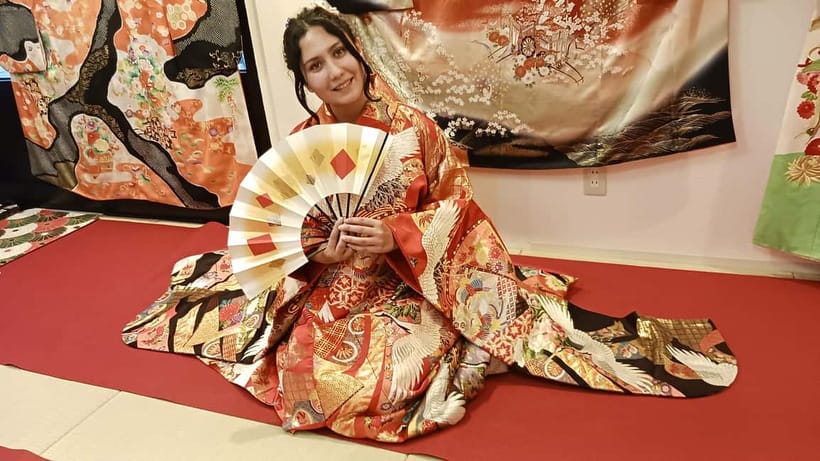
Tea ceremony is not just drink-making. It’s a set of behaviors that slow you down and put attention on small actions. In reviews, people highlight learning tea etiquette and understanding why each movement matters, not just what to do with your hands.
I like that the ceremony is taught with a human voice, not a script. The host often comes across as warm and easy to talk with, including English that makes the ritual feel approachable. If you ask a question, you’ll likely get a direct answer.
Practical tip: wear comfortable clothes. You’ll be seated for a while, and the pace is calm. Also, expect a shoe-off environment. One review explicitly calls out leaving shoes at the door, and another mentions that clean socks can help with comfort if you are not used to taking shoes off.
Where the koto fits in, and why it changes the mood
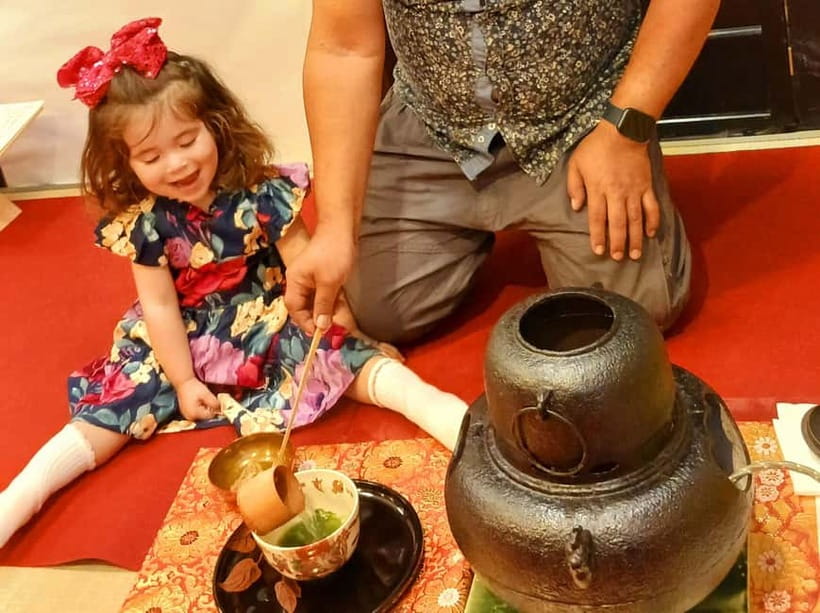
The koto is not tacked on as background music. It’s part of the pacing of the experience. You hear live koto performances before and after the tea ceremony, and many people describe music interludes timed around the tea steps.
The host is also frequently described as an accomplished player, with reviews noting her skill and the emotional feel of the songs. Some mention she plays multiple full songs, with a performance before you start, then additional performances after finishing the tea. Others mention she may begin with a Japanese song or share context about the instrument.
Why this matters for you: music turns the tea ceremony from a lesson into a small ritual. When you are making matcha, your hands are busy, but your mind can stay quiet if the music is paced well. That mix, tea plus live harp, is exactly what people keep praising.
Kimono try-on and the optional photo video upsell
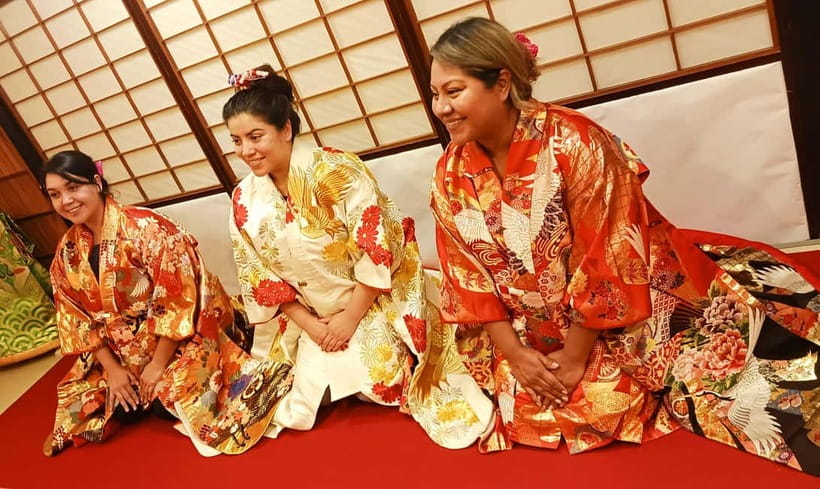
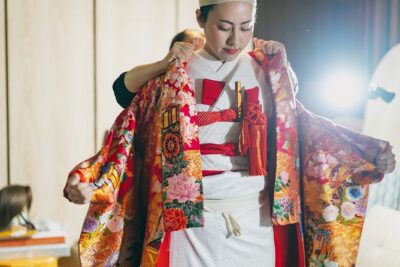
Kimono is available on-site for a fee, and photos and video can be added for an extra charge. The experience is designed so you can enjoy the ceremony in your normal clothes, then dress up later for pictures.
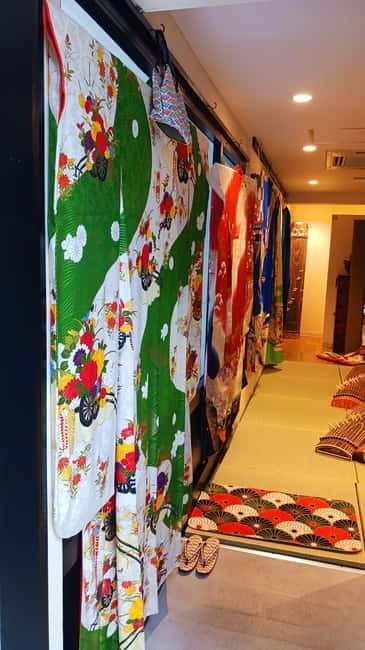
From what people describe, the kimono adds a fun visual memory. Several reviews mention that the room has kimonos displayed, and that the try-on comes with staff help. One person even notes choosing among multiple kimono options and wearing traditional hairpieces for photos.
Is it worth it? If you want one “Kyoto moment” that looks genuinely different from street photos, it can be. If you prefer a lighter schedule and fewer extras, you can skip the upgrade and still get the matcha and koto experience.
One more practical note. Flash is not allowed, so plan to shoot with natural light settings on your camera if you bring one.
Optional koto-playing experience: add it if you want hands-on music
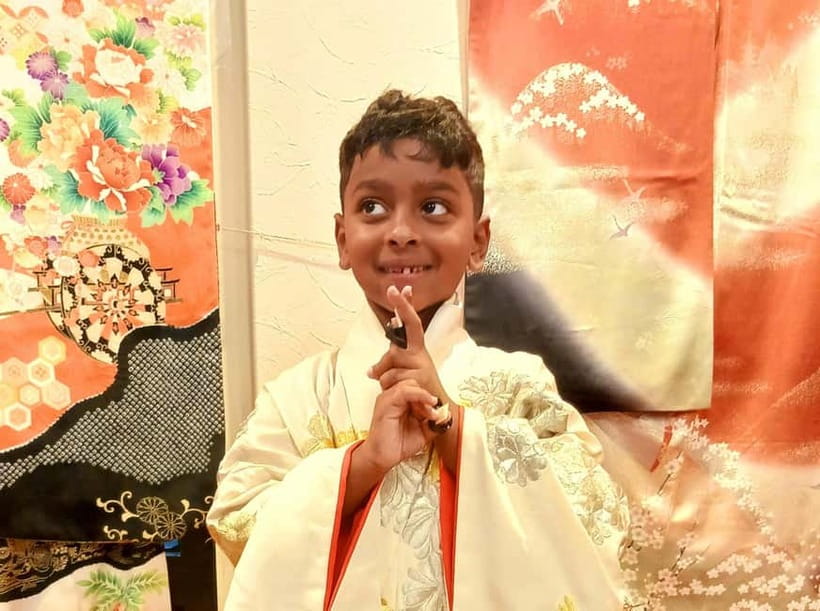
In addition to listening, there is an option to add a koto-playing experience for an extra fee on-site. Some reviews mention a short music lesson, so if you are curious about what playing feels like, you can ask staff after the tea ceremony.
This is the kind of add-on that makes sense if you love performing arts and want more than appreciation. If you just want the calm version of Kyoto, you can keep it to the main tea ceremony plus performances.
Also note a line about making an offer after the tea ceremony experience. Staff will guide what that means in your moment, so it’s worth being present and following their lead.
Small-group setup: what the room feels like
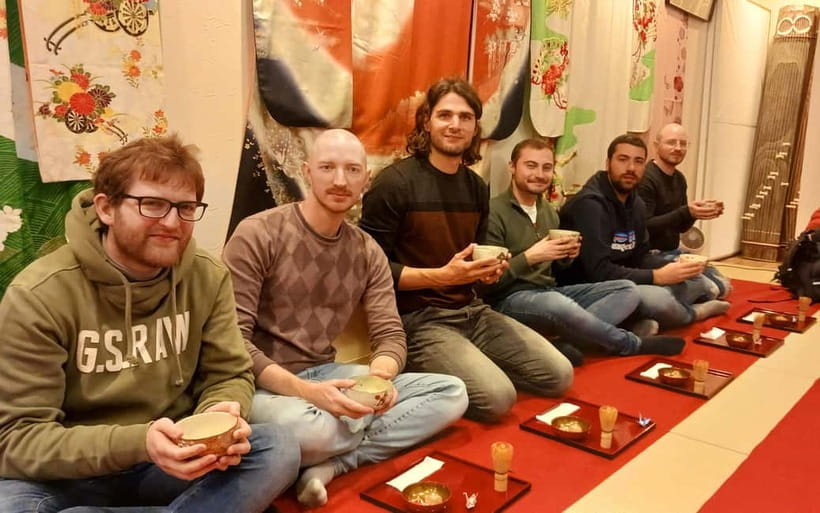
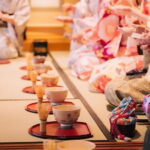
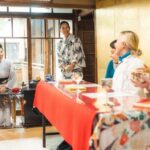
This is limited to 8 participants, so it stays intimate. People often mention feeling comfortable and cared for, including an atmosphere that is calm and welcoming.
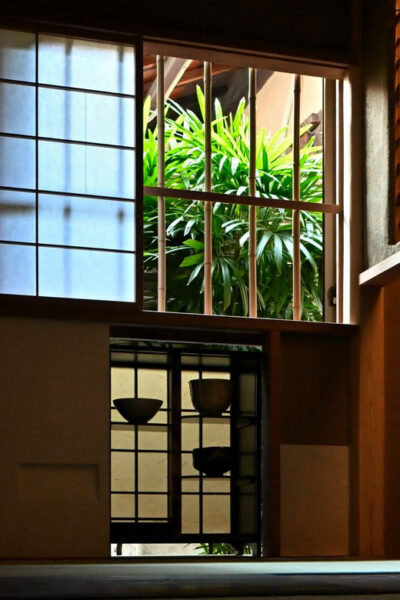
A review describes the shop environment as warm and cozy, with walls lined in kimonos. That matters because it supports the mood. You are not sitting in a generic classroom, you are in a dedicated space that matches the ceremony.
Space is also a consideration. A review notes there is not much room for large bags or suitcases. If you are carrying shopping bags, consider keeping them light and stored if possible. Big backpacks might be okay, but a suitcase likely will not.
Price and value: what $56 really includes
The price is $56 per person for a 1 hour experience. For that cost, you get:
- A tea ceremony experience
- Matcha green tea making
- Tea sweets
- Live koto (Japanese harp) performance
The value comes from the combination. A tea ceremony alone can be simple and short, but here you also get live professional music tied directly to the ritual. Then you have optional upgrades, like kimono photos and koto playing, that let you decide how much dressing-up and hands-on time you want.
Is it cheap? No. But it is not overpriced for what you receive, especially if you care about doing something authentic rather than checking a box. The small group size also helps, because instruction is less generic and more personal.
Transportation and meals are not included, so if you are planning your day, think about how you will get to central Kyoto and what you will eat before or after.
Weather and timing: how to plan this into your Kyoto day
Central Kyoto makes this easy to slot in. Since it is near shopping areas, you can do tea, then go right into exploring streets and food stops afterward. The experience is also described as easily accessible in bad weather, which is a big deal if your Kyoto itinerary depends on predictable outdoor time.
For timing, I like booking this early or mid-day. Early means you start the day calmer. Mid-day means you use it as a reset when the city starts to feel like nonstop stimulus.
Who should book, and who should skip
This experience is a strong fit if you:
- Want matcha made with guidance, not just a drink you sip quickly
- Like traditional performance arts and want live music in the same setting
- Enjoy small, respectful activities over big group tours
- Want a central Kyoto experience that is easy to connect with nearby shopping
You should skip it if:
- You have food allergies, since allergies are listed as not suitable
- You need wheelchair access, because wheelchair users are not suitable
- You are traveling with children under 8, since that age group is not suitable
If you are on the fence because you have already done a tea ceremony elsewhere, focus on the difference here: you get live koto performances woven into the tea moments, plus the option to add kimono photos and even koto playing.
Should you book this Kyoto tea ceremony with koto?
Yes, you should book it if you want a calm, hands-on Kyoto cultural experience with live music in a small space. This is not just tea. The koto timing, the close instruction, and the warm host energy are what make it feel personal.
Book it now if your trip includes central Kyoto anyway and you want a one-hour activity that adds depth without eating your whole day. Skip the kimono photo add-on if you prefer minimal extras, but still plan to bring a camera since photos and videos are part of the optional memory-making.
If you have accessibility needs, food allergies, or travel with very young kids, choose a different experience. Otherwise, this is a good bet for anyone who likes matcha, respects Japanese ritual, and wants live traditional music right where you’re sitting.
FAQ
How long is the Kyoto tea ceremony and koto performance?
The experience lasts 1 hour.
What is included in the $56 per person price?
It includes the tea ceremony experience, matcha green tea making, tea sweets, and a live koto (Japanese harp) performance.
Where is the meeting point?
Meet at KOTOLILY KYOTO. Come inside the shop, next to KINMATA Restaurant, and on the opposite side of the street from Hotel GOCO stay.
Can I wear a kimono for photos?
Kimono is available on-site for a fee. Photos and video in kimono can be added for an additional fee on-site.
Is flash photography allowed?
No. Flash photography is not allowed.
Is this activity suitable for children or wheelchair users?
No. It is not suitable for children under 8, and it is not suitable for wheelchair users. It is also not suitable for people with food allergies.
Along the Nishiki Arcade
Kyoto by the Bowl
Newest Kyoto write-ups from the Loving Japan desk
Nishiki Market and Kyoto Food Walks, side by side.
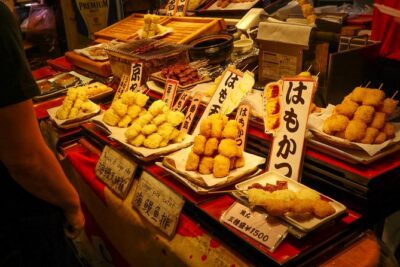 ★ 5.0Nishiki Market Brunch Walking Tour (7 Tastings + Brunch)From $681,355 reviews
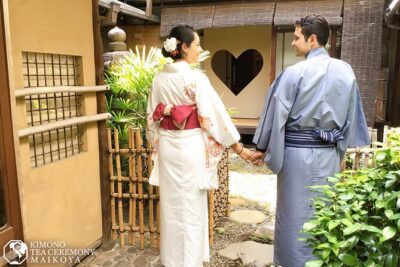 ★ 5.0Kimono Tea Ceremony at Kyoto Maikoya, NISHIKIFrom $65911 reviews
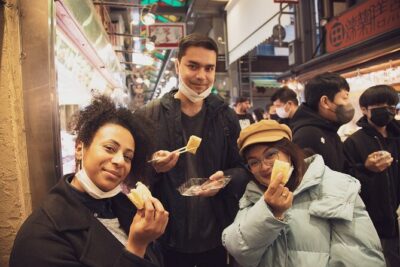 ★ 5.0Kyoto Nishiki Market Food and Culture Walking TourFrom $80412 reviews
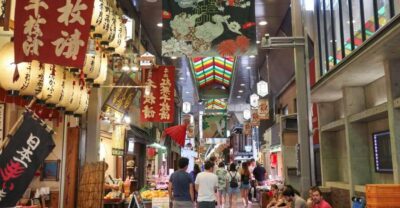 ★ 4.8Nishiki Market Brunch Walking Tour-7 Tastings+BrunchFrom $66197 reviews
 ★ 4.7Local Food Tasting Tour at the Nishiki MarketFrom $78135 reviews
 ★ 5.0Kimono Tea Ceremony Experience at Kyoto Oritzuruya, NishikiFrom $50116 reviews
 ★ 5.0Kyoto Food Tour of 10 Tastings with Wagyu, Mochi & More SurprisesFrom $14285 reviews
 ★ 4.7Nishiki Market and Depachika Food Tour with a LocalFrom $4276 reviews