
REVIEW · TAIKO DRUMMING AND TRADITIONAL PERFORMING ARTS
Tokyo: KABUKI Show at Kabukiza Theatre Admission Ticket
Kabuki is way more exciting than it sounds. Watching at Kabukiza is special because it is the only theater in the world dedicated to Kabuki. I love that you get English or simplified Chinese captions to follow the story, and I love the live music inside a historic room made for this art. One consideration: this is a long sitting, and the seating can feel tight.
What makes Kabukiza a smart pick is that it is not just a performance. You also get time for an interactive Kabuki exhibition before the curtain, plus a basement shopping area full of Kabuki-themed souvenirs. If you want an easy, real taste of classic Japanese stage craft in central Tokyo, this is one of the cleanest ways to do it.
In This Review
- Key highlights to know before you go
- Kabukiza in Ginza, the Kabuki-only theatre
- What 4 hours of Kabuki feels like (it is not just one show)
- Before the curtain: exhibition, doors opening, and the basement shop
- Ticket and meeting point basics for first-timers
- English or 简体中文 captions: how you actually follow Kabuki
- The show itself: acting, music, and stage spectacle
- Intermission strategy: what to do with your breaks
- Price and value: is $106 really worth it?
- Who this Kabukiza ticket is best for
- Practical tips to make the night smoother
- Should you book Kabukiza Kabuki tickets?
Key highlights to know before you go
- Only Kabuki-only theatre in the world, in Ginza
- Monthly program changes, so your visit feels fresh even if you return
- English or 简体中文 caption service included to follow along
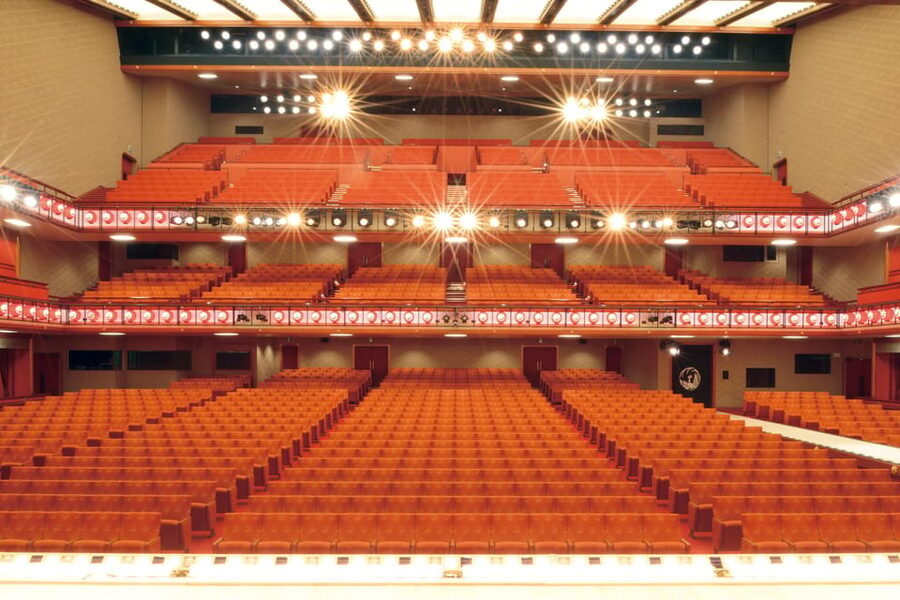
- Historic theatre with live music, not pre-recorded sound
- Interactive exhibition and Kabuki shopping before the show
Loud rooms and quiet stages around Tokyo
- Mt Fuji & Hakone Cruise, Drum Show Bullet Train 1 Day from Tokyo
★ 4.0 · 7,413 reviews - Mt Fuji & Hakone Cruise, Drum Show Bus 1 Day from Tokyo
★ 4.0 · 1,287 reviews - Tokyo: Samurai Sword & Archery Class from Samurai Descendant
★ 5.0 · 603 reviews - Mt Fuji & Hakone Cruise, Drum Show Bus 1 Day from Tokyo Sta. Area
★ 5.0 · 295 reviews
Kabukiza in Ginza, the Kabuki-only theatre
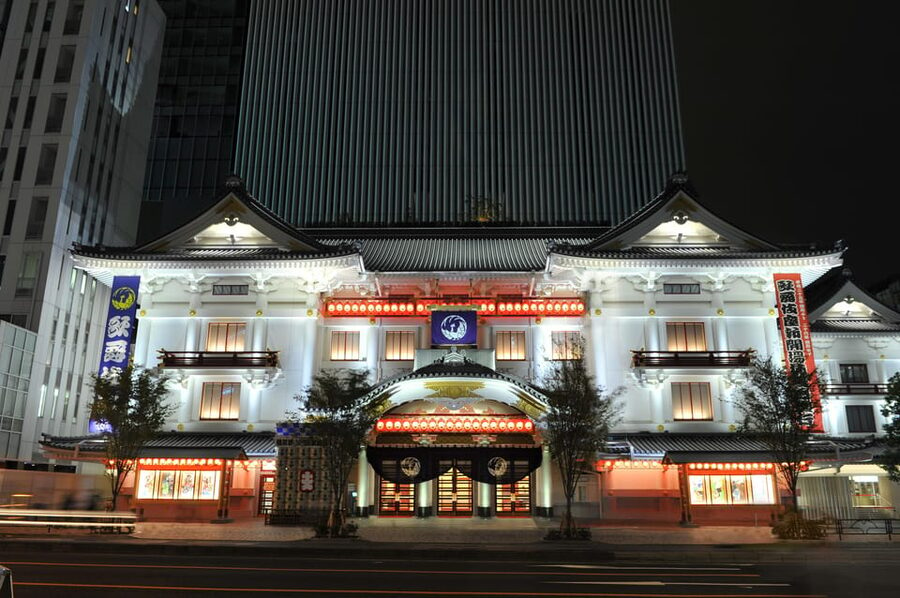
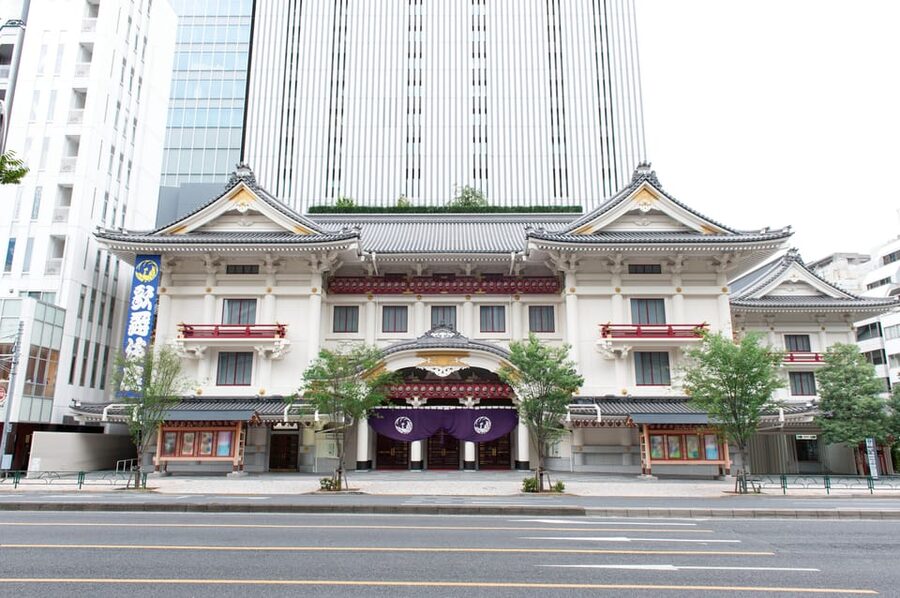
If you are trying to understand Kabuki quickly, Kabukiza is the place to do it. This is the one theatre designed exclusively for Kabuki performances, so the room, staging, and pacing feel built for the art form. Located in Ginza, it also keeps your evening simple. You can pair it with a dinner plan nearby without needing extra Tokyo logistics.
I also like the sense of continuity here. Kabuki is a UNESCO-recognized tradition, and at Kabukiza you are seeing it in a space that has been doing this for a long time. That matters, because Kabuki is not only about story, it is about performance style, timing, and how everything looks in motion.
What 4 hours of Kabuki feels like (it is not just one show)
The ticket duration is listed as about 4 hours, but the experience is structured as multiple pieces within that time. You will have a break during the performance, and you should expect intermissions between segments. Reviews back this up by describing 4 acts with several breaks, so plan your evening like a small program, not like a two-hour movie.
The good news is that this structure keeps the night from dragging. Kabuki pieces can shift in tone from dance to historical storytelling to modern Kabuki, so you get variety even within one program. If you are worried about how old-fashioned theatre might feel, the monthly mix often answers that fear fast.
One more practical note: you will want to pace yourself, because the show is long and the action is continuous. The stage is always busy, and even with captions you will spend time looking up and back down to the translation device.
Before the curtain: exhibition, doors opening, and the basement shop
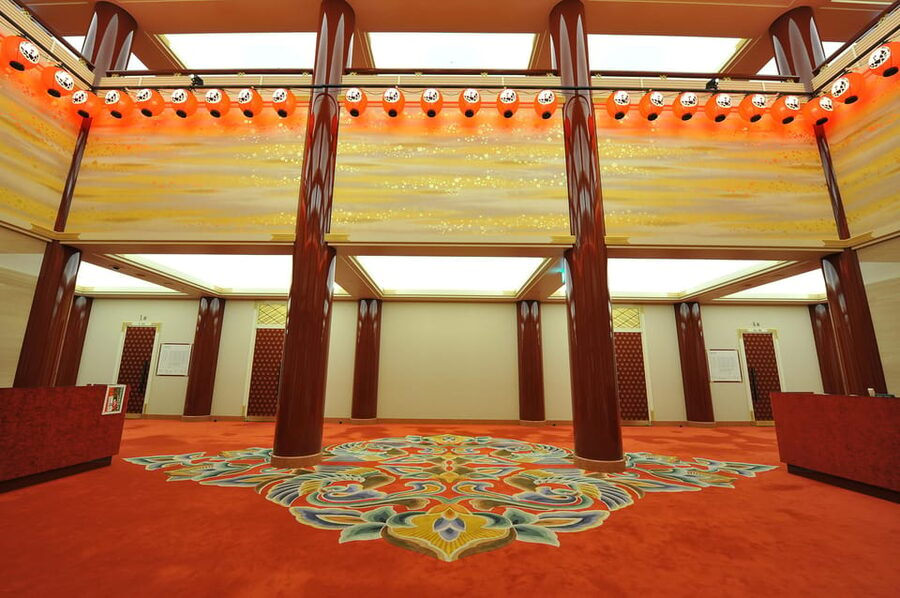
Kabukiza gives you a proper pre-show window. The theatre doors open about 30 minutes before the performance start, which is a lifesaver when you are trying to find your seat and get comfortable. Use that time well. The theatre encourages you to arrive early, not rush in five minutes before lights up.
A standout part is the permanent interactive exhibition. It is there to help you read Kabuki as a visual language, not just follow plot points. You can learn the basics of Kabuki history and the kinds of details that show up repeatedly in costumes, staging, and acting.
Then there is the shopping center. You will find Kabuki-related gifts and souvenirs on the basement levels, and it is a nice way to turn the night into a full cultural visit. Just be mindful of timing. If you are the kind of person who always waits until the end to shop, check hours or you might miss the chance.
- Mt Fuji and Hakone 1-Day Bus Tour Return by Bullet Train★ 5.0 · 26,383 reviews
- 1-Day Tokyo Bus Tour★ 5.0 · 14,250 reviews
- Tokyo: teamLab Planets TOKYO Digital Art Museum Entry Ticket★ 4.6 · 9,779 reviews
- Mt Fuji & Hakone Cruise, Drum Show Bullet Train 1 Day from Tokyo★ 4.0 · 7,413 reviews
- Tokyo: Shinjuku Food Tour (13 Dishes at 4 Local Eateries)★ 5.0 · 6,603 reviews
Ticket and meeting point basics for first-timers
This experience is easy, but it does one thing that catches people: you pick up real tickets at the venue, not at your hotel. On show day, you exchange your voucher at the theatre Box Office.
Key details you should keep in your notes:
- The Box Office is on Basement Level 2
- It is open 10:00 AM to 6:00 PM
- You cannot enter the theatre with a voucher, you must exchange it for a ticket first
- The theatre is in Ginza, address Ginza 4-12-15, Chuo-ku, Tokyo
If you arrive after 6:00 PM, go straight to the entrance. That helps you avoid the frustrating moment of realizing the office has closed while you still need time to settle in.
Also, you cannot specify seats for reservations. So you should assume you might not get the closest option to the stage. If you care a lot about facial expressions and the finer movements, you may want to arrive early for the best seat situation available.
English or 简体中文 captions: how you actually follow Kabuki
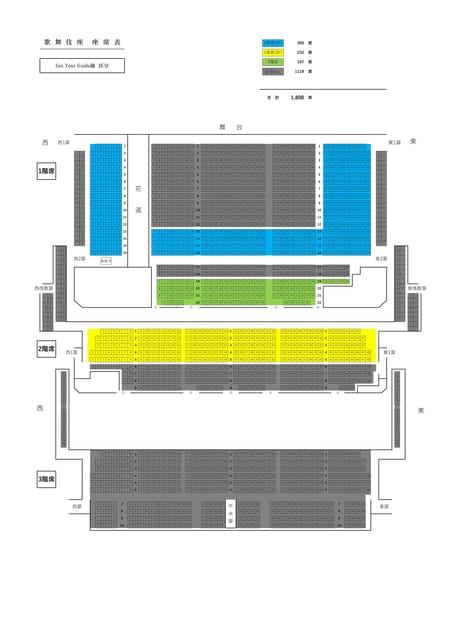
Kabuki has a reputation for being hard to follow if you do not speak Japanese. Kabukiza fixes that with an included captioning service in either English or simplified Chinese (简体中文). That is a big part of the value here, because it turns Kabuki from an interesting performance into something you can follow in real time.
One thing to set your expectations: the caption device helps, but you will still spend your attention switching between stage action and the text screen. A couple of practical tips help:
- Sit back enough that you can see both the stage and the caption screen comfortably
- Give yourself a few minutes at the start to get used to the timing of when captions change
- If your seat is tight, tilt your posture so you do not strain your neck by the middle of the longest segment
Some people noted that caption screens may not feel super frequent or perfectly timed, so your best strategy is to stay flexible. Watch the movement first. Then let the captions catch you up on what those movements mean.
The show itself: acting, music, and stage spectacle
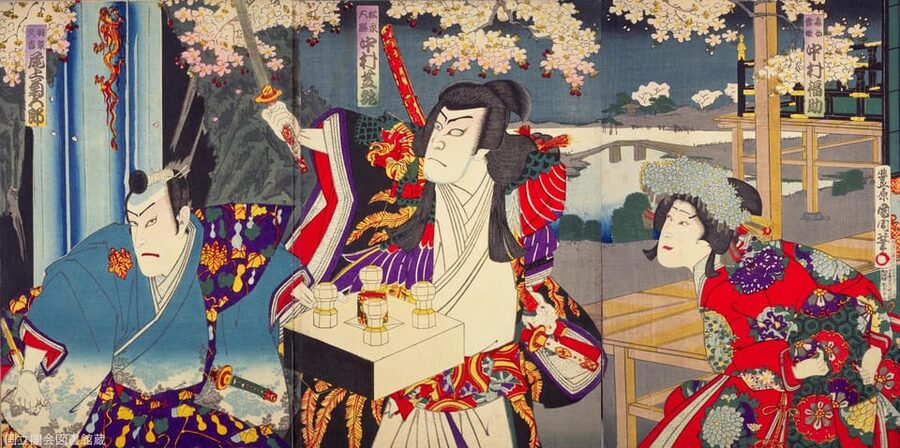
Kabuki is built on style. Even if you do not catch every word, you will notice patterns: how actors move, the way gestures land, and how the characters fill the stage in very specific ways. That is part of what makes it so watchable.
Another reason this works so well at Kabukiza is the live music. You are not just watching people act, you are hearing the rhythm and cues that shape the performance. The musicians and the sound help you understand when the mood shifts, even if the plot details take a second to process.
Expect a mix of performance types. In the example programs posted for months like February and March, you can see variety such as:
- Historical plays with major dramatic moments
- Domestic plays (everyday stories within Kabuki tradition)
- Dance pieces where movement carries the meaning
- Modern Kabuki moments that feel closer to contemporary storytelling
Kabukiza rotates the program monthly, so your experience is not locked to one style only.
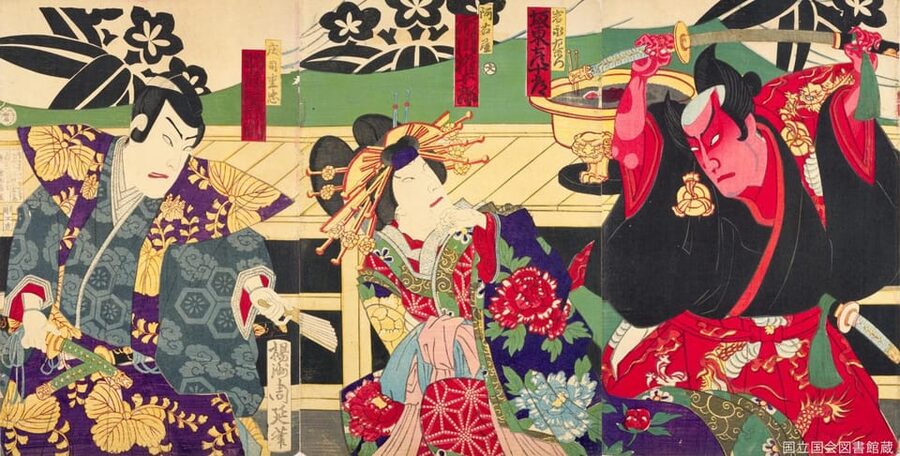
If you love costumes and stage design, Kabukiza rewards you. The setting and visual details matter in Kabuki. People describe the curtains and screens as exquisite, and the sets as impressive. Even if you are not a theatre person, it is the kind of spectacle you can enjoy with your eyes first, then your brain second.
Intermission strategy: what to do with your breaks
There is an intermission during the performance, and because the program can run long, you should plan your breaks like you would at a long concert. If you bring something to eat or drink, it can make the sitting much more comfortable.
Kabukiza also sells snacks and alcohol inside the theatre. That means you do not have to hunt for a convenience store between segments. Still, think like a theatre audience. Keep portions light, and avoid anything that smells strongly, since you are sharing a closed space for hours.
Also, use intermission to recalibrate your attention. Kabuki pieces can shift quickly, and it helps to reset your focus. A short bathroom stop and a quick look at your caption device setup often makes the next segment easier to follow.
Price and value: is $106 really worth it?
At $106 per person for a roughly four-hour evening, you are paying for more than a seat in a theatre. You are paying for a very specific kind of access:
- a Kabuki-only institution (not a generic venue)
- live music
- a rotating monthly program
- included English or simplified Chinese captions
- time inside a historic theatre designed for this exact tradition
That is what turns the cost into value. If you compare it to a typical cultural show without translation support, Kabukiza is in a different category. The captioning alone can be the difference between watching with interest and watching with understanding.
That said, it is not automatically a bargain. The price is still a real decision, especially if you are traveling in a group. So I treat this as a high-priority booking when I want one iconic Tokyo cultural night that feels unmistakably Japanese.
Who this Kabukiza ticket is best for

This is best for you if:
- You want a classic Tokyo cultural experience without needing Japanese language skills
- You like theatre that is heavy on visual storytelling and performance style
- You enjoy variety, since a program can include multiple pieces within one ticket window
- You want a historic venue in a central neighborhood, Ginza
It is also a great fit as a capstone activity on your last day. Many people treat Kabukiza like a proper closing chapter, because it is memorable in a different way than museums or food tours.
Two caution flags:
- If you dislike long theatre seating, plan ahead. Reviews mention tight seating, so a small cushion can be helpful if you are sensitive to discomfort.
- If you dislike dance or classical forms, you might still enjoy the acting and story segments, but some programs include dance-focused pieces that you may not connect with as much.
Practical tips to make the night smoother
Here is how I would set you up for an easier Kabukiza experience.
First, arrive early enough to breathe. With doors opening 30 minutes before showtime, you have time to locate your seat and settle. When you are rushing, you tend to miss the small pre-show moments that make the visit feel complete.
Second, plan your attention for captions. Expect to alternate between stage visuals and the caption screen. If you know you have trouble keeping up with timed text, give yourself extra focus in the first segment while you find your rhythm.
Third, consider comfort. The show is long, and chairs can feel tight. Bring layers, because older theatres can feel cooler, and bring whatever helps you sit comfortably for hours.
Fourth, keep an eye on shopping timing. There is Kabuki shopping downstairs, but if you only want to browse after the final segment, check whether the shop will still be open when you exit.
Finally, accept that seat choice might be limited. If you truly care about being close to the stage, this booking style might not get you your dream view. But even in average seating, Kabuki still works because the performance is so visually readable.
Should you book Kabukiza Kabuki tickets?
Yes, if your goal is an authentic, Japan-first theatre night with real translation support. Kabukiza is a Kabuki-only stage with live music, and the included captions make it accessible without turning the experience into a watered-down version for tourists.
I would especially recommend booking this if you want one iconic evening in Tokyo that you can talk about afterward, not just something you saw. The monthly rotating program keeps it from feeling like a one-size-fits-all show, and the combination of exhibition plus performance plus shopping makes the outing feel full.
Book it if you can handle a multi-segment show and you are okay sitting comfortably for a while. Skip it if you know you cannot enjoy classical performance pacing or you strongly dislike long, seated events. For most people who want genuine cultural theatre in Ginza, this is one of the simplest high-impact choices you can make.
Stages, Loud and Quiet



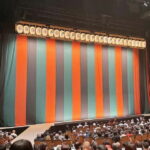
Newest Tokyo write-ups from the Loving Japan desk

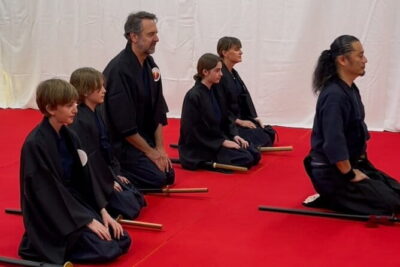


Taiko Drumming and Traditional Performing Arts, side by side.
 ★ 4.0Mt Fuji & Hakone Cruise, Drum Show Bullet Train 1 Day from TokyoFrom $1497,413 reviews
 ★ 4.0Mt Fuji & Hakone Cruise, Drum Show Bus 1 Day from TokyoFrom $1221,287 reviews
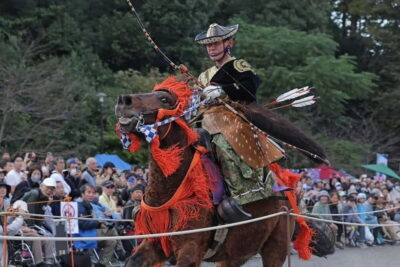 ★ 5.0Samurai Sword & Archery Class from Samurai DescendantFrom $193603 reviews
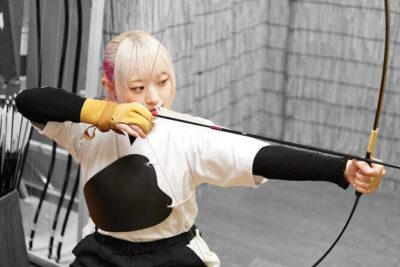 ★ 5.0Japanesel Archery Experience HIROSHIMA CASTLE SHARAKUFrom $43387 reviews
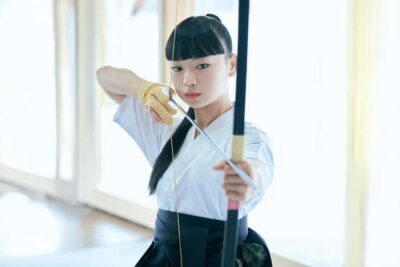 ★ 4.8Traditional Japanese Archery ExperienceFrom $41351 reviews
 ★ 5.0Mt Fuji & Hakone Cruise, Drum Show Bus 1 Day from Tokyo Sta. AreaFrom $123295 reviews
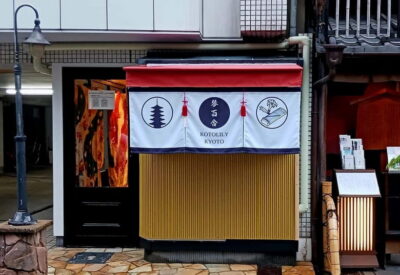 ★ 4.8Nishiki Market Tea Ceremony with Koto PerformanceFrom $56294 reviews
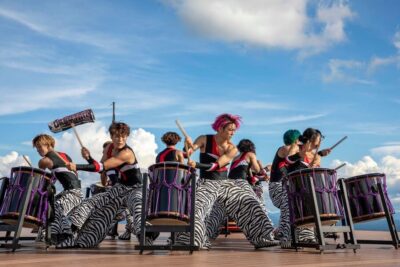 ★ 4.8Open-air theater “Tao- no-Oka” Drum TAO Live performanceFrom $30191 reviews
Filed on these lists too