
REVIEW · TAIKO DRUMMING AND TRADITIONAL PERFORMING ARTS
Tokyo: Karate Experience with Former All-Japan Champion
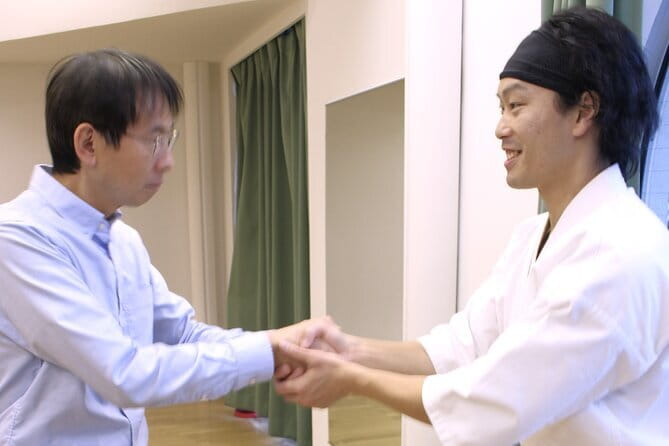
Karate in Tokyo beats the usual museum loop. This hands-on session led by former All-Japan champion Ryo turns your afternoon into real training, with clear coaching and a traditional start.
I like that it is small-group teaching, capped at 8 people, so you get step-by-step guidance instead of just watching from the back. The one thing to consider: the class is active and includes stretching plus stance work for punches, blocks, and kicks, so if you have tight hips, knee pain, or limited mobility, come prepared to move within your range.
In This Review
- Key Points at a Glance
- A Tokyo Karate Class That Actually Feels Like Training
- Meeting at Azumabashi Hall, Then Starting With the Bow
- The Breathing and Stretching Routine That Preps Your Body
- Standing Zen Training: The Position That Powers Everything
- Punches, Blocks, and Kicks, Taught Like Step-by-Step Language
- Kumite Without Contact: Learning Defense and Timing Safely
- Ryo’s Coaching Style: Clear, Friendly, and Adjustable
- Gear and What You Bring (Spoiler: You Travel Light)
- Timing, Group Size, and Why It Matters
- Price and Value: What $66.99 Gets You
- Who Should Book This Karate Experience
- Should You Book This Tour?
- FAQ
- How long is the karate class?
- Where does the experience meet in Tokyo?
- What is the maximum group size?
- Are a karate uniform and pads included?
- Do you do sparring with physical contact?
- What levels of experience is the class suitable for?
- Is English available with the instructor?
Key Points at a Glance
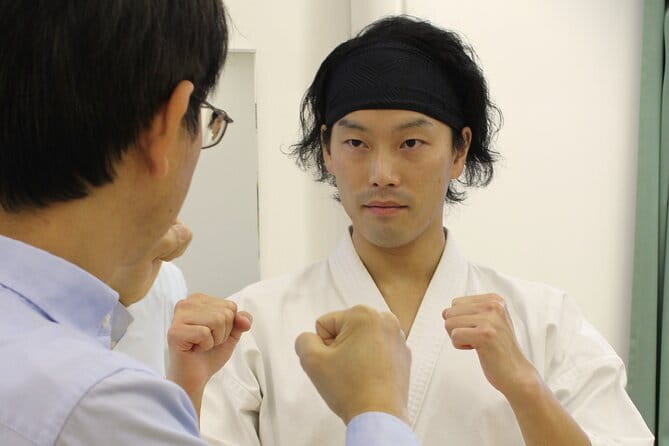
- Former All-Japan champion Ryo leads the class with years of experience and clear explanations
- Standing Zen Training position helps you build balance, posture, and focused power
- Punches, blocks, and kicks taught in small chunks so beginners can follow along
- Kumite practice without physical contact keeps sparring safe while still training reactions
- Uniform and pads are included so you do not need to bring gear
- Two daily options, morning or afternoon for easier scheduling around your Tokyo plan
Loud rooms and quiet stages around Tokyo
- Mt Fuji & Hakone Cruise, Drum Show Bullet Train 1 Day from Tokyo
★ 4.0 · 7,413 reviews - Mt Fuji & Hakone Cruise, Drum Show Bus 1 Day from Tokyo
★ 4.0 · 1,287 reviews - Tokyo: Samurai Sword & Archery Class from Samurai Descendant
★ 5.0 · 603 reviews - Mt Fuji & Hakone Cruise, Drum Show Bus 1 Day from Tokyo Sta. Area
★ 5.0 · 295 reviews
A Tokyo Karate Class That Actually Feels Like Training
Tokyo offers plenty of ways to see culture, but this one is hands-on. In about 90 minutes, you work through the basics of a traditional karate class, led by Ryo, a former All-Japan champion with 20 years of experience. You are not just learning moves, you are learning how those moves are supposed to feel in your body, from posture to breathing to timing.
What makes it especially appealing is the mix of structure and accessibility. The lesson is designed for both beginners and people who have done karate before. You still follow a real training flow, but it is paced so you can understand each step and practice it right away.
If you want something active that also teaches Japanese martial arts etiquette and mindset, this is a great match.
Meeting at Azumabashi Hall, Then Starting With the Bow
Your session meets at Azumabashi Hall, 1-chōme-23-27 Azumabashi, Sumida City, Tokyo 130-0001. The tour description also notes that it is near public transportation and easy to reach by train, which matters in Tokyo, where every transfer can add up fast.
The class starts with a ritual that is simple but important: you practice bowing because karate is traditionally described as starting with a bow and ending with a bow. This is not just theater. It sets the tone, signals respect, and gets you mentally ready to train.
After that, you move into deep breathing from your belly. The goal is more focus and a calmer mind. In a city full of noise and rushing, this kind of breathing reset is a surprisingly useful way to shift gears.
The Breathing and Stretching Routine That Preps Your Body
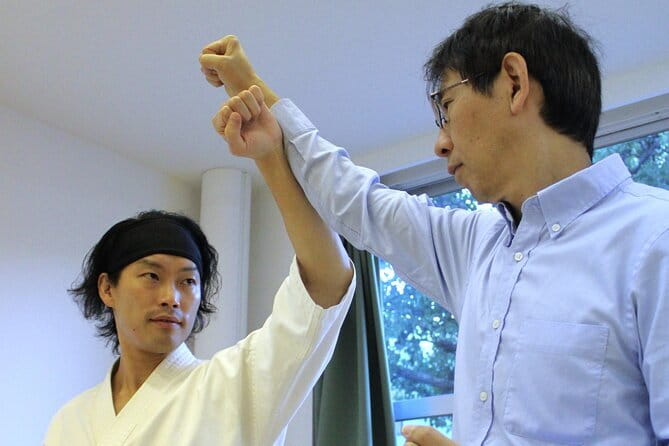
Before you start punching and kicking, you stretch major parts of your body. The plan includes work for leg muscles and hip joints, plus shoulder blades and the chest. If you have ever felt awkward in training because your body is tense, you will probably appreciate that this class starts by loosening the places that most affect stances and balance.
You also practice the kind of breathing that helps you stay steady during effort. Even if you never plan to compete or spar for real, this is the practical part: controlled breathing helps your posture hold under fatigue, and it makes the training feel better rather than just painful.
This is where the “moderate physical fitness” note becomes real. You do not need to be an athlete, but you should expect to move, stretch, and hold stances.
- Mt Fuji and Hakone 1-Day Bus Tour Return by Bullet Train★ 5.0 · 26,383 reviews
- 1-Day Tokyo Bus Tour★ 5.0 · 14,250 reviews
- Tokyo: teamLab Planets TOKYO Digital Art Museum Entry Ticket★ 4.6 · 9,779 reviews
- Mt Fuji & Hakone Cruise, Drum Show Bullet Train 1 Day from Tokyo★ 4.0 · 7,413 reviews
- Tokyo Mt Fuji 5th St & Hakone Cruise Bus Tour w/Bullet Train★ 4.4 · 5,024 reviews
Standing Zen Training: The Position That Powers Everything
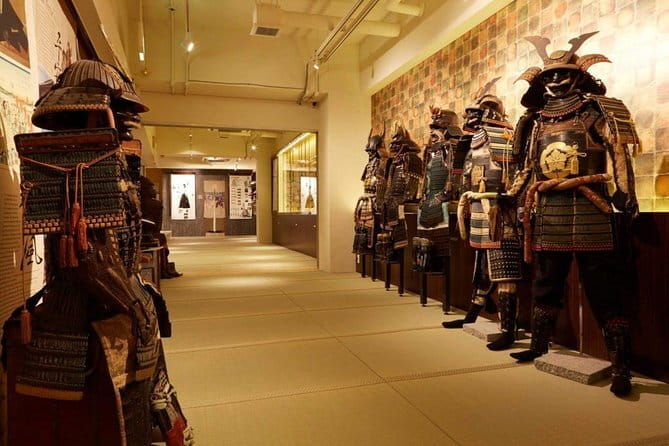
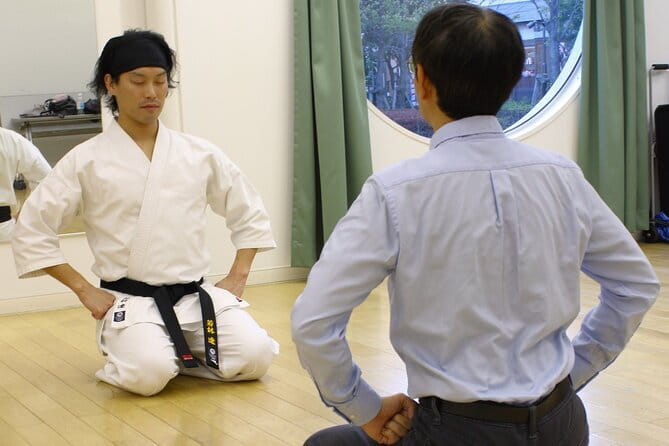
One of the signature pieces of the class is learning how to master the Standing Zen Training position. Even if the name sounds calm, the physical demand is not imaginary. This stance is about alignment, stability, and control, so your punches and kicks travel the way they should instead of wobbling through space.
Think of it as your foundation. When your hips and torso are organized, your hands and feet follow with less effort. That is why this training shows up early, before the techniques get complicated.
It is also one of those skills that makes you feel progress fast. You might leave noticing better posture and more control over your stomach power and stance, which is exactly the kind of improvement a past participant linked to their training.
Punches, Blocks, and Kicks, Taught Like Step-by-Step Language
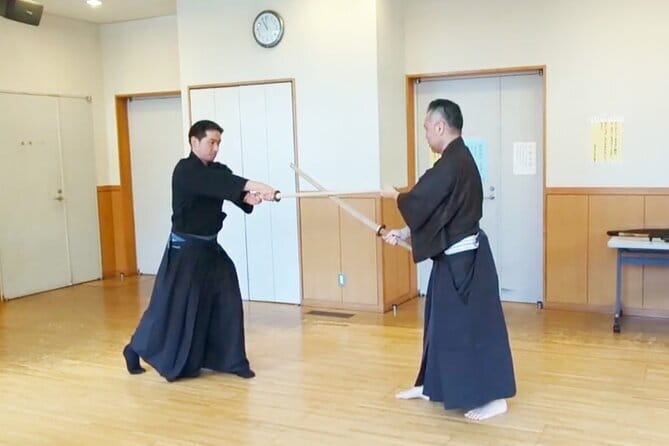
Once the stance work and breathing are in place, you move into core technique basics. The flow includes punches, blocks, and kicks with a proper stance. What I like here is the teaching style: each technique is divided into a few moves, so you learn step by step instead of trying to copy a full sequence all at once.
This is also where the class feels beginner-friendly without being watered down. You are taught the basics, but you still practice with precision. The instructor breaks the work into parts, you practice the parts, then you start putting them together with better body mechanics.
You will likely also notice that the coaching aims at consistency. The goal is for each rep to look and feel like the real technique, not just a one-time demonstration.
One consideration from real-world experience: kicks require mobility, especially through hips and legs. If you know you struggle with mobility, you may want to take it slow and focus on form rather than height or speed. The class can be adjusted to your level, but your body still sets the limits.
Kumite Without Contact: Learning Defense and Timing Safely
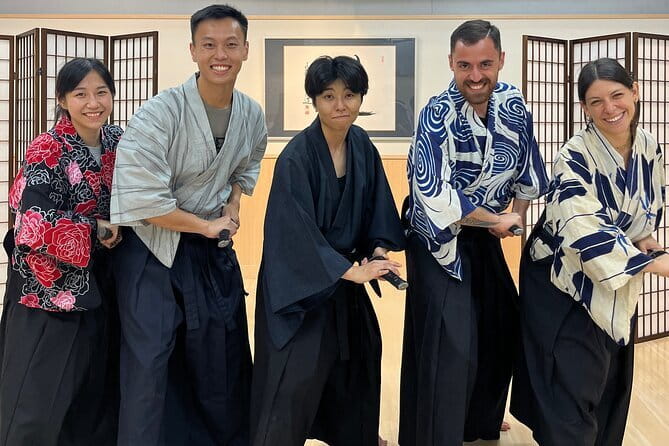
The last major segment is about kumite training without physical contact. That means you practice the essence of sparring, including responses to attacks, but without the kind of contact that can lead to injury. You learn how to defend yourself against punches, front kicks, and low kicks.
The practical value here is timing and accuracy. The instructor teaches tips for maximum precision and efficiency, so you learn how to respond while staying balanced and controlled.
Even for experienced karate practitioners, this kind of contact-free training can be useful. You get to sharpen decision-making and technique execution without worrying about impact. For beginners, it is also a confidence booster. You can practice defense and reaction without fear.
Ryo’s Coaching Style: Clear, Friendly, and Adjustable
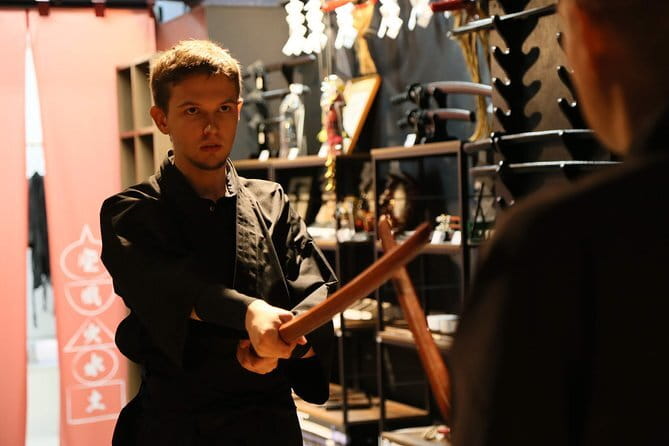
Ryo is the host and instructor, and the training is built around clear explanation plus demonstration. The format supports both complete beginners and people with previous karate experience.
A strong theme from the experience is communication. Multiple participants noted that Ryo teaches in English clearly, and that he is friendly and approachable. That matters because karate has lots of details, and if you miss one key instruction, your entire technique can drift.
Another recurring strength is adjustment. Ryo focuses on the essence of karate and can tailor the lesson to the participants’ level. That includes correcting techniques and shifting how you practice certain movements based on what you can do comfortably.
If you have done other martial arts, this class can also help you compare what feels similar and what feels different. One participant specifically mentioned Kyokushin style connections, which is a good clue that the training is grounded in a recognizable karate tradition.
Gear and What You Bring (Spoiler: You Travel Light)
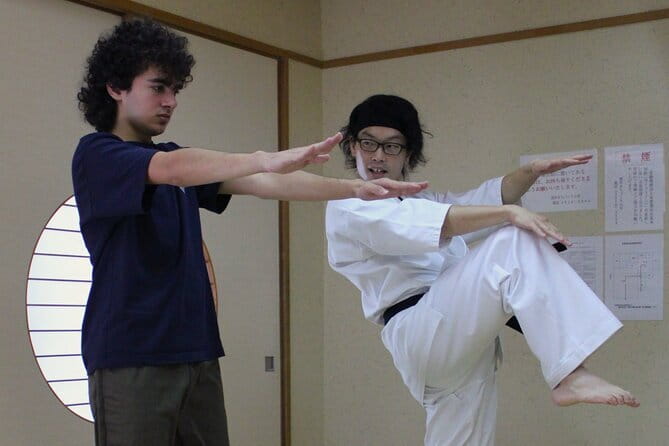
This class includes a karate uniform and pads, which is a big convenience. In Tokyo, where you are likely walking a lot and carrying a day bag, being able to show up without tracking down or packing training gear is a real win.
What you should bring is simple: wear clothes that are comfortable to stretch in, and keep your energy up. If you are in a tight schedule, plan to arrive a few minutes early so you can settle before warm-up starts.
Because you are given pads and uniform, you can pack lighter than you would for many fitness activities that require equipment.
Timing, Group Size, and Why It Matters
The class runs for about 1 hour 30 minutes. That is long enough to learn multiple techniques and still feel like you trained, not just toured.
The group size is capped at a maximum of 8 travelers. For most people, that is the sweet spot. It supports a small-group vibe, which makes it easier for the instructor to notice form, correct stance, and give individual feedback when needed.
You can also choose from morning or afternoon classes. That helps you match training to your jet lag level. If you are most awake in the morning, go then. If you want something energizing later, the afternoon slot makes sense too.
Price and Value: What $66.99 Gets You
The price is $66.99 per person for about 90 minutes. At first glance, that is not “cheap,” but karate instruction with a former All-Japan champion usually is not priced like a basic gym class.
Here is what you are paying for, based on what the experience actually includes:
- Instruction from Ryo, with 20 years of experience
- Step-by-step teaching of stance, punches, blocks, kicks, and defense basics
- A structured progression that starts with etiquette and breathing, then goes into techniques and sparring essence
- Uniform and pads included
- A small group capped at 8 people, which supports feedback
Add in the fact that it is central and reachable by train, and this starts to look like good use of limited vacation time. In a city where time is expensive, 90 minutes of real practice with an expert is a solid value.
Who Should Book This Karate Experience
This is a strong fit if you want:
- Something active and structured in Tokyo, not just a quick show
- A true beginner-friendly introduction to karate etiquette, stances, and fundamentals
- A class that also supports people with prior training
- A safer way to learn sparring concepts through kumite without physical contact
It may not be the best fit if:
- You cannot do moderate physical activity, since the class includes stretching and stance work
- You have limited mobility and are not able to practice kicks at all, since the session still covers kick mechanics
- You are looking for a totally passive cultural activity, because this is training first, sightseeing second
If you have done boxing or other martial arts, you may also enjoy how the class compares combat arts through karate fundamentals and defense efficiency.
Should You Book This Tour?
Yes, if you want a memorable Tokyo experience that is practical, physical, and rooted in real instruction. The biggest reasons to book are Ryo’s teaching clarity, the focus on foundational posture through Standing Zen Training, and the fact that kumite practice happens without physical contact.
You should pass or choose a different activity if you know you will struggle with stretching, stance holding, or any kicking movements. And if your goal is only photos or watching from the sidelines, this may feel too active.
If you want a unique mix of fitness, discipline, and Japanese martial arts practice, this class is an easy recommendation.
FAQ
How long is the karate class?
The class lasts about 1 hour 30 minutes.
Where does the experience meet in Tokyo?
The meeting point is Azumabashi Hall, 1-chōme-23-27 Azumabashi, Sumida City, Tokyo 130-0001, Japan.
What is the maximum group size?
The maximum group size is 8 travelers.
Are a karate uniform and pads included?
Yes. A karate uniform and pads are included.
Do you do sparring with physical contact?
No. The kumite training is taught without physical contact, so you can practice without physical contact.
What levels of experience is the class suitable for?
It is designed for beginners and also for people with prior karate experience.
Is English available with the instructor?
Ryo teaches with clear explanations in English.
Stages, Loud and Quiet



Newest Tokyo write-ups from the Loving Japan desk






Taiko Drumming and Traditional Performing Arts, side by side.
 ★ 4.0Mt Fuji & Hakone Cruise, Drum Show Bullet Train 1 Day from TokyoFrom $1497,413 reviews
 ★ 4.0Mt Fuji & Hakone Cruise, Drum Show Bus 1 Day from TokyoFrom $1221,287 reviews
 ★ 5.0Samurai Sword & Archery Class from Samurai DescendantFrom $193603 reviews
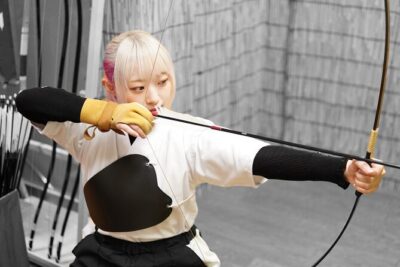 ★ 5.0Japanesel Archery Experience HIROSHIMA CASTLE SHARAKUFrom $43387 reviews
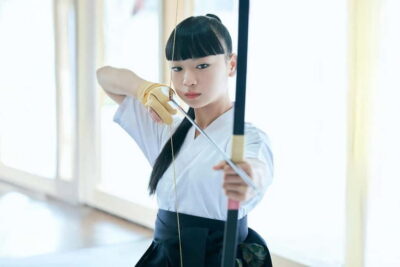 ★ 4.8Traditional Japanese Archery ExperienceFrom $41351 reviews
 ★ 5.0Mt Fuji & Hakone Cruise, Drum Show Bus 1 Day from Tokyo Sta. AreaFrom $123295 reviews
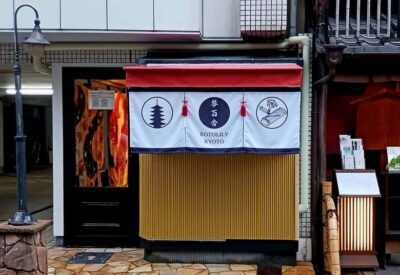 ★ 4.8Nishiki Market Tea Ceremony with Koto PerformanceFrom $56294 reviews
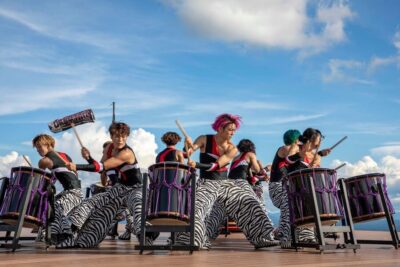 ★ 4.8Open-air theater “Tao- no-Oka” Drum TAO Live performanceFrom $30191 reviews
Filed on these lists too