
REVIEW · TOKYO TOWER, GINZA AND THE IMPERIAL PALACE
Tokyo: Local Foodie Adventure near Roppongi
Tokyo has a hidden food side, and it matters. This small-group walk through Azabujuban near Roppongi brings you face to face with old-school neighborhood shops, shrine stops for good luck, and very specific snack hits you do not usually find on a first-timer itinerary. I especially like how guide Ellen ties the food to the area’s character, and I also like that the stops feel practical, not staged. One consideration: the snack lineup can shift depending on what stores have available that day.
You start at Azabujuban Station and move on foot through a part of Tokyo that feels calmer than its flashier neighbor. Along the way, you’ll get a mix of classic Japanese comfort foods and sweets, plus a chance to shop for gifts at small places that keep their identity. This is also a walking tour, so you’ll want comfortable shoes and a moderate pace.
If you’re a Sailor Moon fan, there’s an extra layer here. You’ll visit real-life spots connected to the setting that manga creator Naoko Takeuchi helped shape, so the cultural story goes beyond what you taste. Expect a friendly, English-speaking guide, a group size around 1 to 4 people, and food that should be enough to fill you up.
In This Review
- Key things to know before you go
- Azabujuban is the calm detour from Roppongi
- Starting at Azabujuban Station, exit 4, and finding your guide fast
- How the small group changes the vibe (and the pacing)
- The included food plan: five treats that should actually satisfy you
- Yakitori, oden, taiyaki: how to eat this route like a local
- Shrine and temple stops for good luck, plus what they add to the meal
- Sailor Moon inspiration stops for fans of Naoko Takeuchi
- Shopping for gifts in small Azabujuban stores
- The alcohol included, and how to keep it fun
- What Ellen seems to do best, and why it matters
- Price and value: is $71 a fair deal in Tokyo?
- Who should book this, and who might want to skip
- Should you book this Tokyo local foodie adventure near Roppongi?
- FAQ
- Where do we meet for the Tokyo food tour?
- What is included in the price?
- How many people are in the group?
- Can the food selection change?
- What should I bring, and how much walking should I expect?
- Is this tour suitable for older visitors?
Key things to know before you go
- Small group size (1 to 4 people) means questions get answered and you can actually adapt the pace to the group
- Guide Ellen’s neighborhood storytelling links each snack to what makes Azabujuban tick
- Five treats plus 1 alcoholic beverage are included, with the exact selection depending on the day
- Shrines and temples are part of the route, not just a photo stop
- Sailor Moon inspiration locations add a fun pop-culture layer to the food walk
- Comfortable shoes matter because you’re walking through multiple spots around the neighborhood
The central Tokyo landmarks, reviewed one by one
- Flagship 2-Hours Official Street Go-Kart Tour – Tokyo Bay Shop
★ 5.0 · 4,974 reviews - Tokyo: Imperial Palace and Shogun Historical Walking Tour
★ 5.0 · 2,251 reviews - Tokyo: Meiji Shrine, Asakusa, Skytree Bus Tour and Cruise
★ 4.7 · 1,986 reviews - Tokyo Panoramic 1 Day: Meiji Shrine, Asakusa, Odaiba and SKYTREE®
★ 4.5 · 1,222 reviews
Azabujuban is the calm detour from Roppongi
Roppongi can feel like Tokyo’s shortcut to everything trendy. Azabujuban feels like the opposite. It’s a cozy neighborhood where local shops have stayed open for a long time, and that staying power shows up in how you move from snack stand to shrine side street to gift shop.
What makes Azabujuban a smart food-adventure choice is that you’re not only eating, you’re learning how the neighborhood works. You get the story behind the places, and that turns ordinary eating into a “now I get it” moment. In a city full of food options, that kind of context gives the trip value that lasts.
And yes, there’s also the shopping side. The experience includes stops where you can pick up gifts at small stores that are harder to find outside this area. Even if you only buy one or two things, it’s a nice way to bring home something that feels local, not mass-produced.
Starting at Azabujuban Station, exit 4, and finding your guide fast
Logistics matter on food tours, because you want the first bite to happen quickly. This one keeps things simple: you meet at Azabujuban Station, Exit 4, and your guides will be waiting in front of Oslo Coffee, with the Japan Hopping Tours logo.
I like that because it cuts down on that awkward “Where are they?” moment. If you’re used to Tokyo station exits being confusing, a clear meeting point like this saves time and nerves.
Also, build a little buffer for getting there. The tour price covers the experience, but transportation costs are not included, so plan your route to Azabujuban Station ahead of time.
How the small group changes the vibe (and the pacing)
This is a small-group activity, with 1 to 4 people. That size is a big deal in Tokyo. It means your guide can steer you to what fits the group, not just run a script.
In practice, this tends to make the tour feel warmer. People ask questions, the guide can answer in a way that matches your interests, and you do not spend the whole time waiting for the slowest walker or getting separated because it’s too crowded. It also makes it easier to hear what the guide is telling you about the area and the food.
If you like food tours where you can actually talk, this format usually hits the sweet spot.
- Mt Fuji and Hakone 1-Day Bus Tour Return by Bullet Train★ 5.0 · 26,383 reviews
- 1-Day Tokyo Bus Tour★ 5.0 · 14,250 reviews
- Tokyo: teamLab Planets TOKYO Digital Art Museum Entry Ticket★ 4.6 · 9,779 reviews
- Mt Fuji & Hakone Cruise, Drum Show Bullet Train 1 Day from Tokyo★ 4.0 · 7,413 reviews
- Tokyo Mt Fuji 5th St & Hakone Cruise Bus Tour w/Bullet Train★ 4.4 · 5,024 reviews
The included food plan: five treats that should actually satisfy you
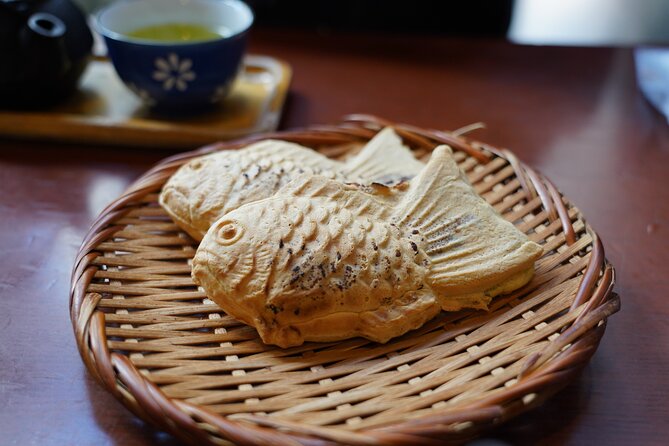
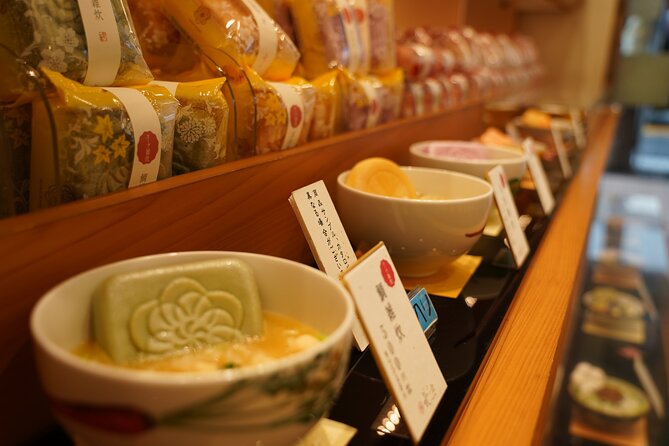
The headline here is simple: you’ll eat 5 different Japanese treats as part of the tour, plus 1 alcoholic beverage.
A key detail is that the exact treats can change based on store availability. So do not go hunting for a “must be yakitori on every single date” promise. Instead, think of it as a chance to taste the neighborhood’s regular favorites, the way a local foodie would.
From the information you shared, you should expect a spread that could include things like:
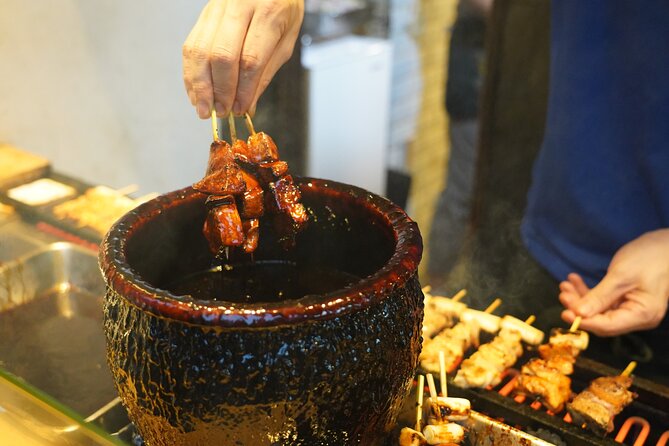
- Yakitori
- Mame daifuku
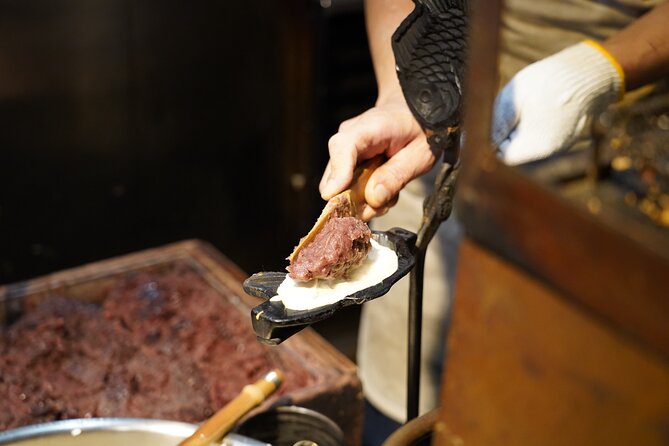
- Crispy taiyaki
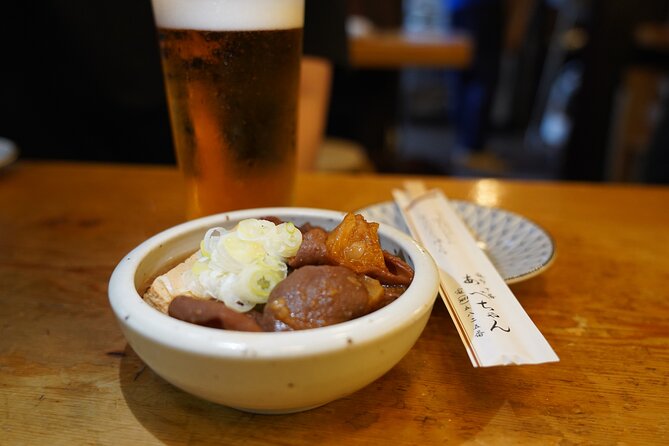
- Savory homemade oden
- Other snack-style Japanese treats
That mix matters because it hits different cravings. You get something savory, something sweet, something warm, and something snackable. By the end, you’re not left hungry, because the tour is designed so the food should be enough to fill you up.
One more practical point: additional food and drinks are not included. If you’re the type who always orders extra, I’d plan to resist the urge during the tour and save room for later meals.
Yakitori, oden, taiyaki: how to eat this route like a local
When a guide includes multiple stops, the secret is pacing. You do not want to shovel food so fast you miss the details, and you also do not want to take tiny bites because then you’ll hit the end too full or too hungry.
Here’s how I’d approach it:
- Start with a savory item first, then switch to something sweet.
- If something is hot, eat it while it’s still at peak comfort.
- When you hit a warm item like oden, treat it like a mid-walk reset, not an extra course.
This tour’s included treats are designed to support that rhythm. A snack like taiyaki brings texture and sweetness. Yakitori gives you that smoky, salty baseline. Oden keeps you warm and satisfied. Mame daifuku adds a sweet, bean-forward punch.
And because you’re walking between stops, digestion feels easier than if you were stuck in one restaurant.
Shrine and temple stops for good luck, plus what they add to the meal
This tour includes visits to local shrines and temples, framed as good-luck stops. But I like these moments for a more practical reason, too.
Food tours can get one-dimensional fast if you only focus on eating. A short stop at a shrine or temple breaks the pattern. It also helps you understand that neighborhoods in Japan are not just about commerce, they’re about rhythm, routine, and respect.
Even if you’re not religious, you’ll still come away with a better sense of place. The guide’s job is to connect what you’re seeing to how local life actually works around the area.
Bring a calm attitude, take a few photos if you like, and then get back to the food with a clearer head.
Sailor Moon inspiration stops for fans of Naoko Takeuchi
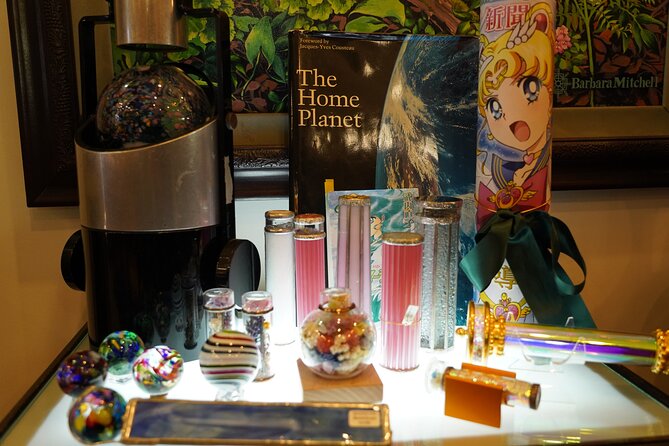
Pop-culture fans get a bonus layer here. For Sailor Moon fans, the route includes real-life places that inspired the setting for manga creator Naoko Takeuchi.
What makes this worth your time is that it’s not just fan service. You’re still eating and moving through the neighborhood at street level. So the pop-culture connection feels grounded, not like you’re doing a theme park detour.
If you’ve ever wondered how fictional settings borrow from real streets, this kind of visit can make the manga feel more tangible.
And if you are not a fan, don’t worry. You can treat this as a fun way to learn how art and place intersect. The food and neighborhood story are still the main event.
Shopping for gifts in small Azabujuban stores
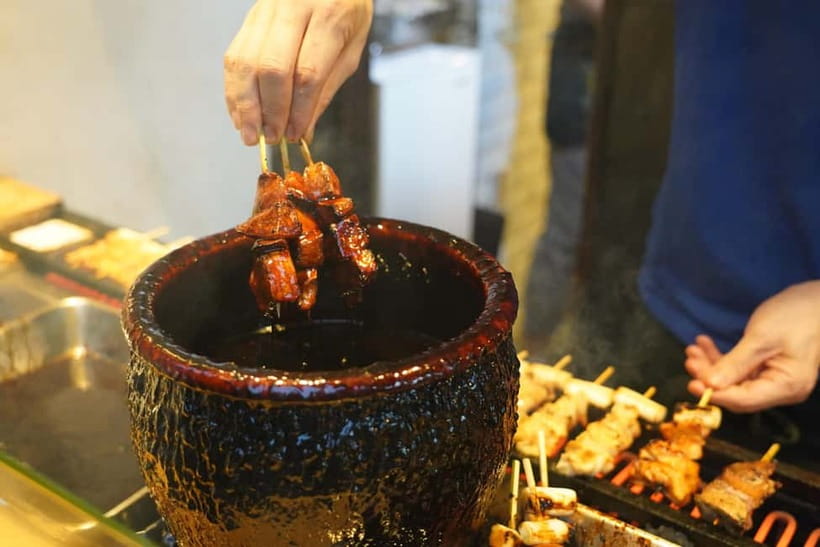
One of the most satisfying parts of a local food tour is that it often makes you want to buy something, not just eat it. This experience includes time for gift shopping at unique stores found in Azabujuban.
Since the exact stores are not listed here, I’ll give you the right way to shop instead:
- Look for small, packable food gifts first, like sweets or snack items that travel well.
- If you see something that feels specific to Azabujuban, ask what it is and how locals typically buy it.
- Keep your suitcase and budget in mind, since you may also want to add souvenirs later.
The bigger value is emotional. You’re leaving with objects that feel connected to the neighborhood you walked through.
The alcohol included, and how to keep it fun
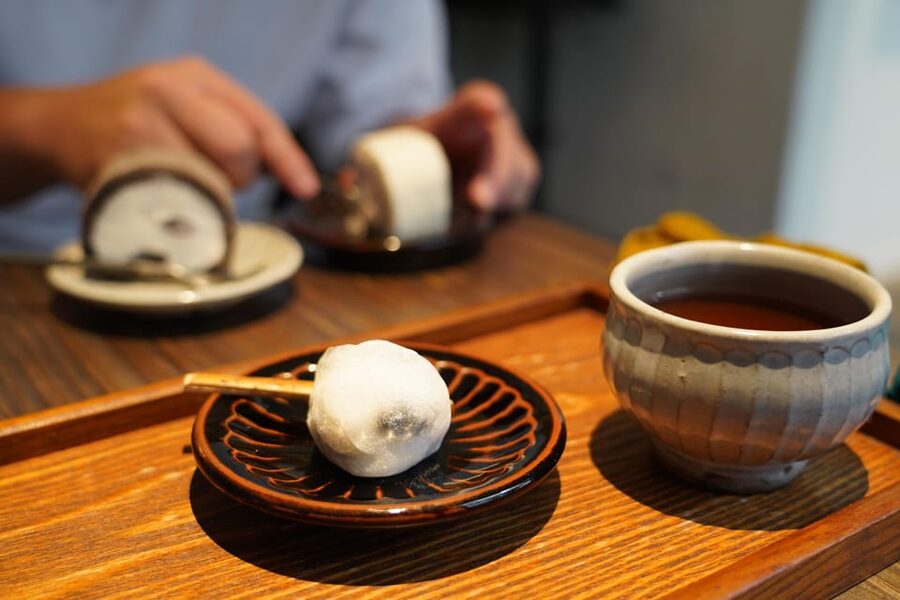
The tour includes 1 alcoholic beverage. That’s a nice touch because it turns the snack lineup into an experience, not just “food samples.”
But keep control. Food tours move fast, and Tokyo sidewalks can be uneven. If you drink, pace yourself and stick close to your group.
A simple rule helps: treat the included drink as part of the meal rhythm, not an extra event. If you want to taste more later, save it for after the tour.
What Ellen seems to do best, and why it matters
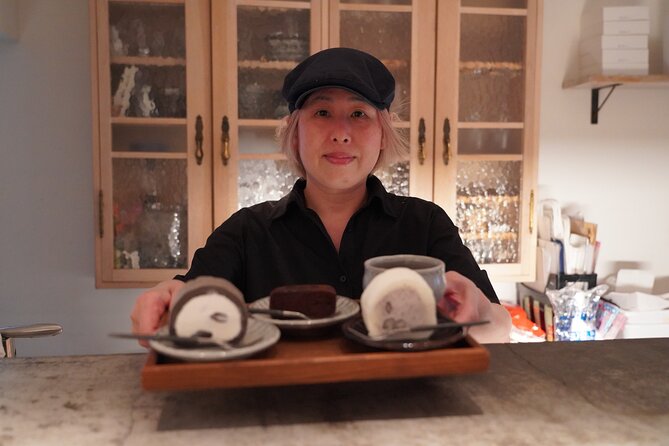
Across the praise you shared, one name keeps showing up: Ellen. The standout pattern is preparation and warmth. People describe her as extremely friendly, well prepared, and able to answer questions clearly. That’s what turns a good food stop into a memorable conversation.
Another big theme is tailoring. A tour that adjusts to the group makes the route feel personal. You can ask for different kinds of snacks, and you do not feel like you’re being dragged through places that do not match your interests.
Finally, there’s the atmosphere. Multiple comments point to a pleasant, laughing, friendly vibe. That sounds small, but it matters. When a guide keeps things light while still teaching, you remember the details instead of just remembering that you ate.
Price and value: is $71 a fair deal in Tokyo?
At $71 per person, this isn’t a bargain like a street-snack crawl, but it also isn’t priced like a fine-dining event. The value comes from what’s included and how it’s delivered.
You get:
- 5 different Japanese treats
- 1 alcoholic beverage
- Shrine and temple stops
- A guided neighborhood experience in a small group
- Time for unique shopping in the Azabujuban area
In Tokyo, that combination is often the real cost driver. A guide, multiple stops, and curated food make the price make sense. Also, because the food should be enough to fill you up, you’re less likely to spend extra during the tour just to feel satisfied.
The main “cost risk” is that your snack lineup can vary by day. If a specific food is your top craving, you might end up with something adjacent instead. Still, the upside is that you’re tasting what the neighborhood can reliably serve on that date.
Who should book this, and who might want to skip
This is a great fit if you:
- Want a Tokyo food experience that goes beyond a single restaurant meal
- Like neighborhood walks with stops for culture and short stories
- Enjoy sweets and savory snacks, not just one category
- Appreciate small-group tours where you can ask questions
It’s less ideal if you:
- Hate walking and need an entirely sit-down schedule
- Want a strictly fixed menu with no day-to-day changes
- Are seeking a very large group with lots of people energy
You also should note the age guidance: it is not suitable for people over 95 years, and the tour expects a moderate physical level for walking around the town.
Should you book this Tokyo local foodie adventure near Roppongi?
If you’re craving a side of Tokyo that feels local, calm, and story-driven, I think this is an easy yes. The best part is the combination: you eat well, you walk through the neighborhood, you get shrine and temple moments, and you even get Sailor Moon inspiration connected to Naoko Takeuchi. With a small group and an English-speaking guide like Ellen, the experience tends to feel personal.
Book it if you want value from included food and guidance, and if you’re happy to let the snack selection shift slightly based on what’s available that day. Skip it if you want a guaranteed, fixed menu or you prefer transportation-free only, because transit costs are not included.
If you’re ready to trade big-city crowds for Azabujuban street-level charm, this is the kind of tour that makes Tokyo feel like it has layers.
FAQ
Where do we meet for the Tokyo food tour?
You meet at Azabujuban Station, Exit 4. Your guides will be waiting in front of Oslo Coffee with the Japan Hopping Tours logo.
What is included in the price?
The price includes 5 different Japanese treats (the exact selection depends on the day) and 1 alcoholic beverage.
How many people are in the group?
This is a small group tour, with 1 to 4 people joining.
Can the food selection change?
Yes. The food selection may change due to store availability, depending on the day.
What should I bring, and how much walking should I expect?
Bring comfortable shoes. The tour involves walking around the neighborhood and is best for people with a moderate physical and fitness level.
Is this tour suitable for older visitors?
It is not suitable for people over 95 years.
Central Tokyo Landmarks



Newest Tokyo write-ups from the Loving Japan desk






Tokyo Tower, Ginza and the Imperial Palace, side by side.
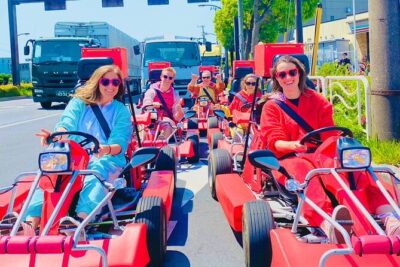 ★ 5.0Flagship 2-Hours Official Street Go-Kart Tour – Tokyo Bay ShopFrom $644,974 reviews
 ★ 4.6Tokyo Tower: Admission TicketFrom $93,661 reviews
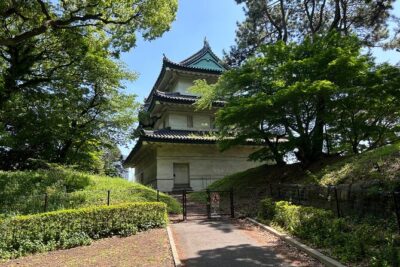 ★ 5.0Imperial Palace and Shogun Historical Walking TourFrom $222,251 reviews
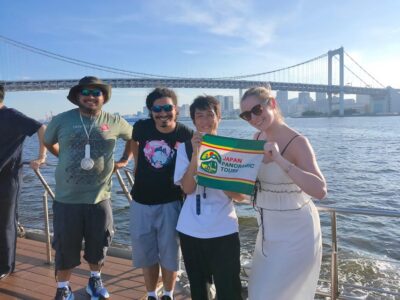 ★ 4.7Meiji Shrine, Asakusa, Skytree Bus Tour and CruiseFrom $1221,986 reviews
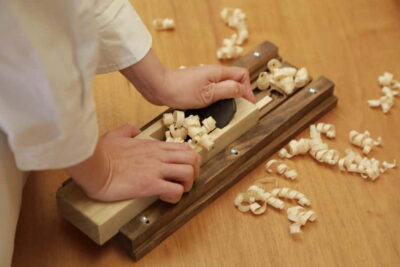 ★ 4.8Chopstick Making Workshop in GinzaFrom $251,366 reviews
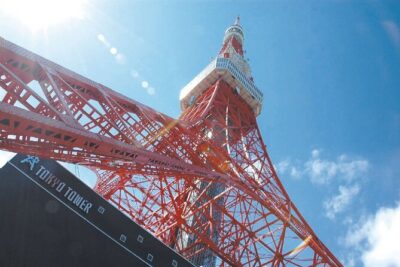 ★ 4.5Tokyo Panoramic 1 Day: Meiji Shrine, Asakusa, Odaiba and SKYTREE®From $851,222 reviews
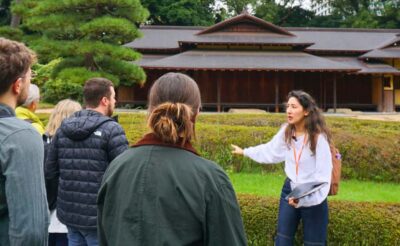 ★ 4.9Imperial Palace Japanese History Walking TourFrom $32987 reviews
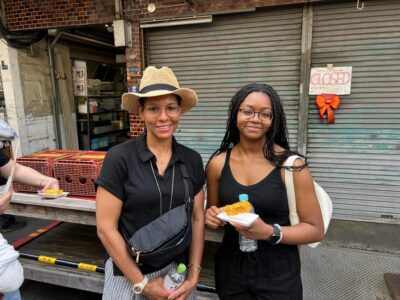 ★ 4.9Imperial Palace and Shogun Walking TourFrom $16935 reviews
Filed on these lists too