
REVIEW · TOKYO TOWER, GINZA AND THE IMPERIAL PALACE
Tokyo: Meiji Jingu Shrine and Shinto Culture Walking Tour
Tokyo can switch you into quiet mode fast. This 2-hour Meiji Jingu Shinto tour pairs Meiji Jingu with a guide who explains Shinto rituals and what the shrine symbols mean, from the first big gate to the offerings.
I especially like the walk through the Imperial Garden and out into the sacred forest of 100,000 trees, so the grounds feel peaceful without you getting lost. One heads-up: this is still an outdoor stroll, so weather can affect comfort, especially in rain or heat.
In This Review
- Key points to know before you go
- Starbucks With Harajuku: Easy Meet-Up for Meiji Jingu
- Meiji Jingu Gyoen and Imperial Garden Calm in 30 Minutes
- Big Torii Gate Rituals, Etiquette, and the Sacred Threshold
- Sake Barrels and Wine Offerings: What Consecrated Containers Teach
- Meiji Shrine Time With the Main Hall and Worship Steps
- The Sacred Forest of 100,000 Trees, Where Nature Runs the Clock
- Small Groups, English Guides, and Photo Help That Saves Time
- Price and Value: Why $19 Feels Fair for Admission and a Guide
- Best Timing, Weather Reality, and Who This Tour Fits
- Should You Book This Meiji Jingu Shinto Culture Walk?
- FAQ
- How long is the Tokyo Meiji Jingu Shinto Culture Walking Tour?
- What does the tour cost?
- Where do I meet the guide?
- Is the tour guided in English?
- What stops are included during the tour?
- Is admission included?
- Does the tour include photos?
- Is the tour wheelchair accessible?
- What is the cancellation policy?
- Can I reserve without paying right away?
Key points to know before you go
- Shinto meaning, not just photos: you get guided symbolism at the Big Torii and offering spots.
- Specific stops that make sense: Meiji Jingu Gyoen, the consecrated sake barrels, the consecrated wine barrels, then the main shrine area.
- Imperial Garden entry included: admission is part of the experience, not an extra cost surprise.
- Small-group energy with real Q and A: you can ask questions and get straight answers.
- Photos are included: your guide takes photos during the tour, so you can spend less time swapping phones.
- Guides get praised by name: people mention guides like Maya, Minori, Naruto, and Yota for clear explanations and friendly pacing.
The central Tokyo landmarks, reviewed one by one
- Flagship 2-Hours Official Street Go-Kart Tour – Tokyo Bay Shop
★ 5.0 · 4,974 reviews - Tokyo: Imperial Palace and Shogun Historical Walking Tour
★ 5.0 · 2,251 reviews - Tokyo: Meiji Shrine, Asakusa, Skytree Bus Tour and Cruise
★ 4.7 · 1,986 reviews - Tokyo Panoramic 1 Day: Meiji Shrine, Asakusa, Odaiba and SKYTREE®
★ 4.5 · 1,222 reviews
Starbucks With Harajuku: Easy Meet-Up for Meiji Jingu
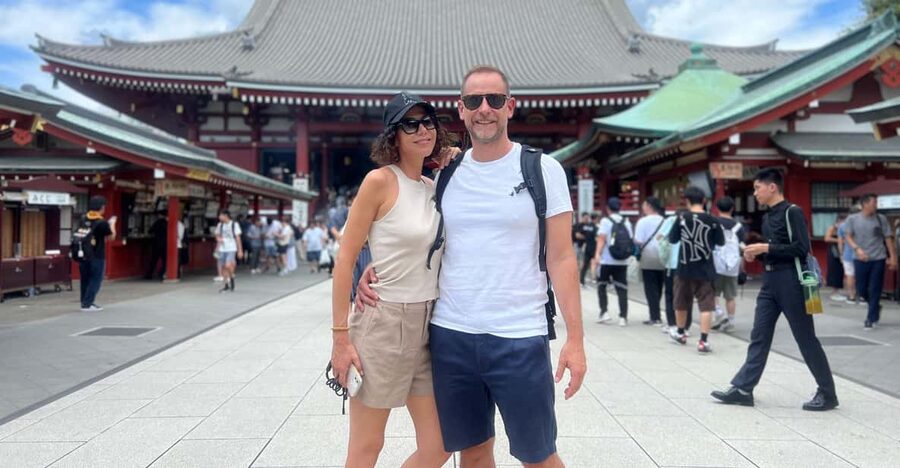
You start at a place you can actually find, Starbucks Coffee near Harajuku, and you meet in front of the Starbucks closest to Meiji Shrine. The provided coordinates are 35.6705208, 139.7031067, which is handy if you use a map app.
I like this setup because it reduces the usual Tokyo stress of “Where exactly is the meet point?” You are already in a familiar area, then your guide handles the route from there.
Meiji Jingu Gyoen and Imperial Garden Calm in 30 Minutes
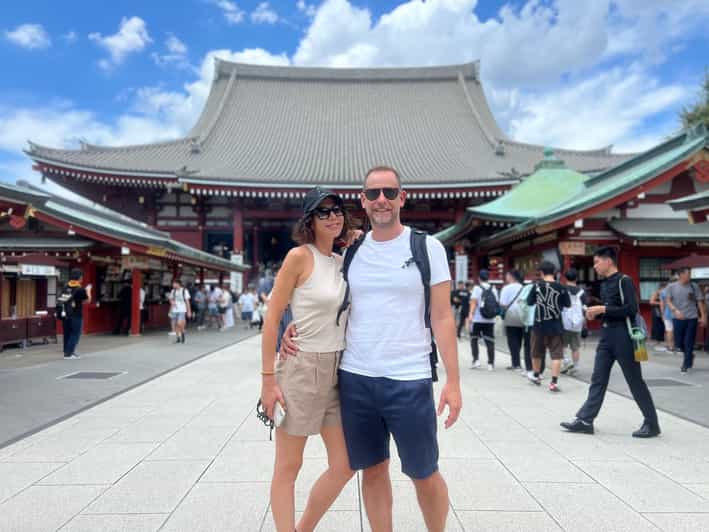
The tour begins with Meiji Jingu Gyoen, where you get a photo stop and a guided walk that lasts about 30 minutes. This is your first chance to slow down and let the space change your mood.
The Imperial Garden part matters because Meiji Jingu is famous for being more than a single shrine building. You get the feeling of a composed, respectful approach to nature, which is a big deal in Shinto space. Also, since Imperial Garden admission is included, you do not have to track down tickets or wait in extra lines.
A practical note: this is a good spot to ask basic questions early. People often go in with only a vague idea of Shinto, and the first 30 minutes are a nice time to get the terminology and etiquette straight.
Big Torii Gate Rituals, Etiquette, and the Sacred Threshold
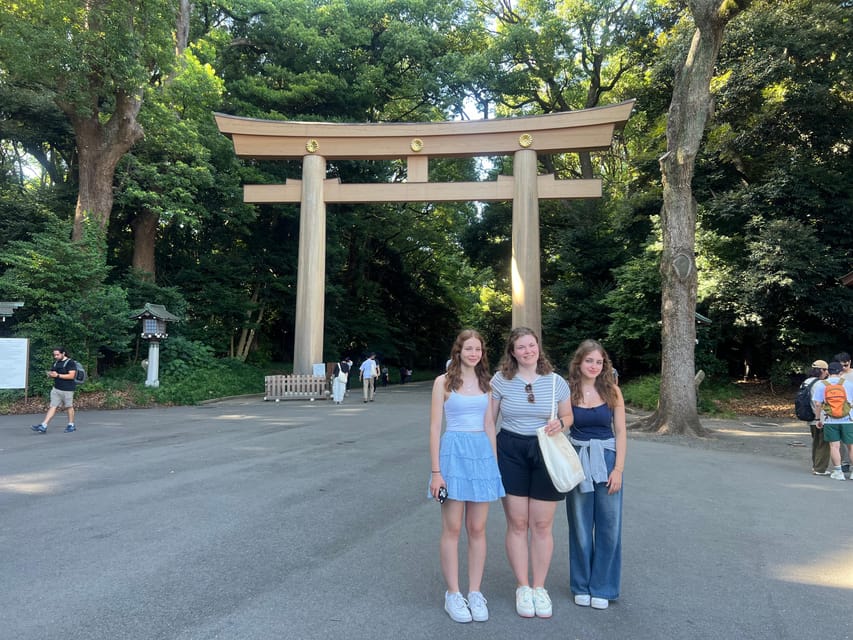
Next comes the Big Torii, with about 10 minutes for a guided look. This is where the tour does something more useful than pointing and moving on. You learn what to notice and what the symbolism is tied to in Shinto practice.
It also sets you up for how to behave in the shrine grounds. Several guides are praised for walking people through the proper way to pray and how to move through worship areas with respect. That means you do not just stand there guessing.
If you are the kind of person who likes to ask questions, this is the moment. Guides tend to be quick with clear explanations, and you can usually get answers without feeling rushed.
- Mt Fuji and Hakone 1-Day Bus Tour Return by Bullet Train★ 5.0 · 26,383 reviews
- 1-Day Tokyo Bus Tour★ 5.0 · 14,250 reviews
- Tokyo: teamLab Planets TOKYO Digital Art Museum Entry Ticket★ 4.6 · 9,779 reviews
- Mt Fuji & Hakone Cruise, Drum Show Bullet Train 1 Day from Tokyo★ 4.0 · 7,413 reviews
- Tokyo: Shinjuku Food Tour (13 Dishes at 4 Local Eateries)★ 5.0 · 6,603 reviews
Sake Barrels and Wine Offerings: What Consecrated Containers Teach
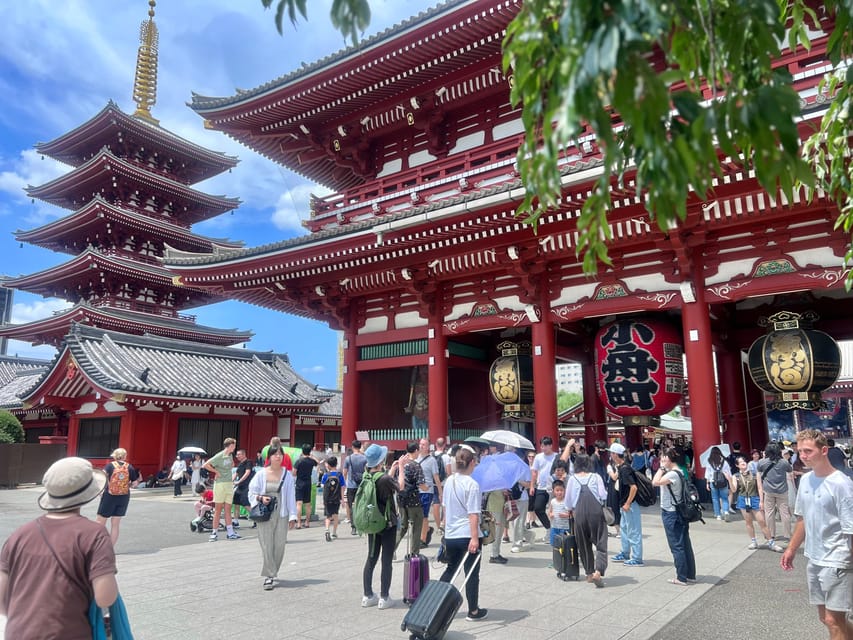
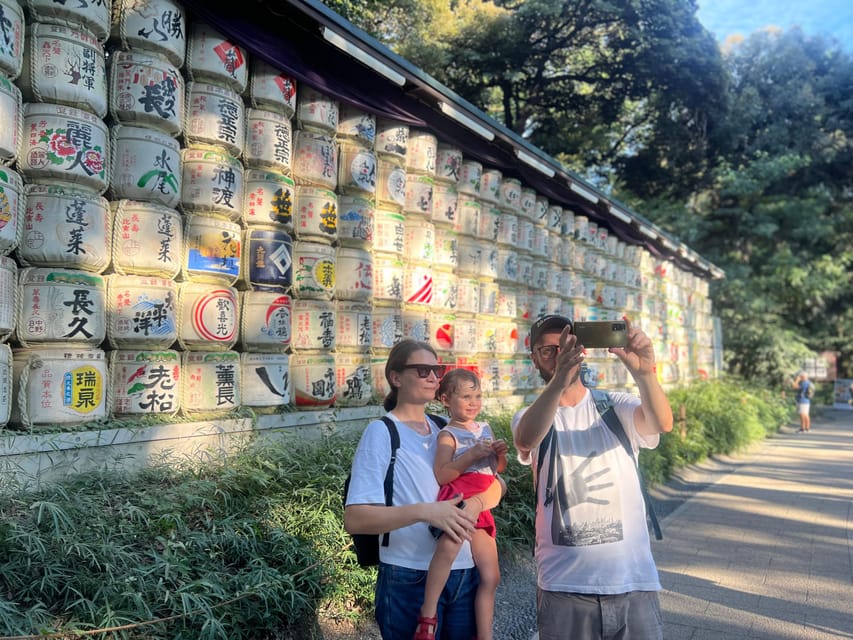
One of the most memorable parts of the route is the segment with consecrated sake barrels and then the consecrated wine barrels, each with around 10 minutes. These are the kind of details many first-time visitors miss because they assume the big hall is the whole story.
Here, the tour turns those offerings into learning moments. You are not just looking at containers. You are connecting them to the idea that Shinto practice is tied to seasonal life, gratitude, and how people interact with the sacred.
Why this matters for you: these stops give context for what you see later inside the main shrine area. When you understand what the offerings represent, the shrine stops feeling random. It starts feeling like a system.
Meiji Shrine Time With the Main Hall and Worship Steps
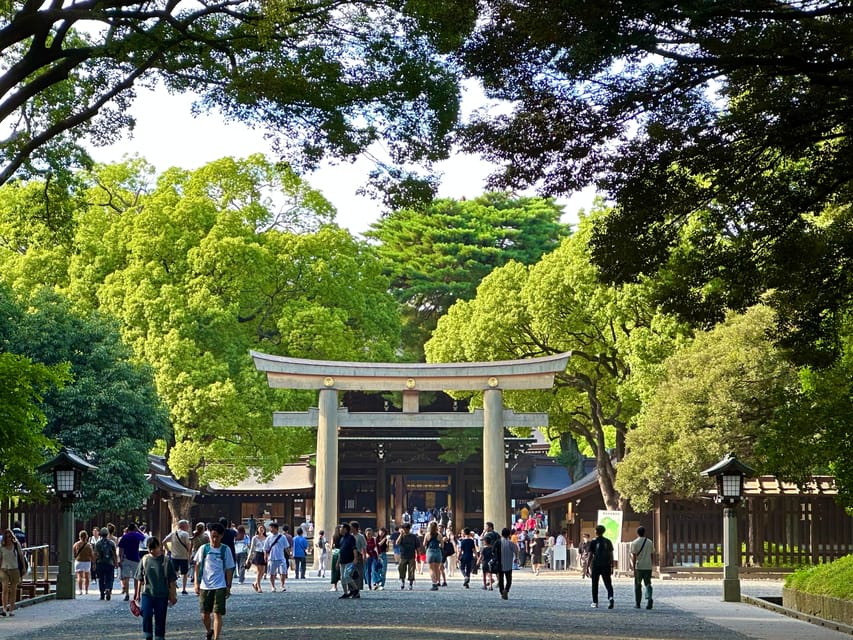
The heart of the tour is about 1 hour at Meiji Shrine, mixing guided explanation with sightseeing. This is where you get the biggest concentration of learning, plus the chance to absorb the atmosphere at a comfortable pace.
This portion is also where the guides focus on the practical stuff: how worship is done, what to expect as you walk through the sacred areas, and how to interpret what you are seeing. People also mention that guides help with real etiquette, not just a lecture.
You also have enough time here to slow down for details. If you are traveling with kids, this part can be a win. Some families mention that guides kept children engaged while still explaining the meaning behind what everyone was seeing.
If you want a more hands-on moment, Meiji Jingu is a place where you can often participate in offerings like ema. Some visitors describe writing on ema and even getting a stamp in their books, so it is a good area to ask your guide what is worth trying during your visit.
The Sacred Forest of 100,000 Trees, Where Nature Runs the Clock
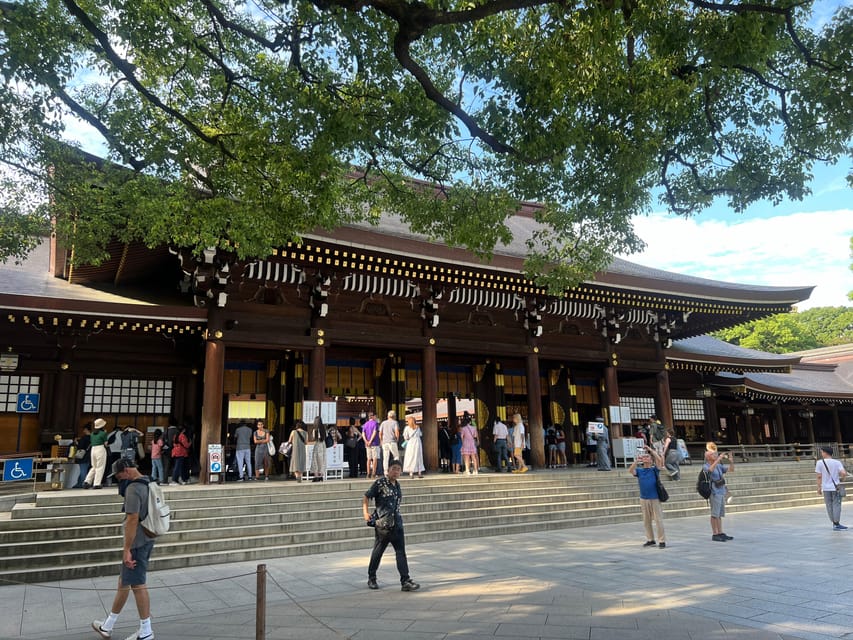
Meiji Jingu is famous for the sacred forest of 100,000 trees, and the tour route is built around that atmosphere. This is not a short, single-building visit. It is a walk where nature is part of the message.
For you, that means two things. First, you are more likely to feel the place instead of just ticking boxes. Second, the setting helps with pacing. Even if you arrive excited, the walk makes it easier to settle into a respectful, quiet rhythm.
One more reason I like this: the forest path gives you breathing room between the main “wow” moments. After the torii and the offering barrels, the greenery resets your brain, so the shrine hour feels calmer and more meaningful.
Small Groups, English Guides, and Photo Help That Saves Time
The tour is designed for small groups, which is a big deal at Tokyo hotspots. A smaller group means you can actually ask questions instead of competing for attention while people shuffle past.
The guide quality is one of the strongest themes in the experience. People specifically mention guides like Maya for friendliness and clear explanations, Minori and Nicholas for engaging storytelling, and Naruto for lots of answers. Yota is also mentioned as fun, personable, and very helpful with explanations and pacing.
You also get photos taken during the tour. That sounds small, but it saves time and effort. Instead of hunting for your “best angle” alone, your guide helps you capture the main photo moments while you stay focused on learning and walking.
Another practical perk: some guides share local food and practical tips after the tour. That can be useful if Meiji Jingu is one of your first stops in Tokyo and you want guidance on what to do next.
Price and Value: Why $19 Feels Fair for Admission and a Guide
At $19 per person for a 2-hour experience, this is priced like a smart cultural starter. You are not paying for a full-day tour or a long transit loop. You are paying for a professional English-speaking guide, structured stops, and the value of admission included for both Meiji Shrine and the Imperial Garden.
When admission is included, the math stays clean. It also means you are not scrambling to figure out tickets on the fly while you are trying to enjoy the experience.
And since the tour includes photos taken during the walk, you get a couple of extras that often cost time or money elsewhere. In a city where time is expensive and queues are real, that combination is what makes the price feel fair.
If you like planning with flexibility, the tour also offers reserve now and pay later, plus free cancellation up to 24 hours in advance. That is worth something when your Tokyo schedule is still moving around.
Best Timing, Weather Reality, and Who This Tour Fits
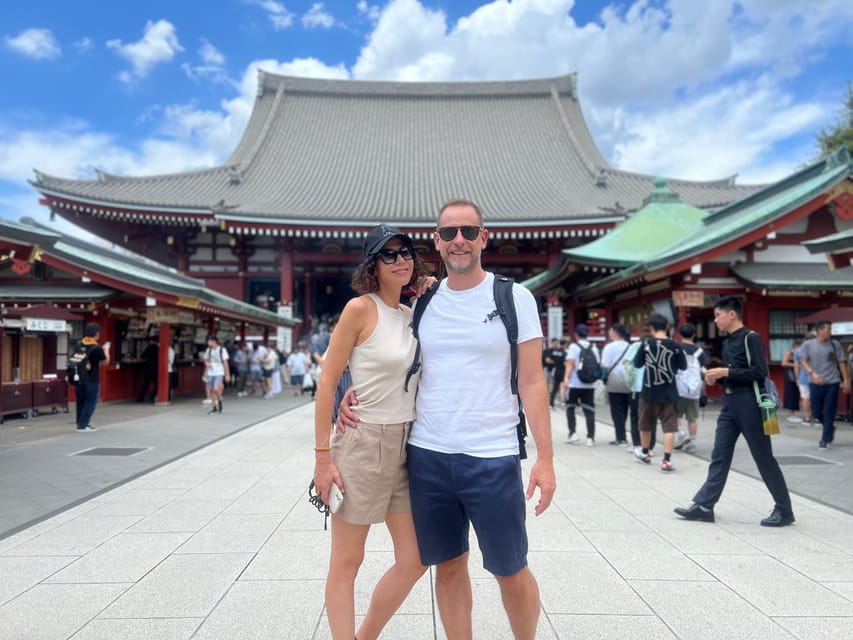
This is an outdoor walking tour, so weather is a real factor. Heavy rain is mentioned by one guest, but they still described the day as enjoyable. That tells me the guides can keep things moving and help you stick with the plan even when Tokyo weather gets dramatic.
So for your comfort, bring a light rain layer or umbrella if the forecast looks iffy. Wear shoes you trust for garden paths. The tour is not a marathon, but it is still a walk through shrine grounds and forest.
Who this tour suits best:
- First-time visitors who want Shinto basics and shrine etiquette without figuring it out alone.
- Culture-minded travelers who enjoy meaning and symbolism, not just sightseeing.
- People who like small groups, so questions feel welcome.
- Families, since guides can keep kids engaged while explaining the rituals.
If you are completely new to Shinto, this works well because the guide explains what you see in a way you can actually use. If you have studied Japan before, you may still appreciate the structured stops, especially the offering barrel sections that give the tour a more specific feel.
Also, the tour is listed as wheelchair accessible, which is a big plus. That said, it is still a shrine setting with garden paths, so if you have mobility limits, it is smart to confirm the route details before you go.
Should You Book This Meiji Jingu Shinto Culture Walk?
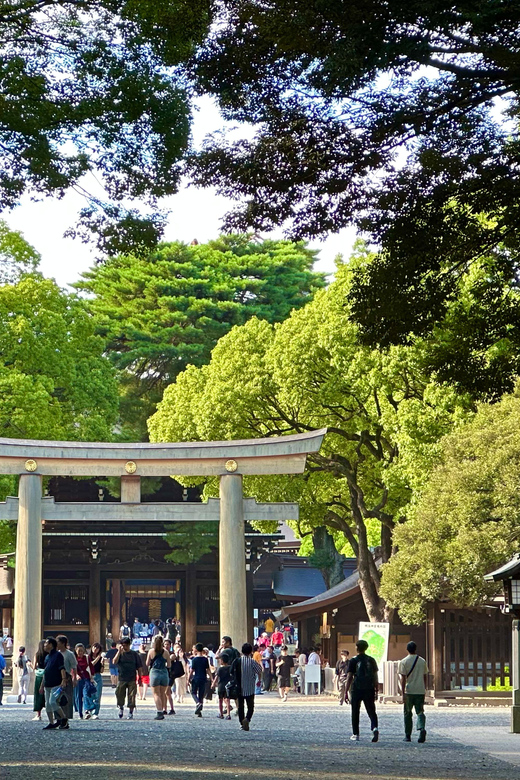
I would book this tour if you want Meiji Jingu to feel understandable and respectful, not like a maze you power through. The route hits the major visual anchors, Big Torii and the main shrine, but it also adds the details that make Shinto practice click for first-time visitors, like the consecrated sake and wine offerings.
It is also a strong choice if you value practical guidance. People highlight how guides handle etiquette and answer questions, and the included photos take a small burden off your shoulders.
I would skip it only if you want a fully self-guided experience with no guidance at all. If you are happy wandering and reading quietly on your own, you can do Meiji Jingu without a tour. But if you want the quickest path to understanding what you are seeing, this is one of the most efficient ways to do it.
FAQ
How long is the Tokyo Meiji Jingu Shinto Culture Walking Tour?
The tour lasts 2 hours.
What does the tour cost?
The price is $19 per person.
Where do I meet the guide?
You meet in front of the Starbucks Coffee closest to Meiji Shrine, near Harajuku. The coordinates provided are 35.6705208, 139.7031067.
Is the tour guided in English?
Yes, the tour is offered with a live English-speaking guide.
What stops are included during the tour?
You will visit Meiji Jingu Gyoen, see the Big Torii, learn about consecrated sake barrels, learn about Meiji Jingu consecrated wine barrels, and spend time at Meiji Shrine for guided sightseeing.
Is admission included?
Yes, entry and admission to Meiji Shrine and the Meiji Shrine Imperial Garden are included.
Does the tour include photos?
Yes, photos are taken during the tour.
Is the tour wheelchair accessible?
The tour is listed as wheelchair accessible.
What is the cancellation policy?
Free cancellation is available up to 24 hours in advance for a full refund.
Can I reserve without paying right away?
Yes, you can reserve and pay later.
Central Tokyo Landmarks



Newest Tokyo write-ups from the Loving Japan desk

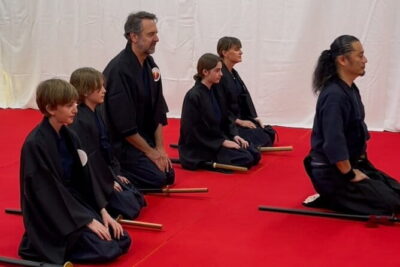

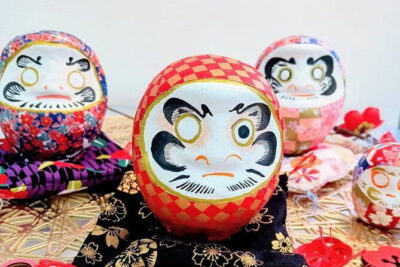

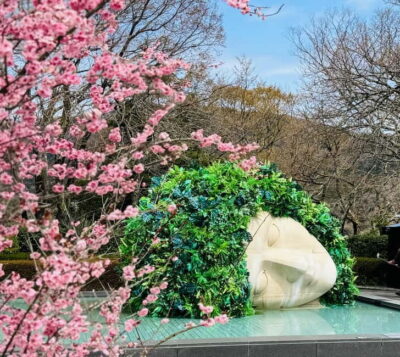
Tokyo Tower, Ginza and the Imperial Palace, side by side.
 ★ 5.0Flagship 2-Hours Official Street Go-Kart Tour – Tokyo Bay ShopFrom $644,974 reviews
 ★ 4.6Tokyo Tower: Admission TicketFrom $93,661 reviews
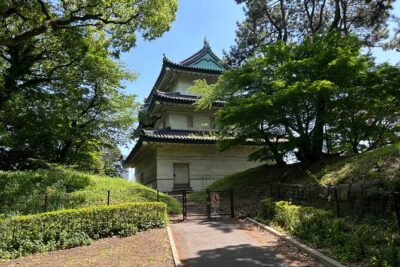 ★ 5.0Imperial Palace and Shogun Historical Walking TourFrom $222,251 reviews
 ★ 4.7Meiji Shrine, Asakusa, Skytree Bus Tour and CruiseFrom $1221,986 reviews
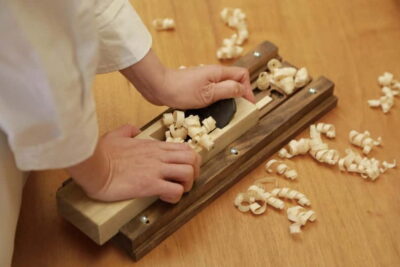 ★ 4.8Chopstick Making Workshop in GinzaFrom $251,366 reviews
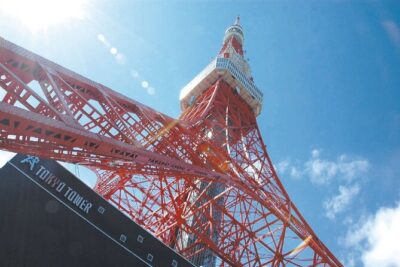 ★ 4.5Tokyo Panoramic 1 Day: Meiji Shrine, Asakusa, Odaiba and SKYTREE®From $851,222 reviews
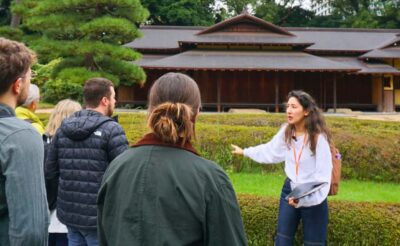 ★ 4.9Imperial Palace Japanese History Walking TourFrom $32987 reviews
 ★ 4.9Imperial Palace and Shogun Walking TourFrom $16935 reviews
Filed on these lists too