
REVIEW · TOKYO TOWER, GINZA AND THE IMPERIAL PALACE
Tokyo: Meiji Shrine and Shinto Culture Walking Tour
Tokyo quiets your mind fast. This Meiji Jingu walking tour makes Japan’s Shinto culture make sense, with a guide walking you through the shrine’s most important moments instead of letting you guess. I especially love how the guide turns simple sightseeing into real understanding of Shinto rituals and why people do them.
I also like the setting and pacing. You spend about 2 hours on a forested route inside one of Tokyo’s best-known shrine spaces, and the group stays small, with a maximum of 15 people. That size makes it easier to ask questions and get help with what to do at key spots.
One consideration: it’s still a walk. If you’re sensitive to crowds around Harajuku or you dislike stepping on uneven paths, wear solid shoes and plan for a steady stroll through the shrine grounds.
In This Review
- Key highlights worth your attention
- Why Meiji Jingu feels like Tokyo’s quiet reset
- Entering through the 12-meter wooden torii and forest approach
- Shinto etiquette: bowing, cleansing, and what you should do
- The stories you pick up about Emperor Meiji and the shrine’s meaning
- How the 2-hour walk stays manageable in Tokyo
- Price and value: what $18 buys you
- Who should book, and who might skip it
- Should you book this Meiji Jingu tour?
- FAQ
- How long is the Meiji Shrine and Shinto Culture walking tour?
- How much does the tour cost?
- How big is the group?
- What is included in the tour price?
- What is not included?
- Where do I meet for the tour?
- Where does the tour end?
- Do I need to print tickets?
- Is the meeting point near public transportation?
- What is the cancellation policy?
Key highlights worth your attention
Towering scale right at the entrance: the famous wooden torii is a huge 12 meters tall and 17.1 meters wide.
Guided Shinto etiquette, not just photos: you get help with customs like bowing and ritual cleansing steps.
Small-group format: up to 15 people means the guide can actually answer questions.
Meaning behind the shrine: you learn why Meiji Jingu is dedicated to Emperor Meiji and Empress Shoken.
Guides with a teaching style: names like Yumi, Sara, Haydn, Matt-san, and Benjamin are described as engaging and kind.
The central Tokyo landmarks, reviewed one by one
- Flagship 2-Hours Official Street Go-Kart Tour – Tokyo Bay Shop
★ 5.0 · 4,974 reviews - Tokyo: Imperial Palace and Shogun Historical Walking Tour
★ 5.0 · 2,251 reviews - Tokyo: Meiji Shrine, Asakusa, Skytree Bus Tour and Cruise
★ 4.7 · 1,986 reviews - Tokyo Panoramic 1 Day: Meiji Shrine, Asakusa, Odaiba and SKYTREE®
★ 4.5 · 1,222 reviews
Why Meiji Jingu feels like Tokyo’s quiet reset
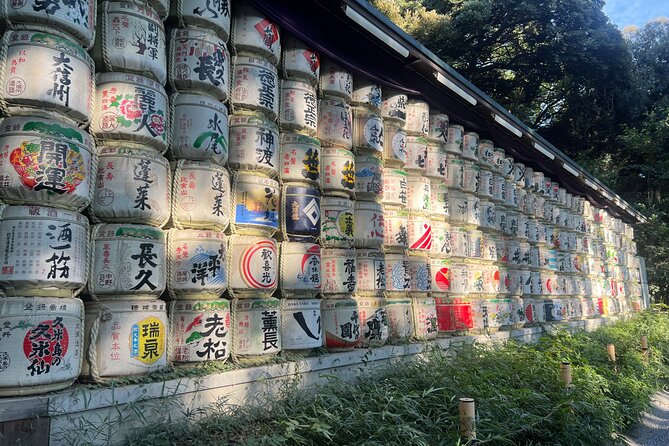
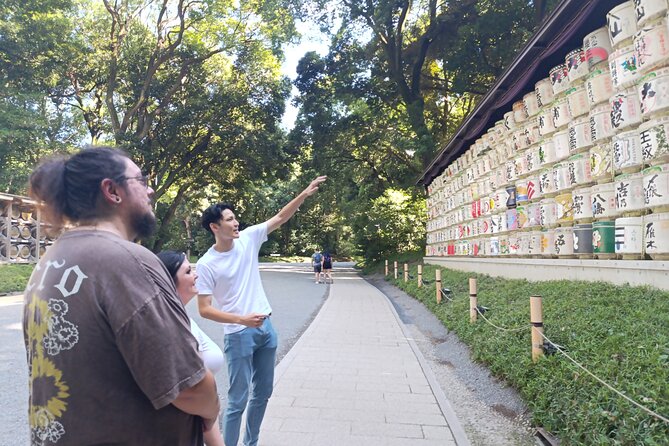
Meiji Jingu is one of those places where the city drops away. You enter Tokyo but then you move into an atmosphere that feels made for calm. That shift matters, because you can’t fully appreciate the shrine if you treat it like just another stop on the map.
This tour leans hard into context. With a guide, you’re not only looking at gates and buildings. You’re learning what Shinto is aiming for, spiritually, and how ritual actions communicate respect. That turns your visit into something more useful than a photo run.
Another thing I appreciate is how the tour connects the shrine to the people it honors. Meiji Jingu is dedicated to the deified spirits of Emperor Meiji and Empress Shoken. The shrine was established in 1920, and it sits inside a massive, artificial forest, described as about 70 hectares. That scale changes how you experience it, because the “walk” is part of the message, not just transportation to the main area.
And yes, it still works for non-religious travelers. You don’t need to already know Shinto to follow along. You just need curiosity, and the guide does the translating into normal human language.
Entering through the 12-meter wooden torii and forest approach
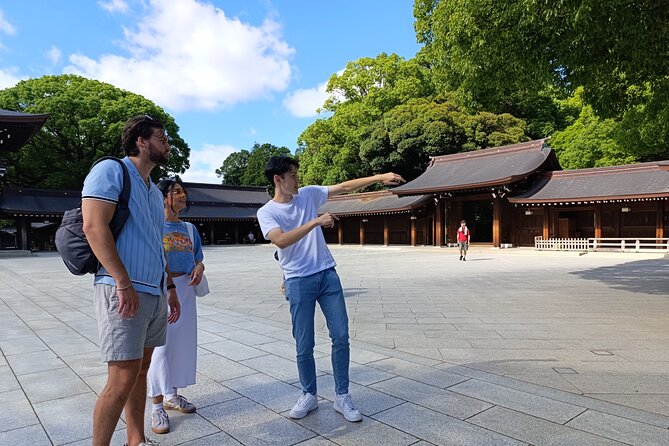
The moment you reach the big torii, you feel it in your chest. This is the largest wooden myojin-style torii of its kind in Japan, at 12 meters tall and 17.1 meters wide. Even if you’re not a “structures guy,” the size lands fast, and it’s a strong clue that this is a sacred place, not a theme park.
From there, the approach through the forested path helps you slow down without trying. The tour is designed around walking through that atmosphere with explanation as you go. You’ll learn how the torii gate functions in practice, and why arriving at the shrine feels different from arriving at, say, a city museum.
Practical note: this part is visually stunning, and it also draws people. If you’re hoping for the least crowded photos, you may need patience. The tour gives you a planned path and an added benefit: you’re moving with guidance rather than stopping randomly, which usually keeps you from wasting time.
Also, the tour’s start point is in Harajuku territory, near a Starbucks at 1-chōme, Jingūmae (Shibuya). That’s convenient because it’s a recognizable meetup spot and it’s near public transportation. You can get there without a long puzzle game, and once you’re together, the guide keeps the rhythm.
Shinto etiquette: bowing, cleansing, and what you should do
One of the most valuable parts of this experience is learning what to do when you’re standing at the shrine. Shinto etiquette can look mysterious if you only watch from the edge, so the guide helps you follow along.
You’ll get practical coaching on customs such as bowing at the gates. You’ll also learn about the basic steps for ritual cleansing before approaching worship areas. The cleansing piece is especially important, because it’s easy to miss why people are doing it. With a guide’s explanation, it stops being a weird tourist moment and becomes part of the flow of the shrine.
This is also where a small group helps. With up to 15 people, you’re not stuck behind a wall of strangers. If you’re unsure about timing or posture, the guide can tell you what’s typically expected. That reduces awkward guesswork and lets you focus on being respectful.
I like the way this tour treats etiquette as something you can understand, not something you have to fear. The goal is simple: you should know the basic steps so you can participate in the moment calmly. That’s a much better souvenir than a blurry action shot.
And if you’re traveling with kids, this kind of guidance is gold. It turns the visit into “do this, then here’s why,” which usually keeps attention where it belongs.
- Mt Fuji and Hakone 1-Day Bus Tour Return by Bullet Train★ 5.0 · 26,383 reviews
- 1-Day Tokyo Bus Tour★ 5.0 · 14,250 reviews
- Tokyo: teamLab Planets TOKYO Digital Art Museum Entry Ticket★ 4.6 · 9,779 reviews
- Mt Fuji & Hakone Cruise, Drum Show Bullet Train 1 Day from Tokyo★ 4.0 · 7,413 reviews
- Tokyo: Shinjuku Food Tour (13 Dishes at 4 Local Eateries)★ 5.0 · 6,603 reviews
The stories you pick up about Emperor Meiji and the shrine’s meaning
Meiji Jingu isn’t just about architecture and trees. It’s about honoring a specific chapter of Japan, and your guide helps connect the dots.
The shrine honors Emperor Meiji and Empress Shoken. That dedication matters because the shrine is tied to their legacies and to how people remember them. As you walk, you’ll hear explanations about the shrine’s background and the significance of the space. Even in rainy conditions, the guidance is described as thoughtful, with clear storytelling and memorable details.
In one example of what guides focus on, explanations included the Meiji Restoration and Emperor Meiji’s achievements. I can’t promise every guide will emphasize those exact topics every time, but the tour’s overall approach is consistent: it gives you historical and cultural context so you don’t leave with only vague impressions.
There’s also something quietly satisfying about hearing the shrine described in terms of meaning and symbolism. When you know what you’re seeing, you start noticing details you’d normally ignore, like how people move through the space, how they pause, and how the shrine structures relate to each other.
And since Meiji Jingu is located in a large artificial forest, the tour helps you understand that the environment is part of the experience. It’s not just scenery. The calm, the shade, and the air all support the ritual mood.
How the 2-hour walk stays manageable in Tokyo
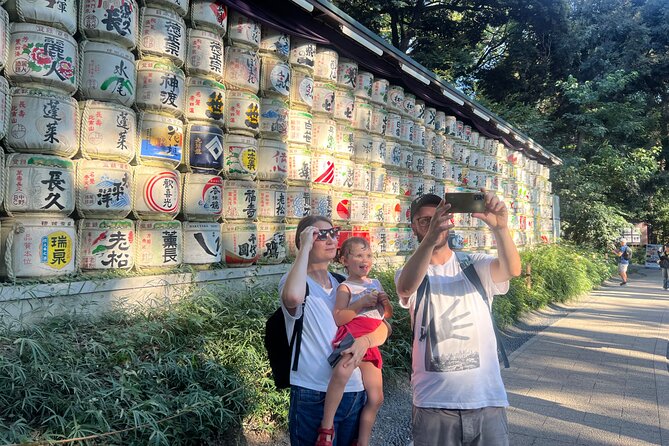
A walking tour can either feel relaxing or feel like a chore. This one lands in the practical sweet spot because the time is tight, about 2 hours, and the group size stays under 15.
That matters in Tokyo. Harajuku and the surrounding areas can be busy, and if you’re trying to do everything yourself, you spend energy figuring out where to go instead of actually seeing the shrine. With a guide, you’re not fighting your phone and your jet lag at the same time.
You’ll also get a mobile ticket, which helps on the day. You don’t need to print anything and hunt for paper that somehow ends up in the wrong pocket. It’s a small thing, but in real travel time, small things add up.
Another practical win: the tour includes historical insights into the district, not only shrine facts. Guides often share navigation pointers for the Harajuku area, which is helpful after the tour when you want to keep exploring. Since the experience ends back at the meeting point, it’s easy to regroup and head off to your next plan.
One more thing that comes up in how people describe the guides: friendliness and interaction. Guides such as Sara and Yumi are described as welcoming and accommodating, and Matt-san and Benjamin are praised for a kind, peaceful approach. If you like tours where you can ask questions without feeling rushed, this format is a good match.
Price and value: what $18 buys you
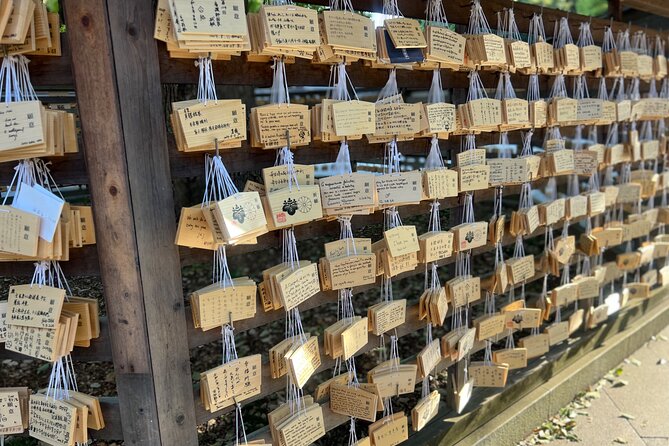
At $18 per person, this tour is positioned as a low-cost way to upgrade a simple shrine visit into something more meaningful. The key is what’s included.
You get a tour guide plus historical insights into the district. You also get an admission ticket included, and the tour lasts about 2 hours. Tips are not included, so you’ll likely decide how much to give based on your comfort level and service quality.
Here’s the value logic I’d use for deciding. If you’re the kind of traveler who likes to understand what you’re seeing, a guide saves you time. You avoid researching etiquette rules on your own mid-walk, and you avoid the common trap of treating sacred spaces like photo backdrops only.
If, on the other hand, you’re happy to wander without explanations and you already know Shinto basics, you might not get the same benefit. In that case, you could visit on your own. But if you want context, this price starts to look like a bargain, not an add-on.
The “maximum 15 travelers” cap also supports value. In a larger group, the guide’s attention gets stretched thin. Here, the structure is set up so questions can stay personal and on-topic.
Who should book, and who might skip it
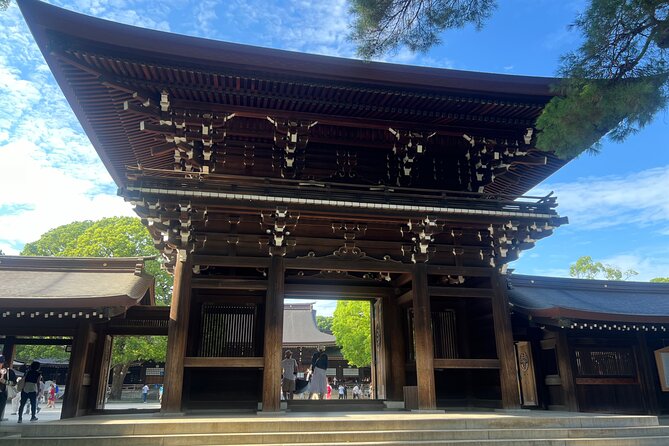
This is a great fit if you want a guided entry into Japanese spirituality, and you like learning the meaning behind rituals. If you’re visiting Meiji Jingu for the first time and you don’t want to spend hours reading before you go, this tour gives you the basics at the right time and place.
It’s also a smart choice if you’re short on time in Tokyo. A two-hour guided walk is easy to slot into a day, especially when you’re already in Harajuku.
I’d be slightly cautious if you strongly dislike walking tours or you expect completely empty grounds. Meiji Jingu is a major destination, so you’ll share the path with other visitors. The guide helps, but it’s still a popular site.
Should you book this Meiji Jingu tour?
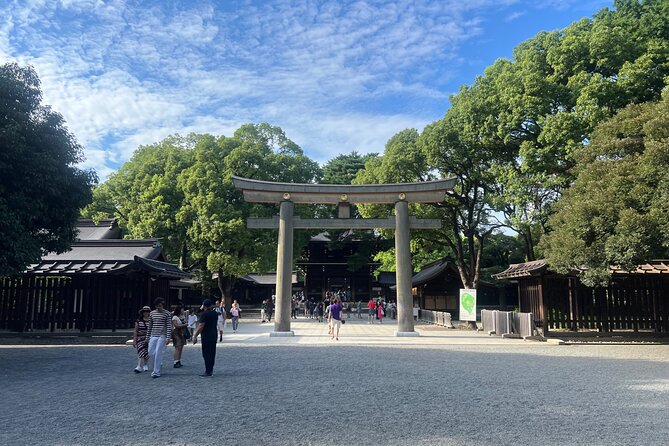
If you want more than a postcard visit, I think you’ll be happy you booked. The strongest reason is the focus on Shinto ritual context, including practical etiquette like bowing and cleansing. Add in the iconic 12-meter torii and the calm forest approach, and you get a visit that feels intentional, not random.
If you’re the type who loves explanations and respectful participation, this is a clear yes. If you just want to stroll freely and you already know the basics, you could skip the tour. But for most people doing Tokyo for the first time, this feels like one of the better ways to make Meiji Jingu click.
FAQ
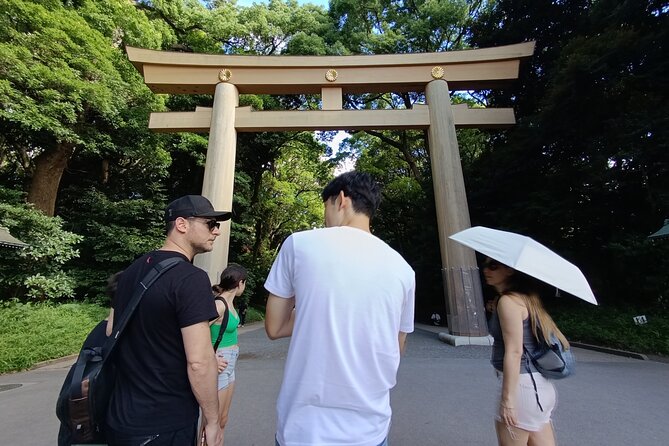
How long is the Meiji Shrine and Shinto Culture walking tour?
The tour lasts about 2 hours.
How much does the tour cost?
The price is $18.00 per person.
How big is the group?
The tour has a maximum of 15 travelers.
What is included in the tour price?
The tour includes a tour guide and historical insights into the district, and an admission ticket is included.
What is not included?
Tips are not included.
Where do I meet for the tour?
Meet at Starbucks Coffee – With HarajukuJapan at 150-0001 Tokyo, Shibuya, Jingūmae, 1-chōme1430 WITH HARAJUKU.
Where does the tour end?
The activity ends back at the meeting point.
Do I need to print tickets?
No. The tour uses a mobile ticket.
Is the meeting point near public transportation?
Yes, the meeting point is near public transportation.
What is the cancellation policy?
Free cancellation is available. You can cancel up to 24 hours in advance for a full refund. Canceling less than 24 hours before the start time is not refundable.
Central Tokyo Landmarks



Newest Tokyo write-ups from the Loving Japan desk



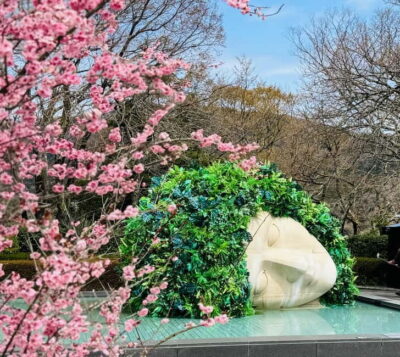
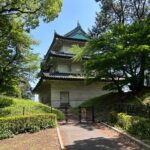
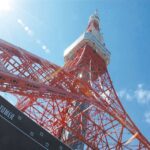
Tokyo Tower, Ginza and the Imperial Palace, side by side.
 ★ 5.0Flagship 2-Hours Official Street Go-Kart Tour – Tokyo Bay ShopFrom $644,974 reviews
 ★ 4.6Tokyo Tower: Admission TicketFrom $93,661 reviews
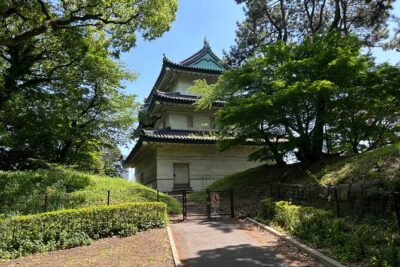 ★ 5.0Imperial Palace and Shogun Historical Walking TourFrom $222,251 reviews
 ★ 4.7Meiji Shrine, Asakusa, Skytree Bus Tour and CruiseFrom $1221,986 reviews
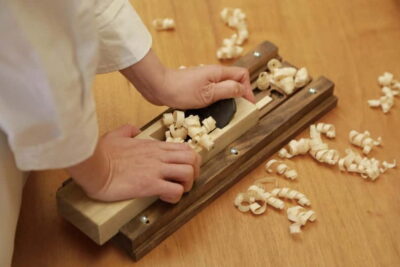 ★ 4.8Chopstick Making Workshop in GinzaFrom $251,366 reviews
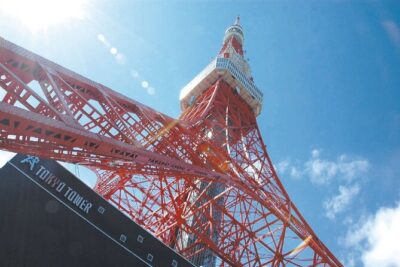 ★ 4.5Tokyo Panoramic 1 Day: Meiji Shrine, Asakusa, Odaiba and SKYTREE®From $851,222 reviews
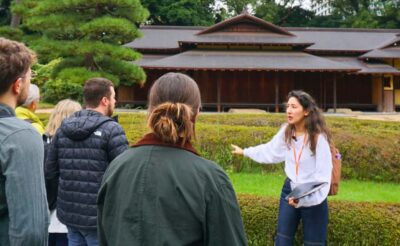 ★ 4.9Imperial Palace Japanese History Walking TourFrom $32987 reviews
 ★ 4.9Imperial Palace and Shogun Walking TourFrom $16935 reviews
Filed on these lists too