
REVIEW · TOKYO TOWER, GINZA AND THE IMPERIAL PALACE
Tokyo: Meiji Shrine Walking Tour — Shintoism & Imperial System
Tokyo has a way of quieting you fast. This Meiji Shrine walking tour takes you from the Harajuku side into a forest path, with major torii gates and clear explanations of Shintoism and the Imperial system along the way. I love that it is structured like a gentle stroll, not a stampede, and I also like that you get time for personal rituals like omikuji and writing an ema. The one thing to consider is that the whole experience is about 1.5 hours, so it is not the long, all-day kind of shrine wander.
In a small group (max 15), you’ll follow a local guide through key moments of the shrine grounds, then end near the garden area and a cafe. It is also built for flexibility, with two tour times and a mobile ticket, so you can fit it into a busy Tokyo itinerary without overthinking it.
In This Review
- Key highlights worth your time
- Enter Meiji Jingu from Harajuku’s gate and forest path
- The big torii you can’t ignore, and why cypress matters
- At the main shrine, learn the steps behind prayer, omikuji, ema, and omamori
- Shintoism and the Imperial system, explained where it counts
- The small-group format, and what the guide quality adds
- Meiji Shrine Garden and the calm break in your route
- Café Mori no Terrace: a quiet end stop plus shopping time
- Price and value: why $21.22 can make sense
- Practical tips to get the most from your walk
- Should you book this Meiji Shrine walking tour?
- FAQ
- How long is the Meiji Shrine walking tour?
- What does the tour include?
- Where does the tour start?
- How many people are in the group?
- Do I need to buy a ticket for the garden?
- What ticket type is used?
- Are there different tour times?
- Is the tour near public transportation?
- Is it suitable for most people?
- What is the cancellation policy?
Key highlights worth your time
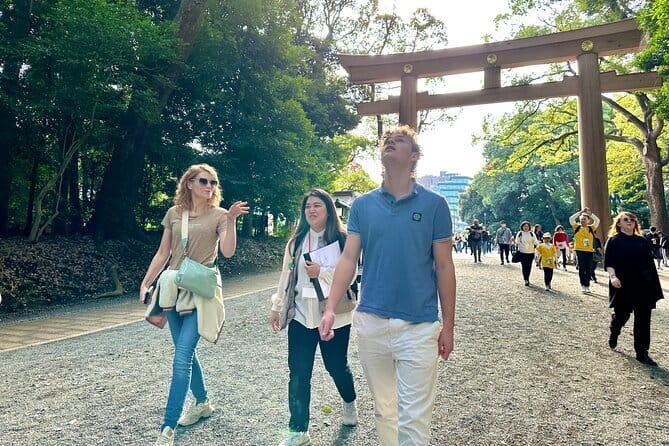
- Harajuku gate to shrine forest path: Start wide, calm, and shaded, with guided context as you walk.
- Big wooden torii made from cypress shipped from Taiwan: Scale, origin, and meaning all get explained.
- Do the rituals at your own pace: Offer a prayer, draw omikuji, write an ema, and look for omamori charms.
- Small group energy: Max 15 people makes questions easier and the walk more personal.
- Garden entry included: You get the admission fee for the Meiji Shrine Garden handled.
- A quiet end stop: Café Mori no Terrace gives you a place to refuel and shop without rushing.
The central Tokyo landmarks, reviewed one by one
- Flagship 2-Hours Official Street Go-Kart Tour – Tokyo Bay Shop
★ 5.0 · 4,974 reviews - Tokyo: Imperial Palace and Shogun Historical Walking Tour
★ 5.0 · 2,251 reviews - Tokyo: Meiji Shrine, Asakusa, Skytree Bus Tour and Cruise
★ 4.7 · 1,986 reviews - Tokyo Panoramic 1 Day: Meiji Shrine, Asakusa, Odaiba and SKYTREE®
★ 4.5 · 1,222 reviews
Enter Meiji Jingu from Harajuku’s gate and forest path
The tour begins at Harajuku Station area, right on the Shibuya side of town, then leads you toward Meiji Jingu. Instead of jumping straight to photos, you ease in through the Harajuku gate and walk along a wide path through dense greenery. That matters because Meiji Shrine works differently from a typical city attraction, it is built around slowing down, not speed.
Along the route, your guide points out the big visual signals. You’ll pass giant torii gates, and you’ll also see sake barrel displays that fit the shrine’s role in tradition and ceremony. One of the most useful moments comes when you reach the purification area. Even if you only watch briefly, the guide’s explanation helps you understand why this is not just a visual step, it is part of the shrine experience.
The best part of this opening stretch is how it reframes what you see. Once you know what the symbols mean, you start spotting details you would miss on your own, like how the path and entry sequence guide your attention. If you’ve ever felt overwhelmed by Tokyo attractions, this is a relief. The pace is human, and the setting does the calming.
Potential drawback: if you’re the type who hates pauses and wants to skip explanations, this first segment may feel a bit “process-heavy.” That said, the tour is only 1.5 hours total, so the walk moves steadily.
The big torii you can’t ignore, and why cypress matters
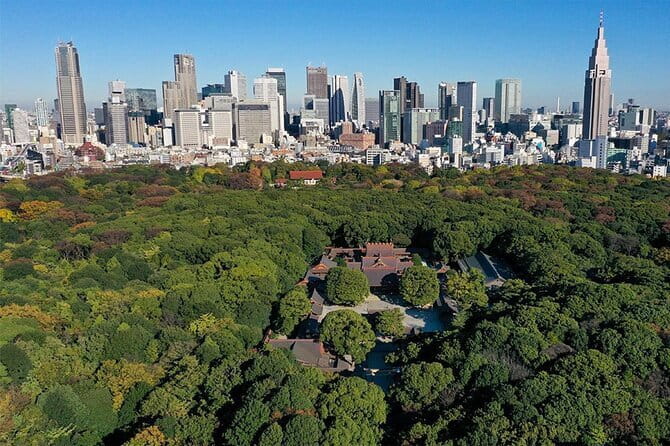
Soon after the forest path begins to feel more “ritual” than “park,” you pass one of Japan’s largest wooden torii gates. This is the kind of thing you spot instantly in photos, but seeing it while your guide talks about it changes the experience.
What makes this torii special is its material story. It is made from ancient cypress brought from Taiwan. That origin detail is not trivia for the sake of trivia. It connects the shrine to a wider story of craftsmanship and resources, and it also gives you a reason to look closer at the gate instead of just admiring the size.
Your stop here is short, about 5 minutes, so you get enough time for photos and a moment of quiet. Then you move on, before the excitement fades or the group gets impatient. That quick rhythm works well in a small group.
At the main shrine, learn the steps behind prayer, omikuji, ema, and omamori
When you reach the main shrine, the tour shifts from scenery to participation. You get time to do the core actions people come for: offering a prayer, drawing omikuji, writing a wish on an ema (wooden plaque), and looking for omamori (charms).
Here’s why that matters for your trip. In Tokyo, it is easy to treat shrine visits like a sightseeing checklist. This gives you a simple structure so you can slow down and actually take part. Even if you don’t want to buy anything, pulling an omikuji or writing an ema can be a memorable cultural moment, and the guide’s explanation helps you interpret what you’re doing without guessing.
Your visit time at the main shrine is about 30 minutes, which is long enough to do the key steps and still have breathing room. It is also long enough to step away after you finish. Meiji Shrine can feel powerful in a quiet way, and you do not need to rush through that.
One small consideration: ritual time depends on how curious you are and how much you want to read or observe. If you go all-in with omikuji, ema, and a careful look for omamori, you’ll use most of that slot. That’s fine. Just don’t book yourself into another obligation right after the tour, because the end of the experience is closer to the cafe and gift shop area.
- Mt Fuji and Hakone 1-Day Bus Tour Return by Bullet Train★ 5.0 · 26,383 reviews
- 1-Day Tokyo Bus Tour★ 5.0 · 14,250 reviews
- Tokyo: teamLab Planets TOKYO Digital Art Museum Entry Ticket★ 4.6 · 9,779 reviews
- Mt Fuji & Hakone Cruise, Drum Show Bullet Train 1 Day from Tokyo★ 4.0 · 7,413 reviews
- Tokyo: Shinjuku Food Tour (13 Dishes at 4 Local Eateries)★ 5.0 · 6,603 reviews
Shintoism and the Imperial system, explained where it counts

Meiji Shrine is tied to Japan’s national identity, including the Imperial system, so the tour’s teaching isn’t random. Your guide weaves Shintoism and Imperial context into the route as you move between spaces.
What I like about this approach is timing. You learn the meaning right before you see it. Instead of reading about rituals later on, you watch the environment act out the story: forest path to torii gates, entry to purification steps, then prayer and personal wishes at the shrine. The result is that the shrine stops feel linked, not separate.
The guide also helps you connect the idea of worship to real behaviors, like praying, drawing omikuji, and writing ema. That makes the experience easier to understand, even if you’re not a religion expert. It also keeps the tour from becoming only a photo walk, which I appreciate.
The small-group format, and what the guide quality adds
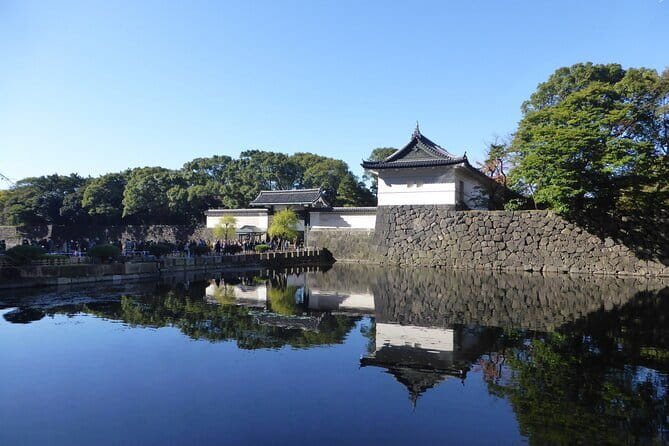
This tour runs with a small group, maximum 15 people, and it lasts about 1 hour 30 minutes. That combination is a big deal in Tokyo. It’s the difference between getting swept along and actually hearing what’s said.
A lot of the positive feedback centers on guides who explain clearly and answer questions without making anyone feel rushed. Names that come up often include Yuuki, Nana, Nanami, Nonoka, Keiko, and Nono as a support person in at least one group. The themes are consistent: friendly guidance, patience, and strong English communication.
That matters because Meiji Shrine has real meaning behind the steps. If the guide can translate that clearly, you come away understanding why the rituals and symbols matter. And with a smaller group, you’re more likely to ask your own follow-up questions instead of just listening from the back.
If you want a calm Tokyo experience that still feels structured, this format is a strong match.
Meiji Shrine Garden and the calm break in your route

The tour includes admission fees for the Meiji Shrine Garden, which is a practical plus. It also gives you a reason to plan your timing around a garden visit rather than squeezing it in as an afterthought.
The garden area fits the rest of the tour’s mood. You’ve spent time walking through shrine spaces and learning how to interpret what you’re seeing. When you move into the garden portion, it becomes less about rituals and more about appreciating the setting and pace.
Also, having that garden access bundled into the tour saves you from extra ticket planning during a day when Tokyo already has enough logistics. It’s value in the form of reduced friction, not just dollars.
Café Mori no Terrace: a quiet end stop plus shopping time

After the shrine portion, the tour ends near Café Mori no Terrace and a gift shop within the grounds area. This is one of the more traveler-friendly design choices, because you are not left standing in a shrine area with no plan.
The cafe stop is about 15 minutes, with light meals and drinks in a quiet forest setting. That is perfect for recharging without turning your shrine visit into an hour-long meal.
The gift shop also gives you a place to browse charms and traditional goods, including Meiji Jingu–exclusive items. If you’ve been thinking about picking up an omamori or a small souvenir, this is your window, and the tour keeps you close to the right place.
One practical thought: 15 minutes goes quickly if you’re deciding carefully on gifts. If you tend to take your time shopping, arrive ready with at least a rough plan for what you want to buy.
Price and value: why $21.22 can make sense
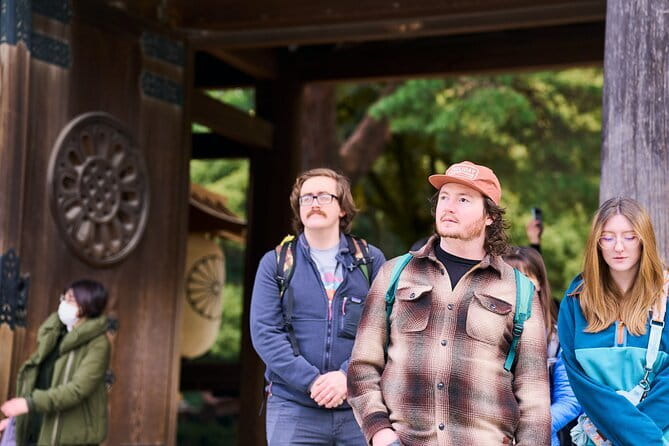
At $21.22 per person, this tour is priced like a budget-friendly guided walk rather than a premium museum-style experience. For the cost, you’re paying for three things that add real value.
First, you’re paying for a local guide who connects Shinto practices and the Imperial system to what you’re seeing. That kind of context is hard to replicate with a phone screen in the middle of a shrine.
Second, you’re paying for the structure. The route is paced at about 1.5 hours, with dedicated time for the main shrine actions and a garden entry fee included.
Third, the small-group setup helps you actually participate. If you enjoy asking questions or want help understanding how to do omikuji and ema appropriately, the group size is part of what you’re buying.
If you’re the type who enjoys walking at your own pace with no guidance, you might find a self-guided visit cheaper. But if you want the meaning explained while you’re standing in the place where it matters, this price is a fair trade.
Practical tips to get the most from your walk
You don’t need special prep to enjoy this tour, but a few habits will make it click.
- Bring a calm mindset. This shrine experience is about slowing down and participating.
- Plan for the full rhythm of the main shrine time. Offering a prayer, drawing omikuji, and writing an ema takes focus.
- Use the cafe and shop stop wisely. That 15-minute window is your practical chance for snacks and Meiji Jingu–specific souvenirs.
- Pick the tour time that fits your day. With two tour times available, you can choose the one that reduces stress around the rest of your Tokyo schedule.
Should you book this Meiji Shrine walking tour?
Book it if you want a guided Meiji Shrine experience that helps you understand the route instead of just marching through it. I’d especially recommend it if you care about Shinto rituals, want help with omikuji and ema, or just want a calmer, more meaningful break from Tokyo’s pace.
Skip it or reconsider if you dislike guided explanations and prefer independent wandering. Since the tour is only 1.5 hours, it also may not fit if you want a long, unstructured shrine day.
If you want value that feels practical, not performative, this one is hard to beat: small group, clear ritual time, and garden entry included.
FAQ
How long is the Meiji Shrine walking tour?
The tour lasts about 1 hour 30 minutes.
What does the tour include?
It includes a guided visit to Meiji Shrine and the garden, with admission fees for the Meiji Shrine Garden. You also visit the main shrine and pass key points like the torii gates and purification area.
Where does the tour start?
The meeting point is near Harajuku Station, at 1 Chome-18 Jingumae, Shibuya, Tokyo 150-0001, Japan.
How many people are in the group?
The tour has a maximum of 15 travelers.
Do I need to buy a ticket for the garden?
The admission fees for the Meiji Shrine Garden are included with the tour.
What ticket type is used?
You receive a mobile ticket.
Are there different tour times?
Yes, you can choose from two tour times.
Is the tour near public transportation?
Yes, it is near public transportation.
Is it suitable for most people?
Most travelers can participate.
What is the cancellation policy?
You can cancel for a full refund up to 24 hours before the experience starts. Free cancellation is available up to 24 hours in advance, and changes within 24 hours are not accepted.
Central Tokyo Landmarks



Newest Tokyo write-ups from the Loving Japan desk


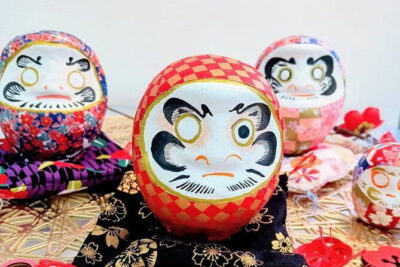

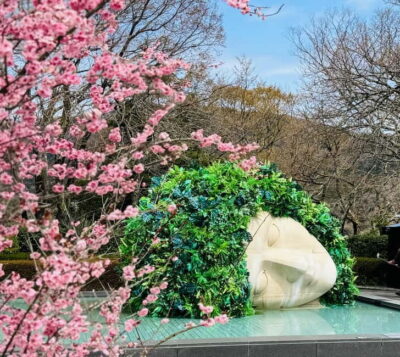
Tokyo Tower, Ginza and the Imperial Palace, side by side.
 ★ 5.0Flagship 2-Hours Official Street Go-Kart Tour – Tokyo Bay ShopFrom $644,974 reviews
 ★ 4.6Tokyo Tower: Admission TicketFrom $93,661 reviews
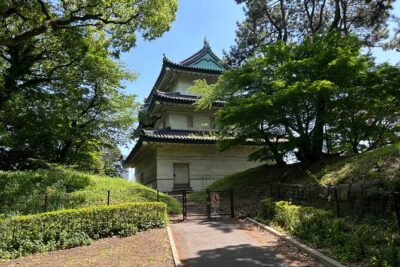 ★ 5.0Imperial Palace and Shogun Historical Walking TourFrom $222,251 reviews
 ★ 4.7Meiji Shrine, Asakusa, Skytree Bus Tour and CruiseFrom $1221,986 reviews
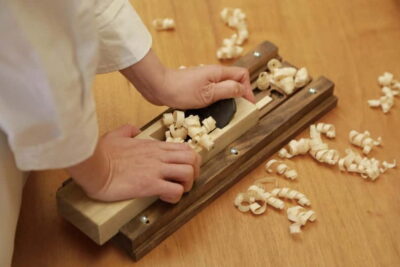 ★ 4.8Chopstick Making Workshop in GinzaFrom $251,366 reviews
 ★ 4.5Tokyo Panoramic 1 Day: Meiji Shrine, Asakusa, Odaiba and SKYTREE®From $851,222 reviews
 ★ 4.9Imperial Palace Japanese History Walking TourFrom $32987 reviews
 ★ 4.9Imperial Palace and Shogun Walking TourFrom $16935 reviews
Filed on these lists too