
REVIEW · GUIDED
Tokyo: Off the Beaten Path Private Guided Tour
Tokyo is best on quiet streets. This private 6-hour guided walk gives you a real local plan, with a licensed guide to explain what you are seeing as you move between neighborhoods instead of just ticking off landmarks.
I especially like the custom itinerary option, because you can steer toward the exact vibe you want, from older shopping lanes to residential backstreets. I also like how the guide-interpreter role brings context, whether you end up with an itinerary shaped by An, a plan adjusted on the fly like Naoko’s, or extra prep time like Yoko’s.
One consideration: you pay separately for food, entrance fees, and transportation during the tour, so your total day cost can creep up if you rely on taxis to hop between areas.
In This Review
- Key highlights at a glance
- Why a private off-the-beaten-path Tokyo day feels different
- Government-licensed guide-interpreters: what you gain
- How your 6 hours gets spent (and why it matters)
- Shibamata shopping streets: old shops and snack time
- Yanaka Ginza and the older neighborhood vibe in nearby areas
- Kappabashi Street: cookware shopping with local practicality
- Asakusa and Fukagawa add-ons: when you want iconic Tokyo too
- Walking, transit, and the budget math that actually matters
- Rain or shine: how to plan your comfort
- What the best guides seem to do (so you can get that too)
- Who this tour is best for (and who might prefer something else)
- Price and value: is $151 per person worth it?
- Final call: should you book this off-the-beaten-path Tokyo tour?
- FAQ
- How long is the Tokyo private guided tour?
- What areas of Tokyo does this experience focus on?
- Can I customize the itinerary?
- Who will guide me, and what are their language skills?
- Is pickup from my accommodation included?
- Is transportation included during the tour?
- Are entrance fees included?
- Is food and drink included?
- Does the tour run in bad weather?
- Is the tour wheelchair accessible?
- How does tour confirmation work?
Key highlights at a glance
- Government-licensed guide-interpreter certified for Japanese culture and history explanations
- Route flexibility you can customize or hand off to the guide for planning
- Morning pickup with the rest of the day built around walking
- Neighborhood focus on Yanaka, Shibamata, Fukagawa, and Asakusa for everyday Tokyo
- Kitchen shopping on Kappabashi Street plus classic snack stops
Still weighing up options in Tokyo? These are the ones our reviewers rated highest.
- Mt Fuji and Hakone 1-Day Bus Tour Return by Bullet Train
★ 5.0 · 26,383 reviews - 1-Day Tokyo Bus Tour
★ 5.0 · 14,250 reviews - Tokyo: teamLab Planets TOKYO Digital Art Museum Entry Ticket
★ 4.6 · 9,779 reviews - Mt Fuji & Hakone Cruise, Drum Show Bullet Train 1 Day from Tokyo
★ 4.0 · 7,413 reviews
Why a private off-the-beaten-path Tokyo day feels different
Big-name Tokyo tours often work like a conveyor belt. You show up, you look, you move on. This style of tour works the other way. You start with what you want from the day, then you move through a handful of areas with enough time to actually notice how locals live.
That is the value of a private guide here. You are not stuck with a preset order when you find a street market you want to linger at, or when you realize you want more food stops instead of more temples. Your guide can also build in the kind of streets that are less tour-group standard: backstreets in Yanaka, Shibamata, Fukagawa, and Asakusa.
Also, this tour is built around understanding, not just sightseeing. With a licensed guide-interpreter, the explanations tend to land in plain language, and they connect details like shop traditions, neighborhood layout, and local habits to broader Japanese culture. That is how you end up feeling like Tokyo makes sense rather than just looking pretty on photos.
Government-licensed guide-interpreters: what you gain
A lot of “English-speaking guide” offerings sound similar. The key difference with this tour is the qualification. The guides carry the national Tour Guide-Interpreter certification issued by the Japanese government. That requirement is not just about speaking. It reflects training for Japanese culture and history, so you get context you can actually use while you walk.
In practical terms, this usually means:
- You can ask follow-up questions without the day stalling
- You get better “why this place, why this custom” answers, not just location facts
- You can expect the itinerary to be adapted when your interests change
It also helps that you can communicate in English or Japanese. If you want to practice a few phrases, or if you want the guide to interpret more nuanced questions, you have that flexibility built in.
And yes, the reviews back up the consistency. People talk about guides such as Kei and Naoko adjusting the plan when interests shifted, and Yoko taking extra time to prepare. That is a pattern you want for a half-to-full-day tour, because the whole point is to reduce guesswork.
How your 6 hours gets spent (and why it matters)
This experience runs 6 hours. That is the sweet spot for Tokyo neighborhood hopping on foot, without turning the day into a transit marathon. You also have a clear structure: a morning pickup from your accommodation, then you set off on foot from the meeting point the guide confirms.
You will be using public transportation or private taxis during the tour, but those ride costs are separate. Entrance fees and food are also separate. So the tour payment is mainly paying for your private guide service, plus the framework that gets you from one area to the next efficiently.
Here is the trade-off to understand: because you can customize, you should think in “themes,” not in “must-see list.” If your theme is older Tokyo streets and snacks, you will likely spend more time in Shibamata and Yanaka. If your theme is shopping for cooking tools and casual food, Kappabashi will likely take center stage.
- Mt Fuji and Hakone 1-Day Bus Tour Return by Bullet Train★ 5.0 · 26,383 reviews
- 1-Day Tokyo Bus Tour★ 5.0 · 14,250 reviews
- Tokyo: teamLab Planets TOKYO Digital Art Museum Entry Ticket★ 4.6 · 9,779 reviews
- Mt Fuji & Hakone Cruise, Drum Show Bullet Train 1 Day from Tokyo★ 4.0 · 7,413 reviews
- Tokyo Mt Fuji 5th St & Hakone Cruise Bus Tour w/Bullet Train★ 4.4 · 5,024 reviews
Shibamata shopping streets: old shops and snack time
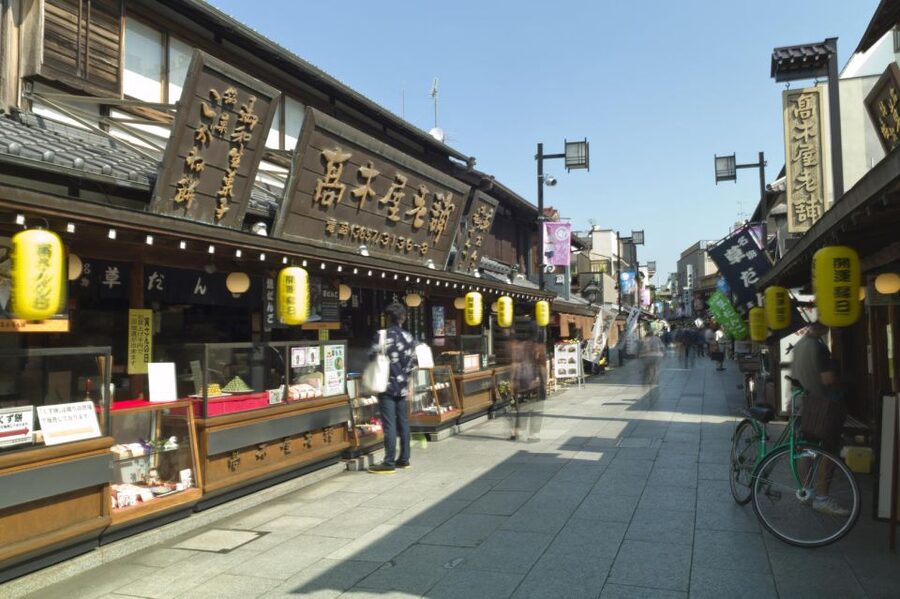
Shibamata is where this tour often starts, and for good reason. The neighborhood is known for historical shops, including some that have reportedly operated for more than a hundred years. That alone changes your walking experience. You are not just looking at old buildings, you are seeing a working street tradition.
What to expect on this leg:
- A chance to browse classic shopfronts and long-time businesses
- Street-level snack stops that are simple, local, and easy to try on the move
- A laid-back pace that lets you ask questions about what you are buying and eating
The snack suggestions are especially practical. You can look for senbei, soy sauce crackers, and chewy rice balls. Your guide can help you decide what to try and how to order, which is a big deal when you want to eat without turning your day into a puzzle.
One drawback to keep in mind: if you have a strict diet or strong restrictions, the tour does not include food by default. You can still navigate it with your guide’s help, but you will want to plan your snack strategy in advance.
Yanaka Ginza and the older neighborhood vibe in nearby areas
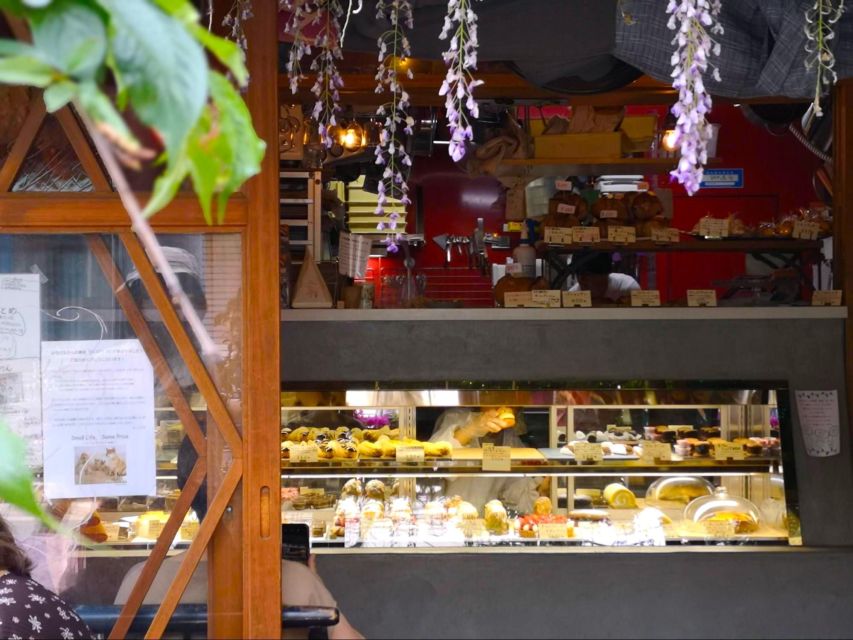
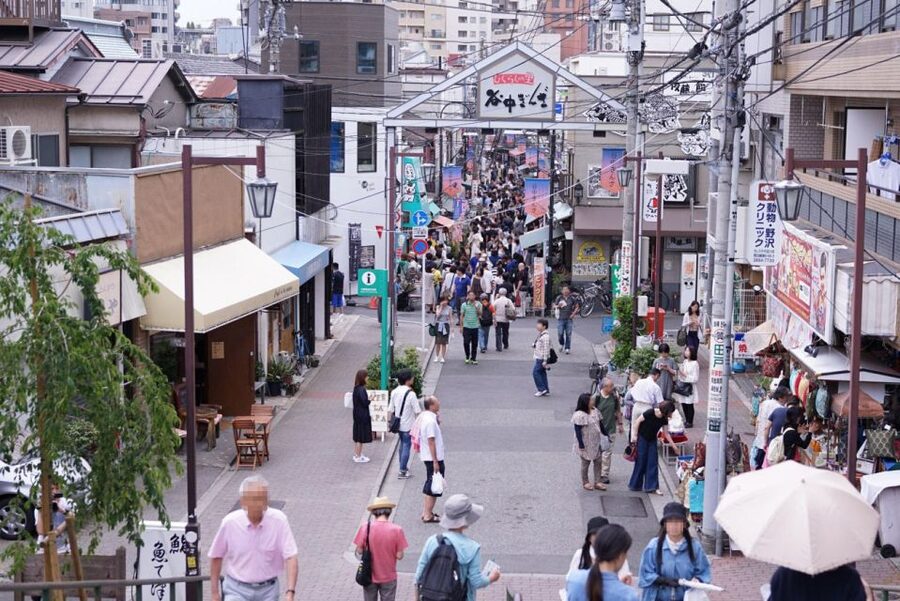
After Shibamata, many itineraries shift toward Yanaka Ginza. Even for people who think they already know Tokyo, Yanaka often feels quieter and more old-Japan in daily rhythm. It is a smaller shopping stretch than some of the mega-areas, and it is the kind of place where you can look at ceramics, handicrafts, and street food without feeling like you are being marched through.
What makes Yanaka work on a private tour:
- You get time to browse, not just pass by
- You can split attention between “old street shops” and “everyday residential Tokyo”
- Your guide can point you toward side streets, not only the main strip
You might also reach areas that pair naturally with Yanaka, like Nezu and Sendagi, depending on how your guide builds the day. Those are good add-ons if you want a neighborhood feel rather than a single attraction.
A small realistic note: some shops include modern conveniences like 100-yen items, so your experience might mix classic goods and budget-friendly shopping. If you only want high-end antiques, tell your guide. If you like everyday variety, this mix can actually be fun.
Kappabashi Street: cookware shopping with local practicality
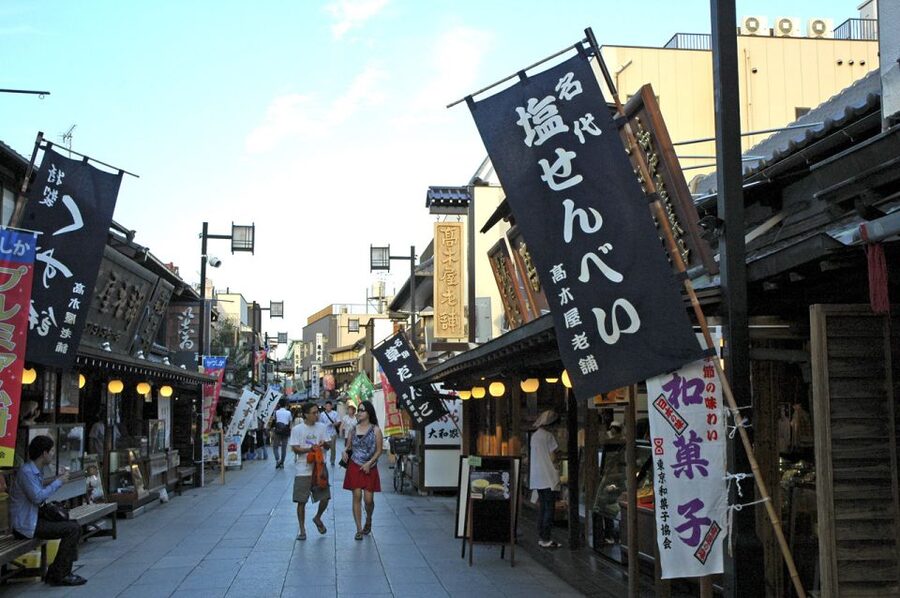
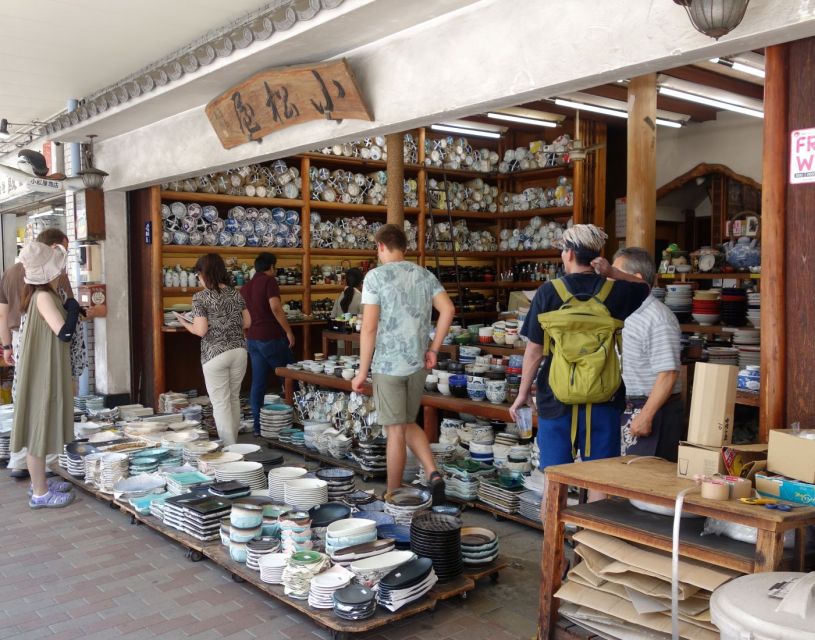
If you have even a mild interest in cooking, tea, knives, or serving tools, Kappabashi Street is a smart stop. It is the long kitchen shopping street lined with stores that sell utensils, cooking supplies, and sometimes kitchen-related clothing or fake food displays.
Why this works on a guided day: you will get more out of Kappabashi when someone helps you spot useful items and practical souvenir options. You are also less likely to get stuck in store-to-store confusion because your guide can keep the flow moving within your 6-hour window.
For value, think about what you can actually use at home:
- Japanese-style serving tools
- Cooking accessories that are easy to pack
- Small kitchen gadgets that make great gifts
This also pairs nicely with the rest of the tour because you are already in older shopping neighborhoods. Kappabashi feels different, but it still fits the theme of Japanese everyday life, just through a food and kitchen lens.
Asakusa and Fukagawa add-ons: when you want iconic Tokyo too
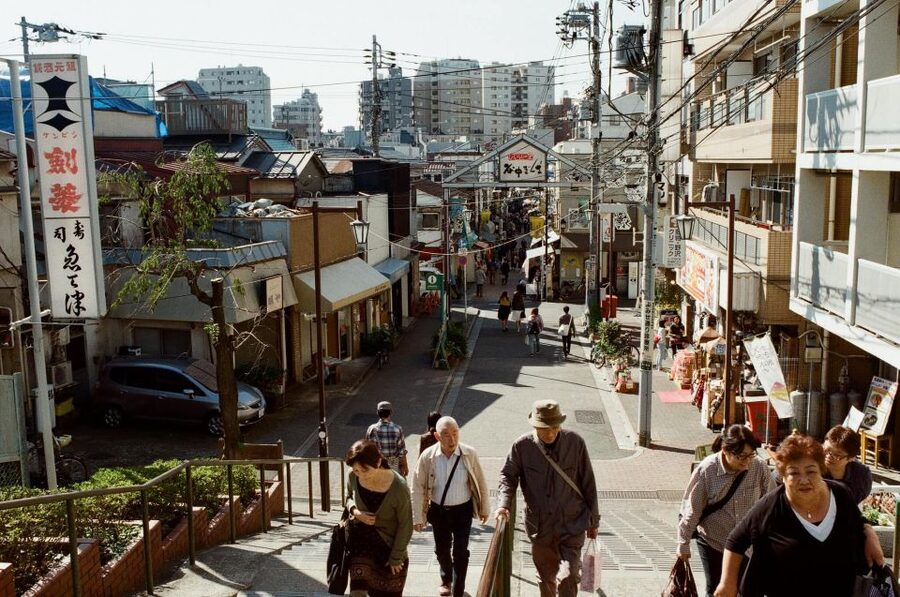
Not everyone wants the day to stay entirely in side streets. That is where Asakusa and Fukagawa can balance your itinerary.
Asakusa is a natural choice when you want more of the well-known Tokyo vibe, while still having room to explore side streets around it. Fukagawa can add a different flavor, especially if your guide chooses an Edo-themed museum stop.
If your guide includes the Fukagawa Edo Museum, you should treat it as a “context hour,” not a quick photo stop. Museums like this can help explain the city’s story in a way that makes the streets you walk through afterward feel less random.
The best approach is to tell your guide what you want most:
- More quiet residential lanes and shop browsing
- Or a mix that includes at least one bigger, more famous area
The flexibility is the advantage. One guide experience might lean into Yanaka and side streets, while another might include more Asakusa or museum time, based on your interests.
Walking, transit, and the budget math that actually matters
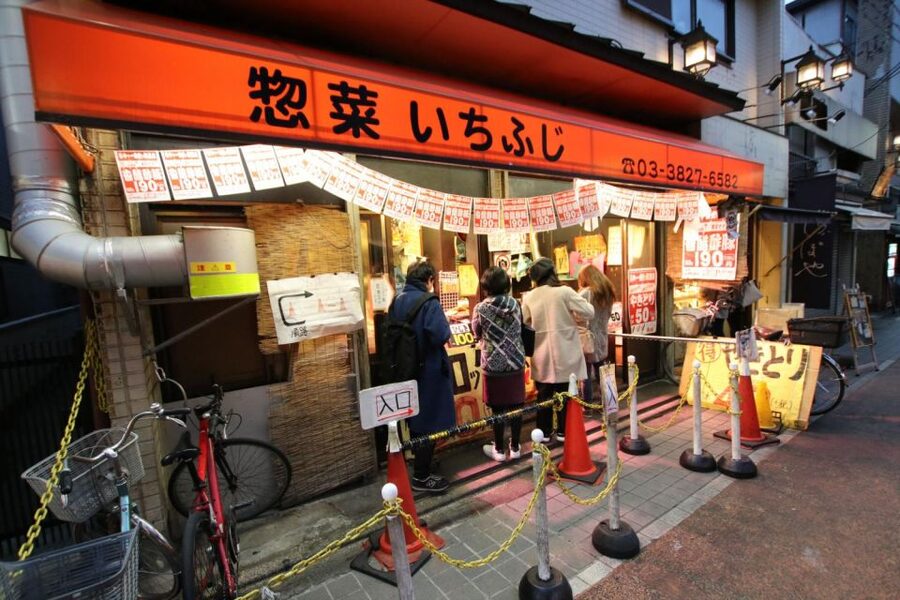
This is a private tour, but you should not treat it like everything is included. Food, entrance fees, and transportation during the tour are separate. Your guide will help you navigate public transportation or taxi options, but you will pay for those rides yourself.
So how do you manage the budget?
Start with this thinking:
- You are paying for private guide time, not for a bundle of attractions
- Extra costs are mainly about rides, entry tickets, and meals
- If you keep your route compact by relying on walking and efficient transit, you usually control spending better
- If you use taxis often, costs rise fast in Tokyo
The good news is that the tour format supports either style. Because you are not locked into a fixed checklist, you can choose a route that makes sense for your day and your wallet.
Rain or shine: how to plan your comfort
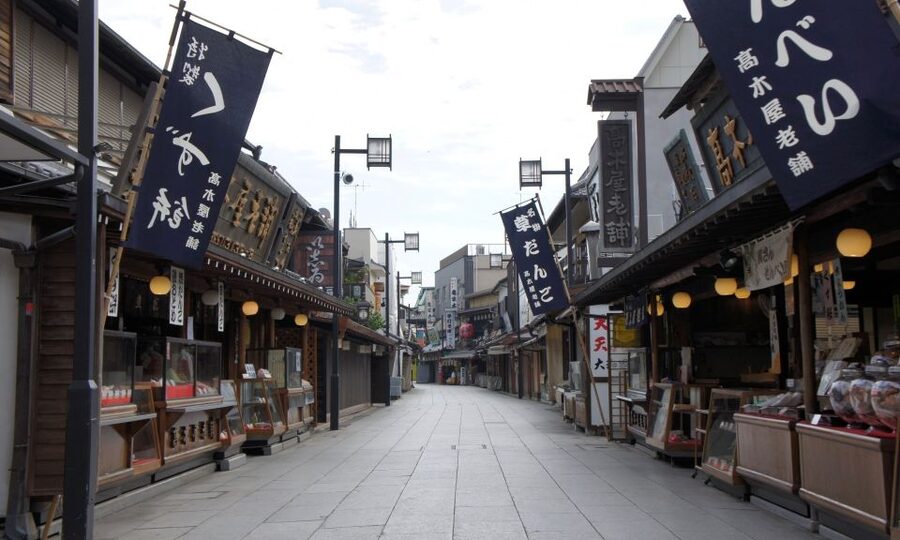
Tokyo weather can change quickly. This tour runs rain or shine, so bring rain-friendly shoes and a light layer you can adjust. Since much of the experience is on foot, footwear matters more than you think.
Also, plan for snack and shopping stops. If it rains, you may end up buying more packaged items and less street food, but your guide can still steer you toward options that work with the conditions.
What the best guides seem to do (so you can get that too)
Across the guide names mentioned in bookings, a theme pops up: they take your preferences seriously and adjust without making you feel like a nuisance.
For example:
- An built a full itinerary around stated interests and covered several areas like Shibamata, Yanaka, Nezu, and Asakusa.
- Naoko changed the plan when someone asked for extra places, while still keeping the day organized.
- Yoko was described as friendly and helpful and spent time preparing and checking what people wanted.
- Kei catered to wishes with time spent in residential-feeling areas, which is exactly the kind of “local life” request this tour is good at.
So when you book, do yourself a favor: tell your guide your top 2 priorities, and your top 1 no-go. Examples of useful requests:
- I want old neighborhoods and small shops, not big crowds.
- I want food snacks but not heavy meals.
- I want kitchen and cookware shopping for practical souvenirs.
- I want at least one iconic area like Asakusa, but keep it short.
Your guide is the one planning the day with you in the moment. The more specific you are, the more the tour feels like your Tokyo.
Who this tour is best for (and who might prefer something else)
This fits best if you want:
- A private experience with real flexibility
- To see neighborhoods like Yanaka and Shibamata where street-level Tokyo still feels lived in
- Explanations that connect culture and history to what you are actually standing in front of
It is also a good choice for people who feel “landmark fatigue.” If you have already done the big-ticket sights and you want the quieter Tokyo layer, this day can give you that without sacrificing organization.
On the other hand, it might be less ideal if:
- You want a fully included package where food and transport costs are zero
- You prefer self-guided wandering with no schedule or guidance
- You want a strict stop-by-stop list with set locations, because this itinerary is intentionally flexible
Price and value: is $151 per person worth it?
At $151 per person for 6 hours, this is not a budget group tour. The value comes from what you are buying: a licensed guide-interpreter, private pacing, and route customization centered on backstreets.
You are also paying for reduced friction. In Tokyo, the “how do I get there, what do I look at, what does it mean, how do I order” questions add up. Having a guide who can handle those decisions is often worth it, especially if you plan to travel efficiently and still get deeper context than you would on your own.
Where it becomes an especially good deal is when you:
- Have multiple interests and want them handled in one day
- Want to cover several neighborhoods without feeling rushed
- Prefer explanations and practical guidance over just photos
If you are a solo visitor and you would rather spend that money on multiple paid attractions, you might compare. But if you want your day designed around your taste, and you like learning while you walk, this price is easier to justify.
Final call: should you book this off-the-beaten-path Tokyo tour?
I would book it if you want a personal Tokyo day that leans into neighborhoods, street life, and food-and-shops browsing with real context. The licensed guide-interpreter factor is a meaningful upgrade, and the customization option helps you avoid wasting time in areas that do not match your interests.
I would hold off if you are looking for a fully priced attraction bundle, or if you want a strict itinerary with no adaptation. Since transport, entrances, and meals are on you, you will want to plan for those costs.
If you do book, make it easy for the guide to succeed. Send a clear list of what you want, name the neighborhoods that sound best to you, and pick one or two practical shopping priorities. That is how you get a Tokyo day that feels personal, not generic.
FAQ
How long is the Tokyo private guided tour?
The tour lasts 6 hours.
What areas of Tokyo does this experience focus on?
It recommends neighborhood time in Yanaka, Shibamata, Fukagawa, and Asakusa, with the exact stops chosen based on your preferences.
Can I customize the itinerary?
Yes. You can share special requests and the guide will tailor the route to match your interests, or you can let the guide plan the itinerary.
Who will guide me, and what are their language skills?
You’ll be guided by a licensed local guide, and the tour is available in English and Japanese.
Is pickup from my accommodation included?
Yes. Pickup is included, with the guide meeting you in your hotel lobby or at a train station you request. The guide will wait about 10 minutes before the scheduled pickup time.
Is transportation included during the tour?
Public transportation or private taxis are used, but transportation fees during the tour are not included, so you’ll pay separately.
Are entrance fees included?
No. Entrance fees are not included.
Is food and drink included?
No. Food and drink are not included.
Does the tour run in bad weather?
Yes. The experience takes place rain or shine.
Is the tour wheelchair accessible?
Yes. The tour is wheelchair accessible.
How does tour confirmation work?
The tour is not confirmed until your guide contacts you. Most guides contact you within 7 days. If a guide is unavailable, updates continue and the search continues until 24 hours before the tour start time.
Newest Tokyo write-ups from the Loving Japan desk






Guided, side by side.
 ★ 5.0Tokyo 6hr Private Tour with Government-Licensed GuideFrom $1553,902 reviews
 ★ 4.9Shinjuku Local Bar and Izakaya Guided Walking TourFrom $341,794 reviews
 ★ 4.8Private City Highlights Tour with Local GuideFrom $1061,433 reviews
 ★ 5.0Kyoto Early Morning Tour with English-Speaking GuideFrom $681,427 reviews
 ★ 4.9Tsukiji Fish Market Guided Walking TourFrom $221,397 reviews
 ★ 5.0Kyoto 6hr Private Tour with Government-Licensed GuideFrom $1551,369 reviews
 ★ 5.0Hiroshima / Miyajima Full-day Private Tour with Government Licensed GuideFrom $2021,298 reviews
 ★ 5.0Tokyo Guided Small-Group Biking TourFrom $1061,250 reviews