
REVIEW · WALKING TOURS
Tokyo Private Customized Walking Tour (Option Car Tour Available)
Tokyo feels huge, so you need a guide. This private customized tour keeps things personal, with hotel pickup inside Tokyo and an itinerary that can flex around what you actually care about. I especially like that you are not stuck with a cookie-cutter route, and you can shape the day around temples, neighborhoods, shopping, and food stops. One possible drawback, worth noting, is that your tour only goes as smoothly as the info you share, since the plan depends on what gets passed to your guide.
This tour works well whether you want a quick introduction or a longer deep day. You can choose walking only or upgrade to a private car, and you will get help with getting tickets for attractions when needed. If you pick a smart mix of sights, it feels like Tokyo gets smaller, and you start moving with confidence instead of confusion.
In This Review
- Key reasons this tour works
- Private Tokyo, built around your time window
- When the private model is extra helpful
- Walking vs car: how to choose without overthinking it
- My practical rule for choosing
- How your guide customizes the Tokyo plan
- A smart way to share preferences
- Temple and shrine stops: what makes them feel real
- What to expect, and what to watch for
- Neighborhood time that feels local, not just famous
- A small but real benefit: you learn how to move
- Big-city icons: Tokyo Tower, Ginza, Imperial Palace area, and Shibuya
- Shibuya Crossing: the classic, made easier
- Food, shopping, and the practical Tokyo skills that matter most
- Bonus skill: getting tickets and transit help
- Price and value: when $52.19 per person makes sense
- A few honest considerations before you book
- Should you book this private customized Tokyo walking tour?
- FAQ
- How long is the Tokyo private customized walking tour?
- Is this tour private or shared?
- Can I choose walking or a car option?
- Do you offer hotel pickup in Tokyo?
- Are attraction tickets included in the price?
- Is food or drinks included?
- Is there a mobile ticket?
- Is free cancellation available?
- Are service animals allowed?
Key reasons this tour works
- Private by default: Only your group goes along, so you set the pace.
- Hotel pickup within Tokyo: Less hassle before you even start sightseeing.
- Walking or car option: Comfort when weather, distance, or time matters.
- Guides who handle the hard parts: From station navigation to rail tips, you get practical help.
- Personalized itinerary planning: The day can focus on your priorities, not a fixed checklist.
- Ticket assistance included: Your guide can help you book attraction tickets when required.
Build the day yourself. Other private options
- Mount Fuji Full-Day Private Tour from Tokyo (Customizable)
★ 4.9 · 1,470 reviews - Tokyo Customized Private Tour: See Top Attractions in 1 Day
★ 5.0 · 1,351 reviews - Tokyo Private Sightseeing Tour by Car- English speaking chauffeur
★ 5.0 · 1,004 reviews - Tokyo Private Tour by Vehicle with English-Speaking Chauffeur
★ 5.0 · 504 reviews
Private Tokyo, built around your time window
The biggest value here is control. You choose a duration that fits your schedule, from about 2 to 8 hours, and you pick the meeting point that makes sense for your day. That flexibility matters in Tokyo because timing is everything. One good early start can save you from long lines. One well-chosen neighborhood can make your photos better and your walking easier.
If you are doing Tokyo for the first time, a private setup gives you two things group tours often miss: context and pacing. Your guide can connect what you are seeing to how Tokyo works, from shrine customs to how trains fit together. And since it is just your group, you can stop for a moment when you see something you want to understand or photograph, without the pressure of “back on the bus.”
For longer options, you also get room to mix styles. You can blend major landmarks with quieter streets, markets, and even shopping areas that match your taste. In shorter versions, you can focus on one strong theme, like shrines plus a rail-sense-making tour through key districts.
When the private model is extra helpful
- You want guidance with rail navigation and transfer logic.
- Your group has mixed ages or different interests.
- You want food stops that are more your style than a standard tour restaurant.
- You are short on time and want to reduce decision fatigue.
Walking vs car: how to choose without overthinking it
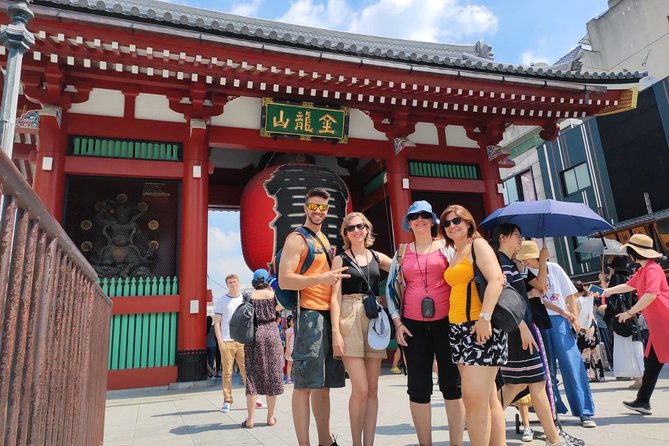
You can do this as a walking tour, or upgrade to a private vehicle. The walking option is great when you want to feel the city in real time, and when your priorities are clustered. Tokyo is extremely walkable, but it is also full of detours, stairs, and station mazes. A guide helps you choose the simplest route so you spend your energy on the sights instead of backtracking.
The car option is worth considering if you are planning lots of wide-area stops or you know the day will be rainy, hot, or tiring. One guide experience shared that the car upgrade was absolutely worth it, especially when the plan included far-flung landmarks like Tokyo Tower, Sensoji Temple, and Shibuya Crossing in one day. Even then, you still do the sightseeing stops on foot where it counts, so you do not lose the local feel.
- Mt Fuji and Hakone 1-Day Bus Tour Return by Bullet Train★ 5.0 · 26,383 reviews
- 1-Day Tokyo Bus Tour★ 5.0 · 14,250 reviews
- Tokyo: teamLab Planets TOKYO Digital Art Museum Entry Ticket★ 4.6 · 9,779 reviews
- Mt Fuji & Hakone Cruise, Drum Show Bullet Train 1 Day from Tokyo★ 4.0 · 7,413 reviews
- Tokyo: Shinjuku Food Tour (13 Dishes at 4 Local Eateries)★ 5.0 · 6,603 reviews
My practical rule for choosing
If your plan includes two or more neighborhoods that feel like they belong in different halves of the city, I lean toward the car upgrade. If your plan is one compact area, stick with walking and use your guide to master the train lines and station exits.
How your guide customizes the Tokyo plan
The tour is built around a personalized itinerary based on your interests. That sounds simple, but in Tokyo it is the difference between a great day and a frustrating one. You are not just choosing which places. You are choosing the order, the pace, the photo angles, and the practical approach to getting there.
Some guides come in fast with planning and communication. For example, Fabian was in communication ahead of time and waited kindly when someone ran late. Kenta met a group early at their hotel and helped navigate Shinjuku Station, which is not easy to tame on your first visit. Rey Matsuno went a step further by researching ideas in advance and building a plan that would not repeat what the group had already scheduled.
You will also see how this customization shows up in small decisions. Jenny suggested meeting at Tsukiji early to avoid crowd crush, and the timing helped a lot. Roccio was willing to go a bit past the scheduled time to fit in what the group still wanted to see.
A smart way to share preferences
To reduce the chance of a mismatch, be specific. Share your top priorities in plain language, like:
- Must-see areas: Shinjuku, Asakusa, Ginza, and so on
- Must-do vibe: temples, markets, shopping, photo stops, ramen
- Pace: relaxed walks or lots of movement
- Practical needs: shorter distances, breaks, subway help
That last point matters because one less-than-perfect experience showed that an advance wish list did not reach the guide. The tour’s promise is personalization, so your job is to make your wishes easy to act on.
Temple and shrine stops: what makes them feel real
Tokyo temples and shrines can look similar until someone explains what you are actually seeing. One theme that comes up again and again with strong guides is shrine protocol and cultural meaning, not just names and dates.
A standout example is Meiji Shrine. In one guided day, Kenta walked the grounds, explained history, and covered etiquette and how to approach the shrine respectfully. Another highlight from a guide experience with Albert included witnessing two Japanese traditional weddings at Meiji Shrine, which made the visit feel like living culture instead of a photo stop.
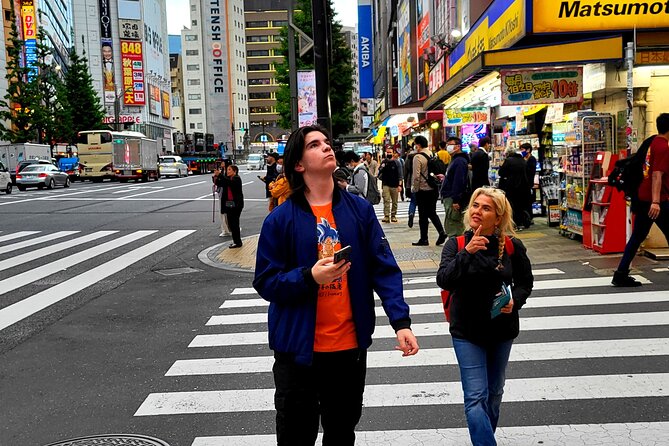
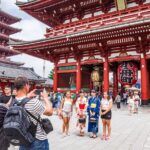
If you like old Tokyo energy, Sensoji Temple and Asakusa-area wandering are often a top pick. An Olivier car-option day included Sensoji Temple and also a walk through Harajuku streets, then continued onward to Shibuya Crossing. That mix gives you contrasts, old faith space to modern style streets in the same outing.
What to expect, and what to watch for
- You will get context about the site, and often guidance on how to behave.
- You will likely walk grounds and approach areas rather than just stand at the gate.
- Some big sights can be closed on certain days due to holidays, as one plan ran into with Imperial Palace not being open on a New Year holiday. A good guide adjusts the route when a specific entry is not possible.
Neighborhood time that feels local, not just famous
Tokyo is not one place. It is many moods, stacked on top of each other. This is where customization shines. Your guide can build a route that matches your preferred kind of Tokyo.
Shinjuku is often a good starting point because it helps you learn Tokyo rail logic fast. One group experience with Kenta included help navigating Shinjuku Station before heading to Meiji Shrine. Another group with Karl got a smooth introduction to using the rail system while moving through Shinjuku, Harajuku, and Shibuya.
Harajuku and Shibuya are great for style and energy. Even if you are not into shopping, walking those streets with a guide helps you find the best angles and the easiest routes. In one Olivier plan, the day wrapped with Shibuya Crossing, a classic moment made easier when you are not fighting crowds and maze-like crossings alone.
For a quieter, more old-school feel, Yanaka and nearby areas often come up. Joe guided a group starting at Ueno Station and then through a street market area, continuing toward Nippori. The important part is the pacing and the context. You get practical rail tips and a sense of what to look for when the streets are less instantly recognizable than the top icons.
A small but real benefit: you learn how to move
A strong guide does more than lead you around. They teach the logic behind Tokyo’s train system. Multiple guide experiences emphasized help mastering trains and subways so you could continue on your own afterward, with confidence instead of guesswork.
Big-city icons: Tokyo Tower, Ginza, Imperial Palace area, and Shibuya
Icon landmarks can be great, but they can also be traps if you do not plan around timing. Private guiding helps you choose the best time windows and the smartest photo spots.
Tokyo Tower is a frequent “big wow” stop. In an Olivier car-option day, Tokyo Tower landed on the list alongside major temples and a Harajuku street walk, showing how the day can mix old and modern without feeling rushed.
Ginza often works as a shopping and strolling area, especially for travelers who want polished city energy. One day plan ended with time to head toward Ginza Shopping District after an earlier finish, with the guide helping find a lunch spot first.
Imperial Palace area can be a prime photo area, but access depends on the day. In one experience, Cristiano planned box lunch time outside the Imperial Palace area and used his knowledge to find a great photo spot. That same category of planning can be useful even when entry to specific areas is affected by holidays. Your guide can adjust the day rather than leaving you stuck with a disappointment.
Shibuya Crossing: the classic, made easier
Shibuya Crossing can be overwhelming if you are trying to figure it out from scratch. A guided Shibuya stop, like the ones included in Olivier and Karl-led days, tends to focus on where to stand, when to cross, and how to exit efficiently afterward. That means you spend less time standing around and more time continuing your plan.
Food, shopping, and the practical Tokyo skills that matter most
The tour includes room for food and shopping stops, but it does not include drinks or food costs. That is a good setup because you can choose what fits your budget and tastes. Guides can point you toward places that locals actually use, and they can help you navigate menus or ordering expectations when needed.
Ramen and casual dining come up as potential fits. One guide experience with Olivier included finding a great lunch spot, Mizuguchi Shokudou. Another experience highlighted a small restaurant filled with locals who were welcoming, which felt like a deeper cultural moment than just a tourist meal.
Shopping can also be planned with intention. One guide experience focused on advising shopping areas for nieces, which is a reminder that customization can be family-friendly, not just for solo adults. If your priorities include souvenirs, street fashion, or department-store browsing, tell your guide and you will likely get a route that makes sense.
Bonus skill: getting tickets and transit help
Attraction tickets are not included, but the tour includes assistance with booking tickets for attractions. You are not left alone trying to guess which tickets are required and where to handle them.
The same goes for transit. Multiple guide experiences emphasized help navigating subway and trains so you could feel confident after the tour. One guide, Cyril, even offered help after the tour ended, pointing out which subway to take to reach the next experience. That kind of extra support can make a short trip feel smoother.
Price and value: when $52.19 per person makes sense
The listed price is $52.19 per person, and the tour can run about 2 to 8 hours. For a private guide, that is often strong value in a city where “cheap” rarely comes with real guidance. Your money mostly buys three things: time, planning, and decision-making support.
Here is where the math tends to work for your benefit:
- If you are doing a first-time Tokyo day and want a route built around your interests, the planning reduces wasted time.
- If your schedule is tight, paying for a guide can be cheaper than spending hours figuring out transit, exits, and crowd timing.
- If you want a mix of icons and culture, a private plan helps you avoid awkward back-and-forth.
The walking-only option likely keeps costs leaner, while the car upgrade adds comfort if your route needs it. Also note that group discounts are mentioned, so if you are traveling with friends or family, the value can get even better.
One caution on value: if your group wants a super loose, do-it-yourself day with only minimal guiding, the private price may feel unnecessary. If you want real local direction, it tends to pay off quickly.
A few honest considerations before you book
This tour is private and flexible, which is great. But there are still practical things to think through.
- Your guide can only customize what you communicate. If you have strong preferences, share them clearly before day-of.
- Expect walking, even on car-option days. Tokyo requires foot movement to reach the right entrances and viewpoints.
- Some major sights may be closed or limited on certain dates, like the Imperial Palace issue that came up on a New Year holiday day. A good guide adjusts the plan.
If you like structure, you might need to guide your guide with a short priority list. If you like freedom, this tour still works well, because your guide can fill time with the kinds of sights you requested, like markets, temples, and shopping.
Should you book this private customized Tokyo walking tour?
I would book this if you want Tokyo guidance without cookie-cutter tour traps. It is especially smart for first-timers who want help with station navigation, shrine etiquette, and a day that fits your actual interests, not a generic checklist. The private format also makes it easier to handle pace and photo breaks.
Skip it if you already know Tokyo transit well and you prefer fully independent days with almost no guidance. Also consider that the plan depends on your input. If you are vague about what you want, you may end up with a route that feels less “for you” than you hoped.
If you do book, come prepared with a simple top-3 list, and you will get much more out of those hours. And if you score a guide like Kenta, Albert, Roccio, Olivier, Jenny, Karl, Cristiano, Cyril, or Joe, you are likely to leave feeling like Tokyo is no longer a maze, it is a city you can actually use.
FAQ
How long is the Tokyo private customized walking tour?
It runs for about 2 to 8 hours, depending on the option you choose.
Is this tour private or shared?
It is private. Only your group participates.
Can I choose walking or a car option?
Yes. You can do it as a private walking tour, or upgrade to a private vehicle.
Do you offer hotel pickup in Tokyo?
Yes. Hotel pickup is offered within Tokyo.
Are attraction tickets included in the price?
No. Tickets to attractions are not included, but the tour includes assistance with booking tickets when needed.
Is food or drinks included?
No. Drink or food are not included.
Is there a mobile ticket?
Yes. A mobile ticket is included.
Is free cancellation available?
Yes. Free cancellation is available if you cancel up to 24 hours in advance for a full refund.
Are service animals allowed?
Yes. Service animals are allowed.
Your Driver, Your Route Through Tokyo
Newest Tokyo write-ups from the Loving Japan desk
Walking Tours, side by side.
 ★ 4.7Kyoto Geisha Walking Tour: Gion District & Hidden GemsFrom $253,273 reviews
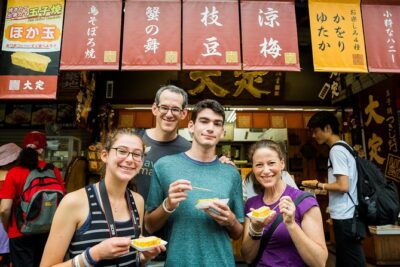 ★ 5.0Tokyo Tsukiji Fish Market Food and Culture Walking TourFrom $993,184 reviews
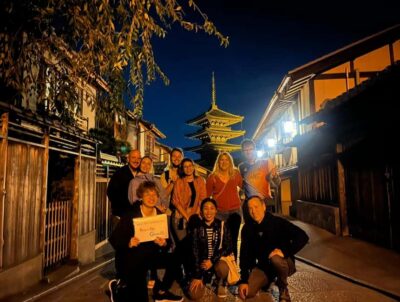 ★ 4.9Gion Magical Night Walking Tour with Geisha TriviaFrom $242,393 reviews
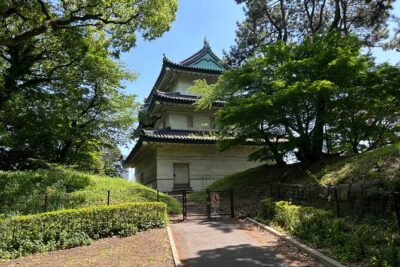 ★ 5.0Imperial Palace and Shogun Historical Walking TourFrom $222,251 reviews
 ★ 4.7Gion Geisha District Walking Tour – Stories of GeishaFrom $202,187 reviews
 ★ 4.5Night Walk in Gion: Kyoto’s Geisha DistrictFrom $212,003 reviews
 ★ 4.9Shinjuku Local Bar and Izakaya Guided Walking TourFrom $341,794 reviews
 ★ 5.0Tsukiji Fish Market Food and Walking tourFrom $301,724 reviews
Filed on these lists too