
REVIEW · GUIDED
Tokyo Private Tour with Local Expert Guide – Hidden Gems
Tokyo can hit you all at once.
This private day tour gives you a simple plan for first-time Tokyo, plus the freedom to tweak it with a local expert guide. It mixes classic stops like Senso-ji and Meiji Jingu with pop-culture energy in Harajuku and Shibuya.
I especially like the flexibility and the real-world guidance. The guides help with practical stuff like booking support for food and entertainment, and they also steer you through the city’s subway rhythm so you do not feel lost. Guides such as Mary and Aki also bring context that turns landmarks into lived-in Tokyo.
The main drawback is time and walking. The tour runs about 6 to 7 hours, mostly on foot and by subway, so bring comfortable shoes and plan for a lot of movement, especially in hot weather.
In This Review
- Key highlights that make this tour worth it
- A private Tokyo introduction with less stress and more direction
- Price and value, what $345.92 per group really means
- The 9:00 am start and how the day actually moves
- Kokyo Gaien National Garden, a calm start in the Imperial Palace area
- Senso-ji and Nakamise Street, seeing old Tokyo without losing your head
- Meiji Jingu Shrine in the forest, a break from the city rush
- Harajuku for quick kawaii culture hits and street style watching
- Shibuya Scramble Crossing, Tokyo energy turned into a picture plan
- Customization that makes the route feel personal
- Guide quality: why names like Mary, Aki, and Seiji matter
- Transport tips you will use after the tour ends
- What you should bring, and what to plan for
- Who should book this Tokyo private tour?
- Should you book this tour or skip it?
- FAQ
- How long is the Tokyo private tour?
- What is the group size for this private tour?
- What time does the tour start?
- Is pickup available?
- Are attraction entrance fees included?
- Do I need to pay for public transportation?
- Is there free cancellation?
Key highlights that make this tour worth it
- Local expert guide who can help with bookings, not just sightseeing facts
- Custom itinerary, so you can adjust to your pace and interests
- A first-day friendly route, designed to help you understand Tokyo fast
- Subway advice included, including guidance on a one-day pass
- Photo and neighborhood tips, like where to stand for Shibuya and how to move safely
- Private group up to 6, so you stay together and ask questions constantly
Still weighing up options in Tokyo? These are the ones our reviewers rated highest.
- Mt Fuji and Hakone 1-Day Bus Tour Return by Bullet Train
★ 5.0 · 26,383 reviews - 1-Day Tokyo Bus Tour
★ 5.0 · 14,250 reviews - Tokyo: teamLab Planets TOKYO Digital Art Museum Entry Ticket
★ 4.6 · 9,779 reviews - Mt Fuji & Hakone Cruise, Drum Show Bullet Train 1 Day from Tokyo
★ 4.0 · 7,413 reviews
A private Tokyo introduction with less stress and more direction
Tokyo is not hard, but it is busy. Streets are dense, signage can be tricky, and the subway has its own logic. This tour is built for that exact moment when you want a plan that makes sense without swallowing every detail yourself.
The private format matters more than you might think. Instead of matching your pace to a big group, you can move when you want, pause when you need a break, and ask questions in real time. In the reviews, guides like Aki and Mary come through as interactive, not robotic. That makes a day like this feel like you are traveling with a smart friend who actually knows the city.
I also like that the tour is set up as an introduction. You get Tokyo’s big magnets (temples and shrines, plus Shibuya’s famous crossing), but you also get the in-between parts, where Tokyo starts to feel like a place you could live, not just a photo you collect.
Price and value, what $345.92 per group really means
The price is $345.92 per group, for up to 6 people, for a 6 to 7 hour private tour. That pricing is the big reason this can be a strong value if you travel with family or friends.
Here is the math in plain terms:
- If you fill 6 spots, it is about $58 per person for the guide time.
- If you have 4 people, it becomes about $87 per person.
- If you have 2 people, it becomes about $173 per person.
So the value depends on group size, like many private tours. What helps is that you are not just paying for a route. You also get a local guide, customized planning, and recommendations for lunch. Plus, you get advice on affordable transportation, including subway pass guidance for a one-day option.
What is not included is equally important. Public transportation is estimated at about $10 per person, attraction entrance fees are estimated around $25 per person, and meals are not included. If you keep everything focused on the main sights and do not add extra paid attractions, your out-of-pocket can stay reasonable.
The 9:00 am start and how the day actually moves
The tour starts at 9:00 am. That matters because you hit key areas early, and the city still feels manageable before the biggest daytime crush fully kicks in.
Your guide meets you near public transportation, and pickup is offered. You get a mobile ticket, which is handy for a day where you are bouncing between stations and entrances.
Physical comfort is worth mentioning. The tour is labeled moderate physical fitness, and the route is clearly structured around walking plus subway rides. In the reviews, one theme repeats: the day can be long, and having the ability to take train rides with air conditioning is a genuine quality-of-life upgrade when it is hot and humid.
- Mt Fuji and Hakone 1-Day Bus Tour Return by Bullet Train★ 5.0 · 26,383 reviews
- 1-Day Tokyo Bus Tour★ 5.0 · 14,250 reviews
- Tokyo: teamLab Planets TOKYO Digital Art Museum Entry Ticket★ 4.6 · 9,779 reviews
- Mt Fuji & Hakone Cruise, Drum Show Bullet Train 1 Day from Tokyo★ 4.0 · 7,413 reviews
- Tokyo: Shinjuku Food Tour (13 Dishes at 4 Local Eateries)★ 5.0 · 6,603 reviews
Kokyo Gaien National Garden, a calm start in the Imperial Palace area
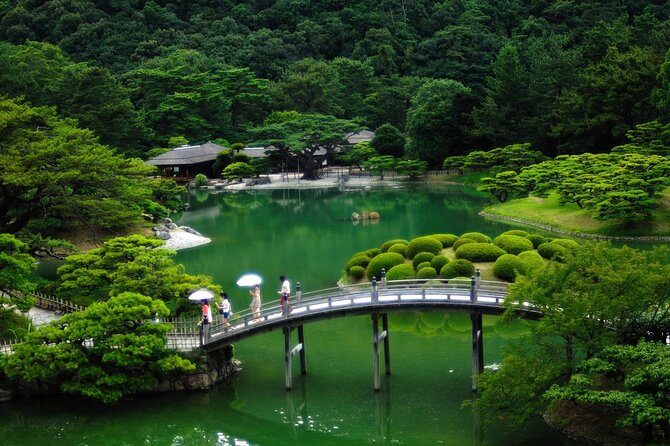
Your first stop is Kokyo Gaien National Garden, around one hour, with admission listed as free. This is a smart opener because it puts you in a calmer Tokyo zone before you plunge into crowds.
What I like about this stop is the contrast. You are in the Imperial Palace area, yet you are also surrounded by modern Tokyo’s energy nearby. The stone walls and garden paths give your eyes a reset. For photos, it is not all skyline and neon. It is texture, symmetry, and that quiet feeling you do not always get in the city center.
A practical tip: go at a comfortable strolling pace. This is the part of the day where you can breathe, take your time, and let your guide show you what to notice. You are building the day’s context here.
Senso-ji and Nakamise Street, seeing old Tokyo without losing your head
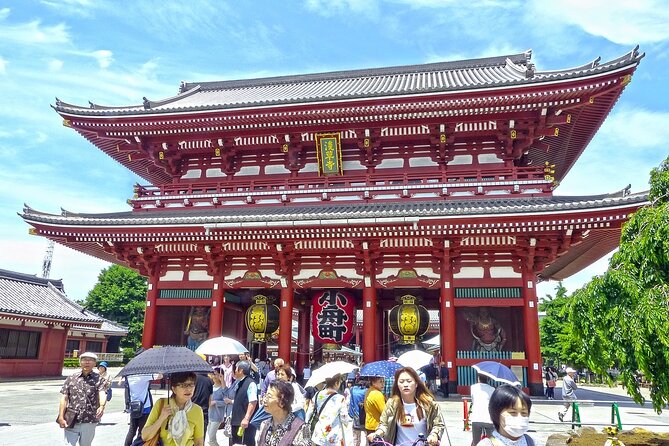
Next up is Senso-ji Temple, about one hour, also listed as free entry. This is Tokyo’s classic Buddhist stop, and it is famous for a reason.
You will pass Kaminarimon Gate and walk through Nakamise shopping street on the way in. The street is lively, and it can be tempting to rush, grab snacks, and just keep moving. What makes having a guide valuable is pacing. You can choose when to browse and when to step aside. You also get help understanding what you are looking at and how the flow works.
This stop is also where you start to learn how Tokyo moves. Lines, etiquette, and the rhythm of crowds become clearer when someone explains it while you are standing there. That is part of why this tour earns praise as a good first or second day plan.
Meiji Jingu Shrine in the forest, a break from the city rush
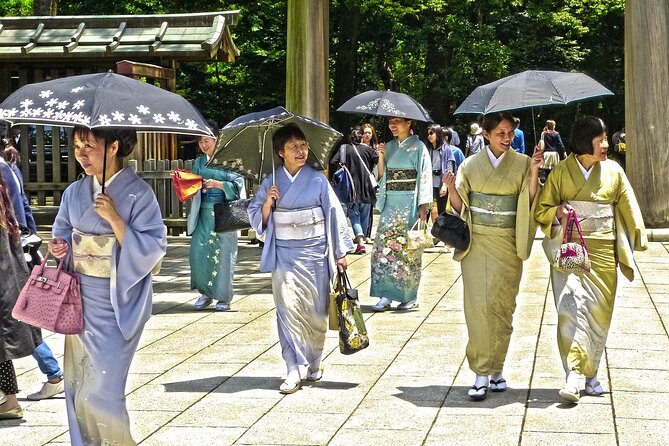
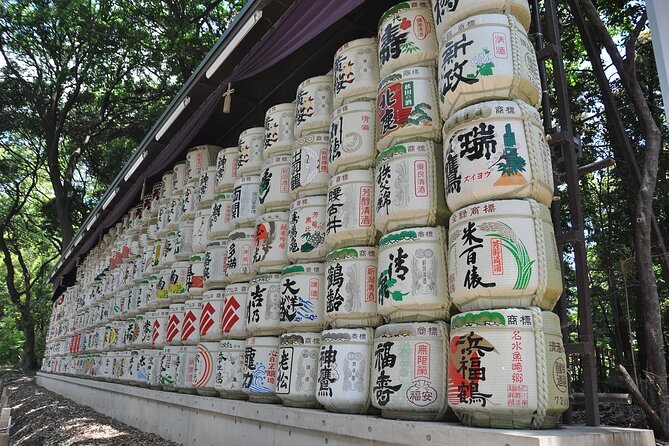
After the temple energy, the tour shifts to Meiji Jingu Shrine, about 40 minutes, with free entry. This is the kind of stop that feels like Tokyo taking a breath. You walk through grounds surrounded by a forested atmosphere, and it is a noticeable change from the more street-focused sections.
What you gain here is cultural context. You learn about Shinto traditions as you move through the grounds, and the setting makes it easier to understand why this place matters. It is not just sightseeing. It feels restorative.
Since your day is structured to include this pause, it works well for travelers who do not want to spend a full day in one neighborhood. Meiji Jingu acts like a reset button, and you get it before the pop-culture legs of the tour.
Harajuku for quick kawaii culture hits and street style watching
Then you head to Harajuku, about 20 minutes. That time window is short on purpose. Harajuku can swallow hours if you let it. A guide helps you focus on the most worthwhile parts in the time you have.
This is the section of the day for kawaii culture, colorful fashion, and creative self-expression. Even if you are not shopping, it is fun to walk and observe. It feels like a different Tokyo personality compared to shrines and gates.
A practical note: Harajuku can be crowded in its own way. Your guide can help you move through the area without backtracking and can point out where you might want a quick stop for photos.
Shibuya Scramble Crossing, Tokyo energy turned into a picture plan
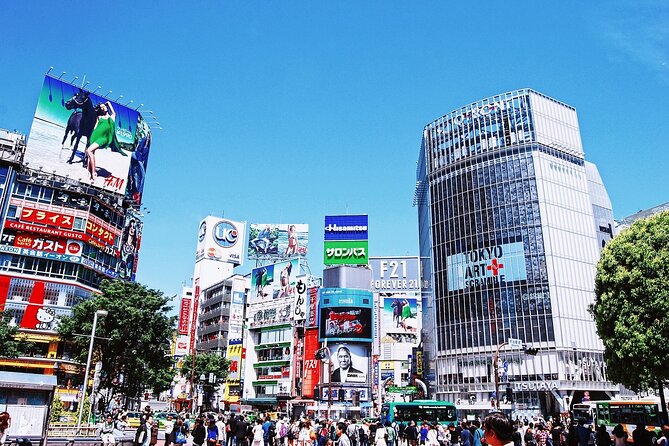
The final featured stop is Shibuya Crossing, about 30 minutes, free entry. This is the one you probably already know, but seeing it in real life is a different experience than a video.
The big payoff is walking through the crossing alongside people from all directions. It is chaotic in a controlled way, and it is uniquely Tokyo. Your guide can also help you with timing and photo placement. In the reviews, Aki specifically gets praised for finding strong spots to take photos, which is exactly what you want here.
One more reason this stop works well at the end of the day: you get to end on a high-energy note. Your legs might be tired, but your brain is still awake for the city spectacle.
Customization that makes the route feel personal
A lot of tours give you a checklist. This one gives you a structure, then lets you shape it. That is a big deal if you have clear interests, or if you want the day to feel less touristy.
In reviews, people talked about skipping the more typical approach and leaning into day-to-day culture, active neighborhoods, markets, and shopping districts. That tells me the guide is flexible about how the day feels, not just where you walk on a map.
So when you book, think about what you want more of: history, street culture, food stops, photo time, or just an easy overview. Then use your guide to adjust the balance.
Guide quality: why names like Mary, Aki, and Seiji matter
This tour lives or dies by the guide. And in the reviews, multiple guides stand out for the same reason: they do more than recite facts.
- Aki gets praise for being fun and knowledgeable, plus for customizing the tour to your rhythm. One reviewer called out that Aki shared details a typical tourist might miss, and that there were great conversations about differences between Western and Japanese cultures.
- Mary is mentioned for adding interesting history along the way and for making it easy to get tickets needed for the day.
- Seiji (and also spelled Sei Ji) is praised for knowing good places and for being easy to work with on itinerary flow.
There is also an example of responsive problem-solving. In one case, there was an issue with the guide not arriving on time, and communication via WhatsApp helped connect to Seiji from See Jay Company Japan with solutions offered. The key lesson for you: when plans go sideways, you want a provider who can actually respond.
That response ability is part of the value you are buying, even if you hope you never need it.
Transport tips you will use after the tour ends
This tour is not only about sights. It is also about learning how to move through Tokyo.
You get advice on affordable transportation, including one-day subway pass guidance. Since public transit costs are not included (estimated about $10 per person), this tip can directly affect your total budget.
Also, the tour uses foot travel and subway rides, which gives you real practice. A reviewer even suggested doing this early in your trip because it helps you understand the subway and train system fast. I agree with that logic. If you can get comfortable with one or two core routes, the rest of your Tokyo days become easier.
And because the tour is private, you can ask very specific questions as you go, like which line makes sense next or how to avoid getting turned around.
What you should bring, and what to plan for
You do not need special gear, but you do need basic travel sanity.
Wear comfortable walking shoes. You are out for hours, and the stops include both temple and street-style areas, where you will move on sidewalks and through crowds.
Bring water. Even if the walking feels manageable, Tokyo heat and humidity can hit hard. One review specifically mentions being thankful for air conditioning on the trains, which is a good reminder to plan your breaks around transit.
If you want food included, you should plan on paying for meals yourself since meals are not included. Still, your guide will recommend good local lunch options, which is often better than gambling on a random place.
Who should book this Tokyo private tour?
I think this works best for:
- First-timers who want a solid overview without building an itinerary from scratch
- Travelers who have limited time in Tokyo and want the main icons plus a few “how locals move” touches
- People who prefer private pacing and the ability to ask questions constantly
- Anyone who wants help navigating the subway system early in the trip
It may be less ideal if you want a very deep focus on one subject, like only temples or only modern art. This day is designed for range, not one niche.
Should you book this tour or skip it?
Book it if you want a smooth Tokyo introduction, fast. The biggest reasons are the private guide, the flexibility, and the built-in practice with walking and subway travel. If you are short on time, this kind of start can save you hours of indecision later.
Skip it if you already know Tokyo well and you like planning your own routes minute by minute. Also skip if you hate walking and want a more sit-and-stare style of sightseeing. At about 6 to 7 hours, this is still a moving day.
If you do book, I would start with simple goals: tell your guide what you care about and ask for a lunch plan. Then use the guide to help you balance iconic stops and the smaller moments in between. That is where Tokyo turns from a checklist into a real day.
FAQ
How long is the Tokyo private tour?
The tour runs about 6 to 7 hours.
What is the group size for this private tour?
It is private, and the group size is up to 6 people.
What time does the tour start?
The start time is 9:00 am.
Is pickup available?
Pickup is offered, and the meeting point is near public transportation.
Are attraction entrance fees included?
Entrance fees are not included, and the tour lists an estimated cost of about $25 per person. The main stops shown in the itinerary are listed as free.
Do I need to pay for public transportation?
Public transportation costs are not included, with an estimate of about $10 per person. The guide also provides advice on affordable one-day subway passes.
Is there free cancellation?
Yes. You can cancel up to 24 hours in advance for a full refund.
If you tell me your travel dates and roughly how many people are in your group, I can help you estimate the all-in cost range and suggest the best way to split the day.
Newest Tokyo write-ups from the Loving Japan desk


Guided, side by side.
 ★ 5.0Tokyo 6hr Private Tour with Government-Licensed GuideFrom $1553,902 reviews
 ★ 4.9Shinjuku Local Bar and Izakaya Guided Walking TourFrom $341,794 reviews
 ★ 4.8Private City Highlights Tour with Local GuideFrom $1061,433 reviews
 ★ 5.0Kyoto Early Morning Tour with English-Speaking GuideFrom $681,427 reviews
 ★ 4.9Tsukiji Fish Market Guided Walking TourFrom $221,397 reviews
 ★ 5.0Kyoto 6hr Private Tour with Government-Licensed GuideFrom $1551,369 reviews
 ★ 5.0Hiroshima / Miyajima Full-day Private Tour with Government Licensed GuideFrom $2021,298 reviews
 ★ 5.0Tokyo Guided Small-Group Biking TourFrom $1061,250 reviews