
REVIEW · WALKING TOURS
Tokyo: Private Walking Tour with a Local Guide
Tokyo makes sense when a local walks with you. I like the private format that lets your guide shape the day from Sensō-ji Temple down to quieter Ueno and alley areas without feeling rushed, and I like the customizable route built around your interests. One caution: Shibuya Crossing can be a sensory overload if you dislike big crowds.
You also get the kind of local attention that makes Tokyo feel less confusing. Guides such as Miwa and Rika are praised for clear English and for helping you use trains efficiently, which matters when Tokyo is moving fast and signage can be a maze. At $53 per person, the value clicks most when you want someone else to handle the route, the temple and shrine entrance fees, and the flow between different neighborhoods, not when you only want a quick photo stop.
In This Review
- Key highlights at a glance
- Why this private walking tour works better than DIY Tokyo
- How the day flows: temples, markets, and neighborhoods you can balance
- Sensō-ji Temple and Asakusa, starting with a classic Tokyo spirit
- Ueno and Ameya-Yokocho, a strong contrast with street-level energy
- Akihabara, when Tokyo turns tech and pop culture
- Shibuya Crossing and Harajuku, big-city motion with style
- Meiji Shrine, a calm pause in the middle of the city
- Tsukiji Outer Market, food and tasting moments when the day needs a boost
- Ginza and Tokyo Imperial Palace, polished Tokyo and ceremonial space
- Shinjuku, where the day can end with modern Tokyo energy
- Public transport skills your guide can teach you fast
- What you get for $53, and what to budget beyond that
- Picking the right route length for your schedule
- Practical details that can make or break the day
- Should you book this private Tokyo walking tour?
- FAQ
- How long is the private walking tour?
- Is this tour private or shared?
- What language is the guide?
- Where does pickup happen?
- Are entrance fees to temples and shrines included?
- Are meals included in the price?
- Do I need to bring anything?
- What is not allowed during the tour?
- Who is this tour not suitable for?
- How does communication work before the tour?
Key highlights at a glance
- Fully private, pick-your-own mix of classic sights and lesser-visited areas, with the final plan shared before your walk starts
- English-speaking guides who focus on clarity and real-life Tokyo context, not just names and dates
- Temple and shrine entrance fees included, so you do not waste time juggling tickets
- Hotel or central meeting pickup with public transport during the walk
- A practical pace for multiple time options, from shorter samplers to longer neighborhood days
- Personal touches like photos and smart pacing, including photo help and rest stops on warmer days
Still weighing up options in Tokyo? These are the ones our reviewers rated highest.
- Mt Fuji and Hakone 1-Day Bus Tour Return by Bullet Train
★ 5.0 · 26,383 reviews - 1-Day Tokyo Bus Tour
★ 5.0 · 14,250 reviews - Tokyo: teamLab Planets TOKYO Digital Art Museum Entry Ticket
★ 4.6 · 9,779 reviews - Mt Fuji & Hakone Cruise, Drum Show Bullet Train 1 Day from Tokyo
★ 4.0 · 7,413 reviews
Why this private walking tour works better than DIY Tokyo
Tokyo is one of those cities where doing it on your own can turn into a lot of transit time and end up feeling like you are sprinting from one landmark to the next. This tour flips that. You start with a local guide who meets you near your hotel or a central meeting spot, then you move on foot and by public transport as the day’s route makes sense.
The private part is not just about comfort. It is about control. If you want more temples and shrines, you can aim there. If you want tech and pop culture energy, you can build the day around that. If you are meeting Tokyo for the first time, a guide helps you get your bearings fast, including how to move efficiently between areas.
A second thing I really like is how the day is designed to avoid the common Tokyo DIY problem: you pick a handful of places, then discover they are spread out, and suddenly your energy drops. With this setup, the order and mix are meant to keep you moving through nearby neighborhoods rather than bouncing across the entire city.
How the day flows: temples, markets, and neighborhoods you can balance
Because the tour is customizable, your final route will differ based on your chosen duration and interests. What is consistent is the structure: a guided walk and sightseeing day that samples Tokyo’s spiritual side, shopping and food energy, and then swings into modern districts.
Here is how the commonly selected stops tend to fit together.
Sensō-ji Temple and Asakusa, starting with a classic Tokyo spirit
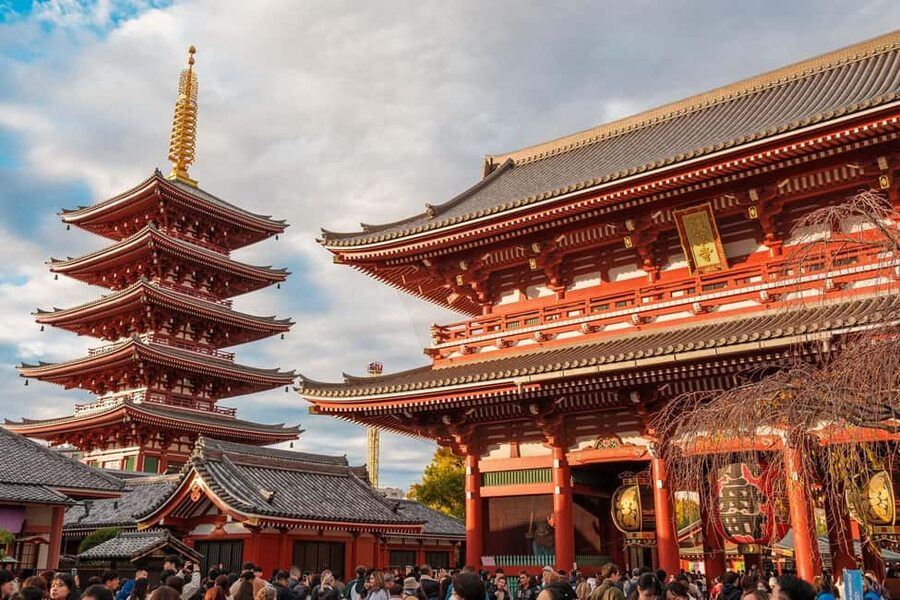
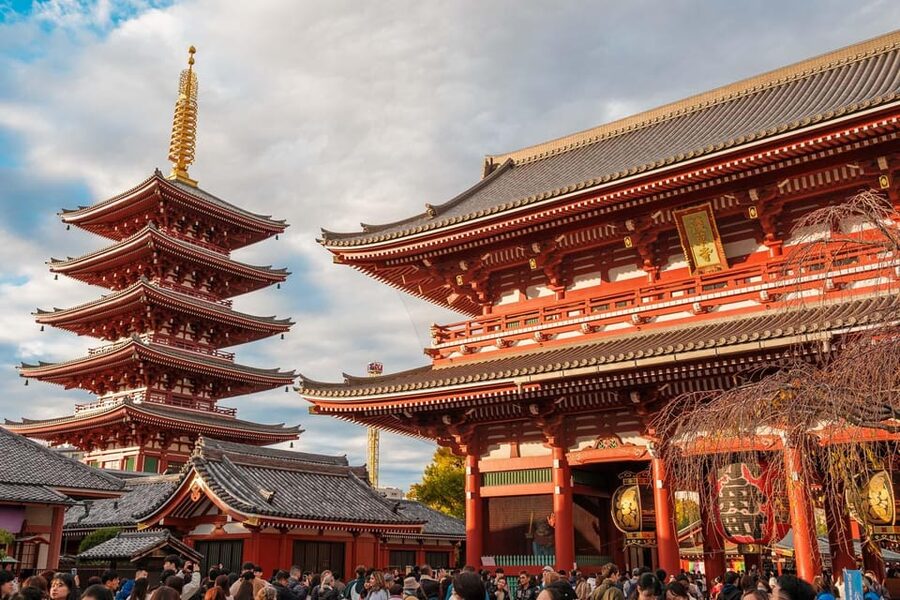
Sensō-ji Temple is one of the big anchor points for many first-timers, and starting there gives you an instant sense of Tokyo’s older identity. In a guided format, you spend less time trying to piece together what you are seeing and more time understanding the purpose and the etiquette around the space.
Asakusa builds on that feeling. It is a good area for learning how old and everyday life coexist in Tokyo. If your guide is Miwa, for example, the vibe tends to be practical and friendly, with enough context to make what you see feel meaningful without drowning you in a lecture.
One practical reason this works well early in the day: it sets a tone. After walking around older temple grounds and nearby streets, you are better prepared for the contrast when the route shifts into busier modern areas later.
- Mt Fuji and Hakone 1-Day Bus Tour Return by Bullet Train★ 5.0 · 26,383 reviews
- 1-Day Tokyo Bus Tour★ 5.0 · 14,250 reviews
- Tokyo: teamLab Planets TOKYO Digital Art Museum Entry Ticket★ 4.6 · 9,779 reviews
- Mt Fuji & Hakone Cruise, Drum Show Bullet Train 1 Day from Tokyo★ 4.0 · 7,413 reviews
- Tokyo: Shinjuku Food Tour (13 Dishes at 4 Local Eateries)★ 5.0 · 6,603 reviews
Ueno and Ameya-Yokocho, a strong contrast with street-level energy
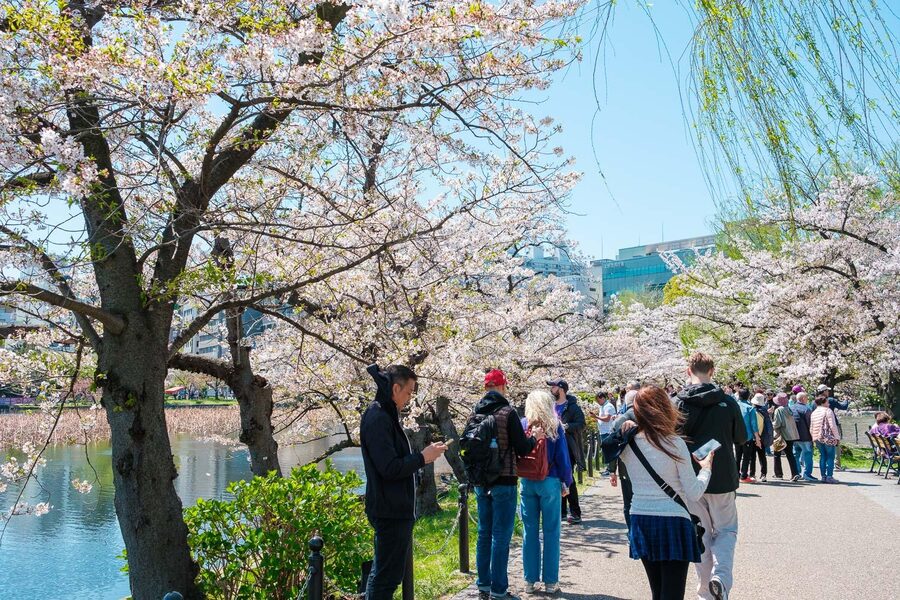
Ueno is a great mid-day choice when you want a different Tokyo texture than the temple areas. It also helps break up the day, especially if you are doing a longer option. Instead of only moving from landmark to landmark, you get time in a neighborhood where the atmosphere is more “daily Tokyo.”
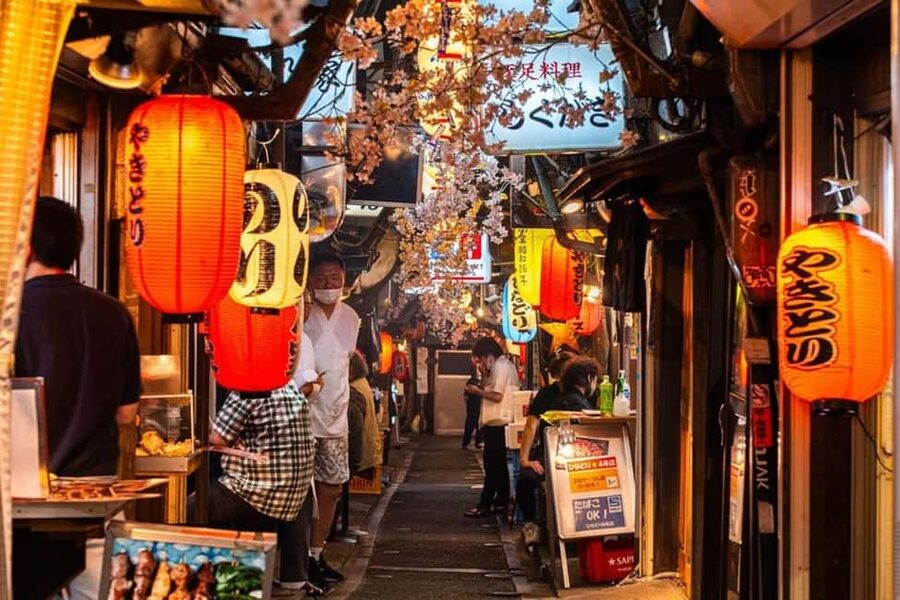
Ameya-Yokocho is the kind of stop that tends to appeal to people who like markets and the livelier side of street shopping. You are guided through it, so you do not have to worry about which way is worth your time.
If you want food moments, pick a longer duration. Many guide-led routes add market time in a way that feels relaxed, not like a rushed checklist.
Akihabara, when Tokyo turns tech and pop culture
Akihabara is the stop for the modern Tokyo crowd, especially if you like electronics, anime, gaming, or just the visual energy of a district built around fandom. In a guided walk, it becomes more than shopping streets. You get a sense of why the area looks and feels the way it does, plus how locals tend to move through it.
A useful benefit here is pacing. A private guide can slow down when you want to browse, and they can speed up when you want to keep moving. That is exactly the kind of “tailor to your interests” flexibility that many guides like Momo are praised for.
Shibuya Crossing and Harajuku, big-city motion with style
Shibuya Crossing is famous for a reason, and it is also the one stop that can go from exciting to exhausting depending on your comfort level around crowds. If you like people-watching and the spectacle of movement, it is a must. If crowds make you tense, treat it as a short highlight rather than a long hang.
Harajuku is a strong pairing right after Shibuya. It gives you a different kind of modern Tokyo look and feel, often more fashion-focused and less about sheer intersection spectacle. In a private tour, you can choose how much time you want in each area rather than being held to a fixed group schedule.
If you took the Shibuya route and felt it was too much, you can simply request a trade-off next time. One traveler noted they would not have selected Shibuya Crossing in hindsight, and that is a good reminder to tell your guide what you want to avoid.
Meiji Shrine, a calm pause in the middle of the city
Meiji Shrine adds a reset. After the high-energy districts, this is where the day often feels quieter and more reflective. In a guided experience, you get more than just photos. You get a better understanding of what to respect and how to move through the space comfortably.
This stop is also handy as a mental breather. It helps you keep your pace sustainable, especially if you are doing a longer tour and stacking multiple neighborhoods.
Tsukiji Outer Market, food and tasting moments when the day needs a boost
Tsukiji Outer Market is the kind of stop that can turn your tour from sightseeing into a memory. One strong theme in the experience is that guides often help you navigate market areas and focus on what is worth your time.
There have been moments like free taste tests and grilled seafood tasting experiences during Tsukiji time. If you are a foodie or you just want one portion of the tour to feel fun and hands-on, this is where it often happens.
If you choose to eat here, keep in mind that meals are not included in the tour price. Still, it is one of the best places to spend on a meal because you are already in the right environment.
Ginza and Tokyo Imperial Palace, polished Tokyo and ceremonial space
Ginza is a great add-on if you want a more polished, shopping-oriented feel. It balances the more traditional sections of the day, and it tends to give you space to shop or simply walk and observe.
Tokyo Imperial Palace is different again. It offers a sense of ceremony and order. Even if you are not a history nerd, a guided stop can help you understand what you are looking at so it does not feel like a random block of buildings.
For people doing a longer day, these stops help round out the picture of Tokyo without repeating the same type of experience.
Shinjuku, where the day can end with modern Tokyo energy
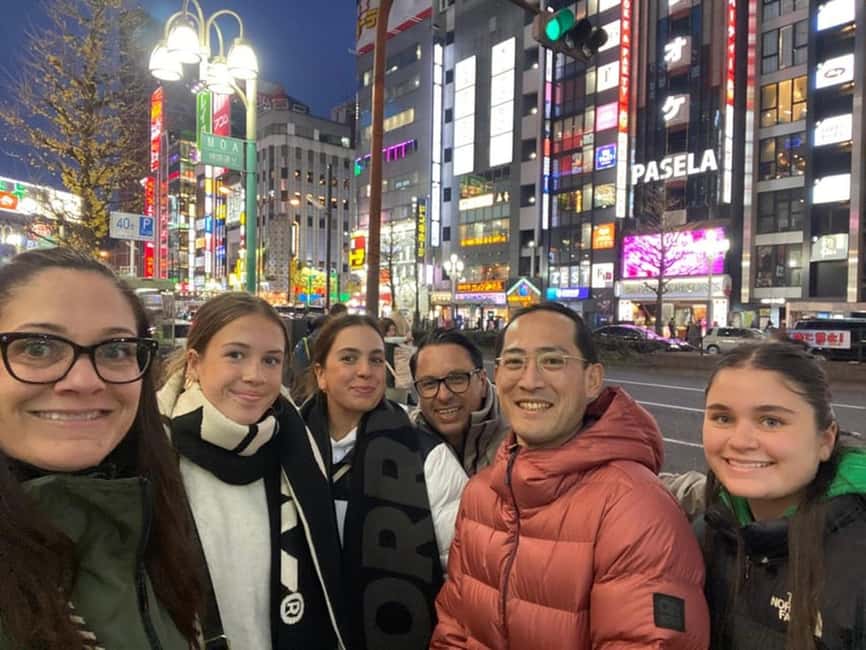
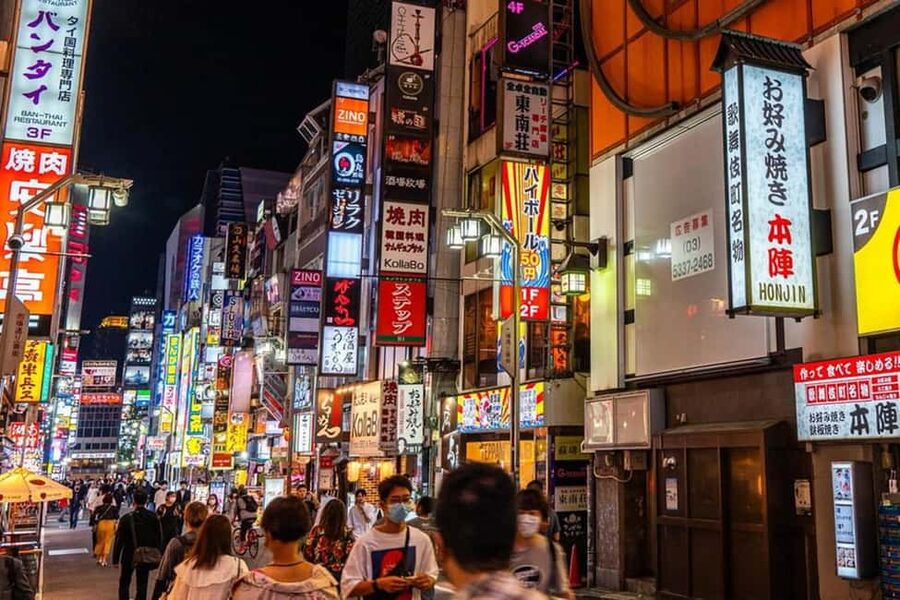
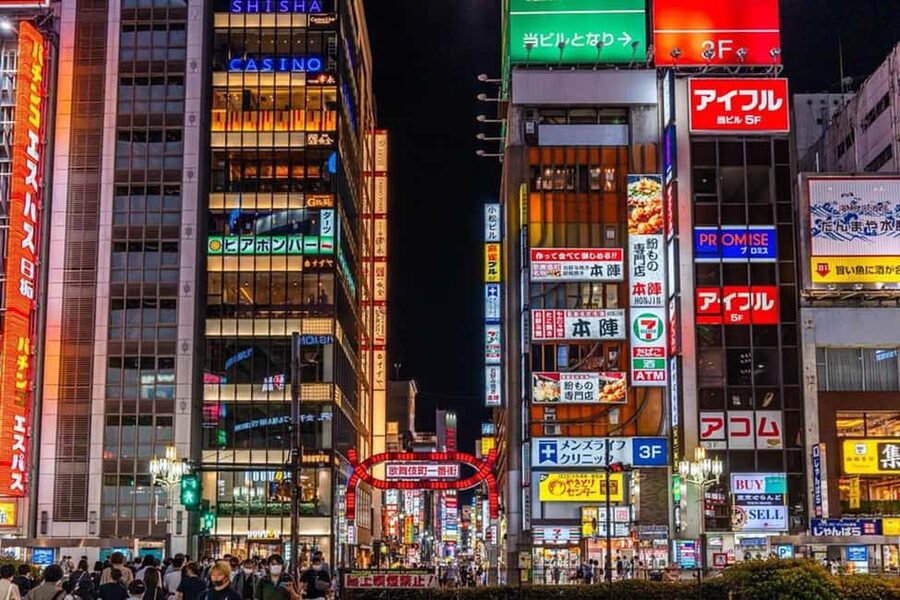
Shinjuku is often included because it feels like the heart of modern Tokyo. It is also a convenient place to finish, especially if you are returning to a hotel nearby.
In longer options, Shinjuku can be the late-day “wow” zone. In shorter options, it can work as a final taste of city energy before you head back.
Public transport skills your guide can teach you fast
The tour is designed to be done on foot and via public transport, which is great because Tokyo’s train network is part of the experience. It can also be stressful if you are new to it.
This is where the guide support really shows. Many people appreciate how their guides use the rail system efficiently, and they come away feeling more confident about getting around. One traveler even said having a guide helped with things like planning and activating a travel pass.
If you want an easy prep tip, get a transit strategy before your day. Having a Suica or a metro pass ready can help speed up movement between stops, and it reduces friction when you are following your guide in a moving crowd.
If you are older or your walking pace is slower, tell the guide at the start. There is at least one example of a guide helping adjust plans by finding taxis instead of relying on trains for part of the day. That kind of flexibility can be the difference between a good day and a miserable one.
What you get for $53, and what to budget beyond that
At $53 per person for a private, guided day, the value is strongest for two types of travelers.
First, it is a strong deal if you want a plan. Tokyo is huge, and choosing efficiently matters. When you pay for a guide, you pay for route decisions, pacing, and navigating between areas you might not combine logically on your own.
Second, it is good value if you care about guided context. The guides are praised for explaining history and culture in a way that feels clear and not overwhelming. That matters because the sites on your route are not just scenery. They have meaning, and a guide helps you notice the details you would otherwise miss.
Now, the trade-off. Meals and beverages are not included. Also, tickets for any additional attractions outside the covered temple and shrine entrances are your responsibility. The tour covers temple and shrine entrance fees, but if your guide takes you into something extra, you need to be ready to pay for those admissions.
One more practical budgeting note: if you choose lunch or dinner on the tour, you invite the guide to join and you cover the guide’s meal cost. If you do not want that, you should mention it upfront so everyone is aligned.
Picking the right route length for your schedule
The duration ranges from 2 to 8 hours, and the tour can be shorter or longer depending on what you choose. This is one of the best parts of the setup: you can match the day to your energy level.
A 2 to 4 hour day tends to work best as an introduction to Tokyo. You get a sampling of major areas plus at least one deeper-feeling stop. It is ideal if you have jet lag, limited time, or you are saving the rest of the week for a slower pace.
A 6 hour day is the sweet spot for most people because it allows you to stack contrasts. You can pair temples and markets, then slide into a modern district before ending in another energetic neighborhood.
A 8 hour day is for people who want density. If you like being active and you are comfortable with walking and transit, longer durations are where you can fit more neighborhoods without it feeling like you are constantly late.
Practical details that can make or break the day
This tour is built around convenience, but a few basics still matter.
Wear comfortable shoes. You will walk, and Tokyo streets and station corridors are not short. Bring a passport or ID card since it is requested. Keep a credit card and some cash handy, especially for meals or any extra attraction tickets.
Communication matters too. You are asked to use WhatsApp, and your guide will reach out within 24 hours before your tour date. After booking, you share your preferences and any specific places you want to visit. The final itinerary is shared and determined with your guide 24 hours before the tour.
A small but real rule set exists: baby strollers and baby carriages are not allowed, and smoking and drones are not allowed. Littering is also prohibited, as you would expect.
If you have mobility impairments or need a wheelchair, this option is not suitable. Walking plus public transport means it is not set up for that.
Should you book this private Tokyo walking tour?
Book it if you want a Tokyo day that feels planned, flexible, and guided. If it is your first or second day in Tokyo, having a local lead you through areas like Sensō-ji, Ueno, Tsukiji Outer Market, and then into modern districts like Shibuya and Harajuku is a smart way to get oriented.
Skip it or rethink your choices if crowds stress you out. Shibuya Crossing is a highlight for many people, but you should be honest with your guide about your limits so the route can reflect that.
Also, make sure you budget for meals and any optional extra attractions. The tour covers temple and shrine entrance fees, so you are not paying for those, but you are still responsible for meals and admissions beyond that.
If you want the day to feel like exploring with a knowledgeable friend rather than following a rigid schedule, you will likely love this format. Guides like Miwa, Rika, Momo, Hina, Yossy, and Kanako are mentioned for clarity, kindness, and adapting to real visitor needs, which is exactly what you want on a city day where time is precious.
FAQ
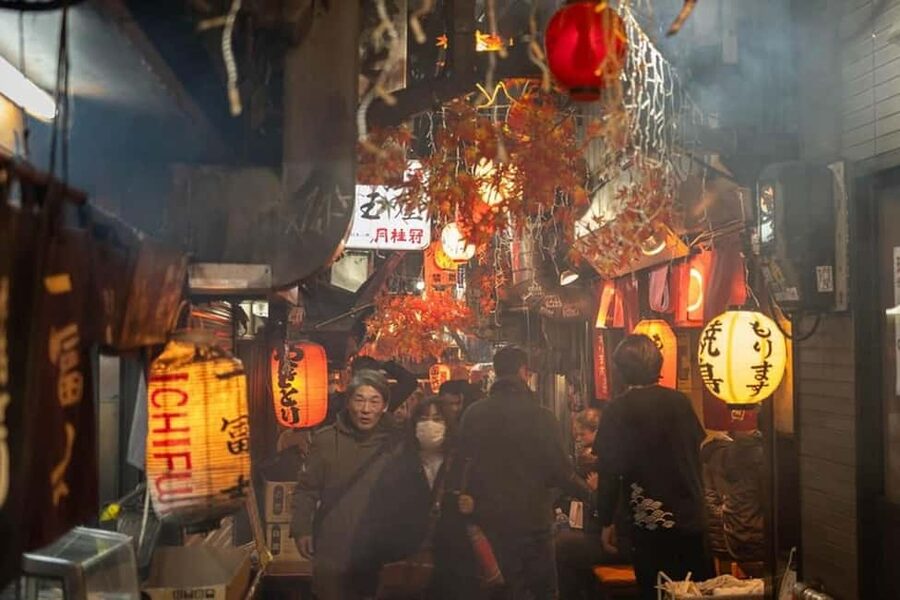
How long is the private walking tour?
It runs from 2 to 8 hours. You can check availability to see starting times for the duration you choose.
Is this tour private or shared?
It is a private group experience, meaning you will have your own local guide rather than joining a large shared group.
What language is the guide?
The live tour guide speaks English.
Where does pickup happen?
Pickup is included. Your guide meets you at your hotel in central Tokyo or at your preferred meeting place in Tokyo and then accompanies you using public transportation.
Are entrance fees to temples and shrines included?
Yes. All temple and shrine entrance fees are covered.
Are meals included in the price?
No. Meals and beverages are not included. If you choose lunch or dinner during the tour, you invite the guide to join and cover the guide’s meal cost.
Do I need to bring anything?
Bring a passport or ID card, comfortable shoes, and having a credit card and some cash can be helpful.
What is not allowed during the tour?
Baby strollers and baby carriages are not allowed. Smoking, drones, and littering are also not allowed.
Who is this tour not suitable for?
It is not suitable for people with mobility impairments or wheelchair users.
How does communication work before the tour?
You should download WhatsApp. The guide will reach out within 24 hours prior to the tour date, and the final itinerary is shared and determined with your guide 24 hours before the tour.
Newest Tokyo write-ups from the Loving Japan desk

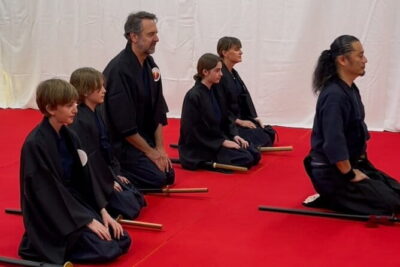
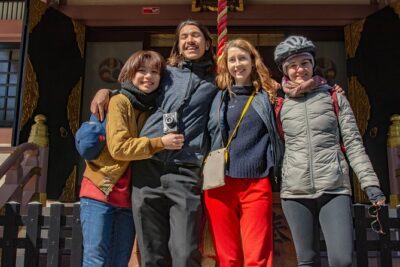
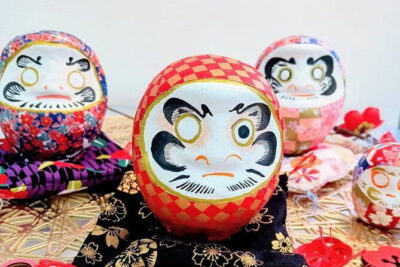

Walking Tours, side by side.
 ★ 4.7Kyoto Geisha Walking Tour: Gion District & Hidden GemsFrom $253,273 reviews
 ★ 5.0Tokyo Tsukiji Fish Market Food and Culture Walking TourFrom $993,184 reviews
 ★ 4.9Gion Magical Night Walking Tour with Geisha TriviaFrom $242,393 reviews
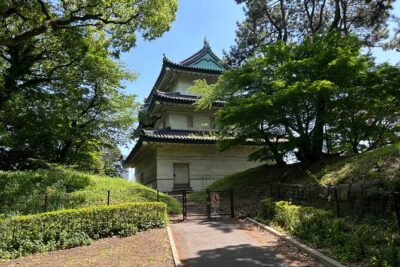 ★ 5.0Imperial Palace and Shogun Historical Walking TourFrom $222,251 reviews
 ★ 4.7Gion Geisha District Walking Tour – Stories of GeishaFrom $202,187 reviews
 ★ 4.5Night Walk in Gion: Kyoto’s Geisha DistrictFrom $212,003 reviews
 ★ 4.9Shinjuku Local Bar and Izakaya Guided Walking TourFrom $341,794 reviews
 ★ 5.0Tsukiji Fish Market Food and Walking tourFrom $301,724 reviews
Filed on these lists too