
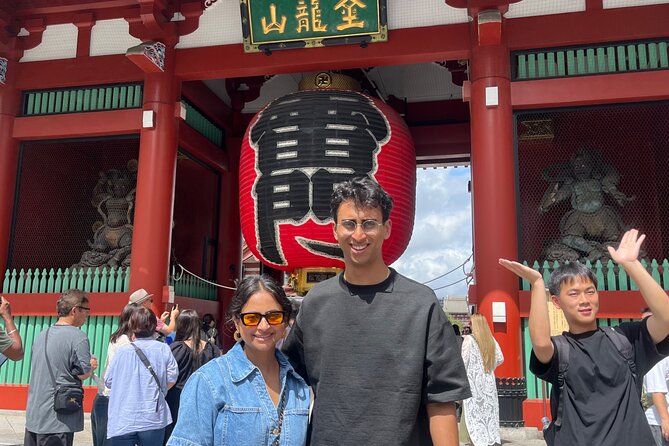
REVIEW · WALKING TOURS
Tokyo Private Walking Tour With Fresh Eyes, Local Hearts
Tokyo looks different with a private guide. This experience is built for decision fatigue in a big city, with local guides born and raised in Tokyo planning a route around your interests. Expect key stops such as Imperial Palace, Tsukiji, Shibuya Crossing, and Senso-ji, with the option to shape the day as you go.
I especially like the custom itinerary you can request, so you are not locked into a one-size-fits-all loop. I also like the undivided attention you get from a private guide, which makes it easier to move at your pace and get context for what you are seeing, not just where to stand for a photo.
One watch-out: some marquee interiors are not part of the plan. Imperial Palace access is limited to certain public areas, and the main Kabuki-za theater interior is not included, with a gallery visit instead. If your dream is strict, inside-only admissions, you will want to confirm what is possible for the specific stops you choose.
In This Review
- Key things I’d focus on before you book
- How the private guide plan works for decision-fatigue Tokyo
- Price and time: a flexible 1 to 8 hours route
- Your day, your pace: pickup, transport, and entry rules
- From Imperial Palace to Tsukiji, then Shibuya and Meiji Jingu
- Imperial Palace, and why the limits still make sense
- Tsukiji Jogai Market for breakfast
- Tsukiji Fish Market, for the less-obvious angle
- Shibuya Crossing, the electric snapshot
- Meiji Jingu Shrine, the calm reset
- Asakusa and Kabukiza: temple streets plus theater atmosphere
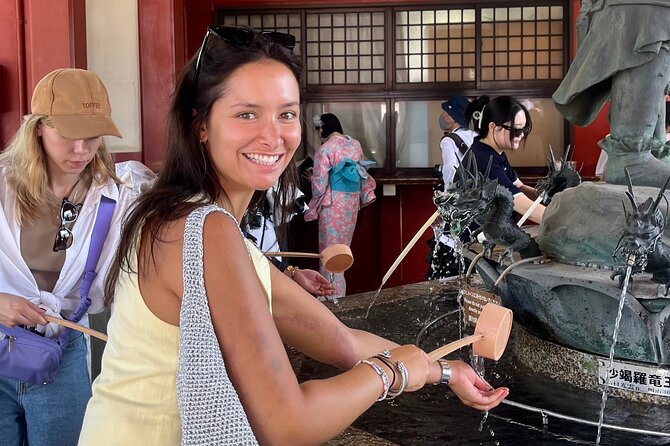
- Senso-ji Temple, the oldest temple feel
- Asakusa streets, beyond the main gate
- Kabukiza Theater gallery, a smart alternative to inside access
- Shinjuku choices: parks, Golden Gai alleys, and city scale
- Shinjuku Gyoen National Garden, a planned breather
- Shinjuku Golden Gai, the alley-night vibe
- Akihabara, pop culture shopping mode
- Garden and shrine pauses: Shinjuku Gyoen to Kiyosumi Teien
- Hamarikyu Gardens, Edo-period by Tokyo Bay
- Koishikawa Korakuen, ponds and bridges
- Rikugien, cherry blossoms and autumn foliage
- Yoyogi Park, urban calm
- Nezu Shrine, azalea flowers for quiet beauty
- Kiyosumi Teien, pond-centered Edo stroll energy
- Tokyo Tower to Ueno and Kanda: skyline views plus old temples
- Tokyo Tower, panoramic views with nighttime charm
- Zojo-ji, Tokugawa family temple
- Ueno Park, museums plus zoo plus seasonal crowds
- Gotokuji Temple, the beckoning cat origin
- Kanda Shrine, old guardian shrine for central Tokyo
- Should you book this Tokyo Private Walking Tour with Fresh Eyes, Local Hearts?
- FAQ
- How long is the Tokyo private walking tour?
- Is this tour private or shared with other groups?
- What is included in the price, and what costs extra?
- Do I need to pay admission tickets at every stop?
- Does the tour include hotel pickup?
- Is entry to the inside of the Imperial Palace included?
- Is entry to the inside of the main Kabuki-za theater included?
- What is the cancellation policy for a full refund?
Key things I’d focus on before you book
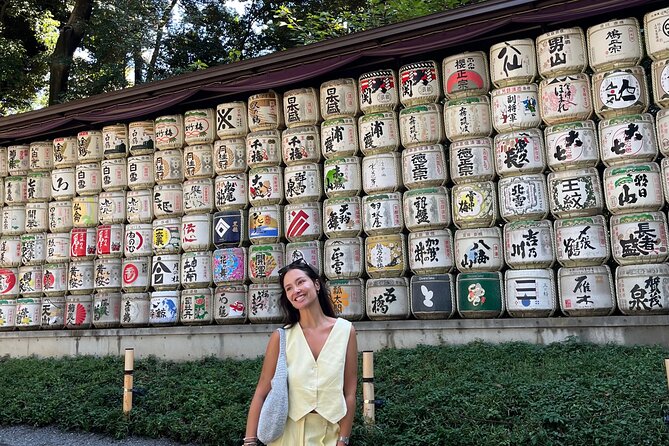
- Private, local-born guides who tailor your schedule instead of running a fixed group script
- Hotel pickup plus a mobile ticket, which reduces your first-day stress
- Flexible duration (1 to 8 hours), so you can match the tour to your energy and sightseeing goals
- Major Tokyo anchors like Tsukiji, Shibuya Crossing, Meiji Jingu, and Senso-ji
- Admission varies by stop, with many sights free and some gardens not included
- No interior access for certain places, including the Imperial Palace inside areas and the main Kabuki-za hall
Still weighing up options in Tokyo? These are the ones our reviewers rated highest.
- Mt Fuji and Hakone 1-Day Bus Tour Return by Bullet Train
★ 5.0 · 26,383 reviews - 1-Day Tokyo Bus Tour
★ 5.0 · 14,250 reviews - Tokyo: teamLab Planets TOKYO Digital Art Museum Entry Ticket
★ 4.6 · 9,779 reviews - Mt Fuji & Hakone Cruise, Drum Show Bullet Train 1 Day from Tokyo
★ 4.0 · 7,413 reviews
How the private guide plan works for decision-fatigue Tokyo
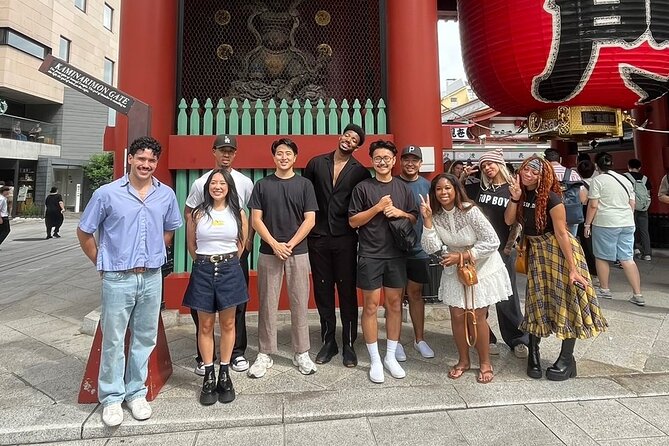
Tokyo can overwhelm you fast. You land with jet lag, a list of must-sees, and suddenly every turn feels like a test. This tour’s whole idea is to remove that pressure by giving you a guide who builds the day around you.
Because it is private, your guide can slow down when something catches your eye, or move faster if you already know what you want. That matters in Tokyo, where you can go from a historic street to a fashion zone in minutes, but you cannot always predict that feeling in advance. The benefit is not just convenience. It is better choices.
This is also a tour that encourages questions. With group tours, you sometimes get a quick fact and then you are swept along. With a private guide, you can ask the small things that make the city click, like how locals think about an area, or what you can realistically fit without burning time.
Price and time: a flexible 1 to 8 hours route
At $26.36 per person, a private walking tour can feel like a smart way to get real direction without blowing the budget. The value comes from three places: a guide who plans, time on your feet with purpose, and access to big Tokyo highlights without you needing to stitch together multiple transfers yourself.
One key detail: the tour duration is flexible, roughly 1 to 8 hours. In practice, that means you can do a tight intro tour for a first visit, or stretch out for more neighborhoods and breaks in parks and gardens. If you are traveling with kids, shopping-heavy priorities, or mobility limits, this flexibility is a big deal.
Also pay attention to what is included and what is not. You get walking and public transportation as part of the experience plan, plus hotel pickup. You do not get meals or personal expenses included, and public transportation fees are not included. So budget for local transit costs on top, especially if your route hops between far-flung areas.
Your day, your pace: pickup, transport, and entry rules
This is a private tour/activity, meaning only your group participates. That is the difference between being herded and actually steering your day.
Hotel pickup is included, and the tour uses a mobile ticket, both of which reduce friction on day one. The plan also notes that you are near public transportation. Translation: you are usually not starting from a dead end with no easy way to regroup.
Then there are the entry rules, and they matter for expectations:
- Imperial Palace: no inside access, with limited access to certain public public areas.
- Kabukiza Theater: no access inside the main Kabuki-za theater, but you will visit a gallery on a different floor within the same building.
For several other stops, admission is listed as free, including Shibuya Crossing, Meiji Jingu, Senso-ji, Asakusa, and many shrines and temples. For some gardens and a few other spots, admission is not included, so you may need to pay tickets directly for those.
- Mt Fuji and Hakone 1-Day Bus Tour Return by Bullet Train★ 5.0 · 26,383 reviews
- 1-Day Tokyo Bus Tour★ 5.0 · 14,250 reviews
- Tokyo: teamLab Planets TOKYO Digital Art Museum Entry Ticket★ 4.6 · 9,779 reviews
- Mt Fuji & Hakone Cruise, Drum Show Bullet Train 1 Day from Tokyo★ 4.0 · 7,413 reviews
- Tokyo: Shinjuku Food Tour (13 Dishes at 4 Local Eateries)★ 5.0 · 6,603 reviews
From Imperial Palace to Tsukiji, then Shibuya and Meiji Jingu
A great first-day route often starts with history and structure, then swings into Tokyo’s modern pulse. This tour commonly starts with a stop at the Imperial Palace area, then heads toward Tsukiji for food energy, then moves into Shibuya for the city’s rush, and finishes the arc with Meiji Jingu’s quiet.
Imperial Palace, and why the limits still make sense
The Imperial Palace stop is designed as a look from the outside and certain public areas, not a full inside tour. Even without interior access, you still get the setting: it sits on the former site of Edo Castle, surrounded by a moat and a park-like layout.
Why it works for a first-time visit: it gives you a mental map of Tokyo’s roots before the city goes fully neon. The time you spend here is typically short, around 15 minutes, so treat it as a context stop that sets up everything else.
If you want only inside access, you may feel disappointed. But if you want orientation plus atmosphere, it is a solid opener.
Tsukiji Jogai Market for breakfast
Tsukiji Outer Market is the food-forward moment. You get the vibe of one of Tokyo’s most historic markets, with more than 400 shops and stalls. The big advantage here is choice. You can browse, snack, and keep your stomach happy before the rest of the walking day.
This stop is short, about 15 minutes, so it is best for quick tastes rather than a full sit-down meal.
Tsukiji Fish Market, for the less-obvious angle
The inner Tsukiji Fish Market is presented as a hidden, lesser-familiar part of the story, even for many Japanese people. That makes it interesting if you have already seen photos of Tsukiji. The outer market is for food browsing. The inner focus is more about the sense of place and how the market world works.
Time is again around 15 minutes, which works well if you want to see, understand the setting, and keep moving.
Shibuya Crossing, the electric snapshot
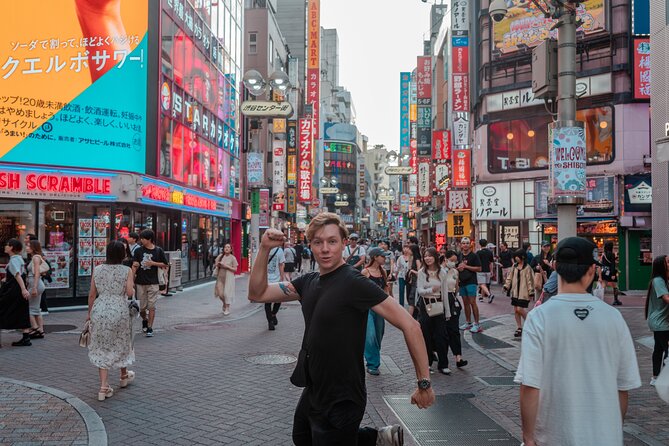
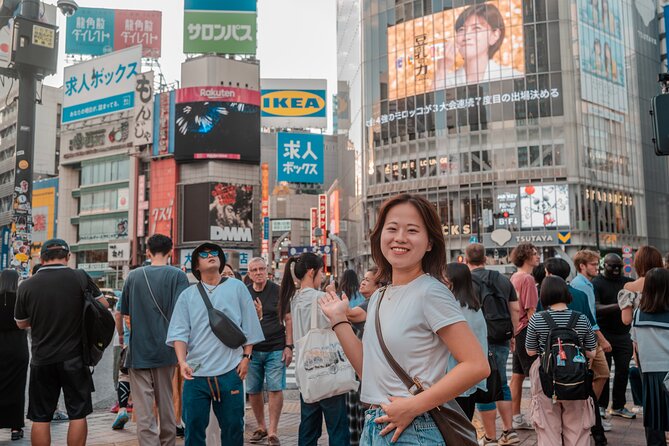
Shibuya Crossing is Tokyo in one frame. It is known for youth culture, fashion, and entertainment, and it sits in the middle of the city, so it gives you a strong sense of modern Tokyo’s scale.
The stop is around 15 minutes, enough to watch the crossings and let your brain calibrate. The private-guide angle matters here because you can stand in a spot that lets you actually see the flow, not just crowd the wrong corner.
Meiji Jingu Shrine, the calm reset
After Shibuya’s energy, Meiji Jingu plays the opposite role. The shrine is tied to cultural significance, built in 1920, and established in honor of Emperor Meiji and Empress Shoken. The plan is about a short visit that gives you a green, spiritual breather right in the city.
If you like contrast, you will appreciate the rhythm of this part: modern rush, then a slow-down moment.
Asakusa and Kabukiza: temple streets plus theater atmosphere
This tour pairs traditional religious Tokyo with a taste of classic performance culture. The anchor here is Senso-ji Temple in Asakusa, plus a Kabukiza theater gallery stop.
Senso-ji Temple, the oldest temple feel
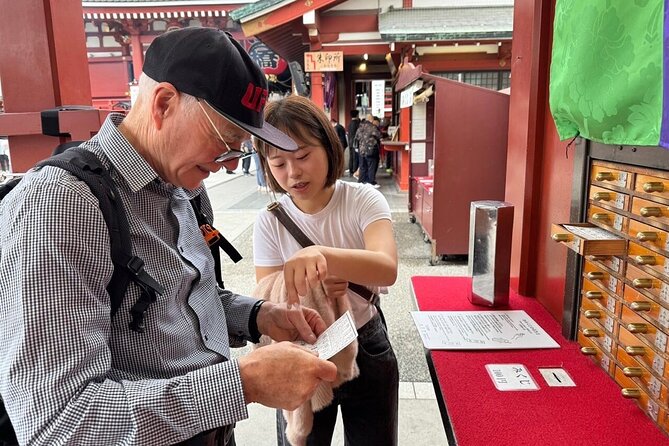
Senso-ji Temple in Asakusa is described as the oldest temple in Tokyo and one of the city’s most beloved landmarks. The time here is typically longer than most stops, around 30 minutes, which signals it is not just a blink-and-you-miss-it stop.
The setting includes a legend about two fisherman brothers who discovered something significant, and that story helps you connect the architecture to the meaning. Even if you are not obsessed with temple lore, a longer stop helps you notice details instead of just walking through.
Asakusa streets, beyond the main gate
Right after Senso-ji, you typically get a brief Asakusa walk, around 15 minutes. Asakusa is framed as an area where history and tradition are preserved, with lively streets full of local character.
This part is valuable because it shifts you from a single photo stop to a neighborhood feel. You get a sense of how the area behaves throughout the day.
Kabukiza Theater gallery, a smart alternative to inside access
Kabukiza is iconic for traditional Kabuki culture. The tour does not include access to the inside of the main Kabuki-za theater hall, but you do visit a gallery on a different floor within the same building.
This is a practical compromise. You still get exposure to the theater world, without assuming you can walk into a performance space. If you are curious about Kabuki as a cultural tradition, this stop gives you a chance to learn and look around without committing to a full show.
Shinjuku choices: parks, Golden Gai alleys, and city scale
Shinjuku can be Tokyo’s “big picture” district, but it also offers quiet escapes. This tour’s approach is to let you pick the flavor: a garden pause, a nightlife alley wander, or a mix of both.
Shinjuku Gyoen National Garden, a planned breather
Shinjuku Gyoen is a greenery oasis in the heart of Tokyo. It was originally built as an imperial garden and is now open to the public. The tour notes it is a peaceful escape from the hustle and bustle, with seasonal beauty.
The admission is not included here, so expect ticket costs on your end. Time is typically around 15 minutes, which is enough to feel the garden tone and take a few photos, but not enough for a long wandering day.
Shinjuku Golden Gai, the alley-night vibe
Golden Gai is presented as a one-of-a-kind nightlife district with over 300 tiny bars packed into narrow alleyways. The streets are described as extremely narrow, with traditional two-story buildings.
This is a stop for atmosphere, not a checklist. The guide helps you move through the maze without getting lost. Time is typically around 15 minutes, which is perfect for sampling the vibe and continuing to your next stop.
Akihabara, pop culture shopping mode
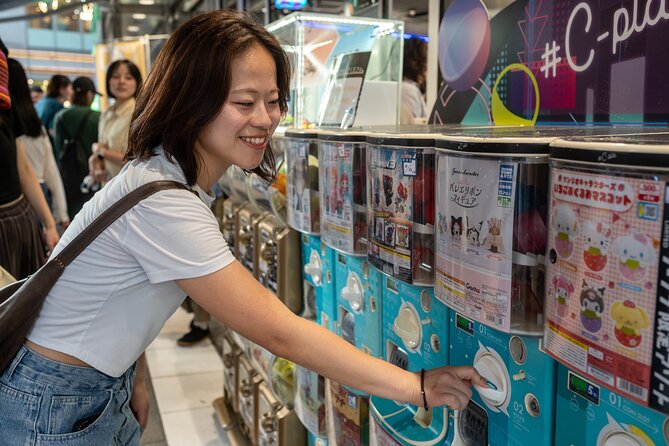
Akihabara is Tokyo’s hub for cutting-edge pop culture, with electronics shops plus anime, manga, and gaming stores. This is the shopping and browsing stop that works for both enthusiasts and curious first-timers.
Expect around 15 minutes. If you want deeper shopping time, you can ask your guide to spend longer during your customized route.
Garden and shrine pauses: Shinjuku Gyoen to Kiyosumi Teien
Tokyo rewards breaks. When you are walking all day, the best itineraries add planned green space and calm shrines so you do not hit a wall.
Hamarikyu Gardens, Edo-period by Tokyo Bay
Hamarikyu Gardens is along Tokyo Bay and is described as an Edo-period garden. It includes ponds, tidal gardens, and seasonal flowers, with origins as a villa for the shogun. The appeal here is the contrast between water, greenery, and the city around it.
Admission is not included, and time is typically about 15 minutes. For many people, this is a quick scenic reset that keeps the rest of the day enjoyable.
Koishikawa Korakuen, ponds and bridges
Koishikawa Korakuen is an early Edo Japanese garden. You get the basics that define the stroll style: ponds, small bridges, and hills. It is designed for harmony of nature and structure.
Like other gardens on this route, admission is not included, and time is around 15 minutes. That means you will focus on the main viewpoints rather than a full slow stroll.
Rikugien, cherry blossoms and autumn foliage
Rikugien is described as one of Tokyo’s most famous feudal-era gardens, especially beautiful during cherry blossom season in spring and autumn foliage season. The core experience is a pond-centered strolling layout.
Admission is not included, and time is about 15 minutes. If your timing matches the seasons, this stop becomes extra worth it.
Yoyogi Park, urban calm
Yoyogi Park is a large urban park popular for jogging, picnics, and events. It offers spacious lawns and seasonal trees.
Admission is listed as free, and time is around 15 minutes. This is a great choice if you want green space without garden-ticket budgeting.
Nezu Shrine, azalea flowers for quiet beauty
Nezu Shrine is known for azalea flowers, plus serene grounds with traditional architecture and lush greenery. The seasonal blooms note makes it especially interesting if you are traveling during peak azalea time.
Admission is free on this plan, with about 15 minutes allotted.
Kiyosumi Teien, pond-centered Edo stroll energy
Kiyosumi Garden, Kiyosumi Teien, is another stroll-style Japanese garden designed during the Edo period, centered around a pond. The tour frames it as calm despite being in the city.
Admission is not included here, with about 15 minutes typical. It is a good choice if you want that garden feel but you also want to keep moving.
Tokyo Tower to Ueno and Kanda: skyline views plus old temples
Once you have your big modern highlights and your calm garden breaks, it is smart to finish with a skyline view and a mix of historic areas.
Tokyo Tower, panoramic views with nighttime charm
Tokyo Tower is described as an observation tower with panoramic views. It is also illuminated beautifully at night, and it has historical significance.
The tour time here is short, about 15 minutes, so plan to use this stop for one clean view set. If you want to see it after dark, this stop is the one that fits that plan based on the information provided.
Zojo-ji, Tokugawa family temple
Zojoji Temple is an Edo-period temple and the family temple of the Tokugawa clan, where several Tokugawa shoguns are enshrined. Even with a short stop, the connection to major historical figures gives the place weight.
Admission is free, with around 15 minutes.
Ueno Park, museums plus zoo plus seasonal crowds
Ueno Park is labeled as a cultural and natural hub with museums, art galleries, and a zoo. In spring, it is famous for cherry blossoms and draws large crowds. The expansive grounds let you do both nature time and culture time.
Admission is free, with around 15 minutes. If you are interested in museums, you can treat the park as a starting point and choose how much museum time to add with your guide.
Gotokuji Temple, the beckoning cat origin
Gotokuji Temple is known as the birthplace of the maneki-neko, the beckoning cat. The grounds include gardens and traditional buildings, with a peaceful tone.
Admission is free, and time is about 15 minutes. This is a fun stop for anyone who has ever seen a cat figurine in Japan and wondered where the story started.
Kanda Shrine, old guardian shrine for central Tokyo
Kanda Shrine, also referenced as Kanda Myojin, is described as a historic Shinto shrine with over 1,300 years of history. It is noted as one of the traditional guardian shrines of Tokyo, with protection extending over central areas like Kanda and Nihonbashi.
Admission is not included, and time is about 15 minutes. If your Tokyo trip has room for one more shrine without needing a long education, this is a logical fit.
Should you book this Tokyo Private Walking Tour with Fresh Eyes, Local Hearts?
Book it if you want a private, flexible day that tackles Tokyo’s big-name highlights without forcing you into a rigid group schedule. The strong points are the custom itinerary, the private guide attention, and the way the day is designed to mix modern icons with calmer spiritual and garden breaks.
Do not book it if your main goal is guaranteed inside access to places like the Imperial Palace interior or the main Kabuki-za theater hall. This tour focuses on what is possible within the plan: public areas at the Imperial Palace and a gallery visit for Kabuki-za, plus short, efficient time at each stop.
If you value simplicity and want your day handled for you, this is a solid bet. And if you get a guide like Toko, the experience model is clearly built around meeting your interests first, then building an itinerary you actually want to walk.
FAQ
How long is the Tokyo private walking tour?
The tour duration is flexible, roughly 1 to 8 hours, based on your plan and the stops you choose.
Is this tour private or shared with other groups?
It is private. Only your group participates.
What is included in the price, and what costs extra?
Included are walking and public transportation as part of the tour, tour customization, and hotel pickup. Not included are public transportation fees, meals, and personal expenses, and private transportation.
Do I need to pay admission tickets at every stop?
Not every stop has paid admission. Several stops list admission as free, while some gardens and certain sites list admission as not included, meaning you may need to pay tickets separately.
Does the tour include hotel pickup?
Yes, hotel pickup is included.
Is entry to the inside of the Imperial Palace included?
No. The plan says Imperial Palace inside access is not included, with access limited to certain public areas.
Is entry to the inside of the main Kabuki-za theater included?
No. The plan states it does not include access to the inside of the main Kabuki-za theater, and instead you visit a gallery on a different floor within the same building.
What is the cancellation policy for a full refund?
Free cancellation is available up to 24 hours in advance of the experience start time for a full refund.
Newest Tokyo write-ups from the Loving Japan desk

Walking Tours, side by side.
 ★ 4.7Kyoto Geisha Walking Tour: Gion District & Hidden GemsFrom $253,273 reviews
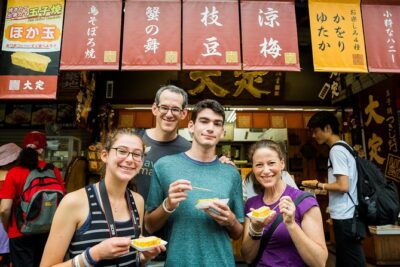 ★ 5.0Tokyo Tsukiji Fish Market Food and Culture Walking TourFrom $993,184 reviews
 ★ 4.9Gion Magical Night Walking Tour with Geisha TriviaFrom $242,393 reviews
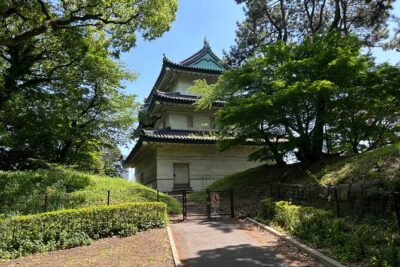 ★ 5.0Imperial Palace and Shogun Historical Walking TourFrom $222,251 reviews
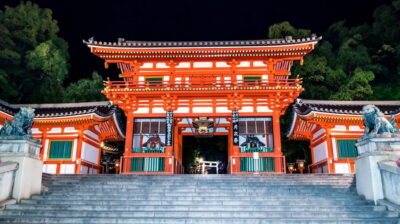 ★ 4.7Gion Geisha District Walking Tour – Stories of GeishaFrom $202,187 reviews
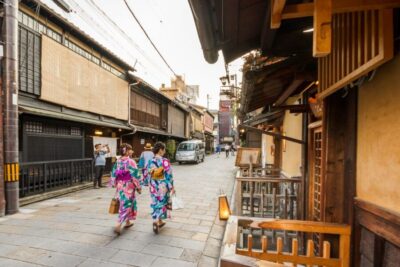 ★ 4.5Night Walk in Gion: Kyoto’s Geisha DistrictFrom $212,003 reviews
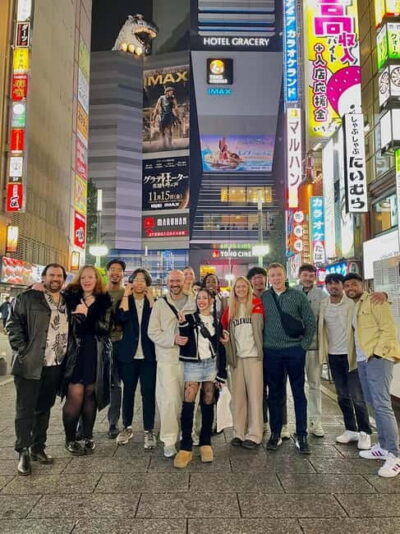 ★ 4.9Shinjuku Local Bar and Izakaya Guided Walking TourFrom $341,794 reviews
 ★ 5.0Tsukiji Fish Market Food and Walking tourFrom $301,724 reviews
Filed on these lists too