
REVIEW · SUMO WRESTLING EXPERIENCES
Tokyo: Sumo Tournament Tour with Chair Seat Tickets
Sumo looks slow on TV. Then you hear the crowd and it hits different. This Tokyo tour gets you into the real Ryogoku Kokugikan tournament atmosphere with an English-speaking guide who explains what you are seeing, plus a chance to cheer like a local with a supporter kit. I love how the guide ties each moment to sumo customs and wrestler rank, and I also like the clear timing, ceremonies, and match flow that make a first visit feel painless. One drawback to plan for: 2F chair seats are high, so close-up fans may feel a little distant.
You meet in the late afternoon, walk into the arena for the key ring-entering ceremonies, and then settle in for the main action running until about 6:00 PM. If you want sumo without the stress of buying sell-out tickets, this is one of the simplest ways to do it with an explanation you can actually follow.
In This Review
- Key things I’d circle before you go
- Tokyo Sumo, without the ticket headache: Ryogoku Kokugikan in real life
- The day’s schedule, down to the ceremonies and match start
- Choosing 2F chair seats versus 1F box seats
- 2F chair seats (the default feeling for most options)
- 1F box seats (more private, typically more grounded)
- What you will actually watch: Makuuchi bouts and Yokozuna moments
- The real value is the guide: ceremonies, wrestler stories, and how to cheer
- Getting in sync at check-in, and how to avoid day-of stress
- Food, drinks, and the lunch option puzzle
- Price and value: is $141 worth it?
- Who this tour suits best
- Should you book this sumo tournament tour?
- FAQ
- Where do I meet for the tour?
- What time does the sumo tournament finish?
- What ceremonies and divisions are included?
- What seating do I get?
- Is food and drinks included?
- Are baby strollers allowed?
- Are there age rules for children?
Key things I’d circle before you go
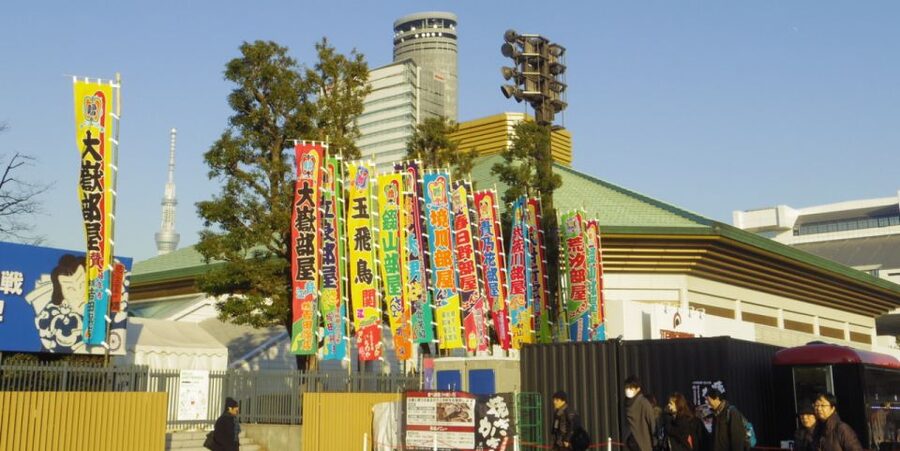
- Official tournament experience at one of Tokyo’s three annual sumo tournaments, not a tourist-only performance
- English-speaking guide stays with your group and helps you understand bouts, tactics, and ranking
- Ceremony timing built in so you see the ring-entering moments for the top divisions
- 2F chair or 1F box seats depending on option, with a view that still works well in a small stadium
- Supporter kit option so you can cheer with more confidence and less guessing
Tokyo Sumo, without the ticket headache: Ryogoku Kokugikan in real life
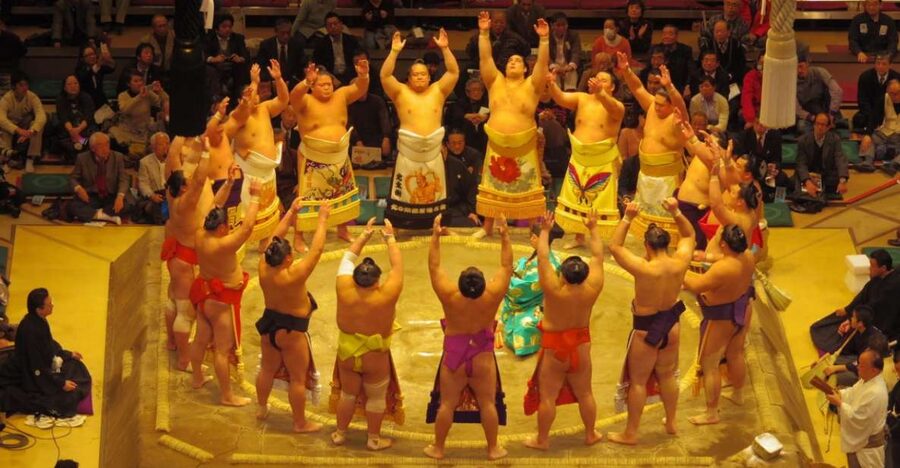
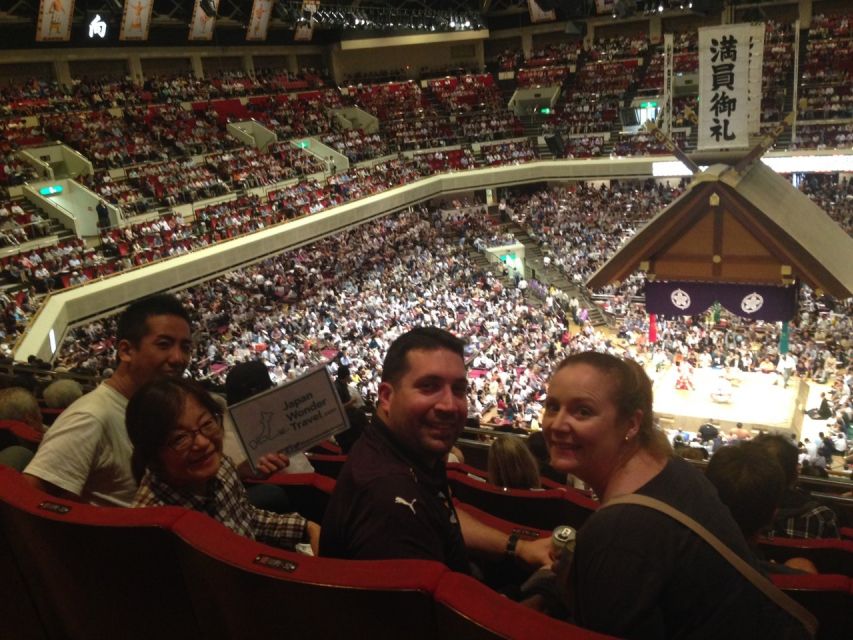
Ryogoku is where sumo energy concentrates. The arena layout is compact, the crowd is loud, and the whole day has that focused, ritual feel you only get during an actual tournament. Even if you arrive knowing almost nothing, you still walk away with the feeling that you witnessed a living sport, not a scripted show.
The biggest reason this tour works is the combination of a real ticket plus an explanation you can use right away. Sumo has rules that look simple until you notice how much is happening off the surface. A good guide helps you read the match faster: who is pushing for position, when the balance shifts, and why a wrestler’s rank matters beyond bragging rights.
I also like that the tour gives you a structured path through a place that can feel confusing if you are doing it alone. You do not have to interpret signage, decode the tournament day schedule, or figure out what to watch first. Instead, you get a guided flow that lands you in the right spot for the most meaningful pre-bout moments.
Possible drawback: depending on your seat tier, you might feel visually farther from the ring. One reviewer noted that seats seemed distant from the map but turned out to be enough for a good overall view. Still, if you want the most intimate look possible, you should think carefully about whether you prefer 2F chair seats or 1F box seats.
The day’s schedule, down to the ceremonies and match start
This tour is built around the tournament rhythm, so you can plan your Tokyo day with fewer unknowns. You meet at 2:15 PM at the West Gate of JR Ryogoku Station. Then you head to Ryogoku Sumo Stadium, where you settle in and build up to the top moments.
Here is the timing you can expect:
- You arrive before key ceremonies and get oriented with your group.
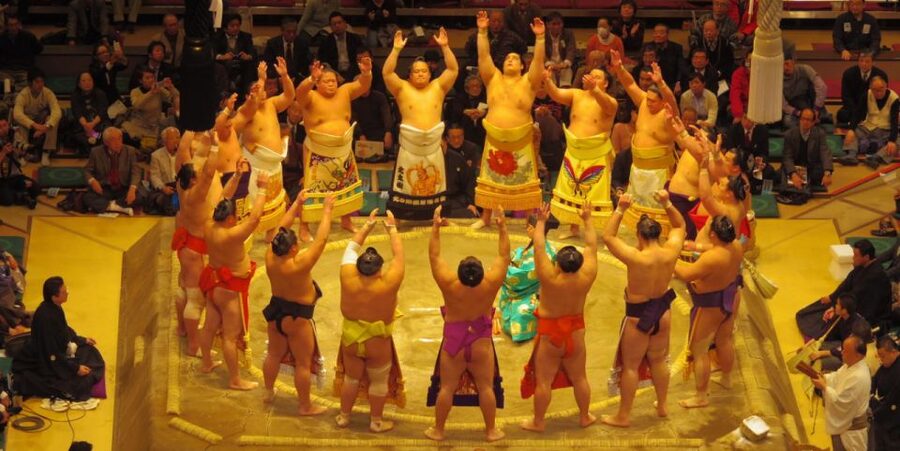
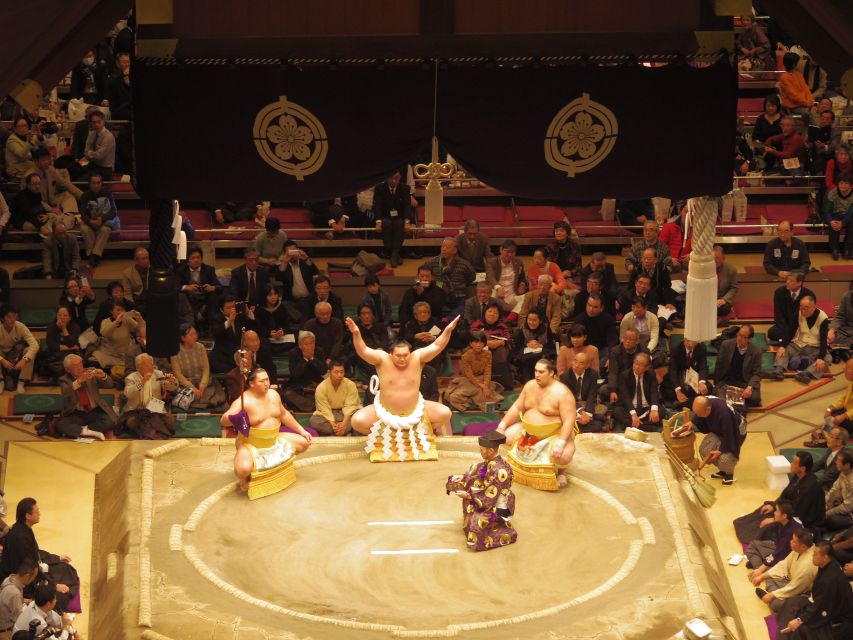
- The ring-entering ceremony for the Makuuchi (Strong) division happens at 3:40 PM.
- The ring-entering ceremony for the Yokozuna (Strongest) division happens at 3:55 PM.
- The Makuuchi division bouts start at 4:10 PM.
- The tournament finishes at 6:00 PM.
Why this matters: if you have never seen sumo in person, the ceremonies are where you learn the language of the sport. You see how the top-ranked wrestlers enter and how the crowd behaves before the action begins. That context makes the actual bouts easier to follow. It also helps you avoid the common first-timer problem, showing up too late and missing the parts that teach you what to look for.
Choosing 2F chair seats versus 1F box seats
Your seat choice changes the vibe more than you might expect. Both options are designed for a solid view, but they feel different once the action gets going.
2F chair seats (the default feeling for most options)
With 2F chair seats, you are higher in the arena. That typically means you see more of the crowd and the ring at once, but you might not feel as close during the biggest momentum shifts. Some seats are not close-up friendly, yet the stadium is small enough that you usually still get a clear view of the wrestlers and the outcome.
A practical plus: you will likely be able to follow the guide’s explanations while still watching the ring. When a guide is pointing out tactics, it helps to have a wide view where you can keep the entire match in frame.
1F box seats (more private, typically more grounded)
If you choose 1F box seats, you are closer to the action and you get a defined seating area without sharing. That can feel more comfortable, especially for families or groups who want a bit more personal space.
Also note how seat allocation works: depending on the option you select, you cannot choose specific seats. Your guide will hand out the ticket on the day of your tour, and seat type determines what you receive.
My advice: if you are sensitive to feeling far away, consider paying for the closer 1F box seats option. If you want the classic stadium perspective and do not mind watching from above, the 2F experience can be totally satisfying.
What you will actually watch: Makuuchi bouts and Yokozuna moments
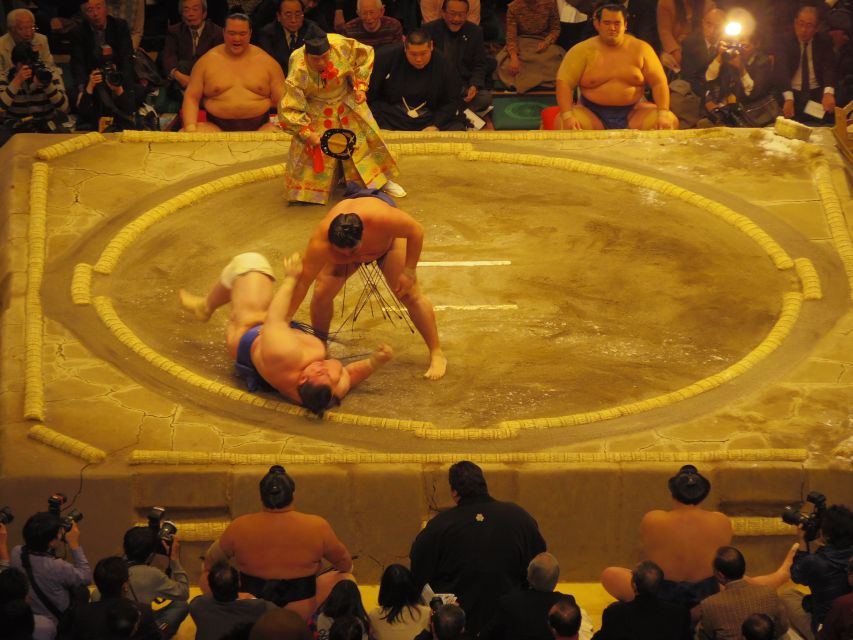
Sumo fans understand two things instantly: balance and timing. Watching in person makes both obvious. Wrestlers try to force an opponent out of the ring or make any part of the body touch the ground. It is not just pushing and grabbing. The match is about small leverage shifts, foot placement, and when to commit.
This tour centers on the Makuuchi division bouts, plus the ceremonies that spotlight top ranks. Since the Yokozuna ring-entering ceremony happens near the start of the action, it gives you a clear emotional peak early in the day. Even if you do not yet recognize every wrestler, you will learn quickly who is supposed to be the headline.
What I like about the structure is that you do not end up watching random bouts without context. Your guide helps you connect what happens in the ring to sumo customs, rank, and audience behavior. That turns the sport from spectacle into something you can actually understand.
If you have only seen sumo in short clips, you might be surprised by how quickly momentum changes. Many people expect slow wrestling. In reality, the best moments often happen fast, and the crowd reacts instantly when a plan starts working.
The real value is the guide: ceremonies, wrestler stories, and how to cheer
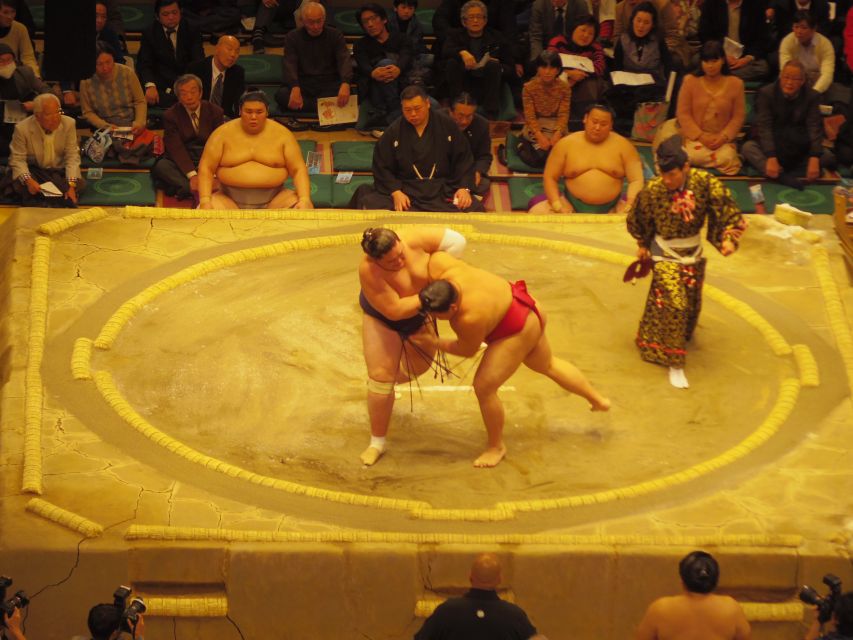
A guided sumo tournament is the difference between watching a cool sport and learning how to watch the sport. This is where the tour earns its money.
English-speaking guides on this tour are known for passion and context. Names that come up in the experience include Taka, Mieko, Sho, Kent, Hiro, Taku, and Kaz. The common thread is that the guide does not just translate. They explain what the crowd is doing, why certain wrestlers get stronger responses, and what to pay attention to during bouts.
One really helpful pattern I like in this kind of tour is that a guide can help you answer questions in real time, like:
- Why a wrestler’s rank or sponsorship seems to matter to the crowd
- Why the timing of ceremonies feels important
- What you should watch for during gripping and pushing sequences
In some cases, guides prepare simple printed support so you do not get lost during the day. For example, one guide handed out a paper rundown with the bouts and wrestlers, including where everyone stood. Even if you do not get a handout every time, you can expect your guide to keep your group oriented and to answer questions during the tournament.
Also, if you choose the supporter kit option, you get extra tools to cheer correctly. One of the joys of sumo is that fans are not passive. They clap, chant, and respond in rhythm. Having a kit can make you feel like you joined in rather than simply observed.
Getting in sync at check-in, and how to avoid day-of stress
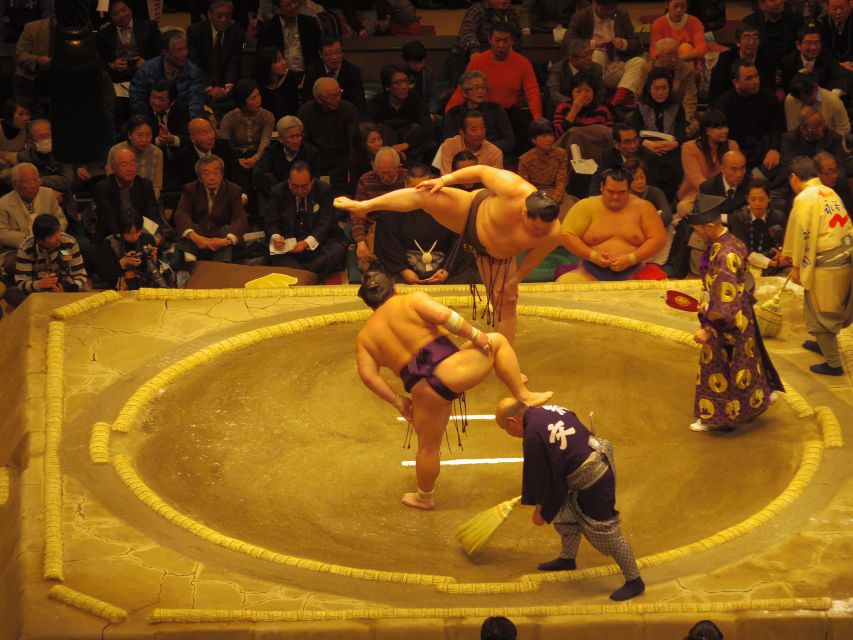
Tokyo runs on systems, but tournament days can be chaotic at the meeting point. You should assume more than one group might be checking in near the same time. One useful tip: pay close attention to the instructions you receive, especially details tied to your group. If you show up late or miss that info, it can create extra confusion before you find your correct group.
Plan your day so you can arrive early. The tour meet-up is fixed at 2:15 PM, and you want to be ready to move to the stadium with your group. If you like to control stress, treat this as a priority event on your schedule.
Inside the seating area, keep luggage rules in mind. Large luggage cannot be brought into the seating area, so travel with lighter items. If you have sensitive items, keep them with you rather than assuming there is a lot of spare space in the rows.
Food, drinks, and the lunch option puzzle
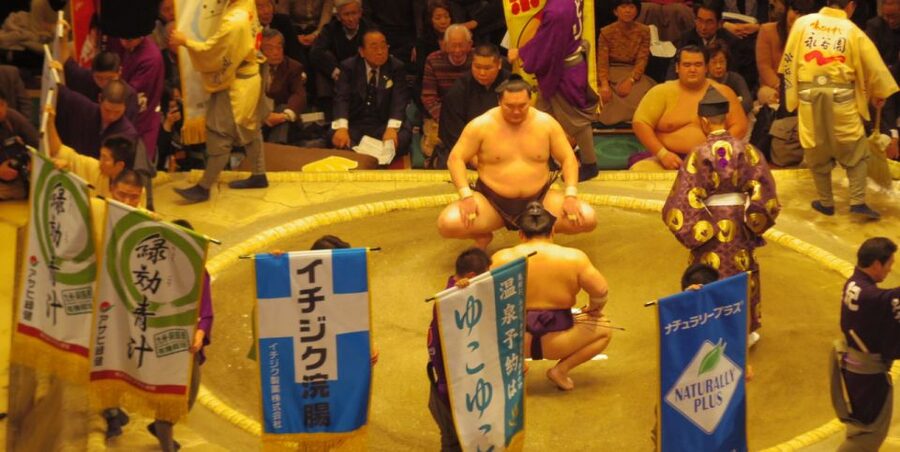
The basic tour ticket does not include food and drinks. That means if you are hungry, plan to buy something on your own before or during the event.
However, there is a Lunch option available for this experience. If you book it, you should inform the provider about any allergies or dietary restrictions at booking or after reserving. One person mentioned a lunch box during the day, and another noted a chanko nabe experience in a different context. The key point for you is this: the standard tour does not promise meals, but if you add the lunch option, you should expect food is part of that upgrade.
My practical recommendation: if you care about eating at a specific time, do not gamble on waiting until you are already inside. Decide before you go. Bring light snacks if that is your style, especially if you know how long it takes you to get hungry.
Price and value: is $141 worth it?
At $141 per person, you are paying for three main things:
- A tournament entry ticket for a top-level sumo day
- Seat access in a specified tier (2F chair or 1F box)
- A professional English guide who makes the day understandable
The value shows up most for first-timers. If you tried to source tickets independently, you would face two realities: tournament tickets can be hard to get, and even if you find seats, you still have to figure out what to watch and when. This tour solves the two big friction points: access and comprehension.
Seat tier matters too. For many people, the incremental cost feels fair because you are not just buying entry. You are buying a guide who helps you enjoy it immediately, rather than spending time later trying to learn what you missed.
One more value note: if you add the sumo supporter kit option, you also get something that makes the cheering part feel real. That can turn a good day into a day you remember as fully participated in.
Possible drawback on value: there are mentions of lunch expectations not matching what some people hoped for, so if food matters to you, double-check what is included in the exact option you select. With the standard package, you should assume no meals are included.
Who this tour suits best
This is a great fit if you want:
- A real sumo tournament day in Tokyo
- An English-speaking guide to explain rules, ceremonies, and ranks
- A low-stress way to handle tickets and seating for an event that sells quickly
It is also good for people who love cultural sports, not just the action. The guide-driven context helps you understand why sumo has its own etiquette, why ceremonies matter, and why fans respond the way they do.
It might feel less ideal if:
- You are extremely seat-sensitive and want the closest possible view of the ring
- You need accessibility support, since it is not suitable for wheelchair users
- You rely on baby strollers, since they are not allowed
Should you book this sumo tournament tour?
If your travel dates match one of Tokyo’s annual tournaments, I would strongly consider booking this. The main reason is simple: you get a genuine tournament experience plus an explanation that makes the entire afternoon feel like it has a purpose. The schedule is tight, the ceremonies are included, and the guide quality is consistently a highlight, with named guides like Taka, Mieko, Sho, and Hiro showing up in people’s best memories.
Choose 2F chair seats if you want the classic stadium perspective and you do not mind being higher. Choose 1F box seats if you care more about getting grounded, having a more defined seating area, and feeling closer.
One last checklist item from me: confirm your exact option, especially whether you are adding any lunch upgrade, and arrive a bit early to avoid check-in confusion when multiple groups meet at the same place.
FAQ
Where do I meet for the tour?
You meet at the West Gate of JR Ryogoku Station at 2:15 PM. The exact meeting point may vary depending on the option booked.
What time does the sumo tournament finish?
The tournament ends at 6:00 PM.
What ceremonies and divisions are included?
You will see the Makuuchi (Strong) division ring-entering ceremony at 3:40 PM and the Yokozuna (Strongest) division ring-entering ceremony at 3:55 PM, followed by Makuuchi division bouts starting at 4:10 PM.
What seating do I get?
Depending on the option you book, you get either 2F chair seats or 1st floor box seats. You cannot choose specific seats, and the guide hands out the ticket on the tour date.
Is food and drinks included?
Food and drinks are not included in the standard tour. There is also a Lunch option that you can select, and dietary restrictions should be provided for that option.
Are baby strollers allowed?
No. Baby strollers are not allowed.
Are there age rules for children?
Children 3 years old and under can enter for free but will not have their own seat and must sit on your lap. Children 4 years and up need their own tickets.
Sumo Wrestling Experiences, side by side.
 ★ 4.8Sumo Show Experience with Chicken Hot Pot and a PhotoFrom $1036,678 reviews
 ★ 4.8Sumo Show and Dining ExperienceFrom $792,742 reviews
 ★ 5.0the SUMO showFrom $891,960 reviews
 ★ 5.0Tokyo Shinjuku Sumo Show & Experience with PhotoFrom $791,750 reviews
 ★ 4.8Sumo Show and Experience in ShinjukuFrom $691,001 reviews
 ★ 4.5Sumo Show & Experience w/ Optional Kimono & Hot PotFrom $77609 reviews
 ★ 5.0Authentic Sumo Experience in Tokyo: Enter the SanctuaryFrom $171603 reviews
 ★ 4.7Luxury Sumo Show Experience & Japanese cuisine & DrinkFrom $103577 reviews
Filed on these lists too