
REVIEW · SUMO WRESTLING EXPERIENCES
Tokyo: Sumo Show and Dining Experience
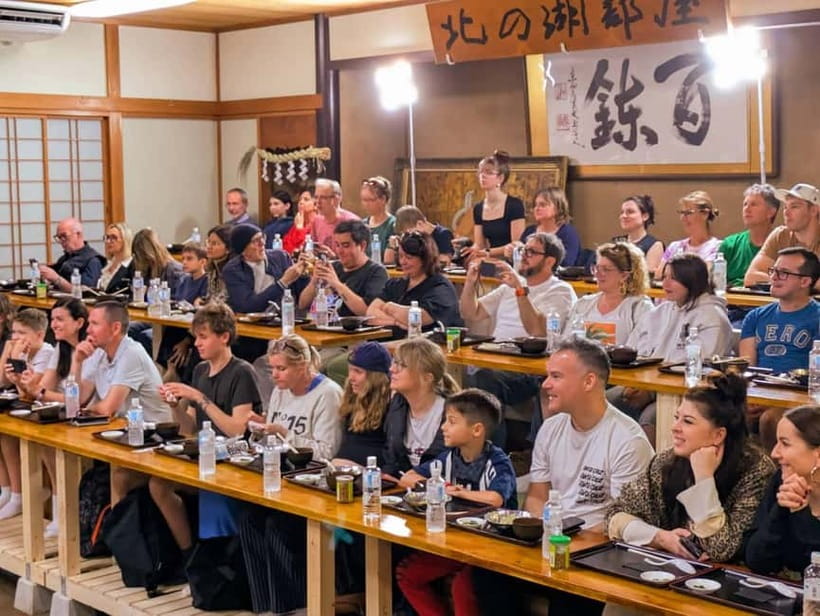
Sumo feels bigger when you can touch it. Tokyo Sumo Room is a show restaurant run by former Makuuchi wrestler Tokitsumi, and it turns a traditional sport into an up-close, hands-on evening in Kiyosumi-Shirakawa. You get the real rhythm of sumo, not just a lecture, with performances and audience participation in an intimate room.
I especially love two things: the pro-level showmanship from retired wrestlers, and how the meal fits the theme without feeling like an afterthought. One consideration though: what you eat depends on your time slot, since Japanese cuisine is included only with the meal option for the 11:00 AM and 7:00 PM shows, while the 3:00 PM show has no meal plan.
Tokyo Sumo Room runs about 90 minutes to 2 hours, with an English instructor and a format that works well for first-timers. The room is generally small, so you feel close to the action, but if you want zero participation, you may feel a bit tempted when the wrestlers pull people into the ring.
In This Review
- Key things to know before you go
- Tokyo Sumo Room, Kiyosumi-Shirakawa: what makes it special
- The 90-minute flow: from history talk to ring time
- Sumo history and tradition, explained for real life
- Chanko-style dining: when your meal is actually included
- Participation: how to decide if you should step into the ring
- Price and value at $79 per person
- Getting there and fitting it into your Tokyo day
- Small practical tips that make the experience smoother
- Should you book Tokyo Sumo Room?
- FAQ
- Where is Tokyo Sumo Room located?
- How long does the experience take?
- What is included with the 11:00 AM and 7:00 PM shows?
- Is Japanese cuisine included for the 3:00 PM show?
- What language is used for instruction?
- Is the venue wheelchair accessible?
- Are vegetarian options available?
- What should I bring?
- Is smoking allowed?
- Can I cancel for a full refund?
Key things to know before you go
- Run by a former Makuuchi wrestler (Tokitsumi), so the explanation feels authentic
- Up-close sumo performances where you can see strength, balance, and timing
- English instruction plus a history-and-rules introduction before the action
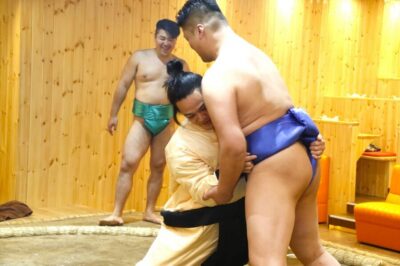
- Ring participation is part of the fun, and the mawashi feels less intimidating than it looks
- Chanko-style eating is built into the experience when your meal option is included
- Small-group energy, with the room able to handle up to about 20 people in the space
Morning practice or an evening show. Both reviewed
- Tokyo: Sumo Show and Dining Experience
★ 4.8 · 2,742 reviews - the SUMO show
★ 5.0 · 1,960 reviews - Tokyo Shinjuku Sumo Show & Experience with Photo
★ 5.0 · 1,750 reviews - Tokyo: Sumo Show and Experience in Shinjuku
★ 4.8 · 1,001 reviews
Tokyo Sumo Room, Kiyosumi-Shirakawa: what makes it special
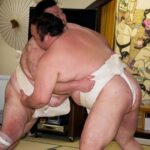
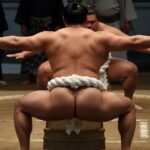
If you think you already know sumo from TV, this is the kind of place that corrects that fast. At Tokyo Sumo Room, sumo is loud, physical, and oddly funny. You are close enough to notice footwork, posture, and the way wrestlers size each other up before a bout.
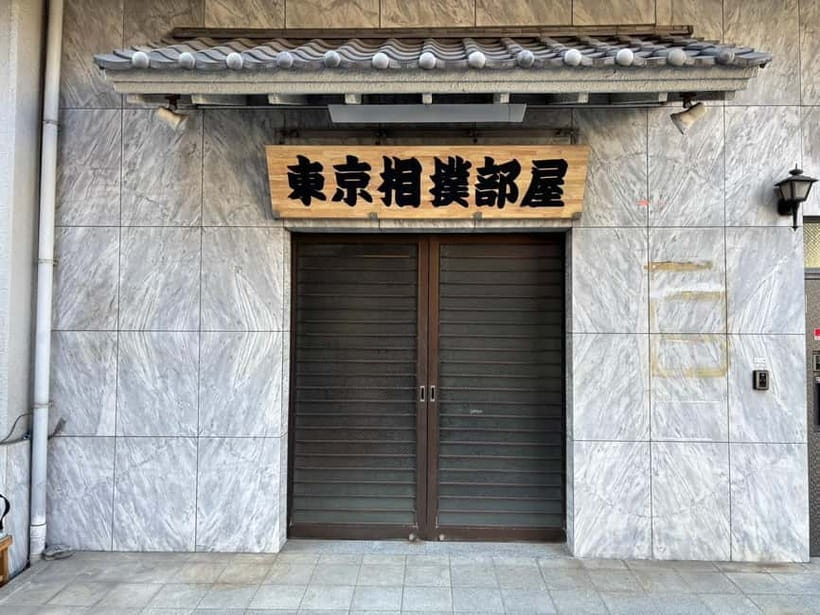
What sets this apart is the people behind the experience. This isn’t a faceless performance company. The show is operated by retired top-division wrestler Tokitsumi, and that comes through in the tone. The explanations have context, the traditions are treated seriously, and the wrestlers are clearly comfortable talking to a mixed crowd.
It also helps that the format is built around your attention span. In many Tokyo activities, you watch, then you leave. Here, you watch, you learn the basic story of sumo, and then you get a chance to try it. That hands-on moment is what turns it from a nice evening into a memory you’ll keep replaying later.
The 90-minute flow: from history talk to ring time
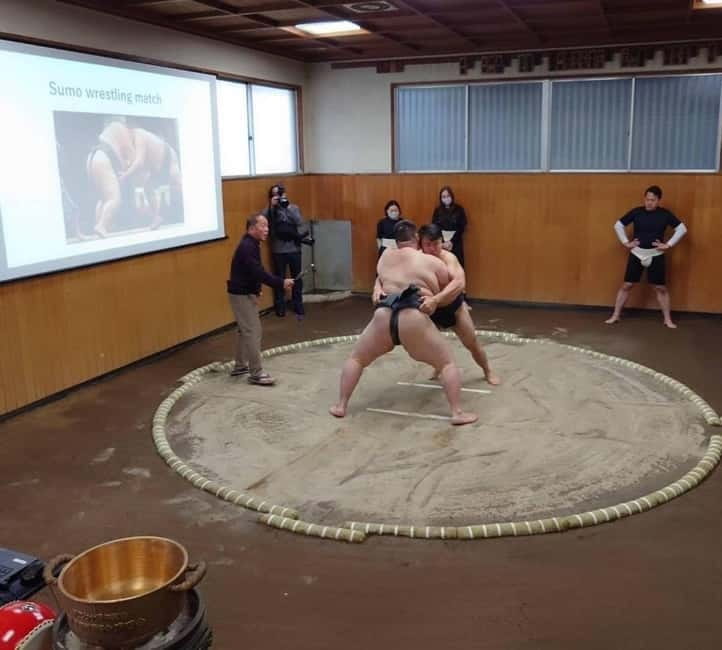
Plan for an experience that moves at a steady clip for about 90 minutes to 2 hours. The evening typically starts with an introduction in English, covering the history and traditions of sumo and the rules in a way that doesn’t assume prior fandom. It’s not just facts. It’s the how and why behind the ceremony and the match rhythm.
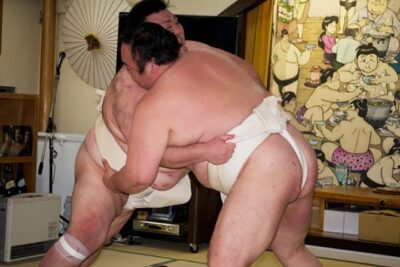
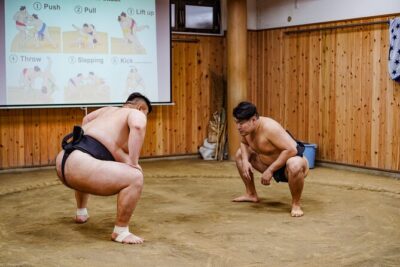
Then the sumo show kicks in with performances meant to be seen up close. You’ll watch professional skill demonstrated, including the intensity of each match moment. Since this is a dojo-style setting, the energy feels more like being at practice and less like watching a distant stage act.
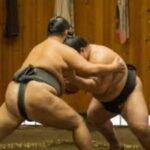
Next comes the part most people remember: the chance to participate. You may join in in the ring for practice-style action and short competitions with the wrestlers. People who wore mawashi reported it wasn’t as uncomfortable as they expected, which matters if you are a little nervous about clothing that looks serious and tight.
The experience has room for questions, too. The hosts and wrestlers interact with the group, often keeping it light and playful while still pointing out what you should notice.
Sumo history and tradition, explained for real life
Sumo tradition can sound intimidating when you first hear the vocabulary. Here, the history and rules are explained in plain, practical terms, so you can follow what you are watching. You’ll get the basics of why sumo has ceremonies, what the key match moments mean, and how power and balance work together.
What I like about this approach is that it makes the sport make sense quickly. Once you understand the intent behind the rituals, even a short show feels more meaningful. You stop thinking only about who looks strongest and start seeing technique choices, stance, and timing.
You also learn that sumo is training culture, not just a spectacle. Some optional add-ons go further into sumo training experiences guided by rikishi (sumo wrestlers). Even if you skip the extra training, the baseline introduction makes the whole night feel grounded instead of random.
- Mt Fuji and Hakone 1-Day Bus Tour Return by Bullet Train★ 5.0 · 26,383 reviews
- 1-Day Tokyo Bus Tour★ 5.0 · 14,250 reviews
- Tokyo: teamLab Planets TOKYO Digital Art Museum Entry Ticket★ 4.6 · 9,779 reviews
- Mt Fuji & Hakone Cruise, Drum Show Bullet Train 1 Day from Tokyo★ 4.0 · 7,413 reviews
- Tokyo: Shinjuku Food Tour (13 Dishes at 4 Local Eateries)★ 5.0 · 6,603 reviews
Chanko-style dining: when your meal is actually included
Food is part of the concept here, not a separate add-on. Sumo wrestlers traditionally eat chankonabe, a hearty hot pot that supports training. The dining section is built to complement what you just learned and watched, which makes the meal feel like part of the show.
Here’s the key detail you need for planning: Japanese cuisine is included only if you select the meal option for the 11:00 AM show and the 7:00 PM show. For the 3:00 PM show, there is no meal plan, so you should not expect food to be included with that time slot.
In the included-meal experiences, the menu focuses on seasonal ingredients and dishes inspired by chanko traditions. People also mention that portions can be generous, with extra helpings available if you want them. If you are traveling with a group, this can make the pacing easier too, since you’re not squeezing dinner into a crowded Tokyo schedule afterward.
Vegetarian options are available upon request and can also be modified on the day of your visit. If food restrictions matter to you, it’s smart to communicate them in advance so the kitchen can plan.
Participation: how to decide if you should step into the ring
The best part of Tokyo Sumo Room is also the part that requires a decision from you. Many people come for the show, but they stay for the chance to try sumo basics in front of the wrestlers. If you are curious and okay with a little physical effort, this is where the value really clicks.
You don’t need to be athletic. The activities are short and guided by the wrestlers, and the tone tends to be friendly. Several people note that the wrestlers make it feel approachable, and the event is built to be fun rather than humiliating.
Still, if you prefer to observe from the sidelines and you’re not interested in dressing up for a ring round, you should think carefully. Even in a friendly format, the atmosphere can pull you into participation, and you may feel pressure just from the crowd energy.
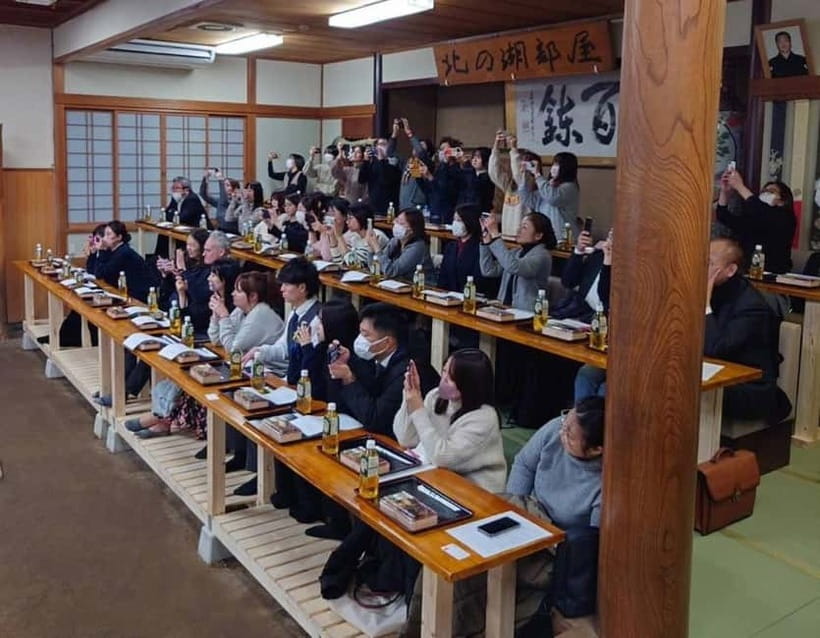
If you do participate, wear comfortable shoes. You’ll want stable footing, and you’ll be happier if your feet are relaxed. Also, keep your camera ready if you like action shots, since the experience is very photo-friendly.
Price and value at $79 per person
At $79 per person for a 90-minute to 2-hour experience, this isn’t the cheapest thing in Tokyo. But it can be strong value because you are paying for a rare combination: an English explanation, sumo performances close up, and (for certain time slots) a meal tied to sumo tradition.
The math gets better if you would otherwise spend separate money on a “cultural show” plus dinner somewhere nearby. Here, the food theme and the sport theme overlap. That overlap is why the price feels reasonable for many people.
Also, the fact that the show is operated by a former top-division wrestler changes the vibe. You’re not just buying a ticket. You’re spending time with people who live the culture, even if they are now retired.
One more value note: the room is small, so you get proximity. In Tokyo, proximity can be expensive. Here, the format gives you closeness without a big, luxury price tag.
Getting there and fitting it into your Tokyo day
Tokyo Sumo Room is located in Kiyosumi-Shirakawa, and it’s described as easy to reach by public transport. Transportation is not included, so plan your route like you would for any Tokyo event, with extra time for trains and walking.
The time slots matter for your day plan, especially around food. If you want dinner as part of the experience, pick the 11:00 AM or 7:00 PM show with the meal option. If you pick 3:00 PM, treat it as a performance-only slot and plan your meal separately.
This works well as either:
- a first-day “wake up your trip” culture activity, or
- a last-day activity that feels memorable and different from shopping or museums.
Small practical tips that make the experience smoother
This event rewards you for being comfortable and prepared. Bring comfortable shoes and bring a camera if you like to capture action.
Smoking is not allowed indoors, so plan for that if you need breaks. You’ll also want to avoid getting caught off guard by clothing. If you participate, you may wear mawashi, and people report it is not as uncomfortable as it looks once you’re in the moment. Still, the safer move is wearing clothing you can move in and accepting that you may sweat a little.
If you are traveling with a camera-hungry crew, plan to use burst mode. The action happens fast, and ring rounds are the kind of thing you’ll want to replay later.
Should you book Tokyo Sumo Room?
I think you should book if you want sumo that feels human, close, and understandable. This is great for first-timers because the rules and traditions are explained in English. It’s also great for families and groups because the atmosphere is interactive and fun, not stiff.
Book with extra care if food timing is critical for you. The meal is only included with the meal option for the 11:00 AM and 7:00 PM shows, and there is no meal plan for the 3:00 PM show. Once you match the time slot to your appetite plan, the rest tends to fall into place.
If you’re the type who likes hands-on culture over passive sightseeing, this is the kind of activity that can become your favorite story from Tokyo.
FAQ
Where is Tokyo Sumo Room located?
Tokyo Sumo Room is located in Kiyosumi-Shirakawa, Tokyo (Honshu, Japan), and it is described as easily accessible by public transport.
How long does the experience take?
The duration is about 90 minutes to 2 hours, depending on the starting time.
What is included with the 11:00 AM and 7:00 PM shows?
When you select the meal option included during the 11:00 AM show and the 7:00 PM show, the experience includes the sumo performances plus Japanese cuisine.
Is Japanese cuisine included for the 3:00 PM show?
No. There is no meal plan available for the 3:00 PM show.
What language is used for instruction?
The instructor is in English.
Is the venue wheelchair accessible?
Yes, the venue is wheelchair accessible.
Are vegetarian options available?
Yes. Vegetarian options are available upon request and can also be modified on the day of your visit.
What should I bring?
Bring comfortable shoes and a camera.
Is smoking allowed?
Smoking is not allowed indoors.
Can I cancel for a full refund?
Yes. Free cancellation is available up to 24 hours in advance for a full refund.
Practice Rooms and Show Nights
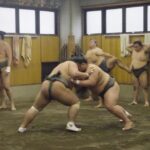
Newest Tokyo write-ups from the Loving Japan desk

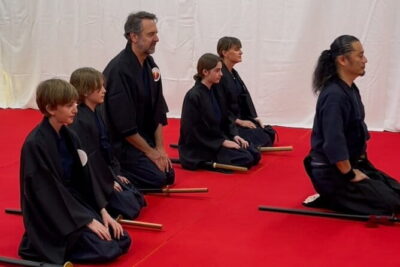
Sumo Wrestling Experiences, side by side.
 ★ 4.8Sumo Show Experience with Chicken Hot Pot and a PhotoFrom $1036,678 reviews
 ★ 5.0the SUMO showFrom $891,960 reviews
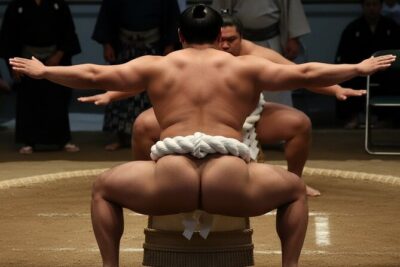 ★ 5.0Tokyo Shinjuku Sumo Show & Experience with PhotoFrom $791,750 reviews
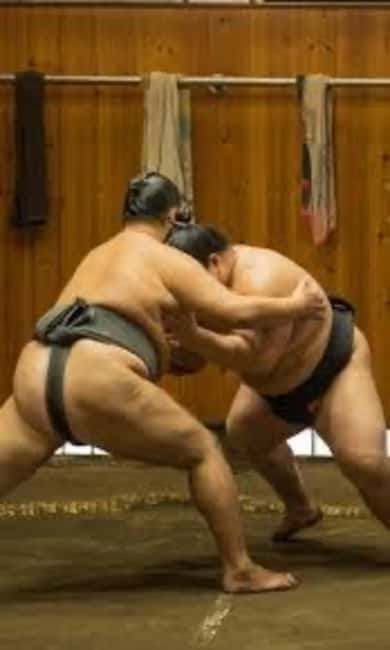 ★ 4.8Sumo Show and Experience in ShinjukuFrom $691,001 reviews
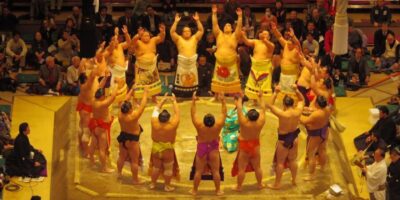 ★ 4.6Sumo Tournament Tour with Chair Seat TicketsFrom $141753 reviews
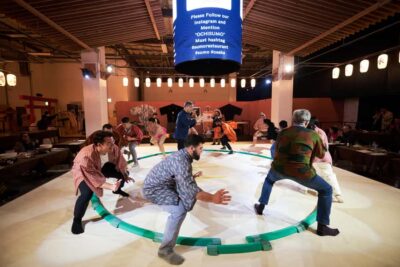 ★ 4.5Sumo Show & Experience w/ Optional Kimono & Hot PotFrom $77609 reviews
 ★ 5.0Authentic Sumo Experience in Tokyo: Enter the SanctuaryFrom $171603 reviews
 ★ 4.7Luxury Sumo Show Experience & Japanese cuisine & DrinkFrom $103577 reviews
Filed on these lists too