
REVIEW · SUMO WRESTLING EXPERIENCES
the SUMO show
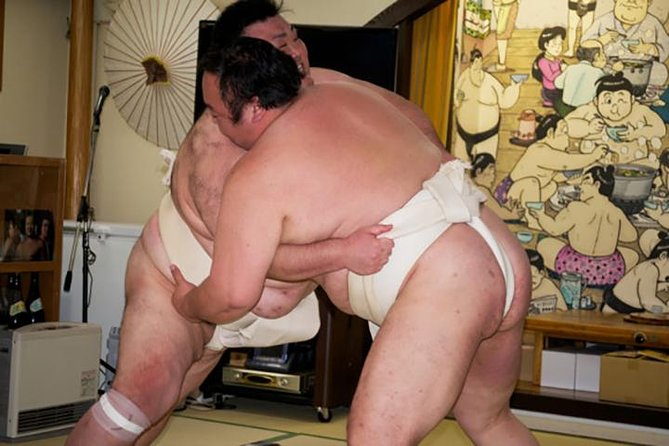
Sumo looks slow until you see it up close. This Tokyo experience puts you near the action with retired wrestlers, a hands-on bout, and a sumo-style lunch that actually hits the spot.
I especially like that it’s not just a performance. You get a quick, friendly rundown of sumo history, rules, and training rituals, then you can try the moves yourself. And the meal is built into the event, with tonkatsu and chanko soup served right after the show.
One thing to plan for: you’ll follow the staff’s instructions, and if you cause trouble you can be asked to leave (no refunds). Also, you might be sharing a table with another group to keep the room running smoothly.
In This Review
- Key Points If You Want the Quick Pitch
- Why This Sumo Experience Feels More Like Sport Than Theatre
- Meeting at Yokozuna Tonkatsu, Then Into the Sumo Schedule
- The Sumo Lesson: Rules, Rituals, and Moves You Can Actually Try
- Friendly Challenges With Retired Wrestlers on the Spot
- Traditional Costume Photos: A Simple Souvenir That Feels Personal
- Tonkatsu and Chanko Nabe: The Included Lunch That Changes the Score
- Where You Sit Matters: Viewing the Dohyo With 60 People Max
- Price and Value: Does $89.54 Really Add Up?
- Who This Sumo Show Is Best For
- Tips to Make the Most of Your 90 Minutes
- Should You Book This Sumo Show in Tokyo?
- FAQ
- How long is the SUMO show experience?
- What is included in the $89.54 price?
- Are drinks included?
- Where do I meet, and when does it start?
- Can I request a vegetarian or special diet option?
- What is the cancellation policy?
Key Points If You Want the Quick Pitch
- Retired wrestlers lead everything, so you get the real rhythm of the sport, not generic facts
- Interactive participation includes a chance to challenge them in a friendly bout
- Tonkatsu plus chanko soup is included, and dietary requests can be handled if you note them early
- Photo time in traditional sumo costume makes this a memorable Tokyo souvenir beyond the video clips
- Small-format viewing depends on your seat, so you may need to stand for a clear ring view
- Drinks are not included, so budget a little extra if you want anything beyond the meal
Morning practice or an evening show. Both reviewed
- Tokyo: Sumo Show and Dining Experience
★ 4.8 · 2,742 reviews - the SUMO show
★ 5.0 · 1,960 reviews - Tokyo Shinjuku Sumo Show & Experience with Photo
★ 5.0 · 1,750 reviews - Tokyo: Sumo Show and Experience in Shinjuku
★ 4.8 · 1,001 reviews
Why This Sumo Experience Feels More Like Sport Than Theatre
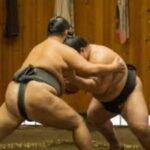
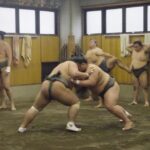
This is a great choice if you want Tokyo culture with muscle behind it. The format is simple: you learn the basics, watch some sparring demonstrations, then you test your own technique in a controlled, friendly challenge with retired wrestlers. It’s fun, but it’s also one of the most practical ways to understand sumo, because you learn while doing.
You also get that rare two-for-one combo in Japan tourism: you get a hands-on cultural lesson and you get a substantial meal made as part of the experience. Most “shows” give you one or the other. Here, you get both.
The energy is light. Even when rules and rituals come up, the goal is to make it easy to understand why sumo looks the way it does.
Meeting at Yokozuna Tonkatsu, Then Into the Sumo Schedule
Your starting point is clearly labeled and easy to target: Yokozuna Tonkatsu / Sumo lunch, 3-chōme-1-11 Tatekawa, Sumida City, Tokyo (near public transportation). The experience starts at 1:00 pm, and it ends back at the meeting point.
Why this matters for you: Tokyo logistics can eat time fast. Because this is scheduled as a tight 1.5-hour block with a start and end in the same place, you can plug it into an afternoon without turning it into a half-day project.
You’ll meet your host and your small group, then you’ll meet the retired wrestlers leading the program. The tour operates with a cap of up to 60 travelers, which helps keep it from feeling like an endless conveyor belt.
The Sumo Lesson: Rules, Rituals, and Moves You Can Actually Try
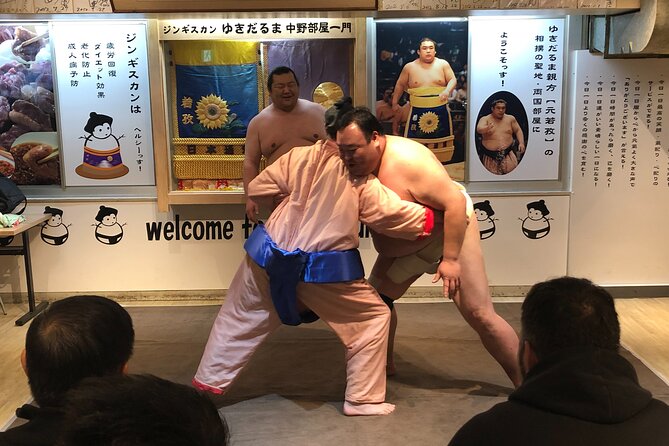
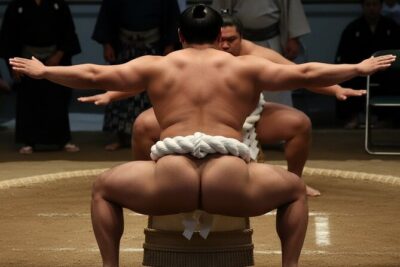
Before the crowd participation ramps up, you’ll get a demonstration of a few sumo moves and techniques. You’ll also learn the history of sumo and its rules, including the kind of “why this matters” context that turns sumo from weird to understandable.
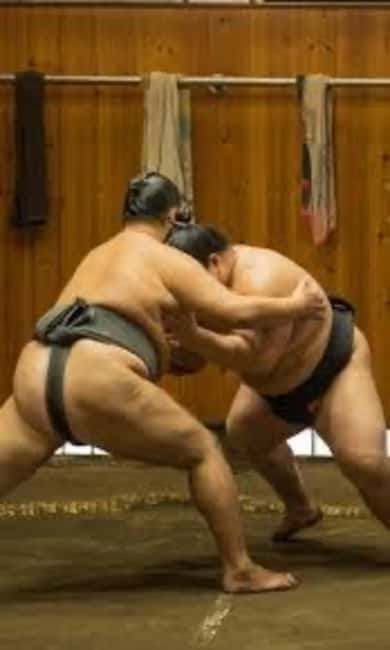
What I like about this approach is that it gives you a mental checklist. Once you know what to watch for, the sparring looks less random. You notice the grips, the footwork, the balance games, and the way wrestlers control space.
This part is also where the event earns its “authentic” feel. Retired wrestlers don’t teach sumo like a textbook. They teach it like lived training, with small practical explanations that help you connect what you see with what you try next.
- Mt Fuji and Hakone 1-Day Bus Tour Return by Bullet Train★ 5.0 · 26,383 reviews
- 1-Day Tokyo Bus Tour★ 5.0 · 14,250 reviews
- Tokyo: teamLab Planets TOKYO Digital Art Museum Entry Ticket★ 4.6 · 9,779 reviews
- Mt Fuji & Hakone Cruise, Drum Show Bullet Train 1 Day from Tokyo★ 4.0 · 7,413 reviews
- Tokyo: Shinjuku Food Tour (13 Dishes at 4 Local Eateries)★ 5.0 · 6,603 reviews
Friendly Challenges With Retired Wrestlers on the Spot
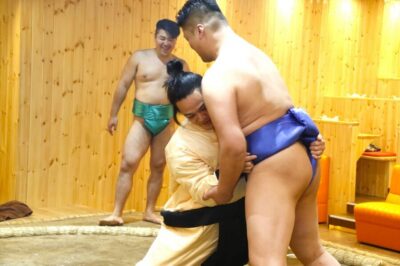
If you’re the type who likes to participate, this is the best part. You may be invited to challenge a wrestler to a bout. It’s friendly and framed as part of the program, so you’re not expected to be a pro. You’re expected to have fun, follow instructions, and take the learning moment seriously.
A few practical notes that help you enjoy this:
- If you want the full value of your ticket, be ready to jump in mentally, not just physically.
- Expect a controlled, staff-guided interaction. You have to follow their instructions, and that’s part of keeping it safe and enjoyable.
- The goal is technique and teamwork with the moment, not brute strength.
I also think this section lands well for families. Many people note that the experience works across ages because it’s interactive without being intimidating.
Traditional Costume Photos: A Simple Souvenir That Feels Personal
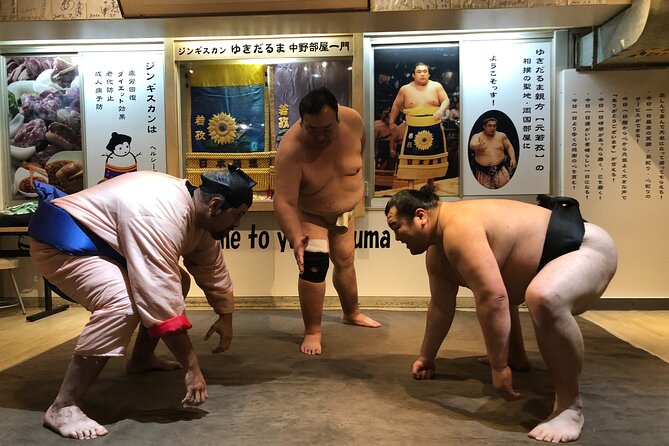
You’ll get time for photos with the wrestlers, and you’ll have the option to wear a traditional sumo costume. This is one of those small added moments that makes the whole day feel “Tokyo real,” not just event real.
Two things make this worthwhile:
- The wrestlers are right there, so your photo looks like a shared moment, not a staged souvenir.
- The costume is part of the culture lesson you just received. It visually reinforces what you learned about sumo’s ceremonial side.
If you care about photos, arrive with your phone charged and your camera settings ready. In a room with sound and motion, you don’t want to spend the good moments fiddling.
Tonkatsu and Chanko Nabe: The Included Lunch That Changes the Score
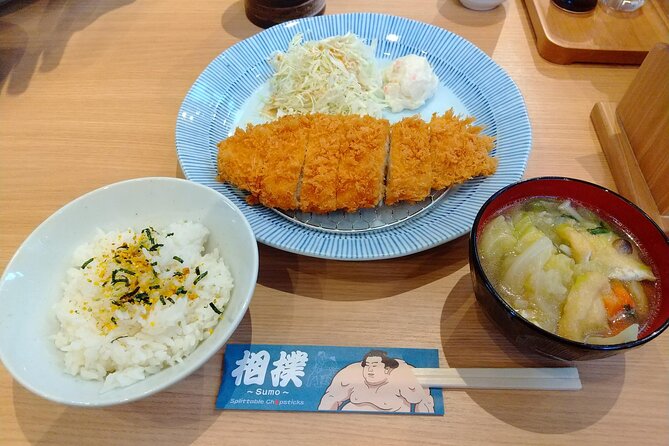
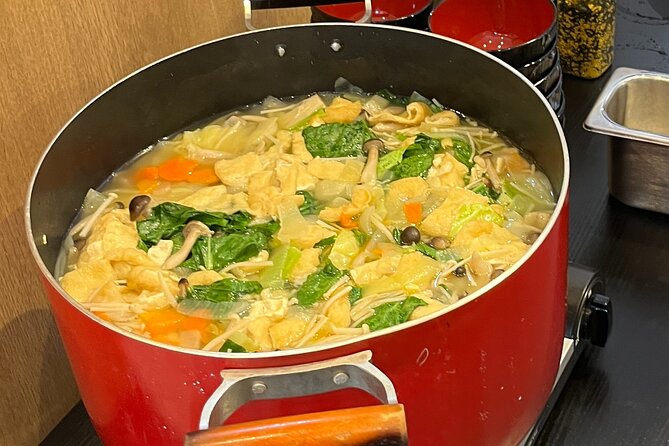
This ticket includes lunch: tonkatsu and chanko soup. That’s a big deal for value, because in Tokyo you can easily spend a similar amount just on a decent meal near major attractions.
What makes the meal part special here is that it’s not outsourced to the side. The food is presented as part of the sumo experience, prepared for you as part of the day’s program. You’re eating “like a sumo,” which is more than a slogan because chanko soup is a training-food staple.
A few details to keep in mind:
- Drinks are not included.
- You can request vegetarian and other dietary accommodations by noting restrictions or allergies when you reserve. If your request comes in less than 5 days before the event, they may not be able to respond.
My practical tip: if soup is your thing, don’t assume it will be the only heavy portion. Some people felt they wanted more soup than what was served, so if chanko is your priority, eat with that mindset and enjoy it for what it is here: an included bowl that anchors the experience.
Where You Sit Matters: Viewing the Dohyo With 60 People Max
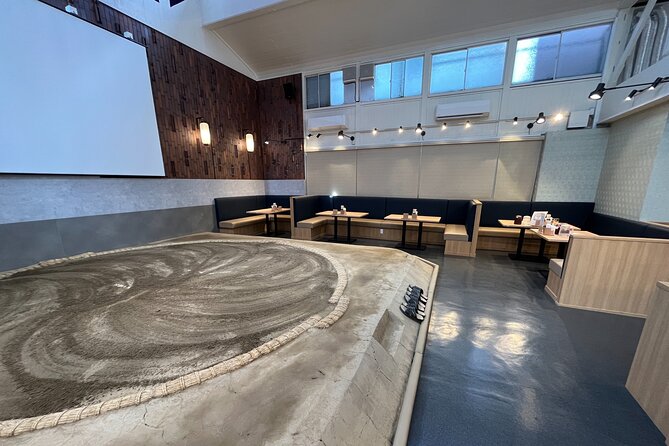
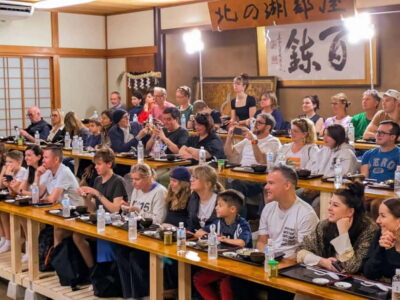
This isn’t a huge stadium setup. Seating varies based on reservation timing, and seating arrangements are decided by the order reservations are received. Arriving early won’t guarantee a better view.
Also, you may be asked to share a table with another group. That’s not a deal-breaker, but it’s good to know so you don’t expect a private meal space.
Here’s the most useful guidance I can give: if you care about seeing the ring clearly, be prepared to stand during the show segments. Some tables can be farther from the dohyo, and standing helps you avoid craning your neck the entire time.
Price and Value: Does $89.54 Really Add Up?
At $89.54 per person, this isn’t the cheapest thing you can do in Tokyo. But it’s also not priced like a “pure show” ticket. You’re paying for three real components:
- Instruction and interaction led by retired wrestlers
- A live sparring demonstration with audience participation
- Included lunch: tonkatsu and chanko soup
Add it up and the price makes more sense, especially if you would otherwise pay for a meal plus a paid activity. The value also increases if you plan to participate. When you’re just watching, it’s still fun. When you participate, it becomes one of the more memorable “hands-on Tokyo” moments.
One more value angle: drinks are not included. So if you typically like to have beer, tea, or soda with meals, consider setting aside extra money so you’re not surprised at the end.
Who This Sumo Show Is Best For
This fits best if you want an energetic, family-friendly introduction to sumo without needing deep prior knowledge.
You’ll likely love it if:
- You want an authentic cultural activity that’s interactive
- You like eating as part of your travel days, not in spite of them
- You’re traveling with kids or teens who need a reason to stay engaged
- You’re curious about sumo and want an overview that turns into real understanding
You might skip it if you want a long, serious training-style workshop or a very quiet, museum-like experience. The program is designed as a tight 1.5-hour sumo snapshot with participation, not a multi-hour deep technical seminar.
Tips to Make the Most of Your 90 Minutes
Here are the small things that help you enjoy the event more, based on what people consistently point out about the flow.
- Decide in advance if you want to participate. If you do, put yourself in a mindset where you’ll take direction and try a few basic moves even if you feel awkward.
- Focus on the rules you actually use. The event explains them in practical terms, so pay attention to the moments that connect to what you’ll do.
- Keep your phone ready for costume photos, but don’t block others when sparring is happening.
- If you’re sensitive to sound, know that there may be video segments. You might find it easier to listen when the host is speaking and not fight to hear a soundtrack through the room.
Most of all, show up with a good attitude. This kind of experience works best when you treat it like a friendly challenge, not a performance you have to “get right.”
Should You Book This Sumo Show in Tokyo?
If you want one activity in Tokyo that mixes hands-on culture, real people (retired wrestlers), and a filling included lunch, I think this is a strong pick. It’s short enough to fit an afternoon, structured enough that you won’t feel lost, and interactive enough to create a story you’ll remember.
Book it especially if:
- You’re traveling with family or mixed-age group
- You care about trying sumo, not just watching it
- You like experiences where your ticket includes food
Skip it if:
- You only want passive sightseeing
- You’re expecting a long, serious training session
- You don’t want to deal with shared tables and variable seating distance
For most first-timers, this is one of the easiest ways to understand why sumo is both sport and ceremony, with the bonus that you end the experience fed.
FAQ
How long is the SUMO show experience?
It lasts about 1 hour 30 minutes.
What is included in the $89.54 price?
You meet and learn from retired sumo wrestlers, and lunch is included (tonkatsu and chanko soup).
Are drinks included?
No. Drinks are not included.
Where do I meet, and when does it start?
Meet at Yokozuna Tonkatsu / Sumo lunch, 3-chōme-1-11 Tatekawa, Sumida City, Tokyo 130-0023, Japan. The start time is 1:00 pm, and the activity ends back at the meeting point.
Can I request a vegetarian or special diet option?
Yes. You should indicate dietary restrictions or allergies in the special notes when you book. Requests received less than 5 days before the event date may not be responded to.
What is the cancellation policy?
You can cancel for a full refund up to 24 hours before the experience start time. If you cancel less than 24 hours before, the amount paid is not refunded.
Practice Rooms and Show Nights
Newest Tokyo write-ups from the Loving Japan desk

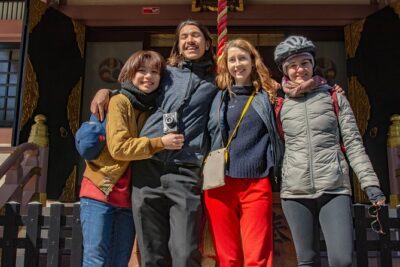
Sumo Wrestling Experiences, side by side.
 ★ 4.8Sumo Show Experience with Chicken Hot Pot and a PhotoFrom $1036,678 reviews
 ★ 4.8Sumo Show and Dining ExperienceFrom $792,742 reviews
 ★ 5.0Tokyo Shinjuku Sumo Show & Experience with PhotoFrom $791,750 reviews
 ★ 4.8Sumo Show and Experience in ShinjukuFrom $691,001 reviews
 ★ 4.6Sumo Tournament Tour with Chair Seat TicketsFrom $141753 reviews
 ★ 4.5Sumo Show & Experience w/ Optional Kimono & Hot PotFrom $77609 reviews
 ★ 5.0Authentic Sumo Experience in Tokyo: Enter the SanctuaryFrom $171603 reviews
 ★ 4.7Luxury Sumo Show Experience & Japanese cuisine & DrinkFrom $103577 reviews
Filed on these lists too