
REVIEW · SHIBUYA, SHINJUKU AND HARAJUKU WALKS
Tokyo: Sumo Show and Experience in Shinjuku
Sumo in Shinjuku beats any screen show. I love the live sparring matches because you see real force, not just staged moves, and I also like how the English-speaking MC turns the rituals into something you can actually follow.
You’ll also get the rare thrill of step into the ring to challenge a wrestler in a traditional outfit, which makes this feel personal instead of like another theater stop. One consideration: it is not a tournament, and the show runs on a tight schedule, so arriving late can be a problem.
In This Review
- Key things you will remember
- Why This Shinjuku Sumo Show Works So Well
- Getting There: Sekisaku Building, Second Floor
- Welcome Drink and the Show Starts Fast
- The English MC: How Rituals Become Easy to Follow
- Live Sparring Matches: What You Actually Watch
- Step Into the Dohyo: Suit Up and Challenge a Rikishi
- Audience Interaction and Photos: A Rare, Personal Feel
- Price and Value: Is $69 Worth It
- Timing Tips That Make the Experience Smoother
- Who Should Book This Sumo Experience
- Should You Book the Shinjuku Sumo Show and Experience?
- FAQ
- Is this activity a sumo tournament?
- How long is the Sumo Show and Experience in Shinjuku?
- Where is the meeting point in Shinjuku?
- What language is the tour guide?
- What is included in the price?
- Is food included?
- Is there a cancellation policy?
- Can I reserve and pay later?
Key things you will remember
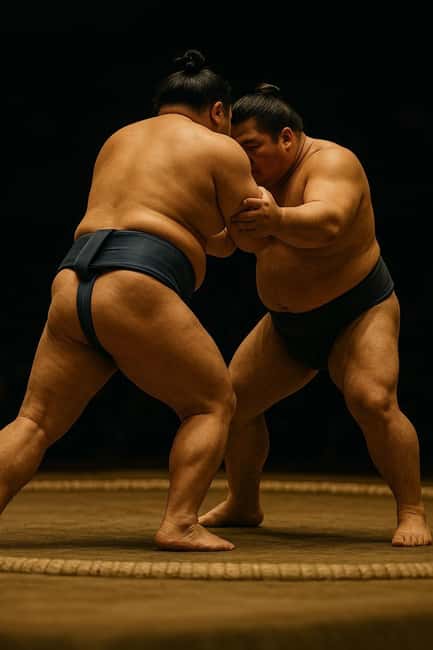
- Front row feel for pro action, including live sparring that shows the techniques in motion
- An English-speaking MC who explains the why behind the rituals and rules
- Shiko and salt-throwing moments that make sumo feel dramatic and purposeful
- Dohyo time, where you wear a traditional outfit and challenge a rikishi
- Shinjuku location, so it fits easily into a full Tokyo day
- Friendly, crowd-involving energy, with staff and wrestlers engaging after the main demonstrations
Other routes through the west side of Tokyo, compared
- Tokyo: Shinjuku Food Tour (13 Dishes at 4 Local Eateries)
★ 5.0 · 6,603 reviews - Tokyo Bar Hopping Tour in Shinjuku (All-You-Can-Drink + Dinner)
★ 5.0 · 3,587 reviews - Official Street Go-Kart in Shibuya
★ 5.0 · 3,435 reviews - Tokyo: Shinjuku Food Tour (15 Dishes and 4 Eateries)
★ 4.9 · 2,033 reviews
Why This Shinjuku Sumo Show Works So Well
Tokyo can make you feel like every experience is competing for your attention. This one has a simple advantage: it is in Shinjuku, and the format is made for first-timers. In about 90 minutes, you go from understanding the basics to watching real pro sparring, and then you step into the ring yourself.
The biggest reason I think it lands so well is how clearly it connects sumo’s pageantry to practical action. You do not just see wrestlers doing impressive motions. You learn what those motions mean, so the ring stops feeling mysterious and starts feeling strategic. The tone also helps. The show is guided by an English MC, and multiple hosts have been praised for keeping explanations clear, funny, and interactive, including people like Dai and Paula.
Second, it is not only entertainment. It is also a fast cultural lesson with a personal payoff. The chance to wear a sumo outfit and challenge a wrestler gives you a memory that feels different from watching a performance from a distance.
The tradeoff is that you should not expect a full tournament. This is a show built around demonstrations and live sparring, plus audience participation. If you are hunting for the same intensity as a grand tournament, you may find this lighter than what the biggest fans want. If you are a visitor who wants the best introduction and a hands-on moment, it fits perfectly.
Getting There: Sekisaku Building, Second Floor
Your starting point matters because this event has to flow on time. You meet at the second floor of Sekisaku Building in Shinjuku.
There is also a practical entry detail that can save you stress. Entry is only permitted through the front of the building, facing the main door next to Daiso. The event follows a schedule, so late entry may not be accepted by the front desk. If you plan to grab a snack first or take an extra loop through Shinjuku station, build in buffer time.
What this means for you: treat it like an appointment, not a flexible stop. If you arrive early, you will feel calmer as the show starts, and you will not be trying to find the exact entrance while the group is moving inside.
Welcome Drink and the Show Starts Fast
Right away, you get oriented and pulled into the experience. A welcome drink (bottled water) is included, and the show moves at a steady pace so you do not feel like you are waiting in limbo.
This initial stage is more important than it sounds. It sets the tone for what you will do later when you suit up and step into the ring. You learn the basics while the group settles, then the show transitions into the ring actions.
If you are coming straight from walking Shinjuku all day, this is a good thing. Several reviews point out how quickly people felt engaged, even when they arrived tired. The MC style seems built to bring you up to speed fast.
Morning practice or an evening show. Both reviewed
- Tokyo: Sumo Show and Dining Experience★ 4.8 · 2,742 reviews
- the SUMO show★ 5.0 · 1,960 reviews
- Tokyo: Sumo Show and Experience in Shinjuku★ 4.8 · 1,001 reviews
- Tokyo:Luxury Sumo Show Experience & Japanese cuisine & Drink★ 4.7 · 577 reviews
- Tokyo: Sumo Morning Practice Viewing Tour★ 4.8 · 570 reviews
The English MC: How Rituals Become Easy to Follow
This is where the experience earns its high rating. The MC does not just narrate. They explain.
You can expect an English guide who walks you through the rituals and techniques of sumo in a way that makes sense for visitors. That includes the meaning behind key moments like shiko (the stomping) and the dramatic salt throwing. When you understand what these actions are signaling, you start noticing the details that make sumo different from other combat sports.
The best praise also comes from the human side. Hosts have been called engaging and funny, with names like Paula and Ari showing up in feedback. People also liked how the MCs encourage questions and crowd involvement, so the show feels like a conversation rather than a lecture.
For you, the practical win is simple: if you have never watched sumo before, you will not be lost. You will recognize what is happening, why it is happening, and what counts in the moments that decide the outcome.
Live Sparring Matches: What You Actually Watch
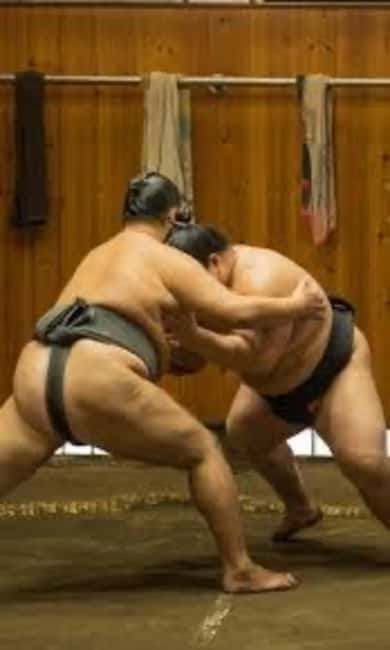
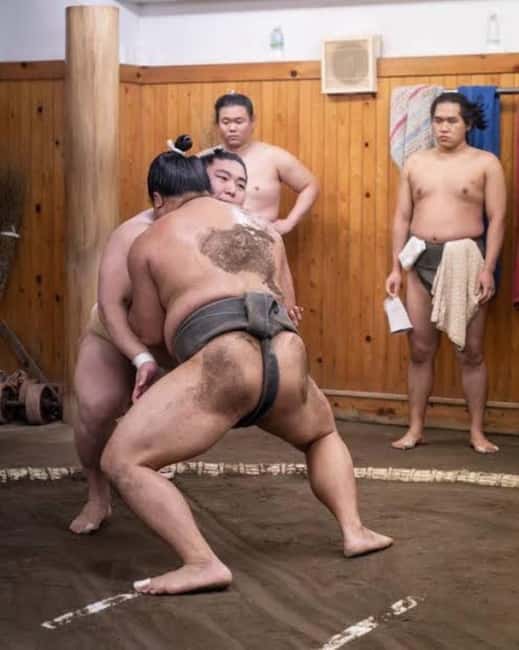
After the explanations and demos, you get to see professional sumo wrestling matches with live sparring. This is the part that turns the lesson into something you feel.
Sparring matters because it shows techniques without the full pressure of a tournament bracket. You still see real footwork, grips, balance fights, and the explosive moments where strategy changes in seconds. It also helps you understand why sumo is so much more than size. The wrestlers are training timing, angles, and leverage.
One thing to keep in mind: since this is not a tournament, the rules and intensity are presented for learning and showmanship rather than for a championship outcome. You might find that fans of big tournament stakes want more stakes. But if your goal is to see sumo up close and understand the craft, this structure is a smart way to do it.
Step Into the Dohyo: Suit Up and Challenge a Rikishi
This is the signature moment, and it is also the reason I call the show a better value than a typical museum-style cultural talk.
You get the chance to wear a traditional sumo outfit and then step into the ring to challenge a wrestler. It is not about winning. It is about feeling the space, the form, and the difference between what looks easy from the stands and what becomes real when you stand on the dohyo.
In reviews, people consistently talk about two things here:
1) It is fun, often hilarious, and very memorable
2) The wrestlers are good sports about it, which keeps the vibe welcoming instead of intimidating
If you are traveling with kids, this part is a huge hit. Feedback mentions that families love getting the child-sized dream moment, and adults love it too because it turns sumo from a distant tradition into something personal.
A quick note on expectations: you should assume it will be short and guided. You are being introduced to a performance area, not running your own match card. Think of it like a controlled, respectful interaction that leaves you with a real story.
Audience Interaction and Photos: A Rare, Personal Feel
This show is built around participation. The MC keeps the audience moving, and the wrestlers interact in a way that feels friendly rather than distant.
Multiple reviews highlight that the atmosphere becomes lively, with audience involvement that keeps people from tuning out. Some people even mention a photo opportunity with the wrestlers. That kind of moment matters, because it gives you closure to the experience and makes it feel like you actually connected with the people behind the sport.
The tone seems intentional. Sumo has tradition, yes. But it also has discipline, humor, and a strong sense of showmanship. When you put those together with English explanations, you get an event that works for first-timers and families.
Price and Value: Is $69 Worth It
At $69 per person for 90 minutes, you are paying for two big things: access to pro wrestlers and a hands-on ring moment.
A standard city attraction often gives you one or the other. You either watch, or you participate, but you usually do not get both with professional performers in a short time window. Here, you watch live sparring, you get ritual education, and you get the chance to challenge in a ring. That combination is what you are really paying for.
Also, this price usually feels more reasonable when you compare it to longer guided entertainment options that do not include a genuine participation element. And for families, it can be a practical way to spend a half-morning or early evening without hunting down multiple activities.
Two value checks for you:
- Food is not included, so plan a meal separately. If you get hungry, bring your own snack strategy.
- It is not a tournament, so if you are chasing the exact feel of major competition, you may still want to plan a tournament viewing separately when your dates match.
Timing Tips That Make the Experience Smoother
This event runs on a schedule and late entry may be rejected. That means timing is not just a courtesy, it affects whether you fully get in.
Here are simple ways to protect your plans:
- Arrive early enough to handle locating the second floor and the specific entrance route near Daiso
- If you are doing other Shinjuku plans, keep them flexible around the show start time
- Wear comfortable shoes, because you will likely move around during explanations and setup for the ring interaction
Also, remember the total time is 90 minutes. You do not have long gaps to recover if you arrive rushed. This is a good stop to schedule earlier in the day, or at a time when you are not running on empty.
Who Should Book This Sumo Experience
This is one of those activities that fits a surprising range of travelers.
You should consider it if:
- You are a first-time sumo viewer who wants the essentials explained in English
- You want more than watching, you want to step into the ring and try the costume
- You are traveling with family and want a shared, kid-friendly activity
- You want an experience that respects tradition while still being easy to understand
You might skip it (or pair it with another sumo plan) if:
- You want tournament-level stakes and bracket intensity
- You prefer events that are longer and purely observational with no participation component
- You are sensitive to schedule-based entry rules and you tend to arrive late
Should You Book the Shinjuku Sumo Show and Experience?
If you want a fast, high-impact sumo introduction in Shinjuku, I think this is an easy yes. The mix of live pro sparring, English explanation, and the chance to challenge a rikishi is a rare combo for visitors, and the show structure keeps most people engaged the whole time.
Book it if you value hands-on fun and clear cultural context. Skip it if you are strictly hunting for tournament competition.
One practical final check: plan your food outside the show since food is not included, and arrive early so you do not get caught by the time schedule.
FAQ
Is this activity a sumo tournament?
No. This is not a tournament. It is a show that includes live sparring and demonstrations, plus audience participation.
How long is the Sumo Show and Experience in Shinjuku?
The duration is 90 minutes.
Where is the meeting point in Shinjuku?
You will meet at the second floor of Sekisaku Building in Shinjuku.
What language is the tour guide?
The event is guided in English by an English-speaking MC.
What is included in the price?
Included items are professional sumo wrestling matches, an English-speaking MC, a welcome drink (bottled water), the opportunity to wear a traditional sumo outfit, and a chance to challenge sumo wrestlers.
Is food included?
No. Food is not included.
Is there a cancellation policy?
Yes. Free cancellation is available if you cancel up to 24 hours in advance for a full refund.
Can I reserve and pay later?
Yes. You can reserve now & pay later, keeping your travel plans flexible.
Practice Rooms and Show Nights
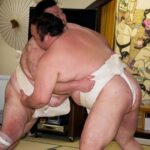
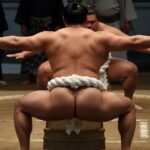

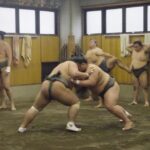
West Tokyo on Foot: Seven More


Newest Tokyo write-ups from the Loving Japan desk


Shibuya, Shinjuku and Harajuku Walks, side by side.
 ★ 5.0Shinjuku Food Tour (13 Dishes at 4 Local Eateries)From $866,603 reviews
 ★ 5.0Tokyo Bar Hopping Tour in Shinjuku (All-You-Can-Drink + Dinner)From $1063,587 reviews
 ★ 5.0Official Street Go-Kart in ShibuyaFrom $763,435 reviews
 ★ 4.9Shinjuku Food Tour (15 Dishes and 4 Eateries)From $852,033 reviews
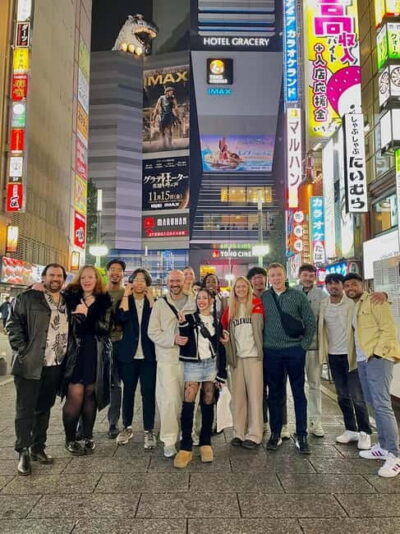 ★ 4.9Shinjuku Local Bar and Izakaya Guided Walking TourFrom $341,794 reviews
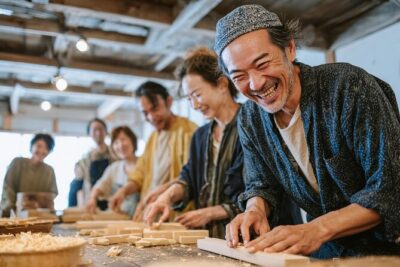 ★ 5.0Tokyo Shinjuku Chopsticks Making ClassFrom $201,763 reviews
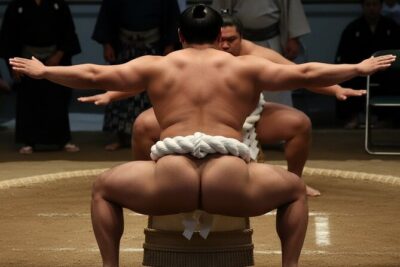 ★ 5.0Tokyo Shinjuku Sumo Show & Experience with PhotoFrom $791,750 reviews
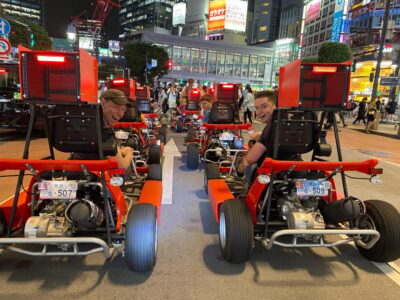 ★ 4.9Street Kart Experience in ShibuyaFrom $741,484 reviews
Filed on these lists too