
REVIEW · SUMO WRESTLING EXPERIENCES
Tokyo: Sumo Show Experience with Chicken Hot Pot and a Photo
Sumo in a ring you can actually see. That is the hook here: a family-friendly Asakusa Sumo Club show staged around a real dohyo inside the restaurant, with hands-on moments and an all-you-can-eat meal. I like that you get both the fun (comedy, audience interaction) and the useful basics (rules, rituals, and what you are watching). Still, one drawback to weigh is that this is entertainment with retired wrestlers, not an up-close look at an active stable.
If you want a Tokyo night that works for kids and adults, this is built for exactly that. I especially like the pacing, you learn a bit, watch the match, then possibly step into the ring yourself, with the food flowing through it. The other practical consideration is that the ring challenge is limited and can involve a lottery, so plan to enjoy it even if you do not get picked.
In This Review
- Key highlights you will feel right away
- Asakusa’s real dohyo setup, and what your seat really controls
- Geisha dance, morning exercises, and how the show teaches sumo fast
- The best-of-three match with retired professionals
- Stepping into the ring: the challenge, the rules, and the lottery
- Chicken hot pot, chanko-nabe, and eating well without slowing the night
- The geisha-photo souvenir moment, framed and ready to remember
- Price and value: why $103 can make sense for a 2-hour night
- Who this show is best for, and who should skip it
- Booking tips for the smoothest evening
- Should you book this Asakusa Sumo Club sumo show?
Key highlights you will feel right away
- Real ring (dohyo) at the center of the room, so even standard seats feel close.
- Bilingual commentary (English and Japanese) that explains what is happening, not just what looks cool.
- Geisha dance at the start, a classic mood-setter before the sumo action begins.
- Hands-on sumo challenge (limited spots), with lottery selection if demand is high.
- All-you-can-eat chicken hot pot (chanko-nabe) plus Japanese dishes, plus one complimentary drink.
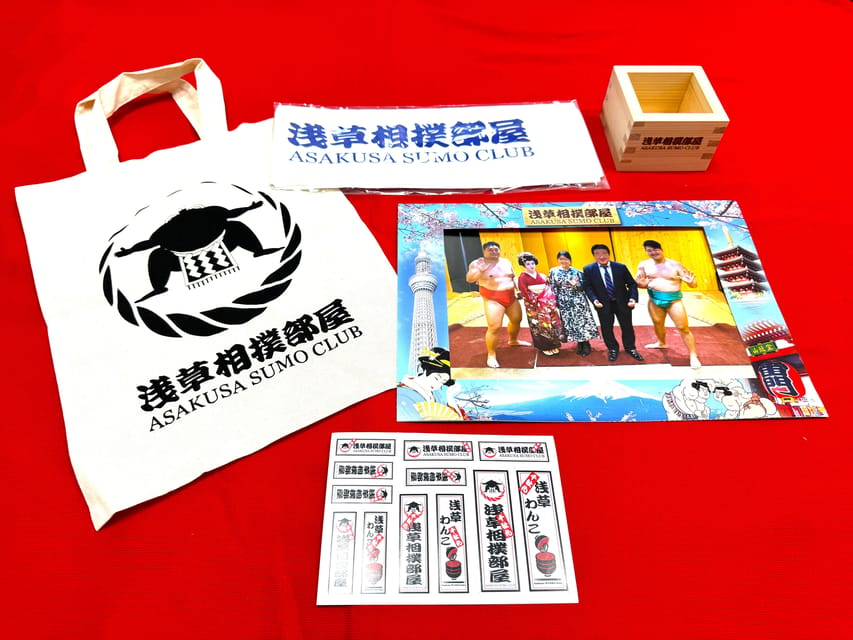
- Framed photo and souvenir set that actually match what you did in the show.
Still weighing up options in Taito City? These are the ones our reviewers rated highest.
- Tokyo Asakusa: Miu Kimono Rental and Optional Photoshoot
★ 4.9 · 54 reviews - Tokyo: Karate Experience with Former All-Japan Champion
★ 4.9 · 46 reviews
Asakusa’s real dohyo setup, and what your seat really controls
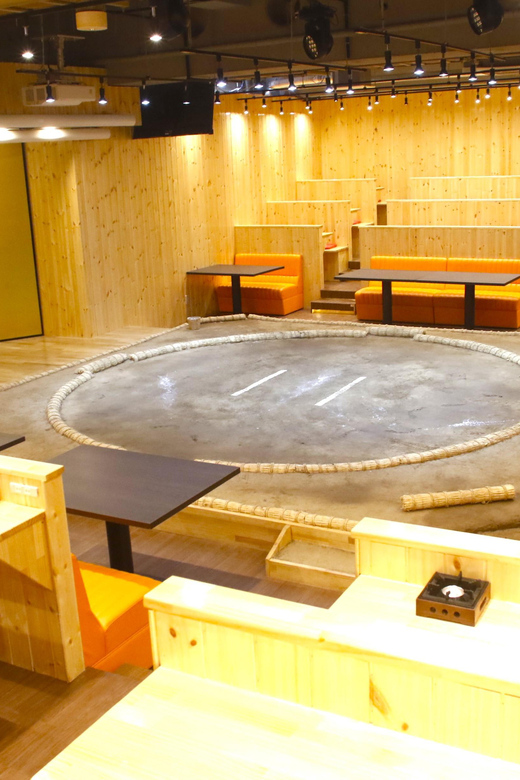
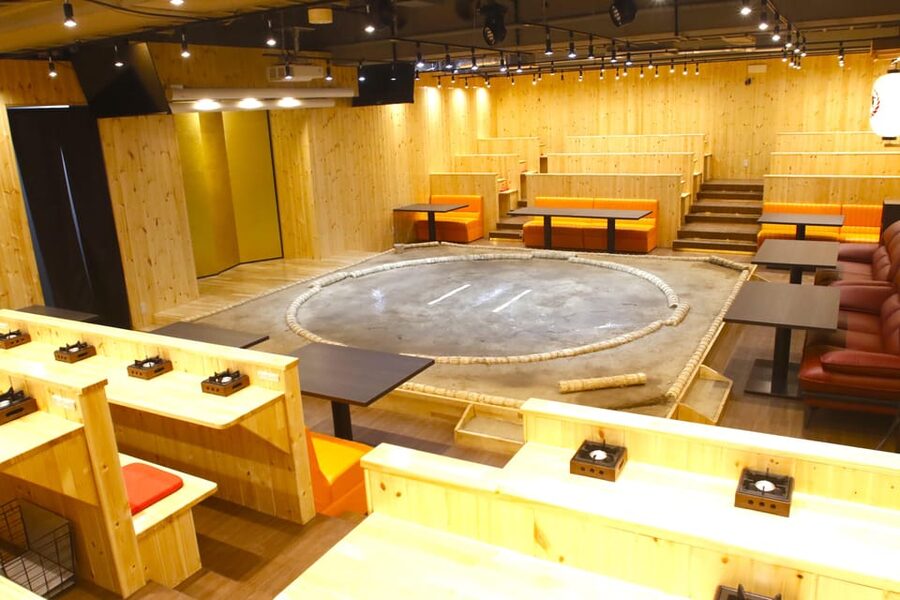
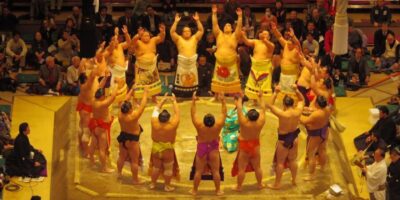
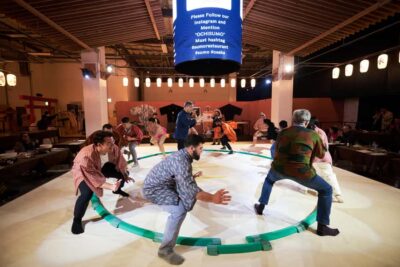
This experience is built around one big advantage: the dohyo sits right in the venue, so you are watching sumo in a space that feels like it was made for sumo. Seats face the action, and the show is designed to be readable, even if you do not know the first thing about sumo.
You get three seating levels: Standard, VIP, and VVIP. In plain terms, better seats mean a clearer view of the ring, and you spend less time craning your neck. If you are hoping to catch details during the match and the techniques lesson, I would upgrade if it fits your budget, because that ring is where the whole show lives.
There is also a small-group feel to the experience, and you may be seated together with other guests. That usually helps the vibe, especially if you are traveling with family or a mixed-age group and you want the room to stay lively.
Geisha dance, morning exercises, and how the show teaches sumo fast
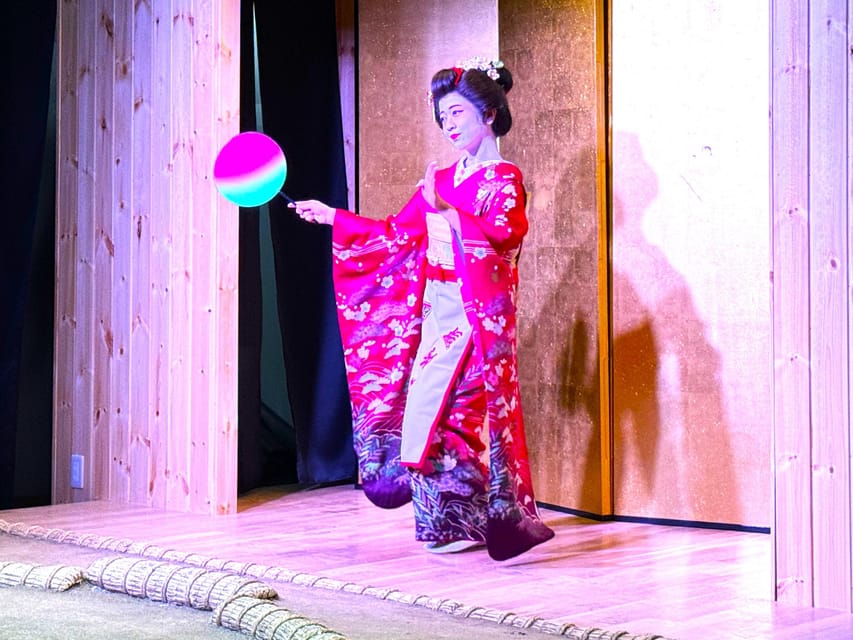
The show begins with a traditional Japanese dance performed by geisha. It is not there as decoration, it sets the tone and reminds you that sumo is part sport, part ritual, part performance.
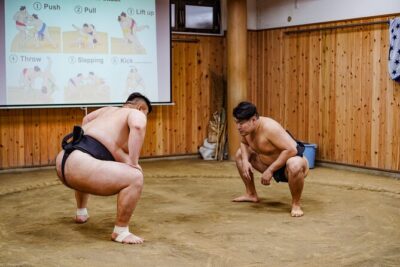
Then the program shifts into the learning mode, with live demonstrations of morning exercises and classic sumo techniques. You learn do’s and don’ts of sumo wrestling in an easy, show-friendly way. The bilingual moderator adds the key layer here, you are not stuck guessing what a gesture or stance means.
One nice detail is that the tone is educational without going heavy. It is family-friendly, and the explanations help you track the match instead of watching it like a random physical comedy routine.
If you are coming from a day of temples and neighborhoods, this acts like a cultural shortcut. You still get the Japanese formality, but packaged in a way that works on a vacation night.
The best-of-three match with retired professionals
After the warm-up explanations, you watch a best-of-three match between retired professional wrestlers. This is the core show segment, and it is designed for entertainment, not for mimicking a real tournament atmosphere.
Because the wrestlers are retired, the vibe tends to be more approachable. Still, you are watching real techniques, real ring behavior, and real strategy under pressure. The show format helps too, you get the context before the match so you know what to look for.
This is also where the pacing matters. The program moves forward with clear segments, so you are not stuck waiting around while the food or the show catches up. That matters when you are traveling with children or anyone who does not love long stretches sitting in one place.
Stepping into the ring: the challenge, the rules, and the lottery
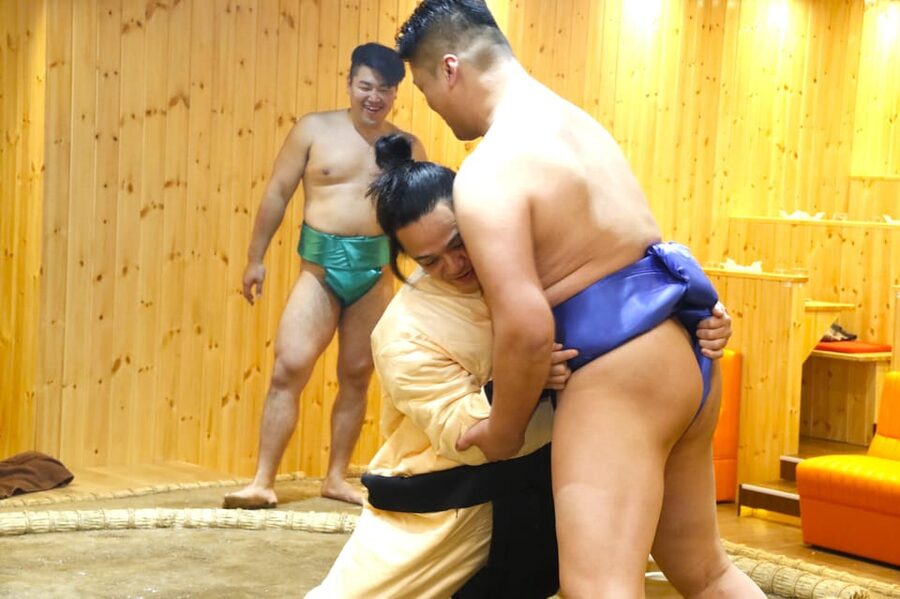
Feeling brave? Here is the big interactive moment: you can step into the ring and challenge a sumo wrestler. This is the part people remember because it is immediate, funny, and surprisingly empowering, even if you are not a sports person.
The catch is simple: challenger spots are limited per show. If there are more applicants than spots, participants are selected by lottery. So go in with the right mindset. You are not guaranteed to get in, but you can still enjoy the show fully because the rest of the program is complete on its own.
One practical tip: sit closer if you plan to watch the challenge segment closely, because you’ll see more of the footwork and the setup. The show also uses live instruction and audience energy to keep it safe and understandable.
From the reviews, the wrestlers and announcer-style hosts tend to be especially good at keeping things playful and welcoming. People also mention names like Lala for the host and performers such as Asanakuma. You may see different personalities in different sessions, but the consistent theme is performance style, and you will feel that quickly once the interactive part starts.
Chicken hot pot, chanko-nabe, and eating well without slowing the night
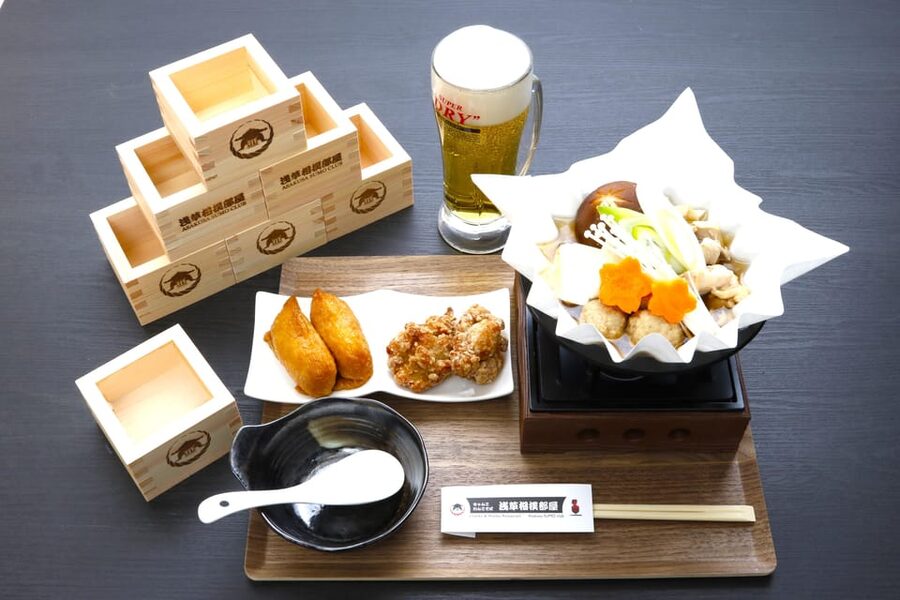
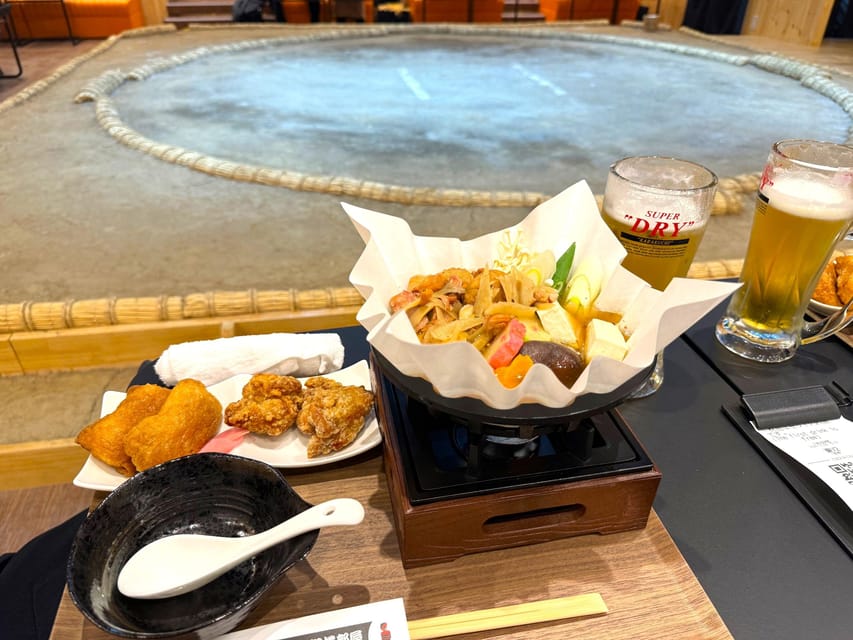
Food is not an afterthought here. During the show, you get all-you-can-eat chicken hot pot (chanko-nabe) along with Japanese dishes. Reviews commonly describe sides like edamame, inari sushi, and sweet rolls, and you can typically top up as you go.
There is also one complimentary drink included. If you want more, you can purchase additional drinks. Some people note that ordering extra food is easy using a QR code, which helps if you want to keep your seat and let the meal flow without constant staff check-ins.
What I like about the hot pot format for a show setting is timing. Hot pot is forgiving. You can eat between segments, and you are not stuck with a cold dish waiting for the show to finish.
A few diet realities to plan around:
- Vegetarian and vegan meals are available, but you must reserve in advance, at least 2 days ahead.
- Gluten-free or halal meals are not provided, but you are welcome to bring your own food if you need alternatives.
So if your group has strict dietary needs, do the prep early. The show includes a lot of food, but it is still a set-style dinner, not a restaurant with unlimited custom options.
Also, the venue uses what feels like show-friendly serving bowls and cooking setup. One review notes a nervous moment about the bowl materials near the heat, which is a reminder to keep an eye on hot items, especially if you are sitting with kids.
The geisha-photo souvenir moment, framed and ready to remember
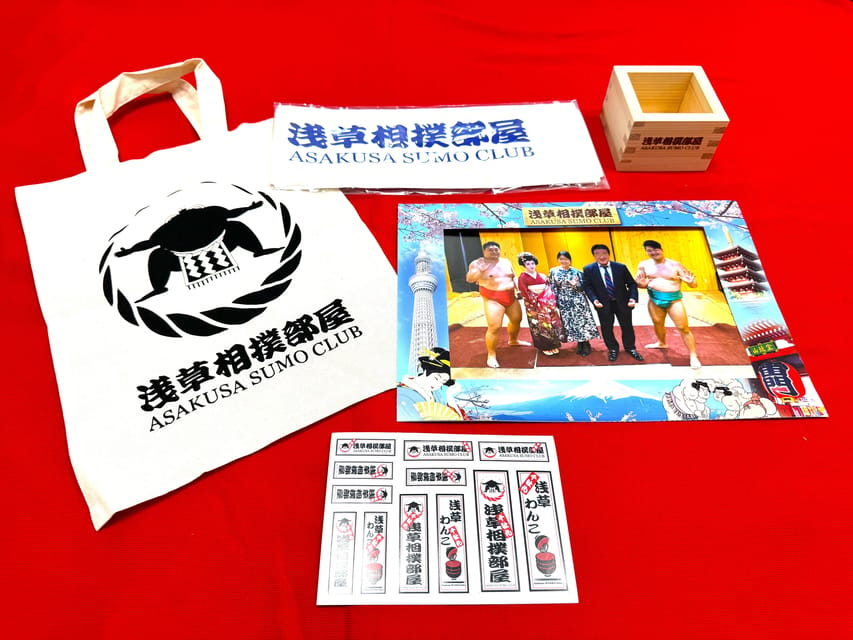
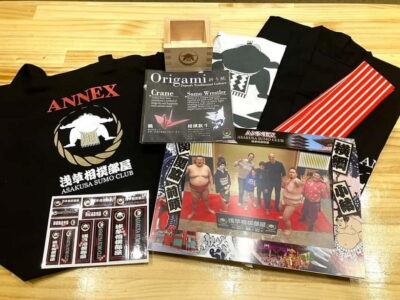
At the end, you take home a souvenir gift bag and a framed photo with the sumo wrestlers and geisha. This is not just a ticket raffle. It is tied to the show you watched and the performers you met, so it feels like a real memory, not a random add-on.
People also mention getting printed photos and goodie bags, and that they felt like worthwhile extras for the price you pay. Souvenir contents can vary by season, so do not expect the exact same bag all year, but you should expect something tangible.
If you are traveling with kids, a framed photo is a big win. It turns the experience into a physical keepsake they can point to later when you talk about Japan.
Price and value: why $103 can make sense for a 2-hour night
At about $103 per person for roughly 2 hours, the price is not cheap. But it is not only for the show, either. You are paying for a package that includes:
- live sumo entertainment and explanations in English and Japanese
- a chance to challenge a wrestler (limited by lottery)
- geisha dance
- all-you-can-eat chicken hot pot (chanko-nabe) plus other Japanese dishes
- one drink included
- a printed photo and a souvenir set
When you look at it this way, the cost is easier to justify. A standalone show ticket in Tokyo can be close to this number, and you still would need dinner. Here, dinner is part of the event, and the bilingual explanation reduces the mental load of trying to decode sumo on your own.
So the value question really comes down to you. If you want only serious sumo training culture, this is not the best fit. If you want an easy, fun evening with real performance and a meal included, it is strong value.
One more note: cancellations are free up to 24 hours in advance, and you can reserve now and pay later. If you are juggling multiple Tokyo plans, that flexibility matters.
Who this show is best for, and who should skip it
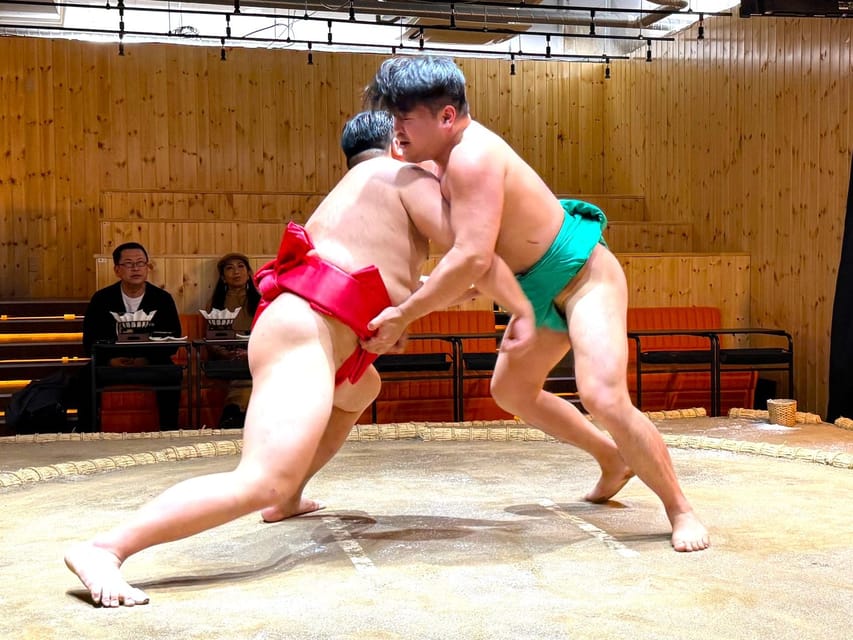
This is ideal for:
- Families, especially with children who will enjoy interactive moments
- Multi-generation trips, because the format works for ages 80 and up as well as teens, with adults still getting cultural context
- First-time sumo fans, because you learn the basics in plain language
- People who want a fun Tokyo night that avoids the stress of complicated reservations for dinner
It is less ideal for:
- Anyone expecting an active stable practice tour. This is entertainment with retired sumo wrestlers.
- People under age 1, since it is not suitable for babies under 1 year.
- Anyone who needs gluten-free or halal meals prepared for them, since the data says those are not available.
If you are already doing other hands-on Japan experiences that feel behind the scenes, treat this one like a performance and meal night. It will feel different, but in a good way.
Booking tips for the smoothest evening
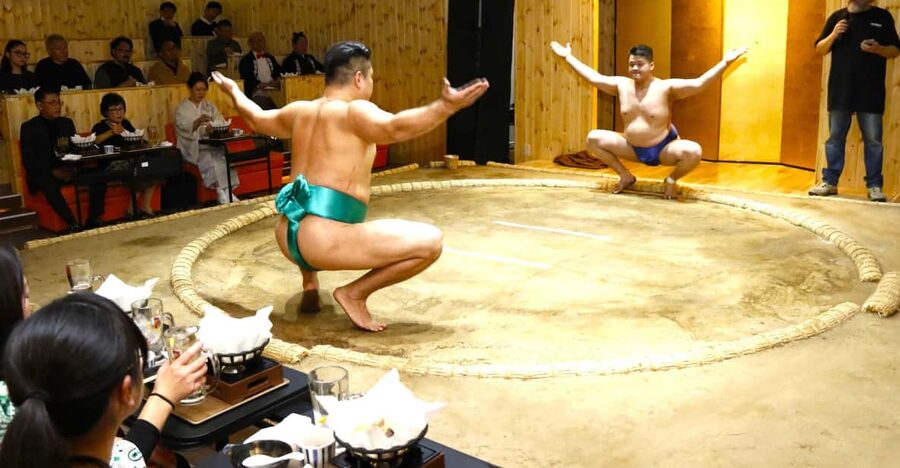
To make the evening go smoothly, a few practical moves help:
- If you care about being able to see the ring clearly, consider VIP or VVIP seating instead of Standard.
- If you want to participate in the ring challenge, keep your expectations flexible due to the limited challenger spots and possible lottery.
- If someone in your group is vegetarian or vegan, reserve that option at least 2 days ahead.
- If wheelchair access is needed, wheelchair-accessible seating is limited, so tell the provider at booking.
One last real-world scenario: if the Asakusa show is fully booked, the operator notes you can visit a sister establishment next door for a high-class sumo show. That backup matters if your Tokyo dates are tight.
Should you book this Asakusa Sumo Club sumo show?
I think you should book it if you want a Tokyo experience that checks multiple boxes at once: sumo performance, easy-to-follow explanations, a real ring setup, and a full meal built in. It is also a strong choice when your group includes kids, because the format is designed to keep energy up while still teaching you what you are watching.
Skip it if your goal is serious training culture or a close look at an active stable. This experience is intentionally family-friendly entertainment, and that is part of why it works.
If you are deciding between sitting in Standard or upgrading, my advice is simple: upgrade if you can. The ring view is the whole point, and the best photos and most satisfying moments usually come from better sightlines.
Overall, for a 2-hour, food-included, bilingual show night in Asakusa, this is a practical splurge that feels worth it.
Newest Taito City write-ups from the Loving Japan desk
Sumo Wrestling Experiences, side by side.
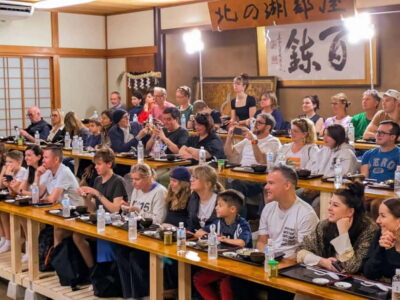 ★ 4.8Sumo Show and Dining ExperienceFrom $792,742 reviews
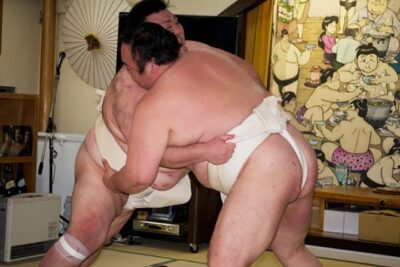 ★ 5.0the SUMO showFrom $891,960 reviews
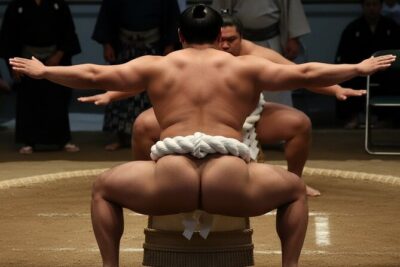 ★ 5.0Tokyo Shinjuku Sumo Show & Experience with PhotoFrom $791,750 reviews
 ★ 4.8Sumo Show and Experience in ShinjukuFrom $691,001 reviews
 ★ 4.6Sumo Tournament Tour with Chair Seat TicketsFrom $141753 reviews
 ★ 4.5Sumo Show & Experience w/ Optional Kimono & Hot PotFrom $77609 reviews
 ★ 5.0Authentic Sumo Experience in Tokyo: Enter the SanctuaryFrom $171603 reviews
 ★ 4.7Luxury Sumo Show Experience & Japanese cuisine & DrinkFrom $103577 reviews
Filed on these lists too