
REVIEW · TSUKIJI AND TOYOSU FISH MARKETS
Tokyo: Sushi Making with Pro Chef & Tsukiji Fish Market Tour
Sushi starts with a fish market. This 4 hour experience pairs Tsukiji Fish Market with a chef-led sushi class, plus lunch made by you. I love the small group size, and I also love that you get context for what makes sushi special before you start rolling. One drawback to plan for: you will do a lot of walking, and the market portion depends on market operating days.
Here is the value angle I like: for $101 per person, you get not just a hands-on workshop, but also a guided market look at ingredients and sushi culture, and the lunch is the sushi from the class. The result is a tour that works well for first-timers who want Tokyo food education without guessing.
If you like food that looks simple but takes real skill, this is your kind of morning or afternoon. Just remember that there are clear dietary limits, and the class is not designed for wheelchairs or mobility aids.
In This Review
- Key highlights you should care about
- Tsukiji plus sushi making in a tight four hours
- Meeting at Tsukiji Honganji Temple, right by the main gate
- Temple first, so the sushi story makes more sense
- Tsukiji Fish Market with a guide who knows the ingredient trail
- The Kitchen of Tokyo, learning the foundations before you touch fish
- Nigiri and maki you build yourself, with a pro chef watching close
- Lunch included, plus market samples for the curious palate
- Dietary limits are real here, so plan ahead
- Price and value for a first-time Tokyo food adventure
- Who this tour suits best, and who should skip it
- FAQ
- FAQ
- Where do I meet for the Tsukiji and sushi tour?
- How long is the experience, and how many people are in the group?
- What is included in the price?
- Is the tour suitable for vegetarians, vegans, halal, or gluten-free diets?
- What should I bring, and will there be stairs?
- Can I change sushi toppings or request special substitutions on the day?
- Is the fish market open every day, and what if I arrive late?
- Should you book this Tsukiji fish market and sushi class?
Key highlights you should care about
- Tsukiji Honganji Temple meetup that gets you oriented before the market stops
- Uogashi wholesaler market tour with a guide who knows where to look and what to ask
- Real sushi chef instruction with step-by-step coaching so you do not freeze up
- Learn how to eat sushi properly, not only how to make it
- Lunch included, meaning you actually get to eat what you make in the workshop
- Small group capped at 8, so you are not lost in the crowd
Tsukiji plus sushi making in a tight four hours
This is a compact Tokyo food experience, not an all-day food crawl. You are looking at about 4 hours total, and the structure matters: you start with the market and sushi culture, then you move into the hands-on workshop at The Kitchen of Tokyo.
That rhythm is a big part of the appeal. Sushi can feel mysterious if you only ever see it on a plate. Here, you get the ingredient story first, then you translate it into action with a professional chef.
The small group size, limited to 8 participants, is also practical. It keeps the walking manageable and makes it easier to hear instructions during class. It also tends to make market time more useful, since you can actually ask questions instead of just watching.
Meeting at Tsukiji Honganji Temple, right by the main gate
Your meeting point is the main gate of Tsukiji Honganji-Temple, at the front of the temple. Google Maps may route you to the back, so ignore that and find the front entrance.
Once you start the tour, expect movement right away. You will walk to the market area, and later you will need to walk upstairs to reach the 3rd-floor classroom for the sushi workshop. Comfortable shoes are not optional here, they are your best friend.
One more timing detail matters: if you arrive late, the tour cannot be extended. So if you are juggling train transfers, build in a buffer and arrive early enough to settle your shoes and your brain.
Temple first, so the sushi story makes more sense
Before you reach the market, you start at a Buddhist temple. That is not just a scenic starter. It sets a respectful tone and gives you a quick cultural framing for what you are about to see and taste.
In practice, this portion helps you understand why food in Japan often ties to craft, seasonality, and everyday etiquette. One guide’s approach even included insight into Buddhism before the market walk, and that early grounding makes the rest of the tour feel less like shopping and more like culture.
You should also use this moment to get your bearings. You will be walking and looking at a lot of details, from how stalls are set up to what ingredients look like in real life. A short start like this helps you keep up.
Tsukiji Fish Market with a guide who knows the ingredient trail
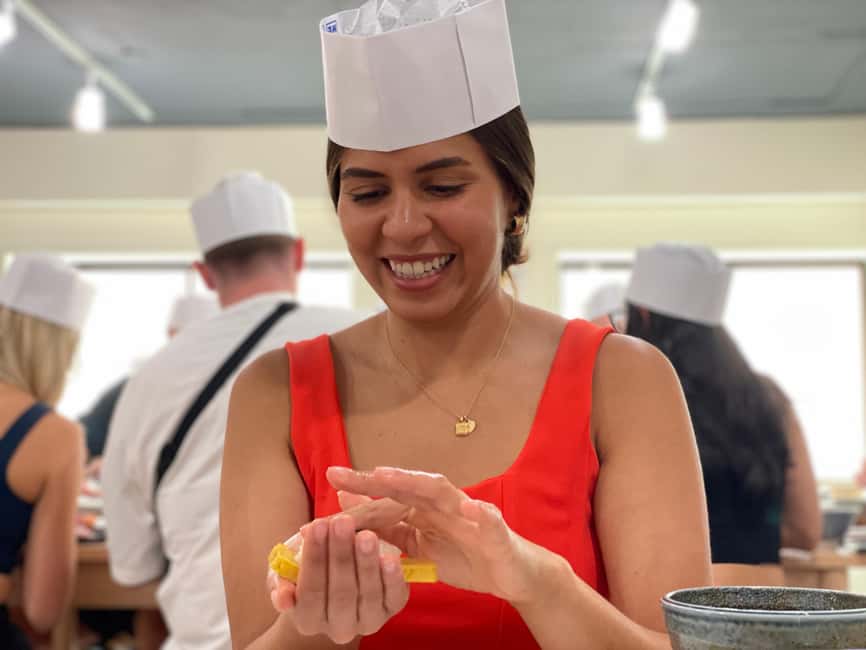
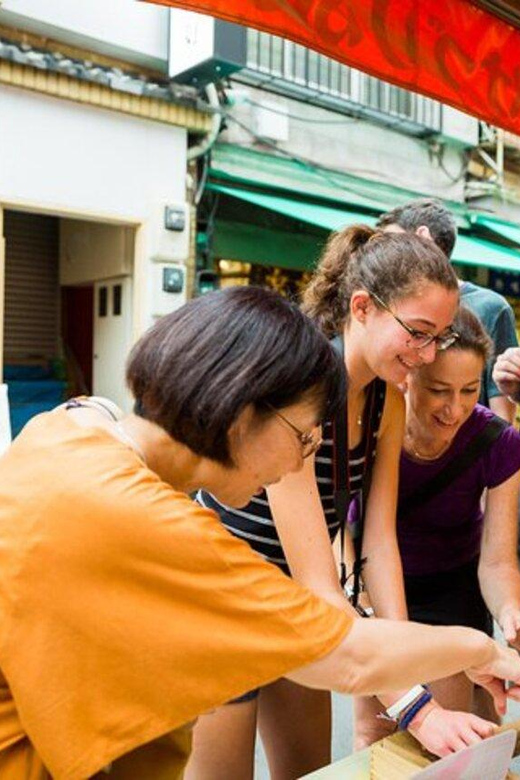
The market portion focuses on Japanese culinary culture and where ingredients come from. You walk through Tsukiji Fish Market with a local guide, and the goal is not just to see fish, it is to understand the ecosystem behind sushi.
Your guide also points out what professionals do and how the market supports the restaurants that serve sushi and other fine seafood dishes. Several people highlight that the market tour includes tasting opportunities where possible, and that the guide helps you reach things you might not get on your own.
Also, take advantage of the time to slow down. The market is busy by nature, and the best payoff comes when you pause to really look at the raw materials and the way vendors handle them. The small group size helps here too.
A practical note: the fish market component is specifically the Uogashi wholesaler market, and it can be closed depending on the day.
The Kitchen of Tokyo, learning the foundations before you touch fish
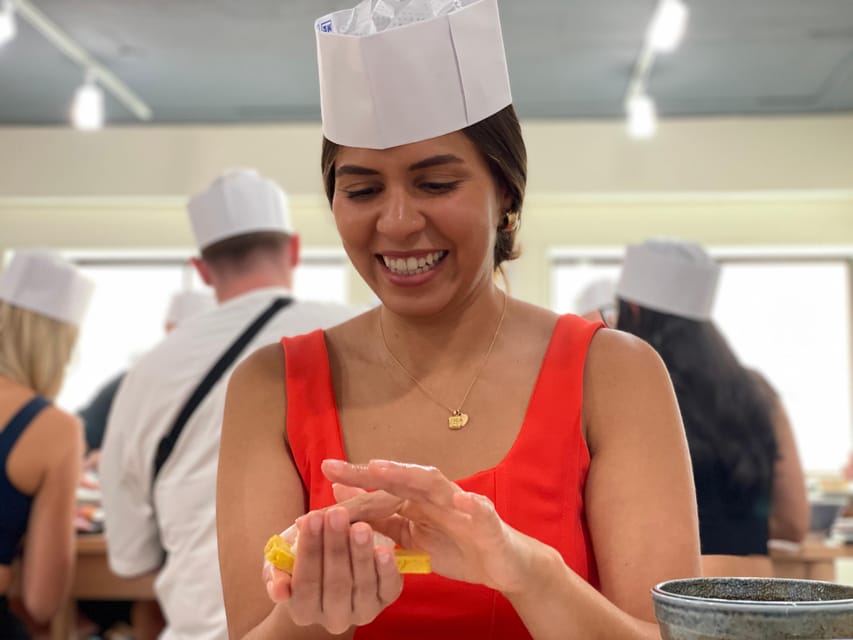
After the market, you head to the sushi workshop at The Kitchen of Tokyo. This is where the tour shifts from sightseeing to skill-building.
The course is designed around sushi basics and Japanese food culture, not just rote steps. You get step-by-step instruction from an experienced sushi chef, and the training includes how sushi is meant to be eaten, not only how it is made. That matters because sushi style is all about balance: bite size, rice handling, and what flavors are supposed to do together.
If you are a nervous cook, do not worry. People describe the class as confidence-building, because you are coached through the motions and supported while you work. You do not need special culinary talent to participate, you need patience and a willingness to try again when your first roll is less pretty than you want.
Nigiri and maki you build yourself, with a pro chef watching close
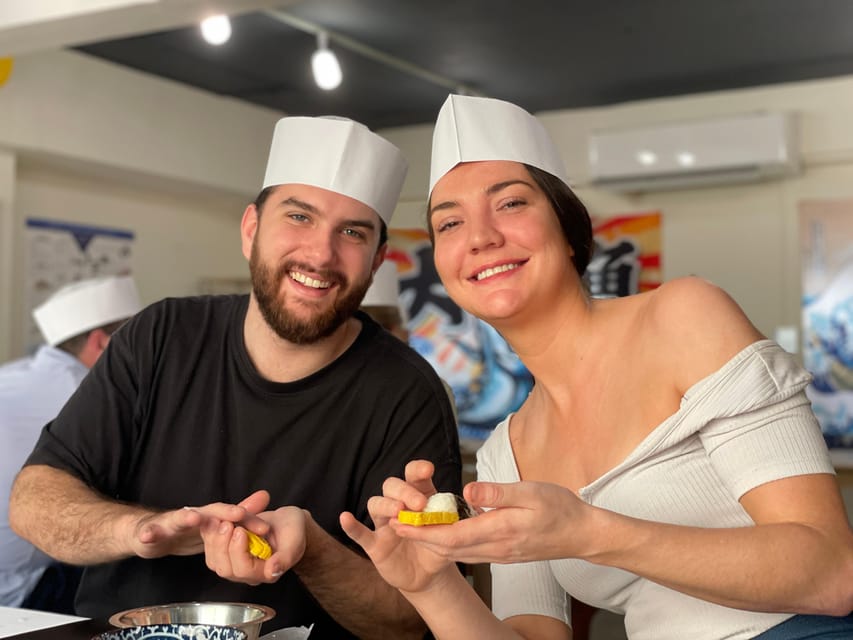
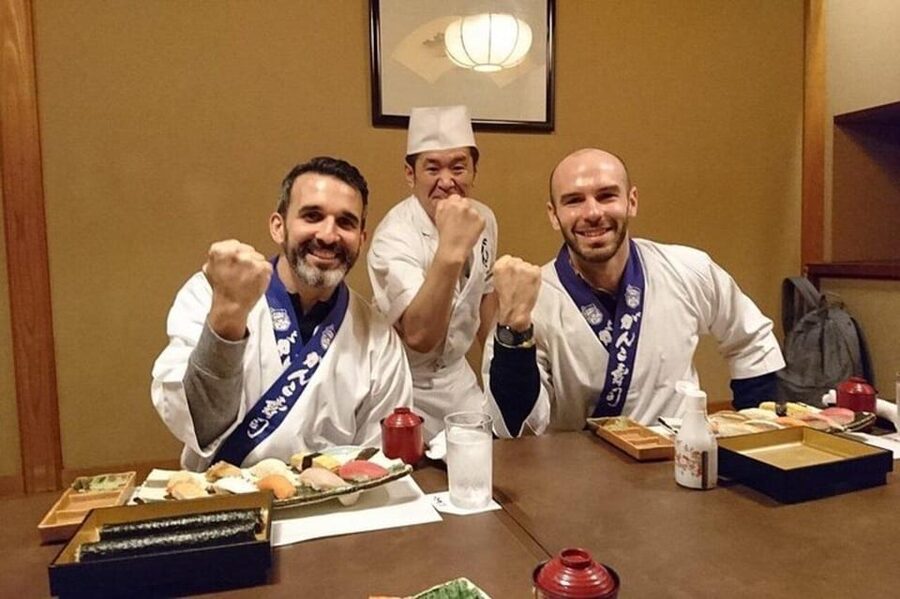
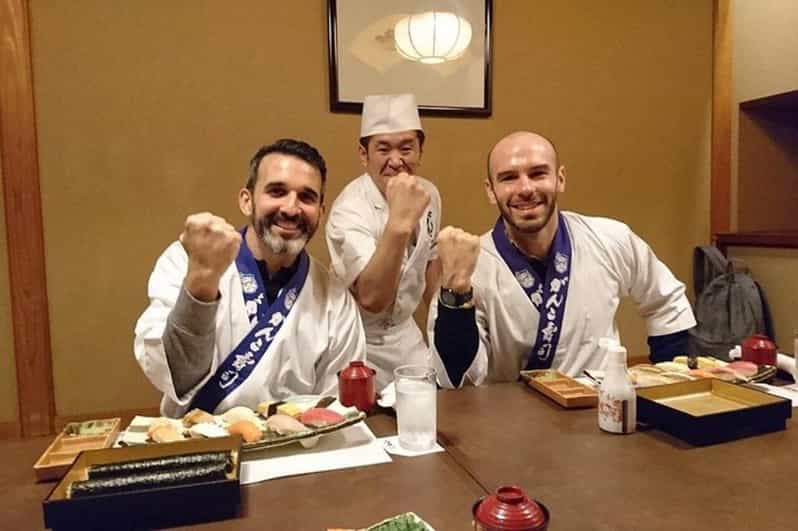
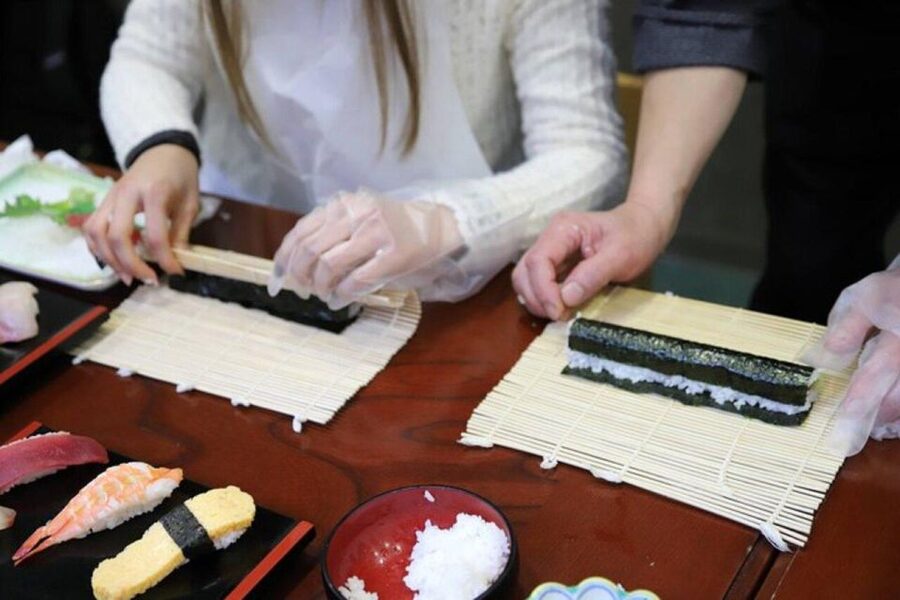
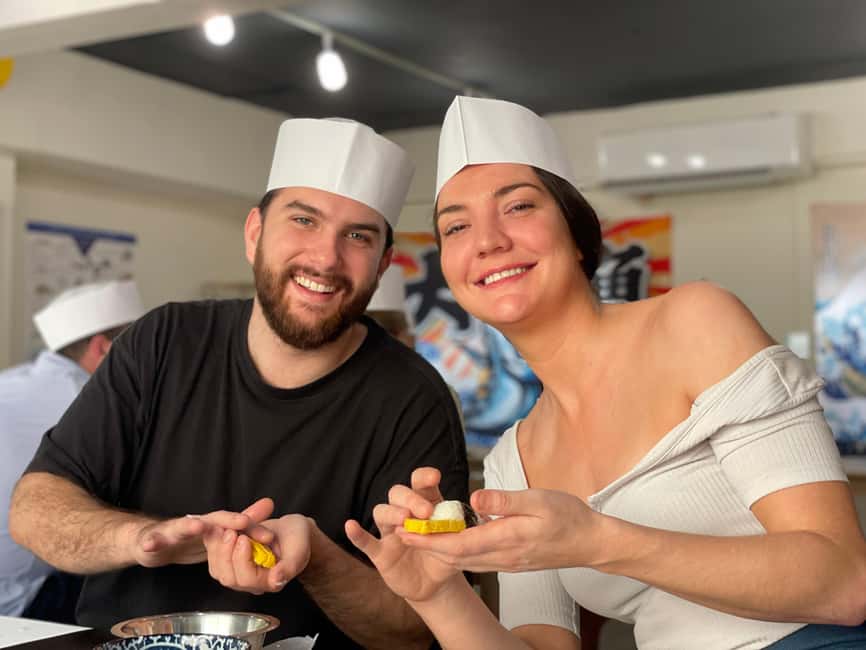
This is the core experience: a sushi-making class taught by a professional sushi chef. The instructor guides you through making sushi, and you also watch how the chef prepares the ingredients and assembles the pieces.
You should expect hands-on time, including forming nigiri and making at least one maki roll. One reported outcome included making five nigiri and a maki roll, but the key idea is the same: you create multiple pieces yourself, then eat the results as lunch.
What I like about this setup is that you leave with proof. It is one thing to say you took a sushi class, it is another to taste your own work and compare it to what you saw at the market earlier.
And yes, your first attempt may not look like it does in a restaurant. That is part of the learning curve, and the chef coaching is the difference between frustration and progress.
Lunch included, plus market samples for the curious palate
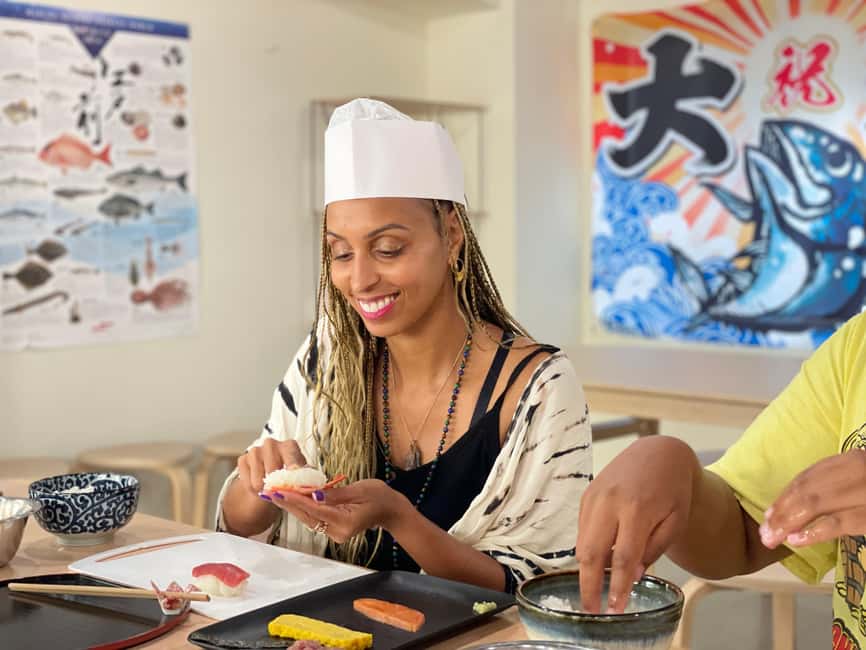
Lunch is included, and it is the sushi you make during the workshop. That is a smart value detail because it removes decision fatigue. You do not need to find another meal afterward, and you get to eat in the same setting where you learned.
On the market side, you may also have opportunities to sample foods depending on what is available and what the guide can arrange. Some people specifically mention tasting items like whale meat during the market portion, along with other unusual offerings. Availability can vary, so I would treat that as a possible bonus rather than a guarantee.
One small practical tip: pace yourself. Market walking plus sushi-making can be surprisingly tiring, so take your time with the tastings and save energy for class.
Dietary limits are real here, so plan ahead
This tour has clear restrictions. Vegetarian, vegan, halal, and gluten-free requests are not accommodated. Allergy-related requests might be possible, but you need to inform the organizer in advance.
Sushi topping cannot be changed on the day of the event. If you have allergies or dietary restrictions, you must let them know before 5:00 P.M. JST on the day before your tour.
So here is the way I would plan it: if you fall into one of the excluded diets, skip this one. If you have allergies, confirm the topping situation early so you do not show up hoping for last-minute flexibility.
Also, note that infants and toddlers are free of charge, but they will not receive their own sushi kit. The tour is not suitable for children under 4.
Price and value for a first-time Tokyo food adventure
At $101 per person for 4 hours, you are paying for three things at once: a market guide, a chef-led sushi workshop, and lunch.
In Tokyo terms, that can be a strong deal if you actually want both sides of the experience. If you only wanted sushi and not the ingredient context, you could find other classes. If you only wanted the market and not the skill, you could do a food tour without the workshop. This one blends the two, which is why the price works.
The small group cap at 8 also helps the value. It usually means more direct attention in class and a smoother market walk, compared to larger group experiences where you spend more time trying to stay together than learning.
The other value point: you get education that travels with you. Market context plus sushi etiquette gives you a better chance of ordering correctly later. It is not just entertainment, it is transferable knowledge.
Who this tour suits best, and who should skip it
This tour fits you if you want a high-signal Tokyo food experience. I think it is especially good for:
- First-time visitors who want Japanese food culture explained in a practical way
- Food lovers who like the idea of seeing ingredients and then cooking them
- Adult groups who prefer a guided experience over wandering alone
- Anyone who wants a class with a professional chef coaching real technique
It is not a fit if you are:
- Vegan, vegetarian, or needing halal or gluten-free accommodations
- A wheelchair user or someone with mobility impairments
- Someone bringing very young kids (children under 4 are not suitable)
Also, it is not designed as a casual stroll. You will walk, you will go upstairs to the classroom, and you need comfortable shoes.
FAQ
FAQ
Where do I meet for the Tsukiji and sushi tour?
Meet at the main gate of Tsukiji Honganji-Temple, at the front of the temple. Google Maps may take you to the back, so use the front gate instead.
How long is the experience, and how many people are in the group?
The tour lasts 4 hours. It is a small group limited to 8 participants.
What is included in the price?
Lunch is included (the sushi you make in the workshop). The price also includes the sushi workshop and a local guide. The guide is English-speaking.
Is the tour suitable for vegetarians, vegans, halal, or gluten-free diets?
No. The tour does not accommodate vegetarian, vegan, halal, or gluten-free requests.
What should I bring, and will there be stairs?
Bring comfortable shoes. You will need to walk upstairs to reach the 3rd-floor classroom.
Can I change sushi toppings or request special substitutions on the day?
No, sushi topping cannot be changed on the day of the event. If you have restrictions or allergies, you need to tell them before 5:00 P.M. JST on the day before your tour.
Is the fish market open every day, and what if I arrive late?
The fish market (Uogashi wholesaler market) is closed on Wednesdays, Sundays, and other closed market days. If you arrive late, the tour cannot be extended, and no refunds are given for late arrivals on the day of the tour.
Should you book this Tsukiji fish market and sushi class?
Book it if you want a focused Tokyo food experience that mixes market context with real chef-led sushi practice, and you are okay with walking and stairs. The $101 price makes sense when you want both guided market learning and lunch that you make yourself.
Skip it if your diet does not match the restrictions, or if mobility access is an issue for your group. If you are preparing for a first trip to Japan, this is the kind of class that helps you understand what sushi chefs are doing, not just what it tastes like.
Tsukiji and Toyosu Fish Markets, side by side.
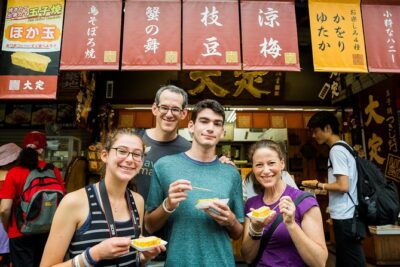 ★ 5.0Tokyo Tsukiji Fish Market Food and Culture Walking TourFrom $993,184 reviews
 ★ 5.0Tsukiji Fish Market Food and Walking tourFrom $301,724 reviews
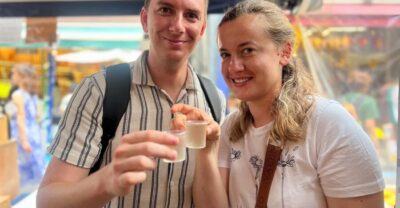 ★ 4.9Tsukiji Fish Market Guided Walking TourFrom $221,397 reviews
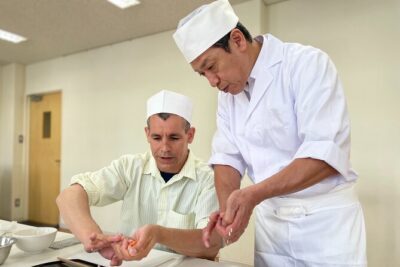 ★ 5.0Tokyo Sushi Making Class in Tsukiji with Professional ChefFrom $491,177 reviews
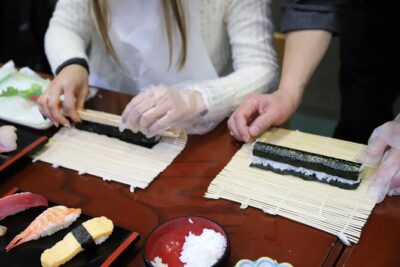 ★ 5.0Tsukiji Fish Market Guided Tour and Sushi Making with Pro ChefFrom $104775 reviews
★ 4.7Tsukiji Fish Market Food and Culture Walking TourFrom $96757 reviews
★ 5.0Tsukiji Fish Market Guided Tour and Sushi Making with Pro ChefFrom $104775 reviews
★ 4.7Tsukiji Fish Market Food and Culture Walking TourFrom $96757 reviews
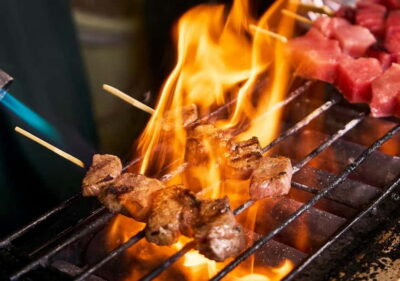 ★ 5.0Tsukiji Fish Market: Street Food & Culture Walking TourFrom $33669 reviews
 ★ 5.0Tsukiji Fish Market Small-Group Food Walking TourFrom $87621 reviews