
REVIEW · TSUKIJI AND TOYOSU FISH MARKETS
Tokyo Sushi Making Class in Tsukiji with Professional Chef
Tsukiji sushi is a whole different world. This class takes you into the fish-market area, then puts you at the counter with a pro chef to make sushi you actually eat. You also get a real look at how fish is prepared, with clear help from an English-speaking host and translator.
What I love most is the hands-on pace. You learn two core styles, nigiri and rolled sushi, and you leave with enough practice to feel confident trying again later. Second, the setting matters: you’re working with fresh, market-sourced ingredients and the right tools, not a pre-made box.
One thing to plan for: the classroom is on the third floor with only stairs. If stairs are hard for you, this can be a deal-breaker.
In This Review
- Quick hits for this 90-minute sushi workshop
- Tsukiji Fish Market stops, and why they’re more than a photo op
- The third-floor classroom setup, and what to expect when you arrive
- The fish disassembly demo, knives, and what you’ll notice right away
- Nigiri and rolled sushi: the hands-on workflow you’ll actually use again
- Lunch on your plate: wasabi, fresh fish, and the taste test
- Who teaches you: host support and pro-chef instruction
- Value and scheduling: when this $49 sushi class fits your day
- Common gotchas: stairs, allergies, and what not to request
- Should you book this Tokyo sushi class in Tsukiji?
- FAQ
- What’s included in the sushi you make?
- How long is the class?
- Where do I meet the group?
- Do I need hotel pickup or drop-off?
- Is the class taught in English?
- Is the group size small?
- Is lunch included?
- Are stairs involved?
- What about allergies?
- Does the experience accommodate kosher or halal requests?
- What’s the cancellation policy?
Quick hits for this 90-minute sushi workshop
- Make 5 different nigiri and 1 rolled sushi, plus take in how it comes together
- Watch a fish disassembly demo before you touch ingredients
- English-speaking host and sushi master work together with translation support
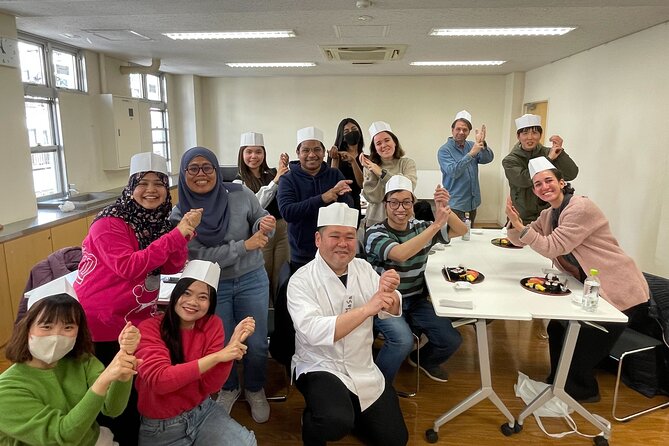
- Small group size (max 20) makes it easier to get help as you learn
- You eat your handmade sushi for lunch, so you’re not just sampling
- You start in Tsukiji and finish back at the same meeting point
Hungry earlier than that? Other market breakfasts we tried
- Tokyo Tsukiji Fish Market Food and Culture Walking Tour
★ 5.0 · 3,184 reviews - Tokyo: Tsukiji Fish Market Food and Walking tour
★ 5.0 · 1,724 reviews - Tokyo: Tsukiji Fish Market Guided Walking Tour
★ 4.9 · 1,397 reviews - Tokyo Sushi Making Class in Tsukiji with Professional Chef
★ 5.0 · 1,177 reviews
Tsukiji Fish Market stops, and why they’re more than a photo op
Your experience is timed so you’re already in the Tsukiji area when you start learning. You’ll move through multiple market zones: Tsukiji Fish Market, Tsukiji Jogai Market, and the Tsukiji Nippon Fish Port Market. Even if you’re not an expert, the markets teach you a lot fast. You see what “fresh” means in real life, and you understand why sushi making starts with fish quality and knife work.
What I think makes these market stops valuable is the context. The class isn’t just lessons at a table. You’re seeing where ingredients come from, so when the chef explains preparation steps, it lands in your brain. You also get that classic Tsukiji feeling people come for, the smell, the sounds, the busy movement of workers and stalls.
The one drawback is simple: markets mean walking and standing. If your day is already tight, this fits best when you’re not rushing to multiple appointments right after. The operator notes the activity may run a bit beyond the scheduled end, so I’d keep a little buffer.
The third-floor classroom setup, and what to expect when you arrive
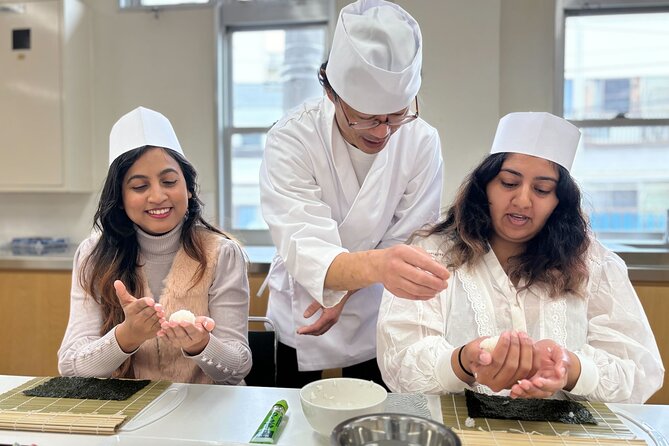
You meet at 千社額棟4-chōme-16-2 Tsukiji, Chuo City, Tokyo. From there, you head to a traditional-style classroom in a local building in the Tsukiji area. The layout is not a polished hotel classroom. It feels like you’ve stepped into a working neighborhood setting.
Here’s what matters for comfort and readiness:
- Expect a third-floor space reached by stairs only.
- The class runs for about 1 hour 30 minutes.
- You’re in a small group atmosphere, which makes it easier to ask questions and get hands-on corrections.
Once you’re seated, the workflow becomes very clear. The chef and hosts guide you through fish prep concepts, then to sushi basics. Utensils and tableware are provided, sourced locally, so you are not trying to improvise tools you brought from home. This is one reason the class works well for beginners.
The fish disassembly demo, knives, and what you’ll notice right away
Before you make anything, you watch a professional fish disassembly show. This is one of the most praised parts of the experience, and for good reason: it explains the “why” behind sushi technique. You learn that good sushi isn’t only about rice and seasoning. It starts with proper handling and cutting.
You’ll also hear explanations about Japanese knives. The chef talks through what matters, like how the knife is used and how it supports clean prep. In several accounts, people mention being impressed by the slicing and cutting demonstration, and that it made the class feel real, not staged.
If you’re worried you might miss details because of language, don’t. The setup includes an English-speaking host and a translator. Reviews often mention helpers like Yugo, Yoko, Eri, Kanon, Emma, Nao, and AJ working to keep the chef’s instruction clear. You’re not left to guess what to do next.
One practical consideration: watching disassembly first makes the hands-on part easier, but it can also be a lot of information at once. I suggest you mentally switch modes right then, from tourist to student. You’ll get more out of it.
Cook it yourself instead. Other kitchens in Tokyo
- Sushi Making Tokyo Roll and Authentic Japanese Sushi Class★ 5.0 · 3,971 reviews
- Tokyo: Sushi Making Class in a Happi Coat near a Famous Spot★ 4.9 · 1,377 reviews
- Tokyo Sushi Making Class in Tsukiji with Professional Chef★ 5.0 · 1,177 reviews
- Ramen & Gyoza Cooking Class in Tokyo with Local Supermarket Visit★ 5.0 · 823 reviews
- Tsukiji Fish Market Guided Tour and Sushi Making with Pro Chef★ 5.0 · 775 reviews
Nigiri and rolled sushi: the hands-on workflow you’ll actually use again
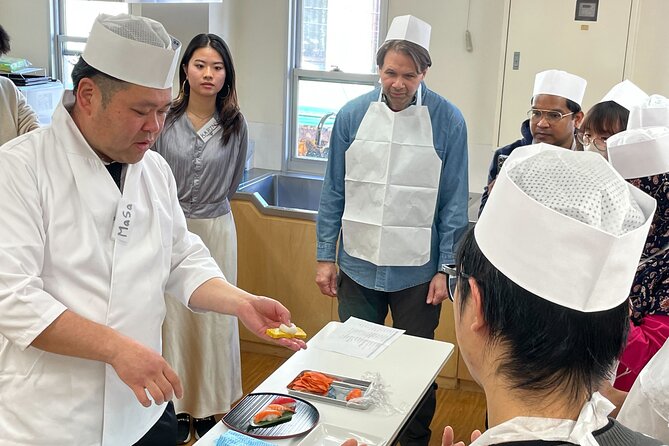
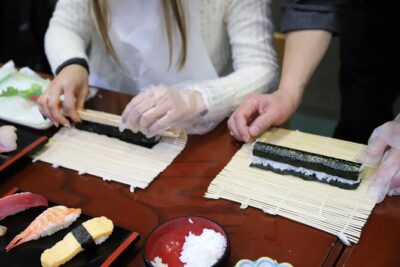
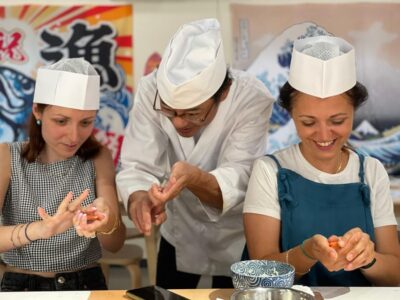
The class focuses on the two styles that define sushi training: nigiri and rolled sushi (maki). After the demo, the sushi master teaches the proper steps to make both kinds. You get guidance table by table, so you’re not just watching someone else do it.
You’ll learn the basics in a structured way:
- What sushi is and how each style is constructed
- How to handle and prepare what you’re building with
- How to work the rice and toppings into shape
- How to roll correctly for the second sushi type
Then comes the best part: you make. The experience includes 5 different nigiri and 1 rolled sushi. That variety matters. Many beginner classes give you one or two pieces and call it a day. Here, the goal seems to be skill building across different items, so you understand how technique changes as ingredients change.
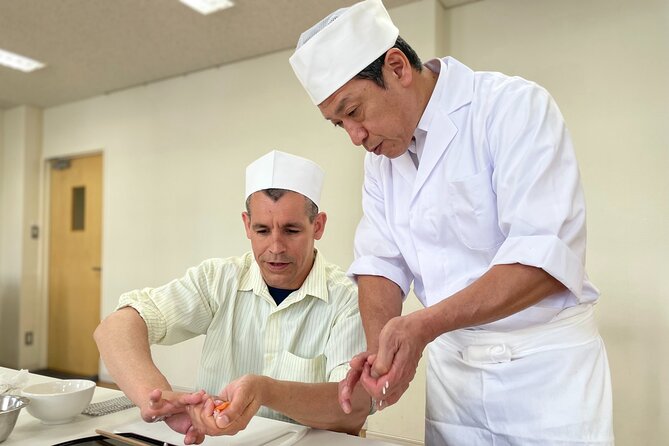
You’ll probably notice you need to slow down at first. Rolling and shaping take a bit of muscle memory. This is where having a pro chef nearby helps. In many reviews, people highlight how staff stepped in to help during the process, including joking encouragement when students were struggling. That matters because sushi is precise, and you want correction early, not after everything is done.
And yes, you’ll get your finished plate. One reviewer specifically mentioned the chance to take a picture of the completed sushi. I recommend you do it right away, while the pieces are still nicely arranged.
Lunch on your plate: wasabi, fresh fish, and the taste test
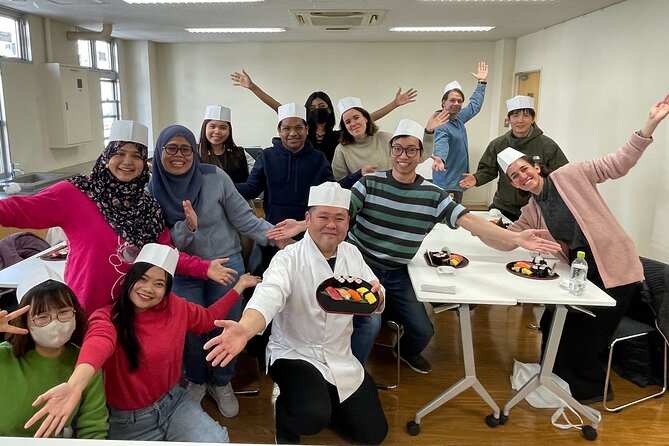
Your lunch is not a separate meal you eat later. You enjoy the sushi you make. That turns the whole class into a practical test: did the rice technique work, did the cut size make sense, did the assembly hold together?
While you eat what you made, the sushi master also prepares additional sushi. Wasabi is served fresh, prepared by the chef. That means you get two perspectives in one sitting. First, your own results. Second, what the chef does when they’re making it in full speed and full control.
This is also a value point. At $49.74 per person, you’re paying for instruction plus ingredients plus lunch. You’re not buying a snack and paying for entertainment. You’re getting a meal that reflects the work you put in.
If you don’t eat much sushi yet, this class can still make sense. One review mentions being new to sushi and loving the chance to learn types and culture while making the food. You’re guided through the process, and you’re eating what you create.
Who teaches you: host support and pro-chef instruction
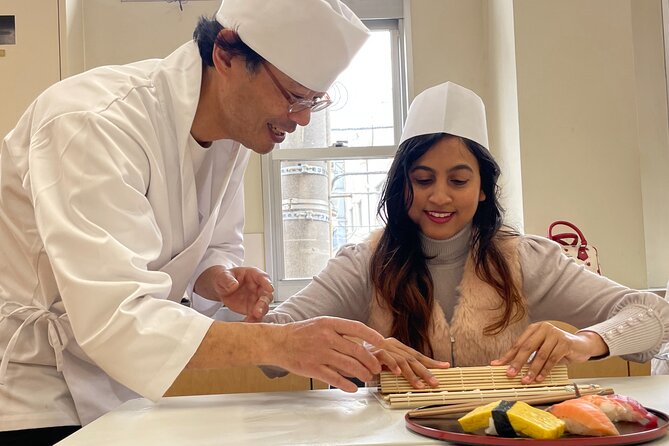
The format is built around two roles: an English-speaking host and a professional sushi master. Reviews highlight named staff who keep the class flowing with translation and hands-on help.
Examples you might hear during the session include:
- Hosts and translators such as Yuko, Yugo, Yoko, Eri, Emma, Miky, Kanon, and AJ
- Sushi chefs mentioned by name like Tanaka and Kate
Not every session will have the same people, but the pattern shows up again and again: clear guidance, friendly translation for the chef’s instructions, and step-by-step help when your technique needs adjusting.
I also like that staff adjust their tone for real people. Reviews mention families with kids, including children around 7 to 12 years old, having a great time and learning a new skill they could repeat at home. That tells me the teaching approach is practical, not just academic.
If you’re traveling with a group, the small class size helps. With up to 20 participants, you’re more likely to get feedback instead of being one face in the crowd.
Value and scheduling: when this $49 sushi class fits your day
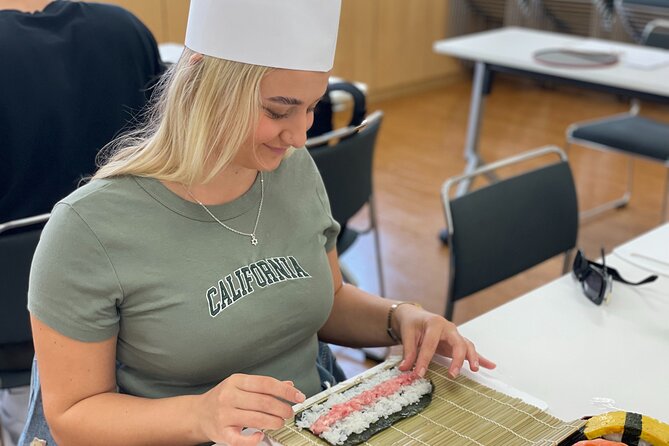
This is a short workshop, about 1 hour 30 minutes, and it includes what you make as lunch. That timing is ideal when you want something hands-on without losing half a day. You also do not get hotel pickup or drop-off, so you’ll need to handle your own way to the meeting point in Tsukiji.
Booking 4 times in one day is a clue that this is a reliable schedule option for people planning tight itineraries. Even so, I recommend planning your logistics as if it could run a bit past the stated end time. If you have a strict dinner reservation or another timed activity, give yourself a cushion.
This class is especially good if:
- You love Japanese food and want to understand sushi beyond eating it
- You like cooking lessons where you get real practice
- You’re traveling with kids who will stay engaged with a hands-on task
- You want an experience that feels local, not touristy theater
It may be less ideal if:
- Stairs are an issue for you
- You have severe dietary needs and require exact accommodation beyond what the operator can support
- You’re rushing to the next thing with no buffer at all
Common gotchas: stairs, allergies, and what not to request
There are a few points you should take seriously before you book.
Stairs only: the classroom is on the third floor, with only stairs. If you cannot do stairs comfortably, plan another activity.
Allergies: the operator asks you to let them know about allergies when you reserve. They say they will try to accommodate allergy-related requests, though it may not be possible. So if you have a serious allergy, don’t wait. Contact them with details as early as you can.
Kosher and halal requests: the operator states they unfortunately do not accommodate kosher requests. They also state they do not accommodate halal requests. If either matters for you, this is not the right class based on the information provided.
Finally, remember that you are in a market environment. Weather can happen. One review mentions staff going the extra mile during rain. Still, bring a light layer and prepare to move around.
Should you book this Tokyo sushi class in Tsukiji?
I think this is a strong booking when you want a short, hands-on sushi skill with real context. You get market exposure, a fish preparation demo, knife education, and then you make 5 nigiri and 1 roll and eat it. For about $49.74, that’s a lot of value wrapped into a compact time window.
Book it if you want:
- A beginner-friendly class that still feels authentic
- Step-by-step teaching from a pro chef with English support
- A lunch that doubles as your lesson
Skip it or consider alternatives if:
- Stairs are a problem
- You require kosher or halal accommodation, based on the operator’s stated limits
- You have no schedule slack and cannot handle a possible slight delay
If you like the idea of learning how sushi is built, not just watching it happen, this class is the kind of Tokyo experience that sticks with you.
FAQ
What’s included in the sushi you make?
You’ll make and eat 5 different nigiri and 1 rolled sushi. Fresh ingredients and proper utensils are provided, sourced from the market.
How long is the class?
The duration is listed as approximately 1 hour 30 minutes.
Where do I meet the group?
The meeting point is 千社額棟4-chōme-16-2 Tsukiji, Chuo City, Tokyo 104-0045, Japan.
Do I need hotel pickup or drop-off?
No. Hotel pickup and drop-off are not included, and the class ends back at the meeting point.
Is the class taught in English?
Yes. The experience includes an English-speaking host and a sushi master, with translation support.
Is the group size small?
Yes. The class has a maximum of 20 travelers.
Is lunch included?
Yes. Lunch is included as sushi made by you during the workshop.
Are stairs involved?
Yes. The classroom is on the third floor in a traditional building, and it has only stairs.
What about allergies?
You should let them know about any allergies when you book. They will try to accommodate allergy-related requests, though it may not always be possible.
Does the experience accommodate kosher or halal requests?
No kosher requests are accommodated. Halal requests are also not accommodated.
What’s the cancellation policy?
You can cancel for a full refund if you cancel up to 24 hours in advance of the experience start time. If you cancel less than 24 hours before, the amount paid will not be refunded.
Kitchens You Can Book Into


Market Mornings We Have Reviewed


Newest Tokyo write-ups from the Loving Japan desk



Tsukiji and Toyosu Fish Markets, side by side.
 ★ 5.0Tokyo Tsukiji Fish Market Food and Culture Walking TourFrom $993,184 reviews
 ★ 5.0Tsukiji Fish Market Food and Walking tourFrom $301,724 reviews
 ★ 4.9Tsukiji Fish Market Guided Walking TourFrom $221,397 reviews
 ★ 5.0Tsukiji Fish Market Guided Tour and Sushi Making with Pro ChefFrom $104775 reviews
★ 4.7Tsukiji Fish Market Food and Culture Walking TourFrom $96757 reviews
★ 5.0Tsukiji Fish Market Guided Tour and Sushi Making with Pro ChefFrom $104775 reviews
★ 4.7Tsukiji Fish Market Food and Culture Walking TourFrom $96757 reviews
 ★ 5.0Tsukiji Fish Market: Street Food & Culture Walking TourFrom $33669 reviews
 ★ 5.0Tsukiji Fish Market Small-Group Food Walking TourFrom $87621 reviews
 ★ 4.9Tsukiji Fish Market Sushi Making Class with Pro ChefFrom $63506 reviews