
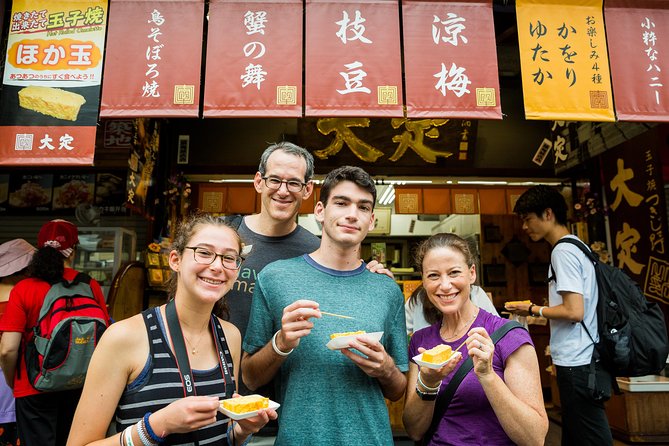
REVIEW · TSUKIJI AND TOYOSU FISH MARKETS
Tokyo: Tsukiji Fish Market Food and Culture Walking Tour
Tokyo smells like fish and possibility. This guided food and culture walk turns Tsukiji Outer Market into a simple route you can actually enjoy, with tastings that make Japanese food culture feel readable fast. I love the small group size and the way a guide helps you pick stalls without standing there guessing.
I also love the food lineup: wagyu beef skewers plus a wrap up of either sushi or a seafood bowl, along with Japanese omelet, seasonal fruit, and fried fish cake. The guides get consistent praise for keeping it fun and informative, with names like Kenji and Miki showing up in standout reviews. One catch to plan around is that Tsukiji’s market is closed on Wednesdays and Sundays, and on those days some items (omelet, fish cake, fruit) can’t be served.
In This Review
- Key Things You Get at Tsukiji Outer Market
- Tsukiji Outer Market on Foot, in Just 3 Hours
- Starting at Tsukiji Honganji Temple and Building the Right Food Mindset
- The Outer Market Walk: How the Tastings Work in Real Life
- What You Taste Along the Way
- The Culture Lesson: Why Chefs Shop Tsukiji Like This
- The Big Payoff Meal: Sushi or Seafood Bowl, Depending on the Day
- Price and Value: Is $96 Worth It?
- Practical Tips That Make the Tour Smoother
- Days When the Menu Changes: Wednesday, Sunday, and Closed Market Reality
- Who Should Book This Tsukiji Walk, and Who Should Skip
- Should You Book This Tsukiji Fish Market Food and Culture Walking Tour?
- FAQ
- How long is the Tokyo Tsukiji Fish Market Food and Culture Walking Tour?
- How much does the tour cost?
- How many people are in the group?
- Where do I meet the guide?
- What foods are included in the tasting?
- Do they accommodate vegetarian, vegan, halal, or gluten-free requests?
- Is it sushi every day?
- What happens on Wednesdays or Sundays?
- Is there a lot of walking?
- What is the minimum drinking age?
- Is there free cancellation?
Key Things You Get at Tsukiji Outer Market
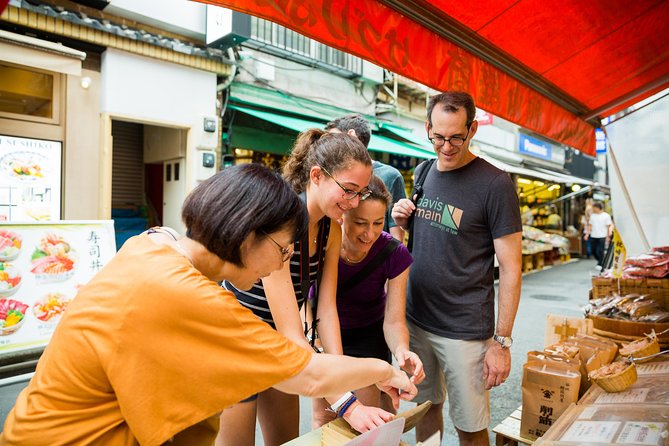
Wagyu skewers and a proper final bowl that makes the tastings feel like more than snacks
A guide who helps you navigate vendor chaos so you don’t waste time in the wrong stalls
Multiple tastings, including tamagoyaki, seasonal fruit, and fried fish cake
Sushi or a seafood bowl depending on the day, so don’t plan your expectations on one outcome
Crowd and weather reality matters here, so mid week timing can feel easier
Hungry earlier than that? Other market breakfasts we tried
- Tokyo Tsukiji Fish Market Food and Culture Walking Tour
★ 5.0 · 3,184 reviews - Tokyo: Tsukiji Fish Market Food and Walking tour
★ 5.0 · 1,724 reviews - Tokyo: Tsukiji Fish Market Guided Walking Tour
★ 4.9 · 1,397 reviews - Tokyo Sushi Making Class in Tsukiji with Professional Chef
★ 5.0 · 1,177 reviews
Tsukiji Outer Market on Foot, in Just 3 Hours
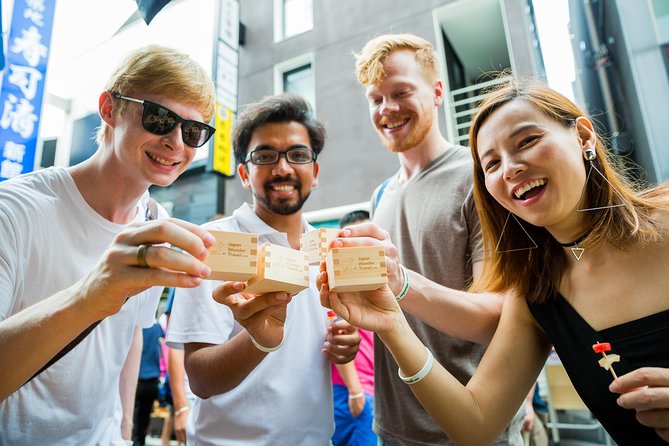
Tsukiji has a way of overwhelming your senses fast, even if you love food. This tour keeps it practical: you walk, you taste, you get context, and you end back near your starting area without trying to conquer the whole market alone.
For me, the sweet spot is that it is not just sampling. You get explanations about what you are eating and why the market matters in Tokyo’s food world, including why top chefs shop this area for fresh ingredients. That turns wagyu skewers and seafood tastings into a story, not just a hit list.
And because it is a short, guided window, you do not have to worry about figuring out which stalls are worth your time. I’d call that value, especially if it is your first visit to Tokyo food markets.
Starting at Tsukiji Honganji Temple and Building the Right Food Mindset
You meet your guide at the main gate of Tsukiji Honganji-Temple (浄土真宗本願寺派 築地本願寺). This matters more than it sounds. When you start at a clear landmark, you can focus on the sights and smells instead of playing phone map roulette.
Early in the walk, you get your bearings in the outer market area. The tour is staged, so you have a first slice of wandering and vendor watching, then a longer tasting segment where you are guided stall to stall. If the market feels loud and dense, this pacing helps you settle in.
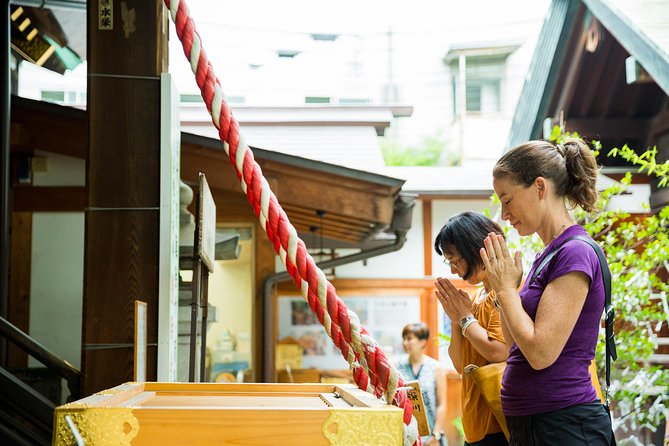
One small extra detail worth knowing: some guides in past experiences have also included shrine etiquette, and even a short cleansing ritual connected to shrine customs. That is not guaranteed every day, but it shows the guides take cultural context seriously, not just the food portion.
The Outer Market Walk: How the Tastings Work in Real Life
This is where the tour shines for most people. You spend about half an hour getting into the market flow, then around two and a half hours on guided tasting and more browsing through the food stalls.
What you experience is a mix of structured stops and free-looking moments where you can absorb the environment. You are walking through the maze of shops and vendor counters, which is part of the point. But the guide keeps it from turning into sensory overload by steering you toward food that is high quality and easy to order as a visitor.
- Mt Fuji and Hakone 1-Day Bus Tour Return by Bullet Train★ 5.0 · 26,383 reviews
- 1-Day Tokyo Bus Tour★ 5.0 · 14,250 reviews
- Tokyo: teamLab Planets TOKYO Digital Art Museum Entry Ticket★ 4.6 · 9,779 reviews
- Mt Fuji & Hakone Cruise, Drum Show Bullet Train 1 Day from Tokyo★ 4.0 · 7,413 reviews
- Tokyo: Shinjuku Food Tour (13 Dishes at 4 Local Eateries)★ 5.0 · 6,603 reviews
What You Taste Along the Way
You are not left with vague descriptions like sample of the day. The included menu has a clear shape, built around several classic Tokyo flavors:
High grade wagyu beef skewers
These are usually the headline item because they are flavorful, fast to eat, and easy to understand once you taste them. Even if you think you know wagyu, this sort of skewered market version often lands differently than what you get in a restaurant.
Japanese omelet, often known as tamagoyaki
This gives you a non seafood moment and helps you balance the heavier tastes. It also fits the market rhythm because it is portable food that still feels special.
Fried fish cake
This is a comfort food style stop that adds variety to the seafood theme. You get a chance to taste how Japanese market foods can be both casual and skillful.
Seasonal fruits
Fruit sounds simple, but it works as a palate reset when you have been walking and snacking for hours.
Plus the big finish: either sushi or a seafood bowl depending on the day
Even the “menu of highest grade ranking” language is basically telling you that the stops are chosen for quality, not just convenience. In reviews, people repeatedly highlight that the wagyu and the final bowl are the memorable anchors.
The Culture Lesson: Why Chefs Shop Tsukiji Like This

The market is famous for more than its drama and signage. The core idea behind this tour is that you are watching a supply chain culture in action, where freshness and sourcing decisions happen quickly and daily.
The guide explains why so many top chefs visit the market area to pick up ingredients. That chef angle matters because it gives you a reason to care about what feels like a chaotic, fast-moving food street.
As you walk, you also learn how market eating fits Japanese food culture. Portions are small, tastes are frequent, and variety is built in. That is why this tour feels like a food education instead of a single meal.
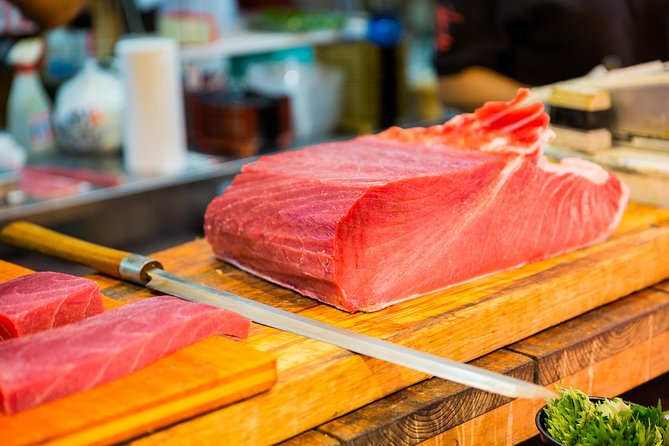
Some guides have even shared hands-on food prep context at the final meal. In a past experience, people described a sashimi chef preparing fish for a bowl, with a quick demonstration of cutting or filleting. Even if you do not get that exact show every time, you can expect the final stop to feel like a real food moment, not just a coupon-style lunch.
The Big Payoff Meal: Sushi or Seafood Bowl, Depending on the Day
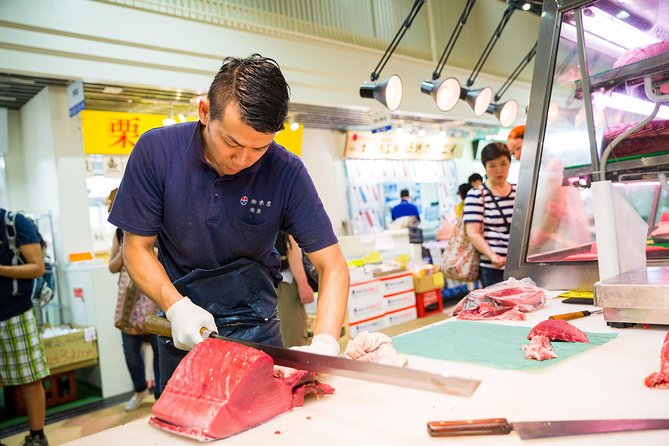
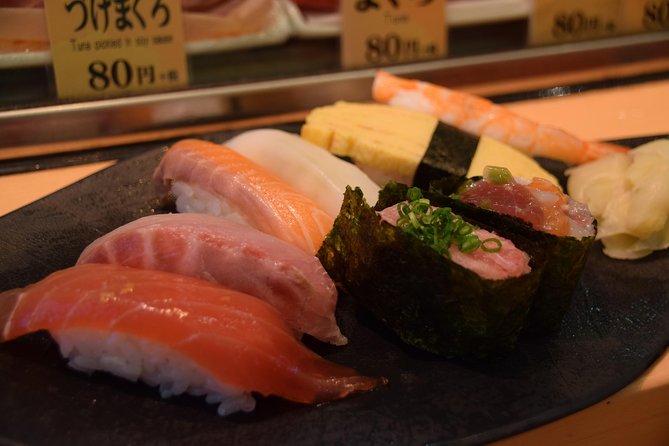
At the end, the tour wraps up with either a fish bowl or sushi, depending on day and time. This is one of the most practical things to know before you go, because it affects what you should be hungry for.
If you are a sushi person, you may get sushi. If it is the bowl day, you may get a seafood bowl. Either way, you should treat it as the meal anchor. Several reviews specifically call out the last stop as the best part, especially when the wagyu and seafood tastings have already set your expectations.
There is also a small contingency built in: if a restaurant is suddenly closed and cannot provide the meal, the tour provides an alternative. That is comforting, because market days can be unpredictable.
When I compare this to doing Tsukiji on your own, the value becomes clearer. You get guided selection earlier, so you are not spending your energy trying to decode which stall has what you want. Then you get a satisfying finish that matches the rest of the walk.
Price and Value: Is $96 Worth It?
$96 for a 3 hour guided food and culture tour is not “cheap,” but it is not random either. You are paying for four things bundled together:
- A live English guide who helps you navigate the market and explain what you are tasting
- Multiple included tastings, not one meal
- Premium items such as wagyu beef skewers
- A final sushi or seafood bowl serving
If you are trying to recreate this day solo, you would likely spend money just on the most popular foods, plus you would still need to figure out where to go and how to order. The guide reduces that guesswork, and that is where a lot of the “value” comes from.
Also, the small group size helps. When the group is 2 to 8, you are more likely to get questions answered and have a route that feels coherent instead of a herd shuffle.
Practical Tips That Make the Tour Smoother
Tsukiji is famous for being crowded, and the tour length is short, so you feel the environment. A few practical points can save your day:
Wear comfortable shoes. There is a moderate amount of walking, and you are on your feet for the tastings and browsing.
Bring a camera, if you like market photos. The stalls and signage can be photogenic, and the guide can help you time stops.
If you visit on a weekend, expect more crowd pressure. One review specifically recommended mid week because Saturday mornings were very crowded.
If it rains, it is still doable, but hearing the guide can be harder among umbrellas and noise. Go in with that realism and you’ll handle it better.
One more important note: the tour is English with a live guide, but you should still assume you will be moving through dense areas where attention is split between food, people, and directions. That is normal for this type of market tour.
Days When the Menu Changes: Wednesday, Sunday, and Closed Market Reality
Here is the logistical truth you need before you book. The fish market area referred to as Uogashi wholesaler market is closed on Wednesdays and Sundays, and on other closed market days.
On Wednesdays, Sundays, and other closed market days, the tour cannot serve Japanese omelet, fish cake, and fruits because the shop is closed. You will still be on the walk and you may still get the core seafood tastings, but you should expect some included items to be missing.
This affects value if you were counting on the full menu. If you have flexibility, picking a day when the market is open can make the tour feel closer to the complete tasting experience described in the included menu.
Who Should Book This Tsukiji Walk, and Who Should Skip
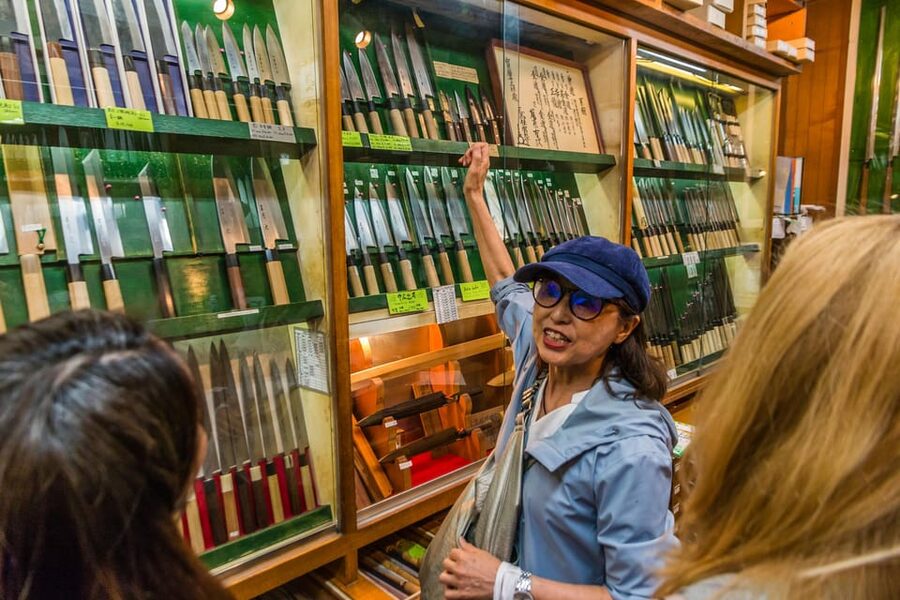
This tour is a strong fit if you want a first time friendly introduction to Tsukiji Outer Market food culture and you like variety. It is especially good if you would rather pay for guidance than spend hours scanning menus, pointing at photos, and hoping you picked the right stall.
It is not a fit if you need vegetarian, vegan, halal, or gluten-free accommodations. The tour also is not suitable for people with mobility impairments or wheelchair users, since there is moderate walking and the route is market terrain.
Dietary limits are also pretty absolute here. You cannot count on swaps or replacements beyond what the tour provides in the situation where the final restaurant closes.
If you love wagyu and want a guided day that ends with sushi or a seafood bowl, you will likely feel satisfied with the pacing and the tastings. If you mainly want a single big meal, you might find this feels like a snack-heavy format, even though the final bowl helps anchor it.
Should You Book This Tsukiji Fish Market Food and Culture Walking Tour?
I’d book it if:
You are excited about wagyu skewers and want a guided way to taste market food without wasting time.
You want a short, structured day that explains the market’s role in Tokyo food culture.
You are okay with the fact that the final meal is sushi or seafood bowl depending on the day.
I would skip it if:
You are traveling on Wednesday or Sunday and you care specifically about the omelet, fish cake, and fruit stops.
You need vegan, vegetarian, halal, or gluten-free options, since substitutions are not supported.
You have mobility limitations, since the tour involves moderate walking and does not accommodate wheelchair users.
If you are on your first Tokyo trip and you like food that comes in many small bites, this is one of the better ways to do Tsukiji without turning the day into a stressful scavenger hunt.
FAQ
How long is the Tokyo Tsukiji Fish Market Food and Culture Walking Tour?
The tour lasts 3 hours.
How much does the tour cost?
The price is $96 per person.
How many people are in the group?
The tour is a small group with 2 to 8 people.
Where do I meet the guide?
Meet your guide at the main gate of Tsukiji Honganji-Temple when the tour starts.
What foods are included in the tasting?
Included items include high grade wagyu beef skewers, fresh fish bowl or sushi (depending on the day), Japanese omelet, seasonal fruits, and fried fish cake.
Do they accommodate vegetarian, vegan, halal, or gluten-free requests?
No. This tour unfortunately does not accommodate vegetarian, halal, or gluten-free requests, and it is not suitable for vegans or vegetarians.
Is it sushi every day?
No. Depending on the day and time, the tour serves either sushi or a seafood bowl.
What happens on Wednesdays or Sundays?
The fish market (Uogashi wholesaler market) is closed on Wednesdays, Sundays, and other closed market days. On those days, Japanese omelet, fish cake, and fruits cannot be served.
Is there a lot of walking?
There is a moderate amount of walking. It is not suitable for people with mobility impairments or wheelchair users.
What is the minimum drinking age?
The minimum drinking age is 20.
Is there free cancellation?
Yes. You can cancel up to 24 hours in advance for a full refund. There is also a reserve now and pay later option.
Market Mornings We Have Reviewed


Newest Tokyo write-ups from the Loving Japan desk



Tsukiji and Toyosu Fish Markets, side by side.
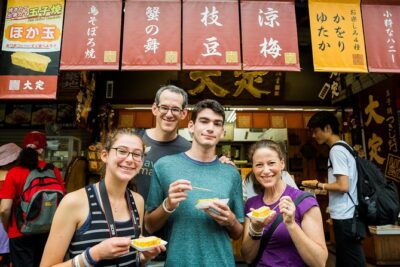 ★ 5.0Tokyo Tsukiji Fish Market Food and Culture Walking TourFrom $993,184 reviews
 ★ 5.0Tsukiji Fish Market Food and Walking tourFrom $301,724 reviews
 ★ 4.9Tsukiji Fish Market Guided Walking TourFrom $221,397 reviews
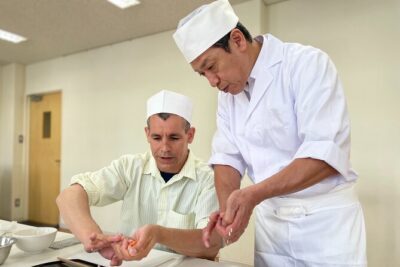 ★ 5.0Tokyo Sushi Making Class in Tsukiji with Professional ChefFrom $491,177 reviews
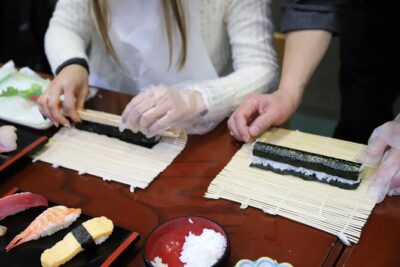 ★ 5.0Tsukiji Fish Market Guided Tour and Sushi Making with Pro ChefFrom $104775 reviews
 ★ 5.0Tsukiji Fish Market: Street Food & Culture Walking TourFrom $33669 reviews
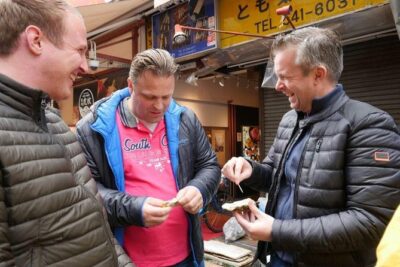 ★ 5.0Tsukiji Fish Market Small-Group Food Walking TourFrom $87621 reviews
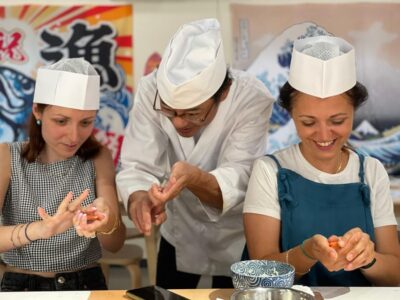 ★ 4.9Tsukiji Fish Market Sushi Making Class with Pro ChefFrom $63506 reviews
Filed on these lists too