
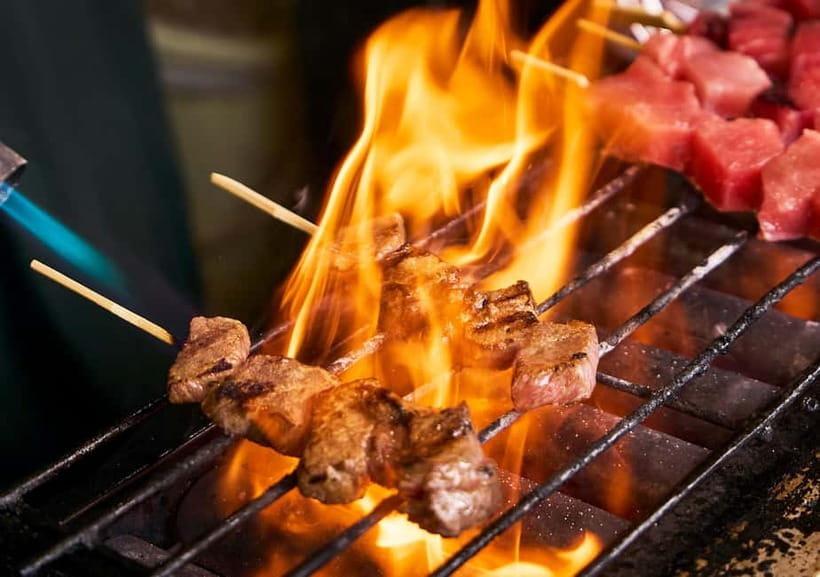
REVIEW · TSUKIJI AND TOYOSU FISH MARKETS
Tsukiji Fish Market: Street Food & Culture Walking Tour
Fish smells, sharp knives, and great bites. This Tsukiji street food and culture tour turns a famous market area into a guided food crawl, with a standout fish-cutting show and time at the nearby Tsukiji Jogai Market. I really like the way your guide helps you pick smart places to eat, not just point at stalls, and I also love the craft element of watching a chef fillet a whole fish using traditional technique.
One thing to weigh before you go: Tsukiji gets crowded, and with a walking route plus stops, the pacing can feel rushed if you like slow sightseeing and deep lectures.
If you want a simple, high-impact Tokyo morning, this is a strong fit. The tour runs about 2 hours, uses a mobile ticket, and caps at 30 travelers, so you are not stuck in a giant group shuffle.
You’ll also be glad to know it is designed to work for more people, with wheelchair and stroller access and a meeting point at Tsukiji Hongwanji Temple (your start is at 築地本願寺本堂3-chōme-15-1). Expect good weather to matter, since the experience is weather-dependent.
In This Review
- Key Highlights You Should Actually Care About
- Tsukiji Still Feels Like a Working Market
- Finding Your Footing at Tsukiji Jogai Market
- The Fish-Cutting Show: Craft You Can See in Real Time
- Walking Through the Tsukiji Fish Market Atmosphere
- Tsukiji Hongwanji Temple Adds Meaning Beyond Food
- Price and Value: What $33.16 Buys You Here
- Tour Timing, Crowds, and How to Stay Comfortable
- What to Expect From Your Guide
- Who This Tour Is Best For
- Should You Book This Tsukiji Street Food & Culture Tour?
- FAQ
- FAQ
- How long is the Tsukiji Fish Market street food and culture walking tour?
- What is the tour price?
- Is food included on the tour?
- Where does the tour start?
- Where does the tour end?
- Do I need a paper ticket?
- Is the tour wheelchair and stroller accessible?
- How big is the group?
- What happens if the weather is bad?
Key Highlights You Should Actually Care About
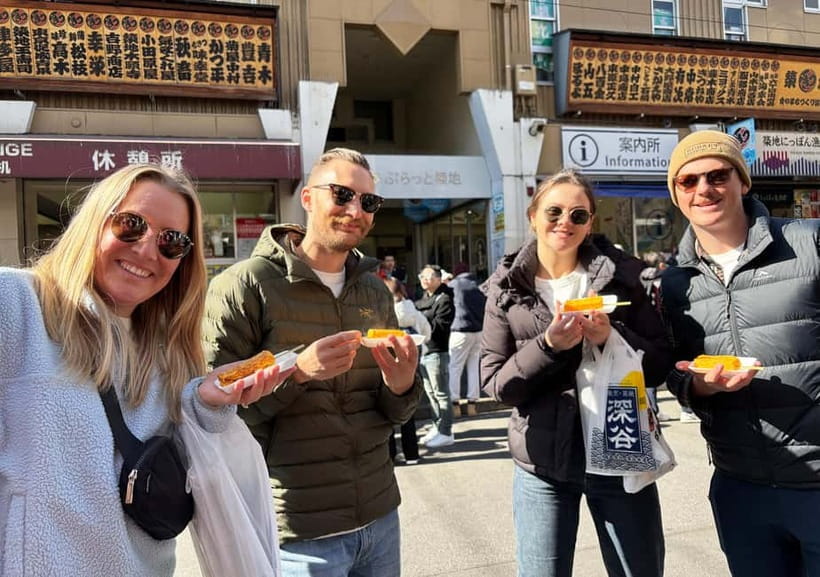
- Fish-cutting show with traditional technique: Watch a chef fillet a whole fish, then eat a fresh seafood bowl afterward
- Small-group focus: A guide can give you more attention than you get on big tours, especially in a crowded market
- Tsukiji street food intro that feels practical: You get help navigating what to try and where to go
- Real market atmosphere time: You spend part of the tour where professional traders work day-to-day
- Temple visit for cultural context: A guided stop at Tsukiji Hongwanji Temple adds meaning beyond food
- One tour, several moods: Street food energy, skilled craftsmanship, market bustle, then a calmer temple moment
Hungry earlier than that? Other market breakfasts we tried
- Tokyo Tsukiji Fish Market Food and Culture Walking Tour
★ 5.0 · 3,184 reviews - Tokyo: Tsukiji Fish Market Food and Walking tour
★ 5.0 · 1,724 reviews - Tokyo: Tsukiji Fish Market Guided Walking Tour
★ 4.9 · 1,397 reviews - Tokyo Sushi Making Class in Tsukiji with Professional Chef
★ 5.0 · 1,177 reviews
Tsukiji Still Feels Like a Working Market
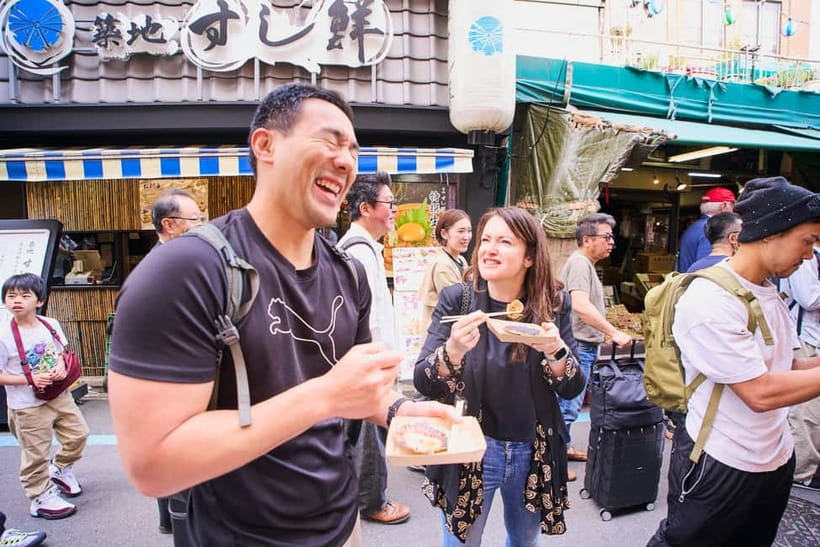
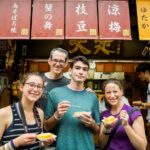
Tsukiji can look like pure tourism from the outside. On this tour, you experience it more like a place locals deal with every day: food, vendors, quick transactions, and experts doing their jobs.
That is what makes the whole morning work. You are not just collecting photos. You are learning how fish gets presented, handled, and turned into meals, and why the culture around it is so specific.
And yes, it smells like fish. That is part of the charm. The key is that you go with a guide who helps you translate what you are seeing into something you can actually enjoy.
Finding Your Footing at Tsukiji Jogai Market
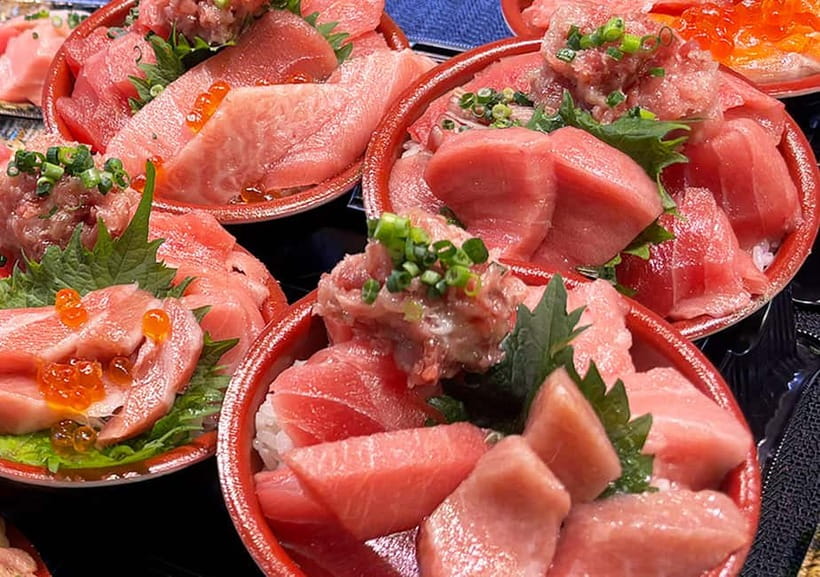
The tour starts at Tsukiji Jogai Market, with a first stop built around Japanese food culture and street food sampling.
This is where you get your bearings fast. Tsukiji can be confusing if you are wandering alone, because you are surrounded by counters, small menus, and line-ups that move quickly. With a guide in front, you learn how to read the stalls and make choices without second-guessing yourself every few steps.
I like this start because it sets the tone early. You ease into the market scene with street food rather than launching straight into the busiest chaos. The tour structure also gives you a chance to get comfortable with the tempo, so later stops feel easier.
Possible drawback: because this area is active and tightly packed, you may need to keep moving at the group pace. If you stop to stare at everything, you can fall behind and lose the flow.
The Fish-Cutting Show: Craft You Can See in Real Time
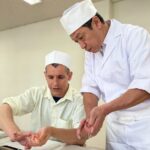
The highlight for most people is the fish-cutting show at the market. A skilled chef fillets a whole fish using traditional technique, and you get to watch it closely enough to understand the skill, not just the spectacle.
This is not just about the knife work. The show teaches you that Japanese fish preparation is about precision and respect for the product. You see how a whole fish becomes usable portions, and you also get a sense of why fresh handling matters so much in a place that deals in seafood all day.
Afterward, you get a fresh seafood bowl. That is a great payoff moment, because your food is tied directly to what you just watched. It turns the show into something you can taste, not just something you witnessed.
How to make this segment more enjoyable: arrive ready to look with your eyes, not your phone. You will still be able to take pictures, but the best learning happens when you actually watch the process.
One more consideration. Seats and viewing can get tricky in busy periods. If you have accessibility needs or you need a stable spot, mention it early so your guide can manage the flow.
- Mt Fuji and Hakone 1-Day Bus Tour Return by Bullet Train★ 5.0 · 26,383 reviews
- 1-Day Tokyo Bus Tour★ 5.0 · 14,250 reviews
- Tokyo: teamLab Planets TOKYO Digital Art Museum Entry Ticket★ 4.6 · 9,779 reviews
- Mt Fuji & Hakone Cruise, Drum Show Bullet Train 1 Day from Tokyo★ 4.0 · 7,413 reviews
- Tokyo: Shinjuku Food Tour (13 Dishes at 4 Local Eateries)★ 5.0 · 6,603 reviews
Walking Through the Tsukiji Fish Market Atmosphere
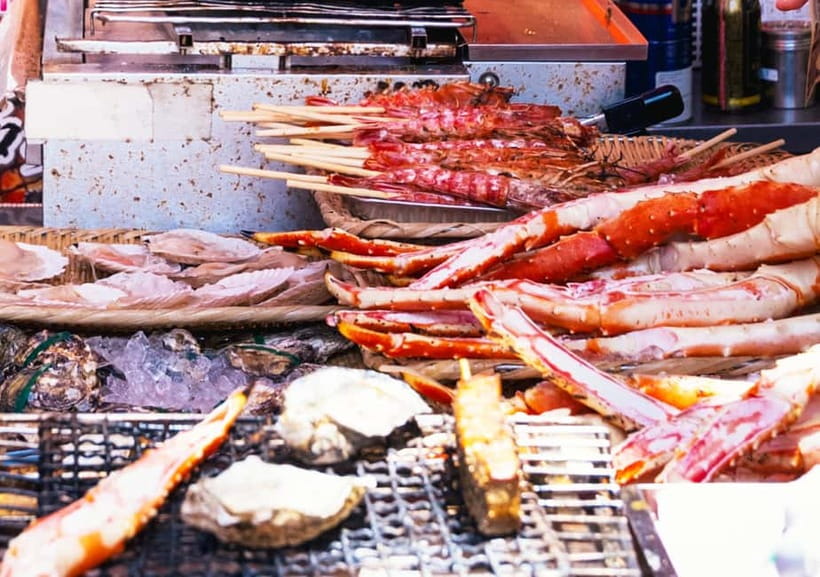
Next you spend time in the broader Tsukiji Fish Market atmosphere where professional traders operate. This part matters because it shows you the working side of the market, not only the “try-a-snack” tourist side.
Here, the focus is on observing how the market functions. You will see people doing what they do at speed. You’ll notice how goods move, how decisions get made, and how the environment stays busy even when you are just standing there.
I find this segment useful if you like context. A street food stop can feel like food first, questions later. But time with the working traders helps you understand why the food culture around Tsukiji exists in the way it does.
Crowds can be intense, especially around peak seasons. In those moments, the practical value of having a guide goes up. They help you avoid dead ends, keep you moving, and steer you toward food options that match what you want.
Tsukiji Hongwanji Temple Adds Meaning Beyond Food
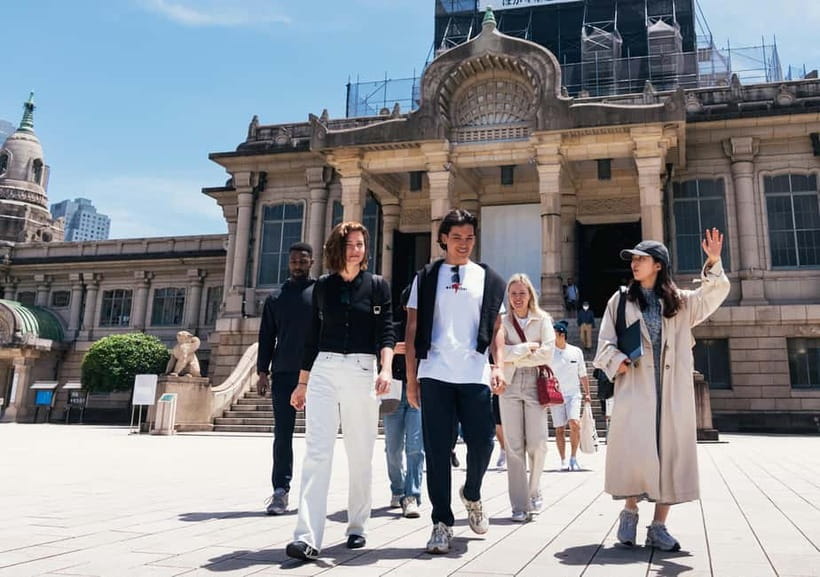
The tour includes a visit to Tsukiji Hongwanji Temple, guided with an explanation of Japanese culture and the charm of Buddhism.
This stop is short, about 15 minutes, but it does something important. After the fish intensity, you get a calmer contrast. It also gives your food experience more grounding, because Japanese market culture does not sit alone. It is part of a wider landscape of daily life, tradition, and belief.
If you like food tours that do more than feed you, this temple stop is a nice balance. If you prefer purely culinary sightseeing and nothing religious, you might still appreciate it as a quick reset.
One practical tip for this stop: wear shoes you can move in comfortably. You will likely be transitioning between market streets and temple grounds quickly.
Price and Value: What $33.16 Buys You Here
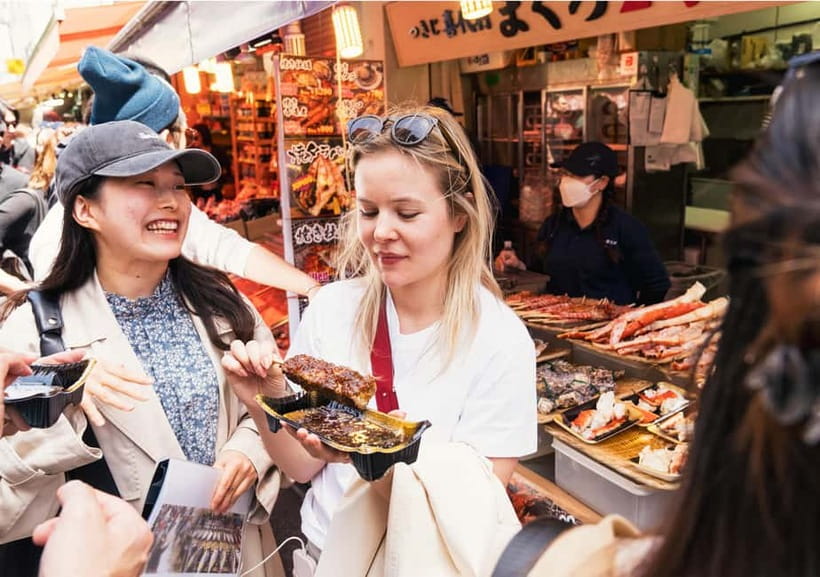
At about $33.16 per person for a roughly two-hour tour, the real question is value. Here’s how I think about it.
You are paying for guided decision-making in a complicated place. Tsukiji is famous, which means it is crowded and full of choices that can be overwhelming. A good guide saves you time and helps you avoid wasting it.
You are also paying for the fish-cutting show component, which is a specific experience, not just generic market walking. Add in the temple context and the structured flow, and the price starts to make sense for a short Tokyo morning.
Meals are not listed as included, but the tour description includes a fresh seafood bowl after the filleting segment. For anything extra beyond that bowl, you should assume you might pay on your own. If you have a tight budget, plan your appetite around the included food moment, then decide calmly if you want more.
Group size also affects value. With a maximum of 30 travelers and the promise that your guide can focus more time on you in a small-group format, this feels more personal than the large-bus style tours you might encounter elsewhere.
Tour Timing, Crowds, and How to Stay Comfortable
This is a compact route, so timing matters. You move from Tsukiji Jogai Market to the fish-cutting show, then to the main market atmosphere, and finish at Tsukiji Hongwanji Temple area.
That structure is smart, because each segment has a different purpose. Street food gets you started. The show gives you a memorable skill-based anchor. The market atmosphere gives context. The temple provides a quick cultural reset.
Still, crowds can affect comfort and even pacing. If you are sensitive to noise or you like lots of guide explanations, bring patience. In tight spaces, it can be hard to hear clearly, and people tend to crowd around the most interesting food counters and demonstrations.
Weather matters too. The experience requires good weather, so if rain is coming, be ready for a reschedule or refund offer.
If you want to enjoy it smoothly:
- Wear comfortable shoes you can stand in
- Bring a light layer because market areas can feel different temperature-wise
- If you want to taste multiple items, set expectations early, because two hours passes fast
What to Expect From Your Guide
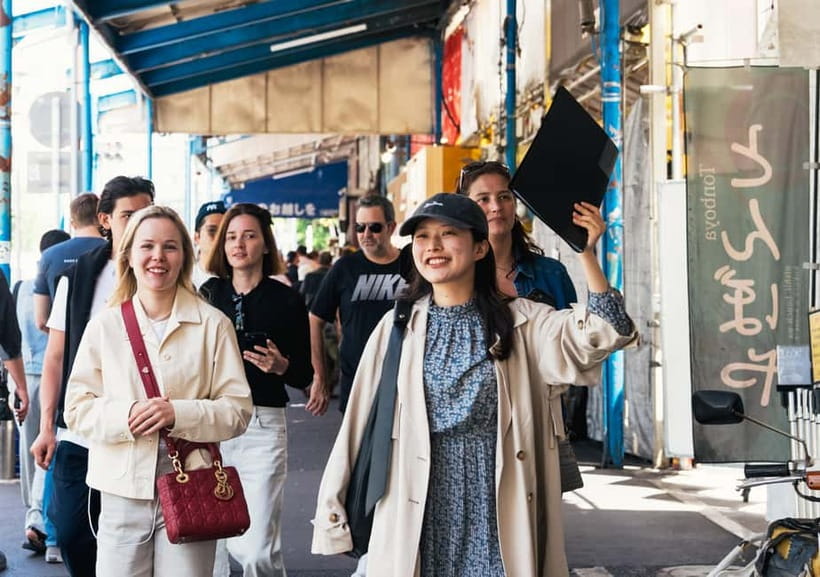
Guides are the heart of this kind of tour, and the quality seems to vary by who you get. I’ve seen examples of guides like George and Tomo doing an excellent job pointing people to the best spots for tasting and explaining what you are looking at.
What matters most is clarity and pacing. In crowded markets, a guide who keeps the group moving and explains choices in plain language can make the difference between a satisfying food morning and a stressful one.
If you want the best experience, pay attention to your guide during the most important moments: right before the fish show, when you are selecting food, and when you are moving from stop to stop.
Also, keep your expectations realistic about the format. This is not a slow museum-style lesson. It is a guided walk with practical food decisions and culture context.
Who This Tour Is Best For
This tour fits best if you:
- Want a guided way to try Tsukiji street food without guessing
- Are curious about fish preparation, not just shopping and eating
- Prefer a short, structured morning around food and culture
- Like small-group touring, where the guide can look after you more closely
You might want to skip or reconsider if you:
- Want long, detailed explanations at each stop
- Dislike busy crowds and fast walking routes
- Are hoping for only temple sightseeing or only food, with no mixed focus
If your ideal day is hands-on and focused on food craft, you will likely enjoy this more than the people who came expecting a quiet lecture.
Should You Book This Tsukiji Street Food & Culture Tour?
I think this is worth booking when you want a smart plan for a famous place. Two hours is long enough to matter, and short enough that you still have time to explore Tsukiji on your own afterward if you want.
Book it if you want:
- A fish-cutting show that you can connect to what you eat
- A guide helping you find good street food options
- A balanced morning that includes a quick temple stop for context
Skip it if you hate crowds, need lots of listening time, or you mainly want to wander and make your own choices without guidance. Tsukiji rewards curiosity, but it punishes aimless wandering. A guide helps you win that trade.
FAQ
FAQ
How long is the Tsukiji Fish Market street food and culture walking tour?
It runs for about 2 hours.
What is the tour price?
The price is $33.16 per person.
Is food included on the tour?
Meals are listed as not included. However, the fish-cutting show stop includes a fresh seafood bowl afterward.
Where does the tour start?
The meeting point is at 築地本願寺本堂3-chōme-15-1 Tsukiji, Chuo City, Tokyo 104-0045, Japan.
Where does the tour end?
It ends back at the meeting point.
Do I need a paper ticket?
You get a mobile ticket.
Is the tour wheelchair and stroller accessible?
Yes, the tour is wheelchair and stroller accessible.
How big is the group?
The tour has a maximum of 30 travelers.
What happens if the weather is bad?
The experience requires good weather. If it is canceled due to poor weather, you will be offered a different date or a full refund.
Market Mornings We Have Reviewed

Newest Tokyo write-ups from the Loving Japan desk


Tsukiji and Toyosu Fish Markets, side by side.
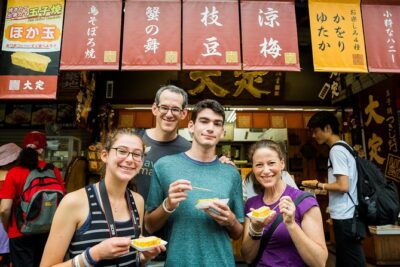 ★ 5.0Tokyo Tsukiji Fish Market Food and Culture Walking TourFrom $993,184 reviews
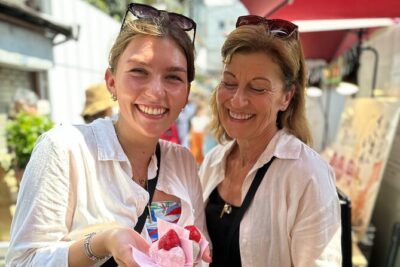 ★ 5.0Tsukiji Fish Market Food and Walking tourFrom $301,724 reviews
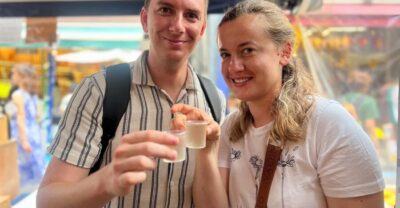 ★ 4.9Tsukiji Fish Market Guided Walking TourFrom $221,397 reviews
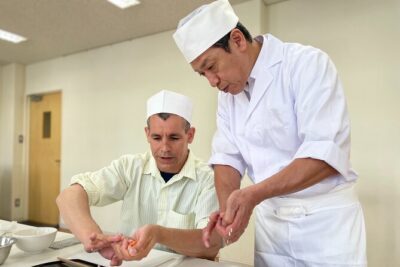 ★ 5.0Tokyo Sushi Making Class in Tsukiji with Professional ChefFrom $491,177 reviews
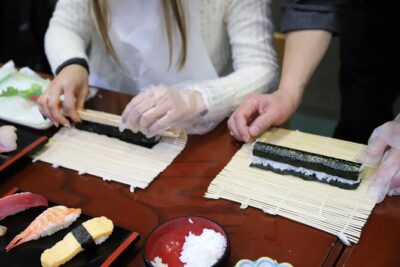 ★ 5.0Tsukiji Fish Market Guided Tour and Sushi Making with Pro ChefFrom $104775 reviews
★ 4.7Tsukiji Fish Market Food and Culture Walking TourFrom $96757 reviews
★ 5.0Tsukiji Fish Market Guided Tour and Sushi Making with Pro ChefFrom $104775 reviews
★ 4.7Tsukiji Fish Market Food and Culture Walking TourFrom $96757 reviews
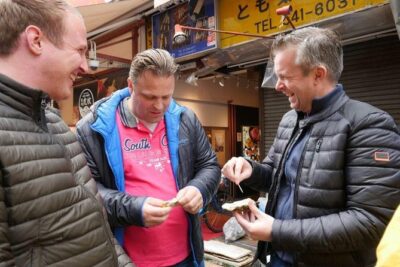 ★ 5.0Tsukiji Fish Market Small-Group Food Walking TourFrom $87621 reviews
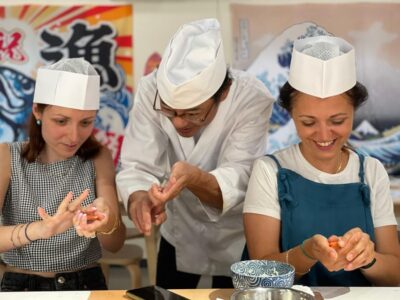 ★ 4.9Tsukiji Fish Market Sushi Making Class with Pro ChefFrom $63506 reviews
Filed on these lists too