
REVIEW · TOKYO TOWER, GINZA AND THE IMPERIAL PALACE
Tokyo’s Imperial Palace & Nihonbashi Tour
Imperial grounds meet old-school craft. This 4-hour tour links the Imperial Palace East Gardens with the historic Nihonbashi district, plus hands-on moments like washi paper making and a sake tasting set. I especially like how the guide turns free, open-to-public grounds into something you can actually name and place, and I like the way the shopping stops feel purposeful, not random.
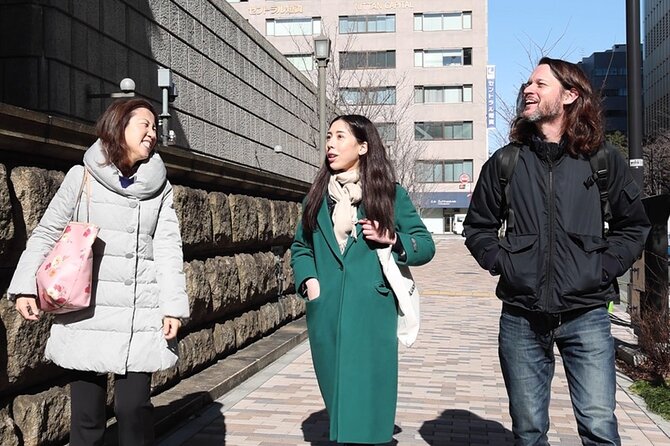
You also get real help with language barriers thanks to a nationally accredited guide-interpreter. I like that the group stays fairly small, up to 28 travelers, which keeps questions from getting lost, and you get a mobile ticket for day-of ease.
One consideration: it is still a walking tour, and the day can feel long if the weather is rough or you are shifting between transit and streets. The tour also requires good weather, so bring a plan B mindset for rain or heat.
In This Review
- Key Things That Make This Tour Worth Your Time
- From Tokyo Station to the Imperial East Gardens
- What You Actually See at the Imperial Palace Grounds
- Nihonbashi: The Old Highway District Meets Modern Shop Life
- Dashi at Ninben: Learn the Flavor Backbone of Japanese Cooking
- Roasted Nori at Yamamoto Noriten Honten
- Japanese Knife Culture at Kiya Nihonbashi Main Branch
- Ozu Washi: Making Your Own Sheet of Washed-Style Paper
- Toyama Prefecture Antenna Shop and the Included Sake Set
- Price and Value: Is $101.72 a Smart Deal?
- Logistics That Matter: Walking, Weather, and Getting Back on Track
- Who This Tour Fits Best
- Should You Book the Tokyo Imperial Palace & Nihonbashi Tour?
- FAQ
- How long is the Tokyo’s Imperial Palace & Nihonbashi Tour?
- Do I get to choose a morning or afternoon tour time?
- What is included in the price?
- Is admission for the East Gardens included?
- Does the tour include transportation to the meeting point?
- Where does the tour start and where does it end?
- What is the maximum group size?
- Is the tour good for non-Japanese speakers?
- What happens if the weather is poor?
- When will I get confirmation after booking?
- Can I cancel for free?
Key Things That Make This Tour Worth Your Time
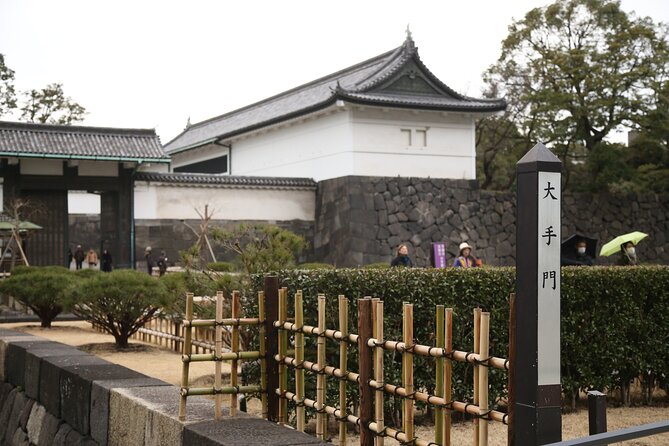
- Imperial Palace East Gardens focus: you walk through the Otemon Gate area and the Edo Castle ruin grounds without getting lost in big-city noise
- Nihonbashi, starting point energy: this is the old highway network zone, so the neighborhood explains how Tokyo grew
- Craft stops you can picture later: dashi, roasted nori, knives, and washi are all explained in plain terms
- A hands-on washi moment: you make your own sheet, not just watch from the sidelines
- Sake tasting included: you finish with an included sake set at a Toyama prefecture shop stop
The central Tokyo landmarks, reviewed one by one
- Flagship 2-Hours Official Street Go-Kart Tour – Tokyo Bay Shop
★ 5.0 · 4,974 reviews - Tokyo: Imperial Palace and Shogun Historical Walking Tour
★ 5.0 · 2,251 reviews - Tokyo: Meiji Shrine, Asakusa, Skytree Bus Tour and Cruise
★ 4.7 · 1,986 reviews - Tokyo Panoramic 1 Day: Meiji Shrine, Asakusa, Odaiba and SKYTREE®
★ 4.5 · 1,222 reviews
From Tokyo Station to the Imperial East Gardens
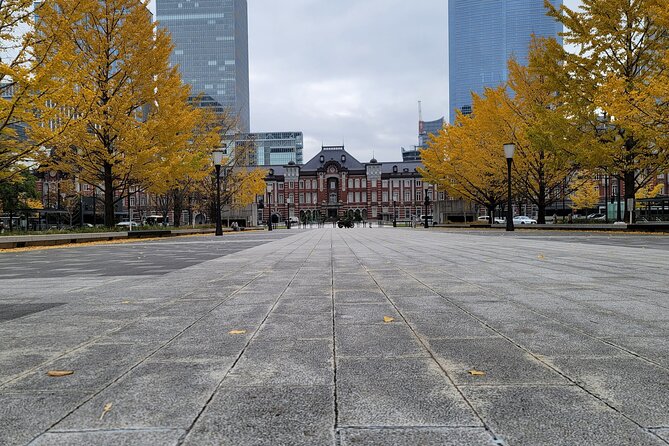
Your morning (or afternoon) starts at Tokyo Station, at 1 Chome-9 Marunouchi. From there, you head toward the Imperial Palace area along a ginkgo tree-lined approach, which is a nice first signal that this is not just another quick photo stop.
The tour begins with time walking the palace grounds before you go deeper into the area the public can access. Expect lots of greenery and paths, with seasonal hints like cherry and pine that help you connect what you see to Japan’s long seasonal rhythm.
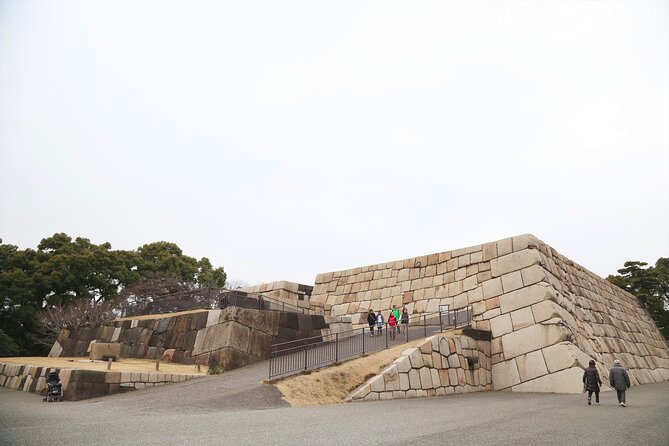
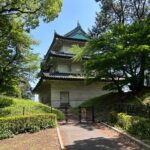
Then comes the main anchor: the East Gardens. You enter through Otemon Gate, and you spend about an hour in the East Gardens, including the Edo Castle ruin area. Admission for this part is included, which matters because it helps you avoid the classic Japan travel headache of juggling tickets, queues, and timing while you are already on a schedule.
What You Actually See at the Imperial Palace Grounds
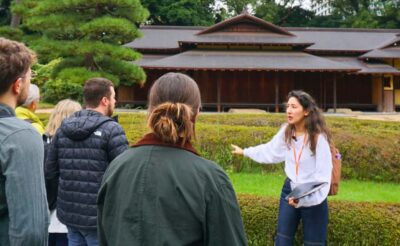
Here is the honest vibe: this experience is about the grounds and East Gardens, not a full inside tour of the palace buildings. If what you want is a hands-on, inside, room-by-room palace visit, you may feel a bit surprised because the focus is outdoor areas you can walk through and understand.
That said, I like the East Gardens approach because it is easier to appreciate the layout. You can connect the landscape to the Edo Castle context, and your guide helps you put names and purpose to spots you might otherwise only treat as pretty scenery.
It is also a great way to get over that first-day Tokyo overwhelm. You start at Tokyo Station, move into a calmer Imperial zone, then return to city energy by the time you hit Nihonbashi. The contrast is part of the value.
Nihonbashi: The Old Highway District Meets Modern Shop Life
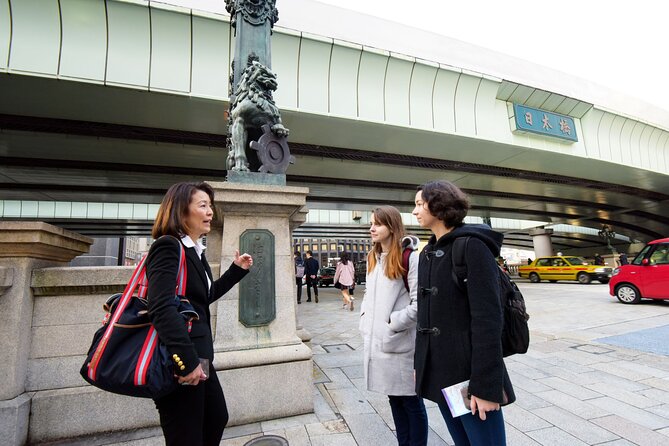
After the Imperial Palace portion, the tour shifts to Nihonbashi, a major commercial district and the start of Japan’s national highway network from the early seventeenth century. That one fact changes how you read the neighborhood. You are not just looking at shops, you are walking a place that has been economically important for centuries.
The route is designed like a chain: shop, story, technique, tasting, then move on. It keeps momentum, and you get to see how traditional goods are still produced and sold right in the heart of Tokyo.
You will also walk enough to feel like you are inside the city, not riding through it. Still, because this tour has a set end point in Nihonbashi, you do not have to worry about returning all the way to Tokyo Station at the end of the day.
- Mt Fuji and Hakone 1-Day Bus Tour Return by Bullet Train★ 5.0 · 26,383 reviews
- 1-Day Tokyo Bus Tour★ 5.0 · 14,250 reviews
- Tokyo: teamLab Planets TOKYO Digital Art Museum Entry Ticket★ 4.6 · 9,779 reviews
- Mt Fuji & Hakone Cruise, Drum Show Bullet Train 1 Day from Tokyo★ 4.0 · 7,413 reviews
- Tokyo: Shinjuku Food Tour (13 Dishes at 4 Local Eateries)★ 5.0 · 6,603 reviews
Dashi at Ninben: Learn the Flavor Backbone of Japanese Cooking
One of the first stops in Nihonbashi is Ninben dashi store. Dashi is the classic Japanese soup stock used in a lot more than just one type of dish. Think hotpot and noodle soups, and also the broader habit of building flavor with a strong base.
At this stop, you learn how dashi is made and you get a sample of dashi soup stock as part of what is included. For me, this is one of the smartest parts of the tour because it turns a vague food word into something you can taste and remember later.
If you are the type who likes ordering in Japan but freezes when you see unfamiliar menu items, this stop helps. You start understanding that many flavors are built from a few core ingredients and processes.
Roasted Nori at Yamamoto Noriten Honten
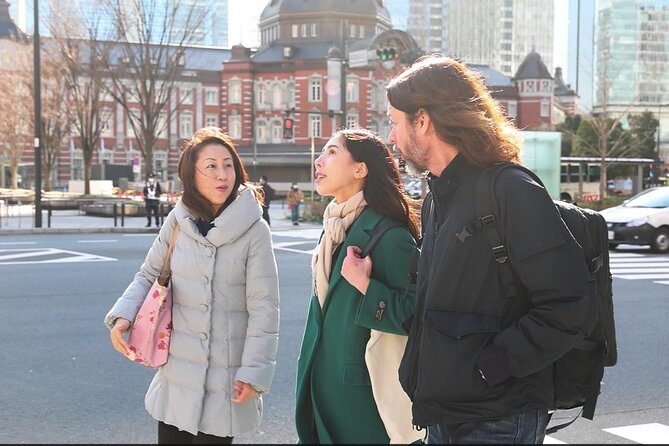
Next is a nori seaweed stop at Yamamoto Noriten Honten, a producer that has been in business since 1849. You can see different kinds of nori, and the experience includes watching staff roast it. That small action, roasting, is a big part of why seaweed can taste so different depending on the process.
This is another stop that teaches through observation. Instead of just buying a package and hoping you chose correctly, you leave knowing what kind of difference heat and handling can make.
Japanese Knife Culture at Kiya Nihonbashi Main Branch
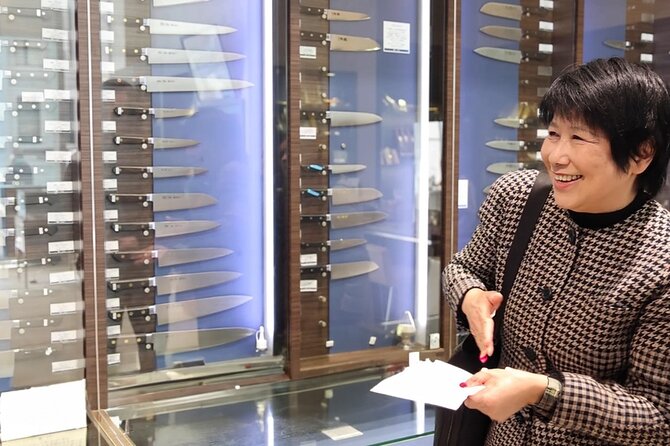
Then you head to Kiya Nihonbashi Main Branch, a traditional Japanese knife store founded in 1792. This is one of those Tokyo places where the sheer range of tools makes you slow down, look closer, and ask questions.
The store is described as carrying hundreds of utensils, from traditional Japanese knives to more modern European styles. Even if you are not planning to buy, it is a solid cultural lesson in how Japanese craftsmanship serves real daily cooking.
If you are hoping for a hands-on sharpening demonstration, do not assume it will happen on every date based on the stop description alone. Your guide will be able to confirm what is actually shown during your visit, but the core value here is seeing the breadth of knives and how the shop explains them.
Ozu Washi: Making Your Own Sheet of Washed-Style Paper
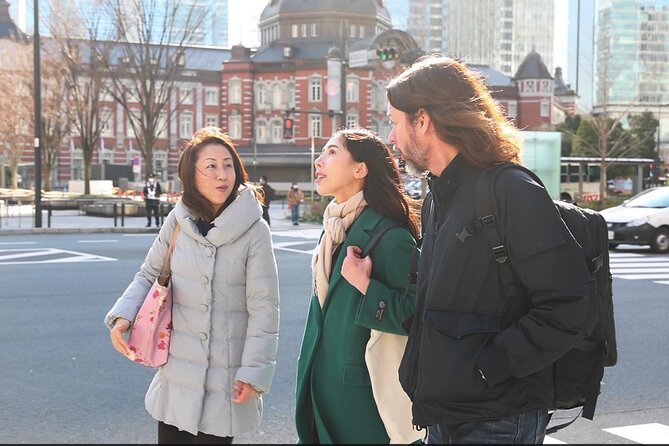
After Kiya, the tour moves to Ozu Washi, a Japanese paper store focused on washi. Here you learn about different types of Japanese paper and stationery items, and you do something much rarer on tours: you make a sheet of washi.
This stop runs about an hour, which is a good length. It gives you enough time to understand what you are making and not feel rushed through the process.
For me, this is the emotional memory-maker of the day. You can bring your finished washi sheet home, and it is a reminder that Japan’s traditions are not just museum-style. They are still skills people practice and refine.
Toyama Prefecture Antenna Shop and the Included Sake Set
The tour ends at the Toyama prefectural antenna shop, with about 30 minutes at the stop. You will see items from Toyama, a coastal prefecture on the Sea of Japan.
This is also where the included tasting element comes together: your Japanese sake set is part of what you get on the tour. I like that the pacing ends with something lighter than craft lessons and shopping streets, because you are already doing quite a bit by this point.
You do not need to be a sake expert to enjoy it. The guide helps make sense of what you are drinking, and the tasting format makes it easier to sample without feeling pressured to commit to one bottle on the spot.
Price and Value: Is $101.72 a Smart Deal?
At $101.72 per person for about 4 hours, this tour is priced like a premium experience, not a budget group walk. The value comes from what is bundled.
You get a nationally accredited guide-interpreter, free admission into the East Gardens, and included tasting items: a sample of dashi soup stock plus an included sake set. On top of that, you visit multiple specialty shops tied to long-running businesses, including a nori producer dating back to 1849 and a knife store founded in 1792.
If you plan to do these things individually, it usually turns into ticket juggling plus separate transit plus your own research. Here, the guide handles the connections between sites and keeps the day structured.
Booking timing can also matter. The tour is often booked around 47 days in advance on average, so if you have fixed dates, I would not leave it until the last minute.
Logistics That Matter: Walking, Weather, and Getting Back on Track
This tour runs about 4 hours and is set up as a group experience. The maximum group size is 28 travelers, and you get a mobile ticket. It also runs near public transportation, with a start at Tokyo Station and an end in the Nihonbashi area.
Your end area matters. The nearest stations to Nihonbashi include Nihombashi Station and Mitsukoshimae Station, so you likely will not have to backtrack far to reach dinner.
The big practical consideration is weather. The experience requires good weather. If conditions are too poor, you are offered a different date or a full refund, and on difficult days a guide may adjust the plan to keep you comfortable.
So pack for real Tokyo conditions. Bring a light rain layer if rain is possible, water if it is hot, and shoes that handle long streets without punishment.
Who This Tour Fits Best
This is a great fit if you want a first-timer friendly mix: Imperial Palace East Gardens plus a neighborhood that explains Japan’s everyday manufacturing culture. It also works well if you like food culture that goes beyond eating, meaning you want to understand ingredients like dashi and the craft steps like roasting nori.
It is also a good choice for travelers who prefer a guided structure. The guide-interpreter role means you do not have to fend for yourself with vocabulary or when you want answers on the spot.
I would be more cautious if you strongly want a full Imperial Palace building interior experience. The focus here is the public grounds and East Gardens, and the rest of the day is specialty shops and tasting.
Should You Book the Tokyo Imperial Palace & Nihonbashi Tour?
If your ideal Tokyo day has both calm gardens and real city streets, this tour makes a smart half-day plan. You get included access to the East Gardens, you learn by taste and hands-on craft, and you end in a station-friendly area with plenty of options for dinner.
I would book it if you like structured walking, you do not mind shopping stops, and you want an easy way to understand what you are seeing in Nihonbashi. I would skip it only if you are expecting a full inside palace tour or you want minimal walking and zero time in shops.
If you are on the fence, choose your season carefully. Spring gardens can be gorgeous, but hot or rainy days call for good footwear and a flexible mood.
FAQ
How long is the Tokyo’s Imperial Palace & Nihonbashi Tour?
It runs for approximately 4 hours.
Do I get to choose a morning or afternoon tour time?
Yes, you can choose a morning or afternoon tour to fit your schedule.
What is included in the price?
Included are a nationally accredited tour guide-interpreter, entrance into the East Gardens of the Imperial Palace, a sample of dashi soup stock, and a Japanese sake set.
Is admission for the East Gardens included?
Yes, entrance into the East Gardens of the Imperial Palace is included.
Does the tour include transportation to the meeting point?
No, transportation to the meeting point is not included.
Where does the tour start and where does it end?
The tour starts at Tokyo Station, 1 Chome-9 Marunouchi, Chiyoda City, Tokyo 100-0005. It ends in the Nihonbashi area of Tokyo, near Nihonbashi Station and Mitsukoshimae Station.
What is the maximum group size?
The tour has a maximum of 28 travelers.
Is the tour good for non-Japanese speakers?
Most travelers can participate, and the guide-interpreter helps navigate language barriers.
What happens if the weather is poor?
The experience requires good weather. If canceled due to poor weather, you will be offered a different date or a full refund.
When will I get confirmation after booking?
Confirmation is received within 48 hours of booking, subject to availability.
Can I cancel for free?
Yes. Free cancellation is available up to 24 hours in advance for a full refund.
Central Tokyo Landmarks



Newest Tokyo write-ups from the Loving Japan desk



Tokyo Tower, Ginza and the Imperial Palace, side by side.
 ★ 5.0Flagship 2-Hours Official Street Go-Kart Tour – Tokyo Bay ShopFrom $644,974 reviews
 ★ 4.6Tokyo Tower: Admission TicketFrom $93,661 reviews
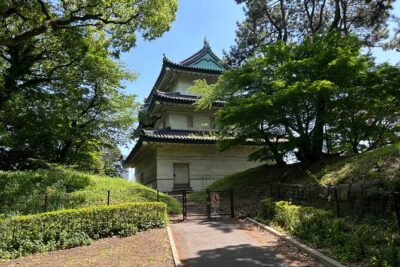 ★ 5.0Imperial Palace and Shogun Historical Walking TourFrom $222,251 reviews
 ★ 4.7Meiji Shrine, Asakusa, Skytree Bus Tour and CruiseFrom $1221,986 reviews
 ★ 4.8Chopstick Making Workshop in GinzaFrom $251,366 reviews
 ★ 4.5Tokyo Panoramic 1 Day: Meiji Shrine, Asakusa, Odaiba and SKYTREE®From $851,222 reviews
 ★ 4.9Imperial Palace Japanese History Walking TourFrom $32987 reviews
 ★ 4.9Imperial Palace and Shogun Walking TourFrom $16935 reviews
Filed on these lists too