
REVIEW · TOKYO TOWER, GINZA AND THE IMPERIAL PALACE
Tokyo’s Upmarket District: Explore Ginza with a Local Guide
Ginza feels like Tokyo turned up a notch, and this private walk is how you see the district without missing the good parts. You get matched with a local host and a custom itinerary built around your interests and your time, so the tour can lean shopping heavy or culture heavy.
I like that you’re not stuck in a fixed script, and the guide can steer you toward the exact kind of stops you care about.
The best part is how practical the guidance can be, from what to buy to where to eat, including help finding options like vegetarian lunch. One possible drawback is that you should expect extra costs for food, tickets, and paid entries, since they are not included.
In This Review
- Key things to look for in this Ginza experience
- Ginza, handled like a local would
- Meeting at Mitsukoshi Ginza, right where the action starts
- How the guide customizes your Ginza plan
- Shopping focus: from Wako’s clock tower to budget-friendly routes
- Kabukiza theater stop for culture lovers, not just shoppers
- Yurakucho Gado-shita: food under the Yamanote railway line
- Toy time at Hakuhinkan Toy Park, yes even for adults
- Fine dining option: The Grand 47 for classic-meets-modern Japanese cuisine
- What the $64 per person price buys you
- Walking tour logistics you should plan for
- Guide styles: what great hosts tend to do here
- Practical tips to get more from your Ginza host
- Should you book this Ginza local guide walk
- FAQ
- How long is the Ginza private tour?
- How much does the tour cost?
- Where do we meet the guide?
- Is the tour private?
- What languages does the guide speak?
- Is pickup available from my hotel?
- Are tickets, food, and drinks included?
- Is wheelchair access available?
- Can I change the itinerary during the tour?
Key things to look for in this Ginza experience
- Local matching based on your interests, not a generic “see everything” route
- Fully flexible timing, you can change direction mid-walk
- Ginza shopping advice, including where to focus for luxury and value
- Culture options like Kabukiza and classic theater vibes
- Food variety under the Yamanote line, via Yurakucho Gado-shita
The central Tokyo landmarks, reviewed one by one
- Flagship 2-Hours Official Street Go-Kart Tour – Tokyo Bay Shop
★ 5.0 · 4,974 reviews - Tokyo: Imperial Palace and Shogun Historical Walking Tour
★ 5.0 · 2,251 reviews - Tokyo: Meiji Shrine, Asakusa, Skytree Bus Tour and Cruise
★ 4.7 · 1,986 reviews - Tokyo Panoramic 1 Day: Meiji Shrine, Asakusa, Odaiba and SKYTREE®
★ 4.5 · 1,222 reviews
Ginza, handled like a local would
Ginza is famous for shine: department stores, polished streets, and shops that look like they belong in a fashion show. The trick is figuring out where to spend your hours so you actually enjoy it, instead of just walking past expensive windows.
That’s what makes this experience click. You’re not doing a checklist. You’re getting a private walk where your guide designs the day around your pace and curiosity, whether you want luxe shopping, snack breaks, or a cultural stop or two. 2 to 4 hours is also a smart window, because Ginza can feel like a lot if you try to cram it into one long afternoon.
I especially like that the guide is not just reading facts off a sign. The point is decision-making help: where your money goes best, what’s worth your time, and how to move through the area efficiently.
Meeting at Mitsukoshi Ginza, right where the action starts
Your tour begins at a very clear landmark: the Lion Sculpture next to the main entrance to Mitsukoshi Ginza. That’s helpful because Ginza can be maze-like when you’re in a hurry, and having a specific starting point cuts down on stress.
From there, you’re positioned in the middle of the district’s shopping gravity. Even if you don’t buy much, you still get a strong sense of how Ginza works, where the major brands cluster, and how side streets connect back to the bigger commercial streets.
Practical note: pickup from your accommodation may be available if you’re within a reasonable distance. If not, you’ll simply meet at the Lion Sculpture. Either way, you can plan on a smooth start without complicated transit planning during the tour.
How the guide customizes your Ginza plan
Before you go, you’ll be contacted within 24 hours to talk about what you want. The idea is that you get paired with a host whose interests and communication style line up with yours. That matters more than it sounds, because Ginza can be interpreted in different ways.
Here are the main ways your guide can shape the walk:
- If you love shopping, they’ll likely cluster department stores and luxury streets into a logical route.
- If you want culture, they can add a stop like Kabukiza where Ginza shows off its theater side.
- If you want food without formalities, they can steer you toward areas like Yurakucho Gado-shita, where there’s a wide range of casual-to-more serious dining choices.
Because the itinerary is fully flexible, you’re not stuck if your mood changes. If you suddenly want one more store stop, you can. If you feel like skipping a long queue, you can.
A small caution: since this is personalized, you’ll want to communicate your limits clearly. For example, if you want minimal walking, say so. If you are shopping for a specific item type, tell your guide upfront so they don’t spend time on the wrong streets.
- Mt Fuji and Hakone 1-Day Bus Tour Return by Bullet Train★ 5.0 · 26,383 reviews
- 1-Day Tokyo Bus Tour★ 5.0 · 14,250 reviews
- Tokyo: teamLab Planets TOKYO Digital Art Museum Entry Ticket★ 4.6 · 9,779 reviews
- Mt Fuji & Hakone Cruise, Drum Show Bullet Train 1 Day from Tokyo★ 4.0 · 7,413 reviews
- Tokyo: Shinjuku Food Tour (13 Dishes at 4 Local Eateries)★ 5.0 · 6,603 reviews
Shopping focus: from Wako’s clock tower to budget-friendly routes
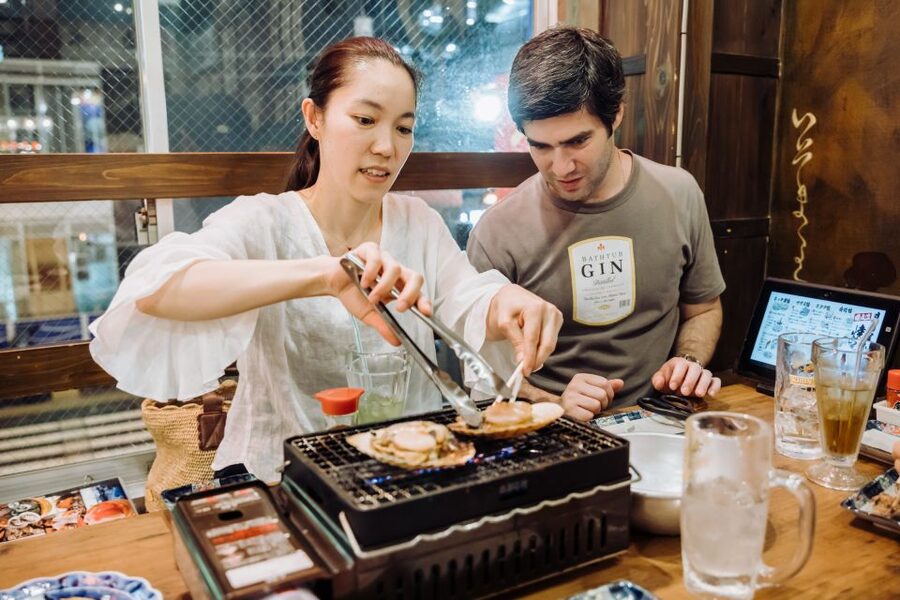
Ginza shopping is the main event for a lot of people, but it’s easy to waste time if you don’t know where to look. This tour is designed to save you that guesswork.
Your guide can include major shopping anchors, like Wako, the luxury department store known for its iconic clock tower. It’s a classic photo stop, but it’s also useful to understand the shopping layout around it, where the crowds flow, and how the nearby streets feed into the bigger commercial loop.
You might also spend time in other high-end shopping zones, plus you can get suggestions for less-expensive shops if you want to keep spending under control. That balance is one of the smartest things a guide can provide. Ginza is full of “looks expensive” storefronts, but there are ways to shop without emptying your wallet.
One more thing I appreciate: food and tickets are not included, so the shopping money you plan to spend is on your terms. In practice, that makes the tour feel less like a forced package and more like a guided day where you choose the splurges.
Kabukiza theater stop for culture lovers, not just shoppers
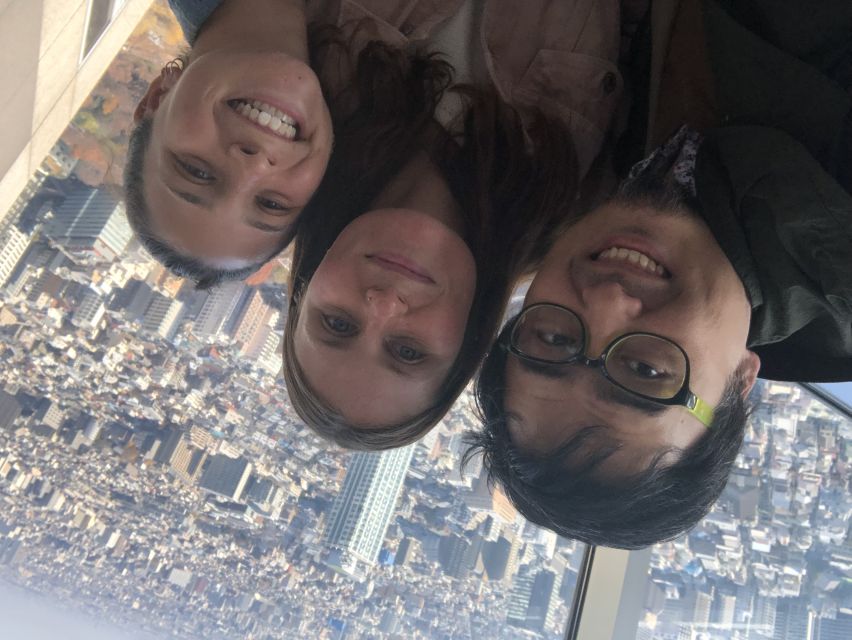
If you want Ginza beyond storefronts, Kabukiza is the big cultural anchor. It’s known for kabuki, one of Japan’s most distinctive performing arts. Even if you don’t attend a performance, a guided stop can help you understand why this theater belongs in Ginza’s image.
A good guide will explain what kabuki is known for and what kinds of visitors come through. That context turns a building into a story, which is what you want from a short tour like this.
The drawback to plan around is that any kabuki-related tickets are not included. So if you want to watch an actual show, you’ll need to arrange tickets separately, and your guide can help set that up for an additional cost if needed.
Yurakucho Gado-shita: food under the Yamanote railway line
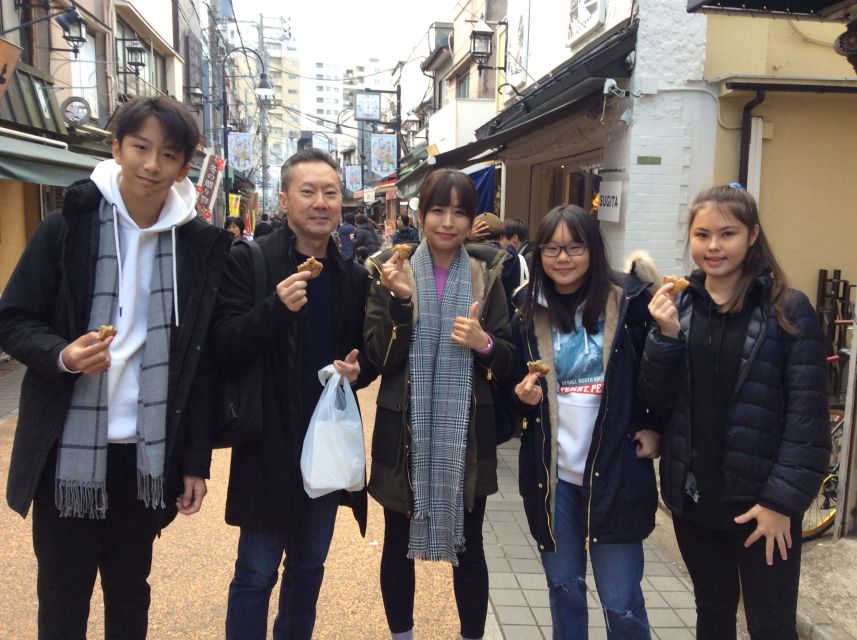
One of the most interesting ways to see Ginza is to step away from the main shopping brightness and toward the food layers that locals use for everyday meals. Yurakucho Gado-shita is built under the Yamanote railway line, and it’s known for lots of tiny restaurants in a very tight space.
This stop can make the whole tour feel more grounded. Ginza is often treated like a luxury theme park, but places like this show you the other Tokyo side, where you can eat well and keep things casual.
What I’d watch for: because it’s made up of small eateries, it can be a tight fit if you want a long sit-down meal. Also, food is not included, so you’ll pay for whatever you order. The value here is that your guide can help you choose wisely based on your tastes and dietary needs.
That’s where practical help shines. In examples from guides, people have gotten help finding good vegetarian options for lunch, which is the sort of detail that turns a “maybe” meal into a sure thing.
Toy time at Hakuhinkan Toy Park, yes even for adults
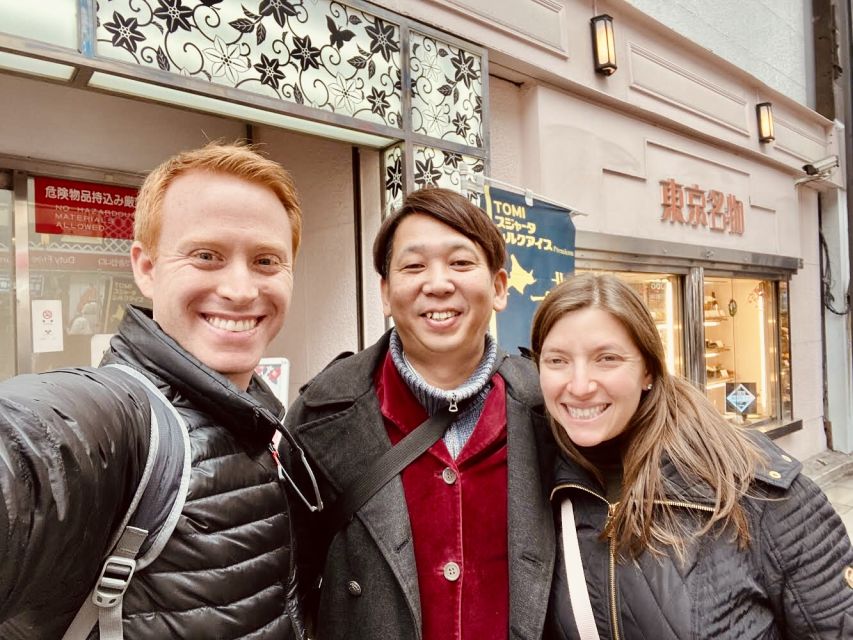
Ginza also has a sense of play, and Hakuhinkan Toy Park is a good example. If your idea of Tokyo includes cool design, big visuals, and fun browsing, you’ll likely enjoy the stop. It’s also great if you’re traveling with kids, or if you want a break from shopping seriousness.
Your guide can time this kind of stop so it doesn’t steal too much of your limited hours. That matters because toy stores can turn into long browsing sessions fast.
The only real consideration is cost. Like everything else on this tour, food and drinks are not included, and shopping inside stores is obviously on you. But as a change of pace, a toy stop can be a very efficient way to make Ginza feel less repetitive.
Fine dining option: The Grand 47 for classic-meets-modern Japanese cuisine
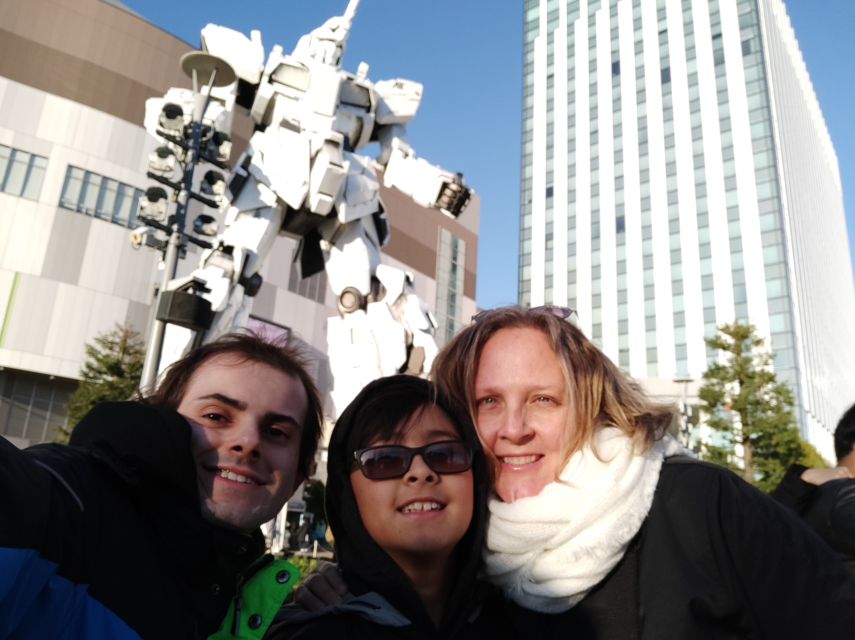
If your Ginza day is leaning toward a “make it special” meal, the tour can include a stop at The Grand 47, described as a modern take on classic Japanese cuisine.
This is exactly the kind of optional choice that a flexible guide helps with. Not everyone wants a formal restaurant during a short neighborhood walk, but if you do, having the recommendation and route advice saves you the pre-meal search.
A heads-up: dining costs are on you, and there may be planning involved depending on timing. Since tickets and meals are not included, you’ll want your guide to know whether you’re aiming for lunch, a snack and then a second stop, or a full meal.
What the $64 per person price buys you
At $64 per person for 2 to 4 hours, you’re paying for three things that matter in a city like Tokyo:
- A private host who can tailor your route
- Local decision help, like what to shop for and where to spend time
- Language support in English or Japanese
Is it a bargain compared to a group tour? Usually not. But the value is different. A private format is strongest when you have real preferences, like dietary needs, specific shopping goals, or you want culture without spending hours researching.
Also, because the tour excludes food, drinks, and attraction tickets, you control your total spending. If you choose to skip paid entries and stick to window shopping plus a casual meal, your day stays predictable. If you want Kabukiza or a nicer restaurant, you can, but you’re making those choices intentionally.
From a value standpoint, this is best when you actually use the guide for planning, not just for translation. The best results usually come when you start with a few clear priorities.
Walking tour logistics you should plan for
This is primarily a walking tour. Other transportation can be arranged for an additional cost, so you’re not locked into walking if you get tired or if the route needs adjustments.
For a 2 to 4 hour window, walking helps you feel how Ginza connects street to street, and it prevents you from losing time to transit. But it also means your comfort matters. If you have mobility concerns, the tour is listed as wheelchair accessible, and your guide can adjust the pace.
Group size is another practical factor. It’s a private group, normally no larger than 6 people. That keeps the interaction more personal, and it makes it easier for the host to handle questions like dietary restrictions.
Guide styles: what great hosts tend to do here
The experience is powered by the local host, and the guide’s personality affects the day more than you might expect. In examples linked to this activity, hosts like Alberto, Shoko, and Noriko are repeatedly described as friendly, communicative, and helpful with both practical choices and historical context.
Alberto is highlighted for showing people interesting historic areas and explaining meaning clearly. Shoko is described as talkative and kind, which is great if you want conversation, not just sightseeing. Noriko is noted for doing more for the group than people expected.
Even if you don’t know the names in advance, this gives you a good target. A strong host will help you connect dots: why a place matters, what to look for, and how to avoid wasting time on things that don’t match your goals.
Practical tips to get more from your Ginza host
If you want this tour to feel like it was built for you, come prepared with a few anchors. Here’s what tends to work well.
- Share your top 2 priorities: shopping, theater/culture, or food scouting.
- Mention any dietary needs early so your guide can steer accordingly.
- Tell the guide your comfort level with walking.
- If you want to shop, decide if you’re browsing, buying gifts, or buying something specific.
One more tip: since tickets and food are not included, you’ll get better value if you treat this as guidance plus route planning. That way, your wallet goes where your interests really are.
Also, if you want a smoother start, plan to arrive at the Lion Sculpture near Mitsukoshi Ginza a few minutes early. Ginza crowds are real, and a quick buffer helps.
Should you book this Ginza local guide walk
Book it if you want a flexible, private way to see Ginza without guessing where to go next. This is especially worth it if you care about shopping strategy, want help finding food that fits your needs (including vegetarian options), or you’re mixing high-end sights with practical Tokyo eats.
Skip or rethink it if you’re the type who wants a fully self-guided day with zero planning. Also reconsider if you have no interest in department stores, theater culture, or the local food areas mentioned, since the value of a guide comes from tailoring the stops to your taste.
My take: for a first time in Ginza, or for anyone returning and wanting a smarter route, this kind of private host experience is a solid way to turn a shiny district into something personal.
FAQ
How long is the Ginza private tour?
The experience runs for 2 to 4 hours.
How much does the tour cost?
It is priced at $64 per person.
Where do we meet the guide?
The host meets you next to the Lion Sculpture, located next to the main entrance to Mitsukoshi Ginza.
Is the tour private?
Yes. It is a private group, normally no larger than 6 people.
What languages does the guide speak?
The tour is guided live in English and Japanese.
Is pickup available from my hotel?
Pickup from your accommodation is available if you are within a reasonable distance.
Are tickets, food, and drinks included?
No. Food and drinks are not included, and any attraction tickets are not included.
Is wheelchair access available?
The tour is listed as wheelchair accessible.
Can I change the itinerary during the tour?
Yes. The itinerary is fully flexible, and you can change direction at any point during the tour.
Central Tokyo Landmarks


Newest Tokyo write-ups from the Loving Japan desk

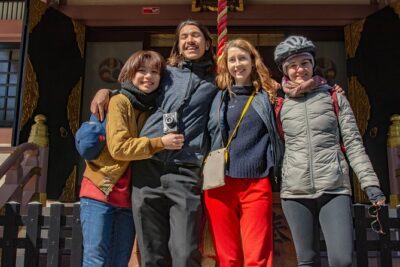
Tokyo Tower, Ginza and the Imperial Palace, side by side.
 ★ 5.0Flagship 2-Hours Official Street Go-Kart Tour – Tokyo Bay ShopFrom $644,974 reviews
 ★ 4.6Tokyo Tower: Admission TicketFrom $93,661 reviews
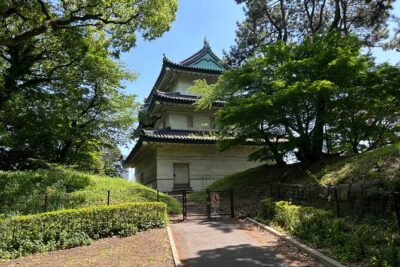 ★ 5.0Imperial Palace and Shogun Historical Walking TourFrom $222,251 reviews
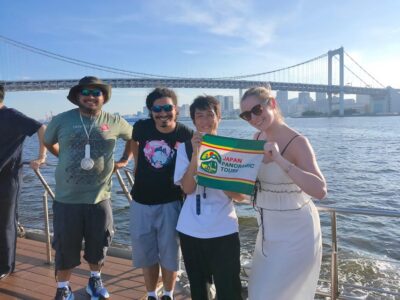 ★ 4.7Meiji Shrine, Asakusa, Skytree Bus Tour and CruiseFrom $1221,986 reviews
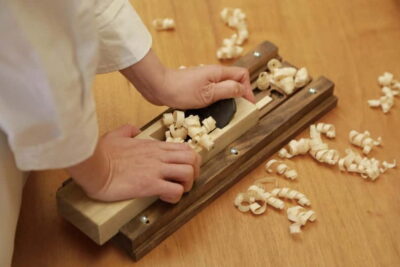 ★ 4.8Chopstick Making Workshop in GinzaFrom $251,366 reviews
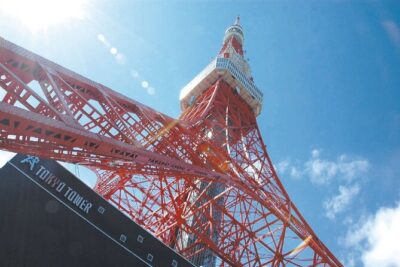 ★ 4.5Tokyo Panoramic 1 Day: Meiji Shrine, Asakusa, Odaiba and SKYTREE®From $851,222 reviews
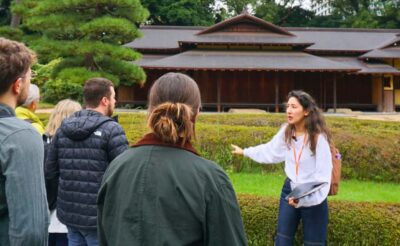 ★ 4.9Imperial Palace Japanese History Walking TourFrom $32987 reviews
 ★ 4.9Imperial Palace and Shogun Walking TourFrom $16935 reviews
Filed on these lists too