
REVIEW · KAMAKURA, THE GREAT BUDDHA AND ENOSHIMA
Yokohama and Kamakura 6hr Private Trip Government-Licensed Guide
Kamakura and Yokohama in one day. That combo is the whole point of this private, 6-hour tour, and it’s interesting because you get to customize the stops while a licensed guide keeps the story straight from shrine to seaside. I especially like the built-in flexibility (you pick 3 to 4 sites) and the way the guide connects the religion and local history so the temples don’t feel like random photos. One drawback to plan for: this is still a walking day, and some temple areas mean stairs, slopes, and crowded paths.
I love that the experience is designed for real time savers. Instead of you figuring out which temple, which route, and what to actually notice, you meet your guide near public transportation, then move between Kamakura and Yokohama in about 30 minutes one way. In the best cases, guides like Mami and Sami also tailor the pace, including fewer stairs when needed, and help you get where you’re going with the right mix of train steps and local know-how.
In This Review
- Key Points at a Glance
- Why This Half-Day Private Plan Makes Sense
- Price and What You Really Get for $154.84
- The Walking, Transit, and Timing Reality
- Kamakura First: Shrine to Buddha to Mercy Kannon
- Tsurugaoka Hachimangu Shrine
- Kotoku-in: The Great Buddha
- Hasedera Temple
- Hokoku-ji and Its Bamboo Grove
- Enoshima Island: Sea Air Without a Full Day Trip
- The Zen Temple Cluster: Picking Depth, Not Just Names
- Engaku-ji
- Kencho-ji
- Zeniarai Benten Shrine
- Meigetsuin (Hydrangea Temple)
- Other Temple Options If You Want More
- Yokohama After Kamakura: Chinatown, Minato Mirai, and Waterfront Air
- Sankeien Gardens
- Yokohama Chinatown
- Minato Mirai 21
- Motomachi Park and Yamate 234ban Residence
- Cup Noodles Museum
- Yamashita Park and Osanbashi Pier
- Shinyokohama Ramen Museum
- Guide Quality Makes or Breaks the Day
- What a Smart Day Looks Like (And How You Should Choose Your 3 to 4 Sites)
- Should You Book This Private Yokohama and Kamakura Trip?
- FAQ
- How long is the Yokohama and Kamakura private trip?
- Is this a private tour?
- Can I customize which sites I visit?
- Do I get picked up by vehicle?
- Is the tour guide English speaking?
- Are entrance fees included?
- What is the transport time between Yokohama and Kamakura?
- Is transportation included in the price?
- What kind of attractions can I expect?
- What if I need to cancel?
Key Points at a Glance
- Private, government-licensed English guide who explains what you’re seeing, not just where to walk
- Custom itinerary of 3-4 sites from Kamakura and Yokohama, so you can match your interests
- Pickup on foot near your meeting area, keeping things simple once you arrive in town
- Short hop between Kamakura and Yokohama (about 30 minutes each way), perfect for a limited schedule
- High impact highlights like Tsurugaoka Hachimangu, the Great Buddha at Kotoku-in, Enoshima, and Yokohama’s waterfront areas
- Strong traveler track record with a 4.8 rating and 96% recommendation rate
Coast and temples south of Tokyo, compared
- Kamakura 6hr Private Walking Tour with Government-Licensed Guide
★ 5.0 · 42 reviews
Why This Half-Day Private Plan Makes Sense
If you have limited time and you’re trying to get past the usual Kyoto-style “which temple first?” stress, this tour has the right structure. You’re not stuck on a fixed route. You choose the sites that fit your mood, whether that’s shrines, Zen temples, island views, or a dose of modern Yokohama.
The other smart move is having a guide who can translate what you’re looking at. Kamakura can be confusing if you’re only reading signs. A guide gives you the connections, like why a shrine matters to a specific family, or why a temple is linked to a particular branch of Zen Buddhism. That makes the places feel less like checkpoints.
Finally, the day is private. That matters because you can set the tempo. If your group likes to linger, your guide can lean into it. If you want photos and quick answers, they can tighten the plan.
Price and What You Really Get for $154.84
At $154.84 per person for about 6 hours, you’re paying for something you can’t easily DIY in English: time with a licensed local guide plus the planning and routing support so you spend less energy on logistics. Entrance fees, lunch, and transportation are not included, and private transportation is also not included. So think of the price as paying for the guide’s brain and the guided experience, not a turnkey package.
In practical terms, the value is strongest if:
- You want 3 to 4 standout stops without wasting time debating your route
- You care about context, not just sightseeing
- Your group includes people who might need pacing help (stairs, rain, fatigue)
The price can feel less “good deal” if you already know exactly which sites you want and you’re comfortable building the route yourself with train transfers. But if you want the day to run smoothly, paying for a guide is usually the easiest way to make that happen.
The Walking, Transit, and Timing Reality
This is a walking tour. Pickup is offered, but it’s on foot, with the meet-up happening within a designated Yokohama or Kamakura area. You’ll be near public transportation, which is exactly what you want for a half-day.
Between Yokohama and Kamakura, travel time is about 30 minutes one way. That’s short enough that you can combine both without turning the day into travel fatigue. Still, you should wear good shoes. Temple days in Japan are rarely flat, and even “short” walks can feel long when you add steps in and out of courtyards.
Also, because transportation fees are not included, budget for tickets and any train costs. The guide can help you navigate smoothly, and some guides have been praised for practical support with trains and local fare steps, like IC card guidance and getting the right taxi when weather demands it.
An easy hop down the bay. More Yokohama
- Tokyo 8hr Private Tour with Licensed Guide from Yokohama★ 5.0 · 94 reviews
- Shuttle Van Transfer, Yokohama(Port)⇒Tokyo, Narita, Haneda, TDR★ 5.0 · 63 reviews
- Yokohama Ramen Adventure From a Local Noodle Factory to Home★ 5.0 · 60 reviews
- Yokohama 4hr Private Tour with Government-Licensed Guide★ 5.0 · 34 reviews
- Japanese Tea Ceremony at Private Home in Yokohama, suburban Tokyo★ 5.0 · 32 reviews
Kamakura First: Shrine to Buddha to Mercy Kannon
Kamakura is the spiritual core of this trip, and the tour is set up to hit the most meaningful anchors.
Tsurugaoka Hachimangu Shrine
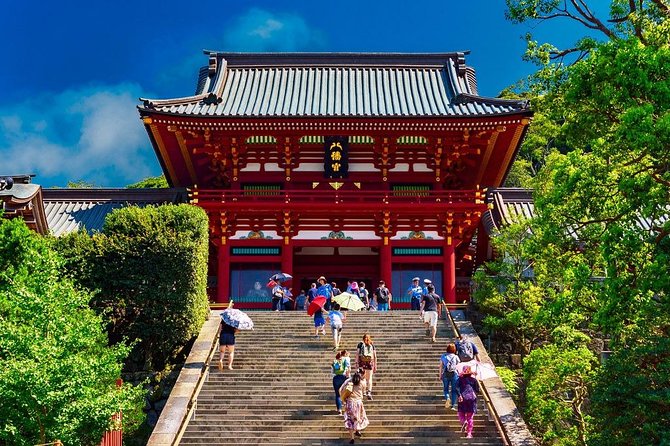
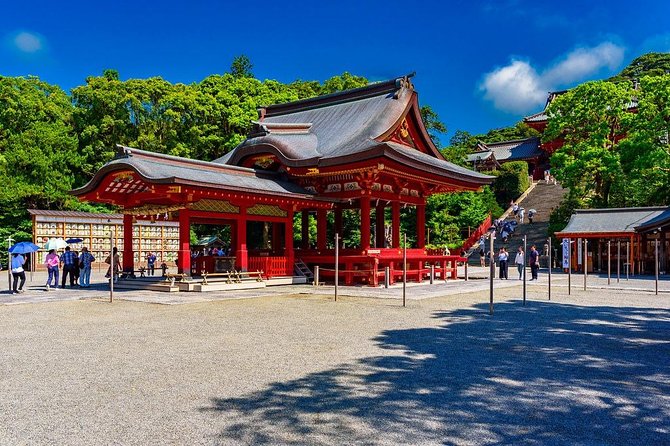
You’ll start with Tsurugaoka Hachimangu, dedicated to Hachiman, the patron god of the Minamoto family and samurai in general. This place is a strong starting point because it sets the tone. If you’ve ever wondered why Kamakura feels so tied to samurai history, this shrine is your fast answer.
Admission is listed as free. The drawback is not the cost, it’s the crowds at peak times. If you’re the type who wants calm photos, aim for an early arrival when your guide says it’s best.
Kotoku-in: The Great Buddha
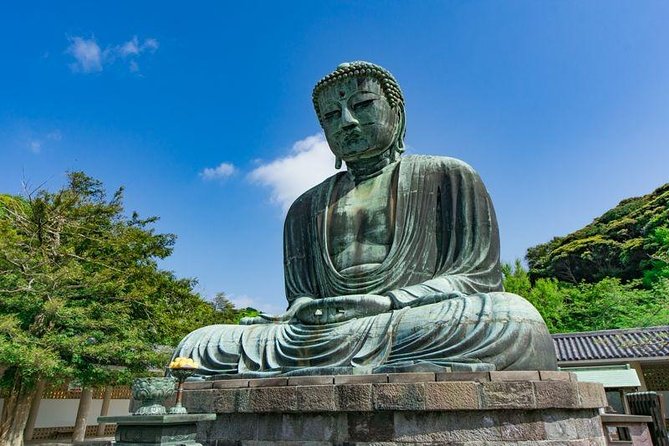
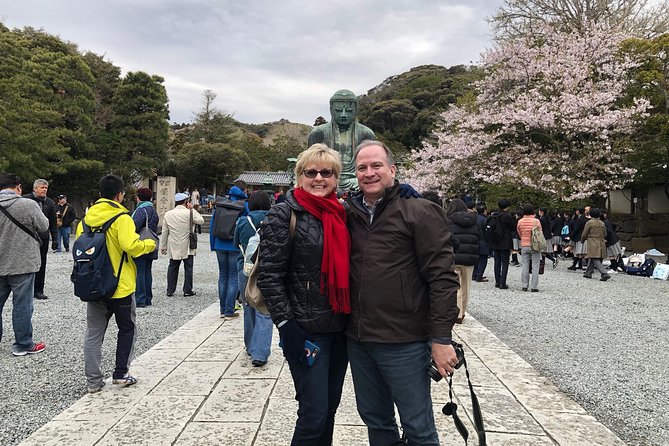
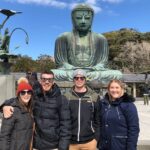
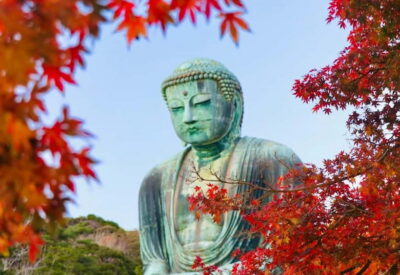
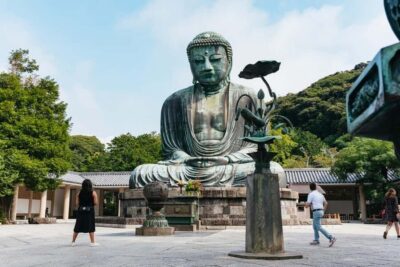
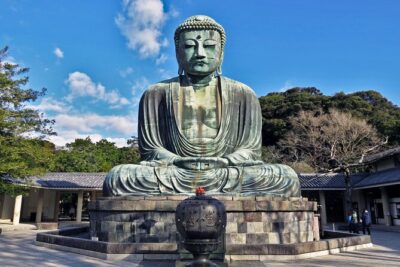
Next is Kotoku-in and the Great Buddha of Kamakura, a bronze statue of Amida Buddha. The height is 11.4 meters, and it’s one of those sights that reads instantly, even if you don’t know the details yet.
Admission is not included for this stop, so plan on an extra ticket cost. The payoff is huge. The scale makes the place feel real, not just historical.
Hasedera Temple
Then you get to Hasedera, known for its eleven-headed statue of Kannon, goddess of mercy. Hasedera stands out for religious art you can actually see and understand. It’s a quieter vibe than the Great Buddha and often feels like the day shifts from “big landmark” to “human-scale spiritual space.”
Admission is not included here either. One consideration: the pathways and viewing areas can involve uneven steps. If your group is sensitive to stairs, choose a pace that matches your comfort and ask your guide for the smoothest route, which some guides have already been praised for.
Hokoku-ji and Its Bamboo Grove
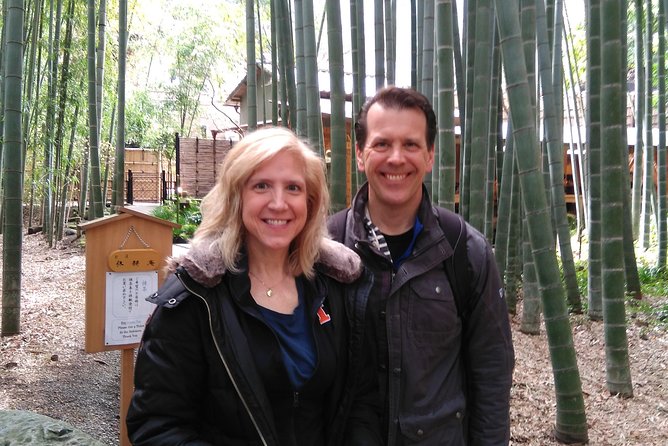
Hokoku-ji is famous for a bamboo grove behind the main hall, with over 2000 bamboo stalks. Even if you only have a short visit, bamboo always works as a mood reset. It’s a different sensory world than shrine courtyards.
Admission is not included. The main drawback is practical: bamboo groves can be slippery or crowded depending on weather and time. Wear grippy shoes, and go slow through narrow paths.
Enoshima Island: Sea Air Without a Full Day Trip
Enoshima is your chance to get coastal views while staying inside a 6-hour schedule. It’s connected by bridge to mainland Kamakura and offers a mix of shrine atmosphere plus seaside sightseeing.
Admission is listed as free for Enoshima Island. That’s a nice cost control. The tradeoff is that you’re adding a change of scenery, which also means extra walking and time in transit around the island. If your group is temple-focused only, you might skip Enoshima. If you want sea air and a break from all the stone steps, it’s a great pairing.
The Zen Temple Cluster: Picking Depth, Not Just Names
This tour’s Kamakura side is packed with Zen temples. The trick is that you do not have to do them all. The tour is designed for picking the right set of sites for your interests.
Here are the Zen stops you can choose from, plus what makes each one feel different:
Engaku-ji
Engaku-ji is one of Eastern Japan’s leading Zen temples and the number two of Kamakura’s five great Zen temples. It’s a strong choice if you want the “serious Zen” feeling and a temple with gravitas rather than only photo-friendly corners. Admission is not included.
Kencho-ji
Kencho-ji is the number one of Kamakura’s five great Zen temples, founded in 1253. It’s a classic anchor if you want the oldest Zen temple energy in town. Admission is not included.
Zeniarai Benten Shrine
Zeniarai Benten Shrine is the coin washing shrine, where people wash money in a spring. That’s a fun cultural detail. It’s also one of those stops that feels light and playful, even while it’s still religious space.
Admission is listed as free. The drawback is that it can be a little time-dependent. If the lines and flows are busy, it’s easy to lose time waiting around. Your guide can steer timing.
Meigetsuin (Hydrangea Temple)
Meigetsuin is also called Hydrangea Temple because hydrangea blooms heavily on the grounds. Admission is not included, and it’s a great pick if you want a seasonal connection. Even outside peak bloom, the grounds and calm temple setting can still be worth it, but flowers would be the reason to prioritize it.
Other Temple Options If You Want More
If you choose to add more temples beyond the anchors, you can also consider:
- Ankokuronji (Nichiren sect temple), a quieter hill option where Nichiren is tied to the temple’s early roots (admission not included).
- Jomyo-ji, another Zen temple in eastern Kamakura, associated with the influential Ashikaga family (admission not included).
- Zuisen-ji, set in a wooded valley in the far east, more “hidden-feeling” by location even without any official label (admission not included).
- Myohonji, a Nichiren sect temple in the southeast hills, founded in the 1200s (admission not included).
- Jochiji, Kamakura’s number four of the five great Zen temples, linked as a branch temple of Engaku-ji (admission not included).
- Tokeiji, a smaller Engaku-ji school branch temple (admission not included).
- Jufukuji, the number three of the five great Zen temples, connected to Minamoto Yoritomo’s wife (admission not included).
- Eishoji, noted as the only surviving nunnery in Kamakura, near Tsurugaoka Hachimangu (admission not included).
The practical drawback across all of these options is time. Each added temple can add walking, steps, and decision time. That’s why customization is the key. If you try to “check them all,” you’ll end up rushed. If you choose two strong Zen temples plus one lighter stop, you’ll feel the place more.
Yokohama After Kamakura: Chinatown, Minato Mirai, and Waterfront Air
Once the day shifts to Yokohama, it stops feeling medieval and starts feeling like Japan negotiating its future. Yokohama is where you see how the country layers old neighborhoods with modern city life.
Sankeien Gardens
Sankeien is a spacious Japanese-style garden with historic buildings brought together from across Japan. Admission is not included. I like this stop when I want something slower, with walking paths and views that don’t depend on religious understanding.
The drawback is obvious: gardens take time. If your group is already tired from temple steps, choose Sankeien carefully or skip it.
Yokohama Chinatown
Yokohama Chinatown is Japan’s largest Chinatown and sits in central Yokohama. Admission is free. This is where you eat and snack. It’s also where the smells alone can guide you to what to try, from dumplings to noodles.
The main drawback is crowding and heat on busy days. If you want a calmer experience, ask your guide for timing and a meal spot that fits your pace.
Minato Mirai 21
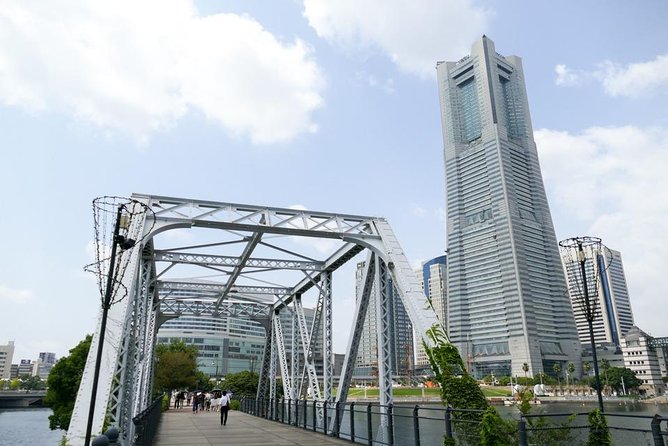
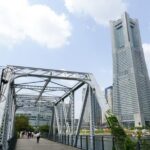
Minato Mirai 21 is the seaside urban area with high-rises, including Landmark Tower. Admission is free. This stop is good for modern skyline photos and a quick sense of Yokohama’s energy.
The drawback is that it’s more city-view than “meaningful” in the same way shrines are. Think of it as your modern palate cleanser, not the core story of the day.
Motomachi Park and Yamate 234ban Residence
Motomachi Park and the Yamate 234ban Residence connect to Yokohama’s foreign settlement era after the isolation period ended. Admission is not included for both. This is a nice choice if you like architecture and want to understand how Yokohama differed from other Japanese cities.
The drawback is it can be slower and more “readable” than viewable. If your group just wants quick highlights, these might not win.
Cup Noodles Museum
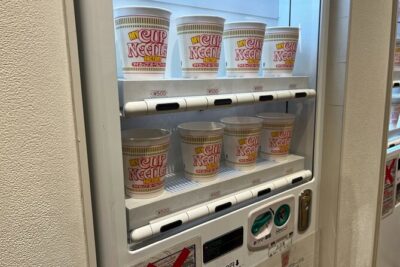
The Cup Noodles Museum in Minato Mirai is interactive and focuses on the history of instant ramen. Admission is not included. I love this stop because it’s a break from temples, and it turns food history into something you can walk through.
The drawback: if you’re not into ramen culture, you might feel it’s less essential. It’s better for families or anyone who likes hands-on experiences.
Yamashita Park and Osanbashi Pier
Yamashita Park is a public waterfront park with open green space along the sea, free to enter. Osanbashi Pier is near Minato Mirai and Yamashita Park, with admission not included.
Together, these stops are perfect for a breather. You get sea air, a stroll, and photos that actually show horizon lines. The drawback is weather. Wind and rain change the experience fast, so pack accordingly.
Shinyokohama Ramen Museum
The Shinyokohama Ramen Museum is another ramen-themed stop, admission not included. This is for noodle fans who want a more focused food museum experience.
The drawback is simple: if you already did Cup Noodles Museum, you might not need both.
Guide Quality Makes or Breaks the Day
The guide is the real product here, and the strongest pattern from the guide feedback you’ll see is practical kindness and smart routing.
Guides like Mami have been praised for meeting at the hotel area, getting taxis when needed, and helping with transit steps including IC card usage and train navigation. Kahori has been described as sweet and on time. Yasuho Suzuki has been praised for efficient, clear guidance in Kamakura. Sami is noted for planning around fewer stairs when needed, which is a big deal if your group has mobility concerns. Yoshi and Yuichi also came up for clear temple explanations and sensitive pacing, plus choosing good food options.
You can use this as your decision tool. If you want a day that runs smoothly and you value context, a licensed guide is a big win. If you prefer to roam on your own and don’t care about explanations, you might not need this.
What a Smart Day Looks Like (And How You Should Choose Your 3 to 4 Sites)
Since you choose 3 to 4 stops, I suggest building your mix like this:
- One Kamakura “anchor”: Tsurugaoka Hachimangu or Kotoku-in
- One Zen depth stop: Engaku-ji or Kencho-ji
- One scenic reset: Hokoku-ji bamboo or Enoshima
- One Yokohama flavor stop: Chinatown or Yamashita Park
That setup works because it alternates energy levels. You get meaning, you get calm, you get views, and you get a food break.
If your group includes someone who tires fast, you can also shift the balance toward Yokohama waterfront and Chinatown, and choose fewer temples.
Should You Book This Private Yokohama and Kamakura Trip?
I’d book it if:
- You want Kamakura and Yokohama in one day without spending hours planning
- You care about what shrines and temples mean, not just what they look like
- You value a private, flexible plan and don’t want to be herded
I’d skip or adjust it if:
- Your group strongly prefers self-guided wandering and hates walking days
- You want only “one style” of sightseeing, like modern city views only, because this tour is built around historical and religious anchors plus a few contemporary stops
If you do book, come with a short list of what matters most. Tell your guide your comfort level with stairs and rain. Then let them do the heavy lifting. That’s where the best version of this day happens.
FAQ
How long is the Yokohama and Kamakura private trip?
The tour is about 6 hours.
Is this a private tour?
Yes. Only your group participates.
Can I customize which sites I visit?
Yes. The tour lets you choose your 3 to 4 sites from the available highlights.
Do I get picked up by vehicle?
Pickup is offered, but this is a walking tour. The meet-up is on foot within a designated Yokohama or Kamakura area.
Is the tour guide English speaking?
Yes. The tour includes a licensed local English speaking guide.
Are entrance fees included?
No. Entrance fees are not included, though some listed sites have free admission.
What is the transport time between Yokohama and Kamakura?
Travel time between Yokohama and Kamakura is about 30 minutes one way.
Is transportation included in the price?
No. Transportation fees are not included, and private transportation is also not included.
What kind of attractions can I expect?
You can choose from historical and religious sites like shrines and Zen temples, plus contemporary and cultural options like Chinatown and museums.
What if I need to cancel?
You can cancel for a full refund if you cancel at least 24 hours before the experience starts. Free cancellation is available up to 24 hours in advance.
Down the Bay to Yokohama
South to Kamakura and the Coast
Newest Yokohama write-ups from the Loving Japan desk
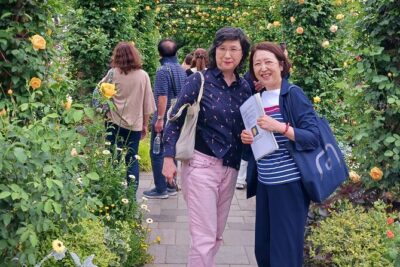

Kamakura, the Great Buddha and Enoshima, side by side.
 ★ 4.5Kamakura & Enoshima Day Trip including Temple TicketsFrom $581,375 reviews
 ★ 4.5Mt. Fuji, Kamakura, Big Buddha, & Lake Ashi Day TripFrom $49867 reviews
 ★ 4.5From Tokyo: Kamakura & Enoshima 1-Day Bus TourFrom $66189 reviews
 ★ 5.0Kamakura Historical Walking Tour with the Great BuddhaFrom $98129 reviews
 ★ 5.0Kamakura Private Tour: Temples, Nature, and the Great BuddhaFrom $98121 reviews
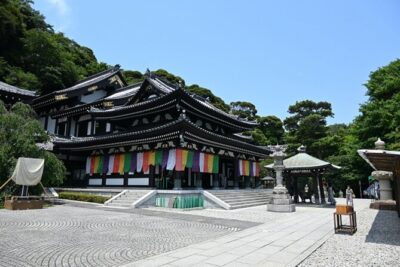 ★ 5.0Kamakura Walking Tour – The City of ShogunFrom $35100 reviews
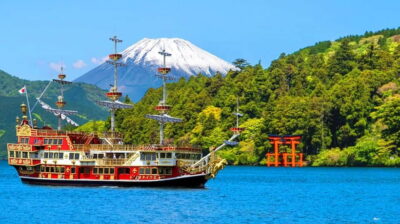 ★ 4.9Sea of Mount Fuji, Hakone Ropeway, Ōwakudani, EnoshimaFrom $5084 reviews
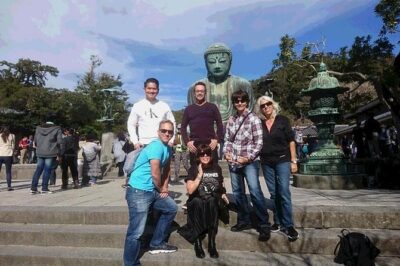 ★ 5.0Kamakura 8 hr Private Walking Tour with Licensed Guide from TokyoFrom $20180 reviews