
REVIEW · KYOTO TEA CEREMONIES AND MATCHA
Japanese Tea Ceremony at Private Home in Yokohama, suburban Tokyo
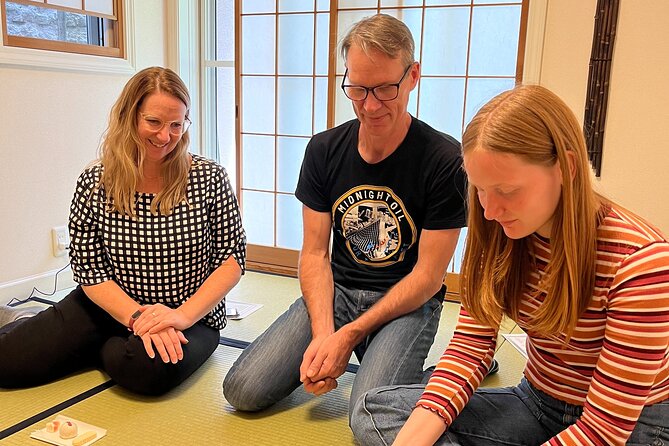
Tea on a tatami, in a home. This 1.5-hour Japanese tea ceremony workshop in Yokohama is intimate, hands-on, and cultural in a real living-room way. You sit where the host does the ritual, not where it gets staged for crowds.
My favorite part is the charcoal procedure and how it turns into an actual story you can taste. I also love that you do more than watch, you mix matcha yourself and drink it twice, plus you pair it with handmade wagashi selected for the season.
The only real catch is simple: you need to bring socks to step onto the tatami floor. If you forget, your experience will get awkward fast, because this room has its rules.
In This Review
- Key highlights you should care about
- A Tatami Room Tea Lesson in Yokohama, Not a Crowded Studio
- Meet the Tea Master and Settle In With the Correct Socks
- The Charcoal Water Ritual and the Matcha Making You Do
- Seasonal Wagashi Pairings, including Vegan and Gluten-Free Options
- History Lessons and Guest Etiquette You Can Actually Use
- Pickup, Mobile Ticket, and How to Fit This Into a Yokohama Day
- Price and Value: When $52.71 Makes Sense
- Should You Book This Yokohama Tea Ceremony Workshop?
- FAQ
- Do I need to bring socks for the tatami tea room?
- What will I eat and drink during the workshop?
- Is this a private tour or shared with other groups?
- Are there vegan and gluten-free options for the wagashi?
- Is pickup available, and where does the tour start and end?
- What is the cancellation window for a full refund?
Key highlights you should care about
- A private home tea ceremony in Yokohama, suburban Tokyo: Your group is the only group, so questions and conversation feel natural.
- The rare charcoal step for boiling water: You’ll see the host add charcoal for the tea water process, a detail even many locals rarely experience.
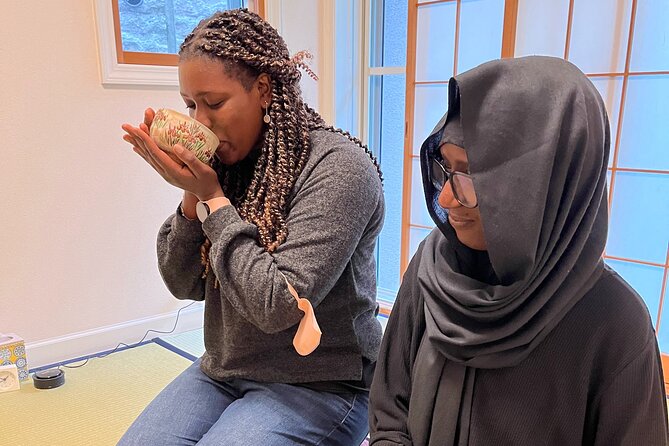
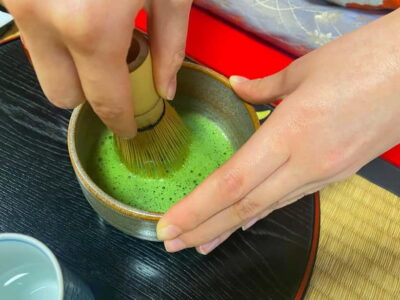
- Hands-on matcha making: You mix and prepare matcha yourself, then drink two cups.
- Seasonal wagashi made by the tea master: You’ll taste sweets like nerikiri, gyuhi (mochi), and manjyu, depending on the season.
- Dietary-friendly options: The wagashi and matcha snacks are described as good even for vegan and gluten-free diets.
- Q and A with a tea master: The teacher shares the history and you can ask anything you want.
Still weighing up options in Yokohama? These are the ones our reviewers rated highest.
- EVO, WRX, Skyline – JDM Night Run to Daikoku Car Meet
★ 4.9 · 478 reviews - Tokyo: Best Price Daikoku Parking Area JDM Car Meet
★ 4.9 · 192 reviews - Daikoku & Tokyo Private JDM Tour by 700HP R34 GT-R
★ 4.9 · 101 reviews - Tokyo 8hr Private Tour with Licensed Guide from Yokohama
★ 5.0 · 94 reviews
A Tatami Room Tea Lesson in Yokohama, Not a Crowded Studio
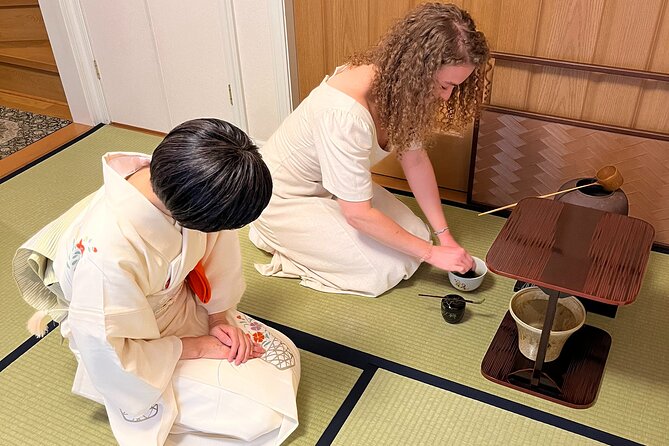
This experience is set in a private Japanese home in Yokohama, in the Aoba Ward area. The meeting point is clearly given at Dorece Azamino Gardens (Ōbachō, Aoba Ward, Yokohama), and it ends back where you start. That matters, because it keeps your day simple. You are not trying to herd yourself across the city right after you’ve removed your shoes and settled in.
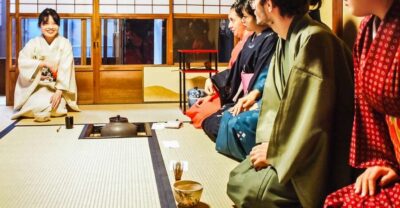
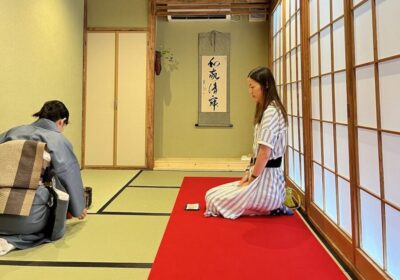
The setting is a tatami tea ceremony room, which instantly changes the pace. Tatami spaces are quiet by design. Even if you’re not a tea person yet, you’ll feel how the host wants you to slow down: watch carefully, follow the steps, and treat the moment like it deserves your attention.
Since it’s a private tour/activity, it’s not a situation where you’re squeezed in behind other groups. That tends to make the whole thing more useful. You’re more likely to ask questions and get a direct answer instead of a quick one.
One practical thing: it’s described as near public transportation. If you’re not using pickup, you should still be able to get there without stress. Pickup is also offered, which is handy if you’re pairing this with other Yokohama plans and don’t want to think about transit.
Meet the Tea Master and Settle In With the Correct Socks
The host is a professional tea master with decades of experience, described as learning the traditional tea ceremony for more than 40 years and teaching for more than 15 years. That’s the kind of background you want for a workshop. Tea ceremony has plenty of details, and it helps when the explanation comes from real practice, not memorized talking points.
Before you do anything else, you get to prepare for the rules of the room. You’ll be asked to bring socks to enter the tatami area. That is not a suggestion. Tatami rooms are meant to be walked on in socks so the space stays clean and respectful.
If you’re used to traveling in sandals or barefoot areas, treat this like a one-minute checklist moment:
- Pack thin socks in your day bag so you don’t have to rush.
- Wear anything you can easily adjust around shoes, since tea spaces often require quick transitions.
The payoff for doing this right is that the host can focus on the ritual, not on substitutions. When you follow the room rules, the ceremony feels more authentic and less like a performance you’re trying to “get through.”
Also, since the workshop is described as a way to learn how to be a guest, you’re not just learning tea. You’re learning how a host expects you to behave in that space. Even without knowing any etiquette beforehand, you should be able to settle in quickly, especially because it’s private and question-friendly.
The Charcoal Water Ritual and the Matcha Making You Do
Here’s what makes this workshop feel different from the usual “sit and sip” versions. You’ll see a charcoal procedure, meaning charcoal is added to boil the water. The description calls this really rare, even for Japanese people. That’s a strong clue that the host is willing to share process details, not just finish results.
You’ll start with a tea master demonstration. This is the core sequence you’re meant to learn: what happens, why it happens, and how the guest experience fits into it. Then the workshop moves into the part you’ll actually do with your own hands.
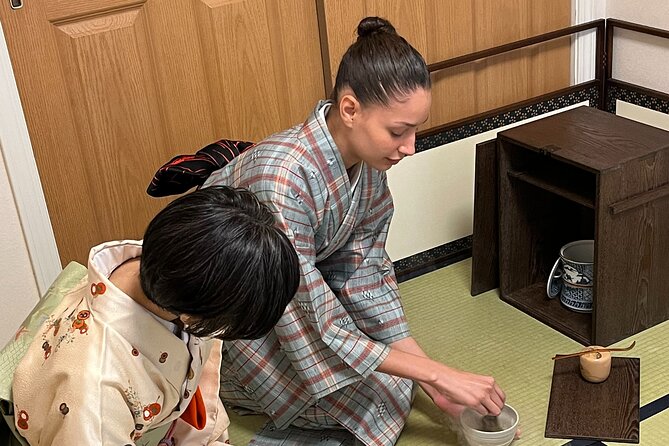
Next comes matcha prep. The teacher will make matcha for you during the procedure, and then you get to try mixing matcha yourself. The workshop description says you can learn how to mix matcha and drink it by yourself.
You end up drinking two cups of matcha. That detail is bigger than it sounds. Drinking two cups usually gives you time to notice differences. You might compare aroma, texture, and bitterness as the matcha experience becomes familiar. You might also pick up on what the host is trying to teach through the pacing.
And because you’re doing it in a tatami room in a private home, you’re less likely to feel like you’re in a timed factory line. You can watch, then try, then adjust. That feedback loop is where learning actually sticks.
An easy hop down the bay. More Yokohama
- Shuttle Van Transfer, Yokohama(Port)⇒Tokyo, Narita, Haneda, TDR★ 5.0 · 63 reviews
- Yokohama Ramen Adventure From a Local Noodle Factory to Home★ 5.0 · 60 reviews
- Yokohama 4hr Private Tour with Government-Licensed Guide★ 5.0 · 34 reviews
- Japanese Tea Ceremony at Private Home in Yokohama, suburban Tokyo★ 5.0 · 32 reviews
- Tokyo Full Day Tour with Licensed Guide and Vehicle from Yokohama★ 5.0 · 26 reviews
Seasonal Wagashi Pairings, including Vegan and Gluten-Free Options
In Japanese tea ceremony, the sweets are not an afterthought. They’re part of the rhythm, and they help set expectations for the matcha. In this workshop, the tea master chooses the wagashi based on the season. That means the menu can change depending on when you go, which is part of the charm.
The workshop description lists examples of wagashi you might taste, including:
- Nerikiri
- Gyuhi (mochi)
- Manjyu
And likely other seasonal varieties, since the host selects what fits the time of year.
You’ll eat wagashi while enjoying the tea master’s matcha work. The description also says the snacks are good even for vegan and gluten-free diets. That’s a meaningful value point for travelers who deal with food restrictions. You shouldn’t have to skip the main sweetness pairing just because your diet needs adjustments.
The best way to get value here is to treat the wagashi like a clue. Each type has a different texture and sweetness profile, so it helps you understand the tea ceremony experience as a designed sequence. Instead of just tasting sugar, you’re tasting how the ceremony balances flavors.
If you’re the type who likes asking questions, this part is a great opening. You can ask what the seasonal choice means, and how the host thinks about the pairing. Even if you don’t know the names of everything, your curiosity will do the heavy lifting.
And yes, the workshop description emphasizes that the teacher prepares the wagashi and dried Japanese sweets for you. That sets expectations: you’re not just handed a bite, you’re receiving a curated tasting.
History Lessons and Guest Etiquette You Can Actually Use
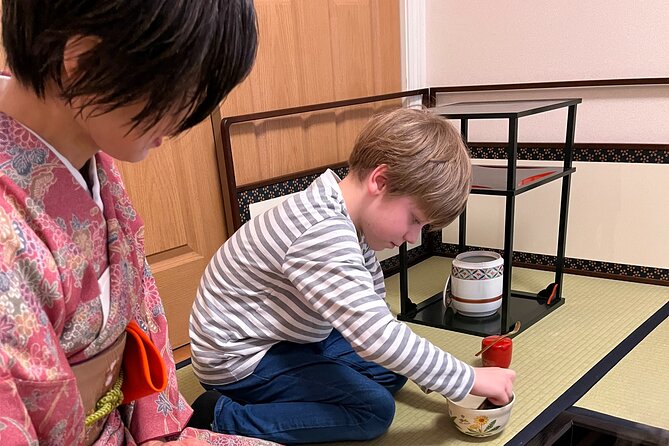
This workshop doesn’t stop at the mechanics. The tea master shares the history of Japanese tea ceremony, and you can ask questions throughout. That’s where a good workshop earns its place.
Tea ceremony can sound like a museum topic, but the moment you’re holding a cup, it becomes personal. The history gives you context for why each step exists, and the Q and A lets you turn that context into understanding.
The workshop description also frames it as learning how to be a guest. That means you’re not only learning what the host does, you’re learning how a guest participates. You might notice how the ceremony expects respectful attention, patient pacing, and quiet focus. Even if the exact etiquette details aren’t something you memorize, you’ll leave with a sense of what good participation looks like.
One reason I like this format is that it helps you get beyond stereotypes. Instead of thinking tea ceremony is just a fancy performance for photos, you experience it as living culture, taught carefully by someone who has practiced it for decades.
In a private home setting, conversation can go beyond tea too. A past guest highlighted conversations with the Kono Family and described the experience as special and family-centered. That’s a good sign that the host is open to sharing daily context, not just reciting ceremony steps.
If you’re traveling with kids or even a baby, one review mentioned enjoying the experience with a baby and hoping to join again. That suggests the atmosphere can be welcoming and human, not stiff.
Pickup, Mobile Ticket, and How to Fit This Into a Yokohama Day
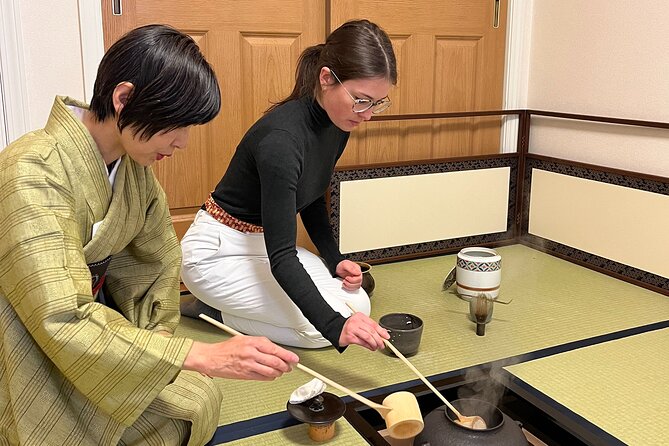
Logistics are straightforward here, which matters because you’re switching into socks and ceremony mode. The tour offers pickup, and you’ll receive a mobile ticket. It’s also described as near public transportation, so you can choose what fits your day.
The meeting point is:
Japan, 〒225-0023 Kanagawa, Yokohama, Aoba Ward, Ōbachō, ドレッセあざみ野ガーデンズ
And the activity ends back at the meeting point. That means you can plan your meal or next activity without guesswork about where you’ll be dropped off.
A nice planning idea in the same area is pairing this with something else around Azamino. One tip included is visiting the Yokohama Ramen Museum, located around Azamino. It notes that it is 15 minutes from Azamino Station to the closest Shinyokohama Station by Yokohama subway. Translation for your day: you can make this a calm cultural stop, then swap gears to a fun food-focused outing afterward.
Because the workshop lasts about 1 hour 30 minutes, you don’t need a full day commitment. It’s long enough to learn and taste properly, but short enough to keep your Yokohama schedule flexible.
Also, the workshop is described as private, only your group participates. That tends to reduce the stress of coordinating with strangers and makes it easier to ask a question without worrying about time pressure.
Price and Value: When $52.71 Makes Sense
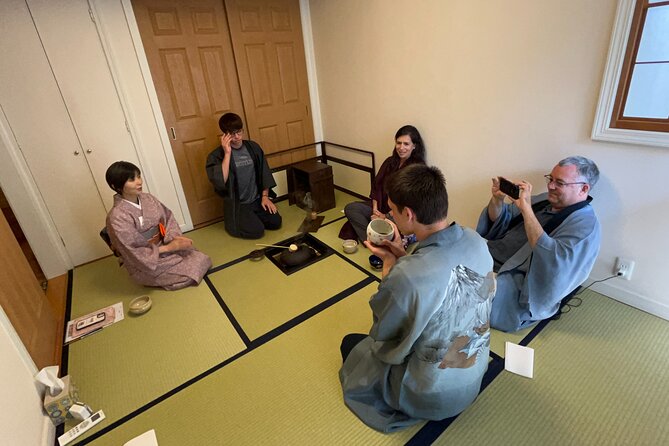
At $52.71 per person for about 1.5 hours, this isn’t the cheapest activity in the Yokohama-Tokyo orbit. But it’s also not trying to be a mass-market show. The value comes from three things you can feel immediately.
First, it’s a private home experience in a tatami room. You’re not just buying a ticket, you’re getting access to a space and a process. Private access changes the interaction level.
Second, you get a true learning sequence. You see the demonstration. You experience the charcoal step for boiling water, which is rare. Then you do hands-on matcha making and drink two cups. That’s a lot more participation than many short cultural classes.
Third, you’re included with wagashi and matcha snacks, with a note that the sweets are good even for vegan and gluten-free. Even if you’re not vegan or gluten-free, it’s reassuring. It suggests the host has thought about inclusion and not just the standard menu.
When the price feels fair, it’s usually because you care about process and hands-on learning. If you want a quick cultural photo stop with no commitment, this might feel like too much ritual. If you like understanding traditions and tasting them properly, the cost looks more reasonable.
A timing note from the listing info: it’s commonly booked about 38 days in advance on average. That doesn’t guarantee availability, but it’s a hint that it can fill up. If this is a must-do for your Japan plan, I’d lock it in sooner rather than later.
Should You Book This Yokohama Tea Ceremony Workshop?
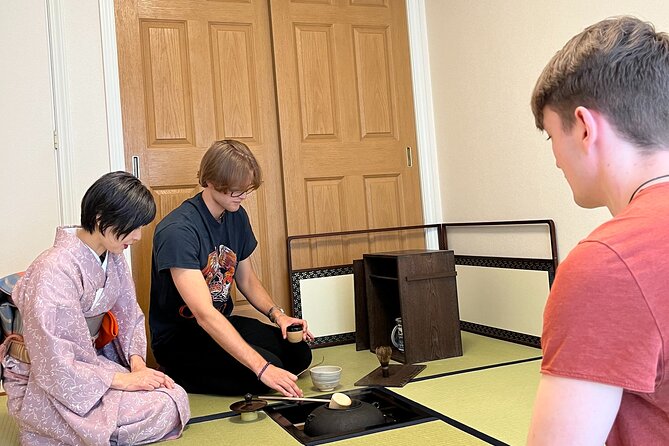
Book it if you want a real tea ceremony lesson in a private home setting, with time for questions and hands-on matcha making. This is especially appealing if you like food culture beyond eating, meaning you want to understand why the sweets and tea are paired the way they are. The seasonal wagashi selection and the charcoal procedure are standout touches that make the experience feel specific, not generic.
Skip it or rethink it if you dislike structured activities or you’re short on time. You’ll be asked to follow the tatami-room setup and participate in the ceremony steps. It’s not designed as a walk-on, walk-off street attraction.
If you’re the kind of traveler who enjoys meeting hosts and talking through culture, you’ll probably click with the way the Kono Family style of hospitality shows up in reviews. And if you’re traveling with a baby, at least one past guest mentioned bringing one, which suggests the home atmosphere may be more flexible than you’d expect.
My practical recommendation: bring socks, come with curiosity, and treat this like a class you can feel. You’ll leave with two cups of matcha in your memory and a clearer idea of what it means to be a guest in a tea space.
FAQ
Do I need to bring socks for the tatami tea room?
Yes. You are asked to bring socks to enter the Japanese tatami room for the tea ceremony.
What will I eat and drink during the workshop?
You’ll taste matcha (green tea) and wagashi (handmade Japanese sweets). The description also says you can drink two cups of matcha, and the tea master prepares the wagashi based on the season.
Is this a private tour or shared with other groups?
This is a private tour/activity. Only your group will participate.
Are there vegan and gluten-free options for the wagashi?
The included snacks are described as good even for vegan and gluten-free diets.
Is pickup available, and where does the tour start and end?
Pickup is offered. The meeting point is in Yokohama at ドレッセあざみ野ガーデンズ (Aoba Ward, Ōbachō), and the experience ends back at the meeting point.
What is the cancellation window for a full refund?
You can cancel up to 24 hours in advance of the experience for a full refund. If you cancel less than 24 hours before the start time, the amount paid is not refunded.
Down the Bay to Yokohama



Newest Yokohama write-ups from the Loving Japan desk




Kyoto Tea Ceremonies and Matcha, side by side.
 ★ 4.9Tea Ceremony in a Traditional Tea House in KiyomizuFrom $493,519 reviews
 ★ 4.9Tea Ceremony Ju-An at Jotokuji TempleFrom $293,207 reviews
 ★ 4.345-Minute Tea Ceremony Lesson ExperienceFrom $222,378 reviews
 ★ 5.0World Heritage Kyoto & Nara Uji Authentic Matcha ExperienceFrom $1291,573 reviews
 ★ 4.9Tea Ceremony ExperienceFrom $251,426 reviews
 ★ 4.9Table-Style Tea Ceremony at a Kyo-MachiyaFrom $451,211 reviews
 ★ 4.8Kenrokuen Tea Ceremony ExperienceFrom $351,139 reviews
 ★ 5.0Kimono Tea Ceremony at Kyoto Maikoya, NISHIKIFrom $65911 reviews
Filed on these lists too