
REVIEW · HIKING & TREKKING
3.5hours Primeval Forest Snowshoe hike and Wildlife Watching Tour
A winter walk in Shiretoko feels like you’re trespassing on nature’s turf. This 3.5-hour snowshoe and wildlife watching tour takes you off the usual routes, along paths shaped by wild animals, so the forest has a more real, lived-in feel. I like that it’s guided with wildlife awareness in mind, and that you’re actively reading the winter clues, like tracks in the snow.
Two things I especially like: you’re headed to the frozen hidden waterfall called Tears of Man, and you’re moving through Shiretoko’s primeval forest rather than just ticking off views. One consideration, though, is that the hike requires moderate physical fitness, and you should be ready for winter conditions and cold weather, since the tour depends on good weather.
In This Review
- Key Highlights You’ll Actually Care About
- Primeval Forest on Animal-Made Routes, Not a Typical Trail
- Utoro-Shirietoku Meeting Point, Pickup, and Staying Ahead of Time
- How the 3.5 Hours Actually Feel on Snow
- Snowshoe Walking in Shiretoko: What Off-Beat Really Means
- Hidden Waterfall Stop: Tears of Man in Winter
- Wildlife Watching That’s More Than Just Looking
- Sea Ice and the Shiretoko Mountains View
- Price of $55.52 and the Value Logic
- Weather and Timing: The Two Things That Control Your Experience
- What to Bring for a Cold, Snowy 3.5 Hours
- Who Should Book This Shiretoko Snowshoe Tour
- Should You Book It?
- FAQ
- How long is the snowshoe hike and wildlife watching tour?
- How much does the tour cost?
- Is pickup available, and where does the tour start?
- What is the age requirement?
- What should my fitness level be?
- What happens if the weather is poor?
Key Highlights You’ll Actually Care About
- Off-trail snow paths made by animals means the walk feels wilder and more natural, not staged
- Snowshoes are used when there’s enough snow, so you can walk over winter terrain that would be tougher without them
- Hidden waterfall focus: Tears of Man freezes in winter, giving you a special stop beyond scenic points
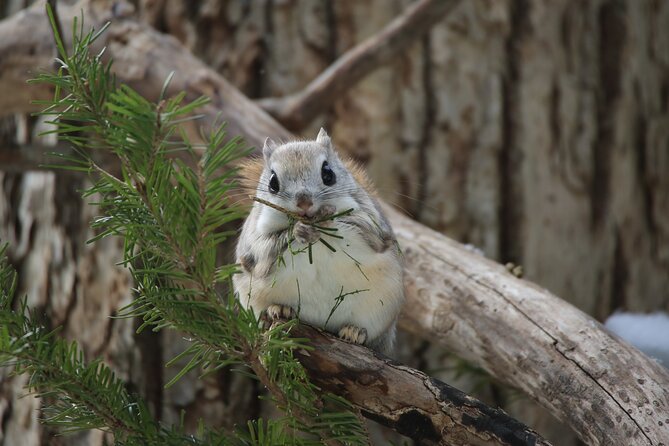
- Wildlife odds are built into the route with chances to spot Ezo sika deer and Ezo red foxes
- Small group size, max 8 keeps the experience calmer and easier to manage on snow
Still weighing up options in Hokkaido? These are the ones our reviewers rated highest.
- 3hours Primeval Forest and Stunning Views of Cliff Trekking Tour
★ 5.0 · 20 reviews - Half Day – Snow View Rafting in Niseko
★ 5.0 · 13 reviews - Snowshoe Adventures and Onsen Bliss Winter Escape in Furano
★ 5.0 · 12 reviews
Primeval Forest on Animal-Made Routes, Not a Typical Trail
This tour’s big idea is simple: the best way to experience Shiretoko in winter is to stop following only human-made paths. The guide leads you through primeval forest areas where the routes you walk are originally created by wildlife. That changes your mindset fast. Instead of hiking through a corridor of planted markers and tame scenery, you’re walking through a living system where animals have already chosen their routes.
You’ll also understand the forest by noticing details you might miss on a standard hike. The winter snow can show patterns. Sometimes you can even spot animal footprints on the surface. Even when you don’t see wildlife directly, reading those small signs makes the whole outing feel more like field time than sightseeing.
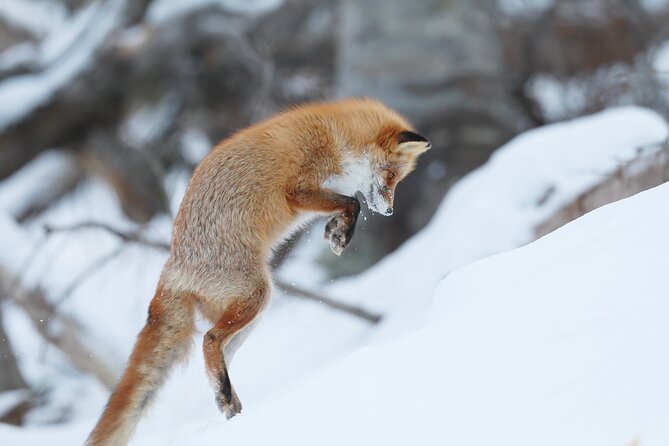
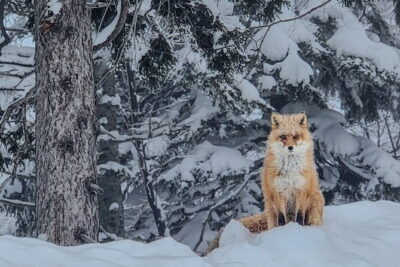
And yes, wildlife watching is a real part of the plan. The tour is designed for winter chances to encounter Ezo sika deer and Ezo red foxes. I like that they’re not overselling rare sightings, they’re just taking you where the odds make sense.
Utoro-Shirietoku Meeting Point, Pickup, and Staying Ahead of Time
You meet at Roadside Rest Area Utoro-Shirietoku, 186-8 Utoronishi, Shari, Shari District, Hokkaido 099-4354, Japan. The tour runs as a round trip, so it ends back at the same meeting point.
Pickup is offered, and the tour uses a mobile ticket. That’s handy if you want to keep your travel day smooth. Also, the tour is small, with a maximum of 8 travelers, so timing matters more than on big bus tours.
Here’s the practical takeaway from what I’d do before you even leave your hotel: be ready early. One review note pointed out the importance of showing up before the pickup window, and I agree with that logic. Winter timing is unforgiving. If you’re late, the group has to wait in the cold, which is no one’s idea of fun.
How the 3.5 Hours Actually Feel on Snow
The duration is listed at about 3 hours 30 minutes. That’s enough time to do something real, not just a quick walk where everyone turns around early. But it’s also not so long that you’ll feel stuck if winter weather turns slick or visibility drops.
The tour moves at a pace that suits moderate fitness levels. You do not need to be an endurance athlete, but you should feel comfortable hiking for a few hours in cold air. With snowshoes in play (when conditions are right), your legs will get work in a slightly different way than on pavement.
Most importantly, this isn’t a fast “cover ground at any cost” type of outing. It’s built for stopping, looking, and listening. That’s what makes wildlife watching worth it. If the group is rushing, you lose the best part of winter sightings.
Snowshoe Walking in Shiretoko: What Off-Beat Really Means
When there’s enough snow, the tour uses snowshoes so you can walk over the snow rather than post-holing through it. That matters because Shiretoko in winter can be deep enough to make normal walking slow and tiring. Snowshoes help you stay stable and keep your energy for the wildlife search.
The truly unique part is the route itself. You’re not just on a maintained path. You’re following trails that were originally made by animals. That means the line you walk might feel slightly unpredictable, because it’s following an animal logic, not a tourism logic.
You might also notice that the forest looks different when you’re out on those animal routes. The trees and undergrowth can feel more open than expected. The snow can create quiet pockets where sound carries oddly. When you pause, it’s easier to hear small movement than it is on busy, tracked trails.
Hidden Waterfall Stop: Tears of Man in Winter
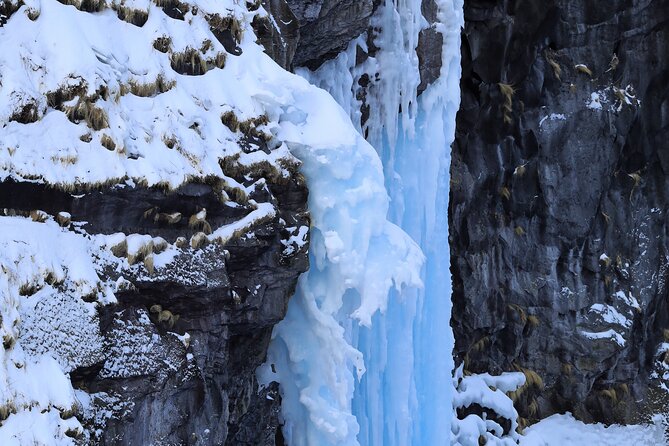
One of the reasons this tour is worth your time is that it aims for a hidden waterfall: Tears of Man. In winter, it freezes, which changes the visual language completely. Instead of a flowing cascade, you’re dealing with ice forms and frozen edges.
Even if you’re not a waterfall person in the summer, frozen waterfalls can be a different kind of photo and a different kind of wow. The ice holds light differently. It also makes the area feel still, like the forest has paused to watch the cold do its work.
The drawback? Frozen waterfalls also depend on seasonal conditions. If ice is forming differently than expected due to the weather that week, the exact look can vary. But the focus here is winter ecology and winter scenery, not a guaranteed summer-style view.
Wildlife Watching That’s More Than Just Looking
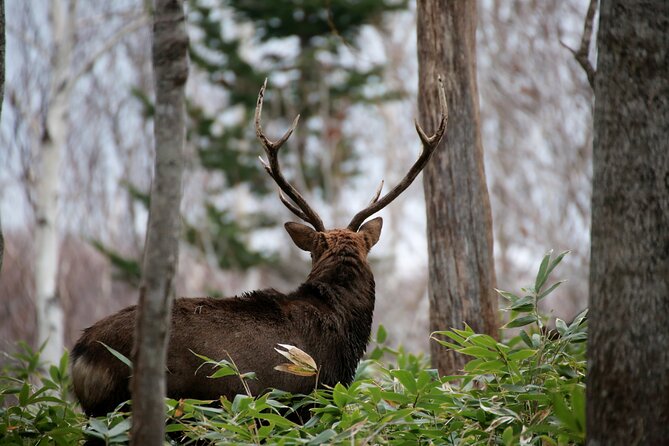
This is a wildlife watching tour in the practical sense: the route and timing are chosen to increase your odds. The tour specifically notes chances to see Ezo sika deer and Ezo red foxes, and it also emphasizes that you can find tracks in the snow.
Here’s the key mindset shift that will make this better for you. Don’t only stare ahead like you’re waiting for a movie scene. Instead, scan in layers:
- Look at the snow surface for tracks and breaks
- Check the tree lines and openings, since animals often use edges
- Pause when the guide asks, because they’re likely reading signs you might not notice quickly
Also, winter wildlife watching is often about “signs” before it’s about “sightings.” That’s why the animal-trail approach matters. You’re traveling through the same winter routes animals used, so you’re more likely to notice what they left behind.
Sea Ice and the Shiretoko Mountains View
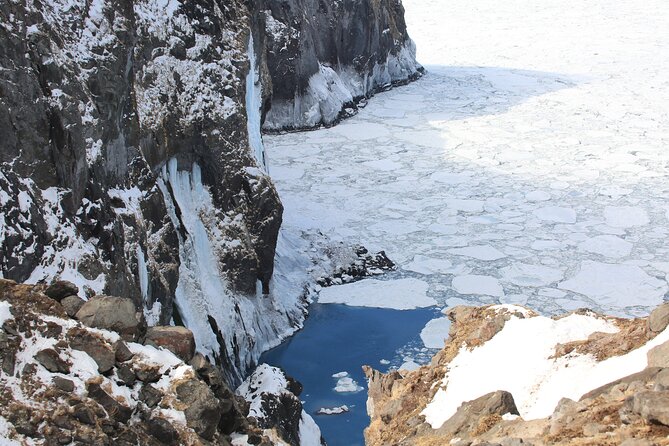
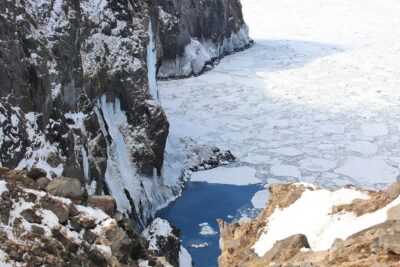
Another major reason to pick this tour is what happens when sea ice arrives. When ice comes to the coast, a wide field of ice appears over the Sea of Okhotsk. That creates a striking, wintry scene alongside the Shiretoko Mountains covered in silver-white snow.
This part is about seeing scale. On a normal day, a coastline is something you walk past. Here, the coastline can turn into a frozen expanse that changes your sense of space and distance.
Do keep your expectations flexible. This is weather and season dependent. But the payoff is exactly the kind of winter wonder Hokkaido does well: frozen geography that looks almost unreal, but is completely natural.
Price of $55.52 and the Value Logic
At $55.52 per person, this isn’t a luxury-priced tour, and it also isn’t a “throw you on a trail and good luck” situation. For that cost, you’re paying for three things that matter:
- A guided route through primeval forest with off-beaten tracking focus
- A specific destination for winter, Tears of Man
- Winter wildlife searching, where timing and knowledge matter more than simple luck
The small group size, up to 8 people, also adds value. It’s easier for a guide to keep an eye on snow conditions and help the group manage stops. It’s also easier for you to hear instructions and stay aware when you’re moving through snow.
You’re getting a half-day feel without needing a full-day commitment. If you’re already doing other Shiretoko activities, this is a strong pairing because it scratches a very different itch: wilderness walking plus winter scenery, not just viewpoints.
Weather and Timing: The Two Things That Control Your Experience
This experience requires good weather. If weather is poor, the tour can be canceled, and you’ll be offered another date or a full refund. In winter, that’s not just paperwork. It affects visibility, safety, and how enjoyable the snow is underfoot.
So, I’d plan your day with a little slack. If you can schedule this when you’re not tightly packed with transfers, you’ll handle the potential date shift without stress.
Confirmation is received within 48 hours of booking, subject to availability. That means you should treat it like a real tour with real winter conditions, not a casual add-on you can plan around with military precision.
What to Bring for a Cold, Snowy 3.5 Hours
The tour calls for moderate physical fitness, and the hike happens in winter conditions, so your clothing plan matters. You’ll be outside for about 3.5 hours, likely on snowy ground, sometimes with snowshoe walking. I suggest dressing in layers so you can adjust as your body warms up.
At minimum, think warm layers, gloves, and socks that keep your feet comfortable. Also, bring clothing you won’t mind getting dusted in snow. If the tour is using snowshoes due to conditions, you’ll want to focus on staying warm and stable more than chasing fashion.
If you tend to get cold easily, treat that as a signal to pack extra warmth. Wildlife watching often involves waiting, stopping, and slowing down.
Who Should Book This Shiretoko Snowshoe Tour
This tour fits best if you like winter nature and you want more than a photo stop. If you enjoy quietly scanning for tracks and clues, and you’re excited by the idea of walking on routes shaped by animals, you’ll have a great time.
It also works well for people who want an active outing without committing to a full day. The duration, moderate fitness level, and small group size make it manageable.
It’s not a fit if you want only guaranteed big wildlife sightings. This is about winter chances and interpreting signs. It’s also not ideal if you can’t handle cold or you’re not comfortable walking in snow for a few hours.
Age requirement is 6 years or older, so families with kids ready for winter walking might be a match, as long as everyone can handle moderate activity.
Should You Book It?
Yes, if your goal is authentic winter Shiretoko, not just a checklist. The best reason to book is that you’re walking off the beaten paths created by wildlife, with a plan that includes Tears of Man and winter sea ice views. You’re paying for guidance that helps you read the forest and enjoy the winter scenery without guessing.
I’d pass or reconsider if you’re uncomfortable with winter walking or you dislike weather-dependent planning. Since the tour needs good weather, your experience will be shaped by what the day gives you.
If you can handle cold, moderate hiking, and a wildlife-focused pace, this tour is a very good use of a half-day in Hokkaido. You’ll leave feeling like you spent time in the wilderness, not just near it.
FAQ
How long is the snowshoe hike and wildlife watching tour?
The tour lasts about 3 hours 30 minutes.
How much does the tour cost?
The price is $55.52 per person.
Is pickup available, and where does the tour start?
Pickup is offered. If you are meeting independently, the start point is Roadside Rest Area Utoro-Shirietoku (186-8 Utoronishi, Shari, Shari District, Hokkaido 099-4354, Japan). The tour ends back at the same meeting point.
What is the age requirement?
The age requirement is 6 years or older.
What should my fitness level be?
The tour is suitable for travelers with a moderate physical fitness level.
What happens if the weather is poor?
This experience requires good weather. If it’s canceled due to poor weather, you’ll be offered a different date or a full refund.
Newest Hokkaido write-ups from the Loving Japan desk
Hiking & Trekking, side by side.
 ★ 4.93-Hour Fushimi Inari Shrine Hidden Hiking TourFrom $72270 reviews
 ★ 5.0Hiroshima Local guided Hiking Tour&Open-air Tea CeremonyFrom $109213 reviews
 ★ 5.0Hiking the Historic Nakasendo Trail [1 Day Tour from Nagoya]From $210104 reviews
 ★ 5.0Kyoto Hiking Tour: The Nature and Legends of Kurama and KibuneFrom $19175 reviews
 ★ 4.8Morning Hiking Tour with Open-air Tea CeremonyFrom $10658 reviews
 ★ 5.0Full Day Hiking Tour at Mt.Takao including Hot SpringFrom $11852 reviews
 ★ 5.0Hike and Hot Springs in KuramaFrom $8049 reviews
 ★ 5.0Hike Hakone HachiriFrom $23148 reviews
Filed on these lists too