
REVIEW · HAKONE, OWAKUDANI AND LAKE ASHI
Hike Hakone Hachiri
Hakone Hachiri feels like time travel on foot. This guided hike follows a leg of the ancient Tokaido Highway linking Tokyo with Kyoto and Osaka, mixing living food culture, old-route survival details, and big mountain scenery when the weather cooperates. You’ll walk past long-remembered places like the Amazake Tea House, cedar-lined road sections, the Hakone checkpoint, and Yamanaka Castle Ruins, then finish back in Mishima.
Two things I genuinely like: first, the stop at Amasake Chaya with Mr Yamamoto, the 13th generation manager, and the family’s story about this rare, still-running teahouse tradition. Second, the way your guide, Tony, handles the day with crisp history, friendly humor, and support that helps non-Japanese speakers keep up, even on a busy hiking route.
One possible drawback: the experience is weather dependent, and when it rains the path can feel tougher, with slippery spots and stone footing. If you show up in soft shoes and hope for the best, your calves will file a complaint.
In This Review
- Key highlights worth the effort
- Why this hike feels different from a typical Hakone day
- Start in Mishima, then settle into a 9-hour walking rhythm
- Stop 1: Hakone Amazake Tea House and Mr Yamamoto’s family tradition
- Lake Ashinoko timing: lunch break by the crater lake and its torii
- Cedar Trees of Hakone Old Road: Tokugawa Hidetada’s shade plan
- Hakone Sekisho and the Sekisho Museum: the checkpoint logic behind Edo safety
- Yamanaka Castle Ruins: earthworks, old defenses, and possible Mt Fuji views
- The main hike: a 12 km slice of the Old Tokaido between Odawara and Mishima
- Finish along Genbegawa: World Water Heritage Area near Mishima
- Price and value: what you’re paying for (and what you’re not)
- What to bring for a rain-ready Tokaido day
- Who this hike is for, and who should pick something else
- Should you book Hakone Hachiri?
- FAQ
- How long is the Hakone Hachiri hike?
- Where do I meet, and what time does the tour start?
- Is this a private tour?
- Are admissions and tickets included?
- Is lunch included?
- What happens if weather is bad?
Key highlights worth the effort
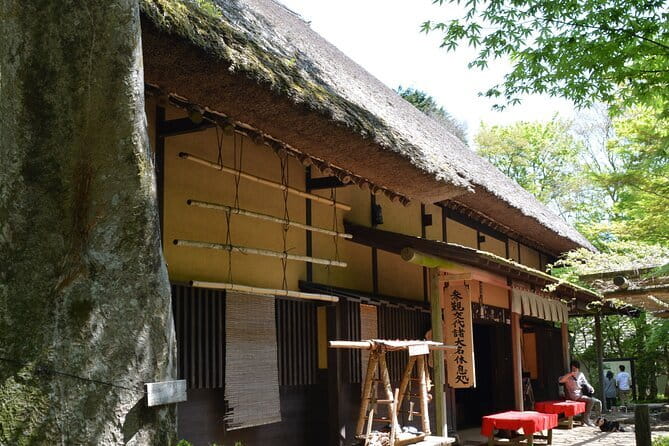
- Amazake Chaya with Mr Yamamoto (13th generation), including the sense of continuity from past to future managers
- Cedar Avenue planted under Tokugawa Hidetada, where the shade is part of the story
- Hakone Sekisho checkpoint and museum, built around the idea of controlling movement toward Edo
- Yamanaka Castle Ruins with potential Mt Fuji views when skies are clear
- A 12 km stretch of preserved Old Tokaido foot highway, the walking portion that actually delivers the workout
- Private group hike with mobile tickets, so you’re not just “tour-bus history” on repeat
The Hakone loop runs several ways. Here are the rest
- Hakone 6 hour Private Tour with Government-Licensed Guide
★ 5.0 · 218 reviews - Custom Private Tour in Hakone with a Certified Local Guide
★ 5.0 · 91 reviews - Hakone 8 hour Private Tour with Government-Licensed Guide
★ 5.0 · 63 reviews - Private Tour – Hakone Day Trip! A Tour to Explore All Must-Sees!
★ 5.0 · 58 reviews
Why this hike feels different from a typical Hakone day
Hakone is famous for views, hot springs, and easy sightseeing loops. Hakone Hachiri gives you something more grounded: a long walk along the old transport artery where people once traveled with real urgency. You’re not just staring at landmarks, you’re moving through the same kind of corridor that helped connect major cities centuries ago.
What makes it especially satisfying is the balance. Food culture shows up early. Forest and cedar shade do the heavy lifting mid-day. Checkpoint history turns the route into a story about authority and safety. Then the day ends with a gentle nature finish in the Mishima area. It’s the kind of itinerary that helps you see Japan as lived-in systems, not just postcard scenes.
Start in Mishima, then settle into a 9-hour walking rhythm
Your day starts and ends at Mishima Station (16-1 Ichibanchō, Mishima, Shizuoka 411-0036), with a 8:30 am start time. It’s designed as a private experience, so it’s only your group, not a mixed crowd shuffling around the same photo spots.
This matters more than you might think. In a hiking day, timing and pacing decide whether you enjoy the route or just endure it. With a small group format, your guide can adjust the flow when weather or trail conditions change, which is a real advantage when you’re walking through older road alignments and stone sections.
You’re also looking at about 9 hours total. That’s not a quick nature stroll. Plan your expectations around a full day outdoors, with time for multiple stops and explanations.
Stop 1: Hakone Amazake Tea House and Mr Yamamoto’s family tradition
The day begins at Hakone Amazake Tea House (Amasake Chaya), where you meet Mr Yamamoto, the 13th generation manager. That detail is more than trivia. It’s proof that this isn’t a recreated set. You’re stepping into a functioning teahouse tradition tied to a specific food culture: amazake, a sweet, fermented rice drink that has long been part of seasonal and travel comfort in Japan.
I like this kind of start because it gets you thinking like a traveler, not like a tourist. On the old Tokaido, people needed breaks, warmth, and simple nourishment, especially during long stretches between towns. A teahouse stop early in the hike sets that context.
A bonus here is that your guide can translate and frame what you’re seeing so you’re not left guessing. In other words, you get the story, not just the photo.
Practical note: since the tea house stop is a formal first stop (about 1 hour), treat it like a pre-walk warm-up. If you’re the type who gets stomach issues on hikes, take it slow and keep an eye on what you eat.
- Private Hakone Half-day Car Tour with Hotel Pickup – Local Guide★ 5.0 · 48 reviews
- Hike Hakone Hachiri★ 5.0 · 48 reviews
- Hike Japan Heritage Hakone Hachiri with certified mountain guide★ 5.0 · 46 reviews
Lake Ashinoko timing: lunch break by the crater lake and its torii
Next you head toward Lake Ashinoko, a deep crater lake with dramatic shoreline elements, including red torii gates in the water. The itinerary builds in an about 1-hour window here, which is meant for your lunch break and taking in the views.
One important detail: lunch is not included. So you’re using this stop for two things at once: a scenic pause and a chance to eat on your own terms. That can actually be a plus, because you can choose what feels right for you that day, especially if you want something lighter before your hiking segment.
Lake Ashinoko is often stunning in clear weather, but don’t panic if it’s misty. Even in hazy conditions, the sheer crater-lake setting makes the stop feel distinct from the rest of the hike.
Cedar Trees of Hakone Old Road: Tokugawa Hidetada’s shade plan
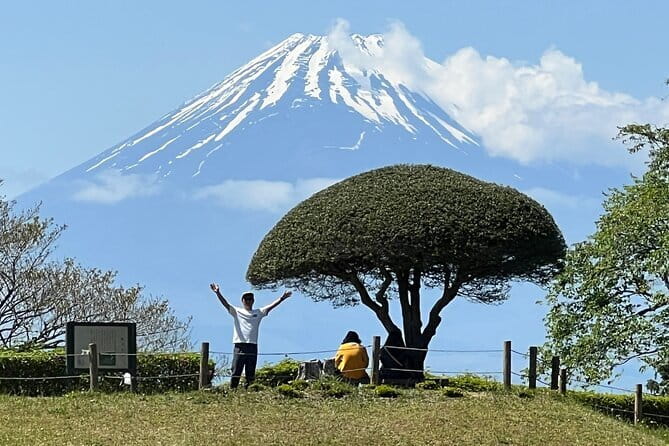
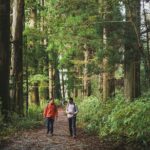
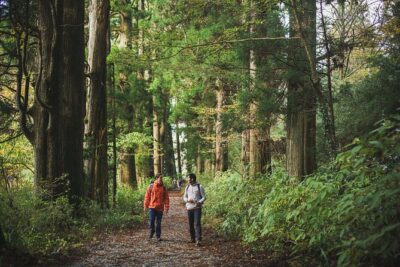
Then comes one of the most “walkable history” parts of the day: the Cedar Trees of Hakone Old Road, often associated with Cedar Avenue. This is tied to a real policy move from the Edo era. Around four centuries ago, Tokugawa Hidetada ordered the planting of sugi (Japanese cedar) along both sides of the old Tokaido route so travelers would have shade as they walked.
When you’re on foot under a canopy like that, you feel the logic immediately. Shade meant less heat strain, and consistent tree lines created a calmer visual rhythm when travel days were long and tiring. It turns a “pretty forest” into something functional, which is exactly what I want from historical routes.
The stop time is relatively short (around 30 minutes), so treat it like a reset. If it’s sunny, this is where you’ll appreciate the cool air. If it’s wet, you’ll get that filtered light effect under the cedar canopy, which can still look gorgeous, even if the footing is a little more work.
Hakone Sekisho and the Sekisho Museum: the checkpoint logic behind Edo safety
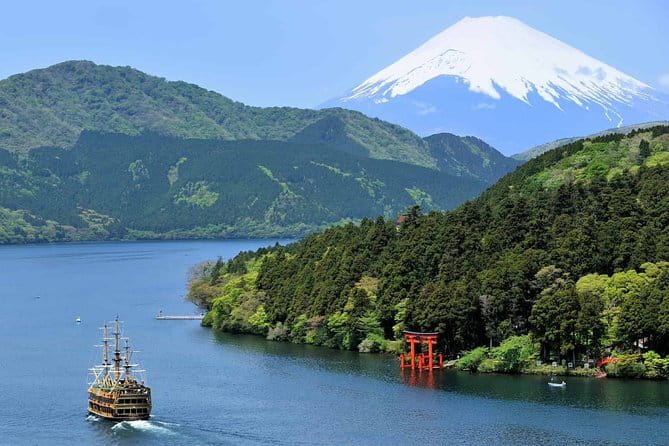
Tokaido travel wasn’t just about roads. It was about controlling movement. That’s why Hakone Sekisho matters. Hakone was the closest checkpoint to Edo, so it was heavily monitored, with the goal of verifying travelers and protecting the shogun in the capital.
You’ll spend about 30 minutes at the checkpoint area and the Hakone Sekisho Museum. What I like here is that it doesn’t feel like abstract history. Checkpoints were real systems that affected what people carried, where they stopped, and how they traveled.
This stop also breaks up the physical hiking with a “pause and think” moment. After walking through natural shade and roadside remnants, you get a clearer sense of the human pressure behind the route.
Yamanaka Castle Ruins: earthworks, old defenses, and possible Mt Fuji views
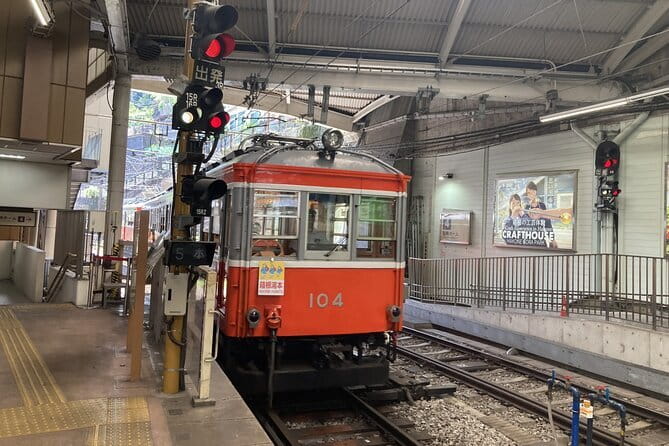
Next is Yamanaka Castle Ruins, tied to the Hojo family era and described as “castle in the middle of the mountain,” which fits what you’ll likely feel as you approach: defense meant controlling terrain, and these earthworks were built to do that.
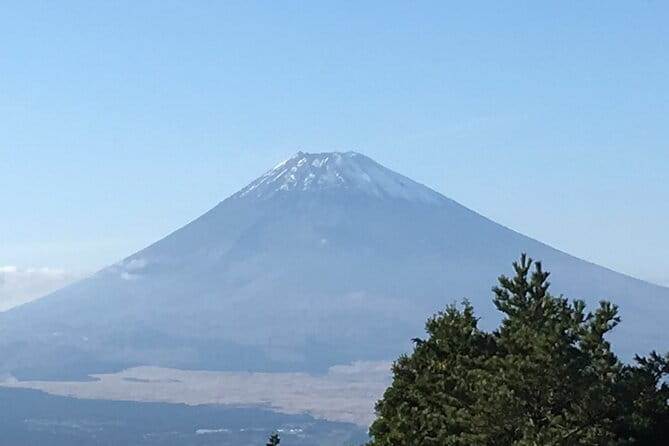
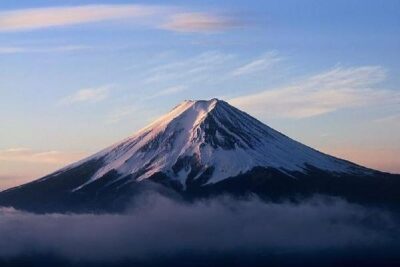
It’s also the most weather-sensitive part of the day. The route offers stunning views of Mt Fuji when weather permits. That means you should treat Fuji like a bonus, not a guarantee. If it’s clear, you’ll likely get rewarded. If it’s cloudy, the walk still works as a historical setting and viewpoint platform, just without the final mountain reveal.
Either way, this stop helps you understand why people once climbed, guarded, and watched over these ridges. The landscape decides the strategy, and strategy decides what gets built.
The main hike: a 12 km slice of the Old Tokaido between Odawara and Mishima

This is the heart of Hakone Hachiri: a preserved 12 km stretch of the Old Tokaido foot highway between Odawara and Mishima, protected as a Japan Heritage Area. In other words, you’re not doing a token “walk-through.” You’re doing real walking, and your time on the trail is where the day clicks.
You can expect a moderate hiking level, and in practice that often means a mix of stone sections and uneven ground. One key review theme that matches the route feel: bring sturdy, comfy shoes, because stone footing changes how hard the hike feels even when the elevation is manageable.
This is also where your guide’s style really shows. Tony’s job is not only to explain history, but also to keep you moving, adapting when weather turns. If it’s raining, the pacing and footing become more important than the “schedule on paper.”
If you want an easy day, this is not it. If you want a satisfying workout plus real context, this is exactly why you booked.
Finish along Genbegawa: World Water Heritage Area near Mishima
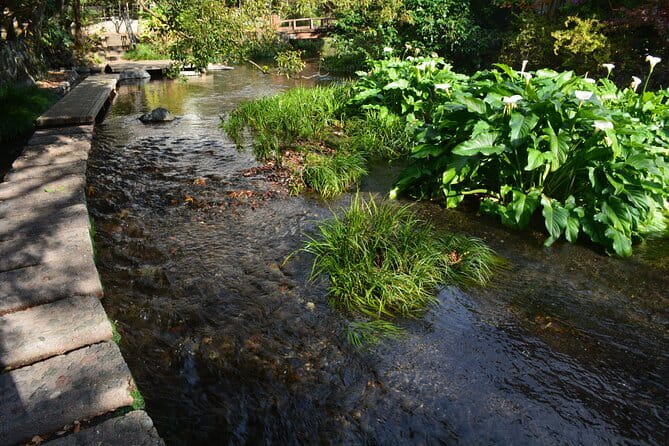
To wrap up, you end with a short walk along the Genbegawa World Water Heritage Area. This part is lighter than the main hiking stretch, and it gives your body a chance to settle after the longer walk.
I like this kind of ending because it shifts the focus from history-as-ruins to history-as-water systems. Even without long explanations, the theme is clear: Japan’s routes were always shaped by practical natural resources.
It’s also a nice “last photos, last breaths” segment before you return to Mishima Station to end the day.
Price and value: what you’re paying for (and what you’re not)
At $231.18 per person, this hike isn’t a bargain bargain. But it also isn’t just buying access to a trail. You’re paying for a private guided experience, plus a guide fee that stays included in the price.
You also get mobile tickets and the itinerary includes multiple admission-based moments (tea house ticket and checkpoint-related stops are part of the plan). At the same time, lunch, coffee or tea, and an air-conditioned vehicle are not included.
Here’s how I’d judge the value for you:
- If you want a simple self-guided hike with minimal explanations, you could probably piece something together.
- If you want the “why” behind each stop, with a guide like Tony who can handle history and keep a group comfortable through rain or rougher sections, the price starts to make more sense.
The math also changes if you’re traveling with someone who enjoys walking plus learning. A guided hike can turn a regular 12 km day into a more memorable full story.
One more timing note: this kind of hike is commonly booked about 31 days in advance, so if you’re aiming for a specific date, don’t wait until the last minute.
What to bring for a rain-ready Tokaido day
Given the weather dependence, I’d plan as if you might hike in wet conditions. That doesn’t mean you should fear the day, it means you should prepare smart.
- Sturdy, comfy shoes for stone and uneven footing
- A water-resistant layer if the forecast looks uncertain
- Small snacks and water for the gaps between stops, since lunch is not included
- A light rain cover for your day bag, if you have one
- If you’re prone to being cold on long shade walks, bring a layer you can add quickly
And keep your mindset flexible. Your guide may adjust the plan when weather is rough, and that flexibility is part of getting the most out of the day rather than forcing an outdoor plan that doesn’t fit the trail.
Who this hike is for, and who should pick something else
This tour suits you best if you want:
- History that walks with you, not history that happens behind ropes
- A hike that includes cedar shade, checkpoint context, and a real walking segment around 12 km
- A private group experience where your guide can work with your pace and questions
- Mt Fuji potential, with the right attitude if clouds roll in
If you should consider another option:
- You’re looking for a mostly indoor, mostly flat day
- You’re not comfortable hiking on stone or uneven ground
- You want lunch handled for you and don’t want to think about it
Should you book Hakone Hachiri?
Yes, if you’re the kind of traveler who enjoys the “in between” of a destination: the old routes, the reasons people built checkpoints, the practical role of cedar shade, and the family-run food culture that still exists.
You’ll probably appreciate this most if you value a guide’s storytelling and you’re ready for a meaningful walking day. It’s not a casual stroll, but it is a well-paced route that mixes nature and human history in a way that feels earned.
Book it if you can bring the right shoes and keep your plans weather-aware. That combo makes the day shine, even when the sky is doing its own thing.
FAQ
How long is the Hakone Hachiri hike?
The total duration is listed as about 9 hours.
Where do I meet, and what time does the tour start?
You meet at Mishima Station, 16-1 Ichibanchō, Mishima, Shizuoka 411-0036, Japan at 8:30 am. The tour also ends at Mishima Station.
Is this a private tour?
Yes. It’s listed as a private tour/activity, meaning only your group participates.
Are admissions and tickets included?
A tea house ticket at the Amazake Tea House is included, and other admission stops are listed as free for the included itinerary parts. The tour also includes mobile ticket access.
Is lunch included?
No. Lunch is listed as not included.
What happens if weather is bad?
The experience requires good weather. If it’s canceled due to poor weather, you’ll be offered a different date or a full refund. In general, the experience is non-refundable and cannot be changed for any reason.
The Hakone Loop, Reviewed

Newest Hakone write-ups from the Loving Japan desk
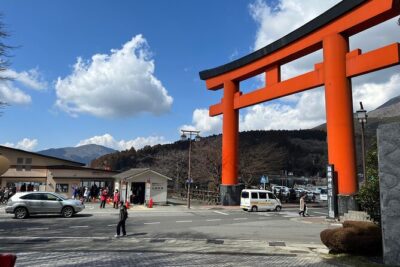
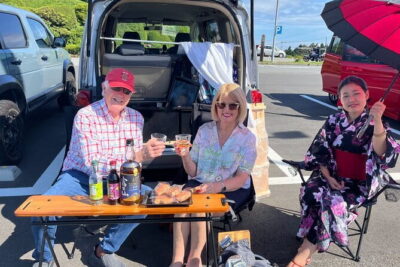
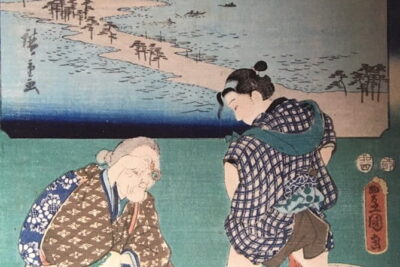
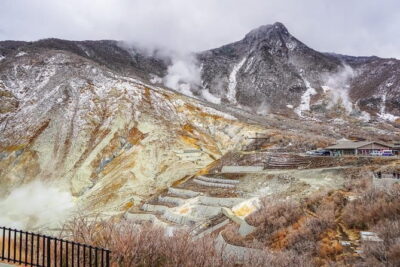
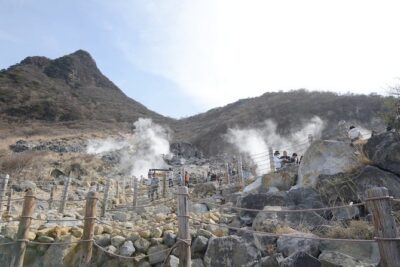
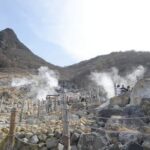
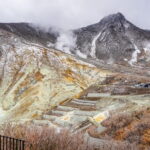
Hakone, Owakudani and Lake Ashi, side by side.
 ★ 5.0Mt Fuji and Hakone 1-Day Bus Tour Return by Bullet TrainFrom $16326,383 reviews
 ★ 4.0Mt Fuji & Hakone Cruise, Drum Show Bullet Train 1 Day from TokyoFrom $1497,413 reviews
 ★ 4.4Tokyo Mt Fuji 5th St & Hakone Cruise Bus Tour w/Bullet TrainFrom $1545,024 reviews
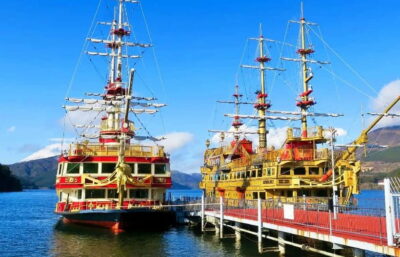 ★ 4.7Mt. Fuji Tour, Hakone Ropeway, Owakudani, Lake AshiFrom $544,002 reviews
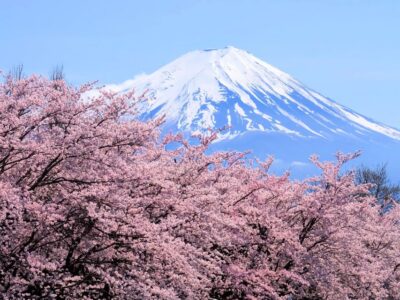 ★ 4.2Mt. Fuji 5th Station & Hakone Cruise 1-Day Bus TourFrom $1292,381 reviews
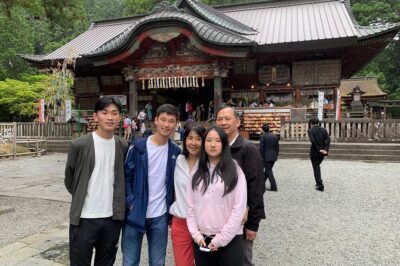 ★ 5.0Private Tour to Mt. Fuji and Hakone (Fully Licenced Operator)From $4971,910 reviews
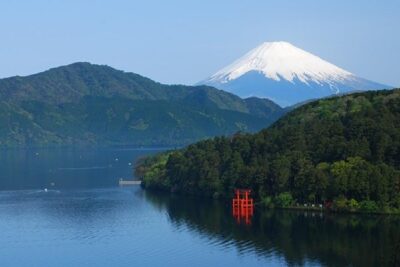 ★ 4.0Mt Fuji & Hakone Cruise, Drum Show Bus 1 Day from TokyoFrom $1221,287 reviews
 ★ 4.2From Tokyo: Mt. Fuji & Hakone Tour w/ Return by Bullet TrainFrom $1171,278 reviews
Filed on these lists too