
REVIEW · HIROSHIMA AND MIYAJIMA DAY TRIPS
Hiroshima Local guided Hiking Tour&Open-air Tea Ceremony
Tea on a mountain path in Hiroshima.
This small-group hike through the Futaba Mountains mixes shrine worship with a mountaintop Nodate tea ceremony above Hiroshima.
I love two things about this experience: the early start and the way your guide turns quiet stops into clear stories about place and belief. If you want Hiroshima beyond the usual sights, this route gives you a slower, more local angle.
The main consideration is physical effort: you’ll go up about 500 steps, so comfortable shoes and a steady pace matter, especially on warm or humid days.
In This Review
- Key highlights you should care about
- Why the Futaba Mountains morning feels different in Hiroshima
- Hiroshima Station start time, small group feel, and how the pace works
- Hiroshima Toshogu Shrine stop: culture first, then climb
- Kinko Inari Shrine and the 500-step push into Mt. Futaba
- Futabayama Peace Pagoda views plus Shinrinyoku forest bathing
- Okumiya Shrine Nodate open-air tea ceremony, served with the city view
- The Shinto perspective on Hiroshima, through shrine practice and stories
- Price and value: what $109.43 buys you in real terms
- Who should book this, and who should think twice
- Should you book the Mt. Futaba hiking tour with open-air tea?
- FAQ
- How long is the Hiroshima Local guided Hiking Tour and Open-air Tea Ceremony?
- Where do we meet, and what start times are available?
- Is the hike strenuous?
- What’s included in the tour price?
- What happens if the weather is bad?
- Can I cancel for a full refund?
Key highlights you should care about
- Up to 6 people keeps it conversational with local guides like Nana, Michi, and Naomi
- A 500-step climb inside Mt. Futaba, with frequent pauses built into the walk
- Shinrinyoku, forest bathing at the top, not just a quick photo stop
- Nodate open-air tea ceremony at Okumiya Shrine with city and sea views
- Shrine-to-view route that blends Shinto practice with Hiroshima’s setting
- A 5% donation from the tour fee supports Futaba Mountain conservation work
Sit down somewhere quieter. Other tea rooms we booked
- Hiroshima Local guided Hiking Tour&Open-air Tea Ceremony
★ 5.0 · 213 reviews - Kimono and Tea Ceremony in Miyajima
★ 5.0 · 73 reviews - An Amazing set of Cultural experience: Kimono, Tea Ceremony and Calligraphy
★ 5.0 · 69 reviews - Hiroshima: Morning Hiking Tour with Open-air Tea Ceremony
★ 4.8 · 58 reviews
Why the Futaba Mountains morning feels different in Hiroshima
Hiroshima can be intense. Peace Park and the museum are important, but sometimes you want a day that feels calmer, more human, more everyday Japan. This hike is built for that mood shift.
You start early, and the timing is smart. Your tour lasts about three hours, so you get the rest of the day free for your own pace, whether that means more sightseeing, a long lunch, or just time to decompress.
What makes the experience genuinely special is the mix of nature and shrine culture. You are not simply walking through trees, and you are not only touring temples or shrines either. The trail becomes part of the meaning. You’ll hear about the area from a Shinto perspective, then you’ll experience that spirituality through the route itself, step by step.
And then comes the tea. An outdoor Nodate tea ceremony on a mountaintop, with Hiroshima spread below you, turns the hike into something you remember in your body, not just your camera.
Hiroshima Station start time, small group feel, and how the pace works
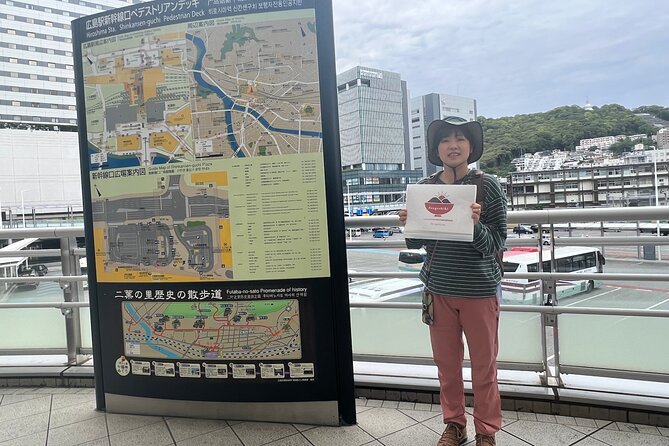
This tour meets at Hiroshima Station, Shinkansen exit at 1-2-37 Matsubarachō, Minami Ward. There are different departure windows depending on your booking time, including 07:30, 10:00, and 13:00. You’ll start with introductions and a route briefing right at the meeting point.
The small group size is a big practical advantage. With a maximum of 6 travelers, you’re less likely to feel rushed through stops, and you can ask questions as you go. Guides like Nana and Michi are repeatedly praised for staying attentive, friendly, and helpful with the details that make shrine visits understandable.
The hike itself is described as easy to moderate in practice, but you should plan for effort. You need to go up 500 steps on the Kinko Inari side of the route. The good news is the climb is broken up with pauses, stories, and viewpoints. That matters because it turns steep movement into manageable sections.
You’ll also get back to Hiroshima Station at the end. That’s useful. You can start your day in town, take a mountain break, and still stay connected to transit without complicated transfers.
One more practical note: the experience needs good weather. If it can’t run because of poor conditions, you’ll be offered another date or a full refund. I always treat that as a real feature, not a warning. Mountains are for mornings when air and visibility cooperate.
Hiroshima Toshogu Shrine stop: culture first, then climb
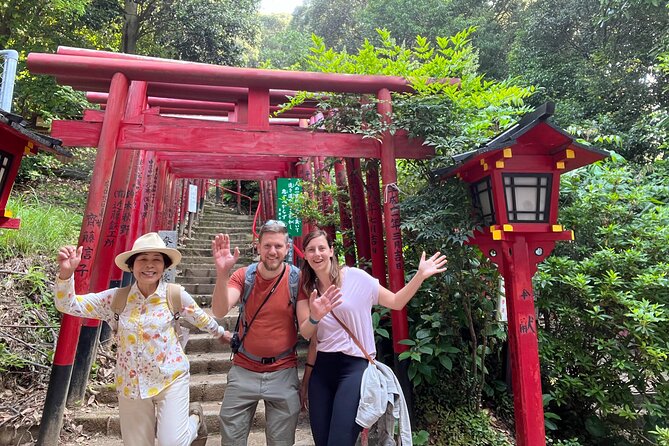
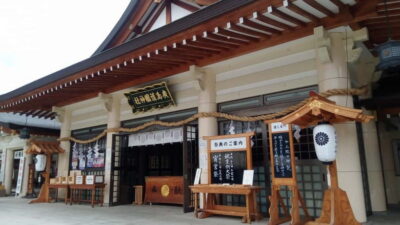
Early in the walk, you visit Hiroshima Toshogu Shrine. This is not just a quick curbside check. You’ll spend about 30 minutes here, with time to appreciate the shrine and its cultural assets.
Why this stop works: it sets the tone. Before you work up a sweat, you get a sense of how Japanese shrine culture is meant to be approached. The guide helps you connect what you see with what it symbolizes, so you don’t just walk past things you do not understand.
This is also where you learn the rhythm of the day. You’ll notice that you are not rushing from point to point. Instead, the guide pauses often, talks in clear pieces, and gives you moments to look, reflect, and move on when you’re ready.
If you’re the type who likes photos, you can still get them here, but the better payoff is mental. You’ll feel like you’re joining a pilgrimage route, not doing a checklist.
Pairing the city with Miyajima. Other itineraries
- Peaceful Hiroshima & Miyajima UNESCO 1 Day Bus Tour★ 5.0 · 5,309 reviews
- Hiroshima: Hiroshima and Miyajima UNESCO Sites 1-Day Tour★ 4.9 · 2,330 reviews
- Hiroshima / Miyajima Full-day Private Tour with Government Licensed Guide★ 5.0 · 1,298 reviews
- Hiroshima in a Nutshell: Morning Bike Adventure★ 5.0 · 524 reviews
- Hiroshima City 4hr Private Walking Tour with Licensed Guide★ 5.0 · 437 reviews
Kinko Inari Shrine and the 500-step push into Mt. Futaba
Next up is Kinko Inari Shrine, tied directly to the hike into Mt. Futaba. This is the part where your legs notice the plan.
You need to go up 500 steps. That sounds dramatic because of the number, but the trail experience depends on your pace and the pauses built into the route. Guides frequently guide people to slow down, take breaks, and keep hydrated. On hot days, that supportive pacing makes a difference between a hike you tolerate and one you enjoy.
One review noted that this route can include chances for small shrine participation, like making an offering or writing a wish, when it’s allowed during your visit. You should not count on a specific ritual happening for every group, but the tone is clear: this is a pilgrimage-like path where respectful participation is part of the experience.
You’ll also get explanations about Shinto practices and how meanings can differ from what you might assume. This matters because Kinko Inari is not just a stop for scenery. It’s part of the spiritual geography of the morning.
If you have knee issues or you get winded easily on stairs, go slower than you think you need. The trick is to treat the steps as segments, not one long grind. With a small group and frequent pauses, you can manage it.
Futabayama Peace Pagoda views plus Shinrinyoku forest bathing
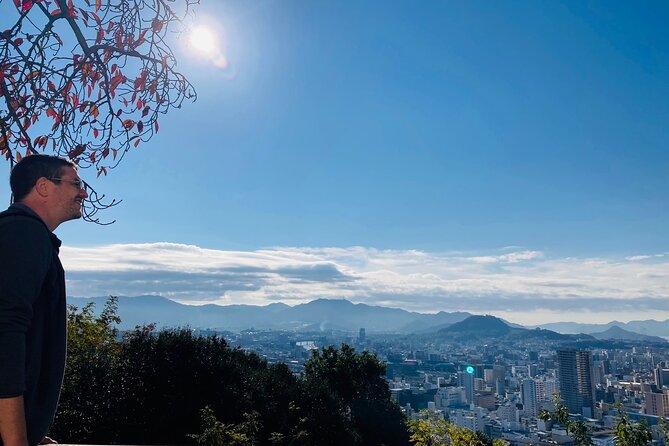
As you rise, the route opens up at Futabayama Peace Pagoda. From the top, you’ll get a spectacular view of Hiroshima City, the Seto Inland Sea, and Miyajima.
This viewpoint is one of the tour’s biggest emotional rewards. You come from city streets into a wooded climb, then suddenly the world spreads out. It’s the kind of view that turns a history-heavy destination into a place you can breathe.
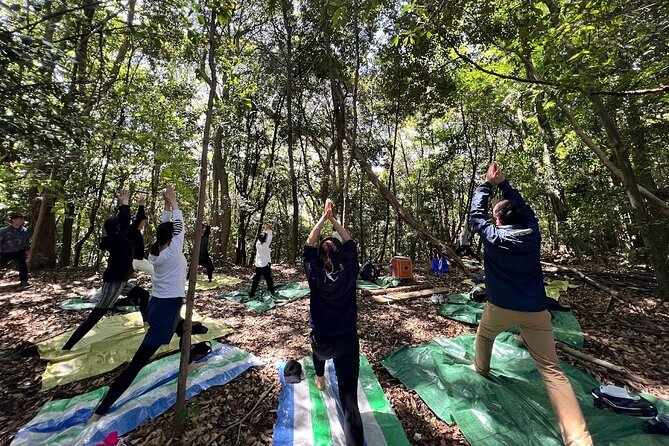
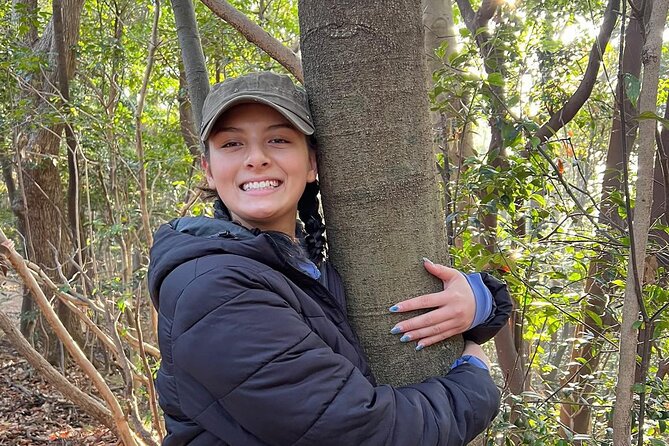
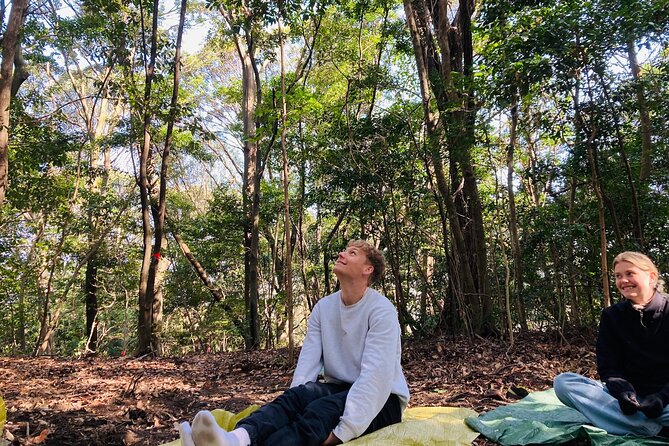
Right after the view moment, you’ll relax by doing Shinrinyoku, also called forest bathing. In this part of the experience, you’re not expected to just stare at trees and move on. You’re guided to slow down and experience the forest in a more sensory way. One guest shared that there can be a short meditation focus on senses, and you may sit on provided groundsheets during the quiet time.
This combination, view plus forest bathing, is why I recommend this tour for people who get tired of doing history through buildings alone. You still learn, but you also reset your nervous system.
Also, you’re not rushed. You spend about 35 minutes on this forest-bathing segment, which is a real chunk of time. For many visitors, that’s what makes the hike feel calm even when the climb is physical.
Okumiya Shrine Nodate open-air tea ceremony, served with the city view
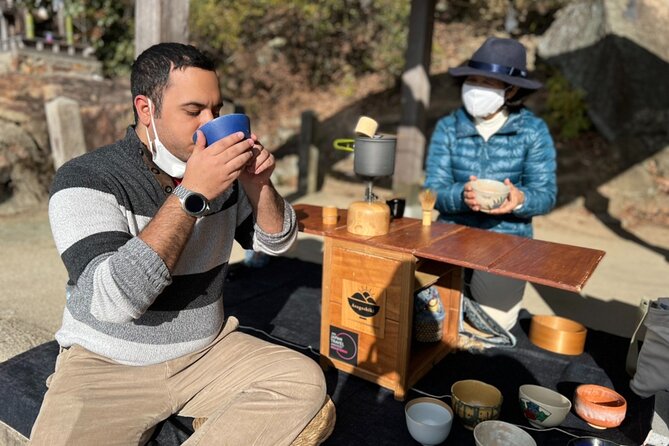
The last major experience happens at Okumiya Shrine during a Nodate open-air tea ceremony. Your tea time is about one hour, and it is set up to take advantage of the mountain views.
Nodate is often described as a more informal style than some strict tea traditions, and that’s part of the appeal here. You get the tea ritual, but it feels grounded and approachable, especially outdoors.
Practically, you can expect your guide to perform and explain the tea moment. You’ll have time to watch, participate as appropriate, and slow down before heading back down.
Tea quality and timing are not a throwaway detail. One guest specifically mentioned cold green tea, which makes perfect sense for a mountain morning when conditions can swing hot quickly. Even if your day is cooler, the tea pause gives your hike a natural ending point. It’s like placing a bookmark in your morning.
Then you head back toward the station. The way the day is structured, you finish on a reflective note instead of pushing straight into more walking.
The Shinto perspective on Hiroshima, through shrine practice and stories
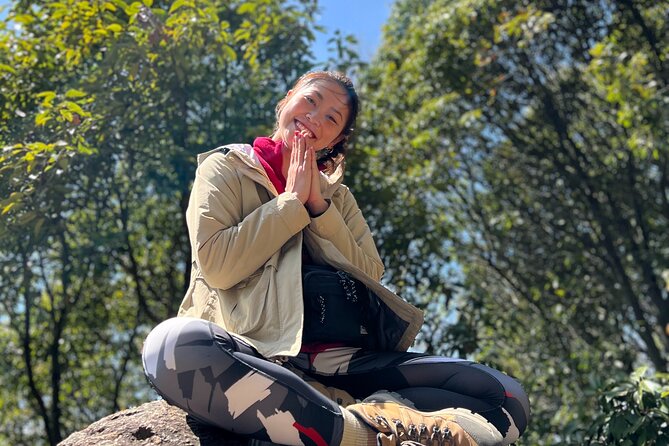
The tour description emphasizes that you’ll hear about Hiroshima’s history from a unique perspective, including from Shinto priests. Even when you’re not literally meeting a priest in person, the important part is the framing: the guide connects Hiroshima to sacred places and local belief systems.
What I like about this approach is that it avoids the common trap of treating shrines like decoration. Here, the rituals and symbols get explained in a way that helps you understand why people care. You’re given context for things like how offerings are meant, what certain behaviors signal, and how a shrine route can feel like a spiritual journey.
Guides such as Nana, Michi, Naomi, and Nara come up in the feedback, and the consistent theme is clear: the explanations are paced to the hike. You’re not hit with a lecture. You get small pieces of meaning while you’re walking, then the scene reinforces the point.
This is also why I think this works better as a morning plan. Your mind is fresh, and the calm pace lets you absorb the stories instead of just collecting them.
Price and value: what $109.43 buys you in real terms
At $109.43 per person, this is not a cheap activity. But it also isn’t overpriced for what you get, especially because it’s a small-group guided hike with an included tea ceremony.
Here’s the practical value breakdown:
- Guiding for the full hike plus explanations at multiple sacred stops
- Admission tickets included for the shrine stops
- Nodate open-air tea ceremony included as part of the experience
- A small group cap of 6, which makes the time feel less generic
- 5% donation from the fee to Futaba Mountain conservation activities
For many visitors, the biggest hidden cost of DIY is guide-time. If you try to stitch together the same route alone, you might find the place, but you likely miss the meaning, the timing of stops, and the “why” behind the ritual steps. The tea ceremony alone costs time and planning. The guide handles that setup, and you just show up and enjoy.
Also consider the value of the early-day timing. You’re paying for a focused three-hour experience that leaves the rest of your day open. That’s often better value than half-day tours that eat the whole day and still leave you mentally tired.
If you’re traveling in peak season and want a quieter alternative to the most crowded sightseeing patterns, this tour’s structure is a real benefit.
Who should book this, and who should think twice
This tour fits best if you want:
- A nature and shrine experience, not just a city tour
- A calmer morning outside the busiest Hiroshima routes
- Views plus a ritual break, like the outdoor tea ceremony
- A guide to help you understand what you’re seeing and why it matters
Most travelers can participate, and kids ages 0 to 5 can join for free. That said, the hike does involve 500 steps, and the trail can feel steep in places. If you have limited stair tolerance, plan carefully.
You’ll also want to pay attention to weather. Since it requires good conditions to run, be ready to shift dates if nature does its own thing.
One extra tip for comfort: even on a “not too hard” hike, mountain steps can be more demanding than you expect. Bring water, take breaks when your guide suggests them, and treat the steps like a warm-up for the view, not a punishment.
Should you book the Mt. Futaba hiking tour with open-air tea?
If you want Hiroshima in a different key, I think you should strongly consider booking this. It’s one of the more thoughtful ways to blend spirituality, nature, and a mountaintop reset, and the tea ceremony gives your morning a memorable ending.
Book it if you’ll enjoy walking through shrine culture and you’re okay with a climb that includes about 500 steps. Skip it or choose a different plan if stairs are a deal-breaker for your body, or if you know you’ll feel stressed by uneven paths and steep segments.
If you’re the kind of person who plans your day around calm moments, not only big monuments, this tour makes a lot of sense.
FAQ
How long is the Hiroshima Local guided Hiking Tour and Open-air Tea Ceremony?
The experience lasts about 3 hours, and it ends back at the starting meeting point at Hiroshima Station.
Where do we meet, and what start times are available?
You meet at Hiroshima Station, Shinkansen exit at 1-2-37 Matsubarachō, Minami Ward, Hiroshima. Start times listed include 07:30, 10:00, and 13:00.
Is the hike strenuous?
The hike includes climbing about 500 steps up to Mt. Futaba. Most travelers can participate, but comfortable shoes and a slower pace help.
What’s included in the tour price?
Admission tickets are included for the shrine stops, and the tour includes the Nodate open-air tea ceremony performed by the tour guide.
What happens if the weather is bad?
This tour requires good weather. If it is canceled due to poor weather, you will be offered a different date or a full refund.
Can I cancel for a full refund?
Yes. You can cancel up to 24 hours in advance for a full refund. If you cancel less than 24 hours before the start time, the amount paid is not refunded.
Hiroshima and Miyajima Together


Kyoto by the Bowl

Newest Hiroshima write-ups from the Loving Japan desk
Hiroshima and Miyajima Day Trips, side by side.
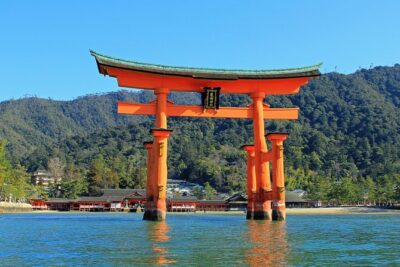 ★ 5.0Peaceful Hiroshima & Miyajima UNESCO 1 Day Bus TourFrom $1295,309 reviews
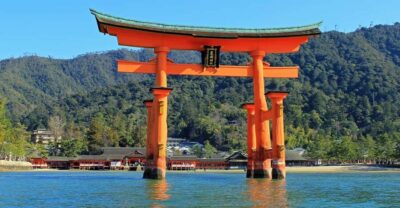 ★ 4.9Hiroshima and Miyajima UNESCO Sites 1-Day TourFrom $1222,330 reviews
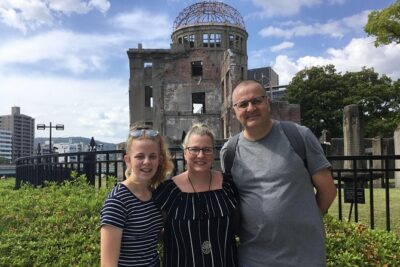 ★ 5.0Hiroshima / Miyajima Full-day Private Tour with Government Licensed GuideFrom $2021,298 reviews
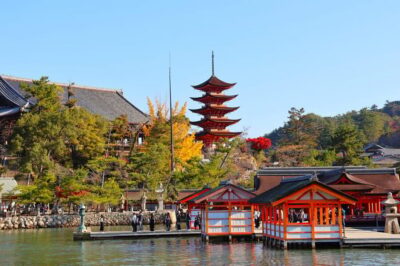 ★ 4.7Osaka/Kyoto: Hiroshima Miyajima Bus Tour & Shinkansen TicketFrom $277919 reviews
 ★ 4.8Hiroshima Historical Walking Tour – Why A-Bomb was DroppedFrom $35893 reviews
 ★ 5.0Hiroshima Peace (Heiwa) Walking Tour at World Heritage SitesFrom $94872 reviews
 ★ 5.0Hiroshima in a Nutshell: Morning Bike AdventureFrom $72524 reviews
 ★ 5.0Hiroshima City 4hr Private Walking Tour with Licensed GuideFrom $122437 reviews
Filed on these lists too