
REVIEW · HIKING & TREKKING
Kyoto Hiking Tour: The Nature and Legends of Kurama and Kibune
One foot into the woods, your Kyoto day changes. This private hike to Kurama and Kibune mixes mountain trail walking with shrine legends, from the birthplace of reiki to water-and-rain prayers at Kifune. You get a private English guide, plus hotel pickup and drop-off so you are not wrestling buses or trains before your legs even start working.
I especially love how the tour slows you down at key moments: Yuki Shrine for its centuries-old cedar story, and Mount Kurama for the meditative reiki origin tale. Second, I like that temple costs are handled for you, so you spend your brainpower on scenery and meaning, not ticket lines or last-minute payments.
The main consideration is physical effort. The route includes lots of steps and uneven ground, so it is not a casual stroll if you are hoping for flat, easy walking.
In This Review
- Key things you will appreciate on this Kurama and Kibune hike
- Why Kurama and Kibune feels like a Kyoto reset
- Price and logistics: what you are really paying for
- The full itinerary, stop by stop, and what each place does for your day
- Stop 1: Yuki Shrine and the cedar that survived centuries
- Stop 2: Mount Kurama, where reiki begins
- Stop 3: Kuramadera, the forest walk to the famous temple
- Stop 4: Okunoin Maoden, where demons get their own corner
- Stops 5 and 6: Kifune Shrine and the boat legend in the water world
- The hiking reality check: stairs, uneven ground, and pacing
- Guides make the difference: English explanations and real attention
- Rain, temple vibes, and how weather shapes your day
- Lunch timing and what to do with the rest of Kyoto afterward
- Who this tour suits best
- Should you book this Kurama and Kibune hiking tour?
- FAQ
- How long is the Kyoto Hiking Tour: The Nature and Legends of Kurama and Kibune?
- What time does the tour start?
- Is hotel pickup and drop-off included?
- Are temple and shrine admission fees included?
- Is lunch included in the price?
- Is the tour private?
- What fitness level do I need?
- What should I know about accessibility and walking surfaces?
- What happens if the weather is bad?
Key things you will appreciate on this Kurama and Kibune hike
- Door-to-door hotel pickup and drop-off keeps the day relaxed, not logistical
- Reiki origin at Mount Kurama, tied to Mikao Usui’s 21-day meditation story
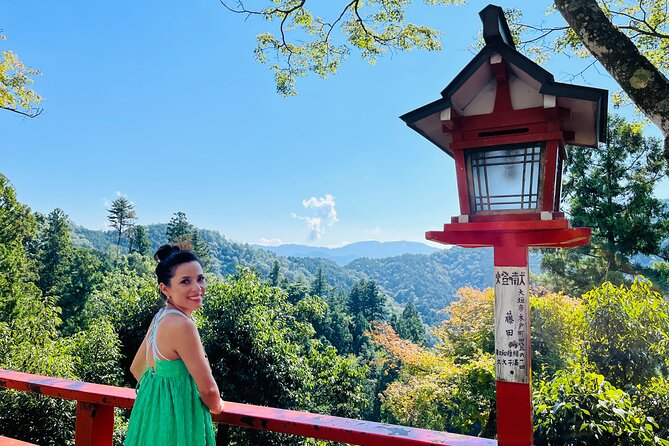
- Yuki Shrine’s 800-year-old cedar and the legend of its move to Kurama in 940
- Kuramadera plus Okunoin Maoden, with a spooky demons-in-the-mountains vibe
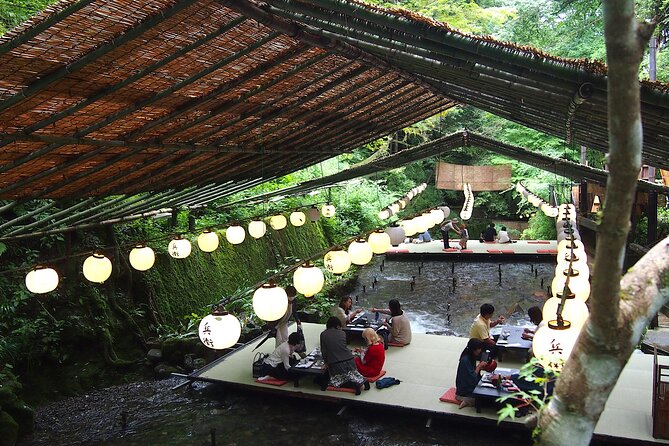
- Kifune Shrine’s water rituals, including pure mountain water and the boat legend
Still weighing up options in Kyoto? These are the ones our reviewers rated highest.
- PERFECT KYOTO 1-Day Bus Tour
★ 5.0 · 13,518 reviews - Kyoto: Fushimi Inari, Kinkakuji, Bamboo Grove 1 Day Bus Tour
★ 4.8 · 4,316 reviews - Kyoto: Tea Ceremony in a Traditional Tea House in Kiyomizu
★ 4.9 · 3,519 reviews - Kyoto Geisha Walking Tour: Gion District & Hidden Gems
★ 4.7 · 3,273 reviews
Why Kurama and Kibune feels like a Kyoto reset
Kyoto can be intense, even when it is beautiful. This tour gives you a different pace, trading city sidewalks for stair steps, forest air, and shrine stillness.
You are not just “seeing temples,” either. You get stories that connect the places, like why Yuki Shrine ended up in the mountains long ago, or why Mount Kurama is tied to reiki mythology. Those threads make the walk feel less like a checklist and more like a guided experience you can remember.
Price and logistics: what you are really paying for
At $191.60 per person for an ~8-hour private tour, the price sounds steep until you count what’s included. You get hotel pickup and drop-off from Kyoto urban areas and the Kurama area, an English-speaking guide, and included entrance fees at key stops.
You are also getting something that matters in Kyoto: time. Meeting-place confusion is real, and train/bus timing can turn a calm plan into stress. This format keeps you moving on the tour’s schedule, and that is a big part of the value.
One more small point that adds comfort: the tour includes photos of tour participants. It is not a replacement for your own camera, but it helps you go back home with a record of the day.
The full itinerary, stop by stop, and what each place does for your day
The tour runs from 9:00 am and is built around several short shrine stops plus a mountain walk. Expect frequent “look, listen, and pause” moments, not nonstop marching.
- PERFECT KYOTO 1-Day Bus Tour★ 5.0 · 13,518 reviews
- Kyoto: Fushimi Inari, Kinkakuji, Bamboo Grove 1 Day Bus Tour★ 4.8 · 4,316 reviews
- Kyoto: Tea Ceremony in a Traditional Tea House in Kiyomizu★ 4.9 · 3,519 reviews
- Kyoto Geisha Walking Tour: Gion District & Hidden Gems★ 4.7 · 3,273 reviews
- Kyoto: Tea Ceremony Ju-An at Jotokuji Temple★ 4.9 · 3,207 reviews
Stop 1: Yuki Shrine and the cedar that survived centuries
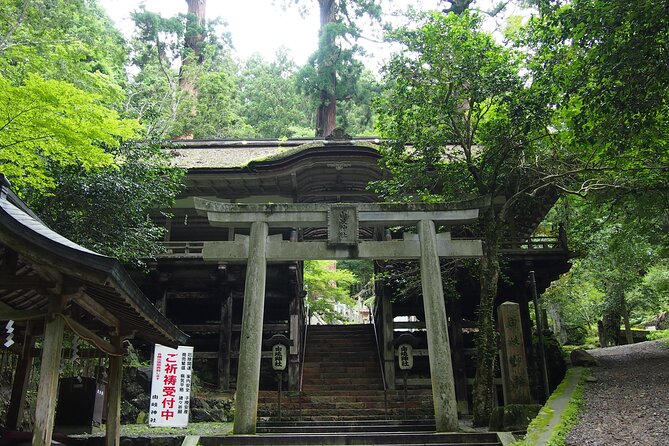
Yuki Shrine starts the day with a story before it even starts the steps. The shrine was built in central Kyoto, then moved to Kurama in 940 AD to protect the area from mysterious evil.
The star detail here is an 800-year-old cedar tree. It gives the shrine a deep sense of permanence, and it also makes the whole place feel more like living history than scenery.
Practical tip: this is a great moment to slow down and watch how the guide uses the setting to explain old beliefs. If you like cultural context, you will appreciate this start.
Stop 2: Mount Kurama, where reiki begins
Next comes Mount Kurama, with a full hour on site. This is where the tour’s reiki theme becomes the main event.
You learn that Mikao Usui, the founder of reiki, meditated on this mountain for 21 days in the early 1900s and received the Reiki healing energy. Even if you are not into reiki as a practice, the idea of a long, focused meditation period in this mountain setting is powerful.
Mount Kurama also serves as a rhythm reset. After the shrine story, this stop gives you time to breathe, take photos, and feel the change in air as you move through the mountains.
Stop 3: Kuramadera, the forest walk to the famous temple
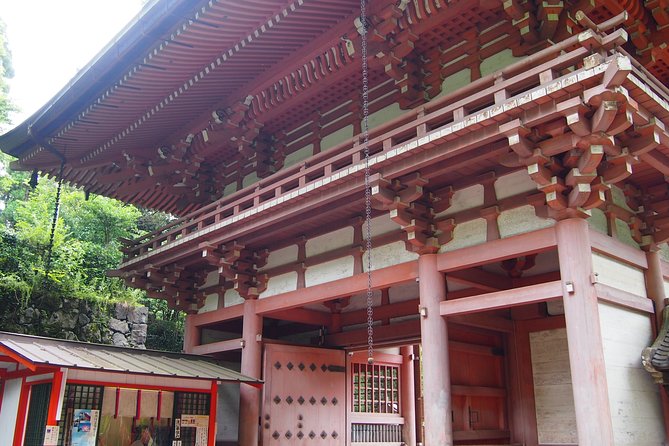
After Yuki, you meander through the forest on a pleasant 25-minute walk to Kuramadera. Kuramadera is the best-known temple stop in the area, founded in the 8th century.
This is where you start noticing how the tour balances “temple time” and “trail time.” The walk is long enough to feel like you are truly hiking, but short enough that you do not lose the storyline.
What to watch for: if you are sensitive to stairs and uneven footing, this is part of the day where you will feel your legs start to work. Build in a steady pace, and take short breaks when the guide suggests them.
Stop 4: Okunoin Maoden, where demons get their own corner
Okunoin Maoden is a short stop, around 10 minutes, but it is described with a strong mood. The legend says this is where demons reign, and the atmosphere is meant to feel mysterious.
This is a nice contrast to brighter shrine scenes. You get a more serious, slightly darker feeling, which helps the day feel varied instead of repetitive.
If you like spooky folklore in a respectful, cultural way, this stop is a highlight.
Stops 5 and 6: Kifune Shrine and the boat legend in the water world
Then the tour shifts toward water themes at Kifune Shrine, including two shrine areas as separate stops.
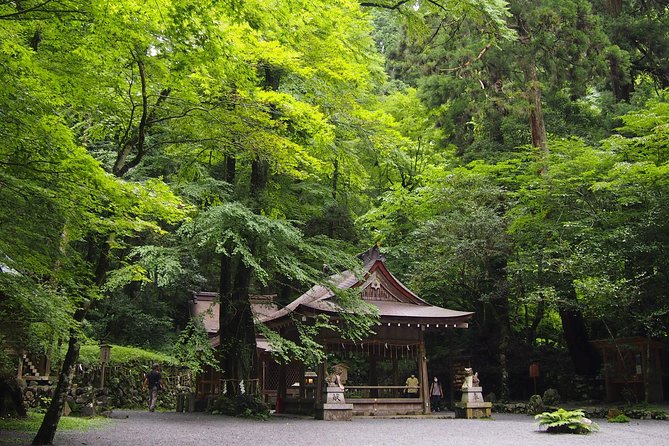
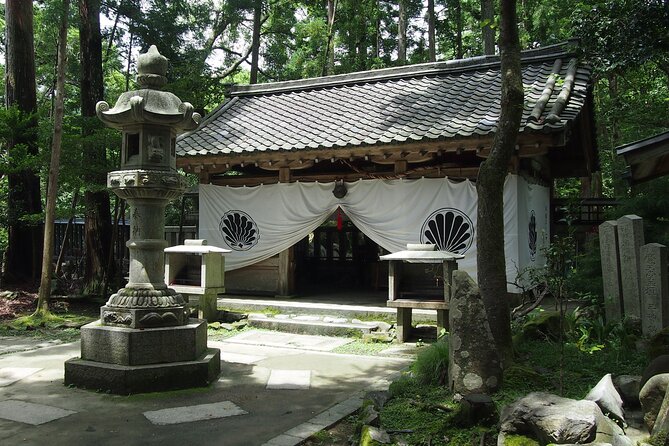
Kifune Shrine is dedicated to the God of water and rain. It is also known for giving sailors a place to pray for luck on voyages, and for offering pure mountain water fresh from the surrounding area.
After that, you visit an inner shrine that ties to a boat legend. According to legend, a goddess traveled by boat from Osaka up the river into these mountains. The inner shrine houses the boat she is said to have ridden.
This double stop format is smart. You see both the public-facing prayer elements and the more specific legend connection, so the water story feels complete rather than random.
The hiking reality check: stairs, uneven ground, and pacing
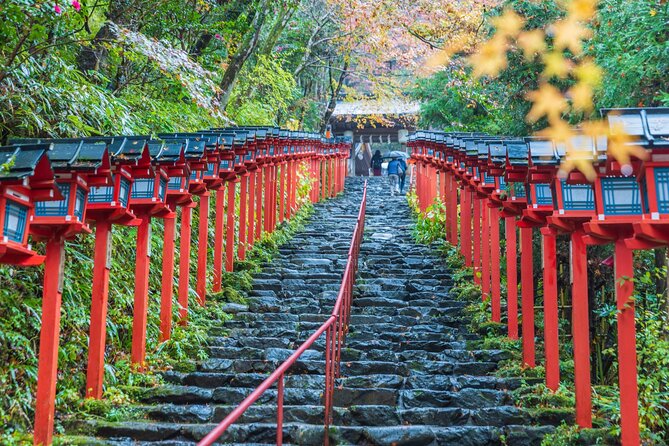
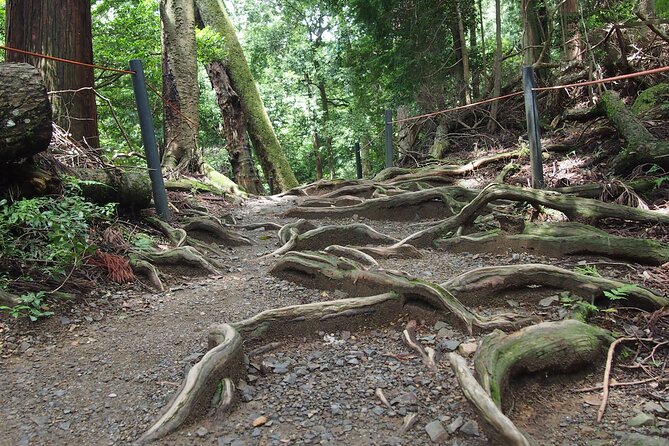
Even though the tour is not presented as an extreme expedition, the walking includes plenty of steps up and down and some uneven surfaces. One person described it as doable with frequent stops, but another stressed that it is not a nice stroll in the park.
So here is my practical take: if you have moderate mobility and you are comfortable with stairs, you will likely enjoy this tour a lot. If you want flat, gentle walking, you should look for a different outing.
A helpful strategy is to use the guide’s pacing. Several guides are known for keeping the walking pace matched to the group, including when someone needs a slower rhythm. That kind of adjustments matters when you are on uneven ground.
Also plan your day around comfort. Wear shoes with solid grip, and keep your water and energy steady. You will thank yourself before the big stair segments.
Guides make the difference: English explanations and real attention
This is a private tour, meaning your guide can shape the day to your pace and interests. That is one of the biggest quality signals here.
People have praised guides by name for communicating clearly in English and for weaving history, culture, and religion into what you are seeing. Names that have come up include Mariko, Ryoma, Yuki, Miyo, Akira, Miki, Akari, Mizuho, Michiko, and Yoji.
What I like about that pattern is not just “they were good.” It is that the tours are guided with attention, including when plans need changing. One guide handled injury-related adjustments smoothly, and another dealt with heavy rainfall by shifting to safer shrine access and using the remaining time thoughtfully.
Rain, temple vibes, and how weather shapes your day
Kyoto weather can be dramatic, especially in mountain areas. This experience requires good weather, and if it is canceled due to poor conditions, you will be offered a different date or a full refund.
If the forecast looks iffy, I would pack for it. Bring a light rain layer, and keep something small for damp conditions since wet steps can feel more slippery.
In general, the mountain route has a way of making weather feel personal. When rain turns the plan into cautious walking, the best part becomes your guide’s ability to keep everyone safe while still delivering the meaning behind the shrines.
Lunch timing and what to do with the rest of Kyoto afterward
Lunch is not included, so you will want a plan. After a day like this, I recommend you treat food as part of the experience, not an afterthought.
One common pattern is enjoying a soba meal in the mountain area after the hike. You should also budget time to cool down, because once you are back in the city, you will want your energy for evening Kyoto.
If you are doing this early in your trip, you can use the day as a reset, then follow with more city classics later when you want something less stair-focused.
Who this tour suits best
This works best for people who want nature plus temple meaning in one day, and who like guided storytelling. If you want to get away from Kyoto crowds, the mountain setting helps a lot.
It also suits visitors who value comfort and efficiency, especially because door-to-door pickup is included and admissions are handled. If you do not want to figure out which bus to take while holding a map upside down, this tour makes life easier.
It may not be the best fit if you are looking for a very easy walk, or if stairs and uneven ground are a real challenge.
Should you book this Kurama and Kibune hiking tour?
Book it if you want a guided Kyoto day that feels different from the usual temple circuit. The combination of private guide, hotel transfers, and included temple admissions makes the day run smoothly, and the reiki and water-legends give the walk structure.
Skip or reconsider if you are hoping for a low-effort stroll. The stairs and uneven surfaces are part of the experience, and the day is designed for hikers with at least moderate fitness.
If you can handle a stepped route and you enjoy culture through stories, this is an excellent way to see Kyoto with breathing room and purpose.
FAQ
How long is the Kyoto Hiking Tour: The Nature and Legends of Kurama and Kibune?
The tour is about 8 hours.
What time does the tour start?
It starts at 9:00 am.
Is hotel pickup and drop-off included?
Yes. Hotel pickup and drop-off are included from Kyoto urban areas and the Kurama area.
Are temple and shrine admission fees included?
Yes. Entrance fees are included for Kuramadera Temple, and admission tickets are included for stops like Yuki Shrine.
Is lunch included in the price?
No. Lunch is not included.
Is the tour private?
Yes. It is a private tour/activity, and only your group participates.
What fitness level do I need?
Travelers should have a moderate physical fitness level.
What should I know about accessibility and walking surfaces?
The route involves steps up and down and some uneven surfaces.
What happens if the weather is bad?
This experience requires good weather. If it is canceled due to poor weather, you will be offered a different date or a full refund.
Newest Kyoto write-ups from the Loving Japan desk

Hiking & Trekking, side by side.
 ★ 4.93-Hour Fushimi Inari Shrine Hidden Hiking TourFrom $72270 reviews
 ★ 5.0Hiroshima Local guided Hiking Tour&Open-air Tea CeremonyFrom $109213 reviews
 ★ 5.0Hiking the Historic Nakasendo Trail [1 Day Tour from Nagoya]From $210104 reviews
 ★ 4.8Morning Hiking Tour with Open-air Tea CeremonyFrom $10658 reviews
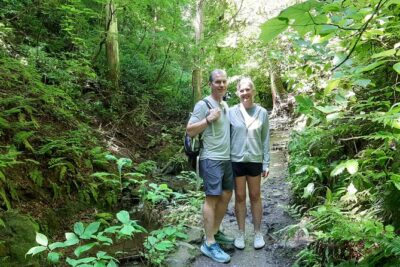 ★ 5.0Full Day Hiking Tour at Mt.Takao including Hot SpringFrom $11852 reviews
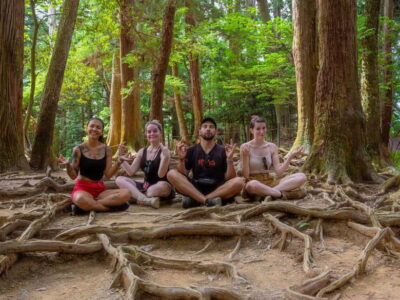 ★ 5.0Hike and Hot Springs in KuramaFrom $8049 reviews
 ★ 5.0Hike Hakone HachiriFrom $23148 reviews
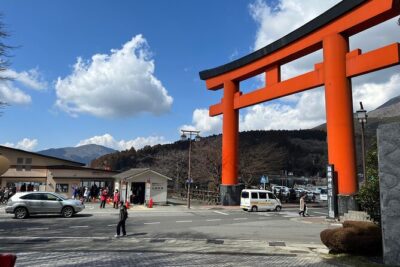 ★ 5.0Hike Japan Heritage Hakone Hachiri with certified mountain guideFrom $15846 reviews
Filed on these lists too