
REVIEW · FUSHIMI INARI AND THE TEMPLES OF KYOTO
Authentic Sapporo: Nijo Market Seafood Lunch & History Tour
Sapporo can feel like a blur if you only see the big sights. This tour slows things down with a smart mix of early-city stories, shrine time, and a real local lunch at Nijo Market, the citizens’ kitchen. I like how it builds your bearings fast, starting at the Sapporo Clock Tower area and then moving through the spots that shaped the city’s first steps.
What I really like is the Nijo Market seafood lunch plus the way the Sosei River walk turns the scenery into history you can picture. One thing to think about: lunch is seafood, so if you have any allergy, you must flag it ahead of time and the tour may suggest alternatives.
Key points to know before you go
- Nijo Market lunch is included, with a seafood meal choice like sushi or donburi
- You get guided history as you walk the Sosei River and cross Sosei Bridge
- The tour includes Hokkaido Jingu Tongu, a shrine with local community love
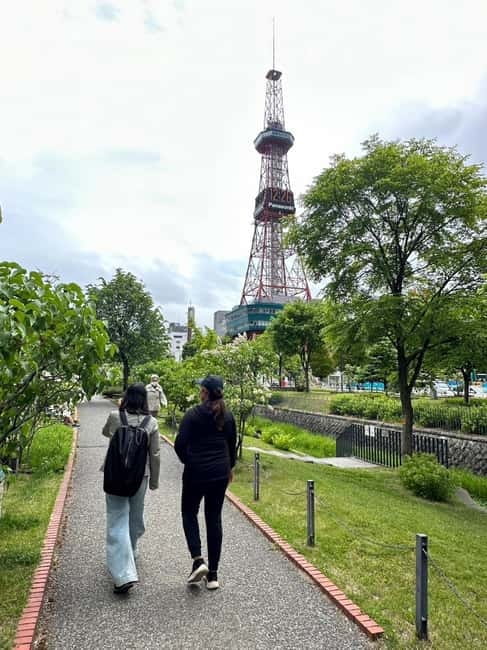
- You also see the Sapporo TV Tower with paid entry for the view
- Small group size (up to 8) helps keep the pace personal
- The tour ends at Nijo Market, so you can keep exploring right after
In This Review
- Where Your Sapporo Day Starts: Sapporo Clock Tower Meet-Up
- Getting the Big Views at Sapporo TV Tower (Entry Included)
- The Sosei River Walk: Early Sapporo Stories You Can Actually See
- Hokkaido Jingu Tongu Shrine: Local Faith, Not Just Tourist Stops
- Nijo Market Seafood Lunch: Citizens’ Kitchen Worth Planning Around
- Sosei East Area: The Part of Town You Might Miss
- How the Group and Guide Style Changes Everything
- Timing That Works: A 150-Minute Loop With a Clear Finish
- Price and Value: What $61 Buys You in Real Terms
- What to Bring, What to Wear, and What to Avoid
- Who This Tour Suits Best (And Who Should Skip It)
- Should You Book Authentic Sapporo?
- FAQ
- How long is the Authentic Sapporo tour?
- What is the price per person?
- Where do I meet the guide?
- What does the guide hold at the meeting point?
- Is lunch included, and what is it?
- Do I get to enter the Sapporo TV Tower?
- How large is the group?
- Where does the tour end?
- What should I bring and wear?
- Is the tour suitable for vegans or people with food allergies?
- FAQ
- Can I cancel for a refund?
- Do I need to pay immediately to book?
- Are travel expenses included in the price?
- Is the tour only in English?
- Is the guide included during lunch?
Where Your Sapporo Day Starts: Sapporo Clock Tower Meet-Up
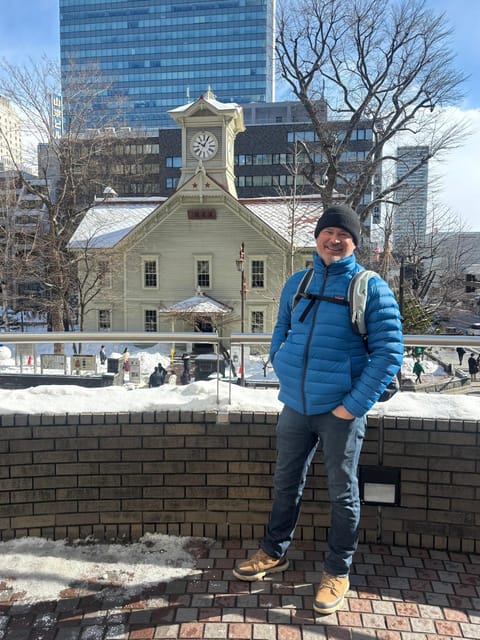
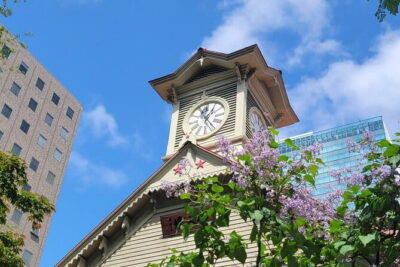
The meeting point is the entrance of the Sapporo Clock Tower. Your guide holds a board that says KAPPO SAPPORO, and you may also see them with a mic for clearer explanations. This matters because the tour’s first job is simple: help you orient.
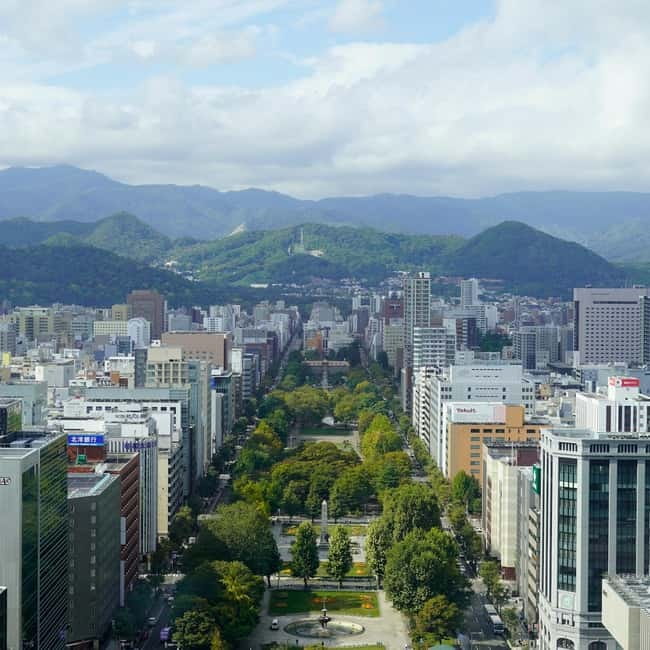
Right away, you’re in the part of town that feels like the city’s official face. You’ll move on foot to key civic and landmark areas, including Sapporo City Hall, then work toward the TV Tower. It’s a good flow for first-time visitors, because you’re not just hopping between unrelated spots.
The downside of this kind of start is also predictable. If you’re late, you can throw off the timing for the view stop and the lunch arrival, and the whole plan is built as a compact 150-minute loop.
Which temple to give the morning to, reviewed
- Authentic Sapporo: Nijo Market Seafood Lunch & Local History Tour
★ 5.0 · 13 reviews
Getting the Big Views at Sapporo TV Tower (Entry Included)
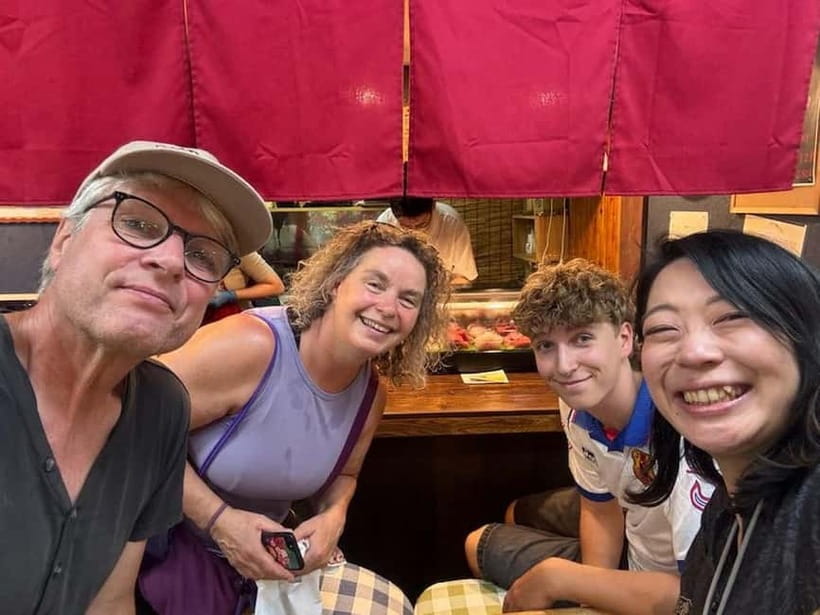
Next up is the Sapporo TV Tower. You’ll get entry as part of the tour, so you’re not stuck guessing whether your ticket works or figuring out where to go on your own. The included free time is helpful too, because it gives you a window to take photos and scan the city.
This stop is more than a souvenir moment. The best value here is the mental map. When you later walk the Sosei River area, you’ll have a better sense of where things sit and how the older parts of Sapporo connect to today’s grid.
Practical tip: if it’s snowy or windy on your day, keep your phone and camera secure. You’ll be moving outdoors on the way in and out, and the tour is short enough that weather can affect photo plans.
The Sosei River Walk: Early Sapporo Stories You Can Actually See
The heart of the historical storytelling is the walk along the Sosei River. This is where the tour focuses on Sapporo’s very early age, using the river corridor to explain how the city grew and how people moved through the area.
I like this approach because it’s easy to remember. Instead of history being a list of dates, you’re watching a real landmark and hearing what it meant. The timing also works well: you’re not rushing a museum lecture, you’re learning while the scenery keeps changing.
You then cross the Sosei Bridge and continue with the next cultural stop. This bridge-and-river rhythm is a classic walking pattern for tours because it naturally creates transitions. You’ll feel like you’re progressing through the city, not circling the same blocks.
If you’re the type who loves photos, this stretch gives you lots of angles. Keep in mind, though, that you need comfortable shoes. The tour explicitly bans sandals and flip-flops, which is a hint that this is a true walk, not a sit-down parade.
Hokkaido Jingu Tongu Shrine: Local Faith, Not Just Tourist Stops
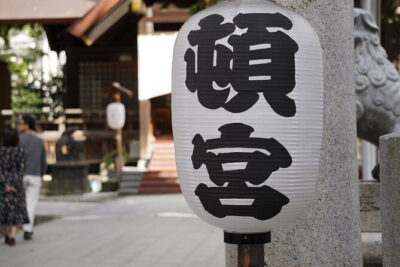
After the river section, you’ll visit Hokkaido Jingu Tongu, a historical shrine loved by the local community. The tour treats this as a cultural heart stop, not a quick photo grab.
What you’ll likely appreciate here is the tone. A good shrine visit is quiet and reflective, and this one fits that vibe because it’s part of the city’s story, not a separate theme park. Your guide can connect what you’re seeing to community life, which is exactly what makes a shrine stop feel meaningful instead of checklist-like.
One consideration: this is still a walking tour. If you’re traveling in a cold snap, wear weather-appropriate clothing and take your time. The tour duration is short, but the shrine moment is still part of the pacing, so don’t plan to rush your prayers or photos.
Further north. Our other Hokkaido write-ups
- Sapporo Bar Hopping Food Tour★ 5.0 · 232 reviews
- Hokkaido Seasonal: Lake Toya & Noboribetsu Jigokudani Valley★ 4.7 · 173 reviews
- Sapporo Private Tour with a Local – Highlights & Hidden Gems★ 5.0 · 91 reviews
- Sapporo: Sumo Show Experience with Japanese food & Photo★ 4.9 · 81 reviews
- Mondo’s most popular plan! Experience making soba noodles and the king of Japanese cuisine, tempura, in Sapporo!★ 5.0 · 71 reviews
Nijo Market Seafood Lunch: Citizens’ Kitchen Worth Planning Around
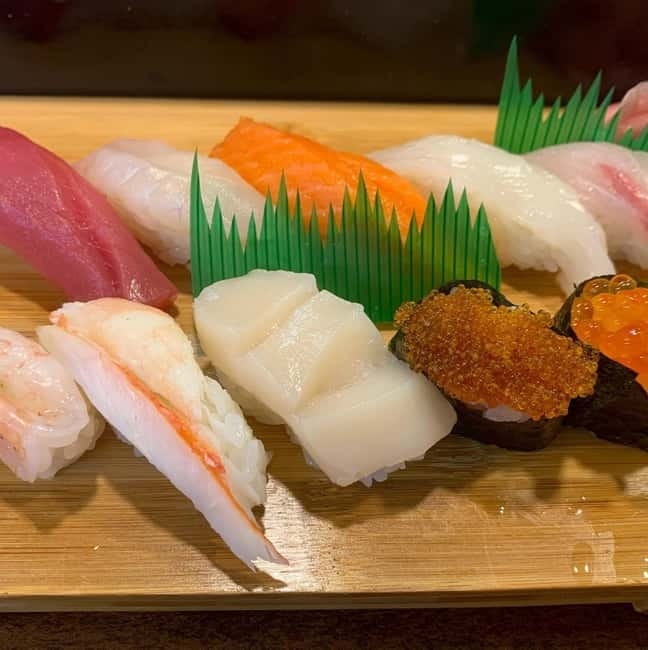
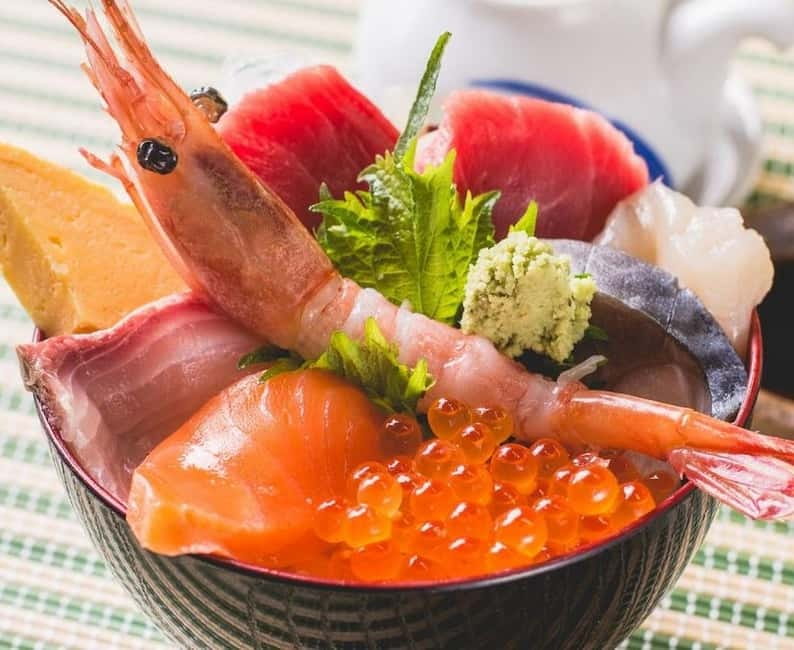
Lunch is at Nijo Market, and the tour positions it as the citizens’ kitchen. You’ll arrive, take a short guided pass, and then eat a fresh seafood meal at a local restaurant.
The menu is seafood-based and the tour indicates a choice like sushi or donburi. That’s practical, because it avoids the stress of menu hunting in a busy market. You’ll also have some free time in the market area, which is useful if you want to glance at stalls before or after your meal.
Here’s the key detail you should take seriously: if you have ANY seafood allergy or food allergies, you must inform the operator in advance. The tour is clear that they may be able to suggest alternative options, but you should not assume. Also note that the tour guide may not join your lunch, so don’t expect a full second round of narration while you eat.
Value-wise, this lunch is the main payoff. You’re paying a fixed price and getting a guided food moment in a place locals actually use, not just a restaurant chosen for convenience. If you’re even mildly interested in how Sapporo eats, this part is worth aligning your day around.
After lunch, you can keep the momentum going. The tour also recommends Kotobuki Coffee, which can be a nice low-key way to cool down after a seafood meal and a walk through the market.
Sosei East Area: The Part of Town You Might Miss
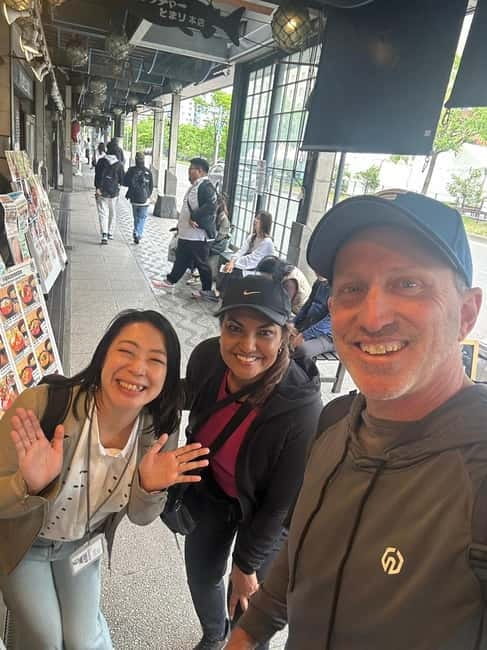
A big part of the tour’s appeal is the focus on the Sosei East Area, described as yet undiscovered by tourists. That’s the point where a walking guide earns their keep. You’re not just seeing famous landmarks, you’re moving through a neighborhood story.
In practice, this usually means you’ll notice details that self-guided walking can miss. You may spot how streets connect, why certain corners feel built for daily life, and how the city’s early layout still influences what you see today.
I also like that this area is used to connect the dots. The river history, the shrine’s local meaning, and the market lunch all work together. You come away with one theme: Sapporo’s identity is built from everyday places, not only iconic buildings.
If you want to extend your day, this is the section where you’ll pick up ideas for where to wander next after the tour ends.
How the Group and Guide Style Changes Everything
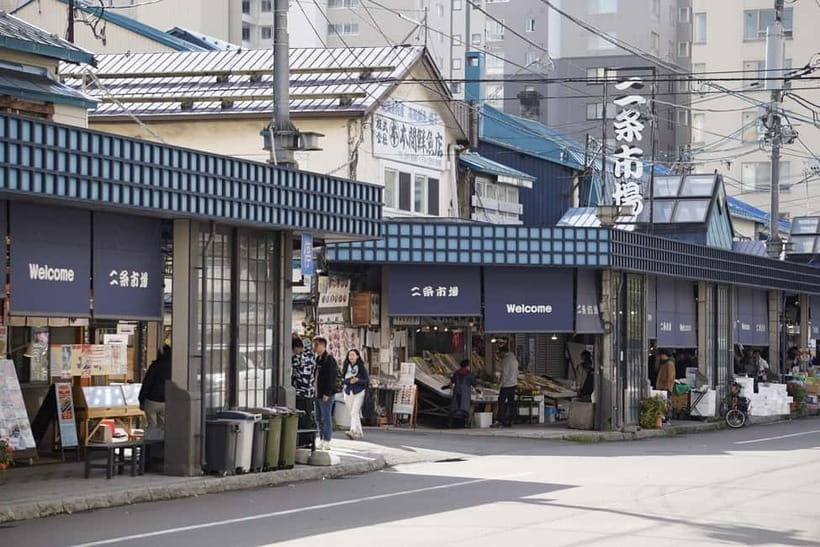
This is a small-group tour, limited to 8 participants, with an English-speaking guide. A smaller group matters more than people think, especially in cold weather or crowded market conditions. You get more time for questions, and it’s easier to stay together.
The guide experience also seems to be a major strength. In past bookings, guides like Tom and Iku have been praised for being friendly, engaged, and great with questions. I like that because a city-history walk can become dry fast, but these guides are described as patient and fun while still giving solid context.
Some guides also share food tips beyond the included lunch. For example, Iku has been linked with personal ramen recommendations, and that kind of off-menu advice is exactly what can make your remaining hours in Sapporo feel less scripted. Even if your guide has a different style, the pattern is the same: expect practical suggestions you can use right after the tour.
One more small consideration: the tour includes insurance, and that’s a good comfort factor for a short, active walking day. It doesn’t change the experience, but it reduces stress.
Timing That Works: A 150-Minute Loop With a Clear Finish
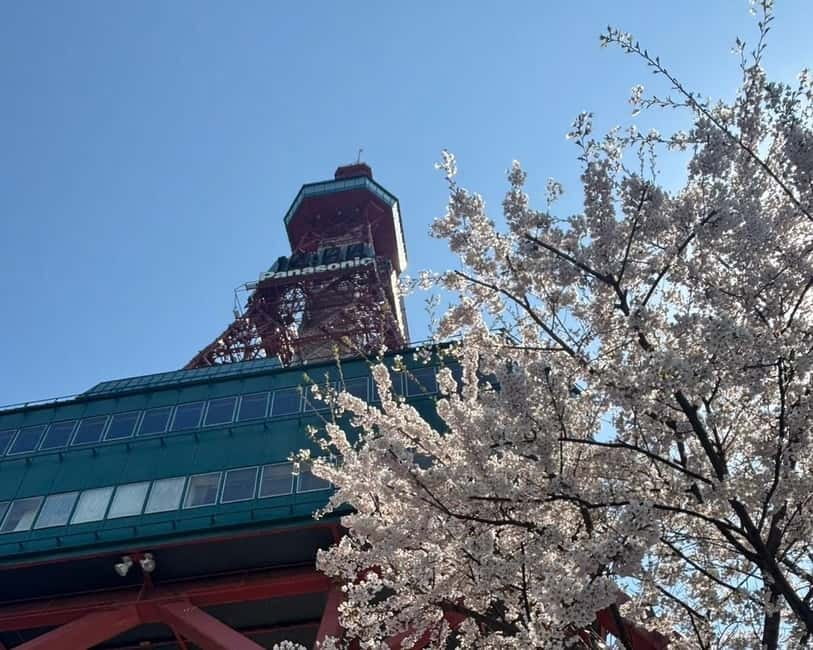
This tour runs for 150 minutes, which is long enough to feel like you saw a story, but short enough to keep your day flexible. The key rhythm is simple: start with orientation, add one paid view stop, walk through historic and cultural areas, then land at Nijo Market for lunch.
You also get an obvious end point. The tour finishes at Nijo Market, which is convenient because you’re already in a lively area where you can keep exploring without needing extra transportation planning.
The drawback is that you need to treat this like a real appointment. Wear your walking shoes, bring water, and plan to arrive on time so the group can move as planned.
Price and Value: What $61 Buys You in Real Terms
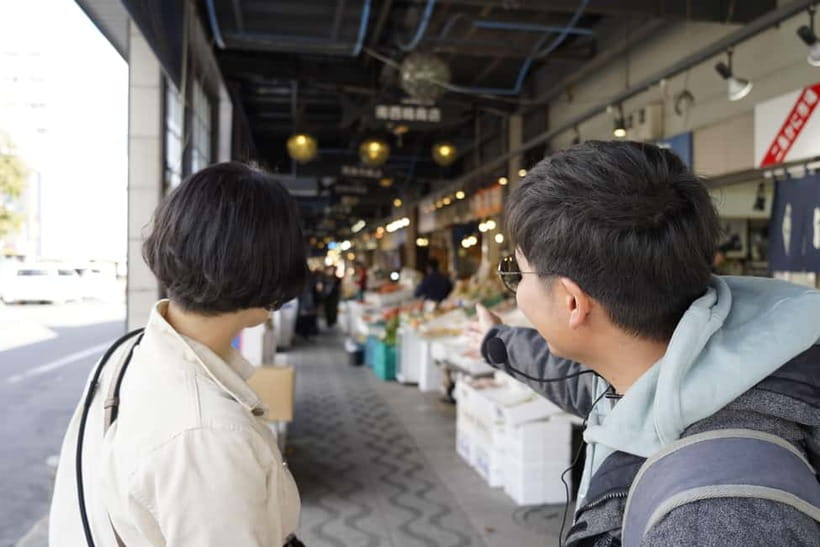
At $61 per person, you’re paying for more than a meal and a walk. Included items include a friendly local English-speaking guide, insurance, entry tickets to the Sapporo TV Tower, and the seafood lunch at Nijo Market.
When you break it down, the lunch plus the TV Tower entry is already a big chunk of the cost. Add the guided history stops and the small group experience, and the price starts to look like paying for time and context, not just logistics.
Is it the cheapest option in town? Probably not. But it is a strong value if you want Sapporo’s story in one compact morning or early day, with fewer guesswork points.
For food lovers and history fans, it’s a good deal because you’re getting two kinds of memories. You’ll remember the taste of the meal, and you’ll remember the city’s early shape from the walks and shrine stop.
What to Bring, What to Wear, and What to Avoid
This tour is built for walking, so pack accordingly. Bring comfortable shoes, water, a camera if you want photos, and weather-appropriate clothing. The tour also asks for comfortable clothes and closed-toe shoes, with sandals or flip-flops not allowed.
If you’re considering what to carry, note the restrictions: no oversize luggage or large bags, no baby strollers, and no pets. Also avoid anything that would slow the group down, like intoxication and drugs are not allowed, and climbing or touching animals is prohibited.
If any of these restrictions are a problem for your travel style, you’ll be happier choosing a different format. For people who travel light and enjoy walking, these rules keep the tour smooth.
Who This Tour Suits Best (And Who Should Skip It)
This tour is a strong fit for food enthusiasts and history buffs who like learning while walking. It’s also a good pick if you want a local-focused Sapporo slice without spending hours figuring out directions and ticket lines.
It is not suitable for vegans. It’s also not suitable for people with a cold, and it is not suitable for anyone with food allergies. The tour also lists restrictions for people with mobility impairments and wheelchair users, and it’s not suitable for babies under 1 year.
If you have seafood allergies, treat this as a hard alert. The operator says you must inform them and alternatives may be suggested, but the tour is clearly seafood-based.
Should You Book Authentic Sapporo?
I think you should book this tour if you want a compact Sapporo experience that mixes city origins, local culture, and a proper Nijo Market lunch. The biggest reason is the combination: the Sosei River history and the shrine context make the meal feel tied to the city, not just something you eat between attractions.
You might skip it if seafood is an issue, if walking is difficult for you, or if you’d rather design a totally independent food crawl. For everyone else, the small group size and the guided TV Tower entry make it a practical, value-driven way to spend about two and a half hours in Sapporo.
FAQ
How long is the Authentic Sapporo tour?
The tour duration is 150 minutes.
What is the price per person?
The price is $61 per person.
Where do I meet the guide?
Meet your guide at the entrance of the Sapporo Clock Tower.
What does the guide hold at the meeting point?
Your guide will be holding a board that says KAPPO SAPPORO.
Is lunch included, and what is it?
Lunch is included. It is a seafood lunch, with options such as sushi or donburi.
Do I get to enter the Sapporo TV Tower?
Yes. Entry tickets to the Sapporo TV Tower are included.
How large is the group?
The tour is a small group limited to 8 participants.
Where does the tour end?
The tour ends at Nijo Market.
What should I bring and wear?
Bring comfortable shoes, water, a camera, and weather-appropriate clothing. Closed-toe shoes are required.
Is the tour suitable for vegans or people with food allergies?
No. The tour is not suitable for vegans and it is not suitable for people with food allergies. If you have any seafood allergy, you must inform the operator ahead of time.
FAQ
Can I cancel for a refund?
Yes. You can cancel up to 24 hours in advance for a full refund.
Do I need to pay immediately to book?
No. There is an option to reserve now and pay later.
Are travel expenses included in the price?
No. Travel expenses and other personal expenses are not included.
Is the tour only in English?
The live tour guide provides English speaking (and Japanese is also available).
Is the guide included during lunch?
The tour notes that the guide may not join your lunch.
Hokkaido, Further North

Which Kyoto Temple Gets Your Morning
Newest Sapporo write-ups from the Loving Japan desk



Fushimi Inari and the Temples of Kyoto, side by side.
 ★ 4.8Fushimi Inari, Kinkakuji, Bamboo Grove 1 Day Bus TourFrom $1224,316 reviews
 ★ 4.9Tea Ceremony in a Traditional Tea House in KiyomizuFrom $493,519 reviews
 ★ 4.7Kyoto/Osaka: Nara, Fushimi Inari Taisha, Arashiyama Bus TourFrom $521,275 reviews
 ★ 4.7Nijo-jo Castle and Ninomaru Palace Guided TourFrom $161,020 reviews
 ★ 4.4Osaka/Kyoto: Arashiyama, Nara & Fushimi Inari Shrine w/LunchFrom $61754 reviews
 ★ 4.7Nijo Castle, Kiyomizu & Fushimi Inari Guided TourFrom $54700 reviews
 ★ 5.0Nijo, Kinkaku-ji, Arashiyama, Kiyomizu & Fushimi InariFrom $51699 reviews
 ★ 4.7Imperial Palace & Nijo Castle Guided Walking TourFrom $49453 reviews