
REVIEW · FULL-DAY
Full-Day Sightseeing to Kyoto Highlights
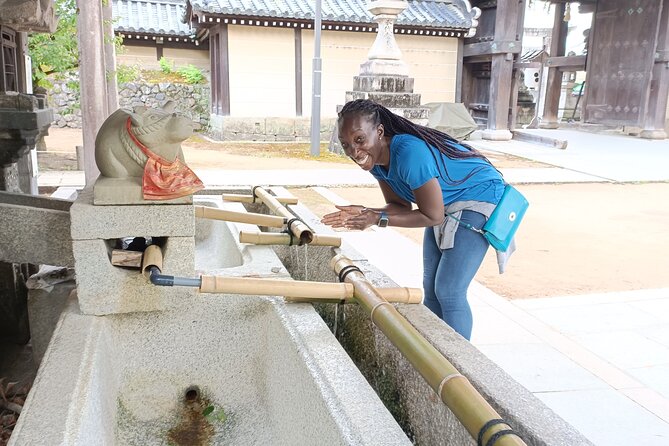
Kyoto in one day is a lot, but this tour makes it doable. You get a small group (up to 7 travelers), smart train-and-walk routing, and stops that cover the city’s biggest names without feeling like you’re sprinting between random spots. I especially like how the guide adds local culture context, from everyday quirks to what you’re actually looking at inside each place.
Two things I really like: the group stays small, so you get more than just “follow the leader,” and you’ll hear practical, culture-based explanations that make the sights click. One drawback to flag is that this is still a walking-heavy day, so if your legs are not great, you may find the pace tiring.
In the reviews, guides like Indra, Maureen, and Naomi come up again and again for clear English, good humor, and staying organized across buses and trains. If you want a day that feels like Kyoto guided by someone who lives there, this is a strong pick.
In This Review
- Key Highlights You Should Care About
- Why This Kyoto Highlights Day Works
- Morning Start at Kyoto Station, Then Off to Arashiyama
- Arashiyama Bamboo Forest: The Famous Walk, With Guidance
- Golden Pavilion, Kinkaku-ji: More Than a Photo Stop
- Shijo Kawaramachi and Lunch on a Real Shopping Street
- Gion Shirakawa: A Quieter Side of the Geiko and Maiko World
- Fushimi Inari-taisha: Thousand Torii Gates, With Shinto Context
- Getting Back to Kyoto Station and Ending Where You Started
- Price and Value: What You Pay, What You Don’t
- The Guides: Indra, Maureen, Naomi, and the Story Approach
- What to Bring and How to Pace Yourself
- Who This Kyoto Tour Fits Best
- Should You Book This Kyoto Highlights Tour?
- FAQ
- How long is the Kyoto highlights tour?
- How many people are in the group?
- Where do you meet, and what time does it start?
- What is included in the tour price?
- What costs are not included?
- What sights do you visit in one day?
- Is the tour suitable for people with limited mobility?
- What happens if the weather is bad?
Key Highlights You Should Care About
- Small group size (max 7), which keeps the day flexible and less chaotic
- Local guide storytelling, including cultural details like why trash cans are rare
- Golden Pavilion and torii gate focus, with time for photos and context
- Arashiyama Bamboo Forest first, so you get that famous mood early
- Lunch and shopping time in Shijo Kawaramachi, not just temples all day
Still weighing up options in Kyoto? These are the ones our reviewers rated highest.
- PERFECT KYOTO 1-Day Bus Tour
★ 5.0 · 13,518 reviews - Kyoto: Fushimi Inari, Kinkakuji, Bamboo Grove 1 Day Bus Tour
★ 4.8 · 4,316 reviews - Kyoto: Tea Ceremony in a Traditional Tea House in Kiyomizu
★ 4.9 · 3,519 reviews - Kyoto Geisha Walking Tour: Gion District & Hidden Gems
★ 4.7 · 3,273 reviews
Why This Kyoto Highlights Day Works
If you only have one day in Kyoto, the main challenge is not seeing temples. The challenge is deciding what order makes sense, how to move between neighborhoods, and where you should spend your limited time. This tour is built for that problem. You’re using public transit, then walking where it counts, so your day feels efficient rather than rushed.
I also like the way the tour blends “big ticket” sights with normal neighborhood life. You get iconic stops like Arashiyama, Kinkaku-ji, Gion, and Fushimi Inari, but you also spend time on shopping streets in central Kyoto. That contrast matters. Kyoto is not just monuments. It’s daily routines, old traditions, and the way people move through the city.
Finally, your guide is part teacher, part translator, part fixer. Across the day, they help you understand what you’re seeing, but they also guide you through the flow of trains, buses, and busy crossings. Multiple reviews highlight how calm and organized guides can be, including photo help when you’re traveling solo or want better angles.
Morning Start at Kyoto Station, Then Off to Arashiyama
The day begins around 8:30 am at Starbucks near Kyoto Tower Sando. It’s a useful meeting point because Kyoto Station is central, and it’s easy to find. After a quick introduction, you ride the train toward the Arashiyama area.
That early transit moment is more than just transportation. It sets the tone for the whole day. You’re not arriving in Arashiyama cold, confused, and trying to map out where to go next. Instead, you’re already in motion with someone who knows how to connect the neighborhoods efficiently.
One practical benefit for you: Kyoto can feel bigger than it looks on a map. This kind of routing saves energy. You spend your morning at a destination, not in transit delays or searching for the right platform.
Arashiyama Bamboo Forest: The Famous Walk, With Guidance
Arashiyama Bamboo Forest is the first major “wow” stop, with about 60 minutes there. Even if you’ve seen photos before, the scale hits differently when you’re standing inside it. The stalks form a corridor effect, and the light shifts as you move.
Where the guide adds value is in making the scenery feel grounded. You’ll get explanations about Japanese culture and language themes while you walk. The goal is not to turn it into a classroom. It’s to give you a few frames so you notice more than just “green plants.”
A real-world consideration: bamboo areas can be crowded, and the timing matters. With a tour schedule, you generally avoid arriving at the absolute worst moment of the day. Still, you should plan for lines or dense foot traffic and be okay moving at a walking pace.
- PERFECT KYOTO 1-Day Bus Tour★ 5.0 · 13,518 reviews
- Kyoto: Fushimi Inari, Kinkakuji, Bamboo Grove 1 Day Bus Tour★ 4.8 · 4,316 reviews
- Kyoto: Tea Ceremony in a Traditional Tea House in Kiyomizu★ 4.9 · 3,519 reviews
- Kyoto Geisha Walking Tour: Gion District & Hidden Gems★ 4.7 · 3,273 reviews
- Kyoto: Tea Ceremony Ju-An at Jotokuji Temple★ 4.9 · 3,207 reviews
Golden Pavilion, Kinkaku-ji: More Than a Photo Stop
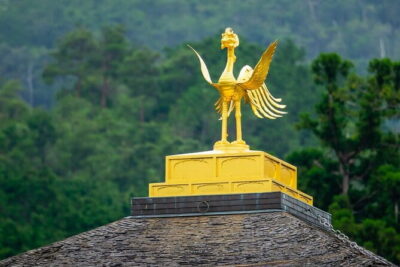
Next up is Kinkaku-ji, also called the Golden Pavilion. You’ll spend around 40 minutes at the temple. This is the point where you’ll understand why this is one of Japan’s most visited sites.
The guide explains Buddhism in Japan and the temple’s history while you’re there, and they also help with photos against the big, iconic views. Several reviews specifically mention guides going above and beyond with photo timing and angles, which is especially helpful if you’re solo.
Kinkaku-ji has a lot going on visually, and without context you can end up just taking pictures and rushing out. With the guide’s focus, you’ll likely remember what you saw beyond the surface look. That’s the difference between “I went” and “I understood.”
Downside to consider: the stop is not long. You get meaningful time, but it’s not a slow, lingering temple day. If you want deep time at one site, you’ll need a different kind of tour. For a first-day highlights pass, this is a strong tradeoff.
Shijo Kawaramachi and Lunch on a Real Shopping Street
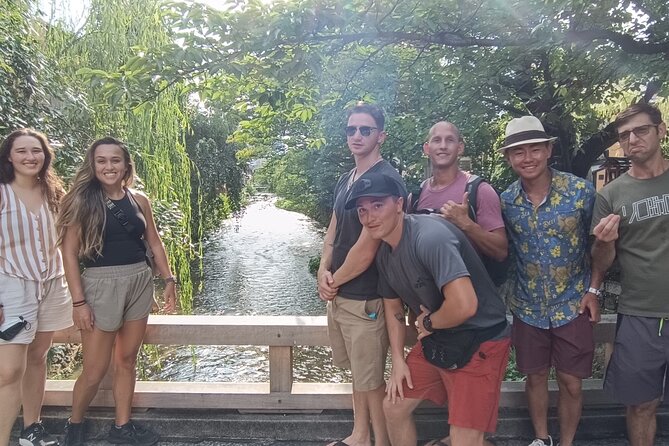
After the temple segment, the day shifts to Shijo Kawaramachi, with about 75 minutes. This is where the tour feels very Kyoto. You’re in a lively shopping area, and the guide also sets you up for lunch. You get time to eat without having to pre-plan a restaurant in advance.
The best part for me is that this stop breaks the day into something other than temples. Kyoto’s center has energy, signage, and side streets that show how people actually shop and snack while tourist groups move through nearby landmarks.
Then you walk across Shijo Bridge for about 15 minutes, which gives you a quick, scenic transition. It’s short, but it helps the day feel connected. You’re not teleporting between different “worlds.” You’re moving through them.
If you’re sensitive to crowds, central shopping streets can be busy at peak hours. The good news is that your guide keeps the day moving, and you’re not left wandering without direction. You can also use the shopping time to grab small gifts or practical items you forgot to pack.
Gion Shirakawa: A Quieter Side of the Geiko and Maiko World
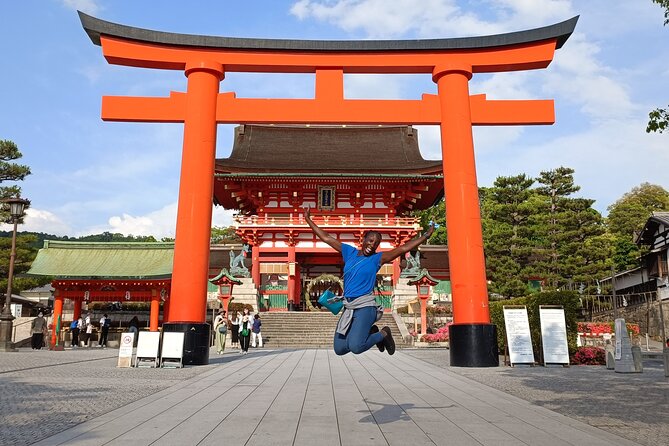
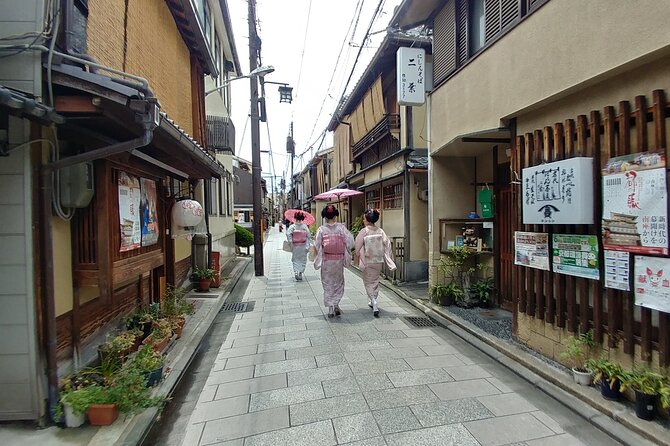
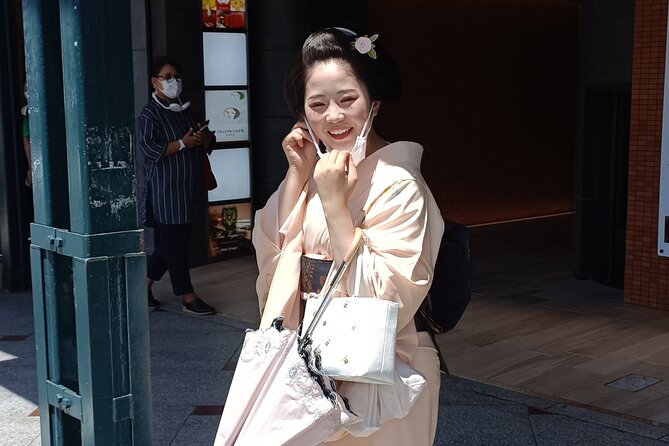
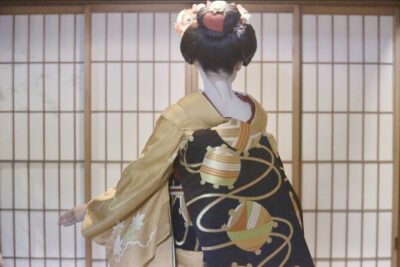
Gion Shirakawa is next, with about 60 minutes. This area is known for traditional streets and the vibe of historical Kyoto. It’s also where people hope to spot geiko and maiko, and the guide helps you understand the roles and traditions behind the visuals.
One reason this stop lands well on a highlights tour is that it gives you a softer experience compared to the more intense temple and shrine crowds. You’re walking in a quieter pocket, and the guide’s explanations help you slow down enough to really see details like street character and the contrast between tourist expectations and real life.
Several reviews praise guides for making these kinds of cultural explanations feel natural and funny, not forced. Indra and Maureen, in particular, come up in reviews for story-style guidance and good conversational pacing. That matters here because Gion can feel like “look and guess” if you do it without guidance.
Also, don’t treat this as a guarantee of seeing performers. This part of Kyoto is famous for them, but you’re still out walking in a living neighborhood. Your payoff is the understanding and atmosphere, not just a chance encounter.
Fushimi Inari-taisha: Thousand Torii Gates, With Shinto Context
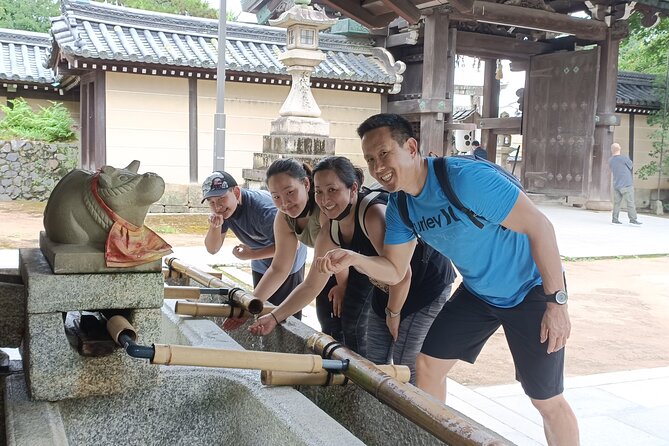
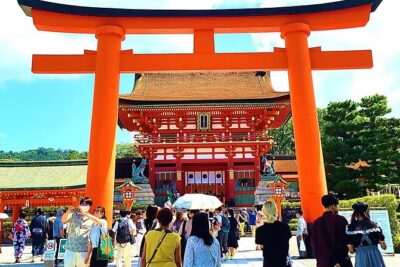
Finally, you reach Fushimi Inari-taisha, Kyoto’s top tourist draw. You’ll spend about 50 minutes there, passing through the thousands of vermillion torii gates.
This stop is all about rhythm. You walk through gate after gate, and the sensation changes as you move deeper. The bright color repeats in a way that feels almost hypnotic. It’s one of those places where even a short visit can feel like a full experience because the environment guides your attention.
The guide focuses on what Shintoism is, plus the shrine’s place and history. That context turns the torii gates from a “wow backdrop” into something you can interpret. You’re not just walking through pictures. You’re walking through a religious and cultural system.
Practical note: torii areas can be slippery and crowded depending on weather and season. Even with a guided pace, you’ll want comfortable shoes and a willingness to step around slow-moving groups.
Getting Back to Kyoto Station and Ending Where You Started
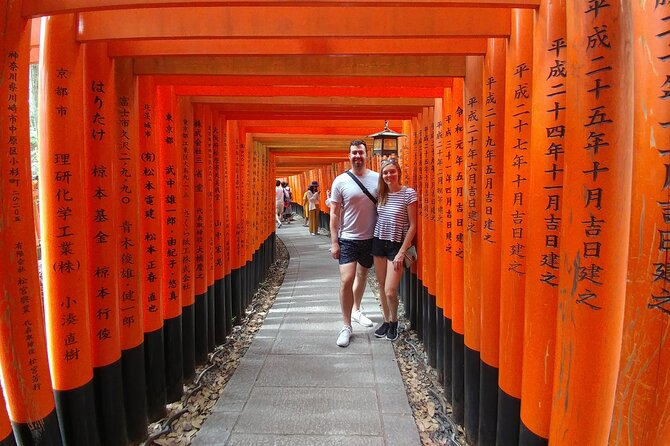
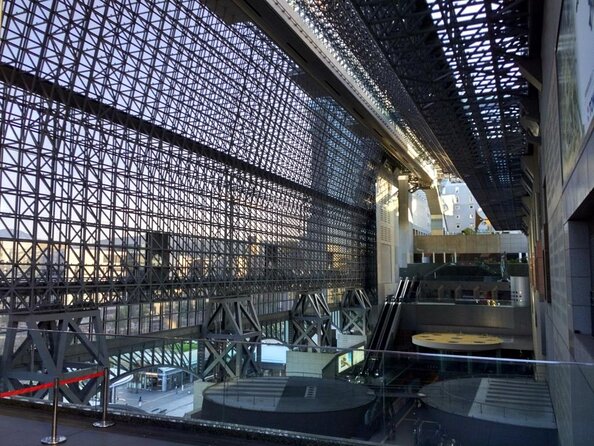
To close the day, you ride the train back to Kyoto Station and end back at the meeting point. The schedule keeps the logistics simple, which is a big deal at the end of a 7-plus hour day.
This ending matters for your sanity. Kyoto Station is the transport hub, so it’s easier to plan dinner or hop to your next destination. It also means you do not spend your last hour stressed about where you are or what line you need.
If you’re the type who likes to keep the rest of your evening open, you’ll appreciate that the tour ends where trains are everywhere.
Price and Value: What You Pay, What You Don’t
The tour price is $165.17 per person and it runs about 7 hours 30 minutes. That might sound like a lot until you break down what you’re buying.
What’s included:
- An experienced local guide
- A walking experience across key neighborhoods
What’s not included:
- Kinkaku-ji Golden Pavilion admission (¥500 per person)
- Public transportation (¥1,510 per person)
Here’s how I think about value for you. You’re paying for someone to handle routing, timing, and cultural explanations while you avoid decision fatigue. If you tried to replicate this yourself, you’d spend a lot of time figuring out trains, walking routes, and what to prioritize first, especially if it’s your first day. Paying for that structure often makes the day feel smoother and more memorable.
The small group size also contributes to the value. With up to 7 travelers, you’re more likely to get real attention. Reviews repeatedly mention guides like Indra and Maureen being patient and helpful with photos and questions, which is the kind of service that makes the itinerary feel personal rather than mechanical.
The Guides: Indra, Maureen, Naomi, and the Story Approach
One of the most praised aspects across reviews is the guide style. People consistently describe guides as friendly, organized, funny, and patient with questions. They also mention English that is easy to follow, plus a storytelling approach that links sights to how Japan works today.
Indra and Maureen are named most often in feedback. Naomi and Adella also appear. That pattern tells me something important: this tour seems to attract guides who are good at connecting “what you see” with “what it means.”
Also, some reviews mention guide photo help and even teaching a few Japanese phrases. That’s not required for seeing Kyoto, but it makes the day better in a very real way. When you travel solo or you want photos that look better than awkward selfies, a guide who knows when to step into the right spot can save you time and frustration.
What to Bring and How to Pace Yourself
This is a walking tour and you should treat it like one. The tour is designed for moderate physical fitness, but it’s not a sit-and-snack day.
Bring:
- Comfortable walking shoes
- A light layer for morning cool or afternoon heat
- Cash or card for Kinkaku-ji and for your portion of public transit, since those are not included
- A phone with offline maps, just in case you want a quick reference when you’re off the group for a snack
Pace advice: plan to move at a steady walking tempo. If you’re the kind who wants long photo pauses and a slow stroll, you may feel the schedule tugging at you. The flip side is that you’ll get through a lot of Kyoto without needing to design the day yourself.
Who This Kyoto Tour Fits Best
This tour is a good fit if you:
- Have only one day in Kyoto and want the major hits
- Like guides who explain culture, not just facts
- Want a small group day, max 7 travelers
- Prefer guided routing through trains and buses
It’s not the best choice if:
- You have bad leg problems or mobility limitations. This is still a walking itinerary.
- You’re past the first trimester of pregnancy and want something less physically demanding, since it’s not recommended beyond that point.
- You hate crowds entirely. Some of these places, especially Fushimi Inari and central shopping streets, can be busy.
Should You Book This Kyoto Highlights Tour?
I’d book it if you want your first Kyoto day to feel organized, story-driven, and efficient. The combination of Arashiyama, Kinkaku-ji, Gion Shirakawa, and Fushimi Inari gives you a map of Kyoto’s identity in one go. Plus, the small group size is a genuine quality upgrade, not marketing fluff.
I would hesitate only if you want ultra-slow time at one site, or if your legs cannot handle a long walking day. Otherwise, the structure, the cultural explanations, and the high guide ratings make it a solid value for a “see it all” day.
If you’re deciding between DIY and a guided day, go guided. You’ll trade some independence for a day that runs smoothly and helps you understand what you’re seeing as you go. That’s the kind of payoff that makes a one-day Kyoto plan worth it.
FAQ
How long is the Kyoto highlights tour?
It runs about 7 hours 30 minutes.
How many people are in the group?
The tour has a maximum of 7 travelers.
Where do you meet, and what time does it start?
You meet at Starbucks Coffee near Kyoto Tower Sando. The start time is 8:30 am.
What is included in the tour price?
The tour includes an experienced local guide and a walking experience. You also receive a mobile ticket.
What costs are not included?
Kinkaku-ji Golden Pavilion admission is not included (¥500 per person), and public transportation is also not included (¥1,510 per person).
What sights do you visit in one day?
You’ll visit Kyoto Station Building (to start and end), Arashiyama Bamboo Forest, Kinkakuji Temple, Shijo Kawaramachi, Gion Shirakawa, and Fushimi Inari-taisha Shrine.
Is the tour suitable for people with limited mobility?
The tour requires moderate physical fitness and is a walking tour, so it is not recommended for people with bad leg. It is not recommended for pregnant travelers more than the first trimester.
What happens if the weather is bad?
The experience requires good weather. If it’s canceled due to poor weather, you’ll be offered a different date or a full refund. Service animals are allowed.
Newest Kyoto write-ups from the Loving Japan desk

Full-Day, side by side.
 ★ 4.5From Tokyo: Mount Fuji Full-Day Sightseeing TripFrom $684,970 reviews
 ★ 4.9Mount Fuji Full-Day Private Tour from Tokyo (Customizable)From $3931,470 reviews
 ★ 5.0Hiroshima / Miyajima Full-day Private Tour with Government Licensed GuideFrom $2021,298 reviews
 ★ 5.0Tokyo Private Full-Day Tour by Car or VanFrom $321684 reviews
 ★ 4.7From Tokyo: Must-Visit Mount Fuji Highlight Full-Day TourFrom $69532 reviews
 ★ 5.05 Top Highlights of Kyoto Full Day Bike Tour (E-bike option)From $172511 reviews
 ★ 5.0Full Day Biking Tour Exploring the Best of KyotoFrom $119498 reviews
 ★ 4.5Mt. Fuji, Hakone Full-Day Private Tour with English Driver GuideFrom $495458 reviews