
REVIEW · TOKYO TOWER, GINZA AND THE IMPERIAL PALACE
Go Karting Tokyo Bay Experience | 9 Top Destinations in 120 Mins
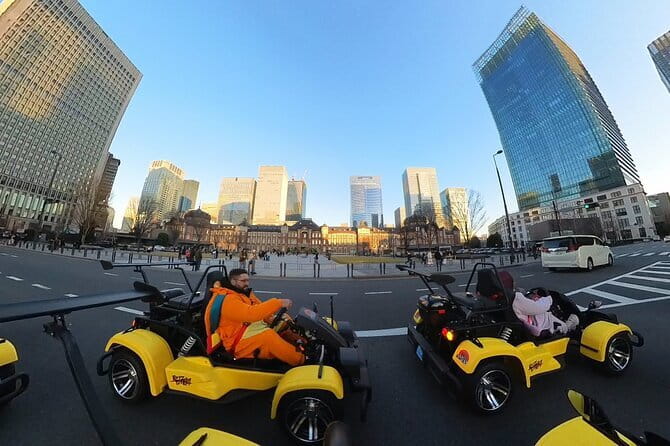
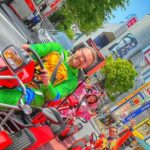
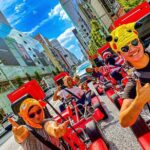
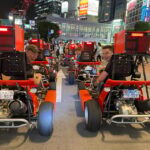
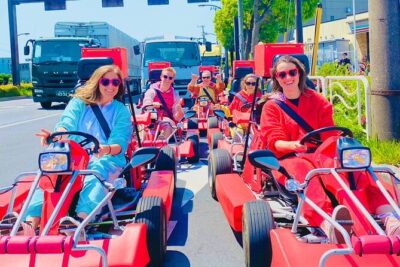
Tokyo on a go-kart feels way more alive. This small-group ride lets you cover a lot of ground in about 1 hour 40 minutes, while still getting stops built around big landmarks like Tokyo Skytree and the Tokyo Imperial Palace. I really like that the experience includes 360-degree photos and videos, so your route through Tokyo is captured in a way normal sightseeing photos never do.
Two things make this tour easy to recommend. First, you get a guided route with plenty of context as you drive, including Japanese history, culture, and architecture. Second, the guide experience seems to matter a lot, and one review specifically called out Travis for making the group feel safe while sharing interesting details along the way.
The main thing to consider is logistics around driving and weather. You need the correct driving documents, and the tour notes it requires good weather, so you should plan your day with that in mind.
In This Review
- Key Highlights Worth Your Time
- Why Tokyo Go-Karting Works Better Than Slow Sightseeing
- The Ride Experience: Costume, Fuel, Insurance, and Included Media
- Where You Start in Katsushika, and How the Timing Plays Out
- A Landmark Route That Mixes Old Tokyo and New Tokyo
- Tokyo Skytree: Big-City Scale in a Single Photo Worth of Time
- Ryogoku and the Sumo Stadium Area: Tradition Takes the Center Stage
- Tokyo Sword Museum: Japanese Swords as Art and Meaning
- Tokyo Station and Marunouchi: Architecture You Can Recognize
- Akihabara: Electronics and Pop Culture, Starting in the Meiji Period
- Ueno Park: From Early Edo to Modern Japanese Art and Culture
- Asakusa: About 1400 Years of Shitamachi Charm
- The Tokyo Imperial Palace: A Site Tied to Edo Castle and 15th Century Construction
- Toyosu Fish Market: Tokyo Bay Area Energy
- Safety and the Guide Factor: Feeling Confident on Tokyo Streets
- Price and Value: What $117.27 Actually Buys You
- Driving Requirements: The One Part You Should Not Treat Casually
- Weather and What to Do With the Day Plan
- Who This Tour Suits Best in Tokyo
- Quick Checklist Before You Book
- Should You Book This Go Karting Tokyo Bay Experience?
- FAQ
- How long is the Go Karting Tokyo Bay Experience?
- How big is the group?
- What is included in the price?
- Where do I meet, and where does the tour end?
- What driving documents do I need to participate?
- What happens if I do not bring the original driving license or International Driving Permit?
- If the weather is poor, do I get refunded or rescheduled?
Key Highlights Worth Your Time
- 360-degree photos and videos included, not just a quick snapshot
- Small-group size (max 10) helps the ride feel organized
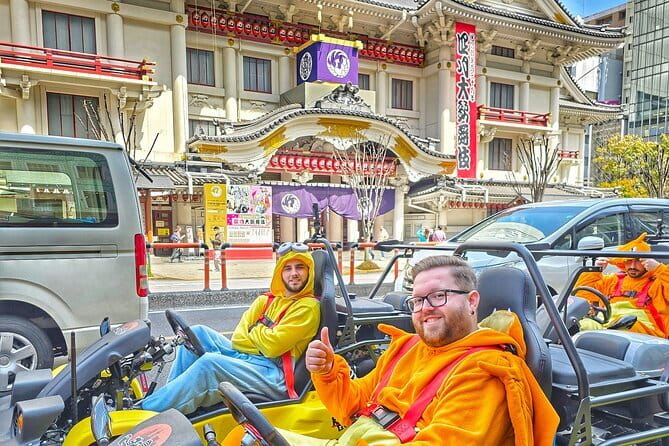
- Novelty costume provided, which adds fun without extra planning
- A landmark-heavy route that mixes Tokyo Skytree, Imperial Palace, Akihabara, and more
- Insurance, fuel, and go-kart rental are included, so the price feels straightforward
Different circuits, same licence rules. Compare the karts
- Flagship 2-Hours Official Street Go-Kart Tour – Tokyo Bay Shop
★ 5.0 · 4,974 reviews - Official Street Go-Kart in Shibuya
★ 5.0 · 3,435 reviews - Official Street Go-Kart Tour – Akihabara
★ 5.0 · 1,578 reviews - Tokyo: Street Kart Experience in Shibuya
★ 4.9 · 1,484 reviews
Why Tokyo Go-Karting Works Better Than Slow Sightseeing
Tokyo can feel like a choose-your-own-adventure city. Streets are busy, distances can add up fast, and walking from one landmark to the next can drain your time. This tour is designed for motion, with the goal of maximizing what you can see in roughly 1 hour 40 minutes.
What I like most is that it is not just about driving for the sake of driving. The route is built around recognizable places, and you also get a guide speaking as you go. That combination matters. You get the fun and the speed, and you also get the explanation, so your brain keeps a thread instead of just saying, Look, that’s tall, next.
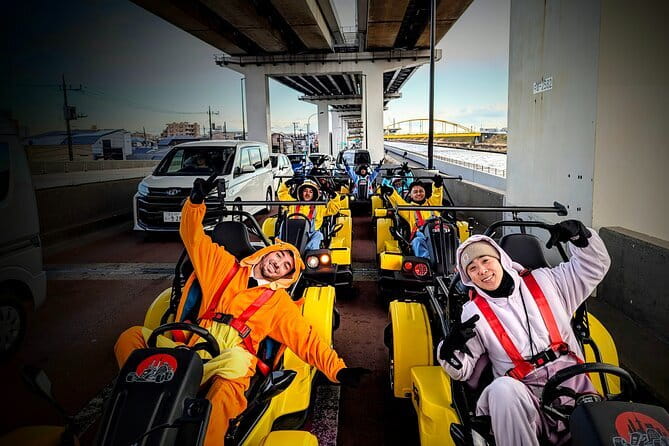
The small-group limit of up to 10 travelers also helps. You are not stuck watching a long line of karts roll forward. It feels more like a coordinated activity than a long shuffle across town.
The Ride Experience: Costume, Fuel, Insurance, and Included Media
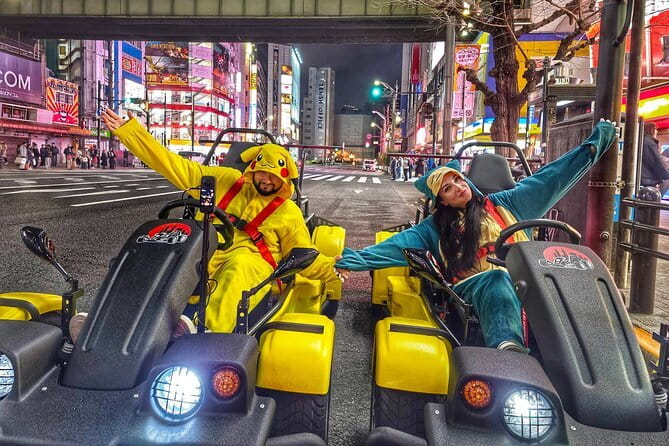
This is one of those tours where the included stuff removes friction. Your go-kart rental, fuel, insurance, and a tour guide are part of the package. You also get a costume for the drive, described as a novelty costume. It may sound like a small detail, but it changes the vibe fast. When you are suited up for the ride, you act like you are actually doing something, not just sitting in traffic.
Then there is the media. The experience includes photo and video, and it also specifically notes 360-degree photos and videos of your experience are included. That is huge for value because you can actually relive the route and the moments you would normally miss while focusing on staying safe and navigating.
A practical thought: a data card for your camera is not included, though it is available for purchase. If you are planning to bring your own device workflow, plan around that so you do not get stuck at the finish line with nothing to store footage on.
Where You Start in Katsushika, and How the Timing Plays Out
The meeting point is in Katsushika City, Higashiyotsugi 1-chōme202, at 小島貸事務所 (Japan, 124-0014 Tokyo). The tour ends back at the same meeting point. The listing also notes the location is near public transportation, which is helpful if you do not want to worry about parking.
Because there is no pickup or dropoff included, you will want to arrive with enough time to check in calmly. A go-kart tour moves fast once it starts, and the best experience comes when you are not scrambling at the last minute.
Also keep the duration in mind. It is listed as 1 hour 40 minutes (approx.). That is long enough to feel like you did something real, but short enough that you can still fit other Tokyo plans on the same day if your energy holds up.
The central Tokyo landmarks, reviewed one by one
- Tokyo: Imperial Palace and Shogun Historical Walking Tour★ 5.0 · 2,251 reviews
- Tokyo: Meiji Shrine, Asakusa, Skytree Bus Tour and Cruise★ 4.7 · 1,986 reviews
- Chopstick Making Workshop in Ginza★ 4.8 · 1,366 reviews
- Tokyo Panoramic 1 Day: Meiji Shrine, Asakusa, Odaiba and SKYTREE®★ 4.5 · 1,222 reviews
- Tokyo: Imperial Palace Japanese History Walking Tour★ 4.9 · 987 reviews
A Landmark Route That Mixes Old Tokyo and New Tokyo
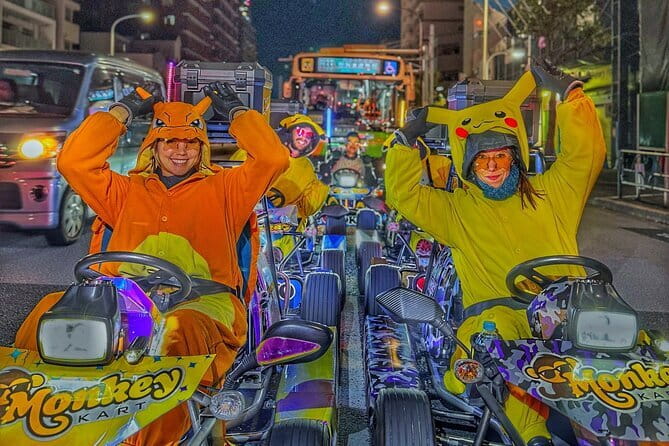
This tour is built around well-known stops, which is great if you want a highlight reel without spending your entire day hopping across the city. What makes it more than a checklist is the way the guide ties the sights to history, culture, and architecture as you drive.
Here is what you can expect to see, based on the landmarks highlighted during the experience:
Tokyo Skytree: Big-City Scale in a Single Photo Worth of Time
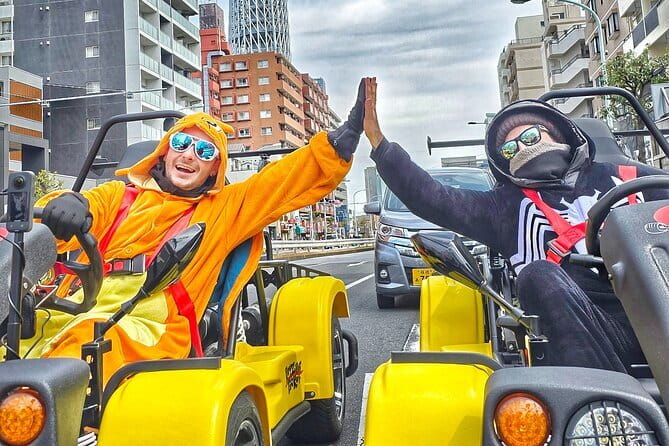
Tokyo Skytree is described as the world’s tallest broadcasting and communication tower and the third tallest structure. If you like seeing landmarks that instantly signal modern Tokyo, this is the kind of stop that makes your ride feel real, not generic.
With a go-kart, you get a closer feel to the city around it. You are not only viewing from far away. The tour’s format helps you catch a sense of scale as the streets roll by.
Ryogoku and the Sumo Stadium Area: Tradition Takes the Center Stage
The route calls out go-karting through Ryogoku, with the Sumo Stadium area taking center stage. The description emphasizes a blend of tradition and modernity. That is a nice balance in a city where you can easily feel like you are only seeing one side at a time.
Even if sumo is not your main interest, the Ryogoku stop is a strong example of Tokyo moving between eras in a tight radius.
Tokyo Sword Museum: Japanese Swords as Art and Meaning
One stop focuses on the Tokyo Sword Museum and explains that Japanese swords are revered as symbols of authority, works of art, and objects of worship. The tour notes the museum holds and preserves important Japanese swords and samurai-related items.
This kind of stop stands out because it is not about shopping or selfies. It is about meaning. If you enjoy learning why something matters in Japanese culture, this is the segment that likely clicks.
Tokyo Station and Marunouchi: Architecture You Can Recognize
Tokyo Station is featured with emphasis on the Marunouchi district. The description positions Tokyo Station as a symbol of architectural brilliance, with the station dating to the early 20th century.
This is the part of the tour that can feel like a reset. You get a landmark that is central and iconic, and the guide helps connect it to broader Japanese context while you keep moving.
Akihabara: Electronics and Pop Culture, Starting in the Meiji Period
Akihabara is described as the heart of Japan’s electronic and pop culture, with history dating to the Meiji period. It is called the epicenter for anime and known as the Otaku Capital of the world.
This is a smart inclusion because it gives you a contrast to older Tokyo scenes. If you want at least one stop that feels distinctly modern and youth-driven, Akihabara is where that energy shows up.
Ueno Park: From Early Edo to Modern Japanese Art and Culture
Ueno Park is included as a stop, with background that it rose to prominence shortly after the Tokugawa Shogunate in Edo in 1603. The description notes it was initially home to Buddhist temples and townsfolk, then evolved into a hub of modern Japanese art and culture during the Meiji period.
That timeline is exactly what you want from a guided route. Instead of seeing Ueno as just another green spot, you get a reason for its cultural role.
Asakusa: About 1400 Years of Shitamachi Charm
Asakusa is described as having origins dating back some 1400 years to the Asuka period. The tour frames it as a must-visit for authentic charm of Tokyo’s shitamachi, described as the low city.
If you like places where Tokyo feels lived-in, Asakusa fits. And because you are driving, you get a moving view of the area instead of only standing still.
The Tokyo Imperial Palace: A Site Tied to Edo Castle and 15th Century Construction
The tour includes the Tokyo Imperial Palace, described as the residence of the Japanese Emperor and Empress. It notes construction in 1457 by Ota Dokan within the expansive grounds of Edo Castle.
This is one of the more historically grounded stops in the route. When you are moving through Tokyo fast, it is easy to forget time depth. The Imperial Palace segment helps you reconnect to it.
Toyosu Fish Market: Tokyo Bay Area Energy
The overview mentions the Toyosu Fish Market, and Toyosu is closely associated with the Tokyo Bay side of town. If you want at least one stop that feels connected to food and daily commerce, this inclusion gives you that texture.
Safety and the Guide Factor: Feeling Confident on Tokyo Streets
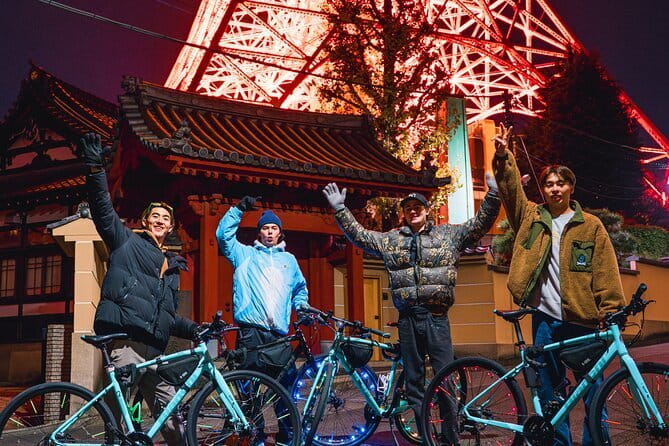
Go-karting in a major city is only fun if you feel controlled. The experience includes insurance, and you have a tour guide with you throughout. That combination matters, especially if you are not used to driving in dense urban areas.
The strongest clue about how well this tour handles the human side is the review that named Travis. The review says Travis was amazing, that the group felt safe the entire time, and that Travis shared interesting things along the way. Another review also praised the guide and specifically mentioned how cool it was to drive through Tokyo streets.
That matches what you should look for in a tour like this. You are not just paying for the kart. You are paying for smooth instructions, good pacing, and a guide who can keep the group feeling comfortable.
Price and Value: What $117.27 Actually Buys You
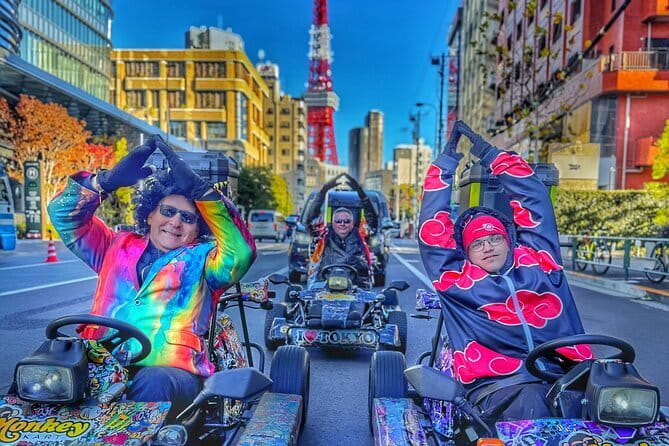
At $117.27 per person, this tour is not the cheapest way to spend a couple hours in Tokyo. But the value story is fairly clear because so much is included.
You get:
- Go-kart rental
- Tour guide
- Costume
- Fuel
- Insurance
- Photo and video (plus 360-degree media)
When you add up typical extras for activities, the included items help the price feel less like a surprise. You are also not buying a bunch of add-ons to make the experience complete, because the photos and videos are already part of the package.
One more value angle: the tour is described as covering far more ground than on foot. In a city where time is expensive, that can be worth real money, especially if you only have a short window.
Driving Requirements: The One Part You Should Not Treat Casually
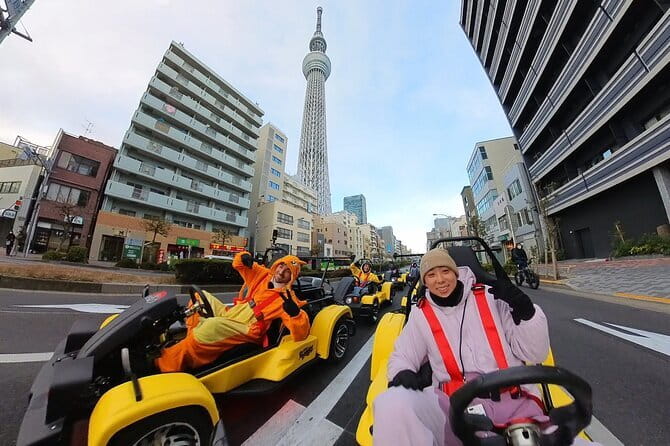
This tour has clear driving-document rules, and you should read them like your day depends on it. Because it does.
Most travelers can participate, but the experience notes that:
- For US Forces in Japan SOFA, a SOFA driving license is required.
- You need a local driving license and an International Driving Permit issued under the 1949 Geneva Convention.
- You also need your passport.
It also lists a special case for nationals of Switzerland, Germany, France, Belgium, Monaco, and Taiwan: they can drive if Japanese translation of the driving license is available. The note says you should contact the provider about a month in advance if you need assistance.
The most important warning is also the most practical: if you do not provide the original of your local driving license and International Driving Permit, the tour can be canceled with no refund. That is the kind of rule that can ruin plans fast, so double-check that you have the physical documents in hand.
Weather and What to Do With the Day Plan
The experience notes it requires good weather. If it is canceled due to poor weather, you will be offered a different date or a full refund.
That means you should avoid scheduling the tour as your only plan for a crucial day. If you can, keep some flexibility so you do not end up stuck with a refund but no time to redo it.
Who This Tour Suits Best in Tokyo
I think this tour fits best if you want active sightseeing. You like the idea of seeing major landmarks quickly, and you want the city to feel like something you are part of, not just watching from the sidewalk.
It also makes sense if you enjoy structure. The guide route, the included media, and the clear time length help you plan the rest of your Tokyo day.
A note from reviews: an 18-year-old son calling it a favorite suggests it can work well for young adults who want a more hands-on activity. If you are traveling as a family with teens or adults who are comfortable with driving requirements, this can be a strong pick.
If you hate driving responsibilities or you do not have the documents required for go-kart operation, it will likely be frustrating. In that case, you might be happier with a walking tour or a transit-based tour where the rules are less strict.
Quick Checklist Before You Book
Do these and you will set yourself up for a smoother experience:
- Confirm you have the right local driving license and International Driving Permit under the 1949 Geneva Convention.
- Bring your passport.
- If you need help for translation scenarios, plan ahead since the note suggests contacting about a month in advance if needed.
- Pick a day with good weather in mind.
- Know there is no pickup or dropoff, and the tour starts and ends at the Katsushika meeting point.
Should You Book This Go Karting Tokyo Bay Experience?
Book it if you want a time-efficient, hands-on way to see major Tokyo landmarks, and you like the idea that your memories come with 360-degree photos and videos. The included go-kart rental, costume, fuel, insurance, and media make it feel like a complete package rather than a bare-bones activity.
Consider skipping or switching plans if you are not sure about your driving paperwork, if you cannot handle a weather-dependent schedule, or if you prefer slower sightseeing with no driving responsibility. With the right documents and a flexible day, this tour is one of the more fun ways to get Tokyo highlights into a single outing, with a guide like Travis who focuses on safety and makes the information land while you are on the move.
FAQ
How long is the Go Karting Tokyo Bay Experience?
The tour duration is approximately 1 hour 40 minutes.
How big is the group?
The experience has a maximum of 10 travelers.
What is included in the price?
Go kart rental, tour guide, costume, fuel, insurance, and photo and video are included.
Where do I meet, and where does the tour end?
You meet at Japan, 124-0014 Tokyo, Katsushika City, Higashiyotsugi, 1-chōme202 小島貸事務所, and the tour ends back at the same meeting point.
What driving documents do I need to participate?
You generally need a local driving license and an International Driving Permit issued under the 1949 Geneva Convention. A passport is also required. US Forces in Japan SOFA driving license is required for US Forces in Japan. For certain nationalities, Japanese translation of the driving license may be required, and the provider says to contact about a month in advance if you need assistance.
What happens if I do not bring the original driving license or International Driving Permit?
If you fail to provide the original of your local driving license and International Driving Permit, the tour can be canceled and there will be no refund.
If the weather is poor, do I get refunded or rescheduled?
The tour requires good weather. If it is canceled due to poor weather, you will be offered a different date or a full refund.
Central Tokyo Landmarks


Karts, Circuit by Circuit

Newest Tokyo write-ups from the Loving Japan desk






Tokyo Tower, Ginza and the Imperial Palace, side by side.
 ★ 5.0Flagship 2-Hours Official Street Go-Kart Tour – Tokyo Bay ShopFrom $644,974 reviews
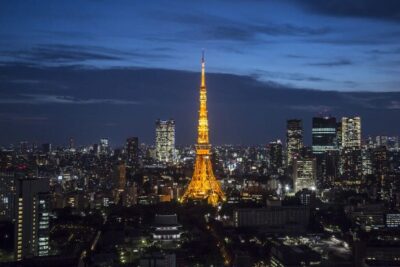 ★ 4.6Tokyo Tower: Admission TicketFrom $93,661 reviews
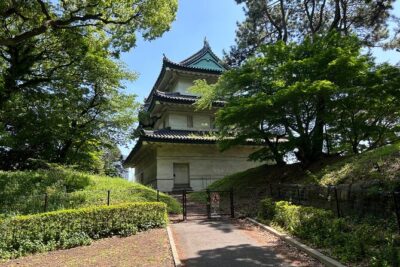 ★ 5.0Imperial Palace and Shogun Historical Walking TourFrom $222,251 reviews
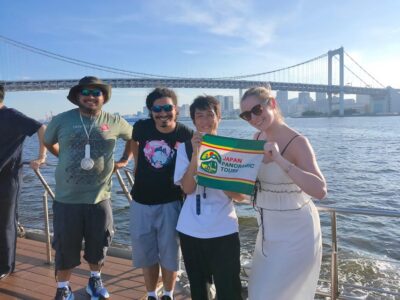 ★ 4.7Meiji Shrine, Asakusa, Skytree Bus Tour and CruiseFrom $1221,986 reviews
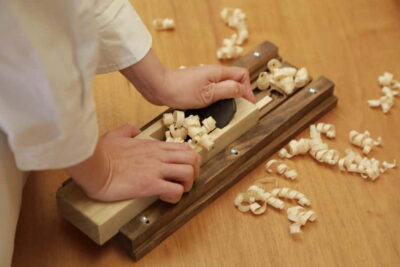 ★ 4.8Chopstick Making Workshop in GinzaFrom $251,366 reviews
 ★ 4.5Tokyo Panoramic 1 Day: Meiji Shrine, Asakusa, Odaiba and SKYTREE®From $851,222 reviews
 ★ 4.9Imperial Palace Japanese History Walking TourFrom $32987 reviews
 ★ 4.9Imperial Palace and Shogun Walking TourFrom $16935 reviews
Filed on these lists too