
REVIEW · HAKONE, OWAKUDANI AND LAKE ASHI
Hakone Hachiri: Old Tokaido Highway Hiking Tour
Walking Hakone feels like time travel. This Hakone Hachiri hike turns the Old Tokaido Highway into real steps, with the 400-year-old Amasake Tea House and riverside trail sections that make the day feel oddly personal. I also like the way a certified mountain guide ties geography to what you’re walking on, instead of just reading facts. The one thing to plan around is weather, because Mt Fuji views depend on clear skies.
You start in Hakone proper, then mix short taxi rides with local bus hops so you can experience the hard history of the area without walking every steep meter. In a small group capped at 6, guides like Aki and Akihiro are praised for being patient, safety-minded on uneven spots, and flexible when conditions or your pace change.
This is a beginner-friendly route, mostly gentle slopes and cobbled sections, and the total walking time is about 5 to 6 hours on foot. Still, you should pack for real walking, with comfortable shoes and a sun hat, because cobblestones and occasional slippery areas can be annoying if you’re not ready.
In This Review
- Key things you’ll notice on this Hakone Hachiri hike
- Hakone Hachiri: why this 7-hour walk feels different
- Meeting at Hakone-Yumoto, then the short black cab hop
- Sukumo River trail: your first taste of the old route on foot
- Hatajuku stop: snack browsing before the tea house moment
- Amasake Tea House with 400 years of history
- Old Tokaido cobblestones, Lake Ashi photos, and the Torii gate view
- Cedar avenue and the Hakone Checkpoint: history you can walk through
- Past Hakone Pass: Yamanaka Castle Ruins and a secret scenic photo stop
- Mishima Taisha and the Genbe River finish at Mishima Station
- Walking pace, safety, and what to bring for cobblestones and trees
- Price and value: what $167 buys you in Hakone
- Who should choose this Hakone Hachiri tour
- Should you book Hakone Hachiri with a certified guide?
- FAQ
- How long is the Hakone Hachiri hiking tour?
- Where does the tour start?
- How much hiking is involved?
- Is the hike suitable for beginners?
- What are the main stops during the day?
- Can I see Mt Fuji on this tour?
- How do you move between sites?
- How big is the group?
- What language is the guide?
- What should I bring and wear?
Key things you’ll notice on this Hakone Hachiri hike
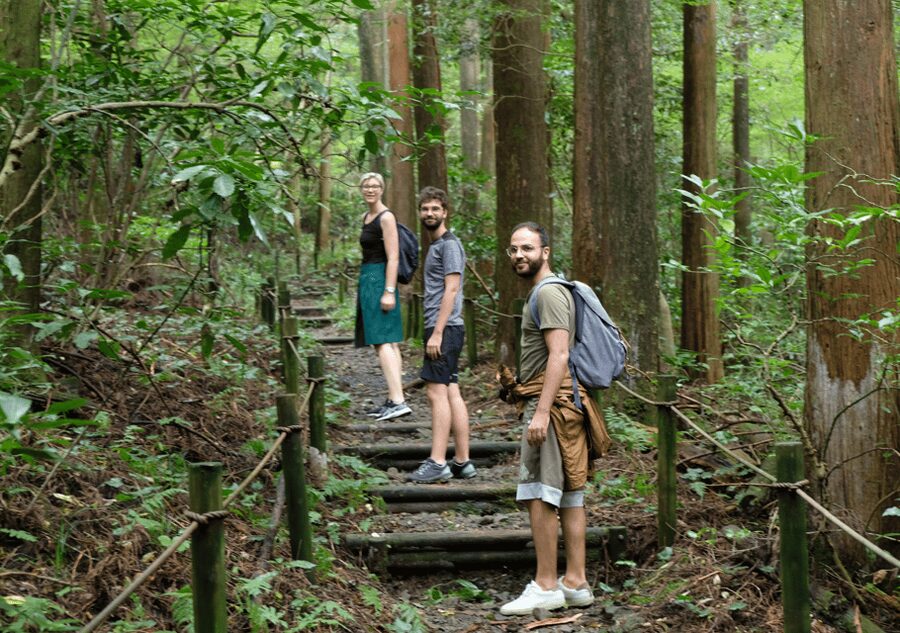
- Old Tokaido Highway sections on foot that feel like Edo-era travel, without the full 32 km grind
- Amasake at a 400-year-old tea house, in the Hatajuku area tied to historic traveler stops
- Lake Ashi viewpoints, including the famous Torii gate look you see on postcards (when skies cooperate)
- The cedar avenue with trees over 400 years old, a slow walk through real shade and age
- Hakone Checkpoint, where the Edo government controlled traveler flow
- A guide’s real-time route tweaks, with safety coaching on cobbles and uneven trail
The Hakone loop runs several ways. Here are the rest
- Hakone 6 hour Private Tour with Government-Licensed Guide
★ 5.0 · 218 reviews - Custom Private Tour in Hakone with a Certified Local Guide
★ 5.0 · 91 reviews - Hakone 8 hour Private Tour with Government-Licensed Guide
★ 5.0 · 63 reviews - Private Tour – Hakone Day Trip! A Tour to Explore All Must-Sees!
★ 5.0 · 58 reviews
Hakone Hachiri: why this 7-hour walk feels different
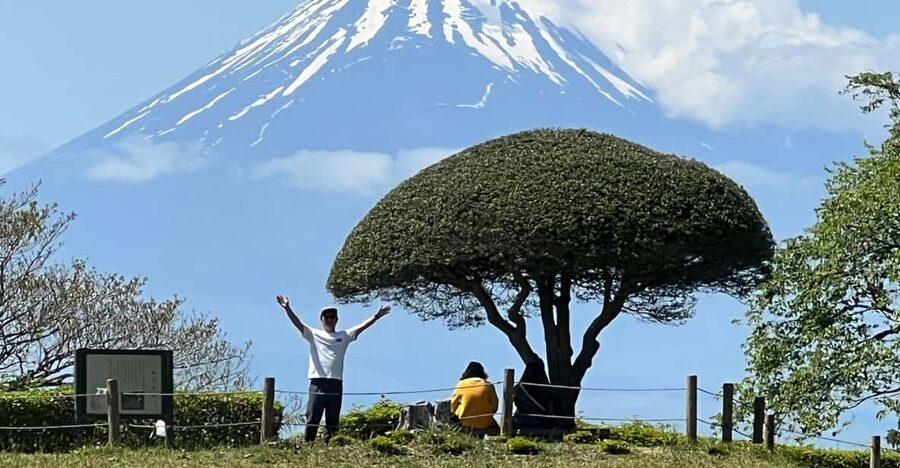
Hakone Hachiri is part of Japan Heritage, and it’s all about how people used to move between Kyoto and Edo (today’s Tokyo). The full concept behind Hachiri is that old travelers had a difficult 32 km mountain route to cover, where hachi means eight and ri is an old distance unit of about 4 km. In other words, this wasn’t a casual stroll, it was a real journey.
What makes this tour smart for modern visitors is that you walk key slices of that route, then use buses to skip the steepest parts. So you still get the rhythm of Edo-era travel, but you’re not wrecked by the worst elevation right at the start.
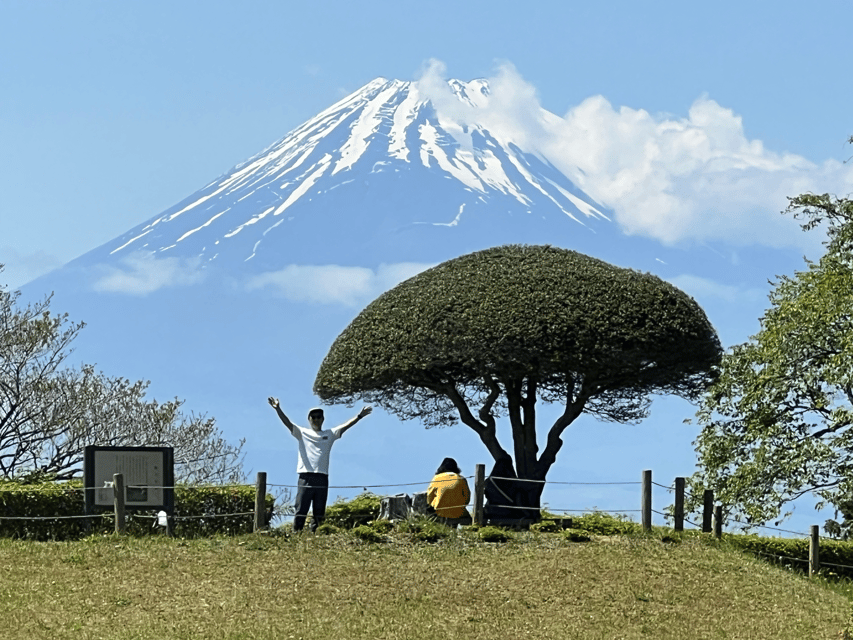
And yes, the scenery is a big deal here. You’ll pass through river sections, old highway cobbles, lake views, and a long cedar avenue. The cherry on top is the chance to see Mt Fuji from different angles if weather is clear enough. Even if Fuji stays hidden, the day still works because the route is built around multiple viewpoints and historic landmarks.
Meeting at Hakone-Yumoto, then the short black cab hop
Your day starts at Hakone-Yumoto Station, where your guide waits at the ticket gate. You then ride together in a black cab for about 15 minutes to reach the trailhead area, which matters because it cuts dead time and gets you walking sooner.
This is one of those small logistics choices that make a big difference. If you’ve ever done long sightseeing days in Japan, you know how fast the clock disappears waiting around for transfers. Here, the taxi hop keeps the day moving while still leaving room for breaks and photos.
Sukumo River trail: your first taste of the old route on foot
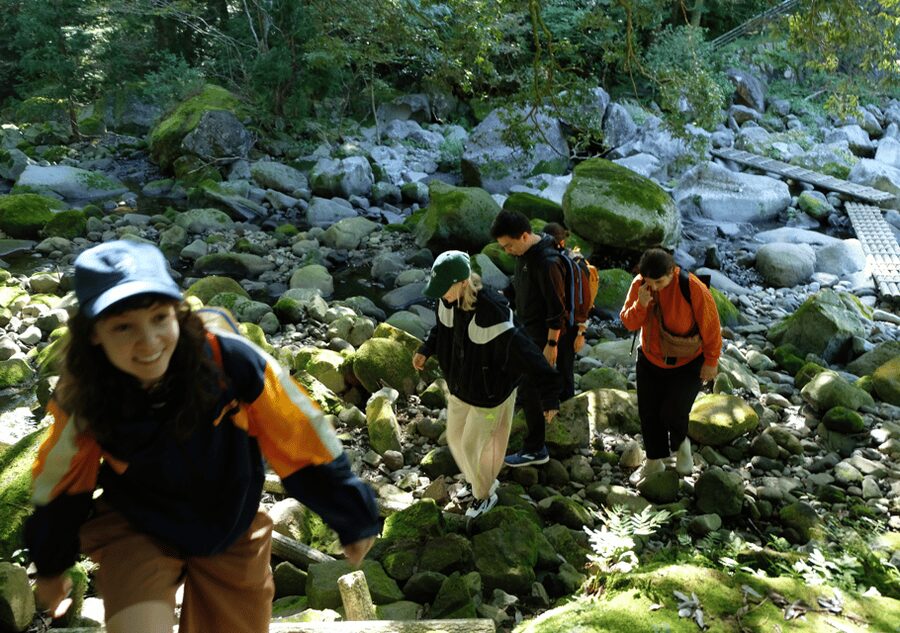
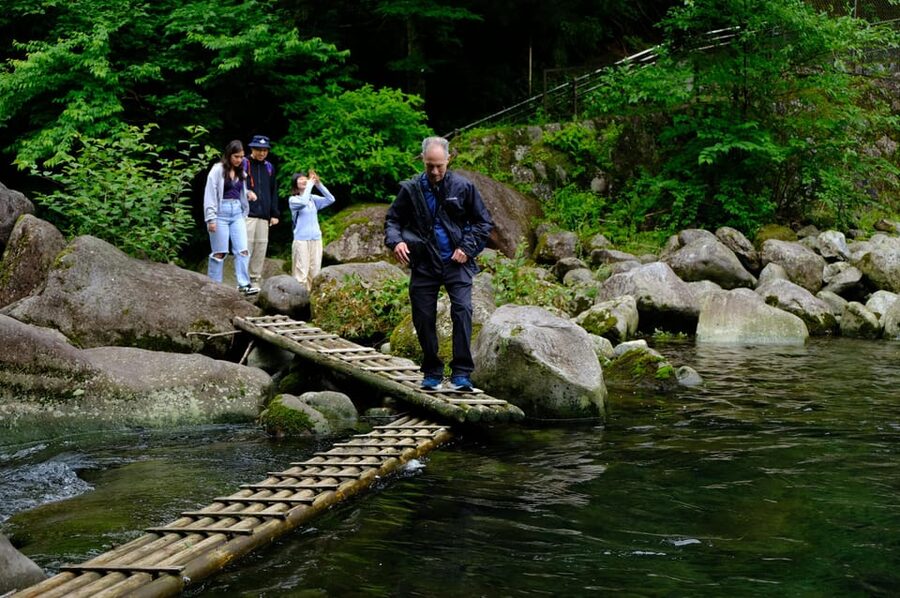
After the taxi, you hike along the Sukumo River for about 1 hour. This is a gentle, nature-forward opener that helps you warm up your legs without immediately throwing steep climbs at you.
In a tour that mixes history and viewpoints, I really like starting with water and forest edges. It sets the tone fast: you’re not just visiting monuments, you’re walking through the terrain that shaped travel in the past.
This section is also where a guide’s “watch the footing” style matters. Even beginner-friendly routes can have awkward patches. With a small group, your guide can spot slips early and point out where to step carefully.
- Private Hakone Half-day Car Tour with Hotel Pickup – Local Guide★ 5.0 · 48 reviews
- Hike Hakone Hachiri★ 5.0 · 48 reviews
- Hike Japan Heritage Hakone Hachiri with certified mountain guide★ 5.0 · 46 reviews
- Traverse Outer Rim of Hakone Caldera and Enjoy Onsen Hiking Tour★ 5.0 · 30 reviews
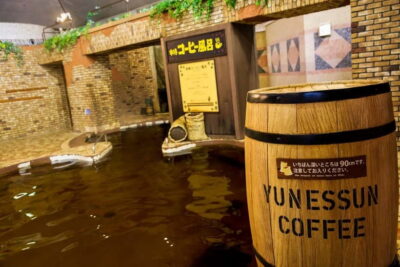
- Kowakien Yunessun Hot Springs Entry Ticket★ 4.2 · 23 reviews
Hatajuku stop: snack browsing before the tea house moment
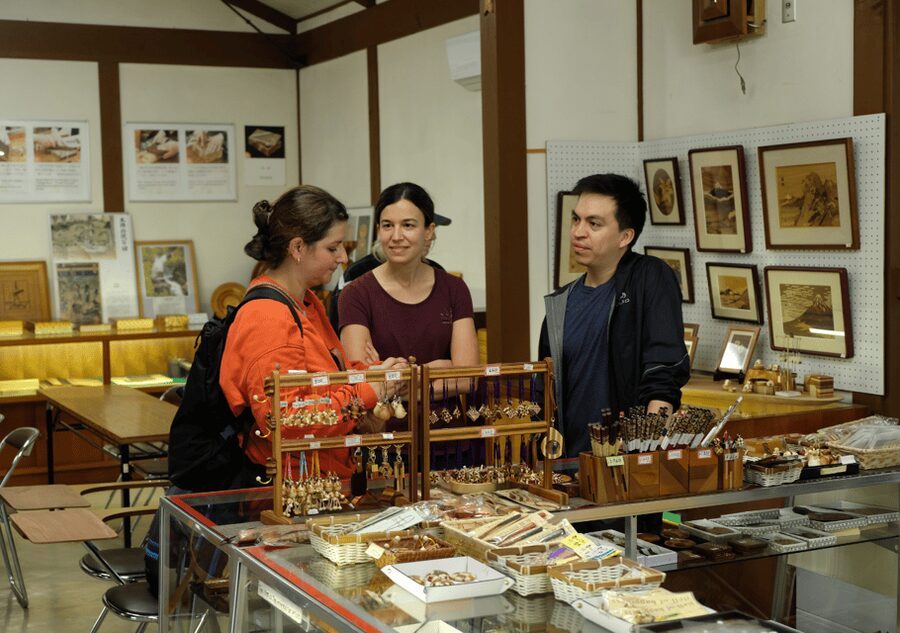
Next comes Hatajuku, with about 30 minutes for visiting and shopping, or at least passing by the area at a relaxed pace. Think of this as a historic traveler zone vibe, where you can pick up small items or simply soak up the Edo highway atmosphere.
The timing here is practical. You’re not rushed into the main food stop. You get a chance to adjust to walking rhythm, and if you want photos or quick snacks, this is a good window to do it.
Then you ride a short bus transfer (about 10 minutes) to reach the Amasake Tea House.
Amasake Tea House with 400 years of history
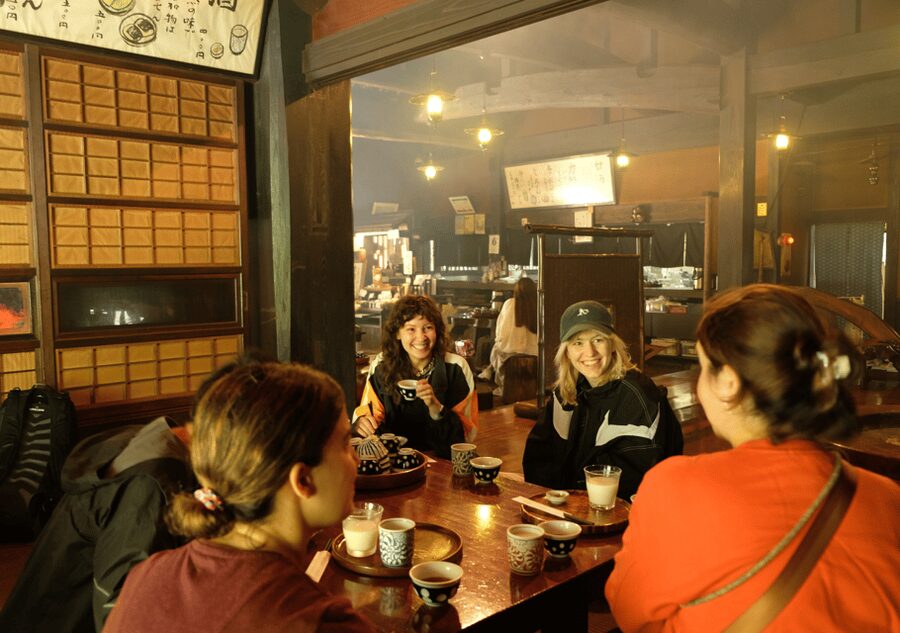
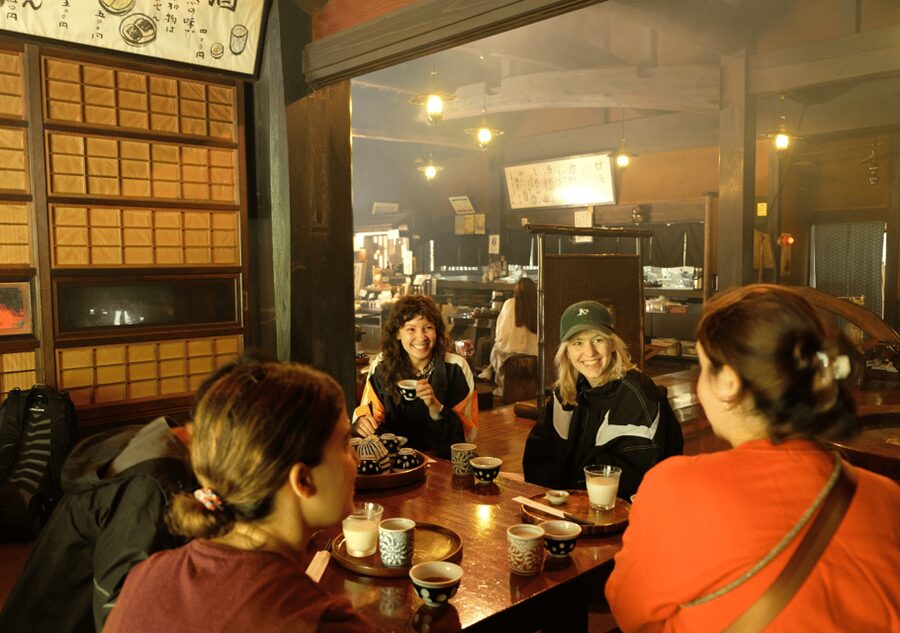
The tour’s most memorable food stop is the Amasake Tea House, where you’ll get a cup of energizing amasake plus time for local snacks. The tea house is described as having about 400 years of history, and that’s not just a marketing number. It’s the kind of place where the setting feels built for travelers, not tourists on a schedule.
Why this stop works: amasake is warming, simple, and seasonal-friendly. After a morning hike, you’ll appreciate the comfort of something traditional that isn’t heavy or complicated.
Also, this is where guides tend to shine. In the feedback I saw, Aki and Akihiro were specifically praised for being thoughtful about pacing and for explaining local connections, like how the route’s geography shaped traveler rest stops. If you want a day that feels like walking through culture, this tea house is a strong anchor.
Old Tokaido cobblestones, Lake Ashi photos, and the Torii gate view
After the tea house, the day shifts to classic Old Tokaido Highway cobbles, with about 45 minutes of hiking on the historic road surface. Cobblestones can be tough on the calves if you’re not used to uneven footing, but the route is described as beginner-friendly overall, with mostly gentle slopes or cobbled sections rather than extreme scrambling.
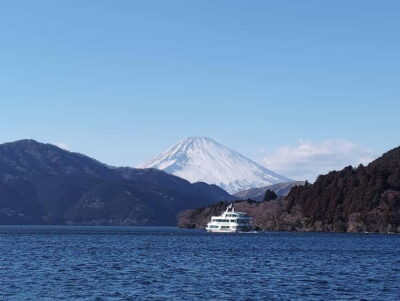
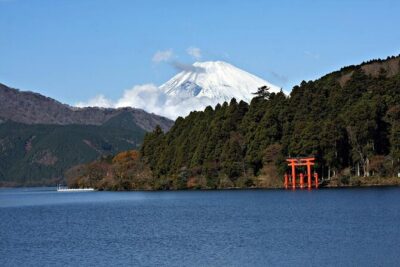
From there, you move into the Lake Ashi area for a photo stop and scenic break (around 15 minutes). This is one of the big postcard moments. You’ll see the Torii gate of Hakone Shrine, the iconic one people photograph from the lake side.
Mt Fuji can appear in this area too, and the tour is designed to give you multiple opportunities to see Fuji from different angles. Just remember the key point: Mt Fuji views depend on weather. If clouds move in, you’ll still get water views and atmosphere, but don’t plan your emotional high point on a clear-sky guarantee.
Cedar avenue and the Hakone Checkpoint: history you can walk through
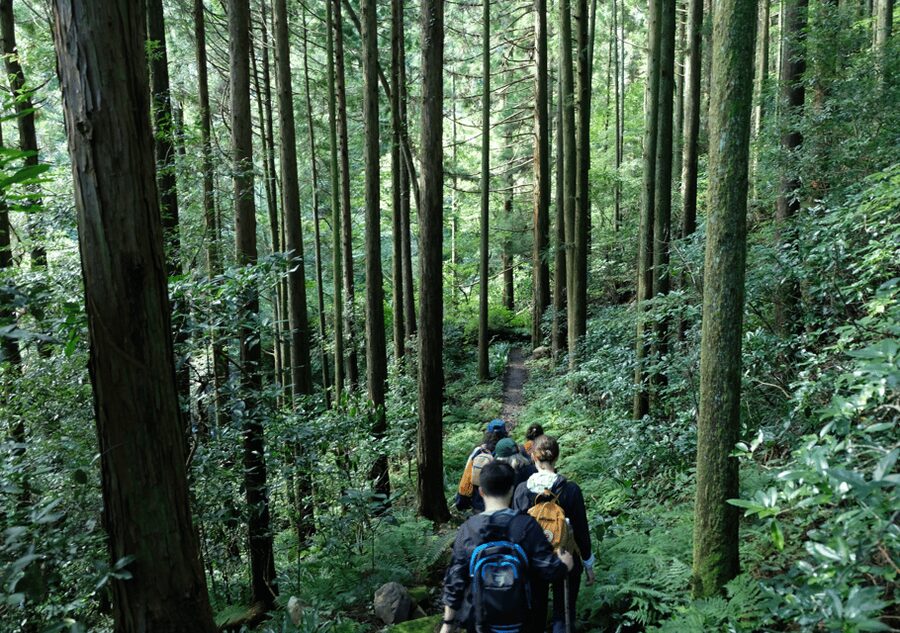
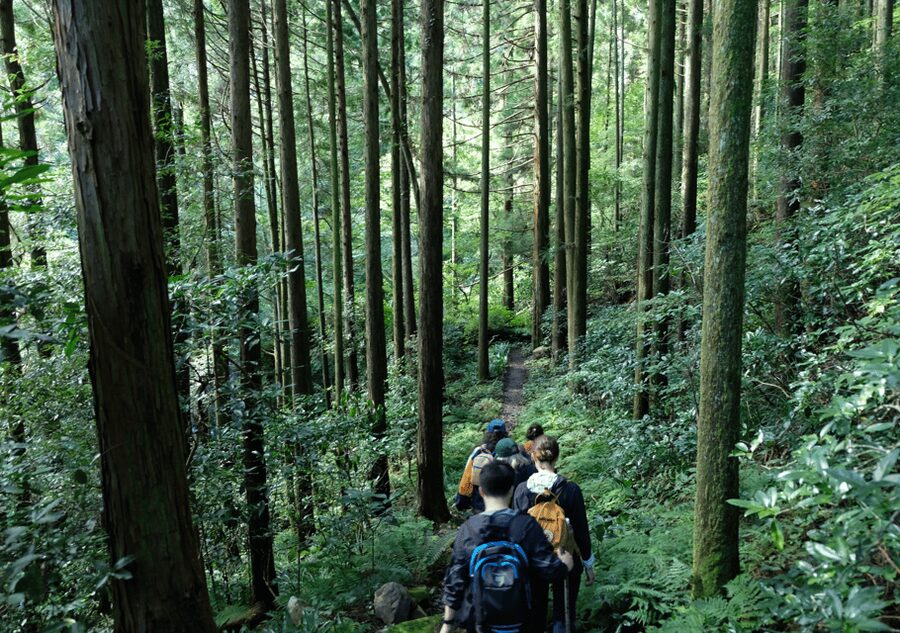
One of the most atmospheric parts of the route is the walk along the ancient cedar avenue, described as having trees over 400 years old. The route includes photo stops and time walking through the avenue, with the overall cedar section around 15 minutes in this plan.
This isn’t just a pretty corridor. It helps you feel the scale of time in a place where travel routes have been used, reused, and adapted across centuries. When you’re under older trees, the pace slows naturally, and your photos look more intentional than random snapshots.
Then you reach the Hakone Checkpoint, the gate where the Edo government controlled traveler traffic. It’s a short pass-by stop (around 10 minutes), but it’s one of the most historically direct moments of the day. You’re standing where the system mattered, not just where the scenery looks nice.
After this, you go back to Lake Ashi for lunch time (about 45 minutes in the schedule). Lunch isn’t listed as included, so you should expect to pay for what you order at local spots in the area. The benefit is that you can eat without rushing, because the day has structured walking and transfer segments.
Past Hakone Pass: Yamanaka Castle Ruins and a secret scenic photo stop
After lunch, you ride by bus/coach for about 15 minutes. The route then includes a stop past Hakone Pass and a visit to Yamanaka Castle Ruins. This is the part of the day that adds a “why this place mattered” angle beyond highway travel.
In the itinerary you’re also promised a secret stop, with about 45 minutes for walking, photo time, and scenic viewing. The exact nature of that stop isn’t pinned down in the tour details you provided, so treat it as a bonus opportunity for a viewpoint or a small detour, rather than a guaranteed landmark.
I like this structure because it keeps the day from turning into a straight line of famous spots. You get at least one off-the-main-track moment, which is often where you get better photos and less crowd pressure.
Mishima Taisha and the Genbe River finish at Mishima Station
In the afternoon, the plan moves toward Mishima. You visit Mishima Taisha Shrine for about 30 minutes, with time for sightseeing and a short walk in the area. This stop adds a different flavor from Hakone’s highway identity. It’s more shrine-focused, more cultural rhythm, and a good way to shift from mountain road history to local spiritual heritage.
Then you walk on foot (about 15 minutes) to Genbe River for about 30 minutes of sightseeing and a relaxed riverside walk.
The tour ends at Mishima Station at around 4:00 pm. That timing is useful because you can still move on the same day. The plan also mentions Odawara as a possible alternative finish point, with an easy next step to connect by train.
If you want to go from Mishima to Odawara by Shinkansen, it’s not included. The details say it costs less than 3000 yen and takes around 15 minutes, which is a pretty efficient hop for chaining destinations.
Walking pace, safety, and what to bring for cobblestones and trees
This is aimed at beginners. The route is described as mostly gentle slopes or cobbled paths, and the tour covers around 8 km total. Still, you should treat it like real hiking because the walking portion is roughly 5 to 6 hours.
A few practical notes from the way the tour is described and how guides are praised in feedback:
- Wear comfortable hiking shoes, not just fashion sneakers. Cobblestones can be unforgiving.
- Bring a sun hat and plan for sun exposure in open stretches.
- The route includes sections that may be slippery, so you’ll want to move slower than you would on flat pavement.
One other consideration is temperature variation. A guide is praised for adapting to conditions, and there’s mention that in late December it was cold mainly near the highest point of elevation, with winter conditions otherwise feeling manageable. That’s a reminder: even if the day is mostly easy, you can still feel altitude or weather shifts.
Price and value: what $167 buys you in Hakone
At $167 per person for about 7 hours, you’re paying for three main things: time saved on logistics, a structured route, and guided interpretation.
Here’s the value logic:
- You get a nationally certified Japan Mountain Guide with wilderness advanced first aid training. That kind of qualification matters on uneven cobbles and when weather changes.
- Group size is limited to 6, which helps with safety, photo stopping without chaos, and flexibility.
- The itinerary packs multiple historic and scenic anchors into one day: Old Tokaido cobbles, the cedar avenue, the Hakone checkpoint, Hakone Pass area ruins, and the Mishima shrine and river finish.
Food is the one area where you should be clear-eyed. The tour includes the amasake tea house stop with snacks and a cup of amasake, but lunch at local restaurants is listed as not included. So budget for a meal in the Lake Ashi area if you’re hungry when the lunch window hits.
If you enjoy walking but don’t want to navigate the route yourself, this is a good deal for the kind of “history you experience on foot” payoff you’re getting.
Who should choose this Hakone Hachiri tour
This works best if you want a mix of outdoors and Edo-period context without needing advanced hiking skills. You’ll love it if you enjoy:
- Japan Heritage sites that connect roads, terrain, and travel systems
- Scenic walking with breaks for photos and traditional snacks
- A small group day where the guide can slow down or adjust
It might not be the right fit if you have mobility impairments, since the tour is not designed for that and involves walking on cobbled and natural surfaces.
If you’re traveling with a parent, the tour’s style may still work if everyone can walk comfortably. In feedback, a guide was praised for carrying a mother’s bag, which suggests real help with small burdens when needed, but the route itself still requires you to be able to participate on foot.
Should you book Hakone Hachiri with a certified guide?
Book it if you want Hakone beyond the big resort views. This route gives you the feeling of how travelers moved through Hakone, with the Hakone Checkpoint, cedar avenue, and Old Tokaido cobbles making the story tangible. You also get multiple shots at Mt Fuji, plus a memorable amasake stop that feels rooted in place rather than staged.
Skip it if you’re chasing a guaranteed Mt Fuji view, because the tour explicitly depends on weather. Also skip it if you don’t want any cobblestones or uneven trail walking at all, even at a beginner level.
If you like thoughtful guiding, small-group pacing, and a day that feels like both a walk and a history lesson, this is one of the better ways to spend a half-day-to-day chunk in Hakone.
FAQ
How long is the Hakone Hachiri hiking tour?
The tour duration is listed as 7 hours.
Where does the tour start?
You meet your guide at the ticket gate of Hakone-Yumoto Station.
How much hiking is involved?
You hike around 8 km total, with about 5 to 6 hours walking on the day.
Is the hike suitable for beginners?
Yes, it’s described as suitable for beginners, with mostly gentle slopes or cobbled paths.
What are the main stops during the day?
Key stops include Sukumo River, Hatajuku, the Amasake Tea House, Old Tokaido cobbles, Lake Ashi, the cedar avenue, Hakone Checkpoint, Yamanaka Castle Ruins, Mishima Taisha Shrine, and Genbe River.
Can I see Mt Fuji on this tour?
Mt Fuji views are possible if weather permits, and the tour includes scenic moments designed for viewing.
How do you move between sites?
Transportation between sites is done by foot, local bus, or shared taxi. You also start with a black cab ride to the trailhead.
How big is the group?
The group is a small group limited to 6 participants.
What language is the guide?
The live guide offers English and Japanese.
What should I bring and wear?
Bring comfortable shoes and a sun hat. Hiking shoes are also recommended.
If you want, tell me your travel month and fitness level (easy walks, moderate hikes, or mostly stairs), and I’ll help you decide whether this will feel relaxing or more work than you planned.
The Hakone Loop, Reviewed

Newest Hakone write-ups from the Loving Japan desk

Hakone, Owakudani and Lake Ashi, side by side.
 ★ 5.0Mt Fuji and Hakone 1-Day Bus Tour Return by Bullet TrainFrom $16326,383 reviews
 ★ 4.0Mt Fuji & Hakone Cruise, Drum Show Bullet Train 1 Day from TokyoFrom $1497,413 reviews
 ★ 4.4Tokyo Mt Fuji 5th St & Hakone Cruise Bus Tour w/Bullet TrainFrom $1545,024 reviews
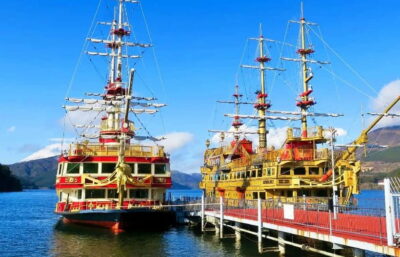 ★ 4.7Mt. Fuji Tour, Hakone Ropeway, Owakudani, Lake AshiFrom $544,002 reviews
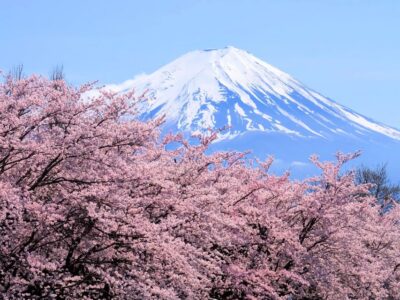 ★ 4.2Mt. Fuji 5th Station & Hakone Cruise 1-Day Bus TourFrom $1292,381 reviews
 ★ 5.0Private Tour to Mt. Fuji and Hakone (Fully Licenced Operator)From $4971,910 reviews
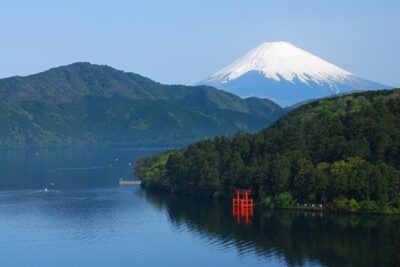 ★ 4.0Mt Fuji & Hakone Cruise, Drum Show Bus 1 Day from TokyoFrom $1221,287 reviews
 ★ 4.2From Tokyo: Mt. Fuji & Hakone Tour w/ Return by Bullet TrainFrom $1171,278 reviews
Filed on these lists too