
REVIEW · HAKONE, OWAKUDANI AND LAKE ASHI
Hike Japan Heritage Hakone Hachiri with certified mountain guide
Follow an Edo trail through Hakone. This small-group hike with a wilderness-first-aid certified guide turns the Old Tokaido Highway feel into something you can walk, with Lake Ashi views and Mt Fuji angles when weather permits.
The plan mixes trails and local transport for about 7 hours, roughly 8 km total. The route includes steep mountain walking sections, so expect moderate hiking and good footwear matters.
In This Review
- Key highlights before you go
- Hakone Hachiri: an Edo-era route you can walk (not just look at)
- Your guide setup: certified mountain guide and small group pacing
- Start at Hakone Yumoto: how the day actually begins
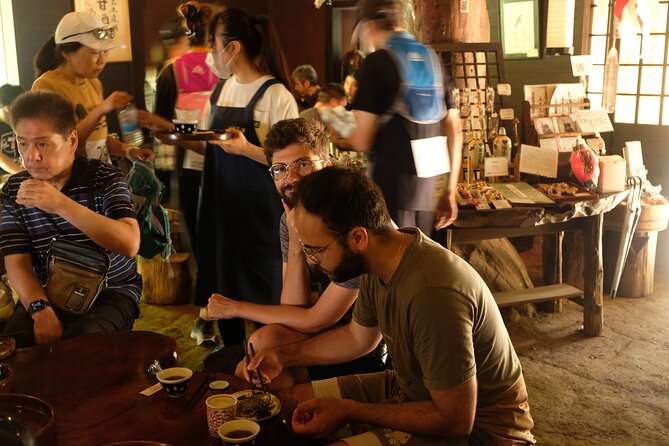
- Stop 1: Hakone Amazake Tea House and the wood crafting village walk
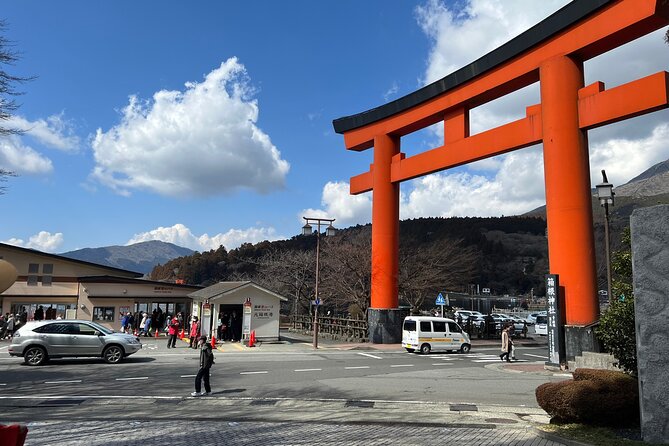
- Lake Ashi and Motohakone-Ko Pier: Heiwa no Torii and Mt Fuji chances
- Cedar Avenue and the Hakone Checkpoint: why Edo travel mattered
- Hakone-machi lunch and the bus skip: staying on track
- Yamanaka Castle Ruins: steep views and another Mt Fuji moment
- Mishima finish: Mishima Taisha, Genba River, and an easy train exit
- Price and what to budget: $158.52 plus the day’s extras
- What to pack and how to pace yourself on this 8 km day
- Who should book this Hakone Hachiri hike
- Should you book it, or skip it?
- FAQ
- How long is the Hakone Hachiri hike?
- How much hiking is included?
- Where does the tour start and end?
- Is lunch included in the price?
- What transport is used during the day?
- Is the shinkansen included for the return trip?
- Can I see Mt Fuji on this route?
- What happens if the weather is bad?
Key highlights before you go
- Certified mountain guide, plus wilderness first-aid for a steady pace and safer footing on mountain terrain
- Hakone Hachiri and the Old Tokaido Highway route, designed around how travelers moved in the Edo era
- Lake Ashi stops with views of the Heiwa no Torii and possible Mt Fuji sightlines
- Cedar Avenue and Hakone Checkpoint context that explains what the checkpoint meant for Edo travel
- Mishima finish with shrine and river time, ending at Mishima Station so you can continue easily
The Hakone loop runs several ways. Here are the rest
- Hakone 6 hour Private Tour with Government-Licensed Guide
★ 5.0 · 218 reviews - Custom Private Tour in Hakone with a Certified Local Guide
★ 5.0 · 91 reviews - Hakone 8 hour Private Tour with Government-Licensed Guide
★ 5.0 · 63 reviews - Private Tour – Hakone Day Trip! A Tour to Explore All Must-Sees!
★ 5.0 · 58 reviews
Hakone Hachiri: an Edo-era route you can walk (not just look at)
Hakone Hachiri is built around a simple idea: experience the way people traveled during the Edo period, when foot travel and checkpoint systems shaped the journey. Instead of treating Hakone like a theme park, this tour follows parts of the Old Tokaido Highway and its steep Hakone mountain approach, so you get a real sense of effort, not just scenery.
I like that the route has a storytelling backbone. You are not only moving from point to point. You are also getting background on why each place mattered, and what life on the road looked like in the 17th century era. That context changes how you read the trail, especially around checkpoint areas and older road sections.
The other big win is how the itinerary uses Hakone’s geography. You hike, then switch to local bus travel when the route needs it, then hike again. That keeps the day long enough to feel like a proper journey, but not so long that you are exhausted before you reach the most photogenic spots.
Your guide setup: certified mountain guide and small group pacing
This is a group tour with a maximum of 6 travelers, and that small size matters. You get more attention for pacing, and you are less likely to feel like you are wandering through history with a crowd.
Your guide is a national certified pro guide, with wilderness first-aid certification. Even if you are used to walking, mountain routes can include uneven ground, slippery patches, and steep climbs. That certification signals the guide plans for on-trail realities, not just the sightseeing checklist.
A name you may see for the guide is Aki or Akihiro, and the reviews point to two consistent strengths: the guide’s calm demeanor and how often they help you with photos. If you care about getting images that actually capture the view, this is the kind of tour where the guide tends to take an active role in helping your group get a good shot.
Start at Hakone Yumoto: how the day actually begins
The tour starts at Hakone-Yumoto Station at 9:00 am. From there, you meet your guide and the group, then head out to the first trail area.
One practical detail I appreciate: the route uses a shared taxi to reach the trailhead, so you do not start the day with a long transfer slog. After that, you hike to the first cultural stop, with about an hour of walking early on.
This matters because Hakone can feel busy around the main station area. Getting moving quickly makes the day feel like a hike, not an organized arrival.
- Private Hakone Half-day Car Tour with Hotel Pickup – Local Guide★ 5.0 · 48 reviews
- Hike Hakone Hachiri★ 5.0 · 48 reviews
- Hike Japan Heritage Hakone Hachiri with certified mountain guide★ 5.0 · 46 reviews
Stop 1: Hakone Amazake Tea House and the wood crafting village walk
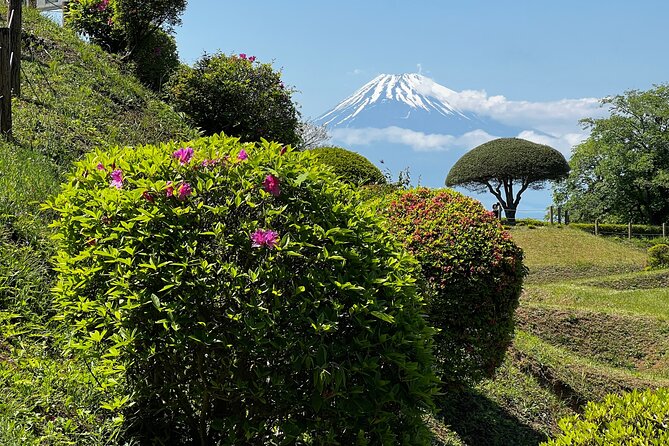
Your first stop centers on the Hakone Amazake Tea House, reached after a shared taxi and about an hour of walking. Along the way, the tour passes through a wood crafting village area where you can see artisans making use of wood.
Amazake itself is part of the Edo-era food culture vibe, and even if you do not focus on tasting every snack, this stop gives you a grounded, hands-on feeling. It is not only about old roads. It is about what travelers might have paused for on the way, including simple comfort foods and local drinks.
Tip: bring a little patience for this early segment. Hakone walking pace improves once you find rhythm on the trail.
Also note what is and is not included. Admission at the stops is listed as free, but ama sake and snacks along the way are not included, and lunch is separate.
Lake Ashi and Motohakone-Ko Pier: Heiwa no Torii and Mt Fuji chances
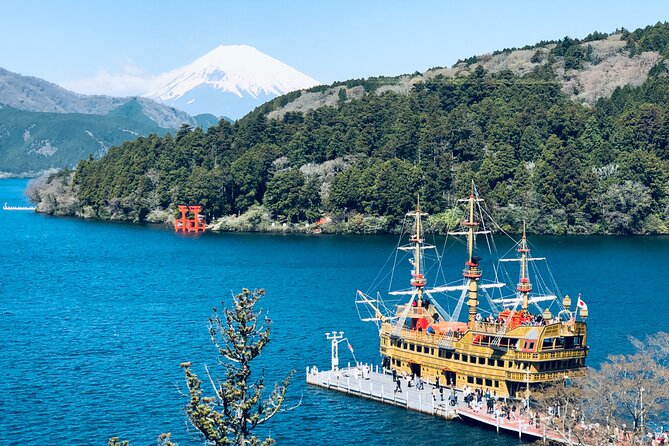
Next comes the signature view area: you reach Lake Ashi and spend time around the Motohakone-Ko Pier area.
Here’s what you can expect based on the route plan:
- You walk along the shoreline.
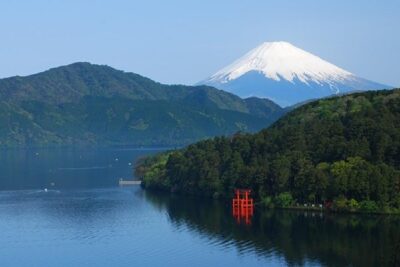
- You look for the Heiwa no Torii.
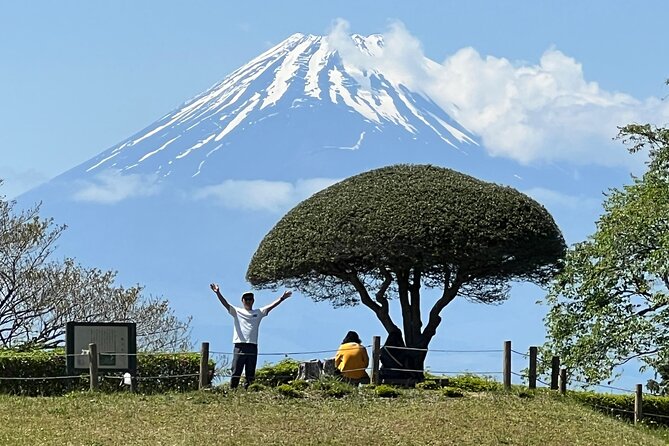
- You check the horizon for Mt Fuji, if weather cooperates.
- Then you move toward the cedar avenue section.
This is one of those places where timing and weather genuinely matter. In clear conditions, the lake and torii create that postcard composition people chase. In cloudier weather, you still get the moody calm of Hakone’s water and forest setting, but Mt Fuji might be absent or only partially visible.
Practical photo advice: when you spot a break in the trees toward the lake, pause. Do not rush forward while you are mid-shot. The views can shift quickly depending on how the clouds sit.
Cedar Avenue and the Hakone Checkpoint: why Edo travel mattered
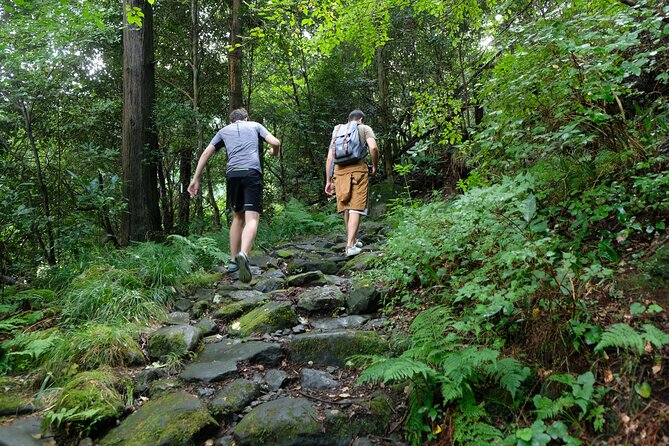
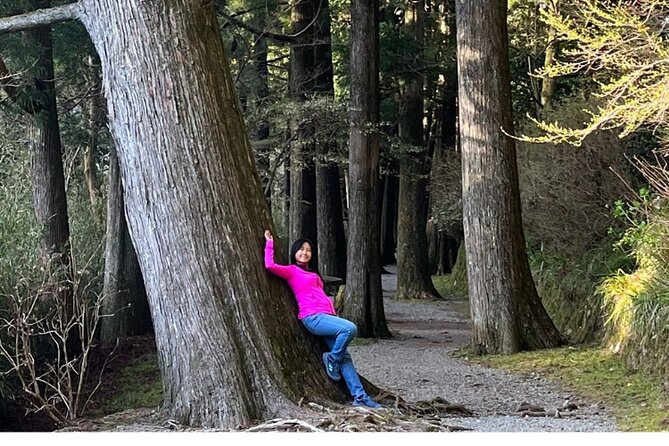
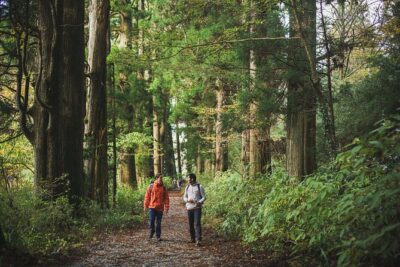
After the lake area and shoreline walk, you head past the cedar avenue on the old road alignment. Cedar trees also help you understand the road atmosphere. When the trail is framed by tall trees, the hike feels more like a journey corridor than a leisure path.
Then you reach the Hakone Checkpoint, which the tour explains as something like an immigration department in modern terms. This stop is valuable because it connects physical geography to how Edo travelers moved.
In plain terms, checkpoints controlled movement and collected information. Seeing the checkpoint area after you’ve walked part of the old route helps the story click. You get why people traveling this way would slow down, report, and follow rules, especially in a mountainous pass like Hakone.
The tour also notes that you then use a mix of hiking and transport later to deal with route sections, including a temporarily closed stretch.
Hakone-machi lunch and the bus skip: staying on track
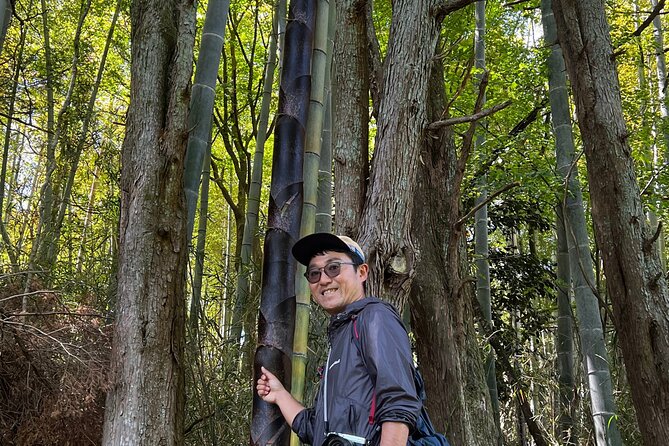
Once you reach Hakone-machi, the tour plan includes lunch at a local Japanese restaurant. Lunch is not included in the tour price, and it’s listed as around 2000 yen for your group.
Then you take a bus to skip a temporarily closed part, before resuming walking toward Mishima.
That bus skip is not a detour for convenience. It is a route management move that helps you keep the day flowing. In a place like Hakone, where trail closures can happen for a variety of reasons, this kind of flexibility is a real value. You still get the core experience without spending half the day stuck waiting for a workaround.
Yamanaka Castle Ruins: steep views and another Mt Fuji moment
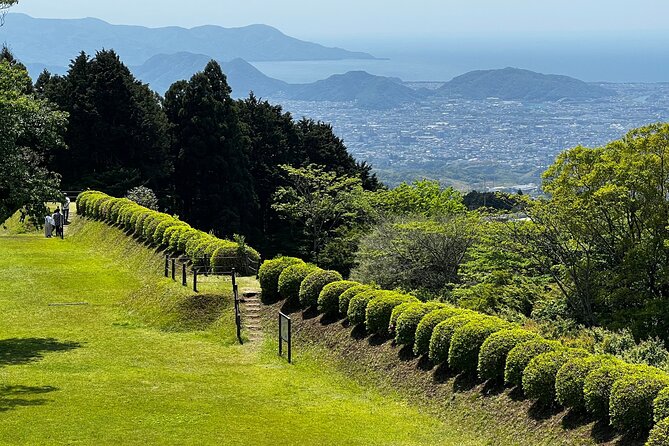
Later you visit Yamanaka Castle Ruins along the Hakone Hachiri heritage path. This part is scheduled as about an hour, and again, Mt Fuji viewing is possible depending on weather.
What I like about ruins stops on this kind of route is that they change the walking feel. You get a different sense of elevation and vantage. Even if Mt Fuji is not visible, the ruins setting can still give you that historical road perspective, like the pass was important enough to defend.
You should also prepare for the fact that ruins areas can be uneven. The tour is listed for moderate physical fitness, so good shoes and a steady pace will make this segment feel easier.
Mishima finish: Mishima Taisha, Genba River, and an easy train exit
The tour ends in Mishima. You visit Mishima Taisha, described as the biggest shrine in Mishima, then continue to the Genba River.
Ending in Mishima is smart. You finish at Mishima Station, which gives you clear options:
- Shinkansen to Odawara in about 15 minutes, around 2500 yen
- Shinkansen to Tokyo in about 45 minutes, around 4400 yen
- There are also buses to Hakone and other Izu areas
This matters for planning. You are not trapped needing a complicated last leg back. You can also split the day’s rhythm, shrine and river time, then head onward by rail.
Price and what to budget: $158.52 plus the day’s extras
The tour price is listed as $158.52 per person, and it often gets booked about 61 days in advance on average. Group discounts apply, and the tour is set up for a maximum of 6 travelers.
Here is how the cost breaks down in practical terms:
Included:
- National certified pro guide with wilderness first-aid
- Admission for listed stop areas is marked free
- Mobile ticket
Not included:
- Lunch, around 2000 yen
- Transportation between sites and to the trailhead, around 2000 yen by shared taxi or buses
- Shinkansen back to Odawara or Tokyo from Mishima
- Amasake and snacks along the way
So the best value lens is this: you are paying for guided route logic. You are not only buying a ticket to see Lake Ashi. You are buying navigation through Hakone’s Edo-era walking route, plus the context that helps you understand checkpoints, roads, and how people moved in those days.
If you already planned to do a guided history hike, this price looks reasonable. If you were hoping to DIY a version of the route without extra cost, you can try. But you would lose the checkpoint explanations and the built-in transport strategy that keeps the day on schedule.
What to pack and how to pace yourself on this 8 km day
This tour is listed for moderate physical fitness, roughly 7 hours total, and about 8 km of hiking plus walking and transfers.
My simple packing checklist:
- Shoes with solid grip for cobbles and possible uneven trail sections
- A weather-ready layer, because the tour requires good weather
- A small water plan for the day, even though snacks may be available for purchase
- A phone or small camera, since the guide helps with photos at scenic points
Pacing tip: do not rush the first sections. The day mixes trails and buses, so settle into a steady walking rhythm early. By the time you reach Lake Ashi and the checkpoint area, you will be ready to pause for the view without feeling behind.
Who should book this Hakone Hachiri hike
This is a strong fit if you want:
- An Edo-period road experience tied to real walking
- A guide who explains what you are seeing, especially around checkpoint context
- A manageable half-day with an end point that makes train travel easy
- A small group format where you can actually ask questions and get photo help
It may be less ideal if:
- You dislike steep mountain walking sections
- You want a fully relaxed, stroller-style outing
- You cannot handle schedule changes if weather is poor (the experience requires good weather, and weather disruption can change dates or refunds)
Should you book it, or skip it?
I’d book this tour if you want Hakone in a more human way, not only as views from a ferry or a gondola stop. The combination of Hachiri heritage walking, checkpoint explanation, and a practical transport plan makes the day feel like a coherent route story.
I would skip it if your top priority is maximum time at one viewpoint, zero transfers, or if you have very limited mobility. The day is built on walking plus buses, and you should be comfortable with a moderate hiking pace.
If you do book, do it with your weather plan in mind. Mt Fuji is promised as weather-permitting, so treat it like a bonus, not a guarantee. The history-and-road story still works even when the sky is cloudy.
FAQ
How long is the Hakone Hachiri hike?
The duration is about 7 hours.
How much hiking is included?
You will hike around 8 km during the trip.
Where does the tour start and end?
It starts at Hakone-Yumoto Station and ends at Mishima Station.
Is lunch included in the price?
No. Lunch is not included and is listed at around 2000 yen for your group.
What transport is used during the day?
Transportation between sites is either on foot or by local bus, and the tour also uses a shared taxi to reach the trailhead early on.
Is the shinkansen included for the return trip?
No. The shinkansen fee from Mishima to Odawara (about 2500 yen) is not included, and Tokyo is about 4400 yen.
Can I see Mt Fuji on this route?
You might see Mt Fuji from different angles while walking, and it is listed as weather-permitting, including possible views around Lake Ashi and the Yamanaka Castle Ruins area.
What happens if the weather is bad?
The experience requires good weather. If it is canceled due to poor weather, you will be offered a different date or a full refund.
The Hakone Loop, Reviewed

Newest Hakone write-ups from the Loving Japan desk
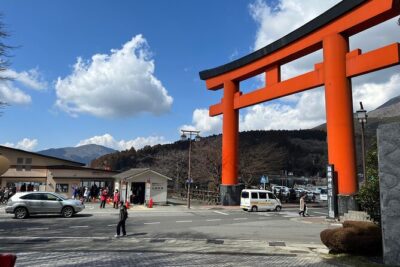


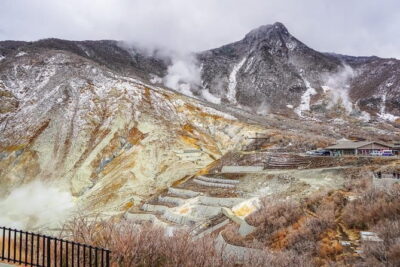
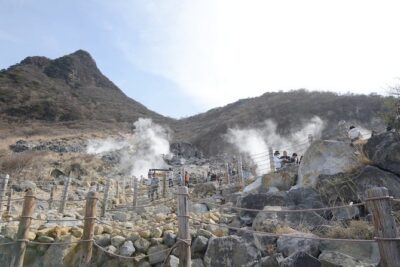
Hakone, Owakudani and Lake Ashi, side by side.
 ★ 5.0Mt Fuji and Hakone 1-Day Bus Tour Return by Bullet TrainFrom $16326,383 reviews
 ★ 4.0Mt Fuji & Hakone Cruise, Drum Show Bullet Train 1 Day from TokyoFrom $1497,413 reviews
 ★ 4.4Tokyo Mt Fuji 5th St & Hakone Cruise Bus Tour w/Bullet TrainFrom $1545,024 reviews
 ★ 4.7Mt. Fuji Tour, Hakone Ropeway, Owakudani, Lake AshiFrom $544,002 reviews
 ★ 4.2Mt. Fuji 5th Station & Hakone Cruise 1-Day Bus TourFrom $1292,381 reviews
 ★ 5.0Private Tour to Mt. Fuji and Hakone (Fully Licenced Operator)From $4971,910 reviews
 ★ 4.0Mt Fuji & Hakone Cruise, Drum Show Bus 1 Day from TokyoFrom $1221,287 reviews
 ★ 4.2From Tokyo: Mt. Fuji & Hakone Tour w/ Return by Bullet TrainFrom $1171,278 reviews
Filed on these lists too