
REVIEW · PRIVATE
Highlights & Hidden Gems With Locals: Best of Kyoto Private Tour
Kyoto gets personal in just three hours. This private tour with a local guide mixes big-name sights like Kiyomizu-dera with quieter lanes near Gion, so you spend less time herding and more time seeing.
I really like the pacing. You can choose your start time, and the visit is split into short stops, which keeps the day from turning into one long temple sprint. I also like that the tour includes a local drink/tasting and the ticket for Kiyomizu-dera, so you avoid the little friction points that can eat up your energy.
The one thing to watch is guide fit. Some experiences reported that a guide did not speak Japanese well and storytelling felt thin, so if language matters to you, ask about how the guide will explain things and what the local drink/tasting will be.
In This Review
- Key takeaways before you book
- Price and logistics, and why this can still feel like value
- Meeting point in Higashiyama and how the 3-hour pace feels
- Kyoto Municipal Zoo area: narrow lanes with feudal-era vibes
- Yasaka Shrine and Hokanji temple: ancient anchors for the day
- Kongoji’s folk faith: a different kind of temple moment
- Kiyomizu-dera: the included ticket and the hillside setting
- Coffee near Yasaka Shrine, then Gion and the Kamogawa River reset
- Nishiki Market in 20 minutes: snack strategy beats wandering
- The guide matters: what I’d expect from David, Guia, Ted, Tiro, or Shohei
- Who this Kyoto private tour suits best
- Should you book this Kyoto private tour?
- FAQ
- How long is the Best of Kyoto Private Tour?
- Is this tour private, or will I join a group?
- What is included in the tour price?
- What is not included?
- Where do we meet, and where does the tour end?
- Can I choose the start time?
- Do I receive a mobile ticket?
- Can I cancel and get a full refund?
Key takeaways before you book
• Private party walking tour so your questions actually get answered, not waved off
• Flexible start time to help you pick a less crowded moment for temples
• Kiyomizu-dera ticket included plus a scheduled break with a drink/tasting
• A route that mixes major sights with quieter streets around Gion and Higashiyama
• Nishiki Market visit built in but kept short, so you can snack without losing the whole afternoon
Still weighing up options in Kyoto? These are the ones our reviewers rated highest.
- PERFECT KYOTO 1-Day Bus Tour
★ 5.0 · 13,518 reviews - Kyoto: Fushimi Inari, Kinkakuji, Bamboo Grove 1 Day Bus Tour
★ 4.8 · 4,316 reviews - Kyoto: Tea Ceremony in a Traditional Tea House in Kiyomizu
★ 4.9 · 3,519 reviews - Kyoto Geisha Walking Tour: Gion District & Hidden Gems
★ 4.7 · 3,273 reviews
Price and logistics, and why this can still feel like value
At $167.92 per person for about 3 hours, this is not the cheapest way to see Kyoto. But you are paying for one-on-one time with a local host, not just admission tickets and a map.
The value is in the mix: you get multiple landmark areas in a short window, plus the tour includes the Kiyomizu-dera ticket and one local drink/tasting. Many other key stops are planned for free entry, which means your money goes mostly to the guide and the time saved.
One more practical note: the tour is commonly booked about 19 days in advance. If you want a specific start time, it is smart to lock it in sooner rather than later.
Meeting point in Higashiyama and how the 3-hour pace feels
You meet at 198 Nakanochō, Higashiyama Ward, Kyoto 605-0075, and the tour ends back at the same spot. There is no hotel pick-up or drop-off, so plan to arrive on your own using nearby public transportation.
The 3-hour length is the real secret sauce. It is long enough to cover Kiyomizu-dera, Gion, the Kamogawa River, and Nishiki Market, but short enough that you do not feel stuck when you discover you want extra time in one spot. Because the stops are timed at around 20 to 30 minutes, you get a rhythm: look, learn, move, reset.
Also, since you choose your start time, you can shape the crowd level a bit. Even small timing shifts in Higashiyama can make the difference between a calm walk and a wall of people.
Kyoto Municipal Zoo area: narrow lanes with feudal-era vibes
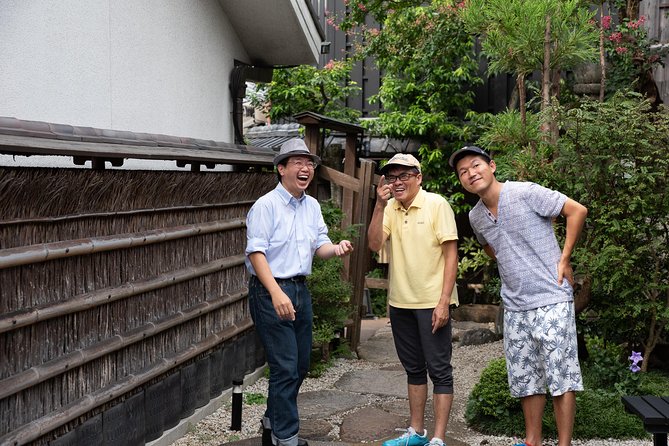
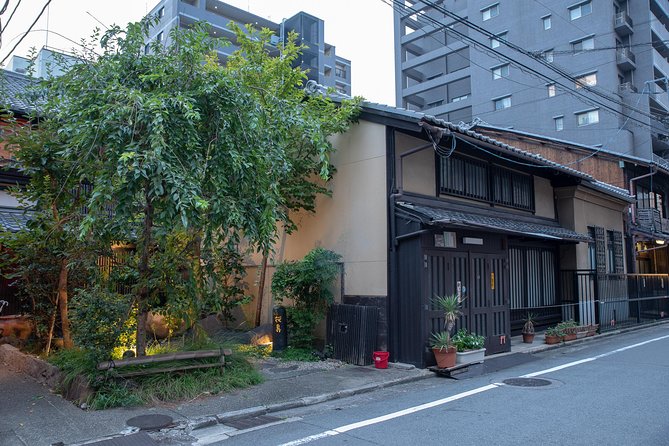
Your first stop is near the Kyoto Municipal Zoo, but the point is not only the zoo itself. You spend time in the surrounding neighborhood, which keeps the look and feel of feudal-era Japan with wood-built lanes lined with traditional pottery stores and tea houses.
This is a good way to start because it frames Kyoto beyond the most photographed temples. You get a sense of place early, then the rest of the day makes more sense when you shift from old street texture to sacred sites.
A small consideration: if you dislike zoos, you may not be there for the animal aspect. The better mindset is to treat it like a neighborhood orientation. The time on the ground helps you understand why these streets, shops, and temple areas sit so close together.
- PERFECT KYOTO 1-Day Bus Tour★ 5.0 · 13,518 reviews
- Kyoto: Fushimi Inari, Kinkakuji, Bamboo Grove 1 Day Bus Tour★ 4.8 · 4,316 reviews
- Kyoto: Tea Ceremony in a Traditional Tea House in Kiyomizu★ 4.9 · 3,519 reviews
- Kyoto Geisha Walking Tour: Gion District & Hidden Gems★ 4.7 · 3,273 reviews
- Kyoto: Tea Ceremony Ju-An at Jotokuji Temple★ 4.9 · 3,207 reviews
Yasaka Shrine and Hokanji temple: ancient anchors for the day
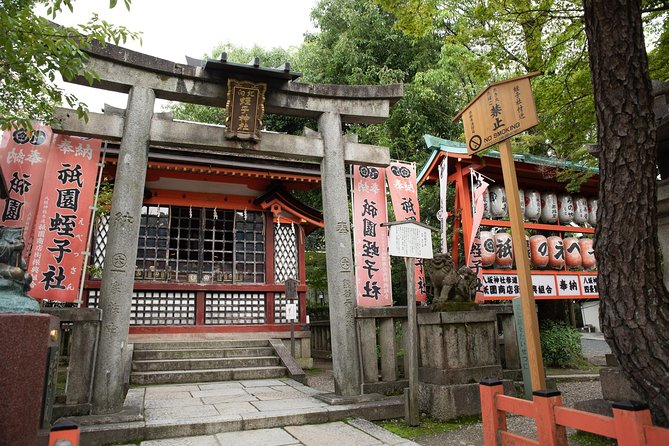
Next you head to Yasaka Shrine area with a connection to Hokanji, a temple built in the Asuka period (538 to 710). Even if you are not a “dates and dynasties” person, this kind of anchor matters. Kyoto’s religious buildings are part of a long timeline, not a one-off show for tourists.
This stop is also short, about 20 minutes. That can be a plus if you like tight, focused visits. It is less ideal if you want to sit quietly for a long prayer or linger for detailed architecture reading, because the tour is designed to keep moving.
When you tour shrines and temples in this area, do two things: slow your pace through gates and doorways, and notice the way people move. Your guide should help you understand what you are seeing and why it is here.
Kongoji’s folk faith: a different kind of temple moment
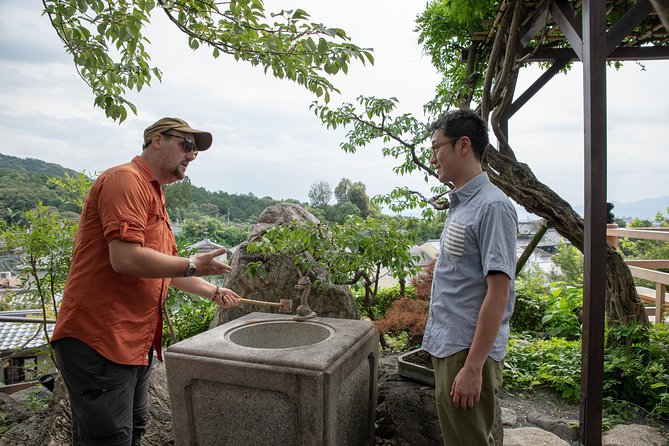
Then you go to Kongoji temple, where the folk faith says that if you want a wish granted, you must sacrifice one desire. That is a striking idea, and it is exactly the sort of detail that turns a “pretty temple” into something you actually remember.
Again, the visit is around 20 minutes. So you are not doing a long ceremony here, but you are getting a real slice of belief and tradition that you can carry with you as you move toward the bigger, more famous sites.
A practical tip: if you have specific questions about how shrine and temple traditions differ, this is the kind of stop where asking early can pay off. The guide is likely to connect that theme back to the next location.
Kiyomizu-dera: the included ticket and the hillside setting
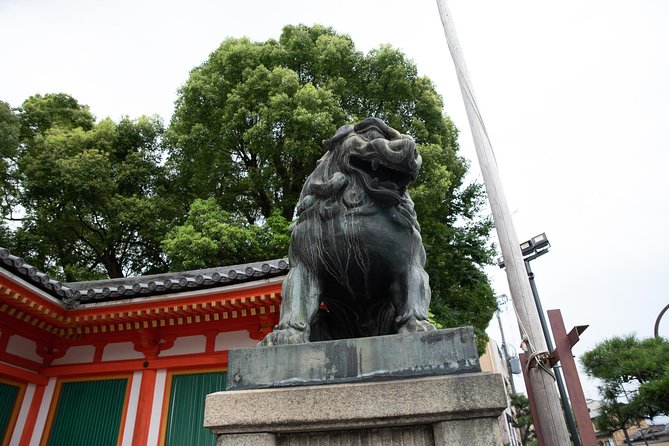
Kiyomizu-dera is the headline stop. The temple dates back more than 1,200 years, and it sits halfway up Mt. Otowa in Kyoto’s Higashiyama mountain range. Even without focusing on any single structure, that hillside setting changes everything about how you experience the place.
This is where the tour earns its ticket inclusion. You get Kiyomizu-dera admission included, which saves you from last-minute ticket hunting or timing stress.
What to expect on the ground: you will be walking on uneven ground with stairs and crowd flow. Wear shoes you trust. Also, if you selected a start time that helps you avoid peak congestion, you will feel it here. Kiyomizu-dera is popular by default, so timing matters.
Coffee near Yasaka Shrine, then Gion and the Kamogawa River reset
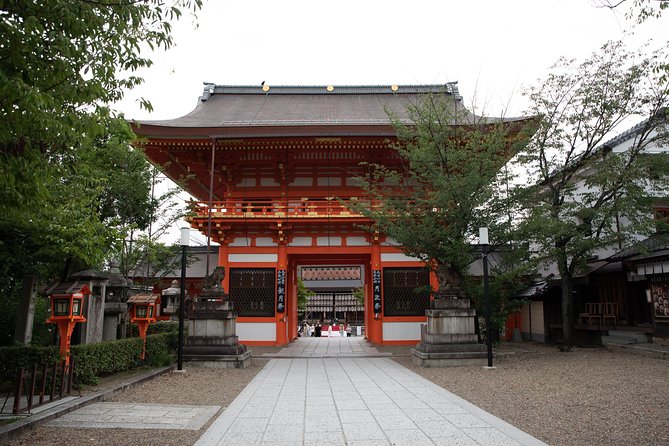
Before another Yasaka Shrine segment, the plan includes coffee. Yasaka Shrine is said to be founded over 1,350 years ago, so this is not just a caffeine break. It is also a pause that helps you stay fresh as the day shifts from temple intensity into street life.
The coffee also ties into the tour’s included 1 local drink/tasting. In practice, that means you are getting at least one scheduled taste of the day, not just “walk until you’re tired.”
Then you step into Gion, Kyoto’s most famous geisha district. The visit is about 20 minutes. That is enough time to absorb the feel of the streets and signage and see how this area operates, but not enough to treat it like a full afternoon. Keep your expectations realistic: you are sampling, not living here.
From Gion, you move toward the Kamogawa River, where you get another 20 minutes. This river walk is one of the best ways to reset your brain after temple and street sightseeing. You get a different sensory rhythm, plus a natural photo angle without standing in the heaviest temple lines.
Nishiki Market in 20 minutes: snack strategy beats wandering
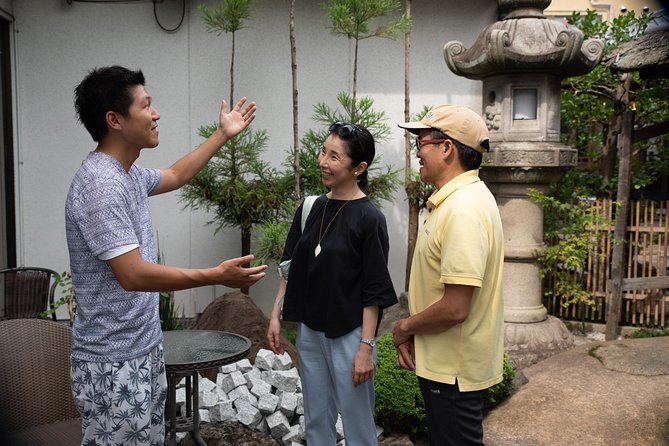
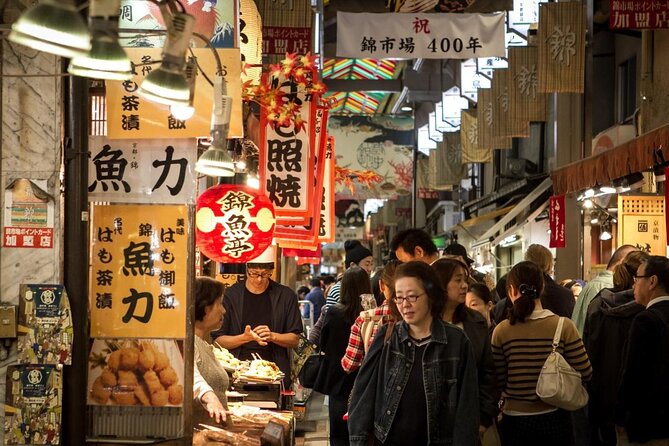
You finish at Nishiki Market, a 400-year-old shopping district. This is the place for quick eats, local Japanese goodies, and souvenirs. The stop is about 20 minutes, so you will get the vibe fast, but you will not have time to sample everything.
Your best move is to decide what you want before you get pulled into the smell and chatter. If you are into sweets, go there first. If you want savory bites, do that early. A guide helps here because they can point you toward options that match what you like, not just what is loudest at the moment.
The upside of a short market stop is you still end the day energized. The downside is that you might wish you had more time if Nishiki is your thing. If you know you want to treat it like a full food crawl, you may want to plan extra time on your own another day.
The guide matters: what I’d expect from David, Guia, Ted, Tiro, or Shohei
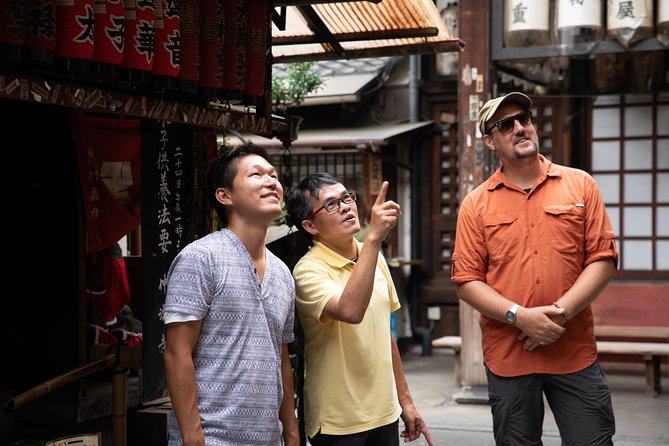
The strongest praise I keep seeing is about the guide turning Kyoto into a story, not a slideshow. Guides like David have been described as fun, informative, and willing to take people through less visited parts of Gion. Guia gets highlighted for being kind and attentive, including for families, which matters if you have kids who need engagement and movement.
Other guides, like Tiro, Ted, and Shohei, are praised for explanations that go beyond simple facts. One big theme is context. When your guide can connect religion, culture, and everyday street life, those short 20-minute stops feel full instead of rushed.
Ted is also noted for geisha-focused knowledge, and some guides have offered memorable extras like taking photos. That matters more than you might think. Kyoto is photogenic, but your best shots often happen when you are not fumbling with timing and crowd angles.
Here is the balanced caution. Some people reported disappointment when the guide’s Japanese was limited, or when the tour felt like it was mostly built from dates and surface facts. If language and depth are your priority, it is worth being direct. Ask how the guide plans to share stories, and confirm the plan for the included drink/tasting so there are no surprises.
Who this Kyoto private tour suits best
This is a great fit if you want a private Kyoto highlights walk without the stress of group schedules. It also works well if you like a blend of temple culture and street atmosphere, because the route ties Higashiyama landmarks to Gion and a real food shopping stop.
It is also a solid choice for families. One of the most consistent positive notes is that some guides adjust to children, keeping the day moving while still explaining what you are seeing.
If you are the type who wants hours at one single site, or you want a very academic deep study, you may find 3 hours feels short. But if you want “a lot of Kyoto, intelligently paced,” this plan is built for that.
Should you book this Kyoto private tour?
I think you should book if you want: a private guide, flexible start time, Kiyomizu-dera admission included, and a route that includes both iconic places and quieter streets. It is also a good pick if you appreciate a guide who can connect culture, not just point at buildings.
I would be careful if you strongly depend on a guide speaking Japanese fluently or you need a very narrative, storytelling-style experience. In that case, message ahead and set expectations about language and what you want to learn. Also, treat the included drink/tasting as part of the deal, not a bonus, and double-check you receive it during the coffee stop.
If that all sounds good, this is a smart way to see Kyoto without spending your entire day navigating crowds on your own.
FAQ
How long is the Best of Kyoto Private Tour?
It runs for about 3 hours.
Is this tour private, or will I join a group?
It is private. It is only your group and your local guide.
What is included in the tour price?
The tour includes a private tour, a local guide, 1 local drink/tasting, and tickets for Kiyomizu Temple.
What is not included?
Hotel pick-up and drop-off are not included, and food and beverages are not included unless they are specifically listed.
Where do we meet, and where does the tour end?
You meet at 198 Nakanochō, Higashiyama Ward, Kyoto 605-0075, Japan. The tour ends back at the same meeting point.
Can I choose the start time?
Yes. You can choose a start time that suits you.
Do I receive a mobile ticket?
Yes. The tour includes a mobile ticket.
Can I cancel and get a full refund?
Yes. You can cancel for free up to 24 hours in advance for a full refund.
Newest Kyoto write-ups from the Loving Japan desk

Private, side by side.
 ★ 5.0Tokyo 6hr Private Tour with Government-Licensed GuideFrom $1553,902 reviews
 ★ 5.0Private Tour to Mt. Fuji and Hakone (Fully Licenced Operator)From $4971,910 reviews
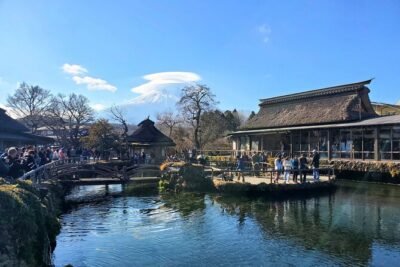 ★ 4.9Mount Fuji Full-Day Private Tour from Tokyo (Customizable)From $3931,470 reviews
 ★ 4.8Private City Highlights Tour with Local GuideFrom $1061,433 reviews
 ★ 5.0Private Custom Tour: Tokyo in a DayFrom $1591,432 reviews
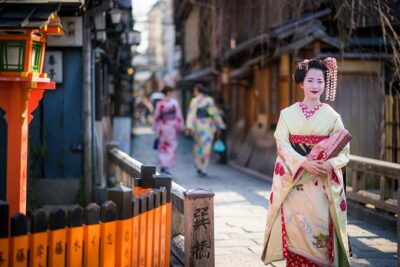 ★ 5.0Kyoto 6hr Private Tour with Government-Licensed GuideFrom $1551,369 reviews
 ★ 5.0Tokyo Customized Private Tour: See Top Attractions in 1 DayFrom $1451,351 reviews
 ★ 4.9Hotspots & Hidden Gems Walking Tour Private or GroupFrom $331,300 reviews