
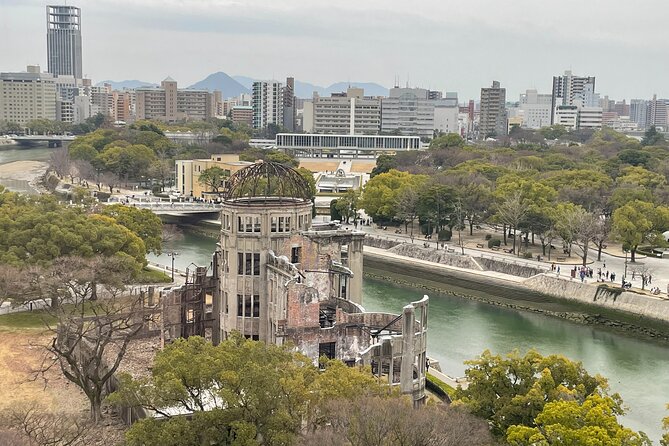
REVIEW · HIROSHIMA AND MIYAJIMA DAY TRIPS
Hiroshima & Miyajima All-Inclusive Tour w/Licensed guide Pancho
A single day, heavy meaning. This Hiroshima and Miyajima private tour with certified guide Pancho strings together UNESCO highlights, ferry and trains, and real-world context for sites tied to 1945 and Japan’s Shinto spirituality. You’ll start on Miyajima for the iconic shrine setting and Giant Torii Gate moments, then move to Hiroshima Peace Memorial Park to understand what you’re seeing and why it matters. You’ll also get family perspective and Q and A along the way, plus practical food help if you’re looking for vegan or gluten-free options.
What I like most is how the day feels planned but not rigid. Pancho builds in flexibility, adjusts pace to your group, and keeps the focus on meaning, not just checkboxes. I also really appreciate that the tour handles the “hard parts” for you, like essential local transportation and the Itsukushima Shrine admission, so you can spend your energy on the places themselves.
One consideration: it’s a lot of moving in one day, with trains, ferries, and walking. If you have mobility limits, the physical demands plus the fact that some spots are hard to reach (like Daishoin Temple) are worth thinking through ahead of time.
In This Review
- Key points at a glance
- A 7.5-hour plan that actually makes sense
- Why Pancho is the difference-maker
- Meeting point and how pickup fits into your day
- Miyajima morning: Giant Torii Gate first, before crowds fully settle
- Itsukushima Shrine and the Torii Gate photo moment
- Daishoin Temple: picturesque, scenic, and a real change of pace
- Hiroshima Peace Memorial Park: walking with meaning
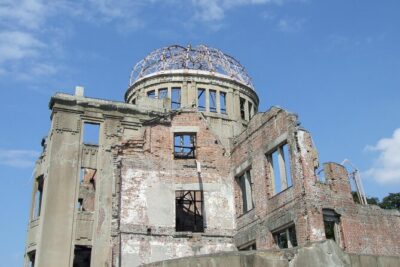
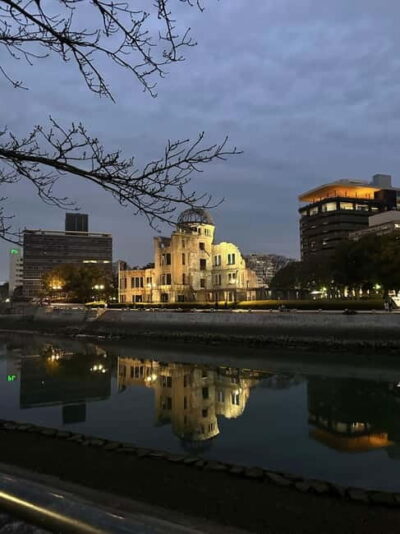
- Atomic Bomb Dome and the iconic building that survived
- Lunch strategy near Peace Memorial Park
- Peace Memorial Museum: why you skip the guided entry
- Transportation and tickets: fewer headaches, more sight time
- How much is $340 worth for this day?
- Who this Hiroshima and Miyajima tour fits best
- Should you book Pancho for Hiroshima and Miyajima?
- FAQ
- Where is the meeting point?
- Is this a private tour?
- How long is the tour?
- What is included in the price?
- Is lunch included?
- Do you visit the Peace Memorial Museum?
- Is the tour accessible for wheelchairs?
- Can I get a full refund if I cancel?
Key points at a glance
- Pancho’s local perspective: family context and room for questions, not just scripted explanations
- Transport handled: JR, ferry, and buses are included, with fewer ticket headaches
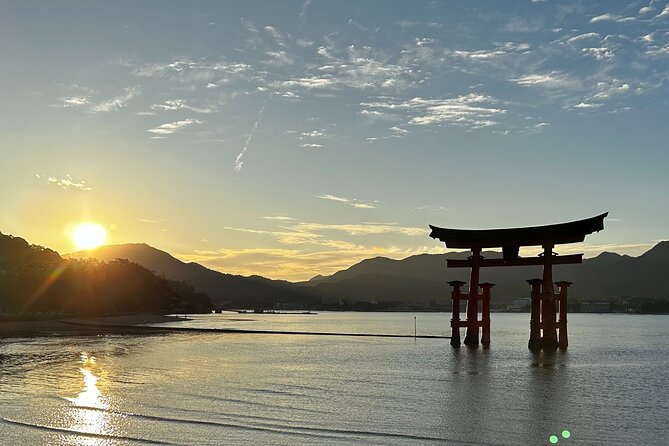
- UNESCO focus with tide timing: you’ll see the Itsukushima Shrine area and Giant Torii photo moment
- Peace Park emphasis without museum pressure: you get on-site context and monuments, while skipping guided museum entry
- Food flexibility help: advice for vegan and gluten-free needs during the day
- Daishoin Temple is the favorite stop for many: scenic, but wheelchair access can be difficult
Pairing the city with Miyajima. Other itineraries
- Hiroshima: Hiroshima and Miyajima UNESCO Sites 1-Day Tour
★ 4.9 · 2,330 reviews - Hiroshima / Miyajima Full-day Private Tour with Government Licensed Guide
★ 5.0 · 1,298 reviews - Hiroshima Historical Walking Tour – Why A-Bomb was Dropped
★ 4.8 · 893 reviews - Hiroshima Peace (Heiwa) Walking Tour at World Heritage Sites
★ 5.0 · 872 reviews
A 7.5-hour plan that actually makes sense
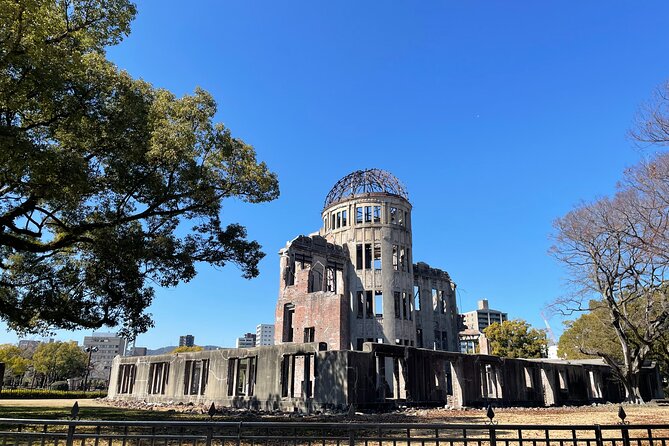
Hiroshima and Miyajima in one day sounds ambitious, and it is. But the best reason this format works is simple: the itinerary is built around geography and timing. Miyajima first gives you time to enjoy the island atmosphere and the shrine area, then you roll into Hiroshima for the Peace Memorial Park and the Atomic Bomb Dome area while the day still has energy.
Pancho’s guiding style also helps. The tour is private, tailored to your interests, and flexible in pacing. That matters because Hiroshima is not a “rattle through sites fast” kind of day. You want time to look closely, ask questions, and absorb the tone of each place. The Peace Park segment is designed for that kind of attention.
You should also know what “all-inclusive” means here. It covers the guide fee, Itsukushima Shrine admission, and essential local transportation. Lunch is not included, so you’ll still make your own food choice near Peace Memorial Park. That’s actually a good thing in my opinion, because you’ll be in the middle of restaurant options rather than stuck with one fixed meal.
Why Pancho is the difference-maker
A good tour guide can turn a list of famous stops into a day with threads you can follow. That’s where Pancho clearly shines. He’s described as a Hiroshima native with deep familiarity with how each place fits into the city’s story and local life. You’ll also get the kind of explanations that help you read what you’re seeing, especially at the shrine and at Peace Park.
Two things stand out about his approach from the experience people share:
- He’s comfortable with questions, and he doesn’t treat them as interruptions.
- He can shift the day if your group wants to linger, speed up, or add small side interests along the way.
That flexibility is especially useful on Miyajima, where you’re dealing with walking, ferry connections, and the tide-dependent photo moment at the Torii Gate area. If your group wants more time for temple views or a few extra photos, this tour is built to adjust without derailing the day.
Also, Pancho is specifically mentioned as advising on vegan and gluten-free options. It won’t replace your own preferences, but it’s a helpful safety net when you’re choosing lunch and you don’t want to gamble blindly.
Meeting point and how pickup fits into your day
The tour starts near 1-2 Matsubarachō, Minami Ward, Hiroshima, and it ends back at that same meeting point. The experience also notes pickup offered. In practice, that usually means less stress for you on a day where timing matters.
This is a good setup if you’re staying anywhere close to Hiroshima’s central areas, because you’re not trying to coordinate your own transit at the start. If you’re coming from farther out, the “pickup offered” detail becomes more valuable since you’re less likely to lose time figuring out the easiest route to the gathering point.
Because it’s a private tour, you’re not sharing the day with strangers. That keeps the pacing more comfortable. It also means the guide can more easily respond to your group’s movement needs, from bathroom stops to slowing down for viewing.
Licensed guides working the same ground
- Hiroshima & Miyajima: Full-Day Private Tour & Licensed Guide★ 4.8 · 252 reviews
- Miyajima Half-day Private Tour with Government Licensed Guide★ 5.0 · 184 reviews
- Hiroshima & Miyajima All-Inclusive Tour w/Licensed guide Pancho★ 5.0 · 54 reviews
Miyajima morning: Giant Torii Gate first, before crowds fully settle
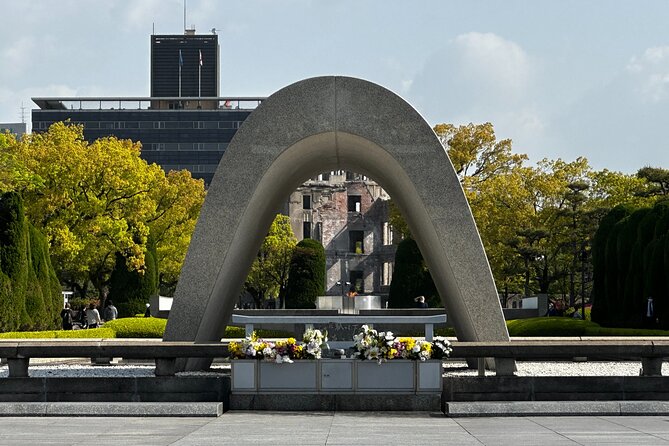
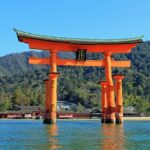
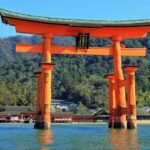
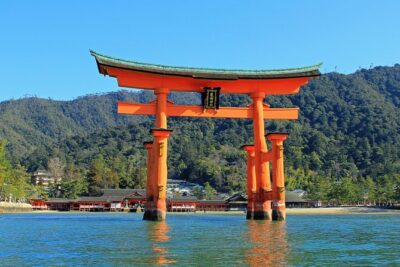
Miyajima island is often the headline stop, but starting with the island gives you a calmer rhythm. The itinerary includes the Giant Torii Gate area, with a “floating on the ocean” effect that depends on the sea tide. The guide will work with what the tide and lighting are doing, so you’re not just chasing a photo. You’ll also learn how the Torii Gate fits into the Shinto setting of the island.
This part of the day is where you’ll feel the contrast between a peaceful island world and Hiroshima’s heavy memorial sites later. That contrast is not accidental. Miyajima gives you breathing room and a sense of place, before you face the historical weight of Peace Park.
A practical note: this stop is listed as about 3 hours 10 minutes, and that time includes moving around the island area. It’s not only one viewpoint. It’s enough time to enjoy the atmosphere, take photos from good angles, and still keep the day moving.
Itsukushima Shrine and the Torii Gate photo moment
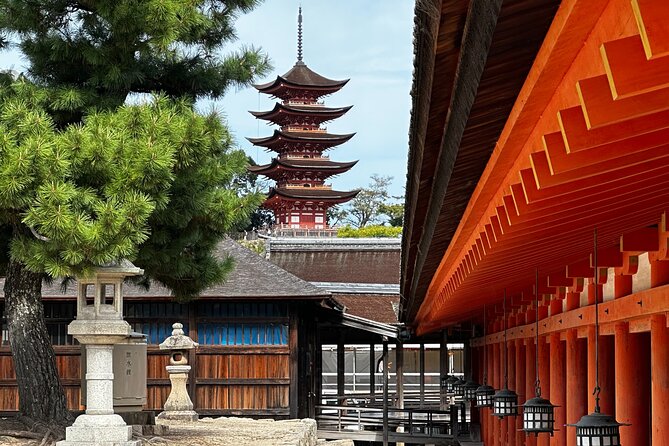
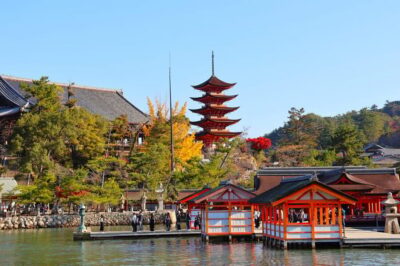
Next up is Itsukushima Shrine, a UNESCO World Heritage site. The itinerary includes entry here, so you’re not hunting for tickets or trying to figure out which gate to go through. The shrine’s architecture and setting are what make it famous, and the guide will explain the unique design compared with other shrines you might see on a first Japan trip.
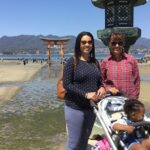
Then you’ll have time to see the Itsukushima Shrine Otorii Gate area again from a vantage point for photos. This is where sea tide matters most. The tour plan explicitly builds in time for that “floating Torii” look, with a quick guide explanation of what you’re seeing and how to get the best photos.
What I like about doing this with a guide is that it reduces wasted effort. You’re not wandering and hoping you chose the right view. You’re moving with intention, and you get context while you wait for your best angle.
Daishoin Temple: picturesque, scenic, and a real change of pace
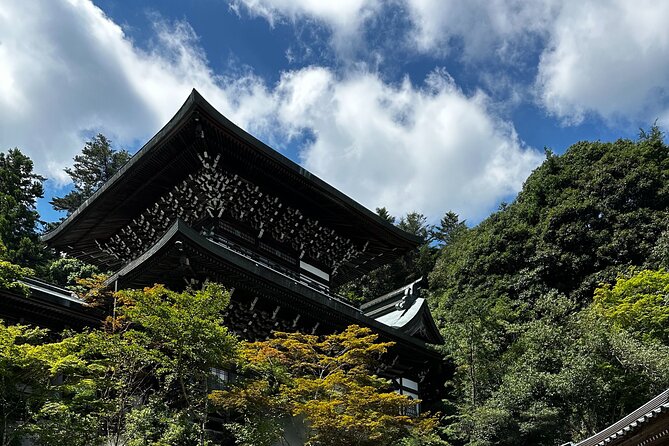
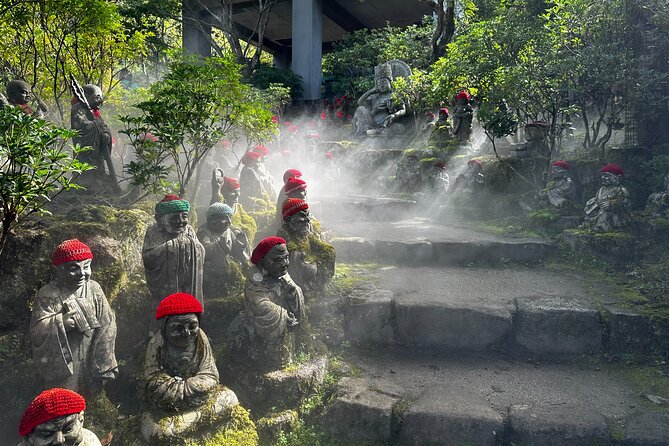
Daishoin Temple is one of the stops that many people call their favorite. It’s included for about 40 minutes, and the tour frames it as especially picturesque. If you love temple atmospheres, stone steps, and framed views, this is often the moment that feels most “Japan on foot,” not just postcard scenery.
There’s also an optional element tied to the temple area, including mentions of the Five stories Pagoda and Senjokaku Paviriaon. Whether you add these pieces depends on your time and your interests, and Pancho can adjust.
Accessibility consideration: the information provided flags that wheelchair access is difficult at Daishoin Temple. So if you use mobility aids, this is the one stop you should think about most. The tour can still work for many visitors, but you may need a plan for alternative viewing points and slower pacing.
Hiroshima Peace Memorial Park: walking with meaning
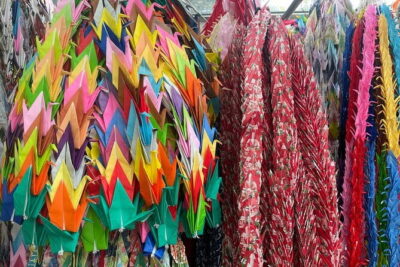
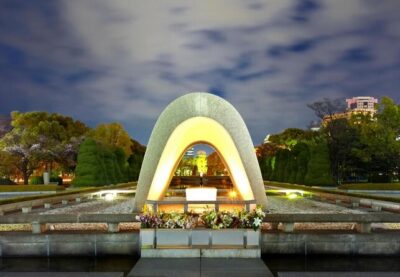
After Miyajima, you’ll head to Hiroshima Peace Memorial Park, and this is where the tone of the day changes. The itinerary includes a guided walk with a local English-speaking guide around the park monuments and real stories of resilience and hope. You’ll also visit the Children’s Peace Monument, which is inspired by Sadako Sasaki.
One of the biggest quality points here is pacing. Peace Park is not a “look for five minutes then move on” stop. The tour allots about 1 hour 20 minutes for the park visit, with multiple monuments in sequence. That gives you time to stop, read, and absorb rather than rushing through.
The tour also includes a short stop for the Atomic Bomb Memorial Mound and then transitions to the Atomic Bomb Dome area. These are iconic sights, but the value comes from understanding what you’re seeing and why Hiroshima was chosen, not just from having photos.
Atomic Bomb Dome and the iconic building that survived
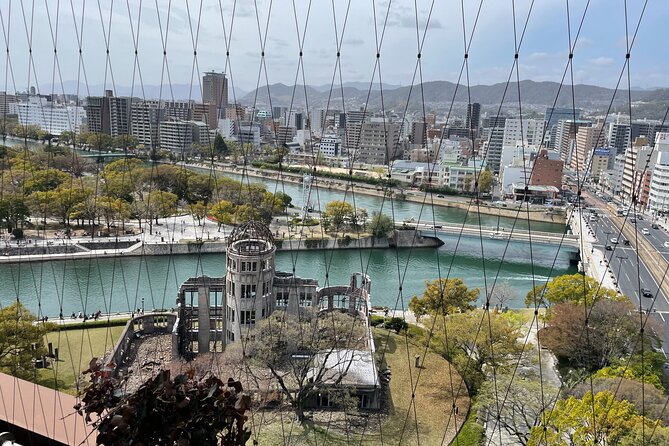
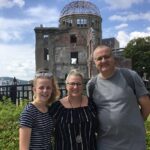
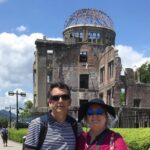
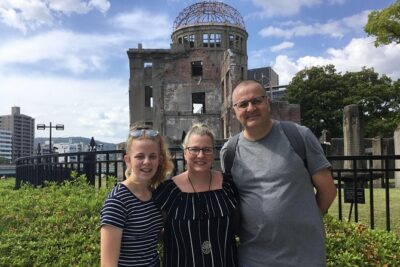
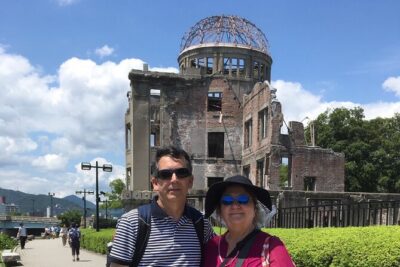
The Atomic Bomb Dome stop is about 20 minutes. You’ll see the building as a survived structure from 1945, and the guide shares how it endured and why Hiroshima was targeted. That kind of explanation helps you connect the exterior you recognize from posters with the deeper historical context.
The tour also includes the Atomic Bomb Memorial Mound, about 10 minutes, which is the small ground-level monument marking the site tied to the detonation in the air. That stop is quick, but it matters because it anchors the experience in place. It’s easier to understand the scale and reality of what happened when you know you’re standing near the point referenced in the story.
If you’re sensitive to intense historical material, plan for that. This isn’t a light sightseeing day, even with lunch breaks and travel segments.
Lunch strategy near Peace Memorial Park
Lunch is built into the day as a 50-minute break near Peace Memorial Park. Lunch is not included, but you’ll have choices around the area, including ramen, casual sushi, okonomiyaki, and tsukemen (dipping noodles). The tour frames this as a selection period, so you’re not stuck with a single option.
This is where Pancho’s practical support can be useful. Since he can advise on vegan and gluten-free options, you can ask for suggestions before you order, rather than guessing based on menus you may not read fluently.
My advice: use the guide stop as a reset. Take a slower lunch than you would on a sightseeing-only tour. Peace Park information is emotionally heavy, and a good break helps you keep the day from turning into one long, tiring sprint.
Peace Memorial Museum: why you skip the guided entry
One of the tour’s clearest philosophy points is what it does not do. The itinerary notes a Note on the Peace Memorial Museum: the tour does not conduct guided entry into the museum. The reasoning is that the museum experience is deeply personal, and silence and private reflection are important.
That choice can be a relief for many people. A guided museum visit can turn into a race, and Hiroshima’s museum content is not material you should rush. By skipping a guided museum approach, the tour keeps you focused on Peace Park monuments and provides context without forcing you to digest everything at once.
However, this also means you’re not getting a museum tour included. The information specifies that the museum itself is not stopped for, and it lists the museum entry fee as ¥200.00 per person if you choose to go on your own. If museum hours and your personal interest in the artifacts are a big priority, you’ll want to plan extra time in your schedule. In this format, the “official” guidance is on the park and memorial sites.
Transportation and tickets: fewer headaches, more sight time
A major value driver here is the way transportation is handled. The all-inclusive price covers essential local transportation, including JR, ferry, and buses, plus the Itsukushima Shrine entrance. That means you’re not piecing together a route while also trying to keep track of your group.
It also comes with a mobile ticket. That reduces friction at the start. On travel days like this, convenience is not a luxury. It’s how you keep the day from becoming stressful.
That one “time tax” you should expect is travel time between Hiroshima and Miyajima and then back to Peace Park. One caution from experience summaries is that the day can feel heavy because of travel and local transit. The good news is that the itinerary aims for efficiency, and the guide can adjust pace to your group so you’re not simply spending the whole day moving.
How much is $340 worth for this day?
$340 per person is not cheap, especially for visitors used to self-guided travel. But you’re paying for three things that add up on this specific route:
- Licensed English guidance with interpretation, not just directions
- Included essential transit (JR, ferry, buses) across multiple legs
- Itsukushima Shrine admission plus “ticket hassle” reduction
If you tried to do this day on your own, you’d still likely pay for ferries and transit, and you’d still need to figure out where to stand for the best shrine views, how to connect the Peace Park landmarks in a meaningful order, and how to manage the timing around the tide-dependent Torii Gate photo effect. That’s where Pancho’s help becomes more than “nice.” It becomes the difference between a day that feels random and a day that feels legible.
Also remember this is private. You’re not splitting attention among a larger group, so the value can feel higher if you’re traveling as a family or in a small circle.
Who this Hiroshima and Miyajima tour fits best
This is a strong match if you want:
- A single-day plan that covers Miyajima and Hiroshima’s core memorial sights
- A guide who can explain the meaning behind the sites, not just recite facts
- Help with navigating food needs like vegan or gluten-free
- Flexibility in pacing, so your group can move at a comfortable speed
It may be less ideal if your top priority is a full museum-focused day inside the Peace Memorial Museum with guided interpretation. This tour’s emphasis is on Peace Park monuments and memorial stops, and museum entry is not part of the guided package.
And if you have mobility limitations, the Daishoin Temple detail is important. The day can still work, but you should plan for slower movement and consider alternative viewing where necessary.
Should you book Pancho for Hiroshima and Miyajima?
If you want one high-impact day where everything is planned, your guide handles the logistics, and the explanations stay thoughtful, this is an easy yes. The combination of Miyajima’s UNESCO shrine setting and Hiroshima’s Peace Memorial Park landmarks creates a powerful arc that’s hard to replicate alone without turning the day into a frantic route.
Book it if:
- Your group values context and Q and A
- You want transportation and shrine admission taken care of
- You appreciate the idea of personal time around heavy memorial material, rather than a rushed guided museum visit
Skip or rethink it if:
- You need guaranteed wheelchair-friendly access at every stop, especially Daishoin Temple
- You want the Peace Memorial Museum as a core guided experience, not a solo add-on
Bottom line: for many visitors, this tour hits the sweet spot of structure, humanity, and practical convenience. It’s the kind of day that helps you look at the Dome and the Torii Gate and understand what they mean, not just what they look like.
FAQ
Where is the meeting point?
The tour starts near 1-2 Matsubarachō, Minami Ward, Hiroshima, 732-0822, Japan. The tour also ends back at the same meeting point.
Is this a private tour?
Yes. It is a private tour or activity, and only your group participates.
How long is the tour?
The duration is listed as approximately 7 hours 30 minutes.
What is included in the price?
The price includes Pancho’s guide fee, entrance to Itsukushima Shrine, and essential local transportation (JR, ferry, buses). It also notes a mobile ticket.
Is lunch included?
No. Lunch and any food and drink are excluded. Lunch is planned as a break near Peace Memorial Park with options like ramen, casual sushi, okonomiyaki, and tsukemen.
Do you visit the Peace Memorial Museum?
No guided museum entry is included. The itinerary notes that the tour does not stop for the Peace Memorial Museum, and it lists the museum entry fee as ¥200.00 per person if you choose to go separately.
Is the tour accessible for wheelchairs?
Daishoin Temple is flagged as having wheelchair difficult access. The overall tour is recommended for travelers with moderate physical fitness, so you should consider mobility needs carefully.
Can I get a full refund if I cancel?
You can cancel for a full refund if you cancel at least 24 hours in advance of the experience’s start time. If you cancel less than 24 hours before, the amount paid is not refunded.
Licensed Guides on the Same Ground
Hiroshima and Miyajima Together
Newest Hiroshima write-ups from the Loving Japan desk
Hiroshima and Miyajima Day Trips, side by side.
 ★ 5.0Peaceful Hiroshima & Miyajima UNESCO 1 Day Bus TourFrom $1295,309 reviews
 ★ 4.9Hiroshima and Miyajima UNESCO Sites 1-Day TourFrom $1222,330 reviews
 ★ 5.0Hiroshima / Miyajima Full-day Private Tour with Government Licensed GuideFrom $2021,298 reviews
 ★ 4.7Osaka/Kyoto: Hiroshima Miyajima Bus Tour & Shinkansen TicketFrom $277919 reviews
 ★ 4.8Hiroshima Historical Walking Tour – Why A-Bomb was DroppedFrom $35893 reviews
 ★ 5.0Hiroshima Peace (Heiwa) Walking Tour at World Heritage SitesFrom $94872 reviews
 ★ 5.0Hiroshima in a Nutshell: Morning Bike AdventureFrom $72524 reviews
 ★ 5.0Hiroshima City 4hr Private Walking Tour with Licensed GuideFrom $122437 reviews
Filed on these lists too