
REVIEW · TAKAYAMA, HIDA AND SHIRAKAWA-GO
Japanese Cooking Class with Local Family in Takayama Old Town
A home-cooked meal in a 200-year-old townhouse.
This private Japanese cooking class happens inside Hisa and Bob’s family home in Takayama Old Town, normally closed to the public, so you get both food and everyday life. The 200-year-old townhouse and the family-led, English-friendly hosting make it feel personal, not like a demo.
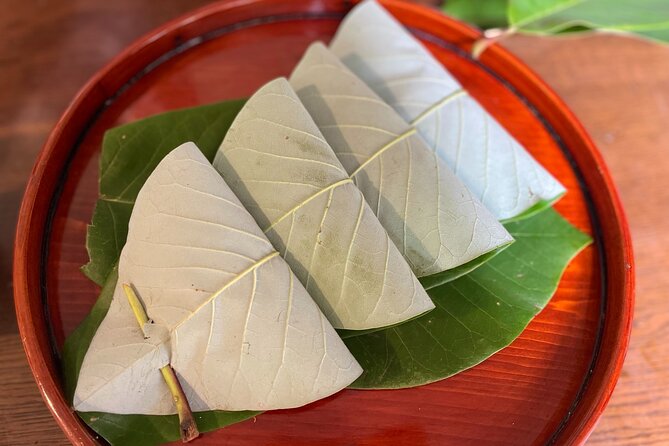
I love that you cook a menu shaped by the seasons and your preferences, not a rigid worksheet. You’ll also enjoy a real welcome ritual with Japanese tea and delicate wagashi before you start, then finish with a Japanese-style fruit dessert.
One consideration: this is a home setting, so the pace and layout are casual, and you should expect it to feel more like visiting family than touring a big, polished facility.
In This Review
- Quick highlights
- Step inside Takayama Old Town, in a house that was once a clinic
- The tea-and-wagashi welcome sets the tone for home cooking
- Cooking together in the semi-outdoor kitchen, where food feels communal
- What you might cook, based on past sessions
- Learning dashi and ingredient roles, not just following steps
- Dessert is seasonal fruit, prepared the Japanese way
- Lunch or dinner timing, and what’s actually included
- Value check: $211.37 per person is really a private home experience
- Who should book this class in Takayama
- Practical tips before you go
- Should you book Japanese Cooking Class with Local Family in Takayama Old Town?
- FAQ
- How long is the Japanese cooking class?
- Where does the experience start?
- Is this class private or shared?
- What meal is included, lunch or dinner?
- What else is included besides the meal?
- Are alcoholic beverages included?
- Can I request dietary restrictions or food preferences?
- Will I have an English guide?
- Is the meeting point near public transportation?
- What is the cancellation policy?
- Are service animals allowed?
Quick highlights
- Former clinic to living quarters: tour the spaces that date back over 200 years
- Tea and wagashi first: ease in with a traditional welcome before you cook
- Hands-on instruction: make dashi and cook five seasonal dishes together
- Semi-outdoor kitchen: you cook in the kind of practical space families used for years
- English-friendly hosts: Hisa and Bob guide you clearly and talk through what you’re doing
Old-town Hida and the thatched valley, other versions
- Kanazawa: World Heritage Shirakawa-go Morning Guided Tour
★ 4.9 · 988 reviews - Kanazawa: World Heritage Shirakawa-go & Two Local Experience
★ 4.9 · 274 reviews - Kanazawa/Takayama: Shirakawago & Takayama Private Day Tour
★ 4.8 · 172 reviews - Departing from Takayama [Regular sightseeing bus] World Heritage Sites Shirakawago and Gokayama Ainokura
★ 4.5 · 137 reviews
Step inside Takayama Old Town, in a house that was once a clinic
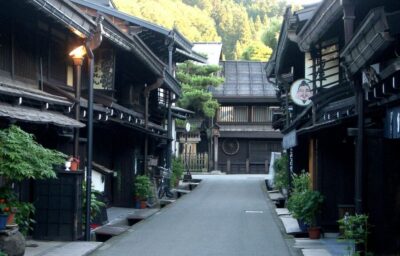
Takayama Old Town has plenty of charm, but this experience gives you the rare thing, access to a real family home. Hisa and Bob welcome you into a wooden townhouse right on the main street, and the twist is that it used to be a local clinic where many babies were born. You also get to see the traditional living quarters, so the building is not just a pretty backdrop. It’s a working memory of how families lived and cared for each other.
What makes that matter for you is the contrast. Cooking classes often happen in a modern room built for tourists. Here, the home quirks help you understand the mindset behind the food, seasonal, practical, and slow. Even the way the family explains daily life in the Hida mountains comes with that same tone, harmony with nature, and cooking as a normal part of staying fed and together.
And because this is private, you’re not sharing your attention with strangers, which makes it easier to ask questions as you cook. (This is also why it’s a strong fit for couples, small groups, and solo travelers who want real conversation.)
The tea-and-wagashi welcome sets the tone for home cooking
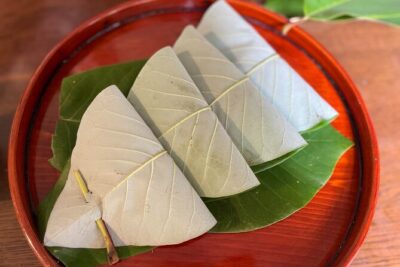
Before you touch ingredients, you’ll be welcomed with Japanese tea and delicate wagashi. That sounds small, but it changes the whole feel of the evening. You’re not walking in cold and jumping straight to prep. You’re settling into the rhythm of the house, then getting ready for instruction.
After that warm start, there’s a short introduction to Japanese home cooking. This matters because Japanese cooking isn’t just about specific dishes, it’s about fundamentals like stock building, ingredient roles, and pacing. You’re not expected to have skills already. The hosts guide you through the basics, then you apply them immediately.
If you’ve been sightseeing in Takayama for a day, this is a nice reset. You get quiet time, warm hospitality, and the feeling that you’re about to do something real.
Cooking together in the semi-outdoor kitchen, where food feels communal
The class moves from welcome tea to getting suited up. You’ll slip into a traditional apron, then step into the semi-outdoor kitchen. This is one of the most memorable parts for me, because it’s where you can feel how families actually cooked. Semi-outdoor spaces are practical for airflow and for daily tasks, especially in mountain towns where seasons change fast.
In this kitchen, you’ll start with dashi. Dashi is the heart of so many Japanese flavors. Learning it early gives you a base you can taste and understand before you build the rest of the meal. Then you explore key ingredients, so you know what you’re using and why.
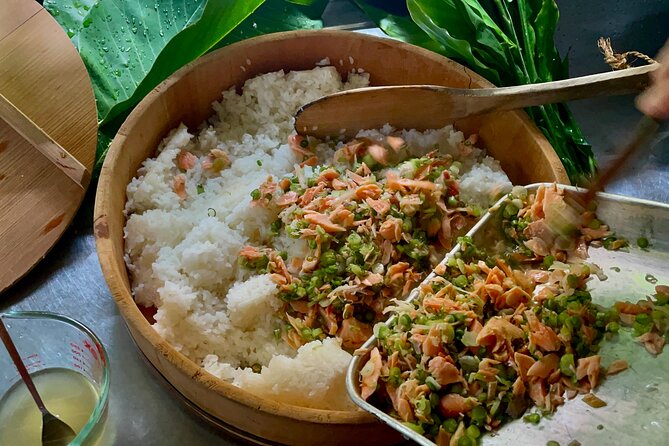
From there, you cook five seasonal dishes, and the menu can be tailored to what you want to eat. This is one of the most useful parts of the experience: it turns the class from a generic cooking demo into something you can actually use after your trip. If you love tofu dishes, seafood, or want to focus on something familiar like omelette techniques, you can steer the experience.
- 1-Day Takayama Tour: Explore Scenic Takayama and Shirakawago★ 5.0 · 113 reviews
- From Takayama: Guided Day Trip to Takayama and Shirakawa-go★ 4.9 · 113 reviews
- Takayama: Onigiri and miso soup making at a buddhist temple★ 4.9 · 93 reviews
- From Takayama: Alpine Splendor – Shinhotaka Ropeway and Kamikochi★ 5.0 · 91 reviews
- Takayama Half-Day Private Tour with Government Licensed Guide★ 5.0 · 69 reviews
What you might cook, based on past sessions
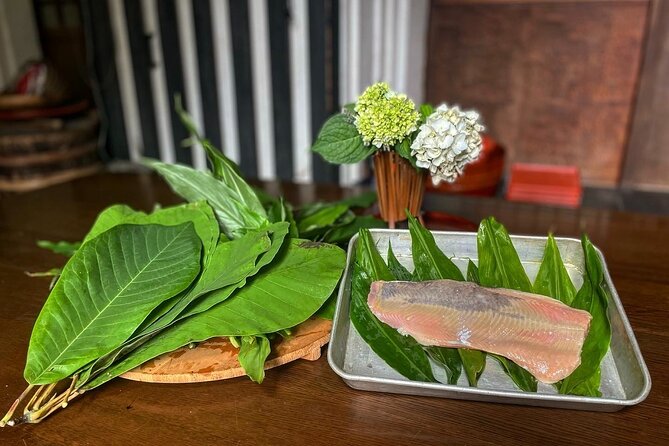
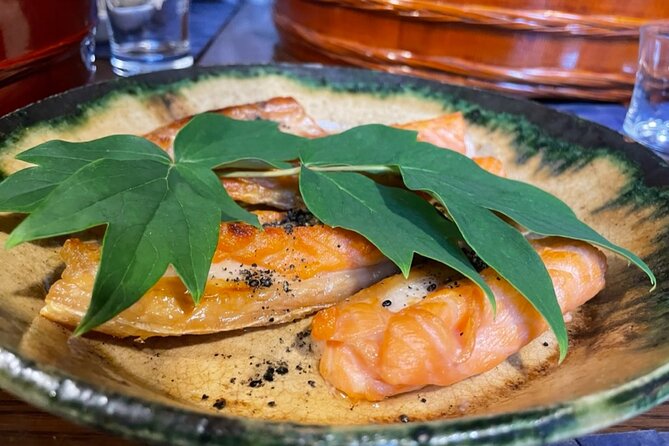
Your exact dishes depend on the season and what you request, but examples from prior experiences include items like sushi rolls, gyoza, tempura, and other seasonal home-style dishes. Some sessions also described making rice balls, practicing omelette techniques, and cooking ingredients like fresh tofu and fish. The key here is not the exact menu. The key is that you’re learning methods and how ingredients work together.
And yes, you’ll do real hands-on steps, not just watch. In past sessions, people described flipping eggs, working with Japanese tools, and cooking together as a group. That’s the difference between tasting Japanese food and understanding it.
Learning dashi and ingredient roles, not just following steps
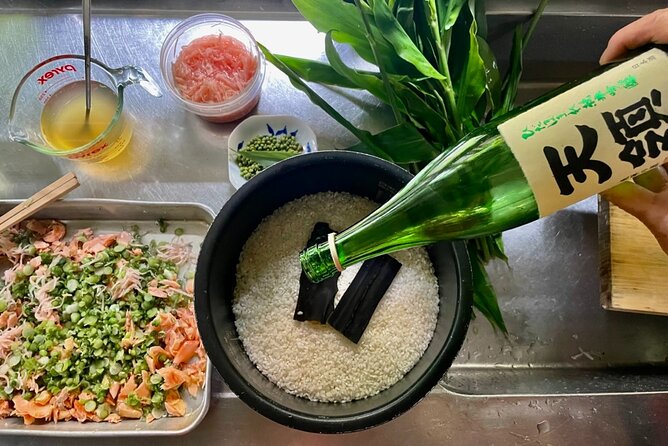
A great cooking class helps you cook later, and this one is set up for that. You’ll not only make food, you’ll learn what each ingredient is doing in the final flavor.
Dashi comes first, then the class helps you connect the dots. For example, once you understand what dashi brings, you can better judge soy sauces, seasonings, and how vegetables and proteins are treated. You also get guidance on Japanese cooking tools and techniques, which is helpful because some tools and methods feel unfamiliar the first time.
This is where a private, family-led class pays off. You can ask questions mid-cooking. You can adjust how you want to participate. And because the hosts are fluent in English, you’re not left guessing what a technique is supposed to achieve.
Dessert is seasonal fruit, prepared the Japanese way
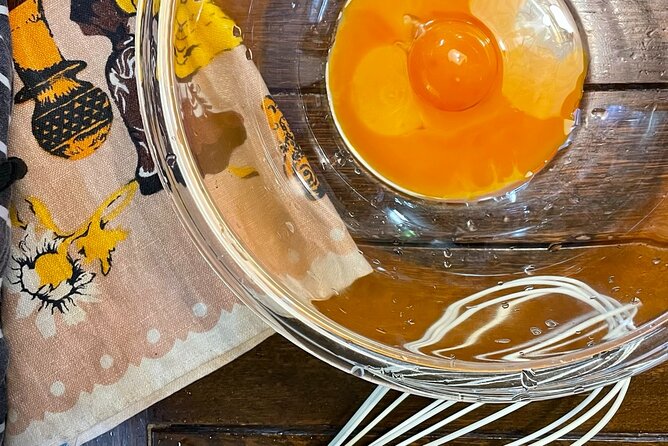
After the main dishes, you’ll finish with fresh seasonal fruit for dessert. The description highlights that it’s prepared in a uniquely Japanese style. That likely means less about heavy sweetness and more about clean flavors and presentation, which fits the rest of the meal’s theme, seasonal, balanced, and not overloaded.
That fruit course matters practically, too. It turns the meal into a complete arc. You cook savory dishes, you taste them together, then you reset your palate with something light and seasonal.
Lunch or dinner timing, and what’s actually included
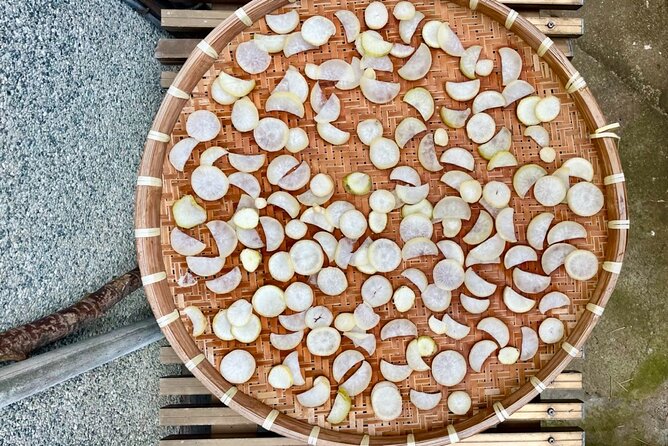
This experience runs about three hours. You’ll book either a morning slot around 10:00 AM or an afternoon/evening slot around 4:30 PM, and the meal inclusion changes by time.
- If you choose 10:00 AM, lunch is included.
- If you choose 4:30 PM, dinner is included.
Either way, you’ll also get coffee and/or tea. Alcoholic beverages are not included, so if you like pairing sake with food, plan to handle that separately.
The meal itself is substantial because it’s not one dish. You cook five seasonal dishes plus dessert, then you eat what you made. For a food-focused trip day in Takayama, this is a strong alternative to a restaurant run. It’s not just a meal purchase, it’s the learning and the shared table.
Value check: $211.37 per person is really a private home experience
At $211.37 per person, this isn’t a budget activity. But the value story is clear when you look at what’s included.
You’re paying for a private class inside a 200-year-old family townhouse that’s normally closed to the public, taught by hosts who guide you through the full process, not just a sample. You’re also getting a culturally grounded welcome with tea and wagashi, plus coffee and/or tea, and you eat the results of your cooking, including lunch or dinner depending on the time slot.
A typical cooking class might give you instruction and a few bites. Here, you cook five seasonal dishes and share a full meal. And because it’s private, you get more direct attention, which often means you actually learn techniques rather than simply completing steps with limited feedback.
The main reason the price makes sense is the access. You’re not just watching cooking, you’re in the family home, in the spaces that shaped their routines for generations. If that is your kind of travel, you’ll feel the cost was justified. If you only want a quick hands-on snack lesson, you may find it pricier than you need.
Who should book this class in Takayama
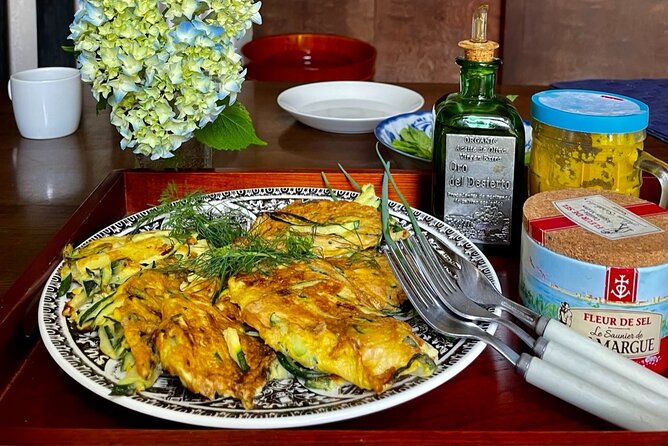
This is a great fit if you want a Takayama experience that goes beyond streets and souvenir shopping.
You’ll especially like it if you:
- enjoy hands-on food learning and want to cook like locals
- want English-friendly explanations of Japanese home cooking
- like seasonal, simple flavors rather than overly trendy food
- prefer small, private interactions over crowded group tours
It’s also a strong option for solo travelers who want real conversation. Multiple accounts described feeling welcomed and having the menu adjusted to preferences, which is exactly what you want when you’re not traveling with a big group.
If you’re traveling with kids, note that a few past experiences mentioned kids enjoying certain dishes like gyoza and tempura. Still, because it’s a home environment, the pacing and space are not designed like a theme park. It’s better suited to curious eaters who enjoy watching and participating.
Practical tips before you go
A few things will help you get the most out of it:
1) Send food preferences in advance. The hosts say they’re happy to accommodate restrictions as much as possible. If there’s anything you avoid, communicate it early.
2) Come hungry, but not frantic. The class runs about three hours and includes a full included meal depending on your time slot. You’ll cook and eat everything you make.
3) Ask about what you’re tasting. With dashi and key ingredients, small adjustments make a big difference. Questions help you remember techniques later.
4) Wear comfortable clothing. You’ll be moving around a kitchen space and working with tools and ingredients.
5) Plan for a home setting. Expect a casual, lived-in environment rather than a polished studio.
Should you book Japanese Cooking Class with Local Family in Takayama Old Town?
Book it if you want an authentic, family-led cooking experience where you learn techniques and seasonality, not just a plate of food. The strongest reasons are the private access to a 200-year-old townhouse, the family hosts in English, and the fact that you cook five seasonal dishes tailored to what you like.
Skip it if your main goal is a low-cost activity or you prefer a big-group, highly structured tour format. This class is personal and casual by design. If that style fits your travel personality, it’s one of the best ways to understand Takayama through food.
If you’re planning your Takayama day and you care about learning, eating well, and meeting the people behind the culture, this is an easy yes.
FAQ
How long is the Japanese cooking class?
The class runs for about 3 hours.
Where does the experience start?
It starts at 93 Kamisannomachi, Takayama, Gifu 506-0846, Japan, and ends back at the meeting point.
Is this class private or shared?
It’s a private experience. Only your group participates.
What meal is included, lunch or dinner?
If you book the 10:00 AM slot, lunch is included. If you book the 4:30 PM slot, dinner is included.
What else is included besides the meal?
You’ll get coffee and/or tea, plus the meal you cook during the class.
Are alcoholic beverages included?
No. Alcoholic beverages are not included.
Can I request dietary restrictions or food preferences?
Yes. You can write your requests in advance, and the hosts aim to accommodate restrictions as much as possible.
Will I have an English guide?
Yes. The hosts, Hisa and Bob, are described as fluent in English.
Is the meeting point near public transportation?
Yes. The meeting point is near public transportation.
What is the cancellation policy?
Free cancellation is available up to 24 hours in advance for a full refund.
Are service animals allowed?
Yes, service animals are allowed.
Hida Old Town and the Thatched Valley

Newest Takayama write-ups from the Loving Japan desk

Takayama, Hida and Shirakawa-go, side by side.
 ★ 5.0World Heritage Shirakawa-go and Experience Tours from KanazawaFrom $1224,049 reviews
 ★ 4.9World Heritage Shirakawa-go Morning Guided TourFrom $77988 reviews
 ★ 4.4From Nagoya: Gujo, Hida Takayama, and Shirakawa-go Day TourFrom $61398 reviews
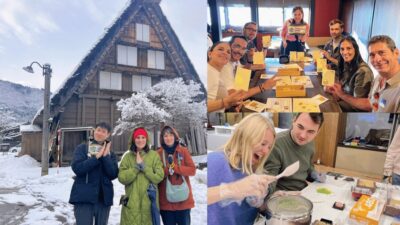 ★ 4.9World Heritage Shirakawa-go & Two Local ExperienceFrom $116274 reviews
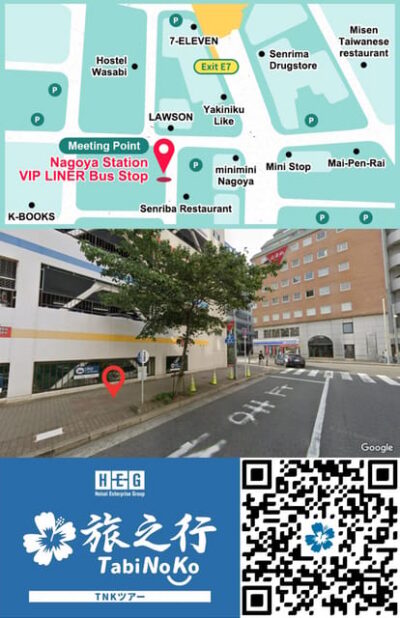 ★ 4.5From Nagoya: Hida Takayama & Shirakawa-go Tour w/Opt. LunchFrom $61256 reviews
 ★ 4.51 Day Private Charter Tour to Shirakawa-go & TakayamaFrom $575253 reviews
 ★ 5.0[One-day bus tour departing from Kanazawa Station] Shirakawa-go and Gokayama – Two World Heritage Villages Enjoyable Bus TourFrom $88253 reviews
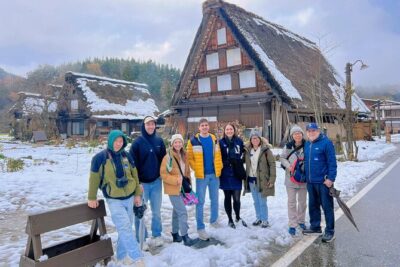 ★ 5.0World Heritage Shirakawa-go Perfect Guided Tour from KanazawaFrom $81220 reviews
Filed on these lists too