
REVIEW · TAKAYAMA, HIDA AND SHIRAKAWA-GO
Takayama: Onigiri and miso soup making at a buddhist temple
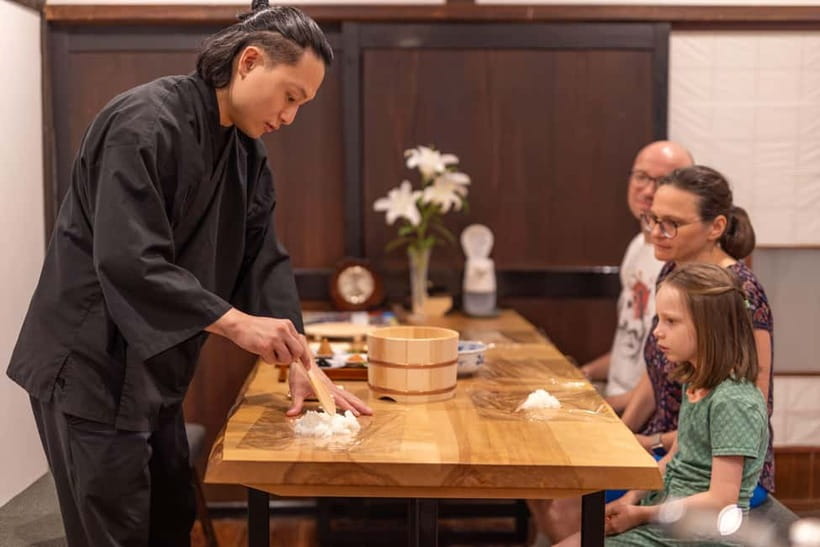
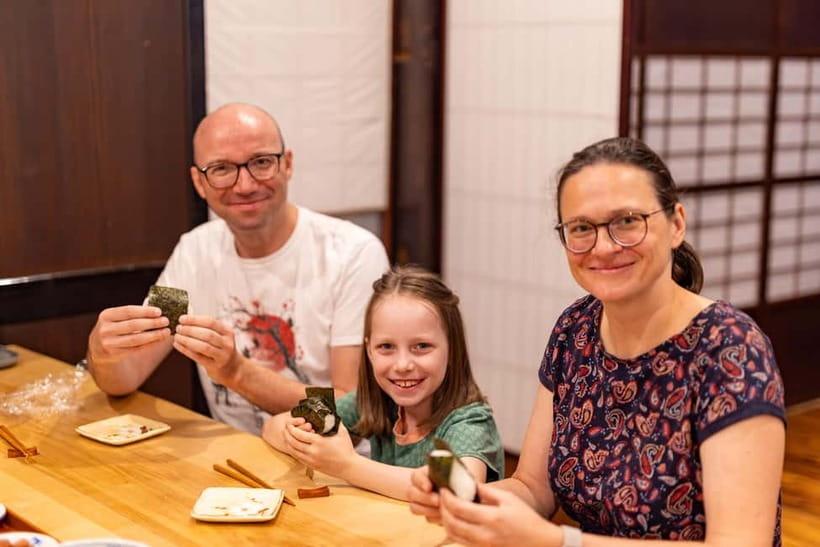
Rice balls taste different in a temple kitchen. I love the hands-on lesson in the temple kuri, where staff guide you step by step in English and you get to shape your own onigiri.
I love the Buddhist touches that turn a simple meal into something more reflective, from mindful ingredient talk to moments like a prayer. The only drawback is time, it is only one hour, so come with questions and expect a focused class, not a full sightseeing break.
In This Review
- Key things I’d prioritize
- Why This Temple Workshop Feels Like Real Japanese Culture
- Finding the Right Entrance Near Takayama’s Two Gates
- Your Hour at the Kuri: How the Cooking Lesson Unfolds
- Onigiri Making: Shaping the National Rice Ball
- Miso Soup in Temple Style: Flavor Plus Respect
- Eating Together in a Quiet Temple Setting
- Vegetarian-Friendly Options Without Feeling Like an Afterthought
- Price and Value: Is $25 Worth It?
- Who Should Book This Workshop (and Who Might Skip It)
- Practical Tips to Get More From Your One Hour
- Should You Book This Onigiri and Miso Workshop in Takayama?
- FAQ
- How long is the onigiri and miso soup making experience?
- What does it cost?
- Is the workshop taught in English?
- What’s included in the price?
- Are vegetarian-friendly options available?
- Where do I meet the group?
- What time should I arrive?
- Is there free cancellation?
- Is it suitable for wheelchair users?
- Is it suitable for children?
Key things I’d prioritize
- Temple kitchen (kuri) teaching: You learn in the place where meals are actually made, not a demo room.
- English-friendly instruction: Guides like Kazuki and Tama help you understand ingredients and technique clearly.
- Onigiri plus miso soup in one session: You make Japan’s iconic rice ball and a comforting bowl of miso soup.
- Mindfulness around food: The food lesson connects to gratitude and respect, not just cooking steps.
- Small-group feel: Many sessions run in a way that allows personal attention while you work.
- Vegetarian-friendly options: You can usually participate without changing the whole experience.
Old-town Hida and the thatched valley, other versions
- Kanazawa: World Heritage Shirakawa-go Morning Guided Tour
★ 4.9 · 988 reviews - Kanazawa: World Heritage Shirakawa-go & Two Local Experience
★ 4.9 · 274 reviews - Kanazawa/Takayama: Shirakawago & Takayama Private Day Tour
★ 4.8 · 172 reviews - Departing from Takayama [Regular sightseeing bus] World Heritage Sites Shirakawago and Gokayama Ainokura
★ 4.5 · 137 reviews
Why This Temple Workshop Feels Like Real Japanese Culture
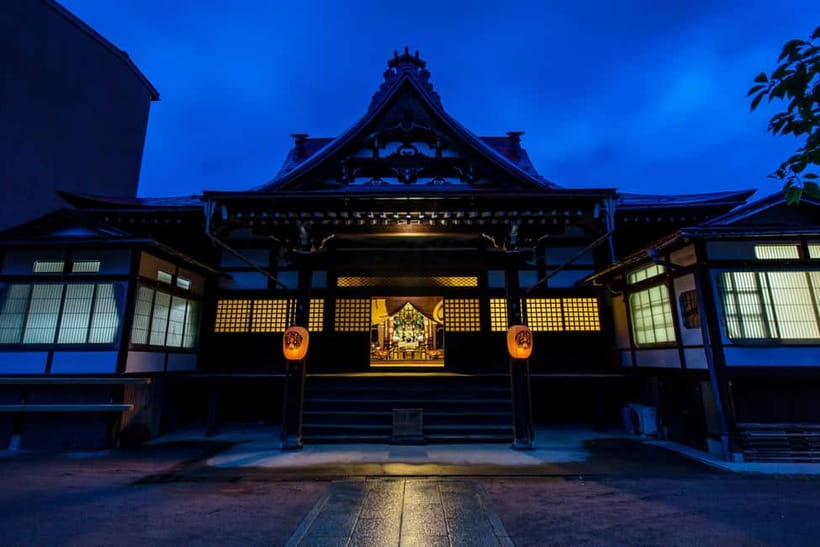
This is not a factory-style cooking class. You’re doing food work in a peaceful Buddhist temple setting, and that changes the mood of everything you eat.
The big win is the pairing of practical cooking and cultural context. You learn how to make onigiri and miso soup, then you also pick up the idea that meals are something to approach with care. That makes it feel more grounded than a typical food stop in Takayama.
You’ll be guided in English throughout, and the staff teach with a calm, step-by-step rhythm. People consistently mention clear explanations, excellent English, and the sense that you’re there to learn rather than rush through.
Finding the Right Entrance Near Takayama’s Two Gates
Your meeting point is simple once you know what to look for. You’ll see two gates in front of the temple. Enter the gate closer to the traffic lights, walk straight to the entrance, and follow the directions you’re given on site.
Two practical tips:
First, arrive 10 minutes early. This class runs by the hour, so being late can throw off the flow. Second, go in ready to move into the temple area. You are stepping into a working space, not just meeting for a photo.
Your Hour at the Kuri: How the Cooking Lesson Unfolds
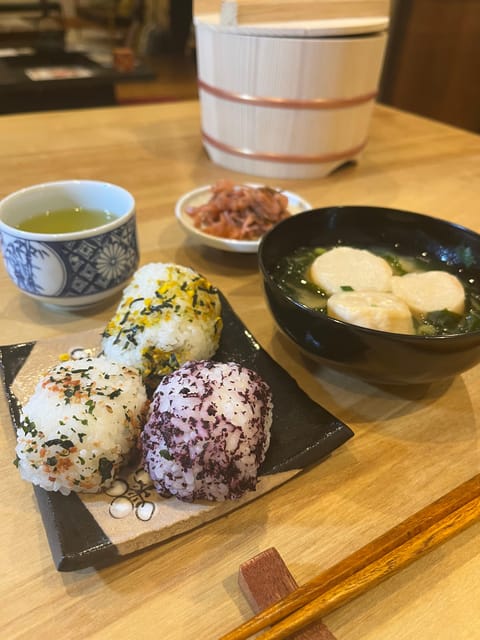
The session is built around one main goal: you make the food and eat it together during the same experience. In other words, it’s not just technique, you finish with a real meal.
A typical flow looks like this:
- You gather with the guide and get brief instructions.
- You head into the temple kitchen area, the kuri, where the tools and ingredients are set up.
- You learn how to shape onigiri and prepare miso soup with guidance throughout.
- You eat what you made, in a quiet, respectful setting.
Even with all that structure, the vibe stays relaxed. People mention the class feels organized and hygienic, and the temple atmosphere keeps the whole hour from turning into a noisy cooking scramble.
You might also notice that the guide talks not only about how to cook, but why certain choices matter. That is where names like Kazuki and Tama show up in different sessions, since each guide brings their own way of explaining ingredients and temple food culture.
- 1-Day Takayama Tour: Explore Scenic Takayama and Shirakawago★ 5.0 · 113 reviews
- From Takayama: Guided Day Trip to Takayama and Shirakawa-go★ 4.9 · 113 reviews
- Takayama: Onigiri and miso soup making at a buddhist temple★ 4.9 · 93 reviews
- From Takayama: Alpine Splendor – Shinhotaka Ropeway and Kamikochi★ 5.0 · 91 reviews
- Takayama Half-Day Private Tour with Government Licensed Guide★ 5.0 · 69 reviews
Onigiri Making: Shaping the National Rice Ball
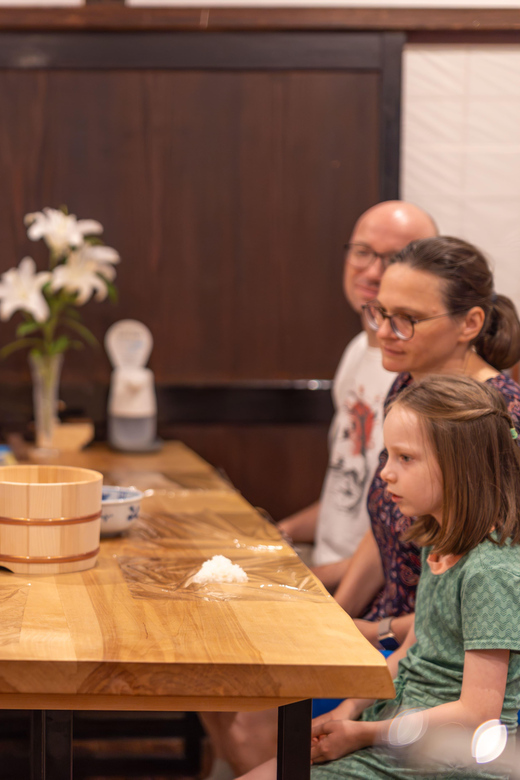
Onigiri sounds simple, but it’s one of those foods where technique and touch matter. In this workshop, you’re taught how to handle the rice, season it properly, and form the rice ball in a way that looks right and feels right in your hands.
You’ll work with fresh, seasonal ingredients, and the focus stays practical: follow the steps, try your own shape, and learn by doing. You also get to eat what you make, which is the best way to understand what good onigiri should taste like.
If you’re a food lover, this part is usually the first moment you feel satisfaction. You go from thinking rice balls are just street food to understanding they are a real, repeatable technique. And since the class is short, there’s no long waiting around. You get moving early.
Miso Soup in Temple Style: Flavor Plus Respect
Miso soup is comfort food anywhere, but temple-made miso soup has a different tone. You’re not just learning how to make it. You’re learning how to treat ingredients as something worth respecting.
In particular, people highlight how delicious the miso soup turns out. It’s often described as the best miso soup they’ve had in Japan, which tells me the class doesn’t rely on bland shortcuts.
You’ll also talk about key parts of the process as you go, including how ingredients work together. Many participants mention that the guide could explain ingredients and cooking decisions in clear English, which makes a huge difference in a short class like this.
Eating Together in a Quiet Temple Setting
This is the meal part you’ll remember. You make onigiri and miso soup, then you sit and eat in the calm environment of the temple.
That shared eating moment does two things:
- It locks in what you learned, because you taste immediately after cooking.
- It keeps the lesson grounded in gratitude, not just food prep.
Some sessions include a more spiritual start, like a short prayer before you begin. You might also get a chance to join a morning prayer at the temple the next day, depending on the timing of your visit. If that’s offered in your group, it’s a meaningful way to see how the food lesson connects to daily temple life.
Vegetarian-Friendly Options Without Feeling Like an Afterthought
Food classes can be tricky if you avoid meat or prefer vegetarian meals. Here, vegetarian-friendly options are available, and that matters because it keeps you fully included in both cooking and eating.
Since the class revolves around rice, miso soup, and onigiri fillings, the vegetarian approach can still feel like you are making the real thing, not a separate version. In practice, you’ll want to speak up early about dietary needs so the temple staff can set things up correctly.
Price and Value: Is $25 Worth It?
At $25 per person for a one-hour class, you’re paying for three things at once: hands-on cooking, an included meal, and cultural instruction that goes beyond recipes.
The value logic is pretty solid:
- You don’t just watch. You actively make onigiri and miso soup.
- The meal is included as breakfast or lunch, so you’re not paying extra to eat afterward.
- You get English guidance and ingredient explanations, which is a big deal if you want to actually understand what you’re doing.
- You may leave with a recipe to take home, which helps you repeat the results later.
So yes, $25 for an hour can feel like a lot if you compare it to casual street food. But if you compare it to an organized cultural cooking lesson that includes both instruction and a meal in a temple setting, it becomes easier to justify.
Who Should Book This Workshop (and Who Might Skip It)
This is a great fit if you:
- Want a short, focused activity in Takayama that still feels cultural and memorable
- Like hands-on food learning more than museum-style sightseeing
- Appreciate the idea of mindfulness and gratitude around meals
- Are traveling on a schedule and want a complete experience in about an hour
It might not be ideal if you’re looking for a longer temple tour or a free-form wandering experience. The class is structured, and that time limit is part of what makes it approachable and affordable.
Also note the limits. It is not suitable for children under 10, wheelchair users, or people with altitude sickness. If any of those apply, you’ll want to choose another Takayama activity that fits your needs.
Practical Tips to Get More From Your One Hour
Here’s how to make the most of a class that moves quickly:
- Come with a few questions about miso, rice seasoning, or onigiri technique. You’ll have time for answers, and the guide’s English skills tend to make this easy.
- Pay attention to the steps rather than trying to rush to the final shape. Onigiri is all touch and method.
- Treat the meal as part of the lesson. Eating in the temple setting is not just an add-on. It is where the experience clicks.
If you’re traveling with dietary needs, say so early. Vegetarian-friendly options exist, but you’ll still want the staff to prepare correctly.
Should You Book This Onigiri and Miso Workshop in Takayama?
If you want one high-impact food experience that still feels Japanese and grounded, I’d book it. The combination of hands-on cooking in the temple kuri, English instruction, and Buddhist touches makes it more than a simple meal. You leave with onigiri skills you can repeat and a clearer sense of how Japanese people connect food, respect, and everyday mindfulness.
Book it especially if you’re in Takayama for a few days and want something that breaks up sightseeing with a calm, useful, and genuinely flavorful hour. Skip it if you need wheelchair access, you’re traveling with a child under 10, or you want a longer temple visit rather than a focused class.
FAQ
How long is the onigiri and miso soup making experience?
The experience lasts 1 hour.
What does it cost?
It costs $25 per person.
Is the workshop taught in English?
Yes, the instructor teaches in English.
What’s included in the price?
You’ll receive rice ball (onigiri) and miso soup as breakfast or lunch, along with expert guidance on preparing traditional Japanese meals.
Are vegetarian-friendly options available?
Yes, vegetarian-friendly options are available.
Where do I meet the group?
Meet at the temple entrance in front of the two gates. Enter the gate closer to the traffic lights, walk straight to the entrance, and follow the directions.
What time should I arrive?
Arrive 10 minutes before the activity starts.
Is there free cancellation?
Yes. You can cancel up to 24 hours in advance for a full refund.
Is it suitable for wheelchair users?
No, it is not suitable for wheelchair users.
Is it suitable for children?
No. It is not suitable for children under 10 years old.
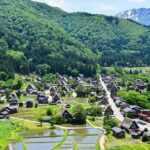
Hida Old Town and the Thatched Valley

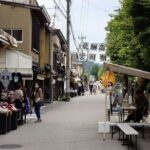
Newest Takayama write-ups from the Loving Japan desk
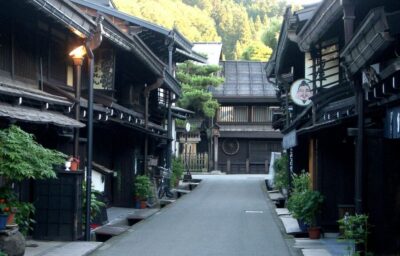

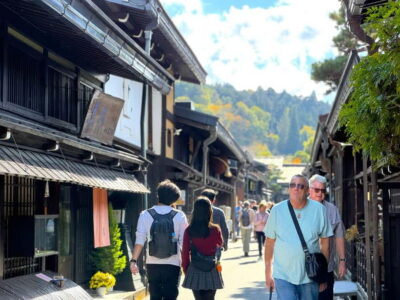
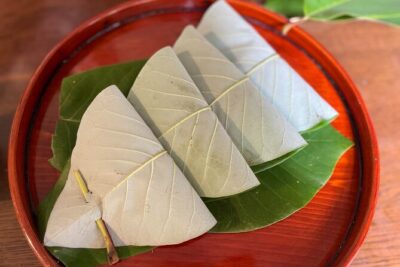
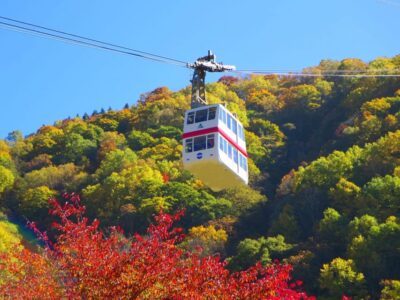
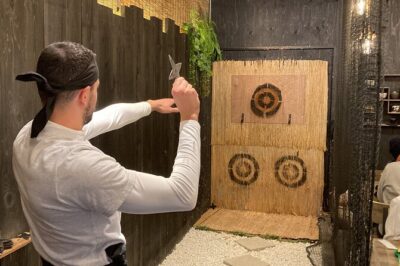
Takayama, Hida and Shirakawa-go, side by side.
 ★ 5.0World Heritage Shirakawa-go and Experience Tours from KanazawaFrom $1224,049 reviews
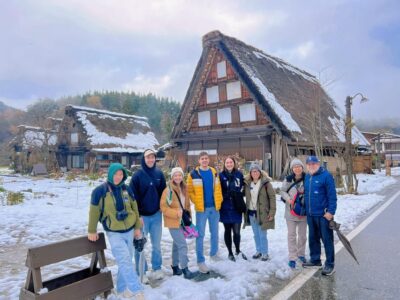 ★ 4.9World Heritage Shirakawa-go Morning Guided TourFrom $77988 reviews
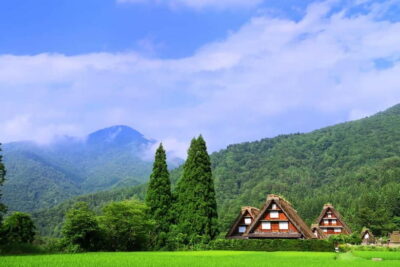 ★ 4.4From Nagoya: Gujo, Hida Takayama, and Shirakawa-go Day TourFrom $61398 reviews
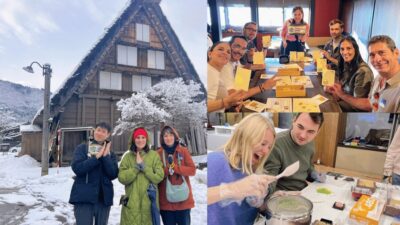 ★ 4.9World Heritage Shirakawa-go & Two Local ExperienceFrom $116274 reviews
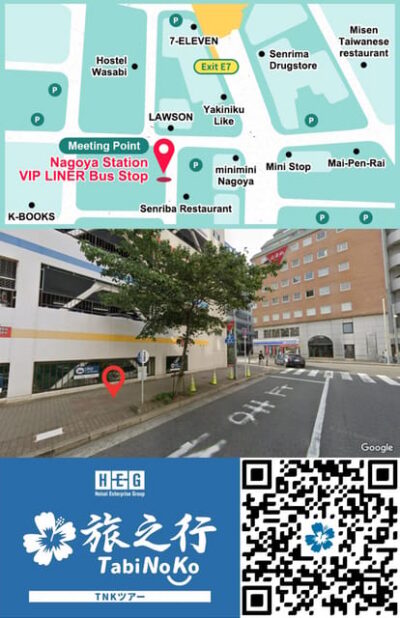 ★ 4.5From Nagoya: Hida Takayama & Shirakawa-go Tour w/Opt. LunchFrom $61256 reviews
 ★ 5.0[One-day bus tour departing from Kanazawa Station] Shirakawa-go and Gokayama – Two World Heritage Villages Enjoyable Bus TourFrom $88253 reviews
 ★ 4.51 Day Private Charter Tour to Shirakawa-go & TakayamaFrom $575253 reviews
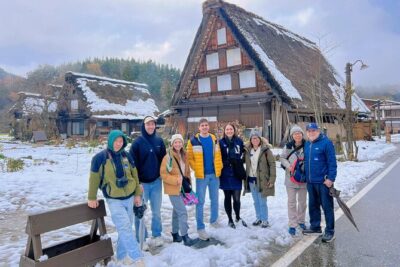 ★ 5.0World Heritage Shirakawa-go Perfect Guided Tour from KanazawaFrom $81220 reviews
Filed on these lists too