
REVIEW · FUSHIMI INARI AND THE TEMPLES OF KYOTO
Japanese Sake Breweries Tour in Kyoto Fushimi
Kyoto’s sake scene starts in Fushimi. This 3-hour walking tour takes you through some of the area’s best-known breweries plus a couple of smaller stops where you actually taste and compare. I like that it mixes brewery basics with real tasting time, not just a look-around.
Two things I really like: the tasting sets (including multiple sake flights) and the way the route connects history to what you taste in your glass. You get museum time and guided visits at each stop, so you’re not guessing what you’re looking at.
One drawback to consider is that the quality can hinge on the guide. On one end, some guides bring background and personality, and on the other, you might find the pace a bit “walk, stop, pour,” with less talk about tasting notes than you hoped.
In This Review
- Key points to know before you go
- Fushimi’s sake streets: why this area makes sense
- Meeting at 中書島駅 and the “888” sign
- Stop 1: Gekkeikan Ōkura Sake Museum (35 minutes)
- Stop 2: Kizakura Kappa Country (5 minutes)
- Stop 3: Fushimi Saka Gura Kouji (25 minutes)
- Stop 4: Fushimi Yume Hyakushu Cafe (35 minutes)
- Stop 5: Ginjo Shubo Aburacho (40 minutes)
- The boat option: the jukkokubune fee you should not forget
- Included tastings and snacks, and what that means for value
- What makes the guide matter, and how to get the best version
- How to taste sake like you mean it (no fancy gear needed)
- Who this tour is for, and who should skip it
- Should you book the Kyoto Fushimi sake breweries tour?
- FAQ
- How long is the Japanese Sake Breweries Tour in Kyoto Fushimi?
- Where do I meet for the tour?
- What languages are available on this tour?
- What tastings and food are included?
- Is there an extra cost for the boat ride?
- Can minors join the tour?
- Who should not join this tour?
Key points to know before you go
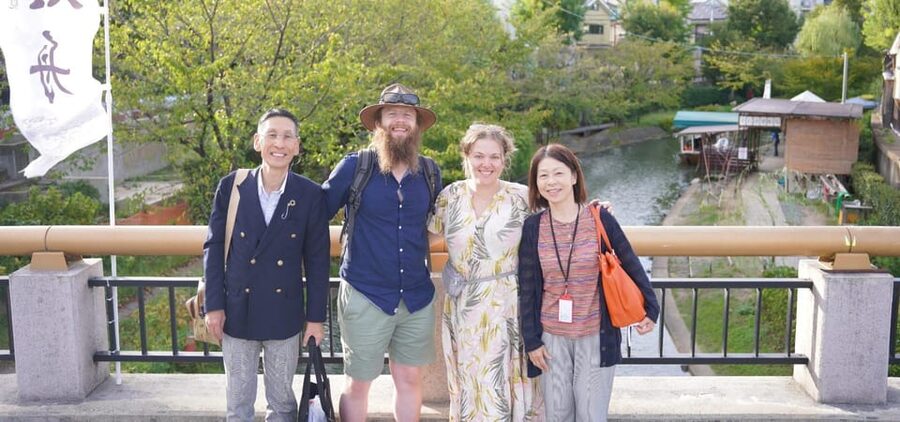
- Fushimi sake district route: you’re walking through one of Japan’s most famous sake areas, not a random tasting crawl.
- Major stops plus smaller makers: Gekkeikan gets the museum treatment, and then you move into other brewery spaces for variety.
- Multiple tastings built into the tour: you’ll sample several styles, not just one sip and done.
- Kyoto beer and sake ice cream included: it breaks up the alcohol focus and gives you non-sake options along the way.
- Boat ride costs extra if you want it: the jukkokubune boarding fee is listed separately, so ask early if that’s part of your plan.
- Age rules matter in Japan: under 20 can join, but drinking alcohol is illegal, and there are non-alcoholic options.
Which temple to give the morning to, reviewed
- Kyoto: Fushimi Inari, Kinkakuji, Bamboo Grove 1 Day Bus Tour
★ 4.8 · 4,316 reviews - Kyoto: Tea Ceremony in a Traditional Tea House in Kiyomizu
★ 4.9 · 3,519 reviews - Kyoto/Osaka: Nara, Fushimi Inari Taisha, Arashiyama Bus Tour
★ 4.7 · 1,275 reviews - Kyoto: Nijo-jo Castle and Ninomaru Palace Guided Tour
★ 4.7 · 1,020 reviews
Fushimi’s sake streets: why this area makes sense
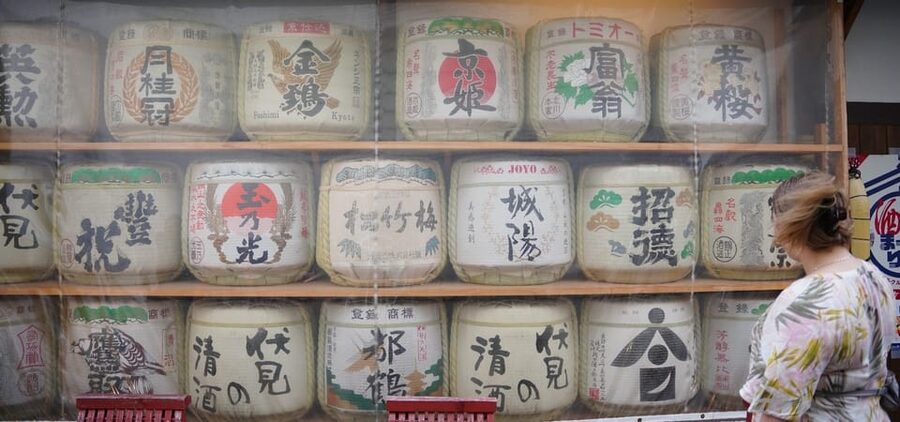
Fushimi is where “sake tourism” feels grounded. The district grew around sake production and distribution, so the places you visit are tied to how the industry actually worked. Even the buildings and shopfronts help you picture the workflow, from rice to fermentation to shipping.
What I like about choosing Fushimi for this tour is that it’s not just names on a label. You’re walking past sites linked to centuries of brewing, and then you taste what those traditions still produce today. That connection is exactly why a guided route matters.
If you’re new to sake, this tour is a good first step because it’s structured. You get a museum-style start, then you move through working brewery spaces and tasting rooms where you can compare what different places do.
Meeting at 中書島駅 and the “888” sign
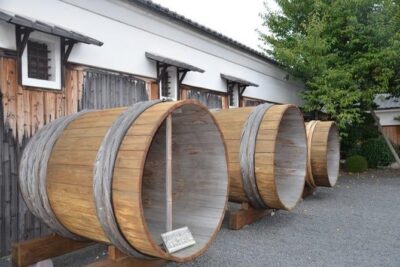
You’ll start at 中書島駅, meeting at the sake barrel object just outside the north exit ticket gate. Your guide holds a sign that says 888, so scan for the sign before you drift away.
Double-check you’re at the correct station area. The info specifically warns not to confuse your start point with JR Sumiyoshi Station, which can have a similar name. This is the kind of detail that can ruin a good afternoon, so arrive a few minutes early and orient yourself.
Group size isn’t stated, but the tour is short and walking-focused, so I recommend wearing shoes you can stand in. Even a light drizzle can make Kyoto sidewalks slick, and one review mentioned enjoying the tour despite rain.
Stop 1: Gekkeikan Ōkura Sake Museum (35 minutes)
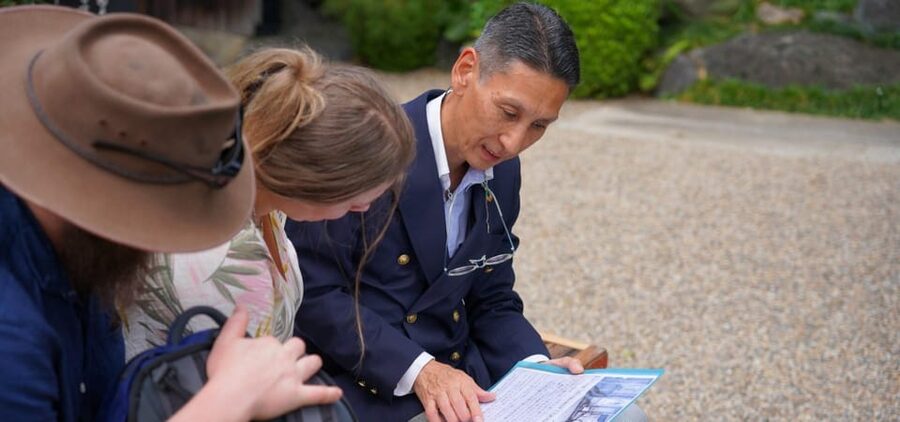
Your tour opens at the Gekkeikan Ōkura Sake Museum, where you get a guided visit. This is where you set your baseline. You learn how sake fits into the region and how production ideas shaped what’s possible in the bottle.
It’s also a practical start because it helps you make sense of what comes next. When you taste later, you’ll at least know the questions to ask, like what makes one style feel fruitier or drier.
Included here is a commemorative sake cup tied to the Gekkeikan Brewery. It’s a small thing, but it’s also a handy souvenir that keeps the tour feeling “official,” not like a casual self-walk.
Pour another. Breweries and tasting rooms nearby
- Kyoto Night Foodie Tour in Gion (9+ dishes + 6 Sake tastings)★ 5.0 · 1,762 reviews
- 3-Hour Kyoto Insider Sake Brewery Tour with Tastings & Pairings★ 5.0 · 917 reviews
- Arashiyama Bamboo, Temple, Monkeys, or Secret Sake Brewery★ 4.8 · 886 reviews
- Kyoto: Insider Sake Brewery Tour with Sake and Food Pairing★ 5.0 · 704 reviews
- Kyoto Sake Brewery & Tasting Walking Tour★ 5.0 · 623 reviews
Stop 2: Kizakura Kappa Country (5 minutes)
Next comes Kizakura Kappa Country, with a brief guided stop. Five minutes sounds short, and it is, but it functions like a palate and pace reset. You’re moving from museum grounding into more hands-on tasting environments.
This is also where the tour includes one glass of Kyoto Beer. It’s a nice break if you’re still learning how you like sake, because you can compare the vibe of something crisp and beer-like while your senses wake up.
I’d treat this stop as a “get your bearings” moment. If you want deeper explanation, this might not be the place to expect a full lesson, but it sets up the rest of the route.
Stop 3: Fushimi Saka Gura Kouji (25 minutes)
Then you step into Fushimi Saka Gura Kouji, where you’ll spend about 25 minutes in a guided visit. This is part of what makes the walking route feel special. You’re not just hearing about sake, you’re seeing the brewery alley environment that locals associate with the area.
The key detail here is that the district is connected to the Fushimi Sake Brewers Association, and the alley exists because of support from multiple breweries. That matters because it explains why the neighborhood looks like a cluster rather than a single building empire.
What you’ll probably notice is the way the spaces feel designed for both production and public access. That mix is what makes tasting tours work here. You can connect the physical setting to why certain flavors show up in specific brewing approaches.
Stop 4: Fushimi Yume Hyakushu Cafe (35 minutes)
This stop is where things can feel the most fun. At Fushimi Yume Hyakushu Cafe, you get guided time and a break built into the tour rhythm.
The tour includes sake ice cream as a snack. That’s a surprisingly smart addition because it gives you an off-the-beaten-path taste connection. If you’re the type who likes desserts, you’ll likely enjoy how the sake theme shows up in something lighter and casual.
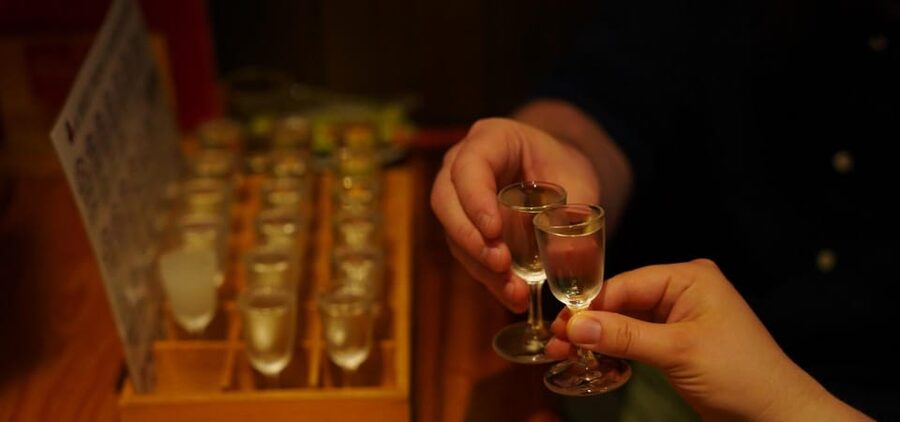
You also get a mention of a set for tasting and comparison, described as 17 kinds of drinks. While the exact format can vary by what’s being served that day, the idea is clear: you’ll be comparing lots of options, not only one tasting flight.
This is also where a guide who talks well can make a big difference. If your guide is chatty and comfortable with the subject, this is the kind of stop where they can explain why one pour seems drier or more aromatic than another.
Stop 5: Ginjo Shubo Aburacho (40 minutes)
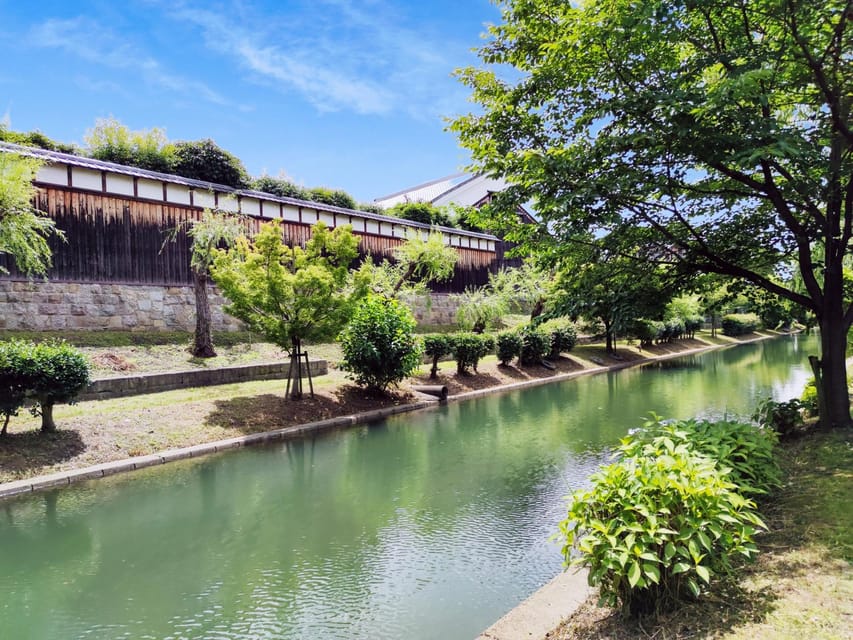
The final brewery-style shop stop is Ginjo Shubo Aburacho, with about 40 minutes guided. This is the finish line for your structured tastings.
The inclusions list a tasting set of three types of Japanese sake specifically at ABURACYO, which pairs with the tasting set of three at the Gekkeikan Brewery earlier. In total, you’re set up for multiple comparisons across the tour, which is what helps you start noticing patterns on your own.
One practical point: if you’re new to ginjo or other sake categories, you’ll want to pay attention during the explanations here. Some guides go further than others, and you don’t want to reach the end and realize you tasted six samples without ever learning what differentiates them.
After this stop, you finish at 吟醸酒房 油長. At that point, you can keep wandering Fushimi on your own with a much better sense of what to order next.
The boat option: the jukkokubune fee you should not forget
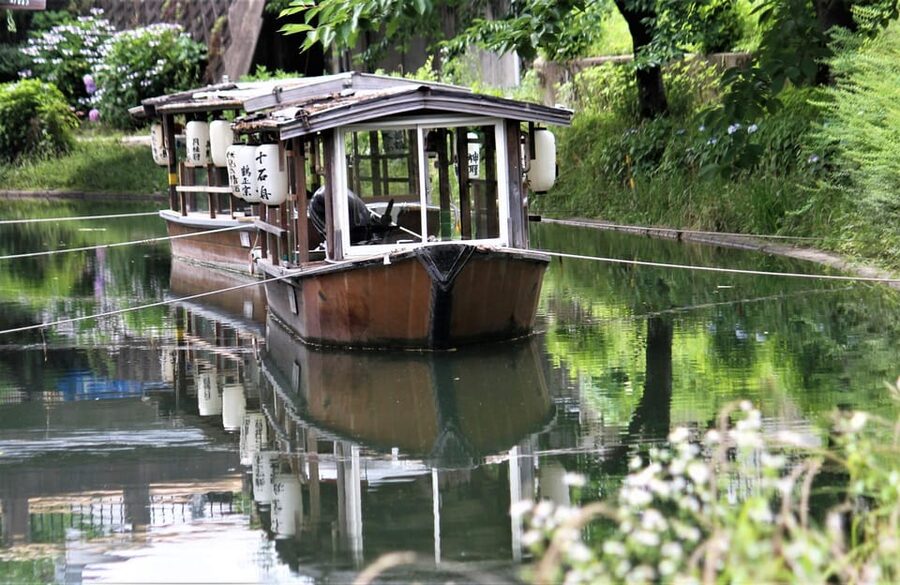
There is a boat component listed as extra: jukkokubune boarding fee is 1500 yen, paid at the dock. It’s not included in the base price, so if you want the boat ride, plan for that extra cost.
The tour description focuses heavily on walking stops, so I recommend asking your guide early in the tour whether the timing works and whether the boat fits your day. If you wait until the last minute, you might miss the window.
If you skip the boat, you’re still getting a full brewery-and-tasting experience. Just don’t assume you automatically have the boat part built in for free.
Included tastings and snacks, and what that means for value
Price is listed at $80 per person for 3 hours. That can sound steep until you look at the inclusions and the time you’re buying.
Here’s what’s included:
- Admission fee to the Gekkeikan Sake Brewery Museum
- A commemorative sake cup
- One glass of Kyoto Beer at Kizakura
- Sake ice cream at the cafe
- Two separate tasting sets of three sake types (one at ABURACYO and one at Gekkeikan)
So you’re paying for a guided route plus multiple tasting opportunities plus entry to a major museum, not just a walk and a quick pour. That is where the value comes from.
If you’re comparing it to DIY in Fushimi, the savings mostly come from convenience and the structure. The tour keeps you moving between stops so you don’t have to figure out what’s open, what to book, or how to order confidently once you’re inside.
What makes the guide matter, and how to get the best version
The experience is built around tasting, but the guide shapes how much you actually learn. One review highlighted a guide who used brewing background and made the afternoon feel informative. Another pointed out a less conversational approach, with less explanation of how sake is made and how to recognize flavor profiles.
To get the best outcome, come prepared with two or three questions you genuinely care about, like:
- What should I notice first in the aroma before I taste?
- How would you describe the difference between dry and sweet on the tongue?
- If I like this sample, what style should I try next?
If your guide is more low-key, those questions can help you pull more value from the tastings. And if your guide is energetic, you’ll be glad you asked, because you’ll learn how to connect flavors to production choices.
Also, with a tour that has multiple stops and tastings, timing can feel tight. If you want stronger takeaways, ask for a quick “why this one tastes different” explanation before you move on.
How to taste sake like you mean it (no fancy gear needed)
You don’t need a sommelier brain. You just need a repeatable way to compare. Before the first pour, take a breath and notice smell. Then take a small sip, let it sit briefly, and notice what changes from front to back of your tongue.
Here are simple checkpoints that match the tour promise of learning by your tongue:
- Smell first: does it feel fruity, floral, or more rice-forward?
- First impression: does it hit dry, sweet, or somewhere in between?
- Finish: does it fade cleanly or leave a stronger lingering taste?
If you get the chance, ask your guide to explain how they would describe those differences. When you learn vocabulary for what you’re tasting, future sake orders become way easier.
And pace yourself. You’re getting multiple tasting sets plus beer. If you want to keep your stamina for walking, use small sips and slow down between stops.
Who this tour is for, and who should skip it
This tour fits you if you want:
- A guided walk through Fushimi’s sake district
- Museum context plus multiple tastings
- A structured way to learn sake basics without doing research all morning
It can also work well if you’re traveling with people who like food and drinks but don’t want a complicated itinerary.
It might not be ideal if:
- You want lots of deep technical fermentation detail at every stop. The time is short at each location, so explanations can vary by guide.
- You strongly prefer long, sit-down tastings rather than walking between venues.
Age-wise, participants under 20 can join, but alcohol drinking is illegal in Japan for that age group. The tour notes non-alcoholic options and juices are available, so you can still participate comfortably.
The tour also says it is not suitable for people over 80 years, likely because of the walking and stop-to-stop pace.
Should you book the Kyoto Fushimi sake breweries tour?
I’d book this if you want a focused, 3-hour introduction to Kyoto sake culture in the place where it actually matters. You’re paying for guided access, museum entry, and multiple tasting sets, plus little extras like Kyoto beer and sake ice cream. That combination is hard to recreate cheaply on your own.
I’d think twice if you hate group pacing or you expect a very chatty, science-heavy lecture throughout. This tour can be wonderfully informative with the right guide, but it is still a short walking route, and the depth of flavor coaching may depend on who you’re matched with.
If you book, do one thing that improves the odds: arrive a few minutes early, find the 888 sign confidently, and come with at least one question about what you’re tasting. You’ll feel like the tour is working for you, not just happening around you.
FAQ
How long is the Japanese Sake Breweries Tour in Kyoto Fushimi?
The tour lasts 3 hours, with starting times based on availability.
Where do I meet for the tour?
Meet at the sake barrel object just outside the north exit ticket gate of 中書島駅. Your guide will be waiting with a sign that says 888.
What languages are available on this tour?
The live tour guide is available in English, Chinese, and Japanese.
What tastings and food are included?
Included items are admission to the Gekkeikan Sake Brewery Museum, a commemorative sake cup, one glass of Kyoto Beer, snacks sake ice cream, and two tasting sets of three types of Japanese sake (one at ABURACYO and one at Gekkeikan Sake Brewery).
Is there an extra cost for the boat ride?
Yes. The jukkokubune boarding fee is 1500 yen, and it is not included. It is paid at the boat dock.
Can minors join the tour?
Participants under 20 can join, but drinking alcohol is illegal under Japanese law. The tour notes non-alcoholic options and juices are available.
Who should not join this tour?
The tour states it is not suitable for people over 80 years.
Cups, Cellars and Tasting Rooms

Which Kyoto Temple Gets Your Morning
Newest Kyoto write-ups from the Loving Japan desk
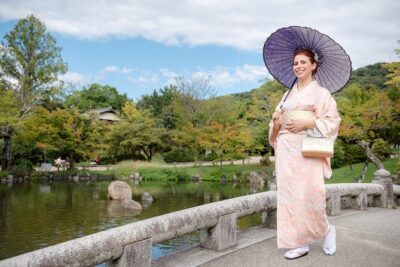
Fushimi Inari and the Temples of Kyoto, side by side.
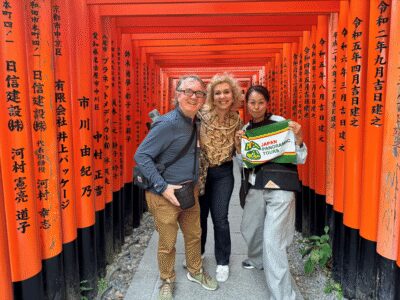 ★ 4.8Fushimi Inari, Kinkakuji, Bamboo Grove 1 Day Bus TourFrom $1224,316 reviews
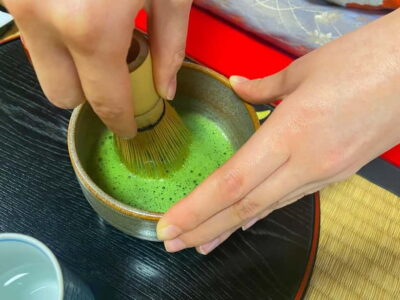 ★ 4.9Tea Ceremony in a Traditional Tea House in KiyomizuFrom $493,519 reviews
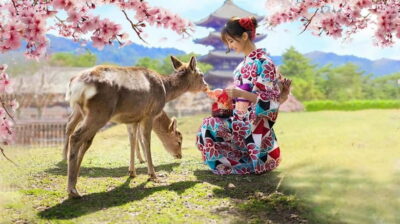 ★ 4.7Kyoto/Osaka: Nara, Fushimi Inari Taisha, Arashiyama Bus TourFrom $521,275 reviews
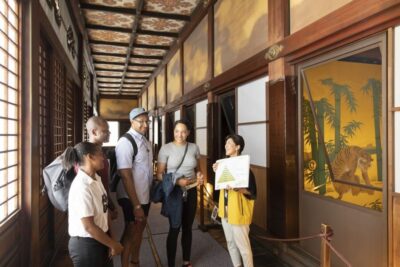 ★ 4.7Nijo-jo Castle and Ninomaru Palace Guided TourFrom $161,020 reviews
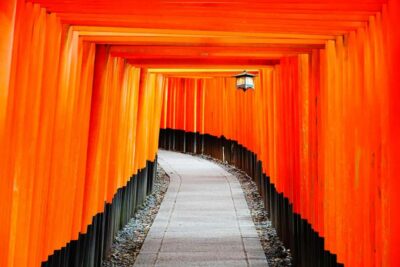 ★ 4.4Osaka/Kyoto: Arashiyama, Nara & Fushimi Inari Shrine w/LunchFrom $61754 reviews
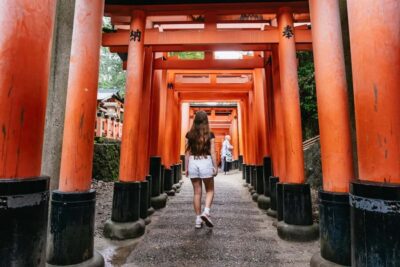 ★ 4.7Nijo Castle, Kiyomizu & Fushimi Inari Guided TourFrom $54700 reviews
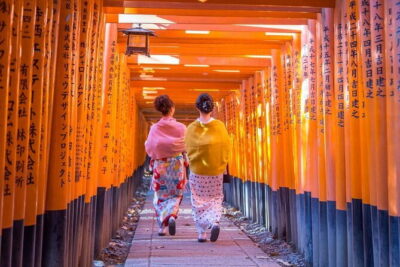 ★ 5.0Nijo, Kinkaku-ji, Arashiyama, Kiyomizu & Fushimi InariFrom $51699 reviews
 ★ 4.7Imperial Palace & Nijo Castle Guided Walking TourFrom $49453 reviews