
REVIEW · SAKE BREWERIES AND TASTINGS
Kyoto: Beyond the Insider Sake Tasting Experience
Sake tastes different when you know why. This experience takes rare Kyoto-style sake into a dedicated private room, with a certified guide walking you through production basics as you taste 10 hard-to-find varieties. The alcohol rules are the one thing to watch, since alcohol is not served to guests who arrive by car or bicycle.
I like that the tasting is not a one-note flight. You get tasting notes, clear categories, and a guided explanation of what makes each pour different. You also get a bigger picture of current Japanese sake trends that rarely get explained abroad.
One possible drawback: if you miss the start time by more than 10 minutes, your booking gets canceled, and alcohol service depends on how you arrive.
In This Review
- Key Things That Make This Kyoto Sake Tasting Worth It
- Kyoto’s Sake Lesson Plan, Not Just a Drink List
- Entering the Private Tasting Room, What Happens Next
- Why These 10 Styles Teach You More Than One “Favorite”
- Ancient methods that change the flavor path
- A style that uses microorganisms in the process
- Local wood brewing, region taste in the glass
- The Basics You’ll Actually Use in Real Life
- Ingredients and process, explained in plain language
- Sake Trends That Don’t Travel Well, Until Now
- What You Get With the Price, and Why It Feels Like Value
- Alcohol Rules You Should Know Before You Go
- Who This Tour Best Suits in Kyoto
- Should You Book This Kyoto Insider Sake Tasting?
- FAQ
- How many sake types are included in the tasting?
- Do I need prior sake experience to enjoy this tour?
- Is food or pairing included?
- Where does the activity start and end?
- Will I be able to drink alcohol?
- What language is the tour offered in?
- What’s the latest time I can arrive?
Key Things That Make This Kyoto Sake Tasting Worth It
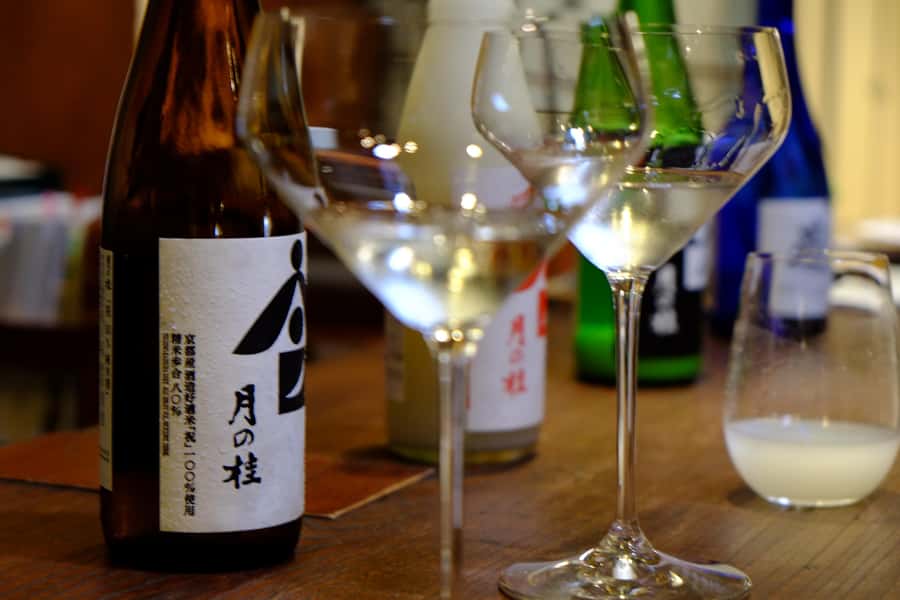
- 10 unique sake types, selected by a sake sommelier, including styles rarely found overseas
- Certified sake sommelier guides who teach production categories along the way
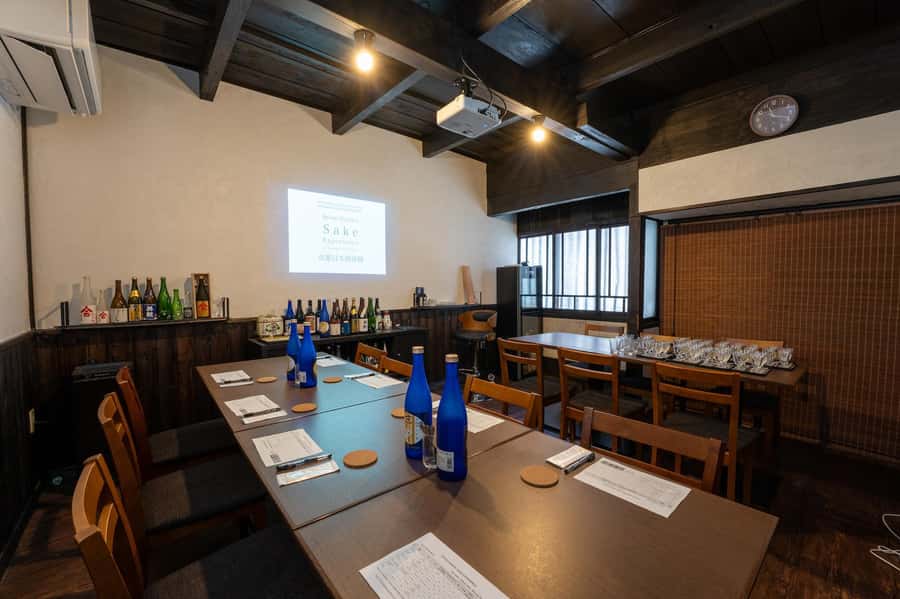
- A dedicated private sake tasting room, so the focus stays on tasting, not walking around
- Sake made with ancient methods, plus a style using the role of microorganisms
- Styles influenced by local wood, which can change how the final sake tastes
- Built for both beginners and experienced sake drinkers
Pour another. Breweries and tasting rooms nearby
- Kyoto Night Foodie Tour in Gion (9+ dishes + 6 Sake tastings)
★ 5.0 · 1,762 reviews - 3-Hour Kyoto Insider Sake Brewery Tour with Tastings & Pairings
★ 5.0 · 917 reviews - Arashiyama Bamboo, Temple, Monkeys, or Secret Sake Brewery
★ 4.8 · 886 reviews - Kyoto: Insider Sake Brewery Tour with Sake and Food Pairing
★ 5.0 · 704 reviews
Kyoto’s Sake Lesson Plan, Not Just a Drink List

If your only plan for Kyoto nightlife is dinner, this tasting will add something smarter to the mix. Sake can seem simple from a distance, sweet or dry, nothing more. This format teaches you to hear the differences in ingredients and process, then confirms them in the glass.
This is also not the same vibe as the “basic” sake tours you might see elsewhere. Here, the tasting is built around a distinct set of examples: bottles brewed using ancient methods that differ from modern approaches, a newer type that leans into the effects of microorganisms, and sake that uses local wood during brewing for a region-specific flavor profile. Those concepts matter because they explain why two sakes can both be labeled sake, yet taste like they came from different planets.
You’ll also be guided through the basics of sake production and key categories even if you have zero background. That matters in a city like Kyoto, where it is easy to get stuck in either overly technical explanations or shallow sipping. This one aims for the middle: learn enough to taste better.
The other big practical point: transportation and hotel pickup are not included. You are starting and ending at the meeting point, and the session is designed around the private tasting room setup. So plan to arrive under your own power.
Entering the Private Tasting Room, What Happens Next
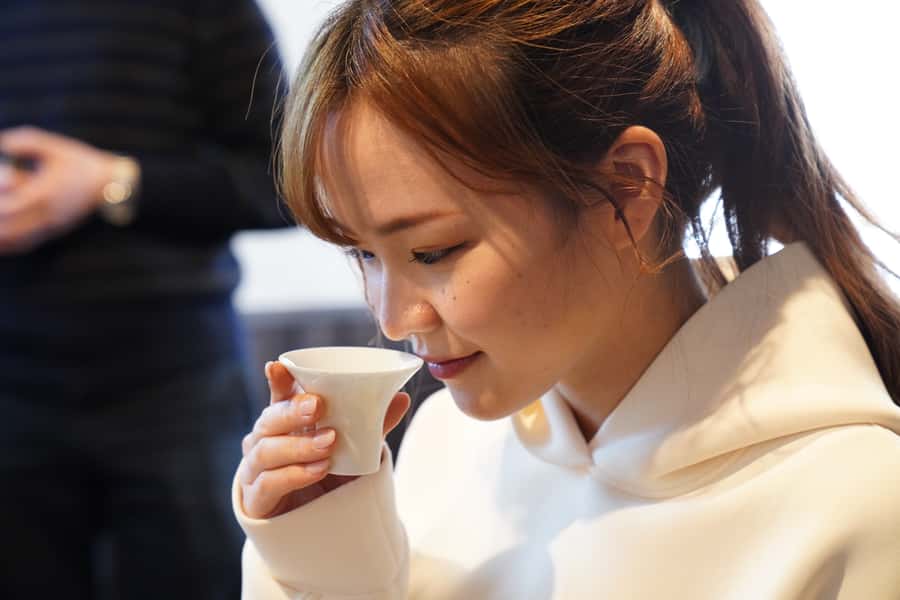
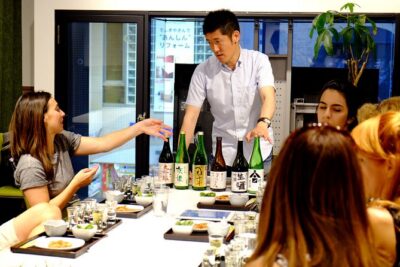
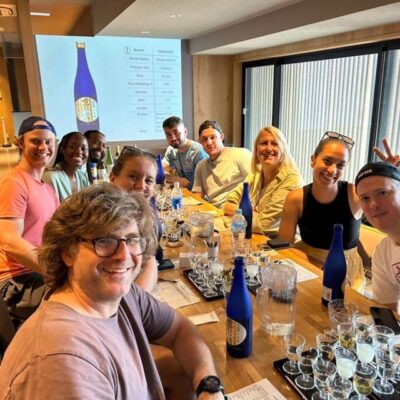
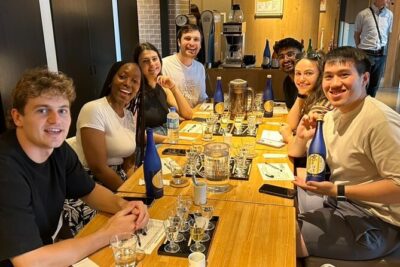
The experience takes place in a dedicated private sake tasting room. That changes the feel right away. Instead of rushing between stops, you settle in, focus, and build an actual comparison across the 10 kinds.
You’ll taste 10 kinds of sake chosen by a certified sommelier. Alongside each pour, you get tasting notes. Think of these as a tool for your next order, your next bottle purchase, and even your next conversation back at home.
The guide’s job is not only to pour. You also get the foundation you need: basics of how sake is made, plus the main categories so you can place what you’re tasting. The payoff is that you stop asking, What is this flavor? and start asking, Which part of the process would cause that?
One more detail that helps: the whole session is in English. That may sound obvious, but sake terms, fermentation talk, and category language can get lost fast in translation. Having it delivered clearly matters, especially when you are comparing styles that are rarely seen overseas.
Why These 10 Styles Teach You More Than One “Favorite”
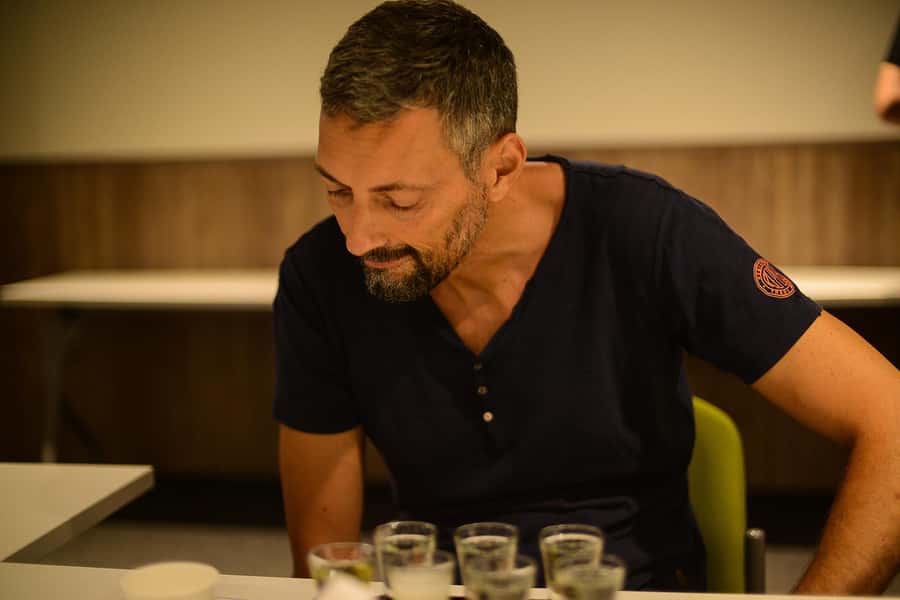
The tasting is built around a smart idea: you learn by comparison. Each of the 10 sakes is selected to show a different lever in the brewing process. You are not just chasing variety for variety’s sake.
Here’s how the theme shows up in the kinds you taste:
- PERFECT KYOTO 1-Day Bus Tour★ 5.0 · 13,518 reviews
- Kyoto: Fushimi Inari, Kinkakuji, Bamboo Grove 1 Day Bus Tour★ 4.8 · 4,316 reviews
- Kyoto: Tea Ceremony in a Traditional Tea House in Kiyomizu★ 4.9 · 3,519 reviews
- Kyoto Geisha Walking Tour: Gion District & Hidden Gems★ 4.7 · 3,273 reviews
- Kyoto: Tea Ceremony Ju-An at Jotokuji Temple★ 4.9 · 3,207 reviews
Ancient methods that change the flavor path
You’ll taste sake brewed using ancient methods that are different from modern methods. You do not need to memorize techniques. What you do need is the mindset: process differences can shape aroma, texture, and how clean or deep the flavors feel.
In practice, this kind of tasting helps you realize that “good sake” is not one flavor profile. It is a range of results from different choices made before the first bottle ever exists.
A style that uses microorganisms in the process
You’ll also taste a type of sake that uses the characteristics of microorganisms. This is a big deal for understanding sake beyond sweetness versus dryness. Microbes influence fermentation behavior, which can affect the overall expression of the brew.
The value for you is simple: once you understand that living processes shape the end product, you stop treating sake like a static product and start treating it like a chain of cause and effect.
Local wood brewing, region taste in the glass
Finally, you’ll taste sake brewed using local wood, which creates a taste unique to the region. Even if you cannot name the chemical drivers, you can learn what to pay attention to when you taste it: how the aroma feels, whether the texture seems different, and how the finish lands compared with the other styles in the flight.
This is exactly the kind of concept that makes a tasting stick. It gives you a “reason to remember” each pour, not just a memory of something you liked.
The Basics You’ll Actually Use in Real Life
Even with no prior sake experience, the tour covers the basics of sake production and the sake categories. That is not filler. It turns the tasting from entertainment into something transferable.
You’ll be able to connect what you taste to broad category thinking. And once you can do that, you will order differently later. Instead of asking for the safest choice, you can pick a style that matches your mood, your food, and your curiosity.
If you already know sake categories, this tour helps you build the missing layer: what process differences look like on your tongue. A lot of people can recite category names but struggle to explain why one sake feels lighter while another feels fuller. Here, you get both the category and the practical tasting contrast.
Ingredients and process, explained in plain language
The experience specifically aims to deepen your understanding of important ingredients in sake making. That matters because ingredients are the “why” behind flavor.
When you learn how ingredients contribute to fermentation and structure, you start tasting with a purpose. You notice changes faster. You can also describe what you like better, even if you do not have a wine vocabulary.
Sake Trends That Don’t Travel Well, Until Now
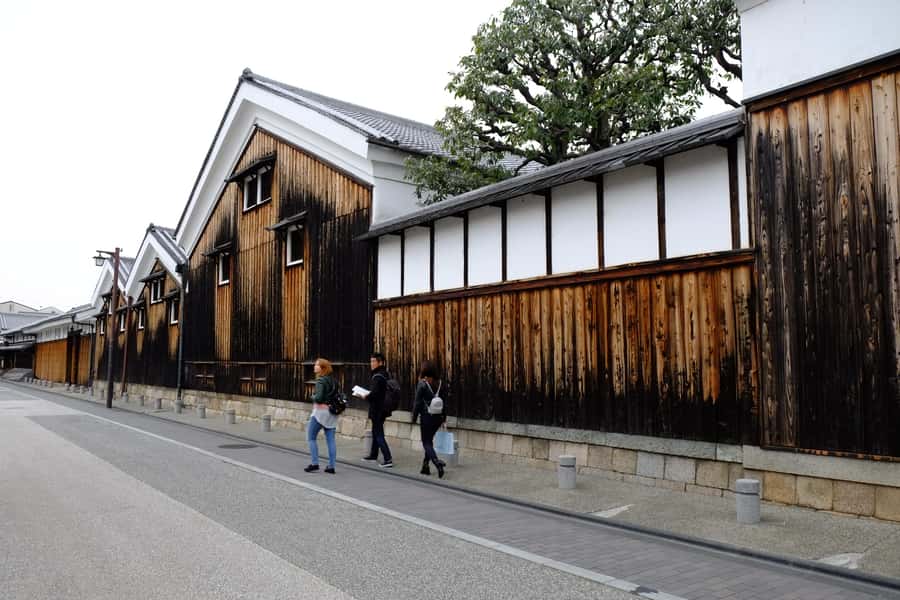
Kyoto and Japan have sake conversations that do not always make it overseas. This experience is designed to uncover those trends not well known abroad.
The most helpful angle for you is not that you’ll learn brand names. It is that you’ll learn what kinds of experiments are happening: older approaches versus modern techniques, brewing choices shaped by microorganisms, and the use of local materials like wood.
That combination gives you a better sense of where sake is headed. It also helps you understand why certain styles are harder to find outside Japan. If you go home after a tasting like this, you will spend your next bottle hunt with more realistic expectations, and better search terms.
What You Get With the Price, and Why It Feels Like Value
Price is listed at $66 per person. For Kyoto, that can sound like a lot if you assume it is just “10 small tastings.”
But the value is the structure:
- 10 kinds of sake selected for learning, not random variety
- tasting notes to take home
- a certified sake sommelier guide
- a dedicated private tasting room, which means the experience is designed around focused tasting
Also, the fact that it is built for both beginners and experienced drinkers makes it a strong “one-and-done” option if you only have time for a single sake event. If you are the curious type, it will also reward you for a return, because you will start noticing details you could not catch on the first pass.
What is not included is also part of the value calculation: there is no food pairing and no transportation or hotel pickup. This tasting is about sake education and tasting. If you want a full meal event, you’ll need to plan that separately.
Alcohol Rules You Should Know Before You Go

This part is not glamorous, but it matters.
For safety and legal reasons, alcohol will not be served to guests who arrive by car or bicycle. Non-alcoholic drinks are available. Also, Japan’s legal drinking age is 20, and customers under 20 will only be served non-alcoholic drinks.
There are also age suitability notes: the experience is not suitable for people under 19 years, and it is not suitable for children under 3 years. Pregnant women are also listed as not suitable.
If you are planning around tasting with friends of mixed ages, set expectations early. The experience is not a flexible “everyone drinks the same thing.” It adapts via non-alcoholic options, but the rules are real.
Who This Tour Best Suits in Kyoto
This experience is a good match if you want your Kyoto time to feel like culture, not just sightseeing.
You’ll probably love it if:
- you want a serious sake learning experience without feeling overwhelmed
- you enjoy structured tasting where you can compare multiple styles
- you like explanations with clear categories and practical takeaways
- you want rare styles, not the same handful you might see elsewhere
You might skip it if:
- you mainly want a meal experience or a party vibe, since food pairing is not included
- you need easy door-to-door logistics, since transportation and pickup are not included
- you are late-prone, because being more than 10 minutes late cancels the booking
Should You Book This Kyoto Insider Sake Tasting?
Book it if you want to taste sake as a craft, not just a drink. The big reason is the theme: ancient methods, microorganism-focused style, and local wood brewing. Those concepts give you a framework to understand what you are tasting, and the private room plus tasting notes keep the learning practical.
Skip it if your priority is convenience first, or if strict alcohol and age rules would complicate your group plans. Also, if you need food pairing included, plan a meal before or after, since it is not part of this experience.
If you are choosing between a basic tour and this one, think of this as the option for deeper curiosity. It is built to make you taste with more context, and that is where the enjoyment usually grows.
FAQ
How many sake types are included in the tasting?
You’ll taste 10 kinds of sake. The selection is made by a sake sommelier, and tasting notes are provided.
Do I need prior sake experience to enjoy this tour?
No. The experience includes basics of sake production and sake categories, so it works for beginners and also for experienced sake drinkers.
Is food or pairing included?
No. Food pairing is not included.
Where does the activity start and end?
It starts at the meeting point and ends back at the same meeting point.
Will I be able to drink alcohol?
Alcohol service depends on the guest’s situation. Alcohol will not be served to guests who arrive by car or bicycle, and guests under Japan’s legal drinking age of 20 will only be served non-alcoholic drinks.
What language is the tour offered in?
The experience is offered in English.
What’s the latest time I can arrive?
If you arrive more than 10 minutes late, your booking will be canceled.
Cups, Cellars and Tasting Rooms


Newest Kyoto write-ups from the Loving Japan desk
Sake Breweries and Tastings, side by side.
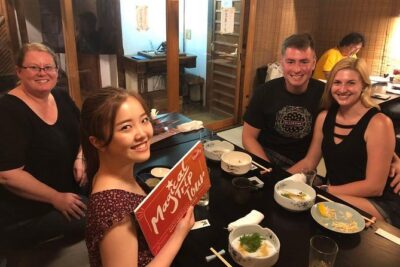 ★ 5.0Kyoto Night Foodie Tour in Gion (9+ dishes + 6 Sake tastings)From $1631,762 reviews
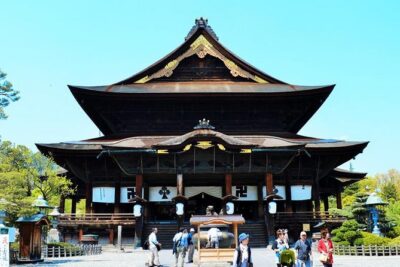 ★ 5.01-Day Snow Monkeys, Zenko-ji Temple & Sake in NaganoFrom $1511,020 reviews
 ★ 5.03-Hour Kyoto Insider Sake Brewery Tour with Tastings & PairingsFrom $84917 reviews
 ★ 4.8Arashiyama Bamboo, Temple, Monkeys, or Secret Sake BreweryFrom $87886 reviews
 ★ 4.9Nagano: Snow Monkeys, Zenkoji Temple & Sake Day TripFrom $135833 reviews
 ★ 5.0Insider Sake Brewery Tour with Sake and Food PairingFrom $87704 reviews
 ★ 5.0Kyoto Sake Brewery & Tasting Walking TourFrom $98623 reviews
 ★ 5.01.5-Hour Kyoto Insider Sake Experience with 7 Tastings & PairingsFrom $68297 reviews
Filed on these lists too