
REVIEW · KYOTO TEA CEREMONIES AND MATCHA
Kyoto: 45-Minute Tea Ceremony Lesson Experience
Matcha time in Kyoto feels like slow magic. In just 45 minutes, a licensed Urasenke tea master teaches you the real flow of a thin tea ceremony, from ceremonial matcha prep to tasting. You also hear how tea fits into Japanese spirit and etiquette, not just how to whisk.
I love two things most: the teaching style stays close to how Japanese beginners learn, and you get hands-on practice instead of only watching. You’ll also get traditional sweets and a photo moment with kimono and Nishijin-district textile examples, so it feels like culture you can take home.
One thing to plan for: you sit on tatami, and there is no video recording allowed. If floor seating is tough for you, ask for chairs in advance so you can enjoy the lesson without worrying.
In This Review
- Key Highlights You Should Know
- Finding Tea Ceremony Koto by Kinkakuji without Getting Lost
- The 45-Minute Tea Ceremony Lesson, What Happens Step by Step
- Meeting the Tea Master, Licensed Urasenke Style
- Matcha Making You Actually Do, Two Green Teas Included
- The Etiquette and Why Each Step Matters
- Sweets and Sipping, How to Enjoy the Tea Pairing
- Kimono Add-On and Nishijin Photo Time
- Candle Light Ceremony, Old Kyoto Mood after Sunset
- Private vs Public Options, Pick the Right Social Level
- Price and Value at $22, What You’re Getting for Your Money
- Logistics That Matter, Timing, Phones, and Getting There
- Who Should Book This Tea Ceremony Lesson (and Who Might Skip It)
- Should You Book Tea Ceremony Koto in Kyoto?
- FAQ
- How long is the Kyoto tea ceremony lesson?
- What is the price per person?
- Where is the meeting point?
- What languages are used during the lesson?
- Do you get to make tea yourself?
- What is included in the experience?
- Is kimono included automatically?
- If I add a kimono, when should I arrive?
- Is video recording allowed?
- Are there options for private or group sessions?
Key Highlights You Should Know
- Licensed Urasenke tea master teaching the thin tea rules, with English support
- Hands-on matcha making while learning how each step affects flavor
- Two flavors of Japanese green tea plus traditional Japanese sweets
- No video recording, but you can take photos and look at kimono and Nishijin textiles
- Optional candle light and kimono add-ons for a different mood after sunset
- Private or public formats so you can pick quiet and intimate, or small group and social
Sit down somewhere quieter. Other tea rooms we booked
- Kyoto: Tea Ceremony in a Traditional Tea House in Kiyomizu
★ 4.9 · 3,519 reviews - Kyoto: Tea Ceremony Ju-An at Jotokuji Temple
★ 4.9 · 3,207 reviews - Kyoto: 45-Minute Tea Ceremony Lesson Experience
★ 4.3 · 2,378 reviews - Kyoto: Table-Style Tea Ceremony at a Kyo-Machiya
★ 4.9 · 1,211 reviews
Finding Tea Ceremony Koto by Kinkakuji without Getting Lost
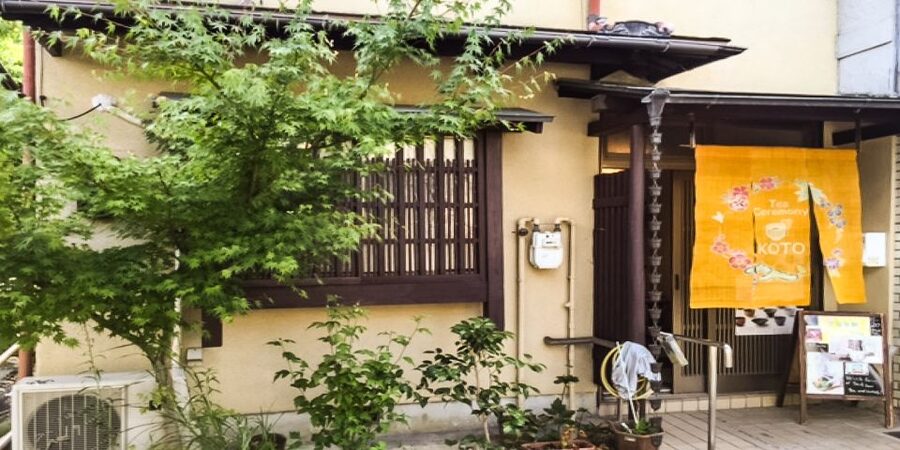
This experience is set up for easy arrival, which matters when you’re pairing it with other Kyoto sights. The meeting point is right by Kinkakuji area, with a 1-minute walk from the Kinkakuji-Michi city bus stop and about 10 to 15 minutes by bus 204 or 205 from Kitaoji subway station or JR Enmachi.
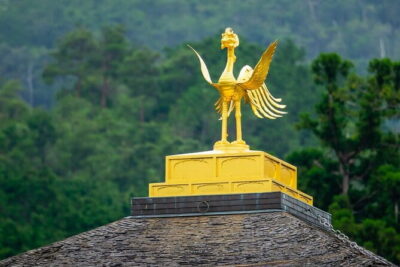
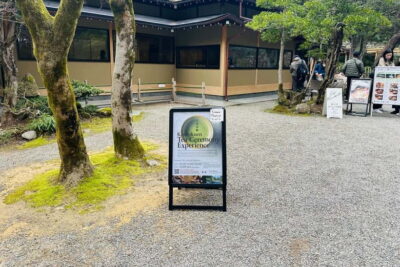
Look for the gate of Kinkakuji-temple and then enter the building through the sliding door with the orange curtain. It’s an easy landmark, but still, give yourself a little buffer because this is one of those activities where being late can shrink your learning time.
There is also a practical note if you’re cycling. If you’re visiting Kinkakuji by bicycle, park look next to the parking area for bicycles at the location.
The 45-Minute Tea Ceremony Lesson, What Happens Step by Step
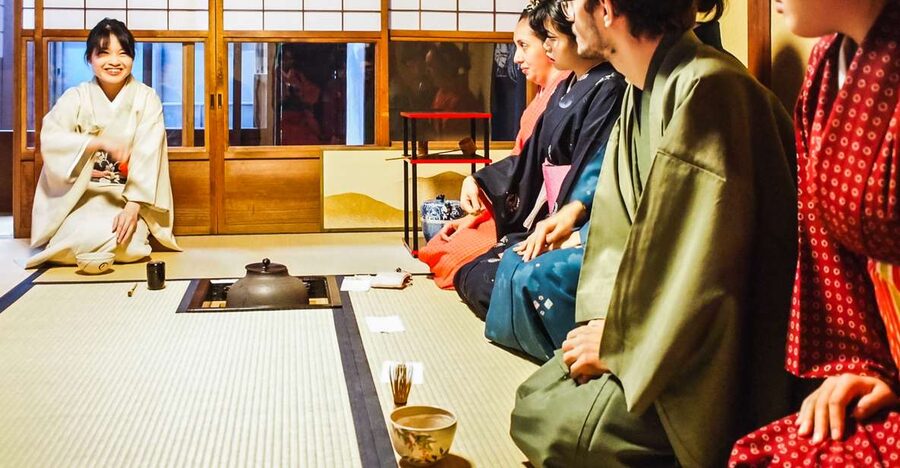
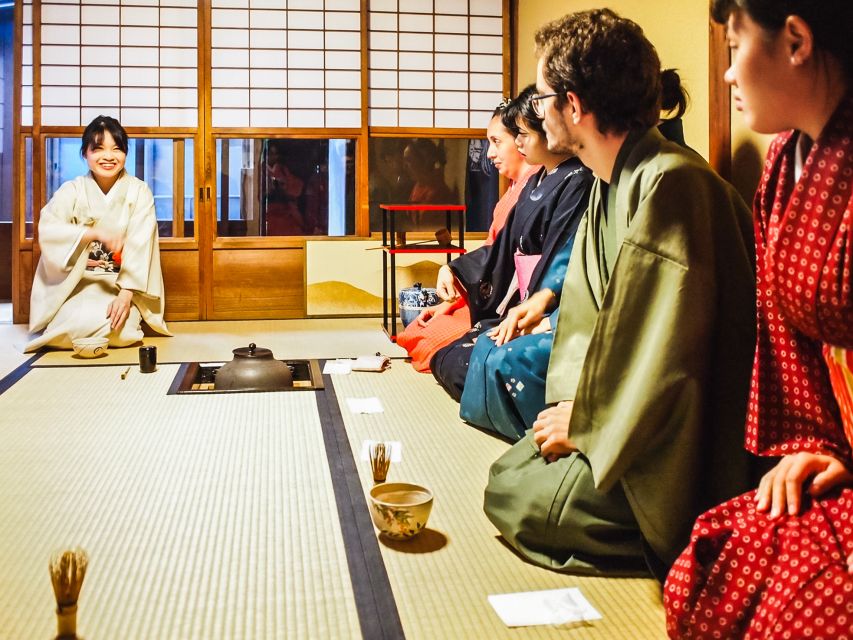
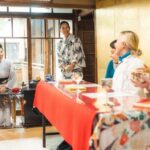
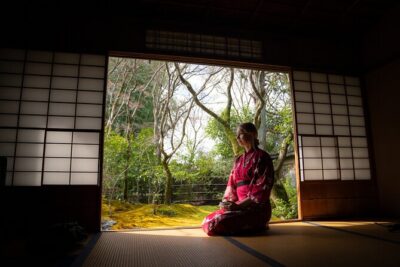
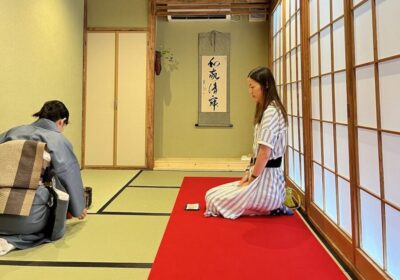
The whole session is designed to feel compact and intentional: 45 minutes, hosted by an English-speaking (and also Japanese) tea master. You’ll start by sitting on tatami, the traditional floor mat, and you’ll be welcomed by your host.
Here’s the rhythm you should expect:
- Ceremonial matcha preparation, first
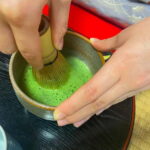
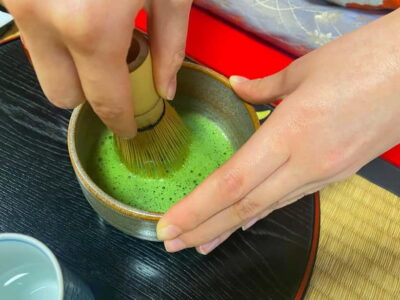
You watch the host do the matcha steps properly, including the ceremonial way the tools are handled and how the powdered green tea is prepared.
- Your turn to make tea
Then you get to do it yourself. The host walks you through what to do while explaining the reasoning behind the steps. This is not just procedure. It’s “why this is done this way,” and how changing the method changes the result.
- History and spiritual role during the lesson
Throughout, you’ll hear about the history and the spiritual role the tea ceremony plays. This is where the ritual becomes more than a demo. You start understanding the tone: respectful, quiet, and precise.
- Sweets break
After the tea-making portion, you’ll savor traditional Japanese sweets. For many people, this is where the whole mood clicks, because the sweetness and the matcha bitterness feel like they were designed to balance each other.
- Photos, kimono, and textile examples
Once it ends, you can take photos and see examples of kimono and beautiful woven textiles from Nishijin. If you add a kimono, you’ll also want to plan how you’ll time your photos during that portion.
Because it’s only 45 minutes, the pace is purposeful. You can still ask questions, but don’t expect a long, free-form conversation. Think of it like a guided class, not a casual chat.
Meeting the Tea Master, Licensed Urasenke Style
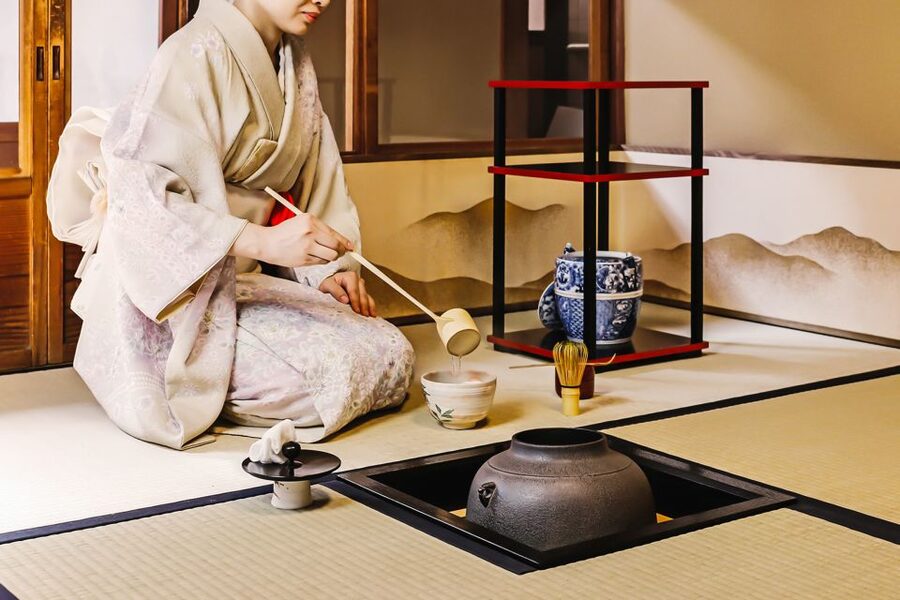
What makes this lesson feel legitimate is the instructor background. Your host is described as a licensed tea master from Urasenke, and Urasenke is described as the biggest school of tea ceremony in Japan.
That matters for you because it tends to mean you’re getting a consistent version of the rules. A lot of tea experiences for visitors can get simplified into something pretty but not strict. Here, the lesson is specifically positioned as a full thin tea ceremony version, not a shortened performance.
You’ll also be taught with a beginner mindset. The provider’s concept is that they do not arrange for tourists. Instead, they teach as Japanese beginners learn. In practical terms, that often means you’re corrected gently on things like posture, tool handling, and basic etiquette.
One more helpful preparation tip: there are short Do’s and Don’ts videos you’re encouraged to watch before your visit, so you don’t accidentally break etiquette. This is especially important because the ceremony is serious about manners.
- PERFECT KYOTO 1-Day Bus Tour★ 5.0 · 13,518 reviews
- Kyoto: Fushimi Inari, Kinkakuji, Bamboo Grove 1 Day Bus Tour★ 4.8 · 4,316 reviews
- Kyoto: Tea Ceremony in a Traditional Tea House in Kiyomizu★ 4.9 · 3,519 reviews
- Kyoto Geisha Walking Tour: Gion District & Hidden Gems★ 4.7 · 3,273 reviews
- Kyoto: Tea Ceremony Ju-An at Jotokuji Temple★ 4.9 · 3,207 reviews
Matcha Making You Actually Do, Two Green Teas Included
Let’s talk about the star of the show: matcha.
Included in your experience are two flavors of Japanese green tea plus the tasting moment. You’ll watch matcha being prepared ceremonially, and then you’ll learn how to make it according to the rules of the tea ceremony.
The host also explains how different tea-making methods affect flavor. That’s a key piece. Matcha isn’t just matcha. When the powder is mixed and whisked a certain way, you can taste the difference in texture and bitterness.
In the reviews, people repeatedly call out the quality of the matcha and how the lesson improved their comfort with bitterness. One person even noted they usually don’t like matcha, but the tea they were served tasted good. Another mentioned the tea was frothy after being explained and prepared correctly.
You should also know there’s a “participation” expectation. This isn’t a sit-and-watch show. You’ll be on the tatami doing the steps with guidance, then drinking what you made.
The Etiquette and Why Each Step Matters
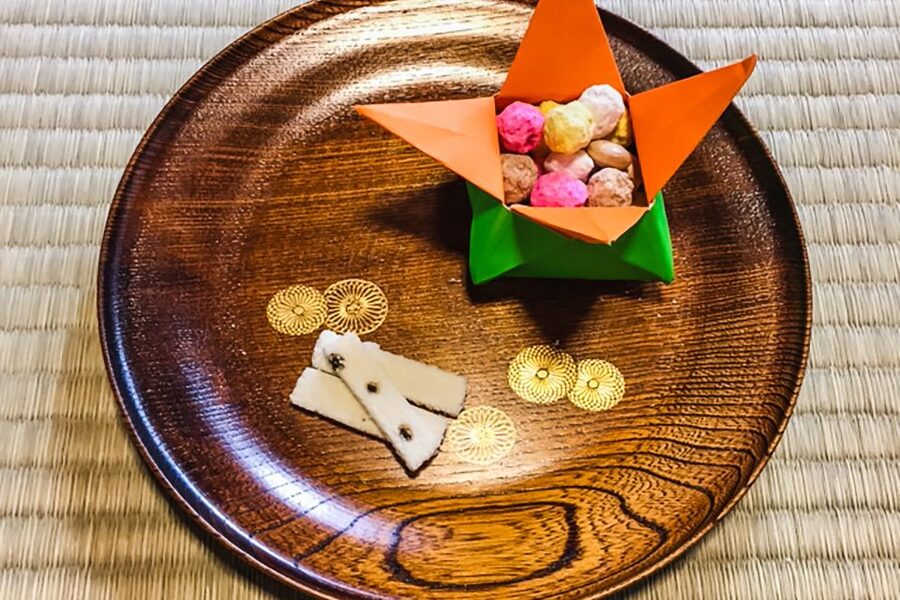
A big part of what you’re paying for here is the etiquette coaching. The tea ceremony is built around small gestures, timing, and respect. The lesson’s job is to make those details make sense.
You’ll learn the rules for the ceremony, including basics of manners for tea drinking. The host also explains what to say during the ceremony, which can remove the awkwardness of not knowing what comes next.
One practical thing you can do before you go, besides watching the Do’s and Don’ts videos: decide in your mind that this is a quiet cultural activity. If you treat it like a sightseeing stop, you’ll feel restless. If you treat it like a short class with a respectful atmosphere, it goes much better.
Also, note the filming rule. Video recording is not allowed. Photos are part of the experience, but videos are a hard no. That means bring your phone for photos only, and keep it out of your hands during the ritual so you don’t lose focus.
Sweets and Sipping, How to Enjoy the Tea Pairing
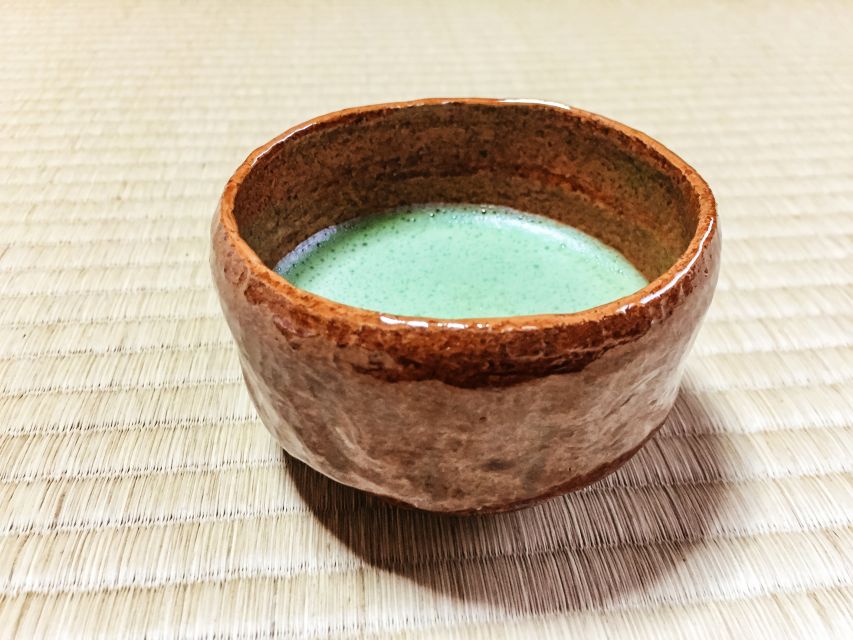
After you make and taste the tea, you’ll get traditional Japanese sweets. This is not an afterthought snack. In tea ceremony style, sweets often come first to help balance the matcha bitterness.
A lot of people love the way the session slows everything down: you drink, you taste the balance, and you take in the explanation. One review described the atmosphere as quiet and relaxing. Another mentioned learning about the deep meaning behind each act and gesture.
So when you’re seated, do the simple things that help the experience land:
- Take a breath before sipping
- Taste the tea, not just the flavor, but the texture too
- Eat the sweet mindfully, not rushed
You don’t need to be Japanese culture fluent. The host helps you with the ceremony basics. Your job is to follow the flow and stay respectful.
Kimono Add-On and Nishijin Photo Time
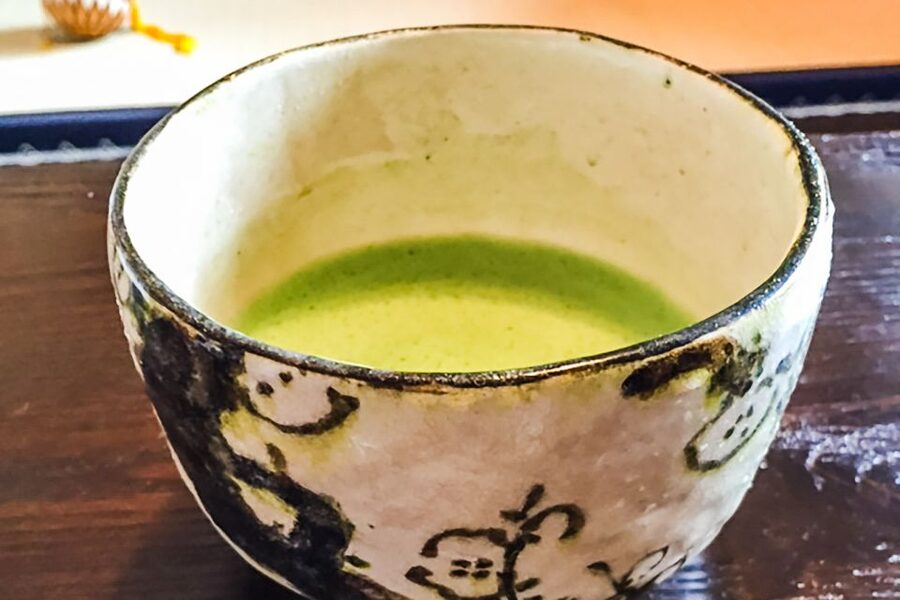
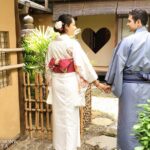
If you want the full “Kyoto memory” look, the kimono add-on is one of the most popular upgrades. It’s optional, and it’s also the part that turns a lesson into a photo-worthy moment.
Here’s the practical requirement: if you reserve the kimono add-on, you must arrive 20 minutes early. The provider notes it’s difficult to add kimono suddenly when you arrive, so plan ahead.
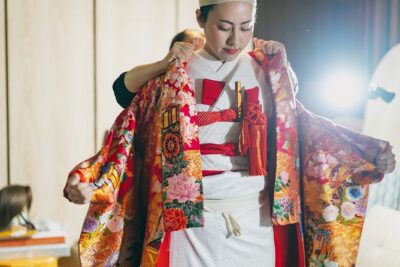
Also, there is no dress code for the activity itself, but if you add the kimono, you’ll change into it as part of the experience. Reviews mention the host helping with how to wear kimono correctly, and that the kimono feels high quality, especially when paired with the photo time afterward.
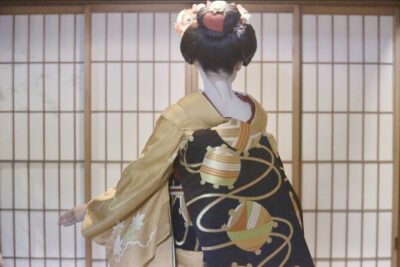
Once the ceremony ends, you can take photos and view examples of woven textiles from Nishijin, which is famous in Kyoto. Even if you don’t buy anything, seeing the craft examples in person makes the experience feel more grounded than a generic souvenir moment.
Candle Light Ceremony, Old Kyoto Mood after Sunset
There’s also a candle light ceremony option. This is an evening session that recreates the peaceful ambiance of old Kyoto after sunset.
If you’re choosing between standard daytime and candlelight, think about how you want the atmosphere. Candlelight tends to make the ritual feel even more still, because your senses are already tuned for night: softer light, slower pace, and a more “ritual-focused” mood.
In the reviews, people described candlelight as perfect, special, and a highlight. One person did it with their family, and another specifically called it out as more memorable because of the evening setting.
Just be ready for the same core rules as the regular lesson: tatami seating, no video recording, and a serious tone around etiquette. Candlelight changes the lighting, not the manners.
Private vs Public Options, Pick the Right Social Level
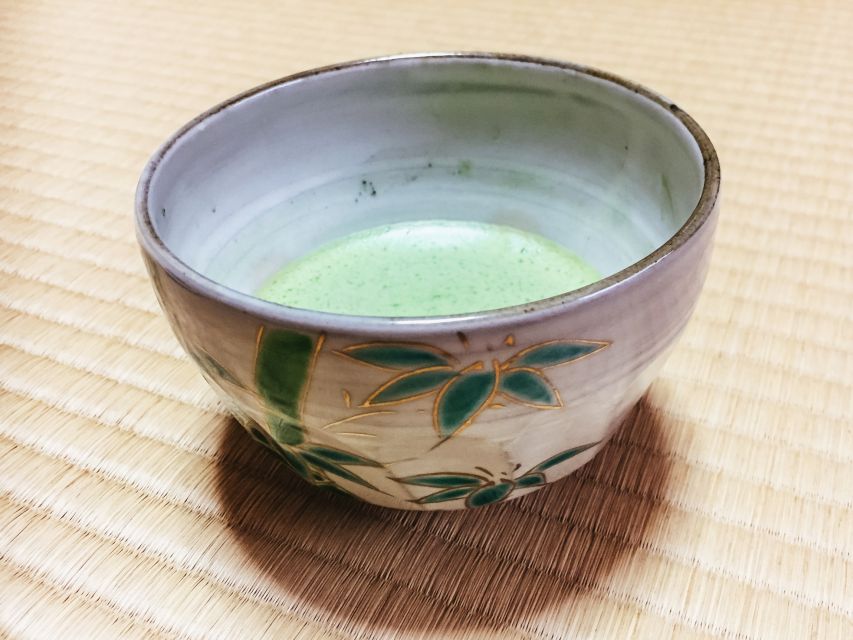
The experience offers different formats, and this affects how comfortable you’ll feel.
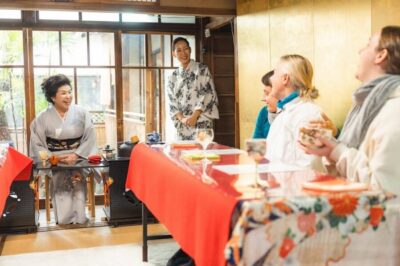
- Public ceremony option: You join a small group and share the cultural journey together. It’s sociable, and it’s intended to feel like Japanese beginners learning, in a group setting.
- Private ceremony option: It’s just you and your group, with close attention from your tea master. This is ideal for couples, families, or anyone who wants quieter pace and more personal guidance.
If you’re traveling as a family or worried about timing, private can reduce stress. If you enjoy meeting people and don’t mind sharing space quietly, public can be fun and still respectful.
Price and Value at $22, What You’re Getting for Your Money
At $22 per person for a 45-minute lesson, the value comes from three practical things.
First, you’re getting real participation. You don’t just watch matcha being made, you make tea yourself following ceremonial rules.
Second, you get more than one taste. The lesson includes two flavors of Japanese green tea, plus traditional sweets. That combination matters because it makes the lesson feel like more than one quick sip.
Third, the instructor credential matters. You’re taught by a licensed tea master from Urasenke, and the lesson is positioned as a full thin tea ceremony instead of a simplified show.
Could you find cheaper tea experiences in Kyoto? Probably. But cheaper often means shorter, less strict, or more performative. Here, the structure and authenticity are part of what you pay for.
So if you want a short, focused cultural class with a serious tone, this price feels fair. If you’re only looking for a quick photo stop, you might feel underwhelmed because this is about manners and tea technique.
Logistics That Matter, Timing, Phones, and Getting There
A few real-world notes help you have a smoother experience:
- No hotel pick-up: You’ll need to reach the location on your own.
- No video recording: Photos are part of the experience, videos are not.
- Taxis after: Calling a taxi after the ceremony is not possible because taxi companies won’t get on the phone immediately. A big taxi stand is in front of the location and usually opens around 5:30 PM.
- Floor seating support: If you might have difficulty sitting on the floor, inform the supplier so you can be provided chairs.
Also, if you add kimono, build in that extra prep time by arriving 20 minutes early.
Who Should Book This Tea Ceremony Lesson (and Who Might Skip It)
This is a great fit if you:
- Want a short, structured cultural experience that focuses on technique and etiquette
- Appreciate calm, respectful learning rather than a party-style show
- Plan to spend time near Kinkakuji and want something nearby that’s memorable and different
- Like the idea of adding a kimono for photos, especially with Nishijin textile examples
You might hesitate if you:
- Need lots of physical comfort on the floor and don’t want to request chair seating
- Strongly prefer filming events, because video recording is not allowed
- Want a long, leisurely conversation, because the time is tight and the pace is purposeful
Should You Book Tea Ceremony Koto in Kyoto?
If you’re choosing one tea ceremony lesson in Kyoto and you care about doing it the “real rules” way, I think this one is a smart call. The biggest reason is simple: you learn the ceremony format, you make the matcha yourself, and you get context from a licensed Urasenke teacher.
Book it if you’re okay with a quiet, etiquette-forward experience and you can handle (or plan for) tatami seating. Skip or consider alternatives if you want nonstop entertainment or you’re hoping to record video throughout.
If you do book, do two things that make a real difference: watch the Do’s and Don’ts videos beforehand, and if you’re wearing kimono, arrive early. That’s how you turn a good lesson into a truly smooth Kyoto moment.
FAQ
How long is the Kyoto tea ceremony lesson?
It runs for 45 minutes.
What is the price per person?
The price is $22 per person.
Where is the meeting point?
You enter through the sliding door with the orange curtain at the building. It is about a 1-minute walk from the Kinkakuji-Michi city bus stop and a 1-minute walk from the gate of Kinkakuji-temple.
What languages are used during the lesson?
The instructor speaks English and Japanese.
Do you get to make tea yourself?
Yes. You watch the host prepare matcha first, then you have the chance to make tea yourself.
What is included in the experience?
You get 2 flavors of Japanese green tea and traditional Japanese sweets.
Is kimono included automatically?
No. Kimono is available as an add-on during booking.
If I add a kimono, when should I arrive?
You need to arrive 20 minutes early when you reserve the kimono add-on.
Is video recording allowed?
No. Video recording is not allowed.
Are there options for private or group sessions?
Yes. There is a private ceremony option and a public ceremony option. There is also a candle light ceremony option after sunset.
Kyoto by the Bowl

Newest Kyoto write-ups from the Loving Japan desk
Kyoto Tea Ceremonies and Matcha, side by side.
 ★ 4.9Tea Ceremony in a Traditional Tea House in KiyomizuFrom $493,519 reviews
 ★ 4.9Tea Ceremony Ju-An at Jotokuji TempleFrom $293,207 reviews
 ★ 5.0World Heritage Kyoto & Nara Uji Authentic Matcha ExperienceFrom $1291,573 reviews
 ★ 4.9Tea Ceremony ExperienceFrom $251,426 reviews
 ★ 4.9Table-Style Tea Ceremony at a Kyo-MachiyaFrom $451,211 reviews
 ★ 4.8Kenrokuen Tea Ceremony ExperienceFrom $351,139 reviews
 ★ 5.0Kimono Tea Ceremony at Kyoto Maikoya, NISHIKIFrom $65911 reviews
 ★ 5.0Arashiyama Bamboo Forest, Monkeys, Matcha & Temple TourFrom $53759 reviews
Filed on these lists too