
REVIEW · TOURS WITH GOVERNMENT-LICENSED GUIDES
Kyoto Full-Day Private Tour (Osaka departure) with Government-Licensed Guide
Kyoto in one day can feel like a sprint. This Osaka departure private tour makes it smarter with a government-licensed guide and a route built around the Kyoto sights you actually want.
Two things I like a lot: you get licensed local guidance (and guides such as Rie, Andy Murao, Tatsuya Ito, Bell, Ichiro, Haru, and Yuko show up in the feedback as strong at history and logistics), and you get a customizable plan where you choose 3 to 4 Kyoto sites from 35+ options instead of doing a one-size-fits-all checklist.
The main drawback to plan for is that it is a walking tour. Pickup is on foot, and with many temples, markets, and districts packed into a single day, you should expect a lot of steps, plus entrance fees and lunch are not included.
In This Review
- Key Things That Make This Kyoto Day Worth It
- What a Government-Licensed Kyoto Guide Does for You
- Price and What You Are Really Paying For ($201.46)
- How the Custom 3 to 4 Site Plan Works From 35+ Options
- Fushimi Inari, Kiyomizu-dera, Nijo Castle, and Gion as a One-Day Spine
- Higashiyama’s Temple Circuit: Ginkakuji, Nanzenji, Tofuku-ji, and Kinkakuji
- Arashiyama From Togetsukyo Bridge to Bamboo Walks and Imperial Villas
- North of the Center: Kibune, Kurama, and the Hillside Temple Quiet
- Imperial Connections and the Best Way to Handle This Many Choices
- Who This Tour Suits Best
- Should You Book This Kyoto Full-Day Private Tour From Osaka?
- FAQ
- How long is the Kyoto full-day private tour?
- Where does the tour start, and is pickup available?
- Is this tour walking-heavy?
- What is included in the price?
- Are transportation and entrance fees included?
- Is lunch included?
- Is this a private tour just for my group?
Key Things That Make This Kyoto Day Worth It
- A government-licensed guide who can connect the dots so sites feel like more than photo stops
- A custom route from 35+ Kyoto options, usually focusing on 3 to 4 major stops so you are not rushed from everything
- Train and neighborhood navigation help, which matters a lot when you are coming from Osaka or even a cruise terminal
- Big-name highlights paired with practical choices, like markets and atmospheric streets alongside famous temples
- Guides tailored to your pace, with past guides explicitly adjusting for stamina needs
Still weighing up options in Osaka? These are the ones our reviewers rated highest.
- Osaka Go Karting Tour with Funny Costume
★ 5.0 · 2,658 reviews - Osaka Castle: Museum and Tower Entry Ticket
★ 4.5 · 2,380 reviews - Osaka: Shinsekai Food Tour with 13-15 Dishes at 5 Eateries
★ 4.8 · 2,204 reviews - Osaka Food Tour: 13 Dishes at 5 Local Eateries
★ 5.0 · 2,149 reviews
What a Government-Licensed Kyoto Guide Does for You
Kyoto is beautiful, but it is also confusing if you go it alone. Streets loop, temple entrances hide behind side lanes, and the best time to be somewhere is often a moving target.
This tour is built around a licensed local English-speaking guide, not just a friendly translator. That is the difference between hearing a few trivia lines and actually understanding why Fushimi Inari matters, why Nijo Castle was a statement of power, and why Gion’s lanes feel different at walking speed than they do in a bus photo.
I also like that the feedback repeatedly calls out guides doing real logistics, not just talking. People highlight how guides like Andy Murao and Haru helped with train navigation, and how Ichiro and Yuko were praised for saving time with the right transportation choices. In other words, you are buying stress reduction as much as sightseeing.
Price and What You Are Really Paying For ($201.46)
At $201.46 per person for an 8-hour private tour, you are not paying for a seat on a big bus. You are paying for a guide, a custom plan (choose 3 to 4 sites), and the time of someone who knows how to sequence stops efficiently.
Here is the catch: entrance fees and transportation are not included, and lunch is on you. Some sites listed for the route have free admission, like Fushimi Inari, Gion, Nishiki Market, and Pontocho areas, but others are not listed as free. So your total day cost depends on which mix your guide builds.
For best value, this tour tends to shine when you have a small group that can split the private cost, or when you really want specific priorities. Families often like it because a good guide can slow down where needed, like one past guide did for a young child’s stamina.
How the Custom 3 to 4 Site Plan Works From 35+ Options
This is not a tour that tries to cram every famous place into one day. It is a walking tour from Osaka with an 8-hour window and a custom itinerary that typically picks 3 to 4 Kyoto sites.
You start by meeting your guide in a designated Osaka area. Pickup is offered, and the tour notes that pick up is on foot, which matters because you are not going straight into a private van. Expect a walking-heavy day, especially around older neighborhoods where the streets are narrow.
From there, you choose what you want most. The options cover everything from UNESCO-level landmarks to quiet hillside temples, imperial villas, and Arashiyama’s river and bamboo area. The payoff is that you get time to actually look, not just point.
- Osaka Go Karting Tour with Funny Costume★ 5.0 · 2,658 reviews
- Osaka Castle: Museum and Tower Entry Ticket★ 4.5 · 2,380 reviews
- Osaka: Shinsekai Food Tour with 13-15 Dishes at 5 Eateries★ 4.8 · 2,204 reviews
- Osaka Food Tour: 13 Dishes at 5 Local Eateries★ 5.0 · 2,149 reviews
- Hungry Osaka Street Food Tour:15 Tastings & 3 Drinks with a Local★ 5.0 · 1,727 reviews
Fushimi Inari, Kiyomizu-dera, Nijo Castle, and Gion as a One-Day Spine
If you want the classic Kyoto feel without guesswork, many routes start with the big symbols and then move into Kyoto’s older streets.
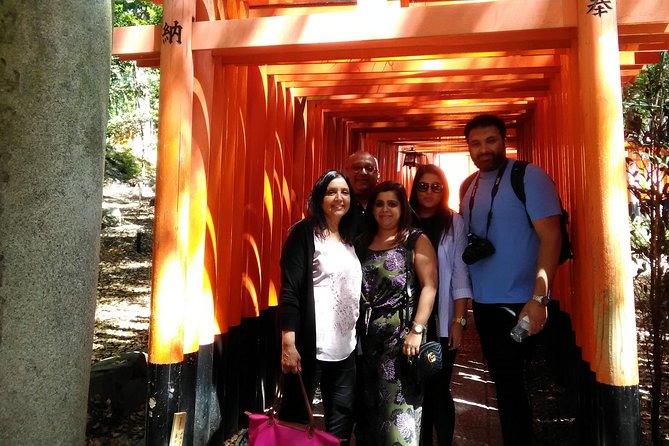
Fushimi Inari-taisha Shrine is the kind of place where a guide helps you avoid wandering in the wrong direction. The shrine is famous for its pathways of torii gates, and even when you keep it to a short visit, the place reads as Kyoto’s spiritual backbone. Admission is listed as free in the tour details, which is a nice win for your budget.
Kiyomizu-dera is the photo-famous temple that rewards slow looking. You get a guided walk through the area, and because the tour lists the admission as not included, you should plan to pay separately if you want full access. Expect crowds. A guide is useful here for timing and for moving between viewpoints without wasting time.
Nijo Castle brings the political side of Kyoto into focus. It is a UNESCO site tied to Tokugawa Ieyasu and the early Edo period. This is one of those stops where a guide can explain the castle’s purpose, not just its architecture. Admission is not included, so budget accordingly.
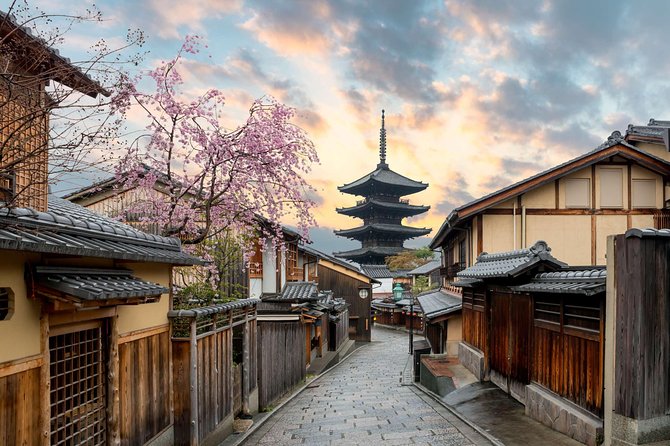
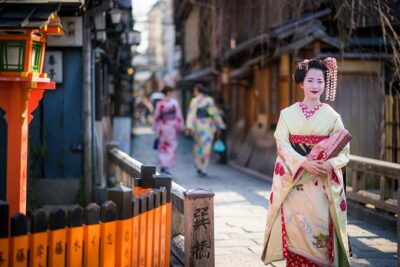
Gion is Kyoto at walking speed, especially the geisha district lanes. The tour notes free admission for the Gion stop, but the real value is knowing how to move through narrow alleys without getting lost or disrespecting the area. One past guest mentioned seeing a geisha in full make-up during a Gion walk, which is the kind of moment you are more likely to catch when you are positioned well and moving at the right time.
Nishiki Market is known as Kyoto’s Kitchen, and it is ideal for snacks and quick browsing. The listing shows free admission for the market stop. The drawback is simple: it is narrow and busy, so you will want a guide who can steer you to what is worth paying for and help you avoid paying twice for the same thing.
Kyoto Imperial Palace adds the imperial storyline. The tour notes it as a stop with admission not included. Even if you are not a history nerd, you will appreciate how this contrasts with temple life and merchant districts. You should expect a slower, more open-feeling visit compared to the tight lanes elsewhere.
Pontocho rounds out the day with atmosphere. It is described as a narrow dining alley near the Kamogawa River. Admission is listed as free. This is a great place to pause, but if you arrive late, you might spend more time looking for food than enjoying the street itself.
Higashiyama District is where the old Kyoto vibe concentrates. The tour lists this as a free stop, and it makes sense because Higashiyama is about preserved streets and historic mood. The only practical drawback is that this area can get crowded fast, so you will want your guide to time your walking.
Kennin-ji Temple is close to the bustle of Hanamikoji and Shijo streets, but the grounds are described as pleasant to walk. This is a good option if you want a temple that feels calmer than the most famous hotspots nearby.
Toji Temple is a different flavor, tied to early Heian-period Kyoto after the capital moved. The tour notes free admission for Toji. This one can be a smart swap when you want a major site but do not want to repeat the exact same skyline view as every other stop.
Higashiyama’s Temple Circuit: Ginkakuji, Nanzenji, Tofuku-ji, and Kinkakuji
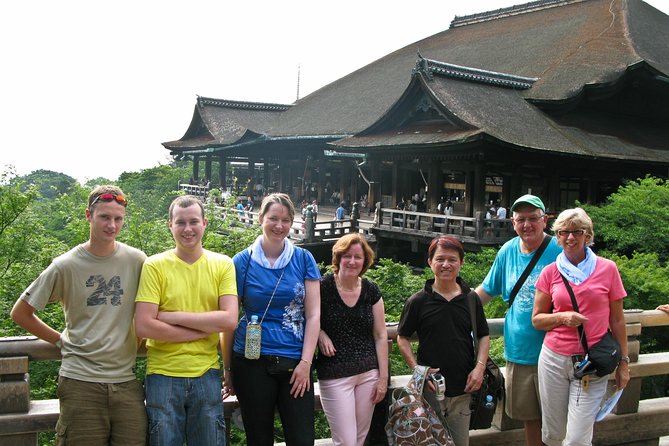
If your heart leans Zen or you want Kyoto’s famous temple aesthetics, the eastern temple options are where the day gets its wow factor.
Ginkakuji (Silver Pavilion) is a classic for a reason. In a short visit, you still get the sense of a contemplative retreat shaped by its surroundings. Admission is not included, so plan for that cost.
Nanzenji and the Suirokaku (waterway) area add scale and atmosphere. The listing frames Nanzenji as an important Zen temple with spacious grounds at the base of Higashiyama. This can be a great break from shopping lanes, but it also means more walking on uneven temple paths, so wear decent shoes.
Tofuku-ji is known for dramatic autumn color, but even outside peak season it is a strong Zen-temple stop. Admission is not included.
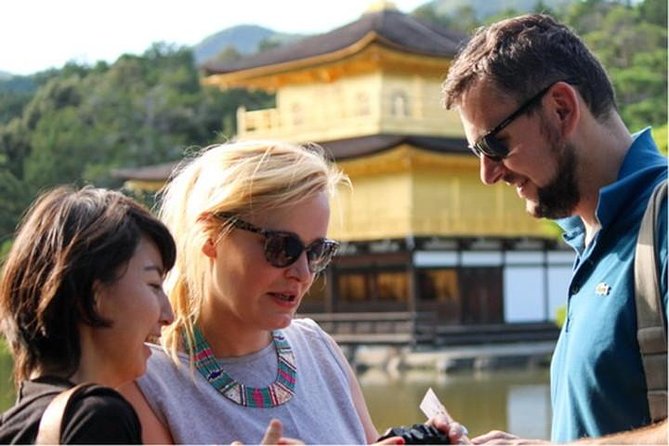
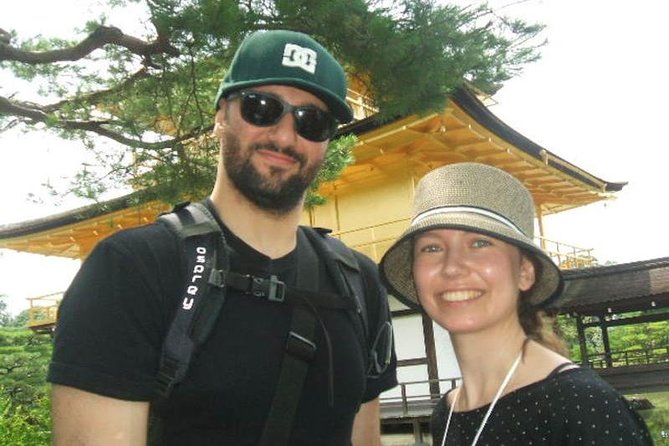
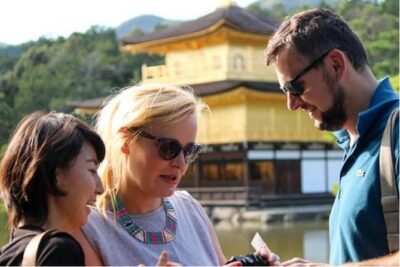
Kinkakuji (Golden Pavilion) is the opposite mood from Tofuku-ji in the sense that it hits you instantly. The top two floors are covered in gold leaf, and that contrast can feel almost unreal in person. Again, admission is not included, but it is worth budgeting for if this is on your must-see list.
Ninnaji and Ryoan-ji are excellent when you want Kyoto to feel quieter and more thoughtful. Ninnaji is listed as a World Heritage site head temple of the Omuro School of Shingon Buddhism, founded in 888. Ryoan-ji is famous for Japan’s most well-known rock garden. Admission is not included for both, and the rock garden area can feel crowded, so go with the flow and focus on details rather than expecting empty silence.
Byodoin Temple in Uji is the wildcard that can make the day feel bigger than Kyoto alone. The listing expects extra travel time because it is in Uji city. Admission is not included. If you include Byodoin, it is a great way to see the Phoenix Hall, a National Treasure and UNESCO World Heritage site, but you will need to be realistic about travel time so you do not end up sprinting through the last stop.
Arashiyama From Togetsukyo Bridge to Bamboo Walks and Imperial Villas
West Kyoto is where the day breathes a bit, and where you start seeing how Kyoto can be scenic without being theme-park busy.
Arashiyama is the big district option. The listing calls it pleasant and touristy, with a long history going back to the Heian period when nobles came for the natural setting. Admission is not included, so treat it like a neighborhood day where you decide what you want to focus on.
Togetsukyo Bridge is Arashiyama’s iconic landmark. The listing notes it has a long history and was reconstructed in the 1930s. This stop is about the river view and the walkable photo perspective, not about a single indoor ticket.
Bamboo groves walking paths are often the highlight. Even though the listing does not promise you alone-time, it points out that bamboo sways gently when there is a light wind. Admission is not included, so you are mostly paying with your legs and your attention.
Tenryu-ji Temple is described as the most important temple in Arashiyama and one of Kyoto’s five great Zen temples. It is registered as a World Heritage site. Admission is not included. If you like garden design, this is the type of stop where a guide’s timing matters, since certain views are best from specific spots.
Daikaku-ji is another strong temple option in the Sagano area. It began as an emperor’s detached palace and later became a temple. Admission is not included. This can help balance Arashiyama so you are not only doing scenery and shopping.
Okochi Sanso Garden sits behind the bamboo groves and is connected to actor Okochi Denjiro. Admission is not included. If you are choosing only one extra garden-type stop in Arashiyama, this is the kind of place where you can slow down and enjoy pathways.
Katsura Imperial Villa is an architectural and garden design highlight, originally completed in its current form in 1645. Admission is not included. This is one of those stops where you appreciate restraint and design more than spectacle.
Yoshimine-dera and other hillside temple options in the western hills can also appear in customized routes. The listing positions Yoshimine-dera as a Tendai-sect temple similar in location spirit to Kiyomizudera but on the other side of Kyoto, built along forested slopes.
North of the Center: Kibune, Kurama, and the Hillside Temple Quiet
Kyoto outside the main zones can feel like a different city. That is where the quieter hillside temples and mountain-side towns come in.
Kibune is a small valley town in Kyoto’s northern mountains connected to Kifune Shrine. It also has a legend element involving a goddess traveling from Osaka. Admission is not included, and the practical part is that it takes planning to fit smoothly into your 8-hour day.
Kurama-dera is linked to the Kurama area and is known for the temple and hot spring. Admission is not included. You might include it if you want mountains and a break from the city’s density, but be realistic about the travel time relative to other Kyoto highlights.
Jojakkoji, Nisonin, and Gio-ji are hillside temples with small buildings, moss, maple trees, and stair-and-path walking. Admission is not included across these options. The drawback is that these are not quick stops. They reward patience, and your shoes will matter.
Adashino Nenbutsu-ji and Otagi Nenbutsu-ji are known for stone statues connected to Buddhist tradition. The tour listing describes Adashino’s statues for the souls of the deceased and Otagi as famous for 1200 rakan statues, each with different facial expressions. Admission is not included. If you like unusual visual detail, these are memorable, but keep expectations realistic since the walk between parts adds up.
Imperial Connections and the Best Way to Handle This Many Choices
Kyoto is layered, so the smartest way to use this tour is to pick a theme you care about.
If you love rule-making and power, think Nijo Castle, and then add an imperial angle like Kyoto Imperial Palace or an imperial villa such as Shugakuin Imperial Villa. Shugakuin is described as a 17th-century imperial villa managed by the Imperial Household Agency, with upper, middle, and lower villa areas.
If you love gardens and design, lean toward Katsura Imperial Villa and the Arashiyama-area options, including gardens like Okochi Sanso. If you want spiritual atmosphere, prioritize temple circuit stops like Kinkakuji, Ginkakuji, Nanzenji, Ryoan-ji, and one quiet hillside option like Gio-ji.
Also, do what the best guides do: sequence stops so you are not zigzagging across Kyoto all day. In feedback, Yuko and Reo are praised specifically for transportation choices and for building itineraries around what people want to see. That is how you make a custom day feel effortless.
Who This Tour Suits Best
This is a great match if you want a private, government-licensed guide and you care about more than checking boxes.
It is especially good for:
- First-time Kyoto visitors who feel overwhelmed by districts and temples
- Families who want a guide to manage pacing, not just a fixed schedule
- Cruise or tight-time visitors who need the guide to coordinate train or return timing
- Food-in-the-mix people who like markets like Nishiki Market and dining streets like Pontocho
It is less ideal if:
- You want a slow, no-pressure day with long cafe breaks between major stops
- You hate walking. Even when the stops are well chosen, this plan is still a walking day.
One practical tip that pops up from the feedback: bring a snack. When you are walking nonstop, your energy can dip faster than your motivation.
Should You Book This Kyoto Full-Day Private Tour From Osaka?
I would book it if you want Kyoto explained with real local guidance and you are okay with walking. The combination of a licensed guide, a custom plan built from 35+ options, and the chance to hit major highlights like Fushimi Inari, Gion, and a temple circuit is a strong value for time-stressed visitors.
I would not book it if you want everything included, like transportation and entrance fees, because you will still pay separately. And if you only want one or two sites with lots of downtime, you may prefer something shorter so the day does not feel like a marathon.
If you do book, tell your guide your top theme, pick 3 to 4 priorities, and wear shoes you trust. Kyoto rewards that kind of planning.
FAQ
How long is the Kyoto full-day private tour?
The tour duration is listed as about 8 hours.
Where does the tour start, and is pickup available?
Pickup is offered, with meet-up within designated Osaka areas. The tour notes that pickup is on foot.
Is this tour walking-heavy?
Yes. It is described as a walking tour, and most people can participate.
What is included in the price?
Included are a licensed local English-speaking guide, a customizable walking tour where you choose 3 to 4 Kyoto sites, and meet-up within designated Osaka areas.
Are transportation and entrance fees included?
No. Transportation and entrance fees are listed as not included.
Is lunch included?
Lunch is not included, and personal expenses are also not included.
Is this a private tour just for my group?
Yes. It is a private tour/activity, and only your group will participate.
Newest Osaka write-ups from the Loving Japan desk
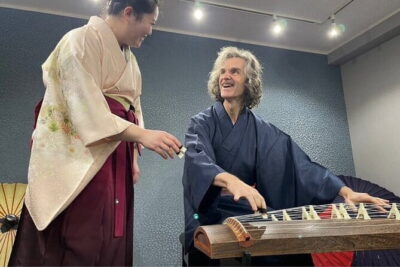


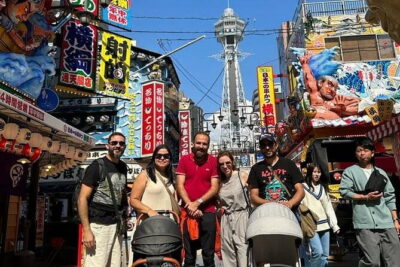

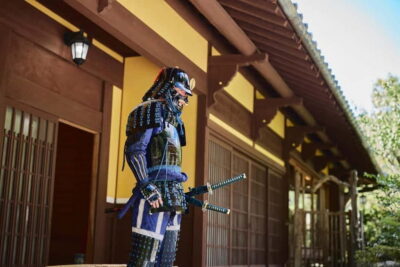
Tours with Government-Licensed Guides, side by side.
 ★ 5.0Tokyo 6hr Private Tour with Government-Licensed GuideFrom $1553,902 reviews
 ★ 5.0Kyoto 6hr Private Tour with Government-Licensed GuideFrom $1551,369 reviews
 ★ 5.0Hiroshima / Miyajima Full-day Private Tour with Government Licensed GuideFrom $2021,298 reviews
 ★ 5.0Kyoto 4hr Private Tour with Government-Licensed GuideFrom $109629 reviews
 ★ 4.8Private Tour with Local Licensed GuideFrom $106463 reviews
 ★ 5.0Hiroshima City 4hr Private Walking Tour with Licensed GuideFrom $122437 reviews
 ★ 5.0Private Kyoto Tour with Licensed Guide & Vehicle (Max 15 persons)From $634417 reviews
 ★ 5.0Osaka 4hr Private Tour with Government-Licensed GuideFrom $109359 reviews
Filed on these lists too