
REVIEW · GION, GEISHA AND MAIKO EXPERIENCES
Kyoto: Gion Evening Walk with Hidden Gems, Geisha & Sake
Gion changes after dark, and you feel it fast. This 90-minute walk is built for Kyoto’s quieter hours, when lanterns glow and stories land better. You get to move through the Gion Geisha district at a relaxed pace, with a cup of local sake in hand, and without the daytime crowd pressure.
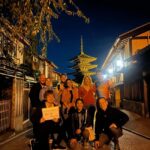
What I like most is the small group feel, limited to 10 people, so you can ask real questions and not just listen from the back. I also like that the stops are practical and photogenic, especially the five-story Yasaka Pagoda (Hokan-ji Temple) and the shrine circuit that makes this part of town make sense.
One thing to think about: it’s a walking tour, and it is not suitable for people with back problems, so plan for a steady pace on your feet.
In This Review
- Key Highlights You Will Notice Immediately
- Why Gion After Dark Feels More Real
- Starting at Shijo-Kiyamachi and Finding Your Easy Rhythm
- Hanamikoji Street at Night, Where the Atmosphere Does the Talking
- Yasui Kompira-gū Shrine and the Power-Stone Story
- Hōkan-ji (Yasaka Pagoda) After Dark, Plus Photo Tips That Actually Help
- Ninenzaka: Old Kyoto’s Cobblestones When the Day Crowds Leave
- Yasaka Shrine Finish, With the Right Sense of Scale
- Small Group Size, Real Conversation, and the Guide Factor
- Sake on the Move, How to Make That Part Work
- Price and Value for a 90-Minute Kyoto Evening
- What to Expect from the Weather and Timing
- Who This Tour Suits Best, and Who Should Skip It
- Should You Book This Gion Evening Walk?
- FAQ
- How long is the Kyoto Gion Evening Walk?
- What is the group size limit?
- Does the tour include sake?
- Where is the meeting point and how do I recognize the guide?
- Where does the tour end?
- Is the tour in English?
- What should I wear or bring?
- Is smoking allowed during the tour?
- Is this tour suitable for people with back problems?
- Is free cancellation available?
Key Highlights You Will Notice Immediately
- Night-first route in Gion, when Hanamikoji Street feels calm and cinematic
- Sake included, served as you stroll so it’s part of the experience, not an add-on
- Photo assist at key stops, so you can actually get good shots in low light
- Yasaka Pagoda at night with far fewer crowds than daytime visits
- Local cultural context about Geiko, Maiko, Shinto, and Buddhist connections
Evening walks through the old quarters, compared
- Kyoto Geisha Walking Tour: Gion District & Hidden Gems
★ 4.7 · 3,273 reviews - Kyoto: Gion Magical Night Walking Tour with Geisha Trivia
★ 4.9 · 2,393 reviews - Kyoto: Gion Geisha District Walking Tour – Stories of Geisha
★ 4.7 · 2,187 reviews - Best of Kyoto: Gion, Geisha, Pagodas & Cobblestones
★ 4.9 · 2,058 reviews
Why Gion After Dark Feels More Real
Daytime Gion is pretty, but it can feel like you are watching Kyoto through glass. At night, the streets soften, lantern light spreads across wood townhouses, and the mood shifts from sightseeing mode to neighborhood mode. That change is exactly what makes this tour click.
You are not just “seeing sights.” You are also learning how to read them. The guide connects what you’re seeing on the street to the traditions behind it, including the difference between Geiko and Maiko and how shrines and temples shape daily life. You finish the walk with a sense of why this area has stayed important for centuries.
Another win is pacing. The total time is 70 to 90 minutes of guided walking, so you are not racing from one photo stop to the next. You’ll have time to look closely, ask questions, and regroup before moving on.
Starting at Shijo-Kiyamachi and Finding Your Easy Rhythm
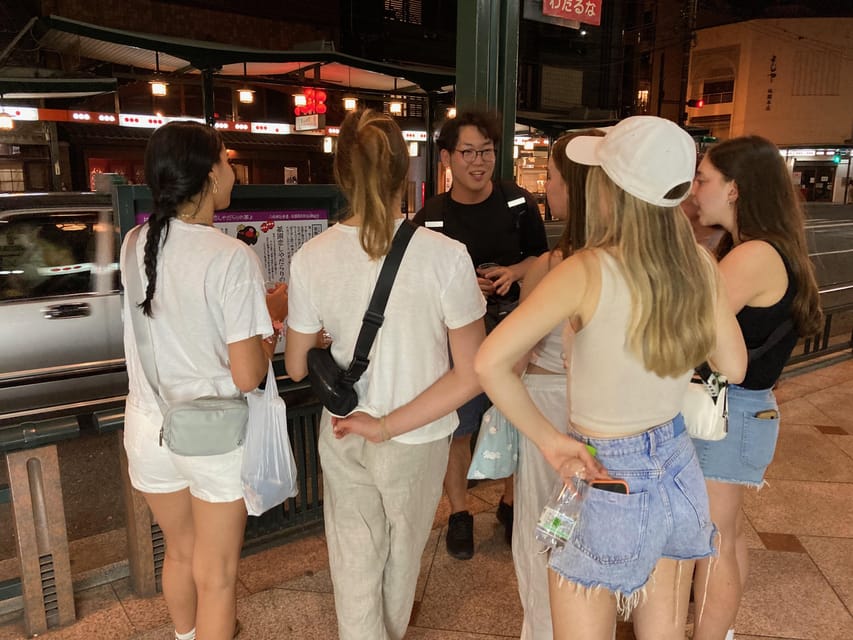
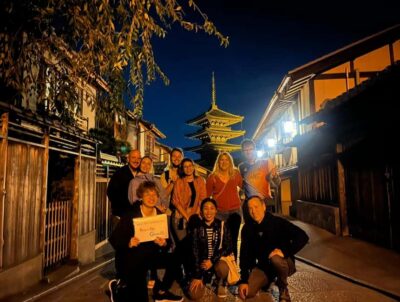
The tour starts at Shijo Kiyamachi, right along Kiyamachi Street. The guide meets you holding a sign for Otatrip Guide, between McDonald’s and the Japanese restaurant Kikunoi Roan, a short distance south on Kiyamachi. Arrive on time, because the group may depart promptly if everyone is not there.
From the start, you’ll notice how the guide handles the “how to walk here” part. This neighborhood has residential areas and sacred spaces, so the tour sets a respectful tone right away. You’ll also be reminded to keep voices low in quiet streets, because Kyoto residents do not want night disruptions.
You should wear comfortable shoes. The route includes classic Kyoto slopes and uneven old-street surfaces, and the whole thing is meant to be walked. If your feet are good and your expectations are calm, you’ll enjoy the pace.
Hanamikoji Street at Night, Where the Atmosphere Does the Talking
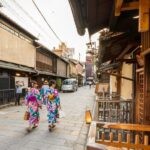
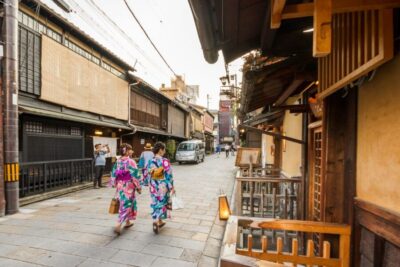
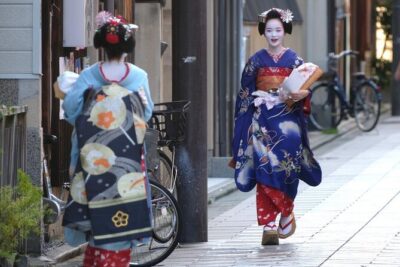
Your first stretch centers on Hanamikoji Street, Kyoto’s best-known Geisha lane. Daytime brings big groups and quick snapshots. Night brings something else: the sense that the buildings, tea houses, and lanterns are part of a lived-in world.
This is where your guide’s role really matters. You’re not just taking pictures at a scenic angle. You’re learning what to notice, including the vibe difference between how the district looks in daylight versus evening. You also get guidance on photographing in darker conditions, so your pictures come out less blurry and more “Kyoto.”
One detail I appreciated: the tour is structured for conversation, not a lecture. If you want practical advice like where to eat afterward, you can ask. If you want cultural context behind the roles of Geiko and Maiko, you can ask that too. Small group size supports that back-and-forth, and several guides have been praised for making everyone feel comfortable during the walk.
Pour another. Breweries and tasting rooms nearby
- Kyoto Night Foodie Tour in Gion (9+ dishes + 6 Sake tastings)★ 5.0 · 1,762 reviews
- 3-Hour Kyoto Insider Sake Brewery Tour with Tastings & Pairings★ 5.0 · 917 reviews
- Arashiyama Bamboo, Temple, Monkeys, or Secret Sake Brewery★ 4.8 · 886 reviews
- Kyoto: Insider Sake Brewery Tour with Sake and Food Pairing★ 5.0 · 704 reviews
- Kyoto Sake Brewery & Tasting Walking Tour★ 5.0 · 623 reviews
Yasui Kompira-gū Shrine and the Power-Stone Story
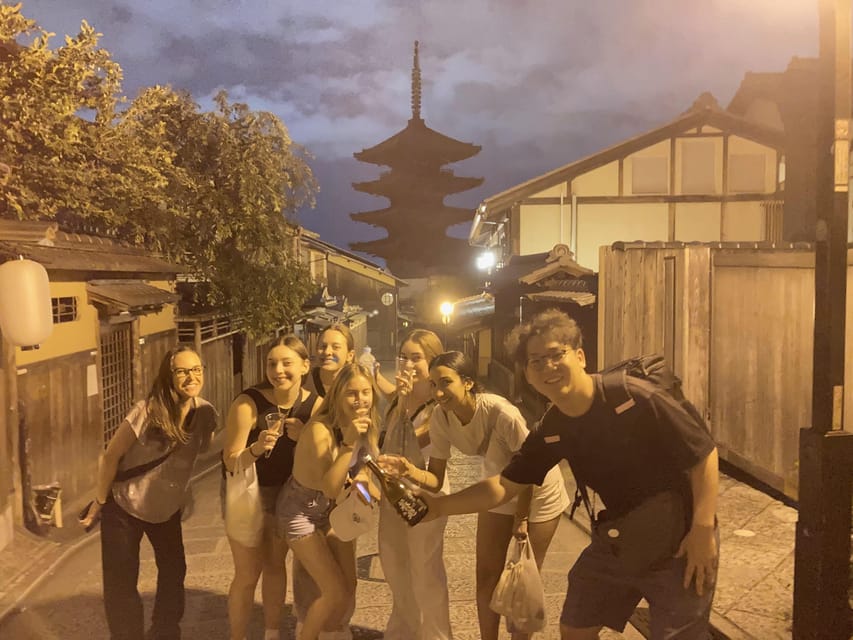
Next up is Yasui Kompira-gū Shrine, a stop with a specific, memorable practice behind it. The shrine is known for a unique power stone that locals use for a kind of personal reset. The idea is not vague spiritual talk, it’s a real ritual tied to cutting bad ties and building good ones.
At night, shrines feel both calmer and more focused. You get the chance to pause, look, and hear the meaning of what you’re seeing without daylight crowds compressing the experience. This is also a great moment to slow down, because the pace so far has been photo-driven.
If you like when a tour explains everyday religion in plain language, this stop will land well. The guide connects Shinto practices and local tradition to what you see on-site, and you can ask questions if you want deeper context. It’s the kind of explanation that makes your time in Kyoto feel less like checking boxes.
Hōkan-ji (Yasaka Pagoda) After Dark, Plus Photo Tips That Actually Help
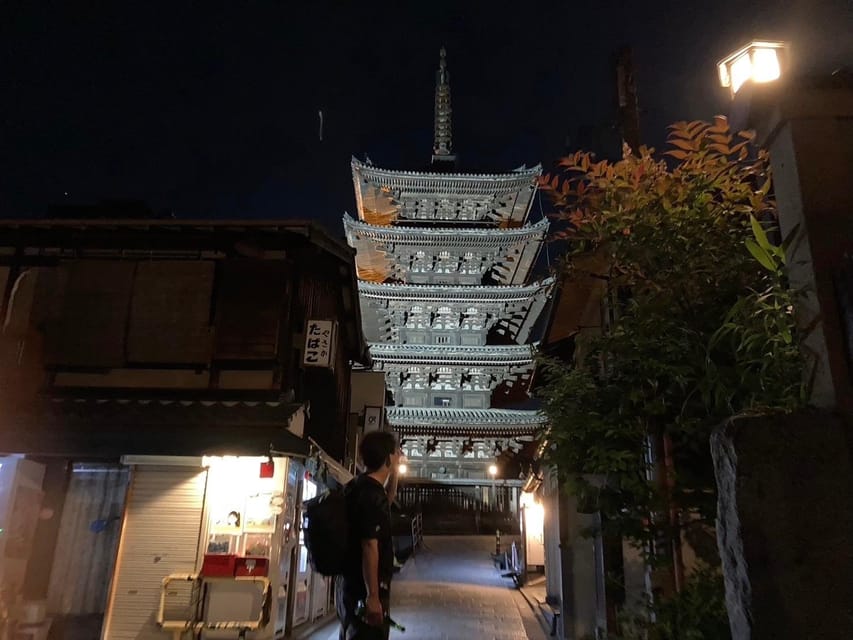
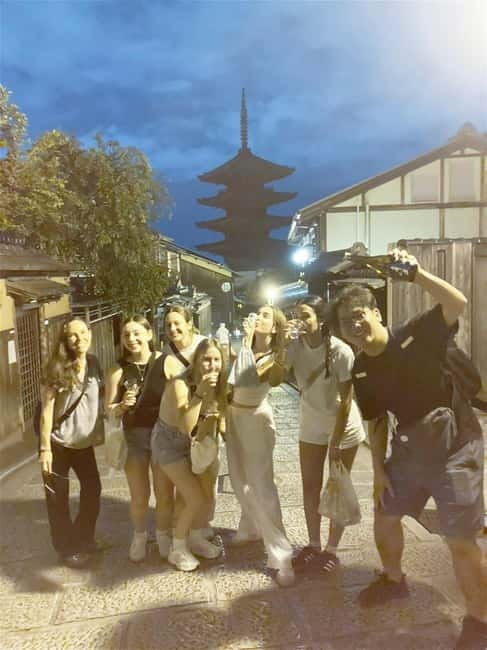
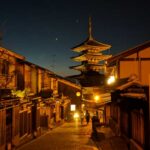
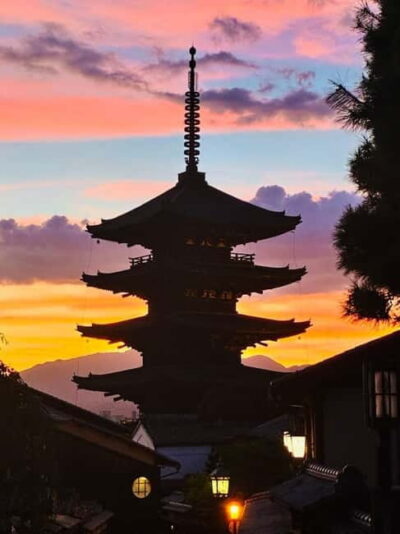
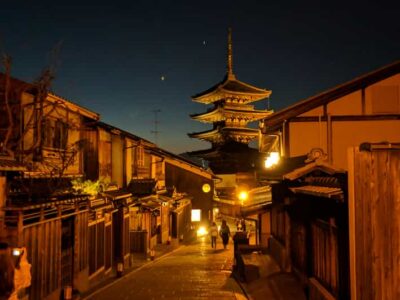
The Yasaka Pagoda, part of Hōkan-ji Temple, is one of Kyoto’s most photographed landmarks. The difference here is timing. At night, the pagoda is beautifully lit, and it’s far less crowded than during the day.
This stop is worth it even if you already planned to see the pagoda. Night lighting changes the shape and mood. The photo assist matters too, because getting a good shot at night is hard if you do it alone. The guide helps with positioning and timing, so you can focus on enjoying the view instead of constantly moving your camera like a panic button.
Several people have pointed out how much they liked the combination of street-level calm and the guide’s humor and patience. If your group is chatty, the guide knows how to keep it respectful and still fun. If your group is quieter, it does not feel awkward. The vibe stays friendly and natural.
Ninenzaka: Old Kyoto’s Cobblestones When the Day Crowds Leave
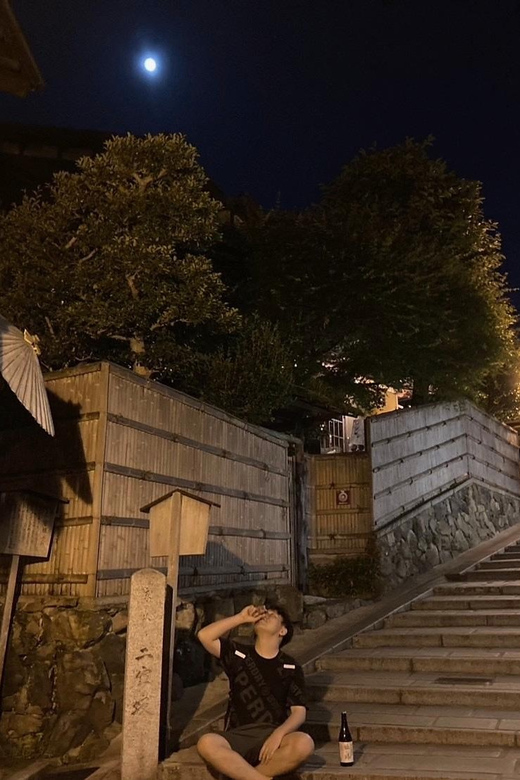
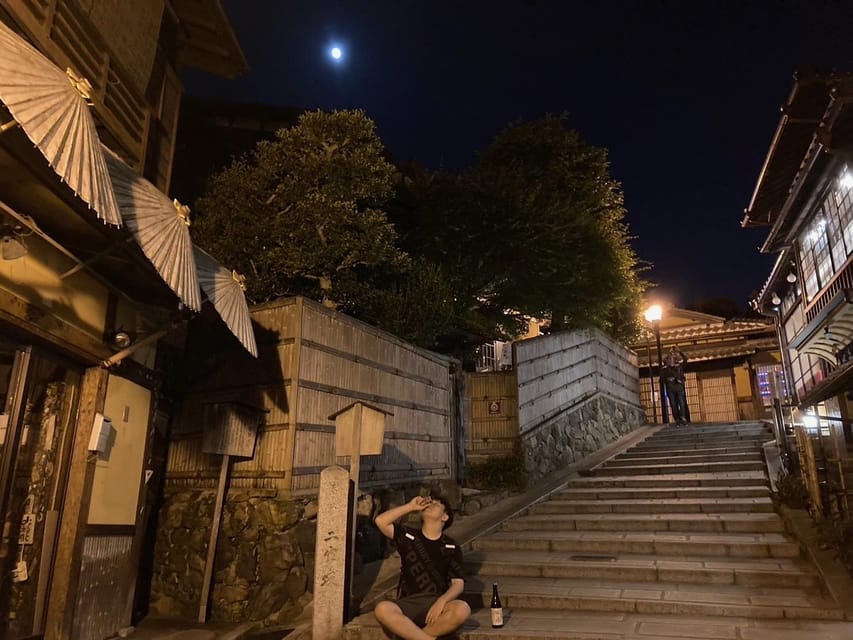
Then you hit Ninenzaka, the cobblestone slope lined with traditional wooden townhouses. In daylight, Ninenzaka is charming but often crowded. At night, it feels like you’re walking through a quieter, older Kyoto layer.
This is one of the best sections to slow your pace. The slope and street layout encourage a steady walking rhythm, and the lantern glow makes the wooden facades look softer. It’s also a good photo stretch, but you’ll likely find the magic improves when you give yourself a few slow glances instead of grabbing one quick shot.
A practical tip: keep your camera settings simple. Night photos often turn into trial-and-error. The guide’s photo assistance helps reduce that stress, but your best results still come from staying steady, taking a breath, and not rushing every frame.
Yasaka Shrine Finish, With the Right Sense of Scale
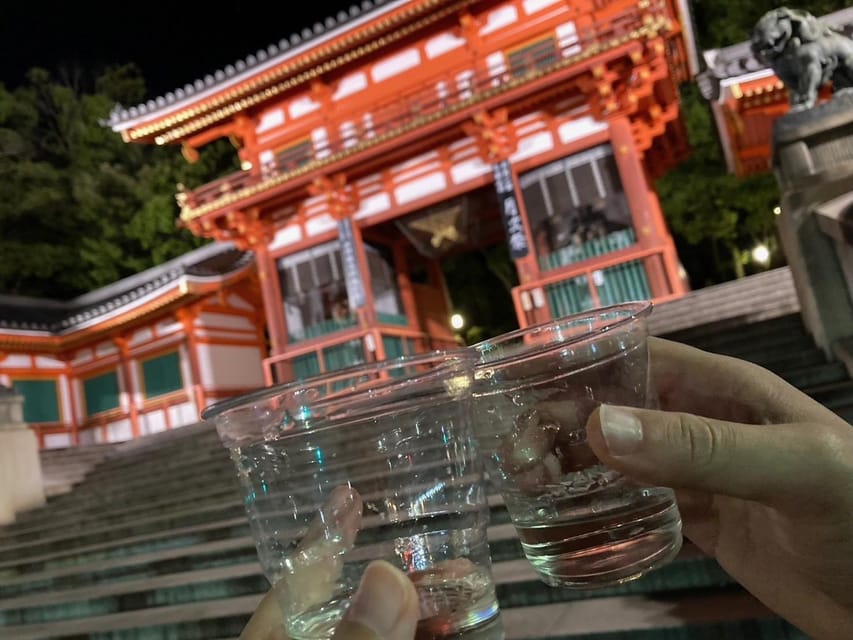
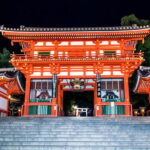
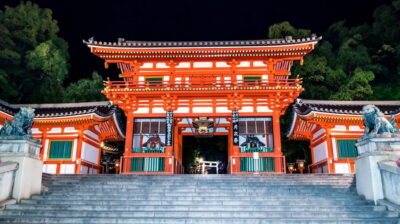
You finish at Yasaka Shrine, a grand spiritual landmark that has watched over Gion for more than 1,300 years. Closing the walk here gives you perspective. You went through the district’s intimate streets first, then you end in a larger spiritual space where the scale of the area makes more sense.
At the end of a walking tour, it’s common to feel tired and ready to leave. This one tends to land differently because the last stop ties together Shinto and the neighborhood rhythm. Even if you’re not deep into religious history, you walk away with a clearer map of how this area fits together.
It’s also a good time to ask your final questions. Want ideas for the next neighborhood over? Curious how to plan the next day around temples and shrines? The guide can help, and because the group stays small, answers feel personal.
Small Group Size, Real Conversation, and the Guide Factor

This tour works because it stays human. It is designed as a small-group walk with a maximum of 10 people, not a big bus-and-briefing style experience. That matters in Kyoto, where your enjoyment often depends on whether you can ask questions and whether your group slows down instead of bulldozing ahead.
Many departures have felt especially intimate, including times when people experienced nearly private tours during certain time slots. That can happen when the group is smaller than the limit, and it makes it easier to take photos without constant traffic interruptions.
Guide style is also a big deal here. Names that have come up include Shumpei and Nick, both praised for being friendly, funny, and patient, with stories that connect what you see to what it means. People also liked how guides handled questions, from history to lighter topics. If you love a guide who can be both informative and relaxed, this tour should fit.
Sake on the Move, How to Make That Part Work
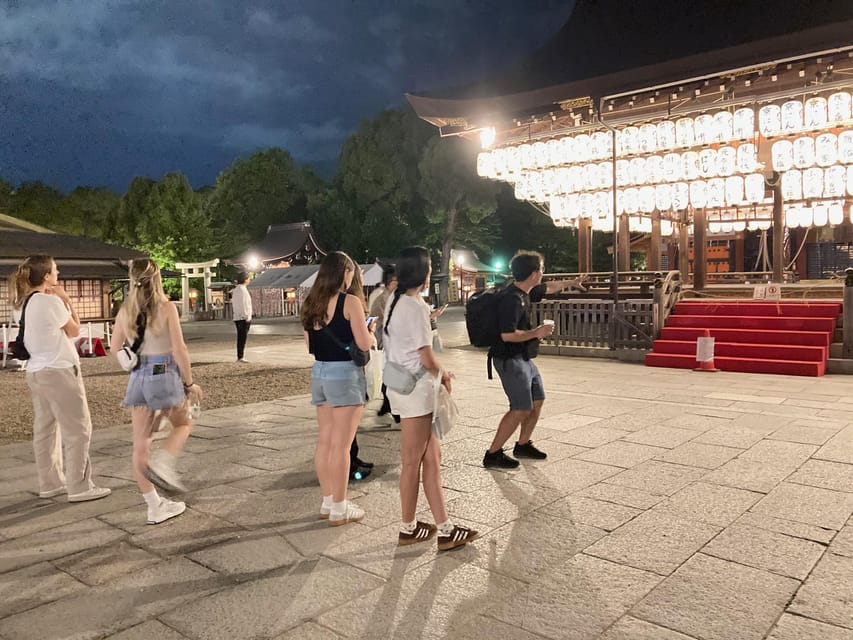
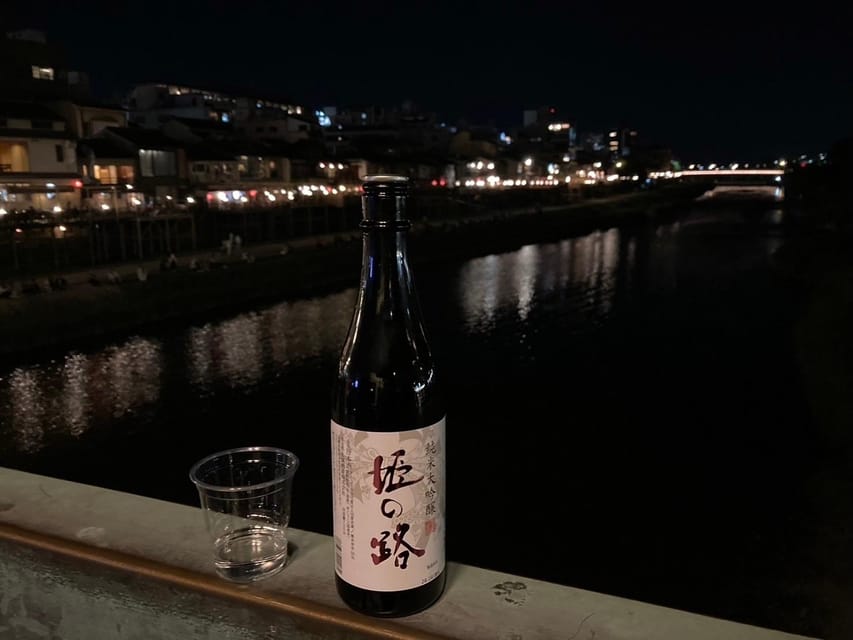
A cup of local sake is included. The smart part is that it’s not served in a separate “sake tasting” stop. It’s woven into the walking experience, so it feels like a Kyoto evening ritual rather than a sales pitch.
This is also why the tour’s timing matters. Evening streets make the sake moment feel natural, and the guide’s explanations can turn a sip into a cultural cue. If you are the type who wants to understand what you’re drinking, you’ll probably enjoy the way the guide frames it during the walk.
Quick practical reminder: sake adds to the evening atmosphere, but it can also affect your balance. Drink responsibly, keep moving carefully on slopes and uneven surfaces, and pace yourself.
Price and Value for a 90-Minute Kyoto Evening
The price is $32 per person for about 90 minutes of guided walking with sake and photo help. On paper, that can look like “just a walk,” but the added value is in the friction removed.
Without a guide, you can technically find your way through Gion and take photos, sure. But you would be guessing where to stand for low-light shots, you might miss the meaning behind specific shrines, and you would likely spend more time fighting crowds. Here, the route is built around a night schedule, and photo assistance is included so you get more usable pictures per stop.
The group limit also helps justify the price. A walk with 40 people is mostly about watching the guide. With a group capped at 10, it stays interactive and personal. For solo travelers, that can be the sweet spot, because you still get companionship without losing your space.
If you are trying to build a Kyoto plan with fewer time sinks, this tour fits well as an evening anchor. You do not need a full afternoon or a major transit plan. You’re out in the neighborhood, seeing the district in the mood that makes it special.
What to Expect from the Weather and Timing
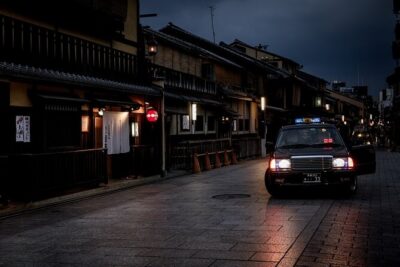
One thing you can count on in Kyoto evenings is that conditions change fast. On rainy nights, the streets can get unusually quiet, and that can actually improve the feeling of the walk. You still get the lantern-lit look, just with a different atmosphere.
Start time matters too. The tour runs in the evening, and some time slots may feel even more private if fewer people sign up for that departure. Either way, the idea stays the same: go when the district slows down.
You’ll want to be ready for a steady pace and keep your voice down in quieter areas. That’s not just courtesy, it makes the walk feel better for everyone.
Who This Tour Suits Best, and Who Should Skip It
This is a great match if you want a walk-first experience with cultural storytelling, not a museum-style agenda. It’s also a good fit if you care about photography but prefer help instead of figuring out angles in the dark.
You should consider other options if you have back problems, because it is a walking tour with no special accommodations mentioned beyond the general recommendation for comfortable shoes. If you need a low-mobility route, this may not be your best choice.
It also suits travelers who like small social interactions. If you enjoy meeting people but want it low-pressure, the group limit makes it easier to keep conversations comfortable.
Should You Book This Gion Evening Walk?
If your Kyoto “must-do” list includes Gion, you should consider booking this. The biggest reason is the timing and the support: you see Hanamikoji and major landmarks in a calmer mood, you get sake, and you get photo assistance so your pictures reflect the atmosphere instead of just the distance.
Book it if you want a guided walk that gives context for Geiko, Maiko, and shrine traditions in plain language, without making it feel like homework. Skip it if your priorities are pure self-guided wandering with no structure, or if you cannot comfortably do a walking tour.
Overall, this is a smart value evening plan for travelers who want Kyoto to feel lived-in, not just visited.
FAQ
How long is the Kyoto Gion Evening Walk?
The tour is about 90 minutes, with 70 to 90 minutes of guided walking.
What is the group size limit?
The group is small, limited to a maximum of 10 participants.
Does the tour include sake?
Yes. A cup of local sake is included to enjoy as you stroll.
Where is the meeting point and how do I recognize the guide?
Meet at Shijo Kiyamachi. The guide will be holding a sign that says Otatrip Guide, between McDonald’s and Kikunoi Roan on Kiyamachi Street.
Where does the tour end?
The tour finishes at Yasaka Shrine.
Is the tour in English?
Yes. The live tour guide speaks English.
What should I wear or bring?
Comfortable shoes are recommended since it is a walking tour.
Is smoking allowed during the tour?
No. Smoking is not allowed.
Is this tour suitable for people with back problems?
No. It is not suitable for people with back problems.
Is free cancellation available?
Yes. You can cancel up to 24 hours in advance for a full refund.
Cups, Cellars and Tasting Rooms



Evenings in the Old Quarters
Newest Kyoto write-ups from the Loving Japan desk

Gion, Geisha and Maiko Experiences, side by side.
 ★ 4.7Kyoto Geisha Walking Tour: Gion District & Hidden GemsFrom $253,273 reviews
 ★ 4.9Gion Magical Night Walking Tour with Geisha TriviaFrom $242,393 reviews
 ★ 4.7Gion Geisha District Walking Tour – Stories of GeishaFrom $202,187 reviews
 ★ 4.9Best of Kyoto: Gion, Geisha, Pagodas & CobblestonesFrom $242,058 reviews
 ★ 4.5Night Walk in Gion: Kyoto’s Geisha DistrictFrom $212,003 reviews
 ★ 5.0Kyoto Night Foodie Tour in Gion (9+ dishes + 6 Sake tastings)From $1631,762 reviews
 ★ 5.0Kyoto Gion Geisha District Walking Tour – The Stories of GeishaFrom $251,441 reviews
 ★ 5.0Kyoto Gion: 2-Hour Geisha Culture & History Walking TourFrom $231,186 reviews