
REVIEW · GION, GEISHA AND MAIKO EXPERIENCES
Kyoto Gion Geisha District Walking Tour – The Stories of Geisha
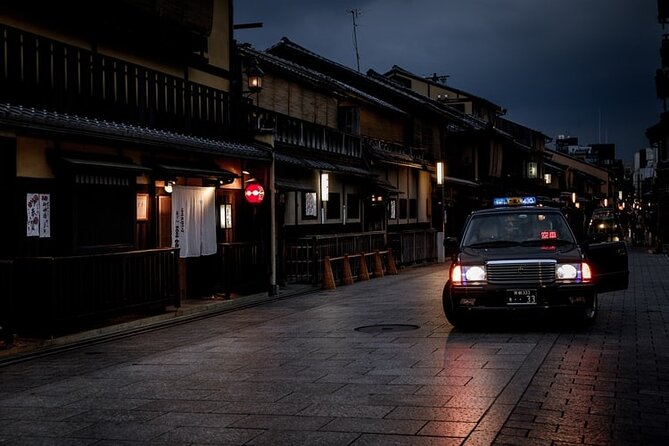
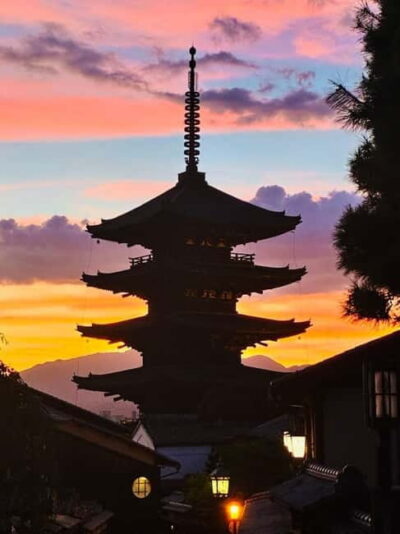
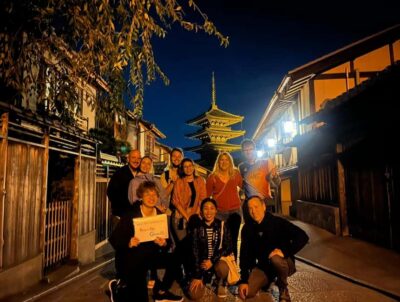
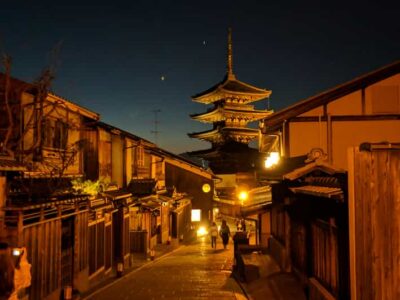
Lantern light turns Gion into a story. This tour works because it’s timed for after-dark atmosphere and a maximum 15-person group, so you can actually hear the details behind Kyoto’s geisha world as the evening calm settles in. You’ll also get a street-level look at where geisha and maiko go for appointments, not just a daytime photo run.
I really like the way the guides turn everyday streets into context. Guides such as Shin, Deborah, Melanie, Manuel, Joy, Nami, Kenji, and Ben share clear explanations and answer questions in a friendly, conversational way, so you leave with more than a list of sights. The one drawback to plan for is that it’s only about 2 hours, so you’ll cover highlights quickly, and if you want lots of extra stops, you may feel a bit more time would be helpful.
In This Review
- Key Points to Know Before You Go
- Why Gion After Dark Feels Different Than Daytime
- Price and Timing: What $25 Buys You in About 2 Hours
- Meeting at Ben’s Cookies and Ending at Yasaka Shrine
- Izumo-no-Okuni Statue and Minamiza: How Kabuki Stories Link to Gion
- Tatsumi Bridge and Hanamikoji Street: Reading Gion Like a Script
- Gion Corner: Traditional Arts in a Short, Understandable Format
- Yasaka Shrine Finish: A Calm Ending That Still Feels Kyoto
- What You’ll Learn From the Best Guides (and Why It Matters)
- Who This Tour Suits Best (First Timers, Night People, and Culture Fans)
- Small Practical Tips That Make the Walk More Enjoyable
- Should You Book This Kyoto Gion Geisha District Walking Tour?
Key Points to Know Before You Go
- After-dark pacing: You’re exploring Gion after the biggest daytime crowds thin out.
- Small group limit (15): Easier questions, more personal attention, better listening.
- Geisha-focused storytelling: Expect explanations about geisha and the world around geiko and maiko.
- Lantern-and-street vibe: Hanamikoji and the surrounding lanes feel very different at night.
- Cultural stop mix: You’ll connect the neighborhood to kabuki and traditional arts.
- Free entry at key stops: The itinerary lists major stops as admission free.
Evening walks through the old quarters, compared
- Kyoto Geisha Walking Tour: Gion District & Hidden Gems
★ 4.7 · 3,273 reviews - Kyoto: Gion Magical Night Walking Tour with Geisha Trivia
★ 4.9 · 2,393 reviews - Kyoto: Gion Geisha District Walking Tour – Stories of Geisha
★ 4.7 · 2,187 reviews - Best of Kyoto: Gion, Geisha, Pagodas & Cobblestones
★ 4.9 · 2,058 reviews
Why Gion After Dark Feels Different Than Daytime
Gion is famous, and that means it can feel crowded in daylight. The value here is simple: this tour runs after dark, when the streets calm down and the district starts to feel less like a viewing gallery and more like a living neighborhood. That timing matters because geisha culture is tied to routines, appointments, and the way the streets are used, not just their look from the sidewalk.
You’ll also notice how the vibe changes block to block. One minute you’re on a main classic street, the next you’re near quieter corners and landmarks that help you understand the district’s layout. It’s the kind of walking tour where the guide’s context makes small details click, like why certain streets and buildings matter in day-to-day life.
Price and Timing: What $25 Buys You in About 2 Hours
At $25 per person for about 2 hours, this is priced like a “smart add-on” to your Kyoto plan, not a big splurge. The real value is the combination of timing plus explanation. Two hours sounds short, but the tour is designed to keep you moving through the parts of Gion that help you make sense of the geisha world fast.
Also, the itinerary is built around quick stops, so you’re not stuck sitting through long introductions. Expect a walking pace that fits sightseeing without dragging. If you’re the type who likes to start your Kyoto trip by learning your bearings, this is especially useful because it gives you language, context, and a map-like feel for the area.
One practical note: the tour does not include bottled water. That doesn’t make it expensive, but it does mean you should plan for hydration on the walk, especially if you’re visiting in warmer months or if you tend to get thirsty while walking.
Meeting at Ben’s Cookies and Ending at Yasaka Shrine
Logistics are refreshingly straightforward. You meet at Ben’s Cookies Kyoto Shijo (Shijo area) and the tour ends at Yasaka Shrine, in the Gionmachi Kitagawa area. That end point is convenient because Yasaka Shrine is easy to continue from later, and it also makes the whole walk feel like a natural arc through the neighborhood.
The group size cap of 15 is not just a marketing detail. In a small group, guides can actually pace the conversation around the questions you ask. The reviews repeatedly highlight guides who were friendly and good at answering questions, and that’s exactly what you get when the group stays small.
Also, the tour uses a mobile ticket, which is the kind of modern touch that saves time. No fumbling for printed tickets means you can stay focused on getting started.
- PERFECT KYOTO 1-Day Bus Tour★ 5.0 · 13,518 reviews
- Kyoto: Fushimi Inari, Kinkakuji, Bamboo Grove 1 Day Bus Tour★ 4.8 · 4,316 reviews
- Kyoto: Tea Ceremony in a Traditional Tea House in Kiyomizu★ 4.9 · 3,519 reviews
- Kyoto Geisha Walking Tour: Gion District & Hidden Gems★ 4.7 · 3,273 reviews
- Kyoto: Tea Ceremony Ju-An at Jotokuji Temple★ 4.9 · 3,207 reviews
Izumo-no-Okuni Statue and Minamiza: How Kabuki Stories Link to Gion
Your first stop centers on a figure tied to the roots of kabuki. The Izumo-no-Okuni statue in Gion honors Okuni, a legendary figure credited as the founder of kabuki theater. Even if you only know kabuki as costumes and drama, this stop gives you a reason to think about performance culture as something that grew alongside the entertainment districts of the time.
This is where a good guide can change your perspective. The best tours do more than name a landmark. They explain how arts, staging, and the people who support performances fit into the district’s identity. In the reviews, guides such as Manuel and Ben are praised for detailed stories about the evolution of geisha culture, and this opening helps set up that storytelling.
Next, you’ll pass Minamiza, a historic theater in Kyoto known for kabuki performances. It’s a quick stop, but it reinforces the idea that Gion has long been connected to the world of stage arts. If you like cultural links, this pairing, kabuki roots followed by geisha-focused neighborhood walking, gives you a fuller picture of how entertainment history and geography overlap.
Tatsumi Bridge and Hanamikoji Street: Reading Gion Like a Script
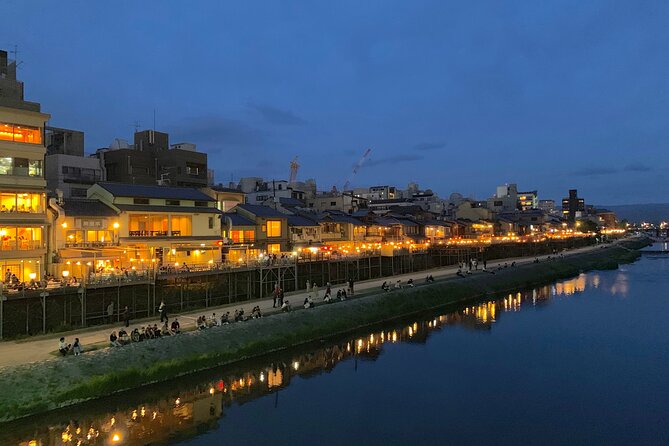
From there, you move toward Tatsumi Bridge, described in the tour materials as part of the Gion Shinbashi area. Even if the bridge itself is brief, it’s a useful marker. It helps you shift from thinking of Gion as one long main street into realizing it has distinct micro-neighborhoods, each with its own feel and history.
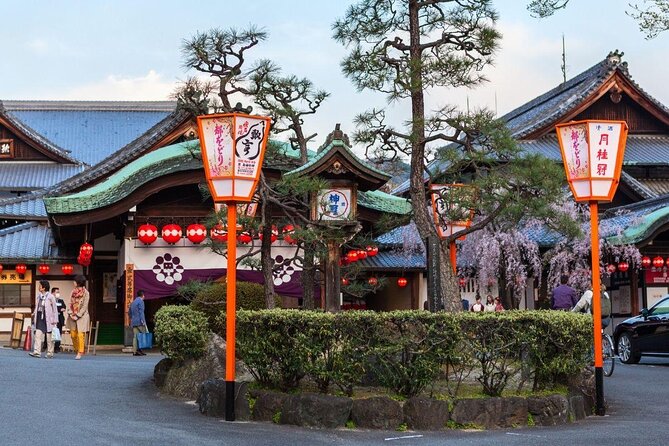
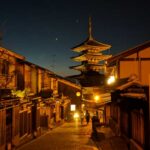
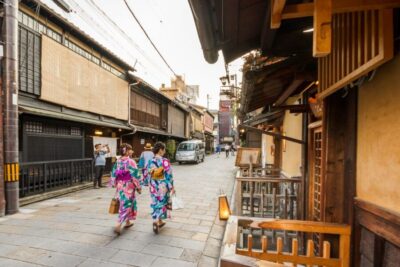
Then comes Hanamikoji Street, the iconic thoroughfare most people picture when they think of Gion. At night, it has that lantern-and-lights mood that day crowds can wash out. The practical payoff is that you can walk it while your guide explains what to look for, and why some buildings and locations matter in geisha culture.
One of my favorite themes from the reviews is that guides don’t just point at pretty places. People mention things like hidden codes and the way guides interpret the flower towns from the outside. That matters because without context, you can end up treating Gion like a set. With context, you start noticing patterns: which streets feel more formal, which corners feel private, and how the neighborhood’s design supports the culture.
Gion Corner: Traditional Arts in a Short, Understandable Format
Next up is Gion Corner, described as a cultural center and performance venue in the historic district. This stop stands out because it offers a condensed look at traditional Japanese arts and culture. Even if you have seen other cultural shows, this one is specifically tied to the Gion setting, which helps the whole tour feel cohesive.
Why this is valuable on a walking tour: it gives you a reference point. After you’ve spent time learning about the district and the traditions around geisha culture, a cultural stop like Gion Corner helps you connect that context to actual performing arts formats. It’s the kind of stop that can work even if you don’t know the details going in, because it’s designed to be understandable in a short time window.
Yasaka Shrine Finish: A Calm Ending That Still Feels Kyoto
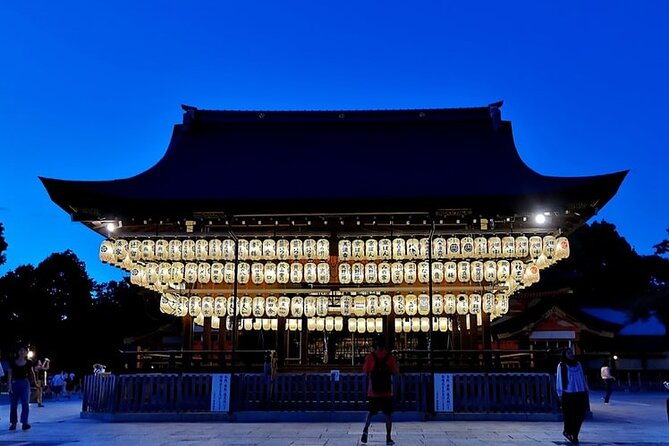
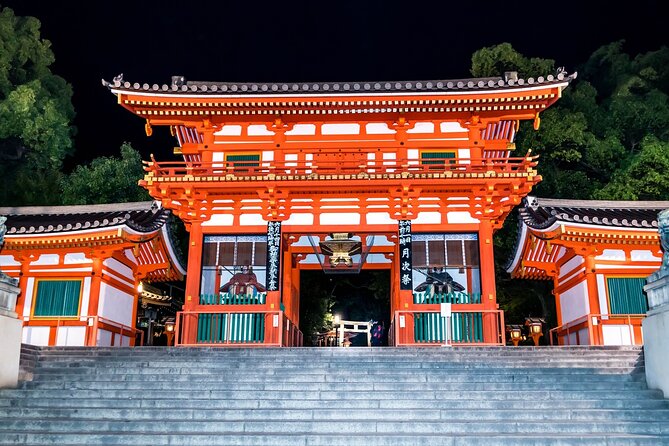
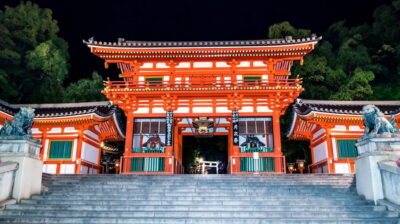
You end at Yasaka Shrine, one of Gion’s prominent Shinto shrines. The tour positions it as the finishing point, and that’s smart. You get a shift from the entertainment district streets into a more spiritual landmark, which can help you process what you just learned while also giving you an easy place to linger after the guided portion ends.
In many Kyoto evenings, the shrine area is one of the places people enjoy extending the night. If you want to keep walking after your tour ends, you’ll be starting from a spot that makes sense, not a random drop-off.
Also, finishing at Yasaka Shrine pairs nicely with the after-dark theme. It’s not just lantern light in one district. It becomes a Kyoto evening story, from Gion’s flower-town streets to a major shrine setting.
What You’ll Learn From the Best Guides (and Why It Matters)
A huge part of the tour’s reputation comes down to guides and how they communicate. Multiple reviews mention guides like Shin, Deborah, Joy, Melanie, Nami, Kenji, Adrian, and Ben, with a shared theme: they are friendly, answer questions well, and explain both geisha culture and wider Kyoto context.
You’ll also notice a pattern in what gets praised: not just facts, but the way stories connect places to practices. People mention learning about the evolution of geisha culture and the neighborhood itself, plus getting explanations that feel more specific than typical guidebook browsing. In practical terms, that means you can come away with a better sense of what you’re seeing later, even when you’re not on a guided walk.
If you like street-level learning, this tour is tuned for you. If you prefer museums and indoor experiences, you might still enjoy it, but you should expect mostly walking and short stops rather than long sit-down learning.
Who This Tour Suits Best (First Timers, Night People, and Culture Fans)
This is a strong fit if you:
- Want an introduction to Gion after dark without joining the biggest daytime crowds
- Like small-group tours where you can ask questions
- Enjoy cultural stories tied to specific locations
- Are visiting Kyoto for the first time and want your bearings fast
It’s also a good option for mixed groups and multi-generational trips, since reviews mention families enjoying the experience. Since it’s described as suitable for most travelers, it generally works for a wide range of ages, but you should still be comfortable walking for about two hours.
Small Practical Tips That Make the Walk More Enjoyable
Given the tour’s evening timing, plan for temperature and light. Several reviews mention cold weather, with one specifically calling out winter in Kyoto and the value of a big coat. If you’re visiting during colder months, bring layers and something warm for your outer body, especially before you set out at night.
For photos, keep it simple: you’re walking a lit neighborhood, so you’ll likely want a phone with night mode or a camera ready to go. The guide’s context helps you know where to point your lens, not just where the most obvious signs are.
Lastly, since bottled water is not included, either bring a bottle or plan to pick one up before you start. It’s a small detail that keeps the experience comfortable.
Should You Book This Kyoto Gion Geisha District Walking Tour?
If you want a short, guided way to understand Gion as more than a postcard, I think this is a great bet. The strongest reasons to book are the after-dark timing, the small group size, and the repeated praise for guides who connect geisha culture to real places you can walk through.
One reason to pause is if you’re hoping for a long, slow, ultra-detailed itinerary. With about two hours, the tour is designed to hit the key points efficiently, not to linger for hours. Still, for $25 and a focused path through Gion, the pacing feels like good value, especially if you plan to explore more of Kyoto after.
If you’re deciding today, I would book it if you are comfortable walking at night, and you’re excited to learn the story behind the streets.
Evenings in the Old Quarters

Newest Kyoto write-ups from the Loving Japan desk

Gion, Geisha and Maiko Experiences, side by side.
 ★ 4.7Kyoto Geisha Walking Tour: Gion District & Hidden GemsFrom $253,273 reviews
 ★ 4.9Gion Magical Night Walking Tour with Geisha TriviaFrom $242,393 reviews
 ★ 4.7Gion Geisha District Walking Tour – Stories of GeishaFrom $202,187 reviews
 ★ 4.9Best of Kyoto: Gion, Geisha, Pagodas & CobblestonesFrom $242,058 reviews
 ★ 4.5Night Walk in Gion: Kyoto’s Geisha DistrictFrom $212,003 reviews
 ★ 5.0Kyoto Night Foodie Tour in Gion (9+ dishes + 6 Sake tastings)From $1631,762 reviews
 ★ 5.0Kyoto Gion: 2-Hour Geisha Culture & History Walking TourFrom $231,186 reviews
 ★ 5.0Chopsticks Making Workshop in Gion with Engraving OptionFrom $15958 reviews
Filed on these lists too