
REVIEW · GION, GEISHA AND MAIKO EXPERIENCES
Kyoto: Gion Geisha District & Sake-in-Hand Walking Tour
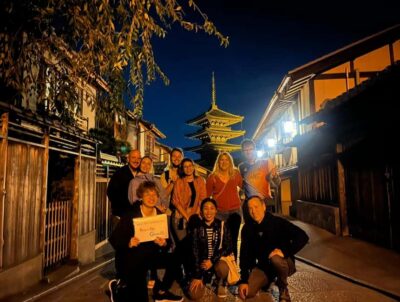
Kyoto at night feels like a different planet. This Gion Geisha District & Sake-in-Hand walk strings together Kyoto’s most photogenic streets, a couple of major shrine and temple stops, and just enough cultural context to make it all click. I especially like that you get sake included while you move through narrow back alleys, and I also like the small-group feel, capped at 10 travelers, so the guide can actually answer your questions.
One thing to consider: this tour is a lot of walking over a short time, and it runs through residential lanes at night, so you’ll want comfy shoes and a calm voice level.
In This Review
- Key Things That Make This Tour Worth Your Time
- Why a Gion Night Walk Works Better Than Random Wandering
- The Route Starts Near Kikunoi Roan, Then Leans Into Gion’s Back Alleys
- Kamo River Break: Scenic Calm Before the Lanterns
- Gion Proper: Traditional Machiya, Teahouses, and the Real Vibe
- Hanamikoji Street: The Famous Name, Without the Lost-In-Translation Feeling
- Yasui Konpiragu Shrine: A Quieter Shrine Stop With Clear Symbolism
- Hokan-ji Temple (Yasaka Pagoda): The Five-Story Landmark Moment
- Sannenzaka and Ninenzaka Slopes: The Classic Higashiyama Stroll Look
- Nene-no-Michi: A Named Path That Connects Stories
- Yasaka Shrine Finisher: The Big Landing Point
- The Sake Part: How to Get the Most Out of It
- Guides Matter, and This Tour Clearly Tries to Get It Right
- Who This Tour Fits Best (And Who Might Want a Different Option)
- Value: Why the Price Feels Reasonable for What You Get
- Quick Practical Tips Before You Go
- Should You Book This Kyoto Gion Sake-in-Hand Tour?
- FAQ
- How long is the Kyoto Gion Geisha District and Sake-in-Hand Walking Tour?
- How much does the tour cost?
- Is this a small-group tour?
- Where do I meet the guide, and where does the tour end?
- Is the tour strictly walking, or are there other activities?
- Do I need a ticket for the stops?
- Is alcohol included?
- Who can join the tour?
- What if the weather is bad?
Key Things That Make This Tour Worth Your Time

- Sake in hand as your pace-setter, not a rushed add-on
- A tight group size (max 10) for better conversation with guides like Mune or Shumpei
- Classic night stops around Gion and Higashiyama, including Yasaka Shrine and Yasaka Pagoda
- Lantern-lit backstreets in Gion, where you can spot geiko in passing (not guaranteed)
- A practical guide flow that includes shrine and temple moments, not just photo stops
- Good “Kyoto feel” timing, ending at Yasaka Shrine for an easy transition to more evening wandering
Evening walks through the old quarters, compared
- Kyoto Geisha Walking Tour: Gion District & Hidden Gems
★ 4.7 · 3,273 reviews - Kyoto: Gion Magical Night Walking Tour with Geisha Trivia
★ 4.9 · 2,393 reviews - Kyoto: Gion Geisha District Walking Tour – Stories of Geisha
★ 4.7 · 2,187 reviews - Best of Kyoto: Gion, Geisha, Pagodas & Cobblestones
★ 4.9 · 2,058 reviews
Why a Gion Night Walk Works Better Than Random Wandering
Gion is the kind of neighborhood where you can walk for 30 minutes and still not understand what you’re looking at. At night, it’s even trickier, because the streets get darker and signs are easy to miss. This kind of guided walk helps you do two things at once: you get the atmosphere, and you get the meaning.
You’ll move through the historic core of Gion and nearby Higashiyama lanes, where traditional townhouses and teahouses still define the look of the district. The guide commentary is what turns the night scenery into something you can actually place in context, including stories tied to geisha culture and samurai-era history. If you’re the type who enjoys asking why something is here, or what a tradition signals, the group format makes that realistic rather than awkward.
And yes, the sake matters. It’s included for a reason: it slows you down just enough to notice details, and it keeps the whole experience from feeling like a checklist.
The Route Starts Near Kikunoi Roan, Then Leans Into Gion’s Back Alleys
You’ll meet at Kikunoi Roan (四条下る斎藤町118, Kyoto) and end at Yasaka Shrine. That start-to-finish setup is smart. You’re not doubling back, and you get a natural “wrap up” point at one of the area’s most recognizable shrines.
The itinerary is built around a sequence of iconic streets plus a handful of smaller side lanes. That’s where the value lives. Gion’s big streets are nice, but the charm is in the tight passages where light pools on wooden facades and you can feel the neighborhood rhythm.
Also, you’re walking through residential areas at night. The tour asks you to keep voices down, and I agree with that. This is one of those Kyoto moments where being respectful is part of the experience.
Kamo River Break: Scenic Calm Before the Lanterns
One of the early stops is the Kamo River, a scenic waterway that runs through the city and has deep historical significance. On the right night, this stretch gives you a quiet reset. It’s also a good mental shift: you stop thinking only about streets and start thinking about Kyoto as a layered city shaped by water, paths, and time.
If you’re traveling in cherry blossom season, the riverbanks are known for lining with cherry blossom trees. Even when blossoms aren’t the main event, the river’s open space helps you breathe before the narrow Gion lanes start demanding attention.
Practical tip: treat this as a chance to get your phone ready for night photos. Once you’re deeper in Gion, lighting gets spotty and you’ll be walking more than stopping.
Pour another. Breweries and tasting rooms nearby
- Kyoto Night Foodie Tour in Gion (9+ dishes + 6 Sake tastings)★ 5.0 · 1,762 reviews
- 3-Hour Kyoto Insider Sake Brewery Tour with Tastings & Pairings★ 5.0 · 917 reviews
- Arashiyama Bamboo, Temple, Monkeys, or Secret Sake Brewery★ 4.8 · 886 reviews
- Kyoto: Insider Sake Brewery Tour with Sake and Food Pairing★ 5.0 · 704 reviews
- Kyoto Sake Brewery & Tasting Walking Tour★ 5.0 · 623 reviews
Gion Proper: Traditional Machiya, Teahouses, and the Real Vibe

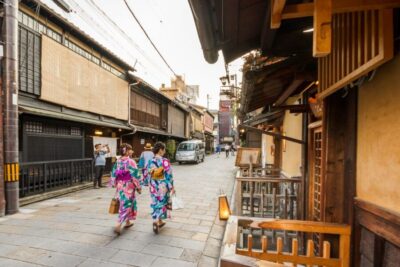
Next up is Gion, Kyoto’s best-known geisha district. The feeling here comes from traditional machiya townhouses and old-school teahouse architecture. You’ll walk through narrow streets where the scale is human and the buildings feel close, almost like the neighborhood is designed for slow strolling.
This is also where the guide commentary helps most. If you only look at buildings, you miss the cultural signals. With context, the district stops being just a pretty area and becomes a place with rules, roles, and history behind what you see.
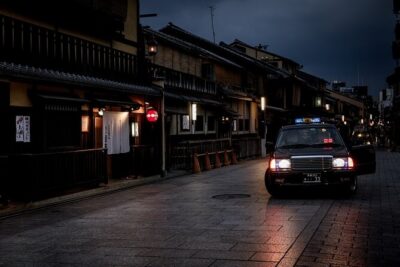
Is it busy? Sometimes, yes. But at night, especially with a small group moving as a unit, you’ll usually get a calmer view than you would in the daytime crush. Some people describe it as softly glowing under lantern light. That effect is real: the street atmosphere changes how everything looks.
Hanamikoji Street: The Famous Name, Without the Lost-In-Translation Feeling
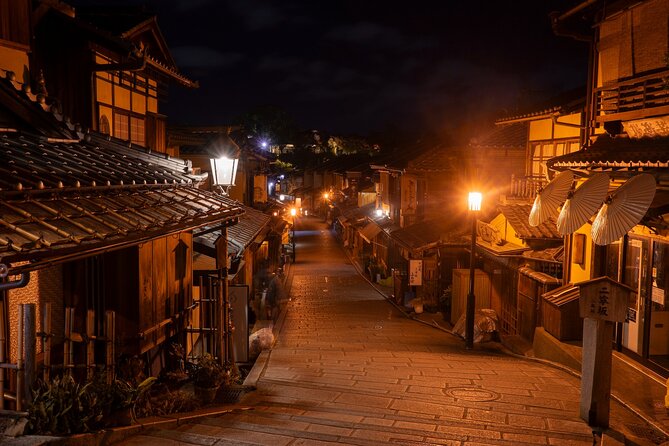
You’ll also spend time on Hanamikoji Street, one of Gion’s most famous thoroughfares. It’s lined with well-preserved traditional wooden houses, and it’s easy to understand why it’s a go-to walking corridor. Still, this is another spot where a guide earns their fee.
Hanamikoji looks like a stage set if you don’t know what it represents. With commentary, you can start connecting what you’re seeing to the geisha district’s social geography. And it’s a useful place for photos because the street is built for sightlines, even at night.
One caution: don’t treat every movement as a performance. Geiko sightings can happen, but they’re not guaranteed. What is guaranteed is that the street will show you why Gion is so iconic in the first place.
Yasui Konpiragu Shrine: A Quieter Shrine Stop With Clear Symbolism
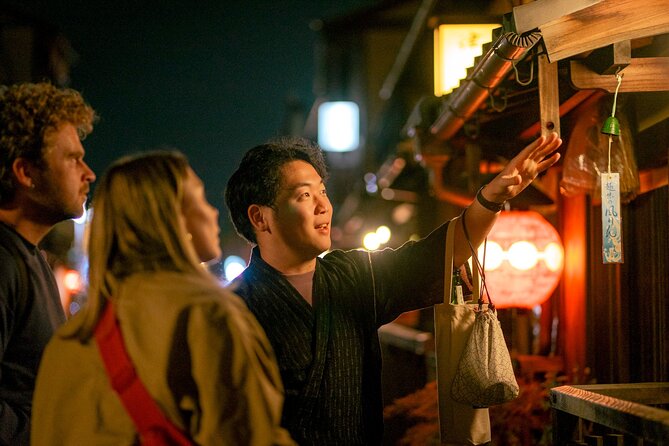
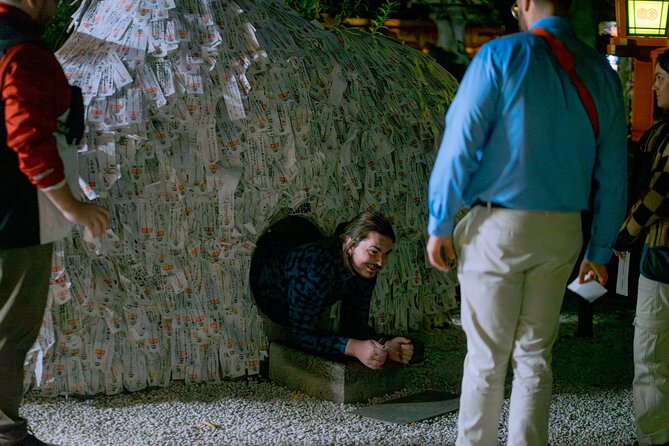
Then you shift toward the Yasui-Konpiragu Shrine (Yasui Konpiragu). This Shinto shrine is known for a specific kind of wish. It’s famous for severing bad relationships and bringing good ones. That theme makes the stop feel more purposeful than a random shrine photo.
The shrine’s reputation includes its large Enki element, mentioned as a notable feature. Even if you’re not an architecture or art buff, knowing what a shrine is considered to help with changes how you experience the place.
Drawback to consider: shrine stops can be brief, especially during a walking tour. If you want long quiet time for prayer or detailed reading of plaques, you may want to arrive earlier or add extra time on your own.
Hokan-ji Temple (Yasaka Pagoda): The Five-Story Landmark Moment

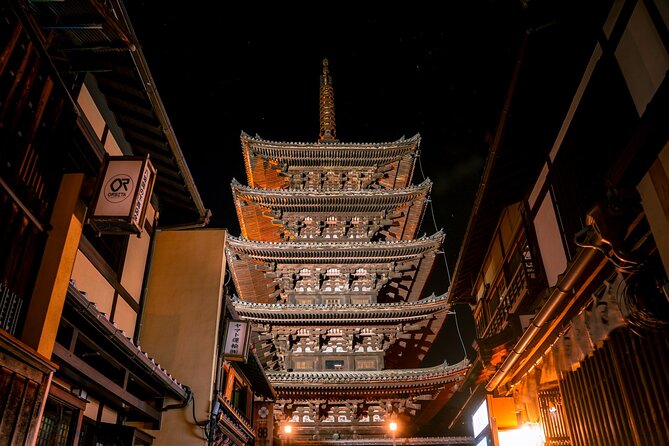
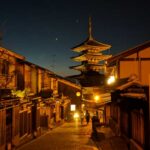
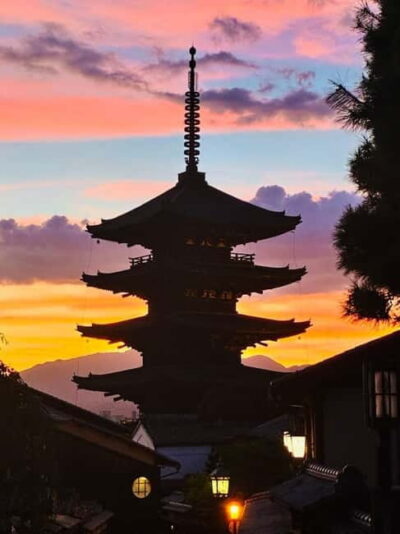
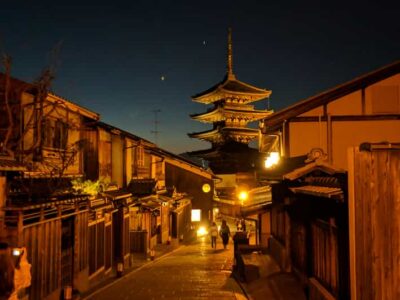
Hokan-ji Temple, commonly called Yasaka Pagoda, is one of those Kyoto sights you recognize even if you can’t name it at first glance. It’s an iconic five-story pagoda in the Higashiyama district, and the info that it dates back to the 6th century is a big deal. It gives you a historical anchor while you keep moving.
This stop is visually helpful, too. A pagoda acts like a nighttime landmark. Even when lanes narrow, you’ll often be able to orient yourself based on the general direction of the structure and the way the light falls.
If you’re short on time, this kind of stop is efficient. If you’re a slow photographer who wants 40 minutes per landmark, you might wish for more. The tour’s goal is movement plus context, not museum-style lingering.
Sannenzaka and Ninenzaka Slopes: The Classic Higashiyama Stroll Look
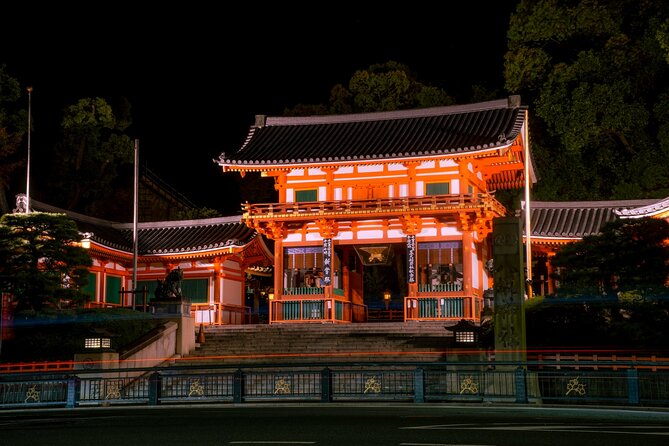
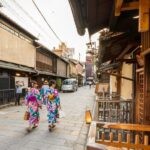
Next comes the pair of historic pedestrian lanes, Ninenzaka and Sannenzaka. Both are in the Higashiyama area and known for traditional atmosphere, stone-paved walkways, and well-preserved wooden buildings.
Ninenzaka is described as a gently sloping pedestrian street, which matters because slopes naturally slow your pace. That’s perfect for a night walk: your legs are working a little, your mind is calmer, and you have time to notice building details.
Sannenzaka is adjacent and similarly stone-paved, which makes it ideal for a consistent strolling vibe. I like these stops because they feel like Kyoto on postcards, but you’re not standing still in a crowd. You’re walking the same kind of lanes people have used for centuries, at least in spirit.
Practical note: stone slopes can be slippery if it’s damp. Wear shoes with grip, and take your time on uneven ground.
Nene-no-Michi: A Named Path That Connects Stories
Between the famous lanes and the big shrine, the tour includes Nene-no-Michi, named after Nene, the beloved wife of Toyotomi Hideyoshi. That naming detail gives the path meaning beyond scenery. When you learn the person behind a street name, it turns into a story you can carry as you walk.
The path is described as serene, picturesque, and stone-paved, connecting the area around Kodaiji Temple toward the nearby Maruy… side of Higashiyama. Even without getting lost in geography, you’ll feel the calm shift. This is a breather lane.
What I like most about Nene-no-Michi is how it breaks up the heaviness of big landmarks. You get a slower moment that still fits into the tour timeline.
Yasaka Shrine Finisher: The Big Landing Point
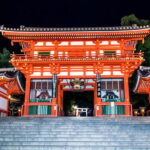
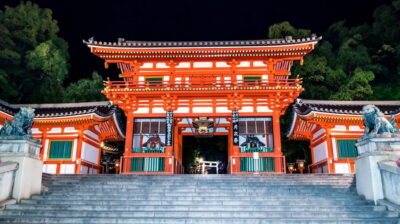
The tour ends at Yasaka Shrine, also known as Gion Shrine. It’s one of Kyoto’s most famous Shinto shrines, dating back to 656 AD. That age stamp matters. You’re not just seeing something old, you’re stepping into a site that has long been woven into Gion’s spiritual identity.
Ending here is practical. Once you’re done with the guided portion, you’re already at a major navigation anchor. The tour also notes that if you need help catching a taxi, they can assist, since buses may have slowed down by the time you finish. That’s a useful real-world detail.
If you still have energy, you can use the shrine area as your transition point, either to more nighttime strolling or to a quick meal nearby.
The Sake Part: How to Get the Most Out of It
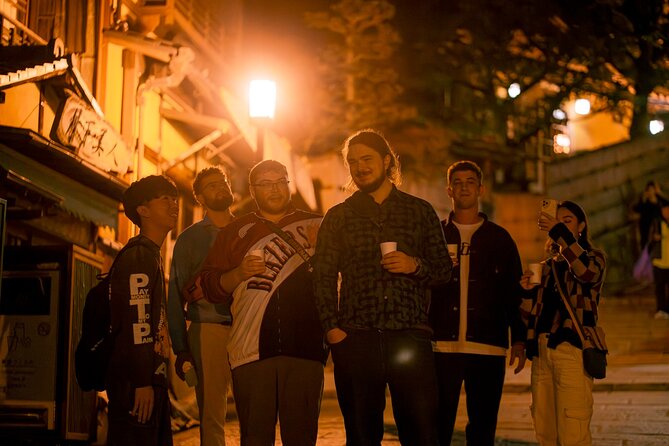
The tour includes sake tasting with your walking experience. That’s more than a snack. In a geisha-district setting, sake works as a cultural bridge between what you’re seeing and the social world around it.
Guides tend to pace the tasting with the walk so it doesn’t interrupt the flow. Some people also mention enjoying local sake quality and the chance to enjoy different tastes through guide-provided selections. One review also called out comparing sake from different regions of Japan, which is a fun angle if you’re the type to remember flavors.
Important practical reality: alcohol is provided, so drink responsibly. If you have a low alcohol tolerance, pace yourself. You’ll still be walking stone and uneven streets, so “buzzed but steady” is the sweet spot, not “tipsy and wobbly.”
Guides Matter, and This Tour Clearly Tries to Get It Right
A big reason this tour earns strong ratings is the tone of the guidance. Multiple reviews mention guides like Mune and Shumpei/Shunpei as friendly, informative, and good at keeping things conversational.
The best part is that the commentary isn’t just facts. It’s the kind of explanation that helps you read the district: why certain places matter, how geisha culture fits into the broader historical picture, and what to notice as you walk. People also describe feeling like the experience was atmospheric and scenic rather than stiff.
One drawback shows up in a small minority of feedback: if your group ends up quieter, you may get less back-and-forth than you hoped. That’s not unusual in any walking tour, but it’s worth knowing if you specifically want lots of interactive conversation.
Who This Tour Fits Best (And Who Might Want a Different Option)
This tour is ideal if you want:
- A short, structured way to see Gion at night without getting turned around
- A mix of streets plus meaningful stops like Yasaka Shrine and Yasaka Pagoda
- A social, not too formal, walk where the group stays small
- Cultural context on geisha traditions, with stories that connect to wider history
You might not love it if:
- You hate walking and want minimal time on your feet
- You’re expecting a very hands-on, discussion-heavy experience where you constantly steer the conversation
- You want long, slow temple time rather than a fast sequence of stops
The sweet spot is visitors who like walking, appreciate atmosphere, and enjoy hearing stories while they move.
Value: Why the Price Feels Reasonable for What You Get
At $27.84 per person, this isn’t a “budget snack tour,” but it’s also not priced like a luxury private guide. The value comes from three things working together.
First, you get sake included, which would add cost if you paid for it separately. Second, you get a small-group format, which makes the guide more useful than a large mass group. Third, you’re not only seeing one district. The route layers Gion’s lantern streets with Higashiyama’s shrine and slope scenery, ending at a major landmark.
If you were to guide yourself, you could technically do much of this route alone. But you’d still spend your time figuring out what each place means, and you might miss the best context while you’re busy navigating.
Quick Practical Tips Before You Go
- Wear comfortable shoes. You’ll be on stone and moving through slopes and narrow lanes.
- Keep your voice down in residential sections at night, it’s part of the etiquette here.
- If you’re sensitive to alcohol, plan to sip rather than drink fast.
- Bring a phone camera, but expect night photos to be less predictable than daytime. Look for lantern-lit angles and let the guide tell you where the best sightlines are.
Should You Book This Kyoto Gion Sake-in-Hand Tour?
Book it if you want an efficient, atmospheric night walk that makes Gion’s streets make sense. The small group size, the sake included, and the route that blends Gion with major shrine and temple moments are exactly the combo that turns a casual evening into a real memory.
Skip it or consider another option if you’re not comfortable with lots of walking, or if you need a super interactive experience where the guide’s focus is heavily on dialogue the whole time. Otherwise, this is a strong choice for first-timers and for anyone who wants to see Kyoto’s character after dark.
FAQ
How long is the Kyoto Gion Geisha District and Sake-in-Hand Walking Tour?
The tour lasts about 1 hour to 1 hour 30 minutes.
How much does the tour cost?
The price is $27.84 per person.
Is this a small-group tour?
Yes. The tour has a maximum of 10 travelers.
Where do I meet the guide, and where does the tour end?
You start at Kikunoi Roan in Kyoto (Shimogyo Ward, Saitōchō, 四条下る斎藤町118) and the tour ends at Yasaka Shrine (Gionmachi Kitagawa, Higashiyama Ward).
Is the tour strictly walking, or are there other activities?
It is a walking tour, and it involves a lot of walking. The route includes multiple stops around Gion and Higashiyama.
Do I need a ticket for the stops?
The stops listed include admission tickets marked as free, and the tour uses a mobile ticket.
Is alcohol included?
Yes. The tour includes a sake tasting and alcohol is provided, so you should drink responsibly.
Who can join the tour?
Participants must be 20 years old or older, and it’s recommended for travelers with moderate physical fitness.
What if the weather is bad?
This experience requires good weather. If it’s canceled due to poor weather, you’ll be offered a different date or a full refund.
Cups, Cellars and Tasting Rooms





Evenings in the Old Quarters
Newest Kyoto write-ups from the Loving Japan desk

Gion, Geisha and Maiko Experiences, side by side.
 ★ 4.7Kyoto Geisha Walking Tour: Gion District & Hidden GemsFrom $253,273 reviews
 ★ 4.9Gion Magical Night Walking Tour with Geisha TriviaFrom $242,393 reviews
 ★ 4.7Gion Geisha District Walking Tour – Stories of GeishaFrom $202,187 reviews
 ★ 4.9Best of Kyoto: Gion, Geisha, Pagodas & CobblestonesFrom $242,058 reviews
 ★ 4.5Night Walk in Gion: Kyoto’s Geisha DistrictFrom $212,003 reviews
 ★ 5.0Kyoto Night Foodie Tour in Gion (9+ dishes + 6 Sake tastings)From $1631,762 reviews
 ★ 5.0Kyoto Gion Geisha District Walking Tour – The Stories of GeishaFrom $251,441 reviews
 ★ 5.0Kyoto Gion: 2-Hour Geisha Culture & History Walking TourFrom $231,186 reviews