
REVIEW · FUSHIMI INARI AND THE TEMPLES OF KYOTO
Kyoto: Nijo Castle and Kyoto Imperial Palace Guided Tour
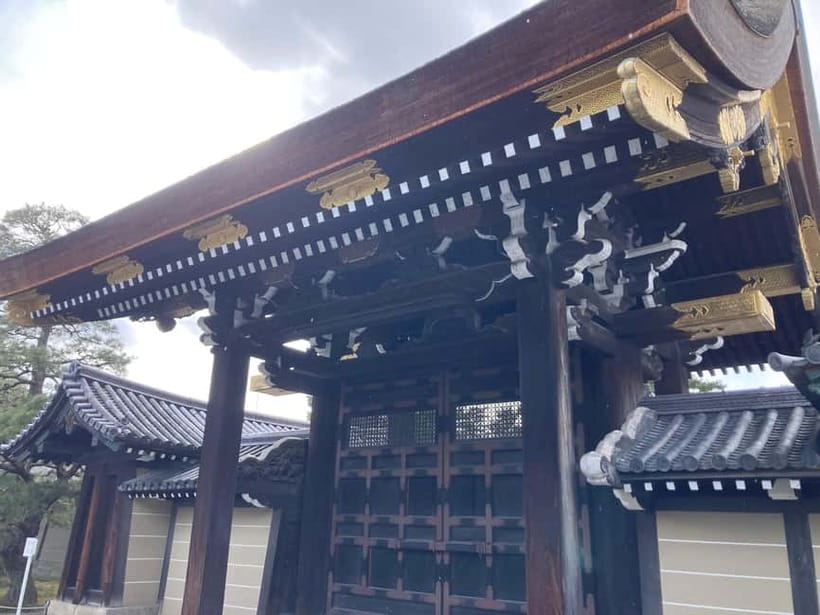
Kyoto can feel like a museum you walk through, but this tour keeps it human. I like how it pairs Nijo Castle power politics with the calm, seasonal gardens of the Kyoto Imperial Palace. Two standouts for me are the focus on how architecture reflects authority, and how the guide uses the walking time to explain what you are actually seeing. One thing to consider is the schedule stays tight, and palace access can be limited on some days, so you may not get the full building-view.
You also get the payoff of a small group, max 9 people, so your questions do not disappear in the crowd. Guides like Kayo, Nene, Taku, and Goku get praised for clear explanations plus a light, fun tone that makes details easier to remember. The one practical catch is the no-shorts rule and the fact that the experience is not suitable for pregnant women.
In This Review
- Key highlights that make this tour worth your time
- Starting at Nakadachiuri Gate, not at some vague corner
- Kyoto Imperial Palace gardens: seasonal beauty with context
- The walking portion in Kyoto: townhouses, street rhythm, and cherry blossoms
- Nijo Castle: Tokugawa Ieyasu’s message in wood and detail
- Ninomaru Palace and the art gallery: when the tour becomes more than sightseeing
- Getting the most from your guide, from Kayo to Goku
- Is $63 good value for 3 hours in Kyoto?
- Practical visit notes: camera, cash, and the no-shorts rule
- Should you book this Kyoto Nijo Castle and Imperial Palace guided tour?
Key highlights that make this tour worth your time
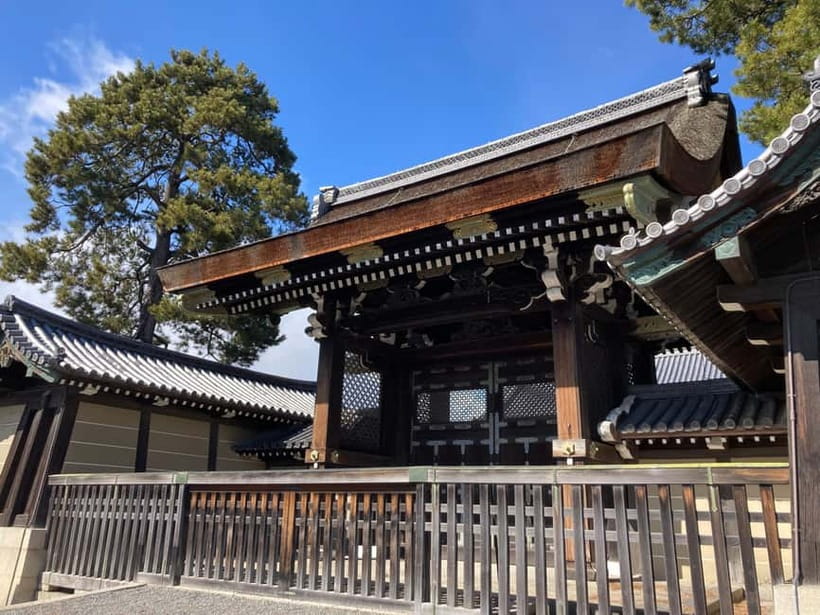
- Nijo Castle through Tokugawa Ieyasu’s lens, where the details are meant to project authority
- Kyoto Imperial Palace grounds and gardens, with seasonal beauty built into the visit
- A guided walking route, including traditional Kyoto streets and a cherry-blossom spot
- Included admissions to Nijo Castle, Ninomaru Palace, and the art gallery
- Small group format (up to 9), so the guide can actually answer your questions
- Meeting at Nakadachiuri Gate, the easiest landmark to find in the Imperial Palace area
The central Tokyo landmarks, reviewed one by one
- Kyoto: Imperial Palace & Nijo Castle Guided Walking Tour
★ 4.7 · 453 reviews - Kyoto: Nijo Castle and Kyoto Imperial Palace Guided Tour
★ 4.6 · 98 reviews - Nijo Castle and Imperial Palace Visit with Guide
★ 5.0 · 53 reviews
Starting at Nakadachiuri Gate, not at some vague corner
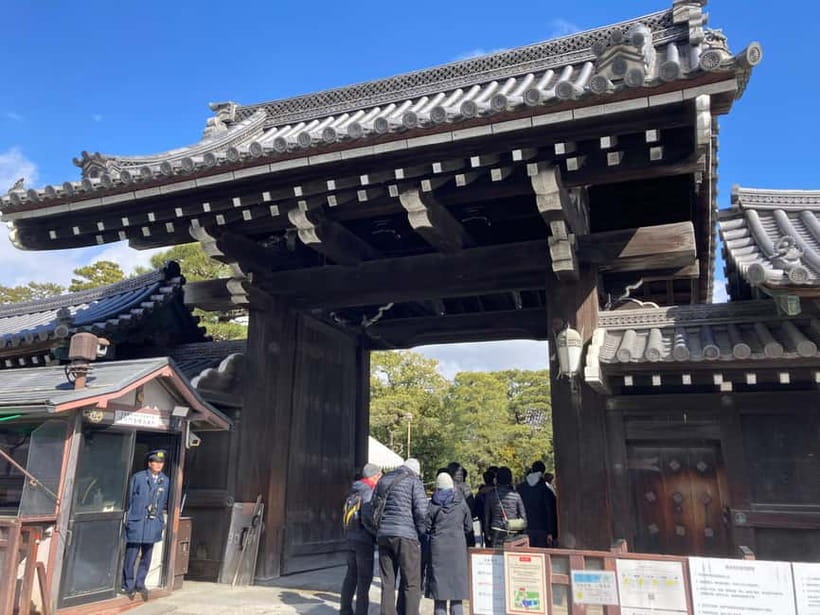
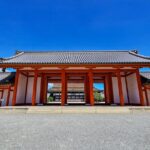
The tour meets at the Nakadachiuri Gate of the Kyoto Imperial Palace. That matters because Kyoto is big, and meeting points that are too general waste time. Here, you start where the story of the Imperial court and its space layout makes sense.
You will also get help identifying your guide in advance, including what they look like and what they are wearing. That is a small thing, but it helps a lot when you are juggling names, maps, and phone battery life. I also like that the tour is designed as a guided walking experience, not a bus tour where you only see rooftops.
Kyoto Imperial Palace gardens: seasonal beauty with context
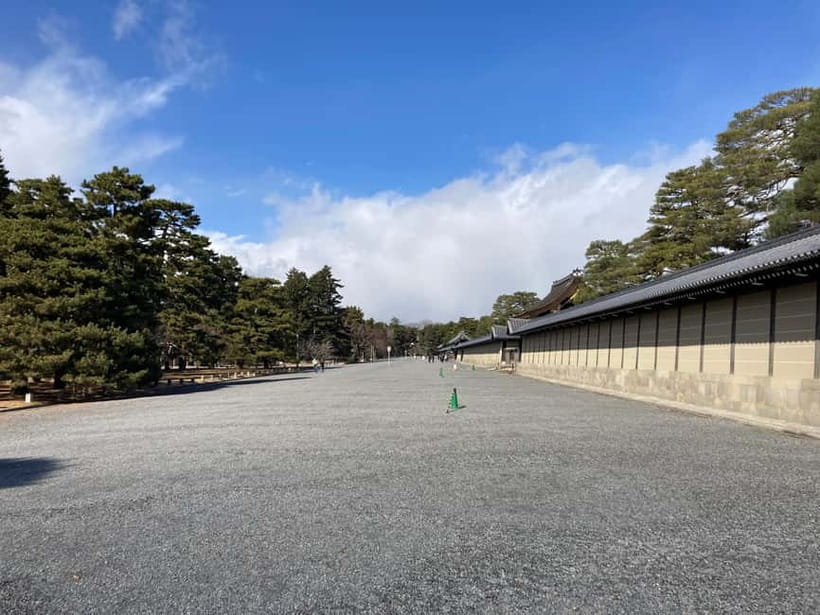
The Kyoto Imperial Palace visit is not just about pretty scenery. The tour frames it as the residence of Japan’s emperors, so the gardens and grand architectural style come with meaning. When you understand that this is where refined court aesthetics lived, the grounds start to feel less like background and more like design.
The gardens are specifically called out for their seasonal beauty. In practice, that means the timing of your visit affects what you notice most. If you are there during a peak bloom period, you will get the visual payoff you expect from Kyoto, but you will also have a guide translating why the layout and views matter.
One heads-up: on at least one day, access to buildings was limited and the group could only see the exteriors. So if you are the type who wants walls, doors, and rooms, manage expectations a little. Still, even exterior-focused palace viewing works well when your guide is good at connecting what you see to how the palace functioned.
The walking portion in Kyoto: townhouses, street rhythm, and cherry blossoms
You are not stuck inside one complex the whole time. You walk, and that is a big part of why this tour feels like Kyoto rather than a checklist. The route includes traditional Kyoto townhouses and a spot famous for cherry blossoms.
This is also where a strong guide earns their fee. Great guides use the street time to answer the questions you would otherwise save for later. In this tour, that walking chat often turns into practical culture comparisons, so you end up with better mental models for how Kyoto operated back when politics and daily life were tightly linked.
If you plan to take photos, this portion helps you grab variety. You get more than just castle angles. You get streets, old-style facades, and the softer side of the city.
Which temple to give the morning to, reviewed
- Kyoto: Tea Ceremony in a Traditional Tea House in Kiyomizu★ 4.9 · 3,519 reviews
- Kyoto: Nijo-jo Castle and Ninomaru Palace Guided Tour★ 4.7 · 1,020 reviews
- Osaka/Kyoto: Arashiyama, Nara & Fushimi Inari Shrine w/Lunch★ 4.4 · 754 reviews
- Kyoto: Nijo Castle, Kiyomizu & Fushimi Inari Guided Tour★ 4.7 · 700 reviews
- Kyoto: Nijo, Kinkaku-ji, Arashiyama, Kiyomizu & Fushimi Inari★ 5.0 · 699 reviews
Nijo Castle: Tokugawa Ieyasu’s message in wood and detail
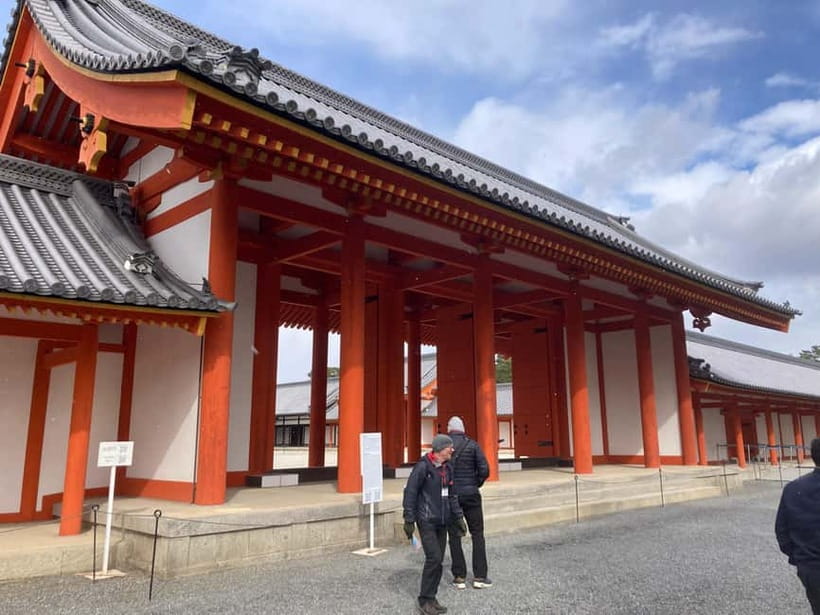
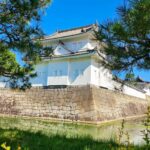
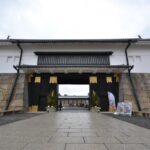
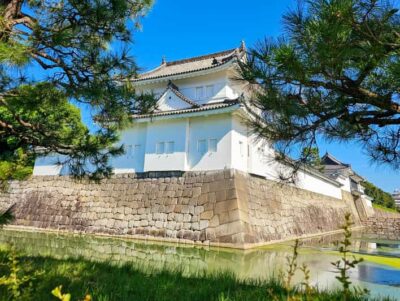
Then you hit Nijo Castle, and it changes the mood fast. This place is described as a symbol of power and authority, and the tour explains why. Built by Tokugawa Ieyasu, the castle is tied to a political era where showing strength and controlling perception was part of the job.
What I like about this stop is the way the guide points out that lavish interiors and intricate details are not random decoration. They are signals. They communicate control, hierarchy, and the legitimacy of the ruling order. Even if you only catch a glimpse of certain rooms, the commentary helps you read the design like a message.
If you are a detail person, you will probably enjoy the “look closer” approach. If you are more into big-picture history, the political framing keeps the visit from turning into a slow museum shuffle.
Ninomaru Palace and the art gallery: when the tour becomes more than sightseeing
The tour includes admission tickets for Ninomaru Palace and an art gallery connected to the castle experience. This combination matters because a castle is not only architecture. It is also the setting for ceremony, display, and collecting meaning.
Ninomaru Palace is where the tour’s political angle has room to breathe. The guide can connect form and function, showing how spaces were designed to reflect rank and authority. Even if you do not speak Japanese, the structure and the guide’s explanations help you understand what kind of atmosphere each area is trying to create.
The art gallery stop adds texture. It is an opportunity to slow down and see how artistic choices fit into power and identity, rather than treating art as a separate activity. If you like learning through objects and displays, this part is a good balance after walking and moving through larger architectural spaces.
Getting the most from your guide, from Kayo to Goku
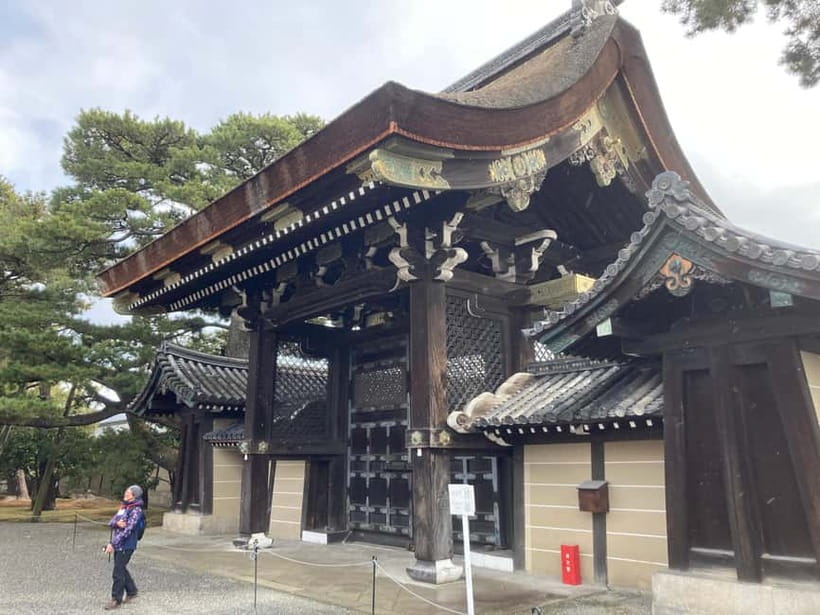
The quality of this tour is heavily tied to the guide. And the names that come up again and again in the tour experience are Kayo, Nene, Taku, and Goku.
Here is what the best guides consistently do on this tour:
- They explain history, architecture, and politics in a clear way, so you do not feel lost
- They stay funny and engaging, which makes a 3-hour schedule feel light
- They answer questions patiently, including the deeper, sometimes awkward ones
- They can tailor the focus if your group preferences lean more history or more photos
- They help with practical moments like taking photos for solo travelers
You can get more out of this tour if you go in with one question ready. For example: what did the shogunate want people to see? Or: how do gardens act like political space? Ask it early. Good guides will build on your curiosity.
Also, if you want specific photos, tell your guide at the start. Several guides are known for pitching in with picture-taking, which is a small service that makes a big difference if you are traveling alone.
Is $63 good value for 3 hours in Kyoto?
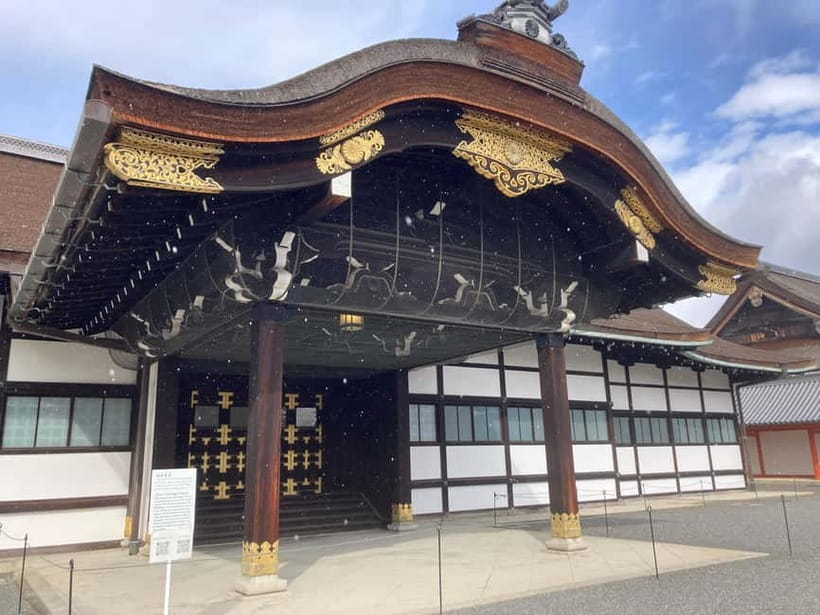
At $63 per person for a 3-hour guided experience, the value depends on one thing: whether you want context, not just entry tickets. This tour includes a professional English-speaking guide, plus admissions listed for Nijo Castle, Ninomaru Palace, and the art gallery.
For that price, you are paying for three practical advantages:
- You skip the guesswork of what matters and why
- You benefit from a small group setting, max 9 people
- You get guided time at two top Kyoto landmarks without rushing yourself
Could you do it alone? Sure. Kyoto is navigable, and the sites are famous. But without a guide, it is easy to walk through ornate spaces and only catch the obvious. The guide’s job here is to translate power politics and refined court aesthetics into something you can actually picture.
If you like your travel with structure, this is a strong deal. If you prefer total freedom and you already know a lot about Tokugawa-era politics and palace design, you might prefer a slower self-guided day. For most people, guided value wins.
Practical visit notes: camera, cash, and the no-shorts rule
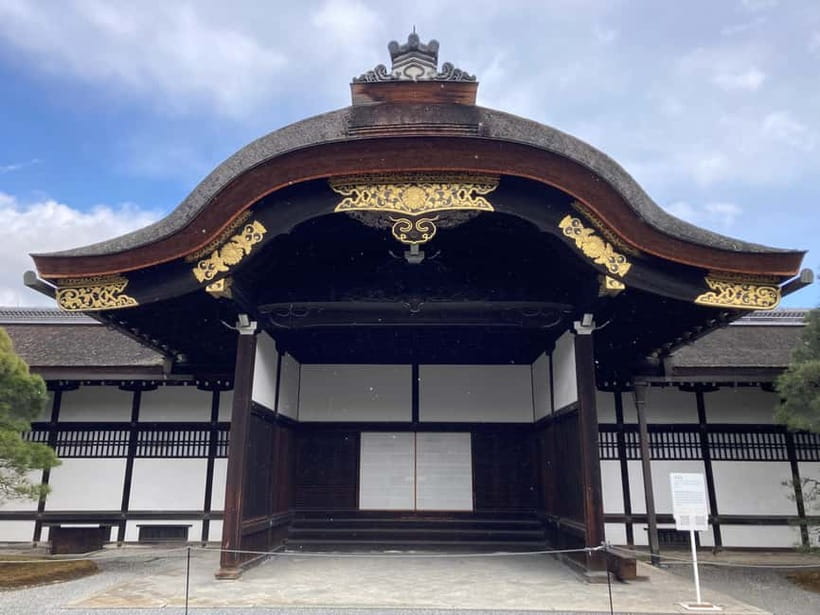
You should bring a camera. Many people also use this tour to take portraits and details shots because the locations provide variety, from palace grounds to castle interior-style viewing. You will also want cash, since the tour data lists it as a bring-along item.
Dress matters. Shorts are not allowed. That is easy to fix, but it is important because Kyoto weather can tempt people to travel light. Plan for comfortable walking shoes too, even though footwear is not explicitly listed, because this is a walking tour.
Finally, the tour is not suitable for pregnant women. If that applies, it is best to skip this specific format and look for a gentler alternative.
Should you book this Kyoto Nijo Castle and Imperial Palace guided tour?
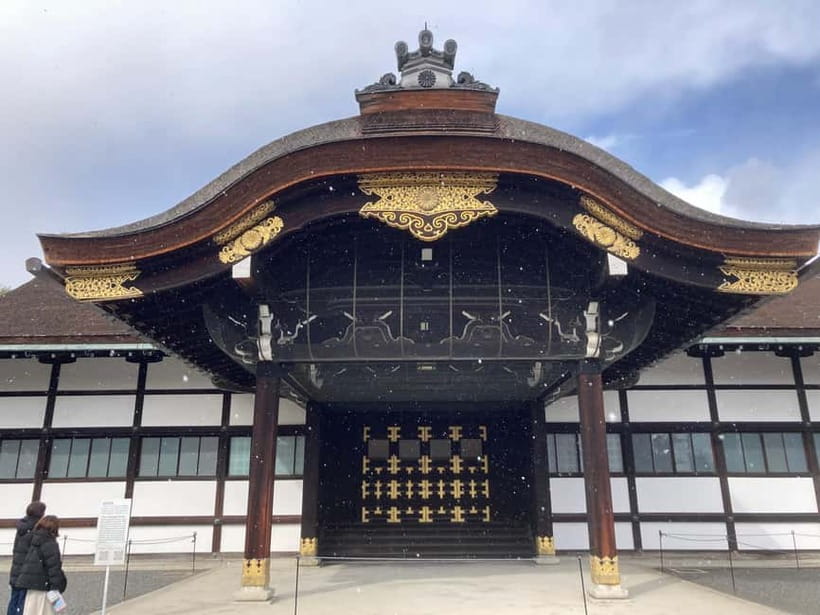
Book it if you want a Kyoto day that feels guided but not stiff. This tour works well when you care about how architecture reflects authority, when you like explanations that connect history to what you see, and when you appreciate a small group where your questions get answered.
I would skip it or at least rethink timing if you strongly need guaranteed full building access at the Imperial Palace, because one experience involved only exterior viewing. I would also skip it if the no-shorts rule or the walking nature of a 3-hour tour does not fit your comfort needs.
If you are choosing between a quick look and a real understanding, this is the better choice. You get two heavy-hitters, plus a guide role that turns scenes into stories you can remember.
Which Kyoto Temple Gets Your Morning


Central Tokyo Landmarks
Newest Kyoto write-ups from the Loving Japan desk
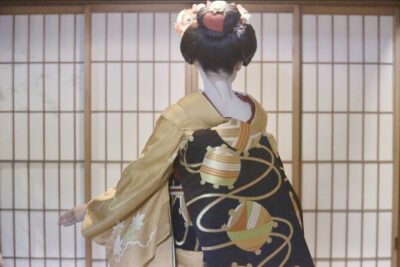


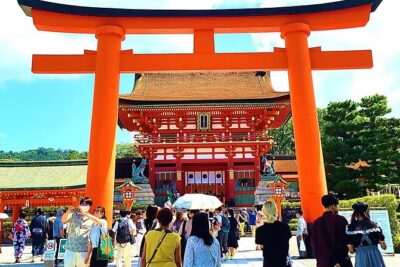
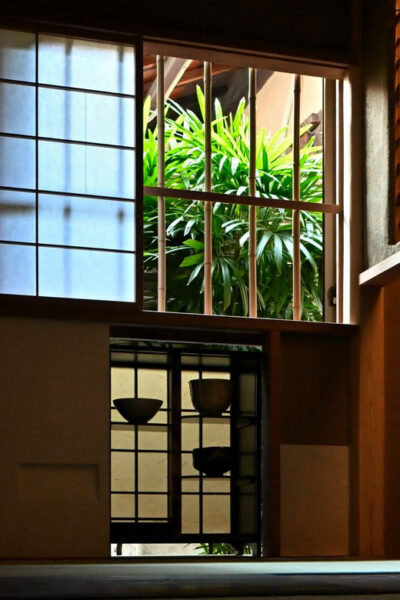
Fushimi Inari and the Temples of Kyoto, side by side.
 ★ 4.8Fushimi Inari, Kinkakuji, Bamboo Grove 1 Day Bus TourFrom $1224,316 reviews
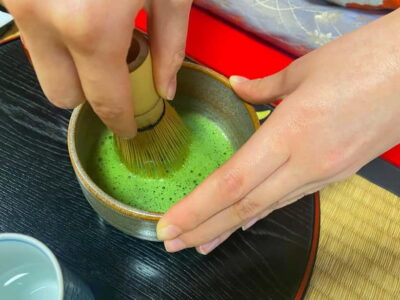 ★ 4.9Tea Ceremony in a Traditional Tea House in KiyomizuFrom $493,519 reviews
 ★ 4.7Kyoto/Osaka: Nara, Fushimi Inari Taisha, Arashiyama Bus TourFrom $521,275 reviews
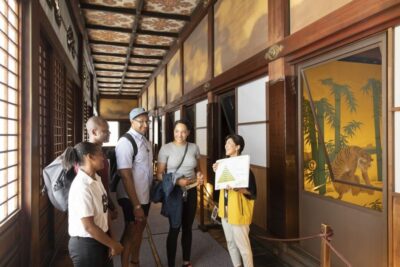 ★ 4.7Nijo-jo Castle and Ninomaru Palace Guided TourFrom $161,020 reviews
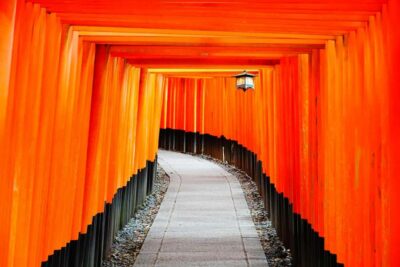 ★ 4.4Osaka/Kyoto: Arashiyama, Nara & Fushimi Inari Shrine w/LunchFrom $61754 reviews
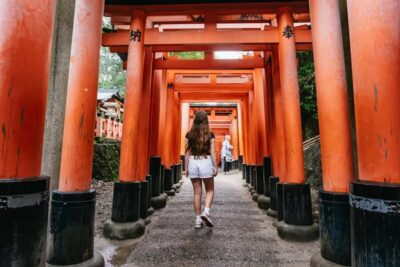 ★ 4.7Nijo Castle, Kiyomizu & Fushimi Inari Guided TourFrom $54700 reviews
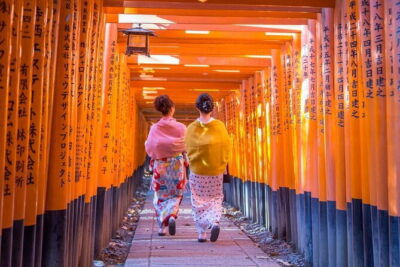 ★ 5.0Nijo, Kinkaku-ji, Arashiyama, Kiyomizu & Fushimi InariFrom $51699 reviews
 ★ 4.7Imperial Palace & Nijo Castle Guided Walking TourFrom $49453 reviews
Filed on these lists too