
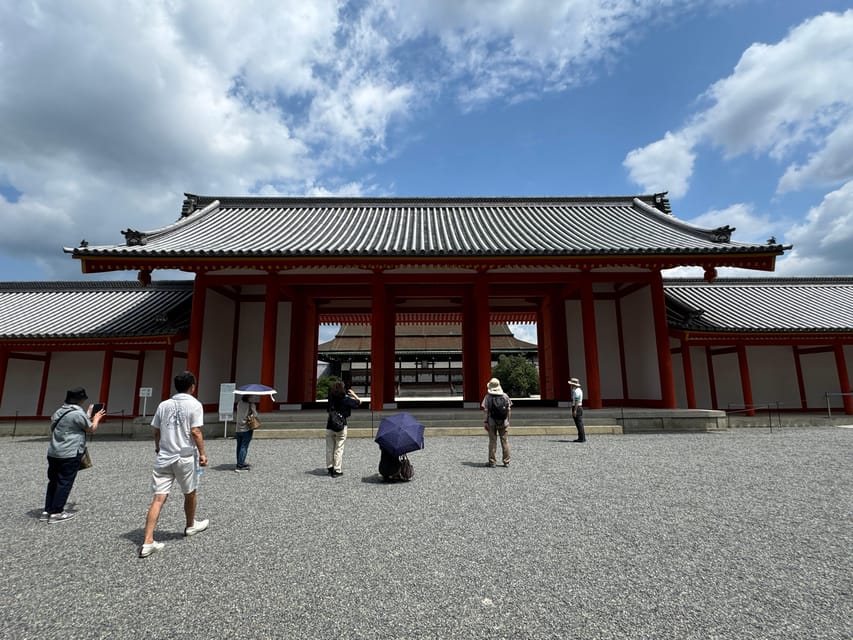
REVIEW · TOKYO TOWER, GINZA AND THE IMPERIAL PALACE
Kyoto: Discover Every Bit of Kyoto Imperial Palace
Imperial Kyoto has quiet power. A guided tour through the Kyoto Imperial Palace in Gyoen National Garden turns an easy stroll into real context, and I especially like the traditions of Japan’s imperial family explained in clear, human terms. I also love how you get oriented to the ceremonial buildings that mattered for grand imperial events, not just what they look like. One watch-out: if you only care about surface sightseeing and photos, a guided experience can feel like extra cost.
This is a solid pick if you want meaning in a short window. You’ll learn how the palace worked as the Emperor’s personal residence area, plus why the gardens and architecture were designed for calm, formality, and ceremony. At $38 per person with entry handled, it’s usually good value when you actually use the guide for questions.
In This Review
- Key highlights worth your attention
- Where Hamaguri Gomon Gate Sets the Tone
- Kyoto Imperial Palace in Gyoen National Garden: More Than Pretty Grounds
- Shishinden and the Ceremonial Halls: Why These Buildings Matter
- Emperor’s Personal Residence Areas: Getting the Court Life Part Right
- Gardens Inside the Imperial Grounds: Serenity You Can Describe
- Guide Quality, English Explanations, and What to Expect From DeepExperience
- Price and Value for a Short, High-Meaning Visit
- Getting the Most Out of Your Hour at the Palace
- Who This Kyoto Imperial Palace Tour Is Best For
- Should You Book This Kyoto Imperial Palace Guided Experience?
- FAQ
- Where does the tour meet?
- How long is the guided visit?
- Is entry to Kyoto Imperial Palace included?
- What language is the guide?
- Is it a private or small group tour?
- What is the cancellation policy?
- Can I reserve now and pay later?
Key highlights worth your attention
- Hamaguri Gomon Gate meeting point that puts you in the right space from minute one
- Shishinden (main hall), the major ceremonial hall tied to imperial functions
- Imperial court daily-life context around areas used at the Emperor’s residence
- Gyoen National Garden surroundings that make the palace feel lived-in and peaceful
- English live guide who can explain what you are seeing as you go
The central Tokyo landmarks, reviewed one by one
- Kyoto: Imperial Palace & Nijo Castle Guided Walking Tour
★ 4.7 · 453 reviews - Kyoto Imperial Palace & Nijo Castle Guided Walking Tour – 3 Hours
★ 4.5 · 106 reviews - Nijo Castle and Imperial Palace Visit with Guide
★ 5.0 · 53 reviews - Kyoto: Discover Every Bit of Kyoto Imperial Palace
★ 4.4 · 21 reviews
Where Hamaguri Gomon Gate Sets the Tone
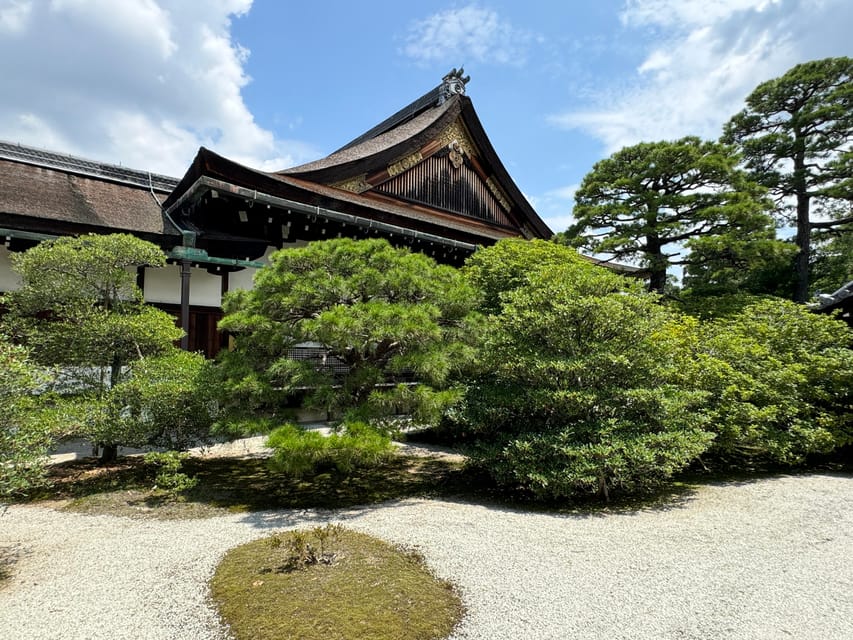
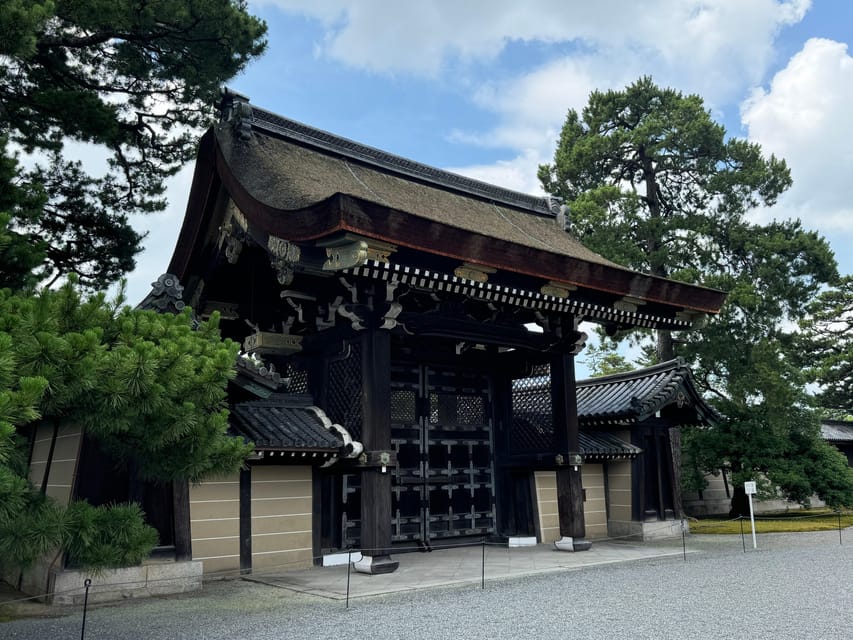
Meet at the Hamaguri Gomon Gate, which is a strong choice for orientation. Gates matter here. They are not just entrances. They help establish hierarchy, movement, and the idea that this space was designed for order.
I like that you start at a specific gate and not a vague building corner. It helps you avoid that common Kyoto feeling of wandering around a big park complex with no sense of what matters first. From there, your route is focused and guided, so you know what to look for while the setting stays calm and photogenic.
If your time in Kyoto is tight, this matters. The Imperial Palace grounds can feel like a lot of space at once. A starting point gives you momentum, and you waste less effort guessing where the important structures are.
Kyoto Imperial Palace in Gyoen National Garden: More Than Pretty Grounds
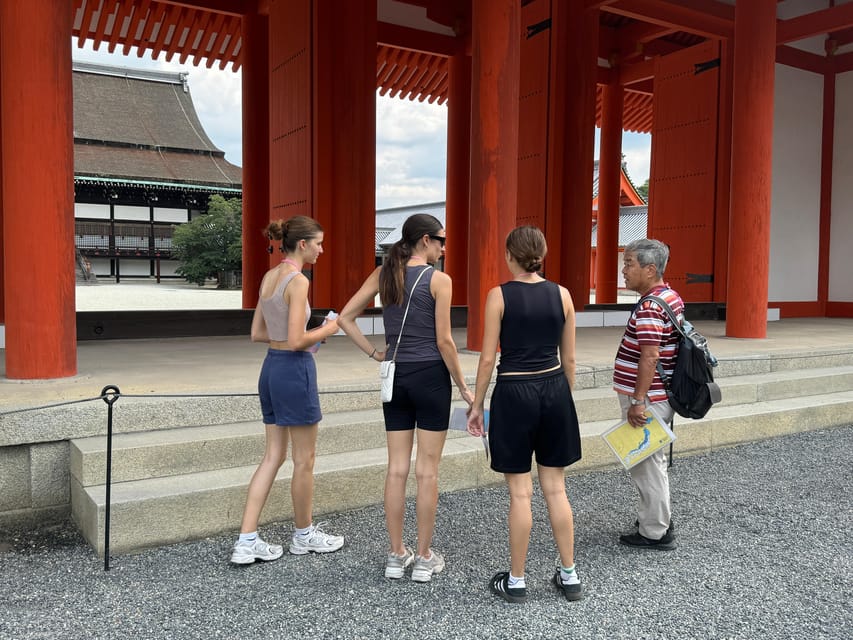
The Kyoto Imperial Palace sits inside Gyoen National Garden, and that setting changes the experience. You are not simply walking through buildings. You are walking through the kind of environment that shaped court routines.
This complex was the residence of Japan’s imperial family before the capital moved to Tokyo in 1869. That single fact reframes everything you see. You start to notice that the architecture and landscaping were built for governance and ceremony, not tourism comfort. It’s formal. It’s restrained. It’s meant to guide behavior.
A common win on tours like this is learning how to read the space. Instead of only noticing roofs and gates, you begin to understand why certain halls were used for important imperial ceremonies and how the garden setting supported the court’s pace. The gardens are part of the message, not decoration.
Shishinden and the Ceremonial Halls: Why These Buildings Matter
The main hall, Shishinden, is the centerpiece you want to understand early. This is where emperors conducted important ceremonies, according to the tour focus. Even if you are not a building-nerd, it helps to know that you are standing within the rhythm of historical state events.
From a practical standpoint, guided context makes architecture click. Without it, you might treat halls as impressive backdrops. With it, you start thinking in terms of function: what kind of event required this kind of hall, and what it would have signaled to those involved.
I also like that this tour’s emphasis stays on the historical significance of ceremonial spaces. You’re not left with a generic “this is old” explanation. The guide’s role is to translate the palace into a story of court tradition, official gatherings, and the special role architecture played.
If you enjoy details, you will likely love the stops where the guide points out features tied to ceremony and court life. Some people book these tours hoping for a quick walk through, but the strongest value here is when you actively use the guide to interpret the buildings you are seeing.
- PERFECT KYOTO 1-Day Bus Tour★ 5.0 · 13,518 reviews
- Kyoto: Fushimi Inari, Kinkakuji, Bamboo Grove 1 Day Bus Tour★ 4.8 · 4,316 reviews
- Kyoto: Tea Ceremony in a Traditional Tea House in Kiyomizu★ 4.9 · 3,519 reviews
- Kyoto Geisha Walking Tour: Gion District & Hidden Gems★ 4.7 · 3,273 reviews
- Kyoto: Tea Ceremony Ju-An at Jotokuji Temple★ 4.9 · 3,207 reviews
Emperor’s Personal Residence Areas: Getting the Court Life Part Right
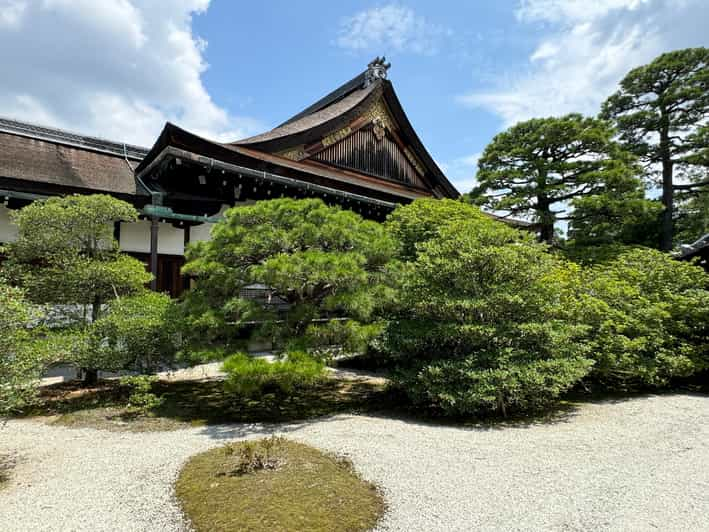
One of the most interesting promises here is learning about daily life in the imperial court at the Emperor’s personal residence. That could sound vague, but it’s actually the key to making the palace feel human.
Imperial history is often presented as dates and names. A better approach is daily routine: how the court moved through space, how the palace supported formal conduct, and how living and ceremony blurred together inside the residence compound.
You can feel this in the way the tour focuses your attention. You’re guided through areas used for official functions and ceremonial purposes, and the explanations help connect those uses back to residence life. That connection is what turns Kyoto Imperial Palace from a sightseeing stop into a deeper understanding of Japan’s imperial tradition.
One small but important consideration: you may not leave with every historical detail you hoped for. The experience is scheduled for a short visit, so the guide has to prioritize. If you’re the type who loves a lecture, you might wish the tour were longer. Still, for most people, it’s a good balance between coverage and time.
Gardens Inside the Imperial Grounds: Serenity You Can Describe
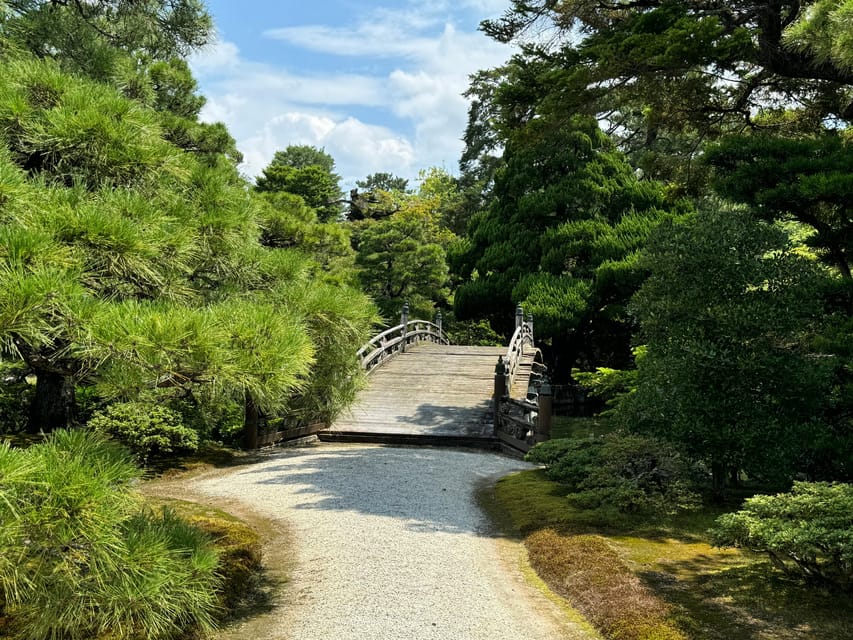
The gardens are part of what makes this tour feel different from other “palace exterior” experiences. Here, the tour specifically includes a stroll through serene, landscaped gardens.
I like gardens best when they give you something to do besides walk. In this setting, the guide’s interpretation helps you pay attention to composition and atmosphere. You start noticing how stillness is built into the experience, how the grounds help set a formal mood, and how they support the idea of courtly life away from chaos.
A standout theme from the experience feedback is that the interior garden can be jaw-droppingly beautiful. That’s exactly the kind of detail you can use to set expectations. Even if you are not a hardcore garden lover, you’ll likely enjoy seeing how carefully the grounds read in real time, not just in photos.
My practical tip: bring comfortable shoes and plan to slow down for a few quiet moments. This is one of those places where rushing drains the payoff. You’ll get more out of it if you let the garden do its job.
Guide Quality, English Explanations, and What to Expect From DeepExperience
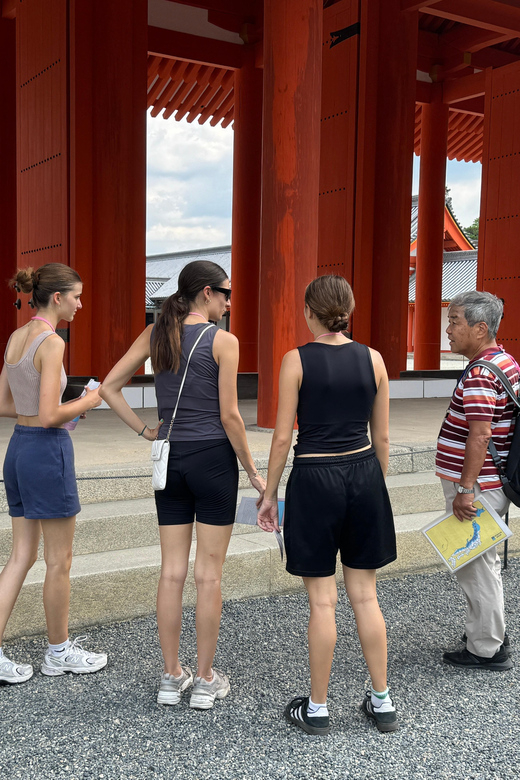
The tour is led by a live English guide through DeepExperience, Inc. This is where the experience can either feel like a shortcut to understanding, or feel like a basic escort.
The best feedback highlights guides who are dynamic and cultivated, with the ability to answer lots of questions in an easy, friendly tone. One named guide, Yoshi, earned strong praise for being very knowledgeable about Japanese history and for pointing out interesting details within the Imperial Palace grounds. That matches the core value here: you’re paying for interpretation, not just entry.
At the same time, there are also negative notes about guides who did not provide much information. One critique said the guide offered very little about the palace and its history. Another comment argued the booking felt unnecessary because access could be seen without a guide.
So here’s the balanced takeaway you should use: if you want the palace as a story, bring questions and engage. Ask about what ceremonies took place in specific halls, why certain buildings mattered, or what the court life context means. If you’re only after general sightseeing and you already know the basics, a guided tour might feel less worth it.
Also remember that group formats are private or small groups. That usually gives you a better shot at getting your questions answered, compared with huge groups where the guide has little time to respond.
Price and Value for a Short, High-Meaning Visit
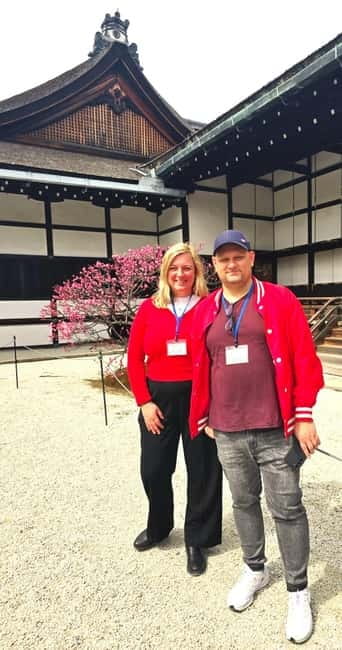
The price listed is $38 per person, with entry to Kyoto Imperial Palace included (it’s stated as free for this tour).
Is it worth it? In my view, it is when you fall into one of these categories:
- You like history that explains how places functioned, not just what they look like.
- You want a guide to translate architecture, ceremonial spaces, and court routine.
- You prefer a focused route over piecing together information on your own.
It might feel pricey if you see this as a simple walk-through, especially since the time commitment is relatively short. But if you actually use the guide and ask questions, the value becomes clearer fast. For $38, you are essentially buying interpretation plus a guided orientation from the Hamaguri Gomon Gate through the key palace highlights.
One more value angle: the palace complex is connected to important history, including the imperial residence before the capital shifted to Tokyo in 1869. When you understand that timeline, the buildings and gardens don’t feel random. They feel intentional.
Getting the Most Out of Your Hour at the Palace
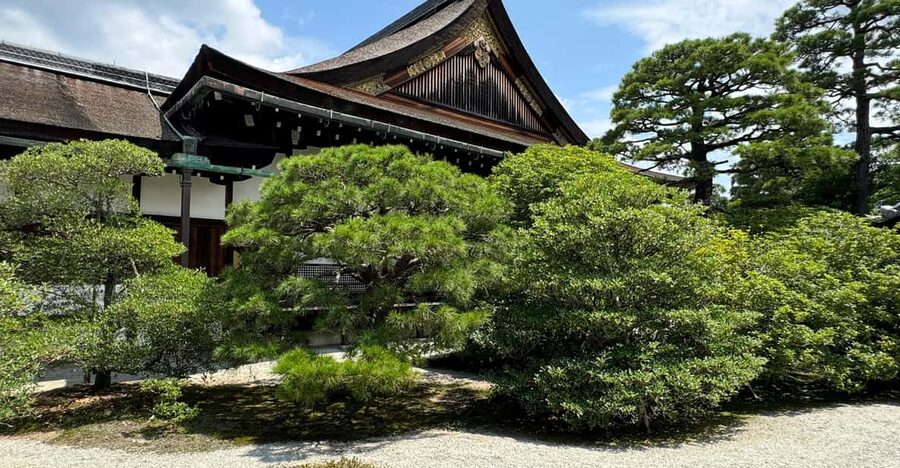
Since the tour duration is short and the focus is on key imperial highlights, your best strategy is simple: arrive mentally ready to prioritize.
Here’s how to maximize it:
- Wear comfortable shoes. You’ll be walking the gardens and grounds.
- Pay attention to names the guide uses, especially Shishinden, and mentally connect them to ceremonies and court life.
- If anything feels unclear, ask. The whole point is guided explanation of traditions and historical significance.
- Slow down in the garden sections. This tour includes garden time for a reason.
Also, consider your expectations around pace. A short guided experience can’t cover everything about the palace. But it can help you understand the most important parts in a way that makes the rest of your Kyoto day easier, not harder.
If you’re pairing this with other Kyoto stops, you’ll probably appreciate that it’s relatively compact. You get a lot of meaning per hour.
Who This Kyoto Imperial Palace Tour Is Best For
This works particularly well for:
- First-timers to Kyoto who want a clear, guided understanding of one of the city’s most significant historic sites
- People interested in the imperial family’s traditions, ceremonial culture, and how court life fits into space
- Anyone who enjoys gardens but also wants context behind them, not just scenery
If you are traveling with a group that has very different interests, this tour can still work because it includes multiple “entry points”: architecture and halls, historical context, and gardens.
If your group is purely photo-first and already knows what every hall is, you might be tempted to do it on your own. In that case, the guided portion might feel like an added layer rather than a necessity.
Should You Book This Kyoto Imperial Palace Guided Experience?
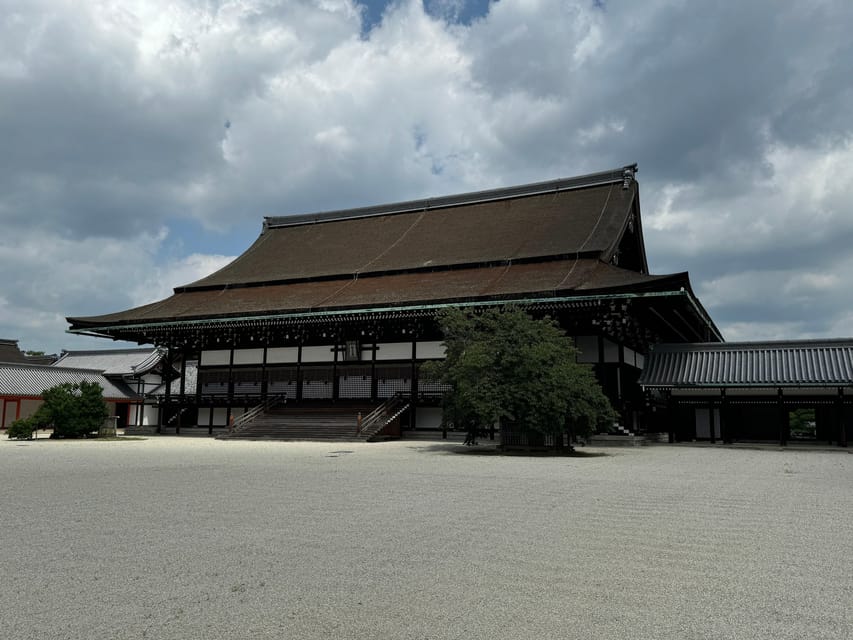
Book it if you want the palace to make sense. If you care about ceremonies, court life, and why Shishinden and other ceremonial spaces mattered, a guide is the difference between seeing buildings and understanding them. The $38 price also looks reasonable because entry is included and the time is well focused.
Skip or reconsider if you expect a long, lecture-style history lesson or you just want casual wandering for photos. There is enough feedback variation on guide depth that you should go in with a mindset of participation. Ask questions, and you’ll likely get far more out of your hour.
If you do book, I’d pick this exact meeting approach seriously. Starting at the Hamaguri Gomon Gate sets your route and helps you get oriented to the palace grounds quickly, so your time feels purposeful from the first step.
FAQ
Where does the tour meet?
You meet in front of the Hamaguri Gate (Hamagurigomon) of the Kyoto Imperial Palace. The guide will be waiting with a yellow sign that says DeepExperience.
How long is the guided visit?
The Kyoto Imperial Palace guided visit is scheduled for about 1.5 hours.
Is entry to Kyoto Imperial Palace included?
Yes. Entry to the Kyoto Imperial Palace is included, and it is listed as free for this tour.
What language is the guide?
The live tour guide is in English.
Is it a private or small group tour?
It offers private or small groups, depending on availability.
What is the cancellation policy?
You can cancel up to 24 hours in advance for a full refund.
Can I reserve now and pay later?
Yes. The option to reserve now and pay later is available, so you can book without paying immediately.
Central Tokyo Landmarks
Newest Kyoto write-ups from the Loving Japan desk
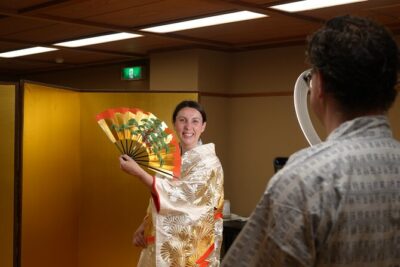
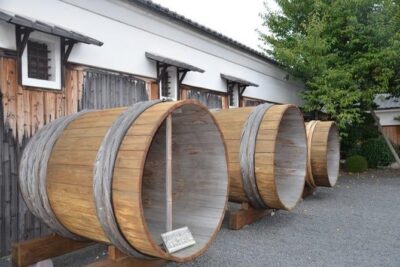
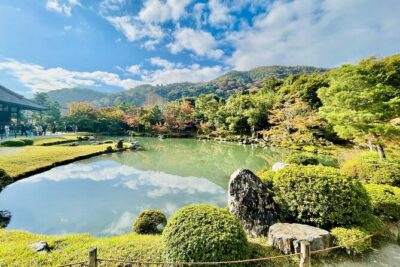
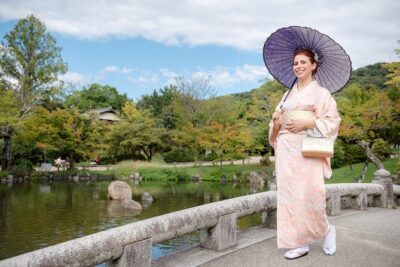
Tokyo Tower, Ginza and the Imperial Palace, side by side.
 ★ 5.0Flagship 2-Hours Official Street Go-Kart Tour – Tokyo Bay ShopFrom $644,974 reviews
 ★ 4.6Tokyo Tower: Admission TicketFrom $93,661 reviews
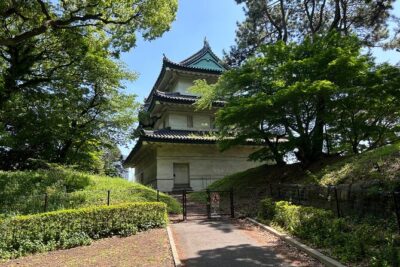 ★ 5.0Imperial Palace and Shogun Historical Walking TourFrom $222,251 reviews
 ★ 4.7Meiji Shrine, Asakusa, Skytree Bus Tour and CruiseFrom $1221,986 reviews
 ★ 4.8Chopstick Making Workshop in GinzaFrom $251,366 reviews
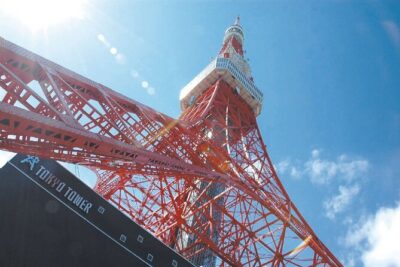 ★ 4.5Tokyo Panoramic 1 Day: Meiji Shrine, Asakusa, Odaiba and SKYTREE®From $851,222 reviews
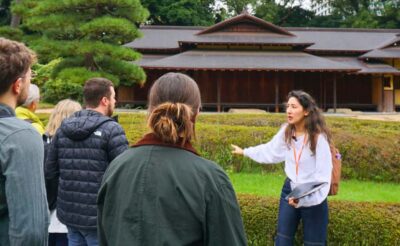 ★ 4.9Imperial Palace Japanese History Walking TourFrom $32987 reviews
 ★ 4.9Imperial Palace and Shogun Walking TourFrom $16935 reviews
Filed on these lists too