
REVIEW · ARASHIYAMA AND THE BAMBOO GROVE
Kyoto Sagano Insider: Rickshaw and Walking Tour
Kyoto Arashiyama is iconic, and this tour plans it well. You get a private rickshaw to zip through the Bamboo Forest area, then you switch to walking for the places rickshaws cannot reach. The guide also adds context as you go, so you are not just moving between photo spots.
What I really like is the mix of modes, rickshaw to save time and walking to slow down where it matters. Second, the tour is built around real Arashiyama texture, from a traditional machiya house to a temple famous for quirky handmade figurines. One thing to consider is that you do some walking on slopes, and some temple and garden admission fees are not included.
In This Review
- Key highlights that make this tour worth your time
- Arashiyama by rickshaw, then machiya streets on foot
- Why the private rickshaw matters more than you think
- Bamboo Forest time, plus an optional walk beyond the rickshaw line
- Machiya house visit at Kyoto City Sagatoriimotocho Nami Preservation Hall
- Otagi Nenbutsu-ji Temple and its handmade figurines
- Optional extra bamboo walking, then straw-thatched haiku connections
- Preserved Arashiyama district and the old pilgrim path effect
- Tea house chance and how the guide ties scenes together
- Price and what $228.62 buys you in real terms
- Best fit for first-timers, photo lovers, and couples
- How to make the day go smoothly
- Should you book Kyoto Sagano Insider, Rickshaw and Walking Tour?
- FAQ
- How long is the Kyoto Sagano Insider Rickshaw and Walking Tour?
- Where is the tour meeting point?
- Is this a private tour or a shared group experience?
- Does the tour include temple admission fees?
- Is there walking during the tour?
- What languages does the guide speak?
- Are there age or child seat rules?
- Can I cancel for a full refund?
Key highlights that make this tour worth your time
- Private rickshaw means your group rides without sharing the vehicle with strangers
- Bamboo Forest photo stops guided in real time, so you do not waste energy hunting angles
- Machiya house visit at Kyoto City Sagatoriimotocho Nami Preservation Hall (admission free)
- Otagi Nenbutsu-ji Temple to see the unusual handmade figurines (admission not included)
- Optional extra bamboo walking inside sections that are not accessible by rickshaw
- Guides with strong photo skills are repeatedly praised by name, like Takumi and Atsu
Still in Arashiyama? Keep going west
- Kyoto: Fushimi Inari, Kinkakuji, Bamboo Grove 1 Day Bus Tour
★ 4.8 · 4,316 reviews - Osaka/Kyoto:Kinkakuji,Arashiyama,FushimiInariShrine,NaraPark
★ 4.1 · 1,596 reviews - Kyoto/Osaka: Nara, Fushimi Inari Taisha, Arashiyama Bus Tour
★ 4.7 · 1,275 reviews - Kyoto Arashiyama Walking Tour: Bamboo, Monkeys, Gardens & Secrets
★ 5.0 · 1,216 reviews
Arashiyama by rickshaw, then machiya streets on foot
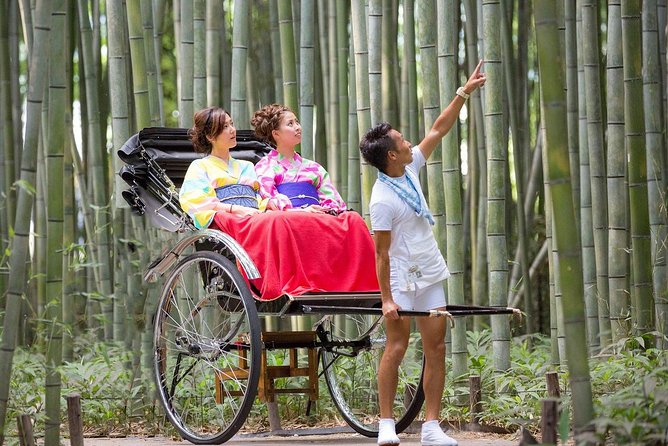
This tour is a practical way to see Arashiyama without turning your day into a logistics puzzle. In the Bamboo Forest area, crowds and narrow paths can make exploration feel slow. A rickshaw gets you through the most photogenic stretches faster, while your guide handles the route and timing.
Then you switch to walking, which is where Arashiyama turns from scenic to specific. You will move through traditional neighborhoods, side streets, and preserved lanes that feel more local than the main tourist corridors. Even if you do not know much Japanese culture ahead of time, the guide’s narration helps you connect what you are seeing to why it exists.
The walking part is also a reality check. This is not a fully seated experience. You should expect steps and slopes, so plan comfortable shoes and pace yourself. If you are sensitive to hills or have mobility limits, the walking sections can be the deciding factor.
Why the private rickshaw matters more than you think
On paper, it is just a vehicle. In real life, private changes how the whole experience feels. With a shared ride, you spend mental energy coordinating and waiting. With a private rickshaw, the driver can focus on your group’s speed, photo requests, and the flow between stops.
Your seats are also sized for comfort in this context. The rickshaw seats measure 74 cm (about 29.1 in) in width and can accommodate up to two adults side by side. If you are traveling as a pair, that matters, because you are not squeezing, and you can actually relax your shoulders for a longer ride.
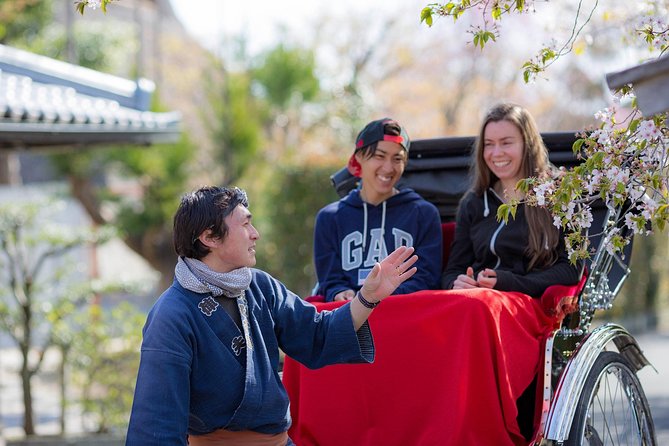
Photo stops are baked into the experience too. Several guides are praised for being good at photography and for stopping at great visual spots along the way. Names that come up include Atsu and Takumi, and you will likely see the same approach: pause, position, shoot, then continue.
One more practical note, the tour includes a slope. Even though the rickshaw does the heavy lifting, you will still get up and move during the walking segments and at temple areas.
Bamboo Forest time, plus an optional walk beyond the rickshaw line
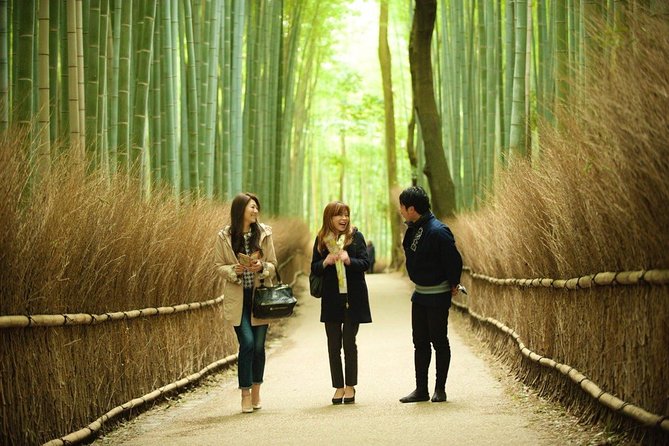
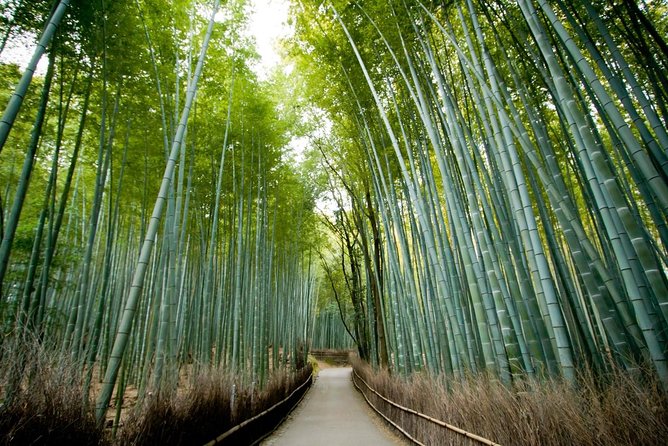
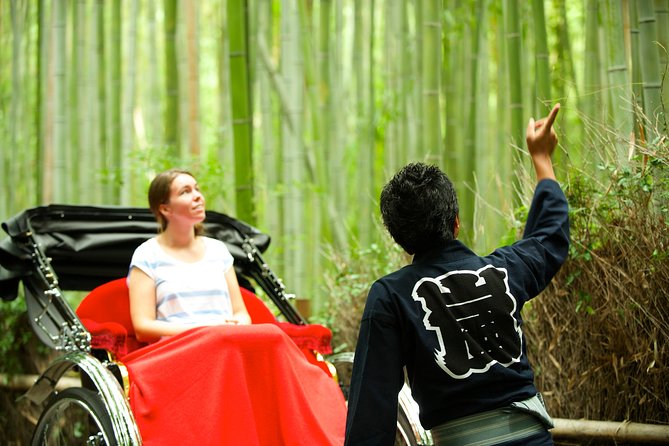
The Bamboo Forest ride is the headline for a reason. The rhythm of the stalks, the light filtering through, and the contrast between the grove and the surrounding streets create photos that look like they belong in a travel postcard.
Here is the smart part: the tour builds in photo stops during the ride, and you have an optional chance to get off and walk inside a portion of the bamboo area that is not accessible by rickshaw. That optional choice is important because it controls how much you want to trade time for a deeper foot-on-ground view.
If you hate crowd crush, the rickshaw-first strategy helps you avoid spending your whole time pushing forward. If you love walking and quiet corners, the optional bamboo stretch gives you that extra texture without needing to plan it yourself.
Weather matters in bamboo country. You are in an outdoor environment, so bring a light rain layer if showers are possible, and plan for slippery patches if the ground is damp. Even when you do not mind the walk, your footing matters in the real world.
Let something else do the walking
- PERFECT KYOTO 1-Day Bus Tour★ 5.0 · 13,518 reviews
- Kyoto: Hop-on Hop-off Sightseeing Bus Ticket★ 3.9 · 2,034 reviews
- Kyoto: Arashiyama Customized Rickshaw Tour & Bamboo Forest★ 5.0 · 432 reviews
- Kyoto Arashiyama Rickshaw Tour with Bamboo Forest★ 5.0 · 354 reviews
- Kyoto Rickshaw Tour★ 5.0 · 210 reviews
Machiya house visit at Kyoto City Sagatoriimotocho Nami Preservation Hall
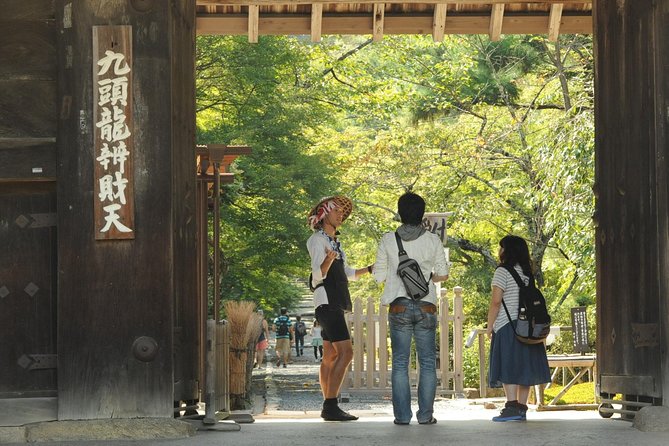
A big reason this tour feels more authentic than a simple ride is the machiya stop. At Kyoto City Sagatoriimotocho Nami Preservation Hall, you get to visit a traditional Kyoto-style machiya house.
This is not just a quick look from the doorway. The stop is about 20 minutes, and the admission ticket for this portion is listed as free. In other words, it is one of the easiest ways to add culture to your Arashiyama day without feeling like you are paying extra for every step.
Machiya houses are the kind of traditional architecture you miss when you only sprint through main streets. You get to see how the old Kyoto town layout relates to everyday life, and that makes the later preserved district feel more meaningful. A good guide will connect the dots as you pass nearby historical buildings, and several guide names show up for this style of storytelling, including Takumi.
Practical tip: treat this as your reset moment. Step out of the rickshaw rhythm, look slowly, and take a few photos from the spots you are allowed to access.
Otagi Nenbutsu-ji Temple and its handmade figurines
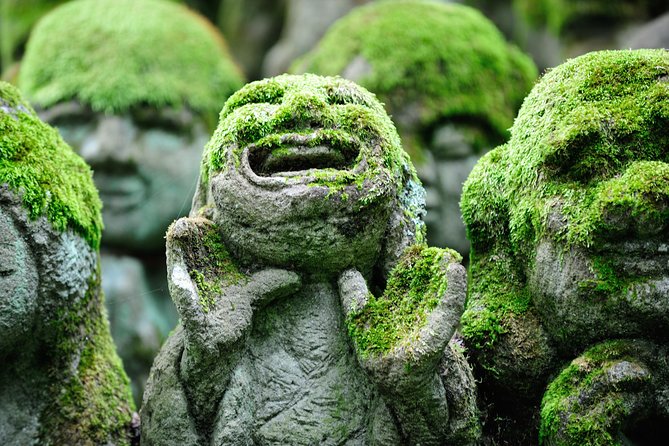
Next comes a stop that shifts the mood from scenic to strange in a good way: Otagi Nenbutsu-ji Temple. The attraction here is its quirky, handmade figurines.
The visit is about 30 minutes. Admission fees for the temple are not included, so you will want a little cash or card readiness. This is also one of those places where the timing feels right in a short tour format. You are not stuck there for hours, but you do get enough time to walk and actually absorb what makes the site memorable.
Why it works in the middle of a bamboo-focused day: it gives your brain a new visual theme. Bamboo lines and photo angles stay with you, but figurines add personality and detail. Even if you are not a temple expert, the look is unusual enough that you will remember it later.
If you are traveling with someone who wants more than one kind of activity, this is a strong balancing point. It is still cultural, but it is also playful.
Optional extra bamboo walking, then straw-thatched haiku connections
After the machiya and temple stops, the experience starts to feel like wandering on purpose. The route includes old traditional cottages with straw-thatched roofs, described as a former home of one of Japan’s famous haiku poets.
There is no need to be a literature fan to enjoy this. The real value is the atmosphere. Straw-thatched structures and small, quiet lanes help Arashiyama feel older than it looks from the main thoroughfares. When your guide explains what you are seeing as you pass by, even brief historical references make the street scenes click.
From there, you move through areas with a Shinto shrine tucked into the bamboo grove. That change from temple to shrine is not random. It reflects how different belief spaces exist side by side in Japan, often with the landscape doing a lot of the work. In bamboo country, the grove itself becomes part of the setting.
One more small but useful detail: the tour includes walking up and down a slope. That does not mean you are hiking for hours, but it does mean you should keep water handy and take your time at the stops so you are not rushing photos.
Preserved Arashiyama district and the old pilgrim path effect
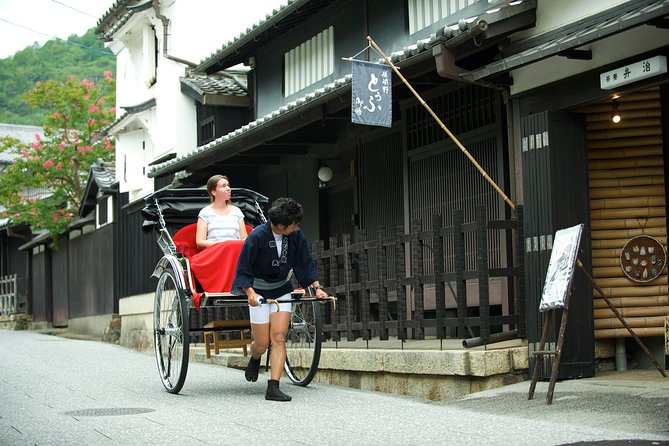
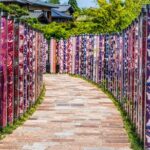
One of the most satisfying parts of this tour is where it ends up: a preserved district with an old pilgrim path lined with traditional wooden town houses you will not find in the downtown areas of Kyoto.
This is exactly the kind of place that looks ordinary on a map but feels special in person. Preserved lanes tend to be quieter, and the wooden façades help you picture daily life before modern retail and traffic took over the look of the street.
If you care about photography, this section usually gives you a different set of images than the bamboo does. Instead of vertical stalks, you get framed doorways, wood textures, and the gentle narrowing feel of a path. It also helps that your guide is there. You do not have to guess where to stand or which side to walk for the best view.
This is also where your guide’s style can make a big difference. Many people mention guides who are friendly, enthusiastic, and good at both storytelling and photo timing. Names that come up in that context include Yuya, Shota, Yoshii, and Katsuki.
If you want the most value, slow down here. Take a few minutes longer than you think you need, because preserved districts reward patience.
Tea house chance and how the guide ties scenes together
The tour includes time where you may get a chance to go inside a tea house with your guide. The exact tea experience is not spelled out in the basic info you provided, but the key point is that it is not only a walk-and-ride day. There is a cultural pause built in.
This matters because Arashiyama can feel like nonstop sights. A tea house stop gives you a moment to reset and absorb what you have just seen, especially after the bamboo and temple contrast.
Guides also help you interpret the places you pass. The narration while traveling by rickshaw and walking can turn landmarks into context. Instead of treating each stop like a separate checkbox, you start noticing patterns: Kyoto town life, preserved architecture, and how religious spaces relate to landscapes.
If you are booking in colder months or rain, a tea stop can also be practical. Even a short break helps you enjoy the rest of the day without feeling worn out.
Price and what $228.62 buys you in real terms
At $228.62 per person, this is not a bargain-basement Kyoto activity. But it also is not trying to be. You are paying for a focused bundle: private rickshaw, a guide, photo stops, and multiple distinct stops tied to Arashiyama’s traditional character.
Here is the value math that usually matters:
- Private rickshaw reduces waiting and crowd friction, which you feel immediately in Arashiyama
- A local guide provides context as you move, not just at one museum moment
- Photo stops help you get usable images without standing around guessing
- Machiya house visit is free admission for that specific stop, so you are not paying twice right away
- Temple admission is not included, so plan for extra spend there
In other words, the base price covers the experience structure. Your extra costs mainly come from temple admission and any optional or separate purchases you choose during stops.
Also consider timing. The tour is about 3 hours 10 minutes. That duration is long enough to feel like you actually explored, but short enough to still have time for other Kyoto plans the same day.
If your main goal is to see bamboo and take great photos with less effort, the private + guide combination can feel like good value. If you want an open-ended day for wandering and you do not care about photo guidance, you might be able to plan something cheaper on your own. But you would be trading convenience for independence.
Best fit for first-timers, photo lovers, and couples
This tour is ideal if you want Arashiyama without the stress of figuring out routes and timing between scattered sights. You will especially enjoy it if you:
- want an easy way into the Bamboo Forest area
- like having a guide who can explain what you are seeing
- care about getting photos that actually look good, not just snapshots
- enjoy a mix of architecture and temples
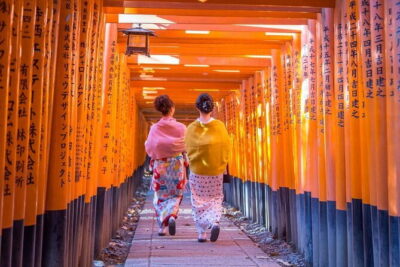
It also fits couples well. Many people pair it with rented kimono for a very photogenic day, and wearing traditional outfits makes the machiya streets and old path feel extra harmonious. Kimono rentals are not included in the tour info you provided, but if you already plan to rent nearby, the tour’s setting is a natural match.
Who should think twice: if you have limited mobility or you do not do well with slopes. The walking is not constant, but it is part of the design, and you should take that seriously.
How to make the day go smoothly
A few practical moves will help you get the most out of the tour:
- Wear comfortable shoes, because you will walk on a slope and move between spots
- Bring a light layer for bamboo areas, and plan for rain if it is in the forecast
- Keep a bit of money ready for temple admission fees that are not included
- If you want maximum photos, let your guide know and be ready to pause when they recommend a spot
- If you are tempted by the optional bamboo walking, decide based on your energy level that day, not your best-case intentions
Also note the tour meets and ends back at the meeting point, near 1-1 Sagatenryūji Susukinobabachō, Ukyo Ward, Kyoto. That makes it easier to coordinate with the rest of your Kyoto day.
Should you book Kyoto Sagano Insider, Rickshaw and Walking Tour?
I think this is a strong booking if Arashiyama is on your must-see list and you want a guided path that balances iconic views with traditional side streets. The private rickshaw saves you from the worst parts of crowd and route confusion, and the combination of a machiya house and a temple stop with handmade figurines keeps the day from feeling repetitive.
Book it if you want:
- a guided, photo-friendly Arashiyama route
- a cultural add-on without spending all day in museums
- a short but varied experience, about 3 hours 10 minutes
Skip or adjust your expectations if:
- you do not want any slope or you prefer fully seated sightseeing
- you are trying to minimize extra admissions and spending beyond the base price
If your travel style is scenic plus meaningful, this tour is set up for that sweet spot.
FAQ
How long is the Kyoto Sagano Insider Rickshaw and Walking Tour?
It is about 3 hours 10 minutes.
Where is the tour meeting point?
The start point is 1-1 Sagatenryūji Susukinobabachō, Ukyo Ward, Kyoto, 616-8385, Japan. The tour ends back at the meeting point.
Is this a private tour or a shared group experience?
It is a private tour, so only your group participates, and you do not need to share the rickshaw.
Does the tour include temple admission fees?
Temple and garden admission fees are not included. The machiya house stop at Kyoto City Sagatoriimotocho Nami Preservation Hall is listed as free.
Is there walking during the tour?
Yes. The tour includes walking, including up and down a slope. There is also an optional extra walk in part of the bamboo forest that is not accessible by rickshaw.
What languages does the guide speak?
English and Japanese speaking guides are fluent. Chinese, Korean, and Spanish speaking guides may be available at a conversational level based on availability.
Are there age or child seat rules?
Children 6 years and older must have a seat and pay the same price as adults. Children 5 years and under can ride for free if they sit on an adult’s lap (one child per adult, maximum two adults and two children per rickshaw).
Can I cancel for a full refund?
Yes. You can cancel up to 24 hours in advance for a full refund, and cancellations less than 24 hours before the start time are not refunded.
Let Something Else Do the Walking

Further Into Arashiyama
Newest Kyoto write-ups from the Loving Japan desk
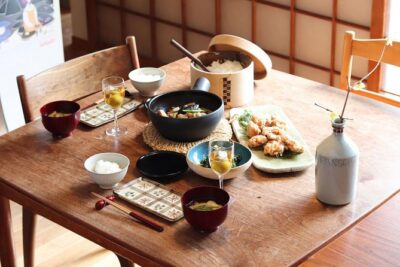
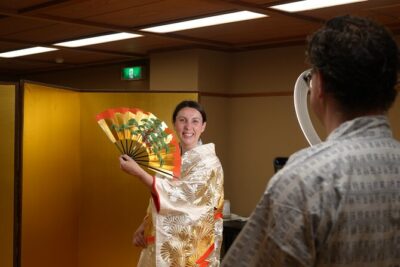
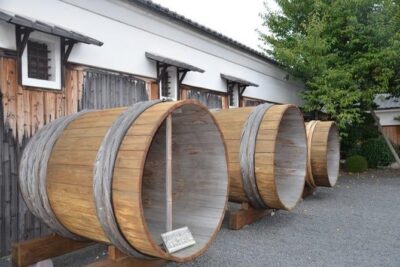
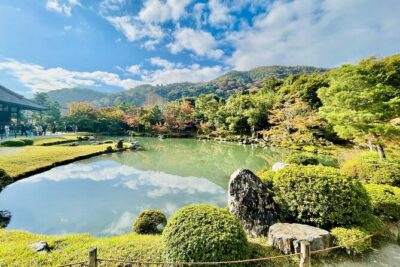
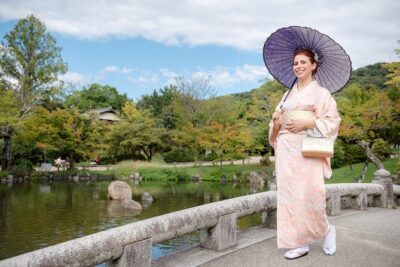
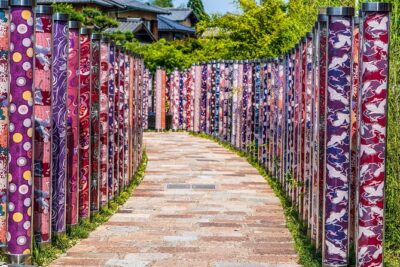
Arashiyama and the Bamboo Grove, side by side.
 ★ 4.8Fushimi Inari, Kinkakuji, Bamboo Grove 1 Day Bus TourFrom $1224,316 reviews
 ★ 4.1Osaka/Kyoto:Kinkakuji,Arashiyama,FushimiInariShrine,NaraParkFrom $661,596 reviews
 ★ 4.7Kyoto/Osaka: Nara, Fushimi Inari Taisha, Arashiyama Bus TourFrom $521,275 reviews
 ★ 5.0Kyoto Arashiyama Walking Tour: Bamboo, Monkeys, Gardens & SecretsFrom $651,216 reviews
 ★ 4.8Arashiyama Bamboo, Temple, Monkeys, or Secret Sake BreweryFrom $87886 reviews
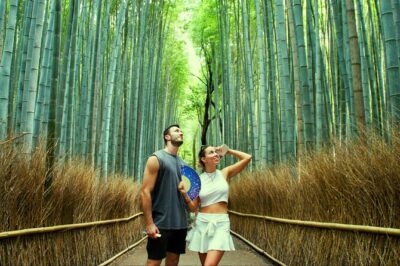 ★ 5.0Arashiyama Bamboo Forest, Monkeys, Matcha & Temple TourFrom $53759 reviews
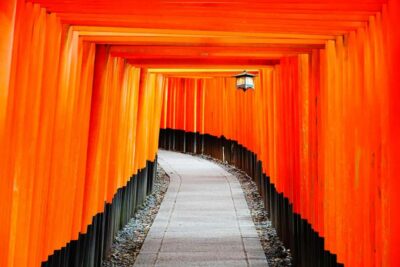 ★ 4.4Osaka/Kyoto: Arashiyama, Nara & Fushimi Inari Shrine w/LunchFrom $61754 reviews
 ★ 5.0Nijo, Kinkaku-ji, Arashiyama, Kiyomizu & Fushimi InariFrom $51699 reviews
Filed on these lists too